Southern Tanzania Safari: Avoid Serengeti Crowds + Save 30%
Southern Tanzania safaris save 30-40% vs. Serengeti. Explore Tarangire, Ruaha & Nyererer with fewer crowds. Book verified operators on SafariFind.
Southern Tanzania Safari: Avoid Crowds, Save 30%
Last updated: July 2026
Southern Tanzania safaris cost $2,500-$4,500 per person and save you 30-40% compared to the crowded Serengeti. Travel during the green season (March-May) for the best deals and fewer tourists. Book through verified operators on SafariFind to compare packages and read authentic reviews from past travelers.
At a Glance
- Cost: $2,500-$4,500 per person for 7-10 days
- Best time: March-May (green season) for 30-40% savings and lush wildlife
- Duration: 7-10 days recommended for full experience
- Best for: Budget-conscious travelers, wildlife photographers, families seeking fewer crowds
- Key parks: Tarangire, Ruaha, Selous (now Nyerere), Ngorongoro Crater
- Wildlife highlights: Elephants, lions, zebras, giraffes, and migratory birds
What Is a Southern Tanzania Safari?
Southern Tanzania safaris focus on less-visited parks like Tarangire, Ruaha, and Nyerere instead of the crowded Serengeti. These destinations offer equally stunning wildlife viewing at significantly lower prices. You see the same animals—lions, elephants, zebras, and giraffes—but with fewer safari vehicles competing for sightings.
Tarangire National Park covers 2,850 square kilometers and is known for its massive elephant herds and ancient baobab trees. Ruaha National Park spans 13,650 square kilometers and hosts diverse wildlife including wild dogs and greater kudu. These parks deliver authentic safari experiences without the tourist congestion of northern circuits.
Why Choose Southern Tanzania Over the Serengeti?
The Serengeti draws over 300,000 visitors annually, creating crowded game drives and inflated prices during peak season. Southern Tanzania parks attract far fewer tourists, meaning you enjoy intimate wildlife encounters. You also save money: green season rates drop 30-50% compared to peak months.
Southern parks operate year-round with consistent wildlife viewing. Unlike the Serengeti's seasonal migrations, these destinations offer resident wildlife populations. Birds migrate through during March-May, creating exceptional birdwatching opportunities. The landscape shifts between golden grasslands and dense woodlands, offering visual variety throughout your safari.
Key Differences From Northern Tanzania Safaris
Northern Tanzania safaris focus on the Serengeti and Ngorongoro Crater with peak season prices reaching $400-600 per person daily. Southern safaris cost $250-400 per person daily, representing significant savings. Northern circuits experience heavy crowding July-October. Southern parks maintain lower visitor numbers year-round, even during peak season.
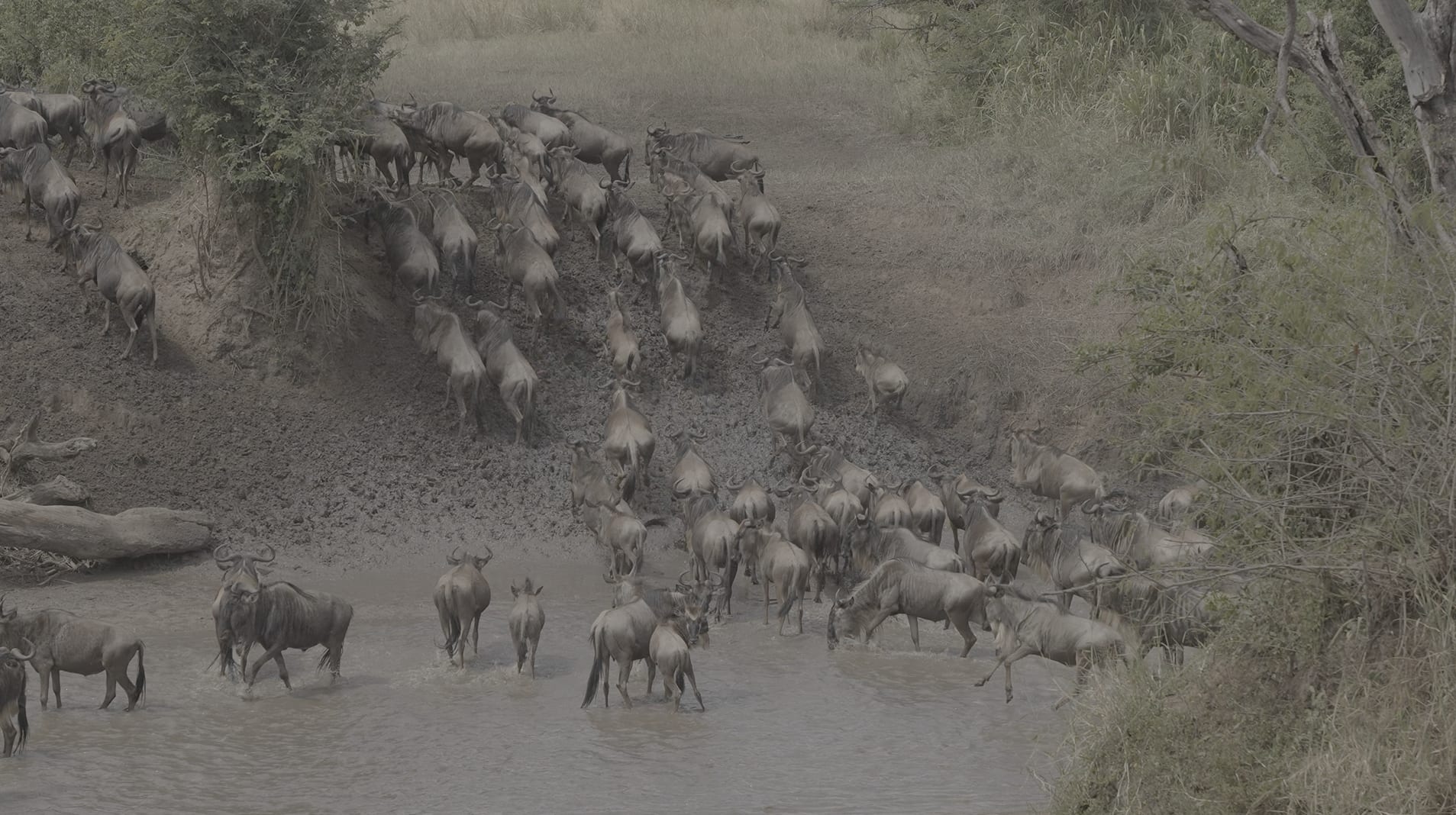
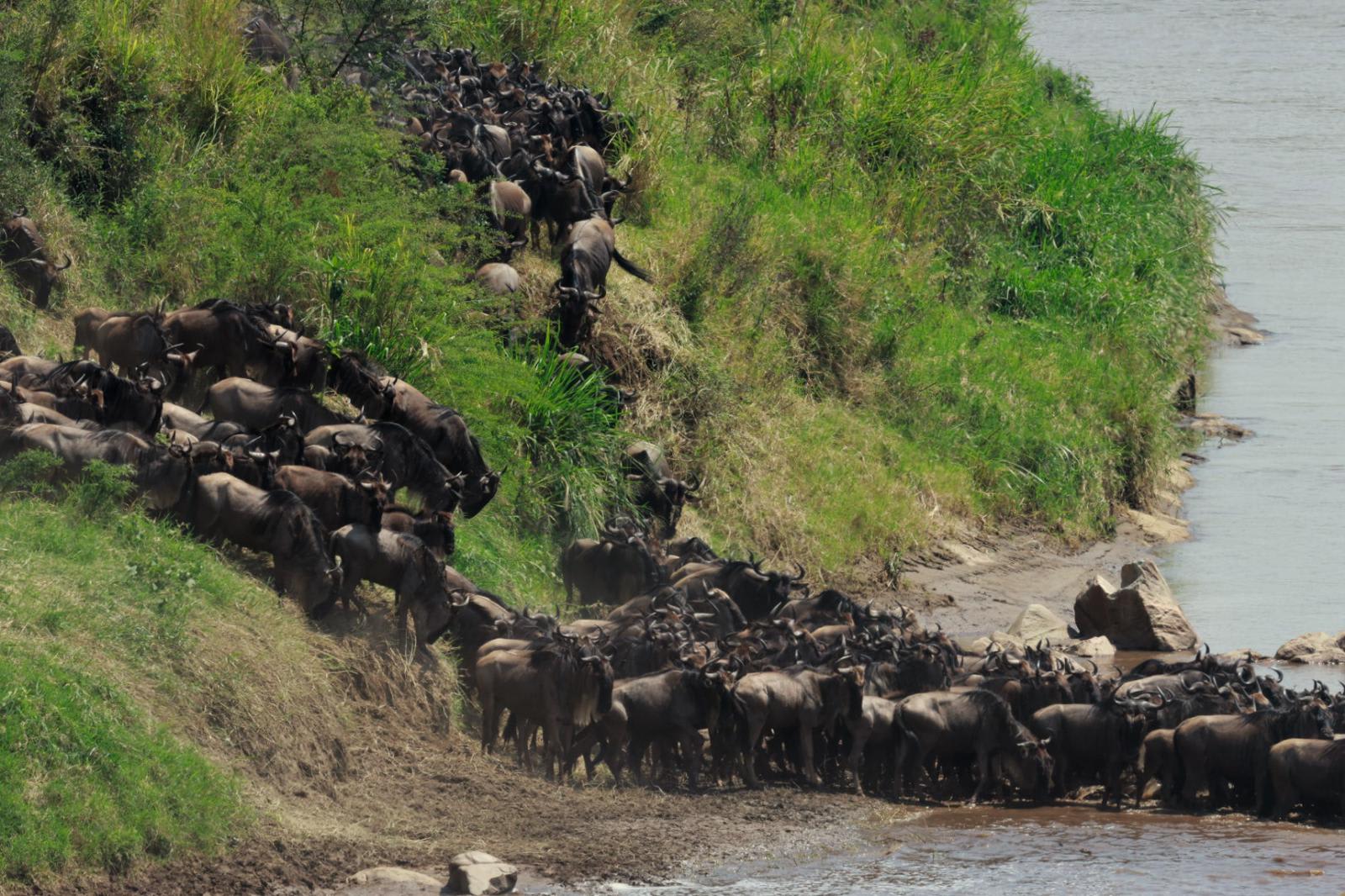
Wildlife viewing differs too. The Serengeti emphasizes the Great Migration spectacle. Southern parks showcase resident populations and natural behaviors without migration crowds. Tarangire excels for elephant photography. Ruaha specializes in predator interactions. Nyerere offers waterside sightings. You choose based on your wildlife interests rather than following migration timing.
How to Save 30% on Southern Tanzania Safaris
Travel during the green season from March to May and save 30-40% on accommodation and safari packages. Many lodges reduce rates significantly during this period because fewer tourists visit. The rain creates lush landscapes, attracts migratory birds, and brings wildlife to water sources. You experience incredible scenery and active animals while paying substantially less.
Timing Your Travel for Maximum Savings
Peak season runs July to October and December through January, when rates sit 20-40% above quieter months. Green season pricing drops dramatically. From March to May, expect lodge discounts of 30-50%. Shoulder months like June and November offer moderate discounts (15-25%) with decent weather.
Book group safaris instead of private tours to reduce costs by 15-25%. Shared vehicle arrangements split guide fees and transport costs among multiple travelers. Small group sizes (4-6 people) still feel intimate while keeping prices low. Many operators offer set-departure group safaris departing weekly during green season.
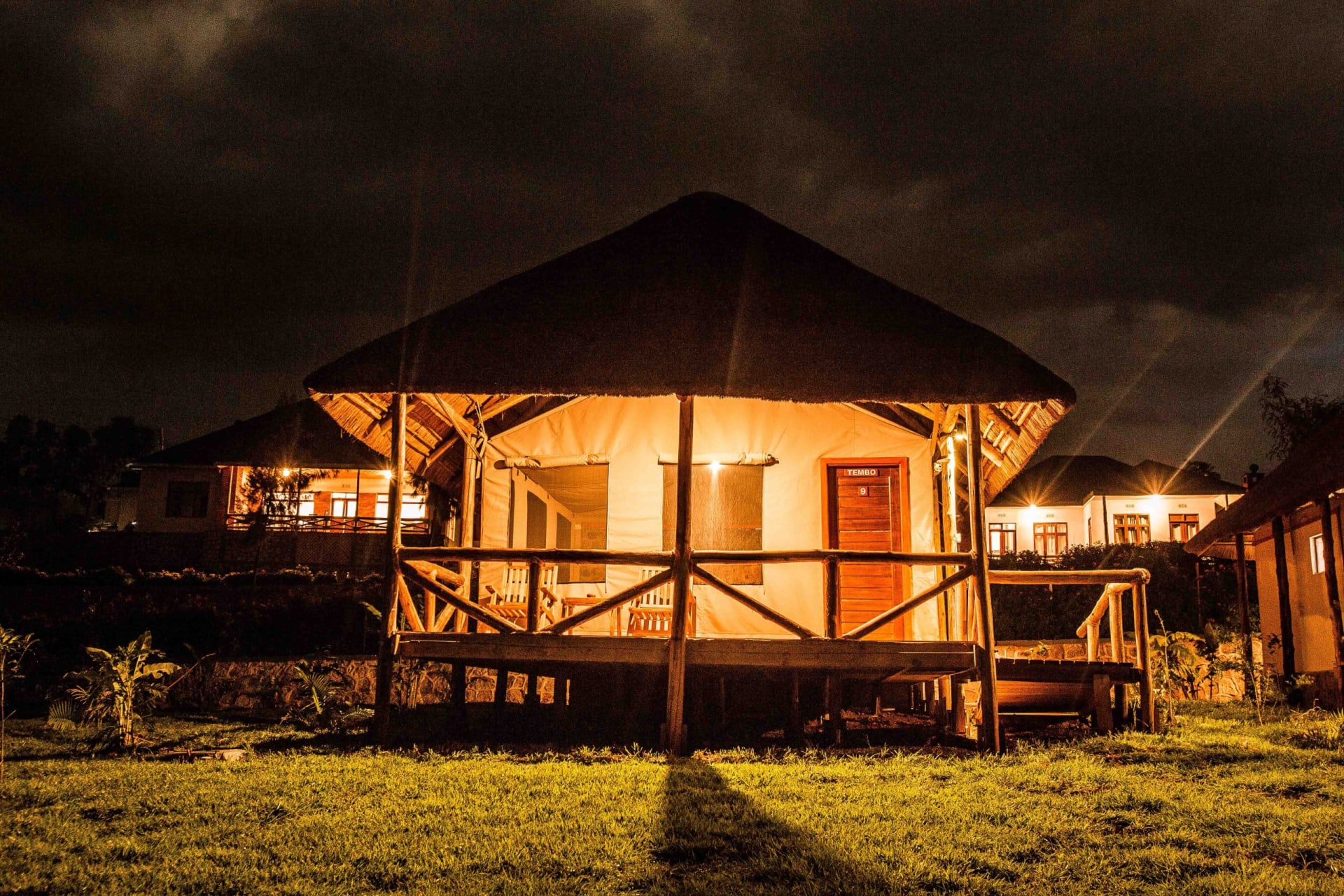
Reserve accommodations three to six months in advance to lock in early-bird rates. Small safari camps offer better value than large lodge chains. Boutique properties charge $150-250 nightly compared to luxury lodges at $500+. Smaller camps also provide more personalized service and flexible game drive schedules.
Choosing Affordable Destinations Within Southern Tanzania
Tarangire National Park delivers excellent value with daily fees of only $30-50. Ruaha charges similar park entry rates. Nyerere National Park costs $35-45 daily. Compare these to Serengeti's $60-100 daily fees. Lower park fees mean more budget for quality accommodations and longer game drives.
Mid-range camps in southern parks cost $200-350 per night including meals and activities. Budget camps run $100-200 nightly. Luxury properties exceed $500. For a seven-day safari with mid-range accommodation, expect total costs of $2,500-3,500 per person including flights from the US, park fees, and guides.
Consider combining southern parks in a single trip. Tarangire and Arusha sit close together. Ruaha connects to Nyerere with a short bush flight. Multi-park itineraries spread transportation costs across multiple destinations, lowering per-destination expenses.
Explore affordable Tanzania safari packages on SafariFind where you can compare verified operators and read authentic reviews from past travelers. Request quotes from multiple providers to ensure you're getting the best rate.
Best Parks in Southern Tanzania for Wildlife Viewing
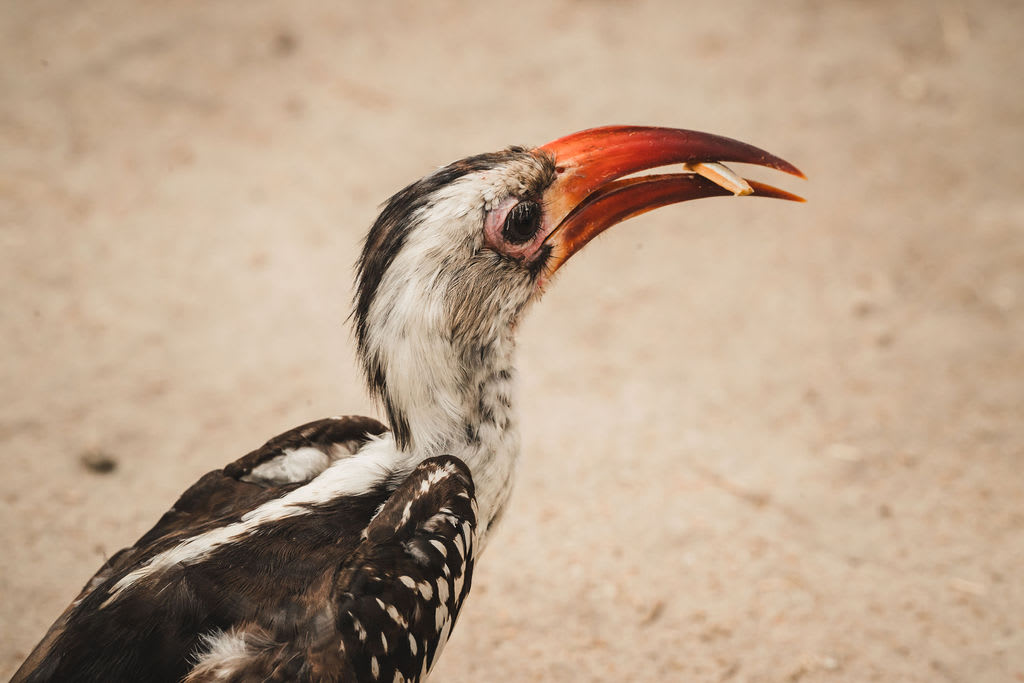
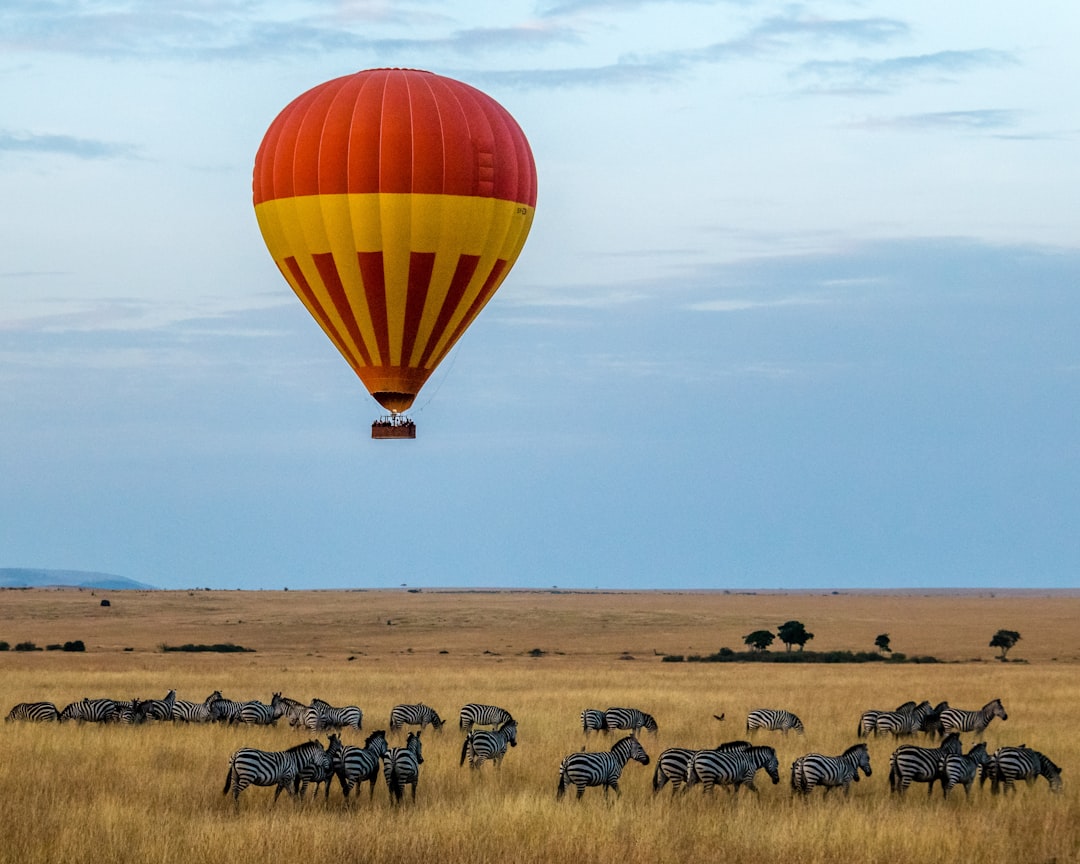
Tarangire National Park features over 6,000 elephants and 300 bird species, making it ideal for wildlife photography and birdwatching. The park's ancient baobab trees create stunning backdrops. Dry season (July-October) concentrates wildlife around the Tarangire River, offering excellent viewing opportunities without Serengeti crowds.
Tarangire National Park
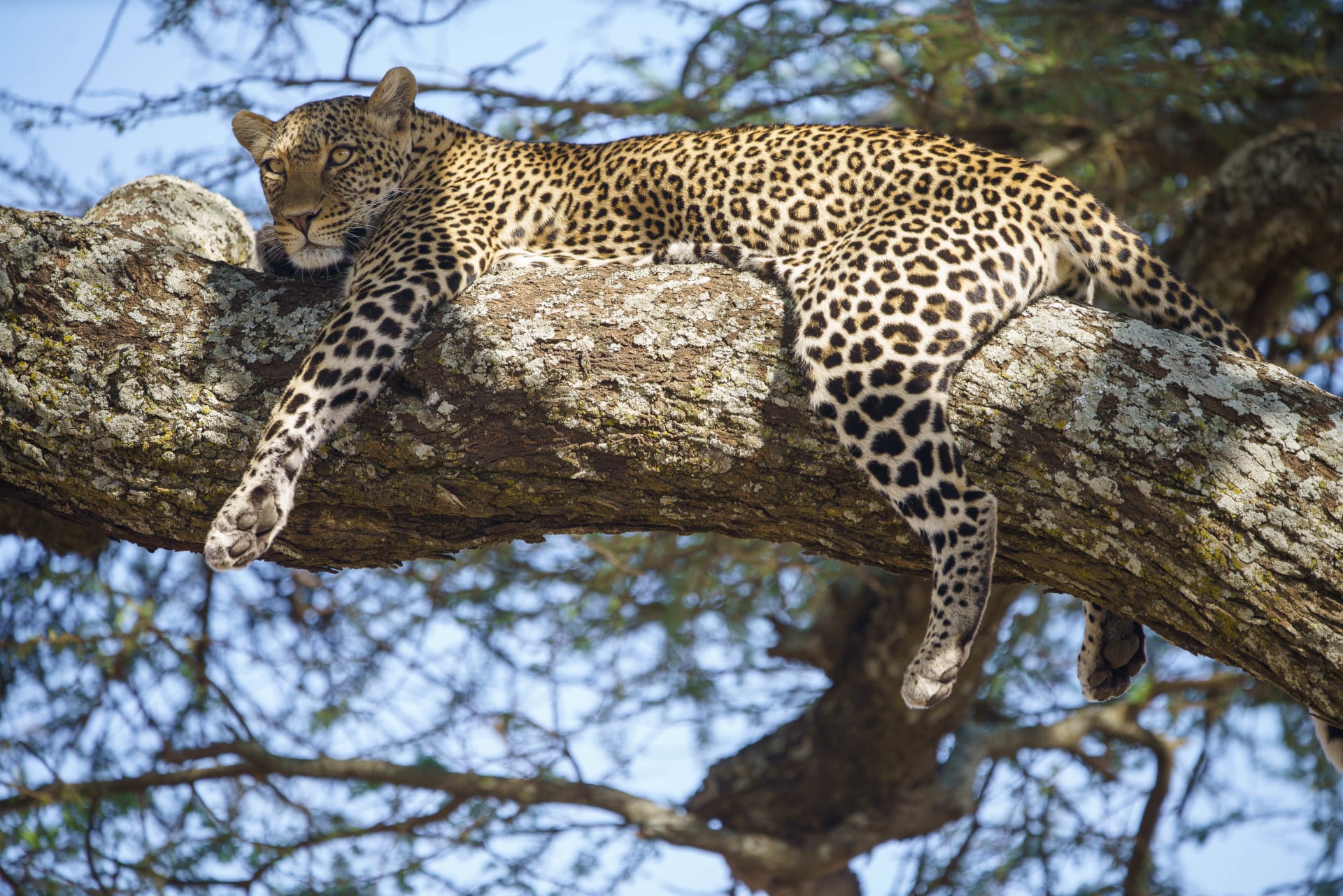
Tarangire covers 2,850 square kilometers in northern Tanzania's southern region. The landscape transitions from grasslands to acacia woodlands to riverine forests. This diversity attracts diverse wildlife year-round. You see elephants, buffalo, giraffes, zebras, wildebeest, and numerous predators including lions and leopards.
Green season (March-May) brings lush vegetation and migratory birds. The landscape transforms from golden to emerald green. Wildlife spreads across the park instead of concentrating at water sources. You experience more intimate sightings with fewer vehicles. Park fees run just $30-50 daily, significantly cheaper than northern parks.
Ruaha National Park
Ruaha National Park spans 13,650 square kilometers, making it Tanzania's largest park. The Great Ruaha River defines the landscape and attracts wildlife for drinking and bathing. Ruaha hosts Africa's largest population of wild dogs plus greater kudu, sable antelope, and roan antelope found nowhere else nearby.
The park offers exceptional predator viewing with lion, leopard, cheetah, and hyena sightings. Dry season (June-October) concentrates animals near the river, creating reliable wildlife encounters. Green season transforms the landscape and brings migratory birds. Ruaha remains relatively uncrowded despite its size and wildlife abundance.
Nyerere National Park (Selous Game Reserve)
Nyerere National Park, formerly called Selous Game Reserve, covers 30,000 square kilometers of pristine wilderness. The park features the Rufiji River system with hippos, crocodiles, and waterbirds. Nyerere offers boat safaris unavailable in other southern parks, providing unique wildlife viewing perspectives.
The park protects Africa's largest elephant population and diverse predators. Nyerere feels remote and exclusive with minimal tourist infrastructure. Accommodation options range from budget camps ($100-150 nightly) to luxury lodges ($400+). Daily park fees cost $35-45, making it affordable for extended stays.
Combine Nyerere with coastal Zanzibar for a safari-and-beach vacation. Short flights connect the park to Dar es Salaam, Tanzania's largest city. Many packages bundle Nyerere safaris with Zanzibar relaxation for $3,500-5,000 per person over 10-12 days.
Ngorongoro Crater
While technically in central Tanzania, Ngorongoro Crater pairs well with southern parks in multi-destination itineraries. The crater floor hosts 25,000 animals in a natural amphitheater. The viewpoint alone justifies the stop. Crater fees run $70-80 daily, higher than southern parks but worth the unique experience.
Most visitors rush through Ngorongoro in a single day. Consider spending two days to fully appreciate the crater's ecosystem. Descend into the crater for morning game drives, return to rim lodges for afternoon rest, then explore again in late afternoon. This pace reveals more wildlife and photo opportunities.
Find best time for wildlife viewing in Serengeti and southern parks by consulting our month-by-month guide to 2026 seasonal wildlife patterns. Understanding seasonal movements helps you choose optimal timing for your specific interests.
Complete Southern Tanzania Safari Itinerary
A typical seven-day southern Tanzania safari combines Tarangire and Ruaha parks with optional Ngorongoro Crater. Day one involves arrival in Arusha and transfer to Tarangire. Days two and three focus on Tarangire game drives. Day four includes a bush flight to Ruaha. Days five and six explore Ruaha's rivers and wildlife. Day seven returns to Arusha for departure.
Sample 7-Day Itinerary
Day 1: Arrive in Arusha, transfer to Tarangire lodge, evening game drive. Day 2: Full-day Tarangire safari with morning and afternoon game drives. Day 3: Morning game drive, midday departure to Ruaha via bush flight, afternoon Ruaha game drive. Day 4: Full-day Ruaha safari exploring the Great Ruaha River. Day 5: Morning Ruaha game drive, afternoon rest or walking safari. Day 6: Bush flight to Arusha, visit Ngorongoro Crater viewpoint, evening return to Arusha. Day 7: Depart for home.
This itinerary costs $2,500-3,500 per person including accommodation, park fees, meals, and guide services. Flights from the US add $800-1,200. Bush flights between parks cost $150-250 per person. Budget an additional $200-300 for tips and personal expenses.
Extended 10-Day Itinerary
Add three days to include Nyerere National Park and more Ruaha time. Day one arrival in Arusha. Days two and three in Tarangire. Days four and five in Ruaha. Days six through eight in Nyerere with boat safaris. Day nine transfers to Dar es Salaam or Zanzibar. Day ten departs for home.
Extended itineraries cost $3,500-4,500 per person for safari components. Adding Zanzibar extends trips to 12-14 days and increases costs to $4,500-6,000 per person. Many travelers pair southern safaris with Zanzibar beach time for balanced adventures.
How to Book Your Southern Tanzania Safari
Start by selecting your travel dates based on budget and weather preferences. Green season (March-May) offers best savings. Research tour operators specializing in southern Tanzania. Read reviews from previous travelers. Request detailed itineraries and pricing breakdowns. Compare multiple quotes before committing.
Step-by-Step Booking Process
First, determine your budget and travel dates. Green season safaris (March-May) cost least. Next, identify your wildlife interests. Prefer elephants? Choose Tarangire. Want wild dogs? Go to Ruaha. Like boat safaris? Pick Nyerere. Your interests guide park selection.
Research the best Tanzania safari tour operators for US travelers in 2026 through SafariFind's verified listings. Read detailed reviews from previous clients. Check operator licensing and safety records. Confirm they offer the specific parks and experiences you want.
Request written quotes including all costs: accommodation, park fees, meals, guide services, and transport. Ask whether flights are included or quoted separately. Clarify what activities are included. Confirm group size and accommodation types. Review cancellation policies carefully.
Once you select an operator, sign the booking agreement and submit your deposit (typically 25-50% of total cost). Provide passport information, emergency contacts, and special requirements (dietary needs, mobility issues, photography interests). Confirm final details two weeks before departure.
Visa and Documentation Requirements
US citizens need valid passports (minimum six months validity) and Tanzania tourist visas. Visas cost $50-100 depending on processing speed. Apply online through Tanzania's immigration website or request visas on arrival at major airports. Allow two weeks for standard processing.
Recommended vaccinations include yellow fever, typhoid, and malaria prophylaxis. Consult your doctor four to six weeks before travel. Yellow fever vaccination provides lifetime immunity. Malaria pills require starting one to two weeks before arrival and continuing for four weeks after departure.
Travel insurance is essential for safaris. Purchase policies covering medical evacuation, trip cancellation, and lost luggage. Verify coverage includes safari activities. Many tour operators require proof of travel insurance before departure.
Learn how to book step-by-step by reading our complete guide on booking a multi-day Tanzania safari online in 2026. This resource walks you through every stage from initial research through final confirmation.
What to Pack for a Southern Tanzania Safari
Pack neutral-colored clothing in earth tones (khaki, tan, olive green) to blend with landscapes for wildlife photography. Bring lightweight long sleeves and pants to protect from sun and insects. Include a warm layer for cool early morning game drives. Sturdy hiking boots, binoculars, sunscreen, and insect repellent are essential.
Essential Packing Items
Clothing should include:
- 5-7 lightweight shirts in neutral colors
- 2-3 pairs lightweight pants or shorts
- One warm fleece or jacket for early mornings
- Underwear and socks for seven days
- Comfortable walking shoes and sturdy boots
- Hat or cap for sun protection
- Lightweight rain jacket
- Swimsuit for lodge pools
Gear essentials include:
- Binoculars (10x42 magnification recommended)
- Camera with extra batteries and memory cards
- Telephoto lens for wildlife photography
- Portable charger for electronics
- Headlamp or small flashlight
- Reusable water bottle
- Toiletries and medications
- Sunscreen SPF 50+
- Insect repellent with DEET
- First aid kit basics
For detailed packing guidance, consult our comprehensive Tanzania safari packing list for 10-day trips with essential gear recommendations. This checklist ensures you don't forget critical items for your specific safari duration.
Comparing Southern Tanzania to Other Options
Southern Tanzania safaris cost 20-30% less than northern Serengeti circuits while offering equally impressive wildlife. You see similar animals with fewer tourists. Green season savings reach 40% compared to peak months. If budget is your priority, southern Tanzania beats Kenya and northern Tanzania substantially.
Southern Tanzania vs. Northern Tanzania
Northern Tanzania focuses on the Serengeti and Ngorongoro Crater with peak season prices of $400-600 daily per person. Southern parks cost $250-350 daily. Northern circuits emphasize the Great Migration spectacle. Southern parks feature resident wildlife populations without migration timing constraints.
Northern Tanzania draws over 300,000 annual visitors, creating crowded game drives during peak season. Southern parks see far fewer tourists, providing intimate encounters. Northern circuits require specific timing for migration viewing (July-October). Southern parks offer consistent wildlife year-round with excellent viewing any season.
Southern Tanzania vs. Kenya Safaris
Kenya's Masai Mara offers comparable wildlife to Tanzania but costs 15-25% more during peak season. Tanzania requires fewer permits for photography and offers longer safari durations at lower daily rates. Kenya emphasizes the Great Migration. Tanzania spreads wildlife viewing across multiple parks and seasons.
Tanzania provides better value for budget-conscious travelers. Longer safari durations (7-10 days) cost less in Tanzania than Kenya. Green season savings in Tanzania reach 40% compared to 20-30% in Kenya. Tanzania offers more park variety and less crowding.
Combining Southern Tanzania with Zanzibar
Many travelers pair southern safari with Zanzibar's beaches for balanced adventures. Safaris run 5-7 days, followed by 3-5 beach days. Total trip costs $4,000-5,500 per person from the US including flights, safari, and resort accommodation. This combination appeals to families and couples seeking wildlife plus relaxation.
Read detailed comparisons between Tanzania safari and Zanzibar all-inclusive packages for 2026 pricing and options. This guide helps you understand combined-trip advantages and pricing structures.
Key Takeaways
- Travel during green season (March-May) to save 30-40% on accommodation and enjoy lush landscapes with fewer crowds than peak season.
- Book group safaris instead of private tours to reduce costs by 15-25% while maintaining quality experiences and small group sizes.
- Choose southern parks like Tarangire ($30-50 daily fees) and Ruaha over the Serengeti ($60-100 daily) to cut park entry costs by 40-50%.
- Plan 7-10 day southern Tanzania safaris for $2,500-4,500 per person, saving 20-30% compared to northern circuits while seeing equivalent wildlife.
- Book accommodations three to six months in advance to lock in early-bird rates, especially for green season travel when discounts are steepest.
Frequently Asked Questions
How much does a southern Tanzania safari cost in 2026?
A seven-day southern Tanzania safari costs $2,500-3,500 per person including accommodation, park fees, meals, and guide services in 2026. Green season (March-May) rates drop 30-40% compared to peak months. Add $800-1,200 for flights from the US. Bush flights between parks cost $150-250 extra. Mid-range lodge accommodation runs $200-350 nightly while budget options cost $100-200.
What is the best time to visit southern Tanzania for wildlife and savings?
Green season from March to May offers the best combination of savings and wildlife viewing. Lodges reduce rates by 30-50% during this period. Lush vegetation attracts migratory birds and concentrates wildlife near water sources. Fewer tourists visit, meaning intimate encounters with fewer safari vehicles. Dry season (June-October) offers excellent wildlife viewing but higher prices and more crowds.
How do southern Tanzania parks compare to the Serengeti?
Southern Tanzania parks cost 20-30% less than Serengeti safaris while offering equally impressive wildlife viewing with fewer crowds. Tarangire excels for elephant photography. Ruaha specializes in wild dogs and predators. Nyerere offers boat safaris. The Serengeti emphasizes Great Migration spectacles. Southern parks feature resident wildlife populations available year-round without migration timing constraints.
Which southern Tanzania park is best for different interests?
Choose Tarangire (2,850 sq km) for massive elephant herds and baobab tree photography. Select Ruaha (13,650 sq km) for wild dogs and diverse predators. Pick Nyerere (30,000 sq km) for remote wilderness and boat safaris. All three parks cost significantly less than northern alternatives while delivering world-class wildlife encounters and authentic safari experiences.
Should I book a group safari or private tour for southern Tanzania?
Book group safaris to save 15-25% compared to private tours. Small group sizes (4-6 people) still provide intimate experiences while splitting costs. Many operators offer weekly set-departure group safaris, especially during green season. Private tours cost more but offer maximum flexibility and personalized service. Choose based on your budget and preference for structure versus customization.
Can I combine southern Tanzania safari with Zanzibar beach time?
Yes, many travelers pair 5-7 day southern safaris with 3-5 beach days in Zanzibar for balanced adventures. Combined trips cost $4,000-5,500 per person from the US including flights, safari, and resort accommodation. This appeals to families and couples seeking wildlife plus relaxation. Explore safari and beach combination packages on SafariFind where you can compare verified operators offering both experiences.
Conclusion
Southern Tanzania safaris deliver exceptional wildlife experiences at significantly lower costs than crowded northern circuits. Tarangire, Ruaha, and Nyerere parks offer diverse landscapes and resident wildlife populations year-round. Travel during green season (March-May) to save 30-40% while enjoying lush scenery and migratory birds. Book group safaris and smaller lodges to reduce expenses further.
A seven-day southern Tanzania safari costs $2,500-3,500 per person in 2026, representing excellent value for authentic African wildlife encounters. You see lions, elephants, zebras, and giraffes without the Serengeti crowds. Flexible timing and park variety allow customization to your interests and budget.
Ready to plan your southern Tanzania safari? Compare verified safari packages and tour operators on SafariFind to find the best rates and read authentic reviews from previous travelers. Request quotes from multiple operators to ensure competitive pricing. SafariFind's marketplace makes it easy to browse packages, compare prices, and connect with trusted operators specializing in southern Tanzania destinations.
The best time to book is now. Green season departures fill quickly as travelers seek savings. Secure your spot three to six months ahead to lock in early-bird rates and guarantee preferred accommodation. Your southern Tanzania adventure awaits—save 30% and experience authentic safari magic without the crowds.
Plan Your Safari with SafariFind
These recommendations use real data from SafariFind, where you can compare operators, browse packages, and read verified traveler reviews before you book.
Recommended Safari Operators from SafariFind
Recommended Safari Packages from SafariFind
What Travelers Say (SafariFind Reviews)
References
Sources
Related to
Ready to start your safari adventure?
Explore curated safari packages and find your perfect African adventure with verified operators.