Best Time for Wildlife Viewing in Serengeti 2026: Month-by-Month Guide
Visit Serengeti June-October for peak wildlife viewing and river crossings. January-March offers calving season. Book 3-6 months ahead with verified operators on SafariFind.

Best Time for Wildlife in Serengeti 2026
Last updated: July 2026
The best time for wildlife viewing in Serengeti is June to October during the dry season, when you'll see peak predator activity and the Great Migration river crossings. January to March is ideal for wildebeest calving season. Book 3-6 months ahead with verified operators on SafariFind to secure your spot and compare prices across packages.
At a Glance
- Best time: June-October for dry season; January-March for calving
- Peak wildlife viewing: August-September for river crossings
- Cost: $2,500-$5,000+ per person for 7-day safari
- Duration: 7-10 days recommended for full experience
- Best for: Wildlife photographers, nature lovers, migration enthusiasts
- Getting there: International flights to Dar es Salaam or Kilimanjaro International Airport
Understanding Serengeti Wildlife Seasons
The Serengeti National Park covers 14,750 square kilometers in northern Tanzania and hosts one of Earth's most dramatic wildlife events—the Great Migration. Timing your visit correctly means the difference between seeing thousands of animals and missing the action entirely. The park has distinct seasons that directly affect wildlife behavior, predator activity, and vegetation.
Two main seasons control Serengeti wildlife viewing: the dry season (June to October) and the rainy season (November to May). During dry months, animals concentrate around water sources, making them easier to spot. During rainy periods, wildlife spreads across the landscape, but vegetation grows thick and lush. Understanding these patterns helps you plan your Serengeti safari for maximum wildlife encounters.
The Great Migration dominates wildlife viewing schedules. Around 1.5 million wildebeest, 400,000 zebras, and 200,000 gazelles move across the ecosystem in a continuous cycle. This movement follows rainfall patterns and grass availability, creating predictable wildlife hotspots during specific months. Knowing where the migration will be in 2026 lets you position yourself for unforgettable moments.
June to July: Western Corridor Peak Season
June marks the arrival of the dry season in Serengeti and the beginning of the Great Migration's northern movement. The Western Corridor becomes the migration's main route as herds move from the southern plains toward Kenya's Masai Mara. This period offers some of the most intense wildlife action of the year.
June conditions favor wildlife viewing because rainfall has stopped and vegetation thins out. Animals concentrate near rivers and water holes, making game drives more productive. June is ideal for photographing predators, as lions, hyenas, and wild dogs hunt weakened or stragglers from the main herds. The Western Corridor's narrow landscape funnels animals into smaller areas, increasing sighting frequency.
June weather is cool and dry, typically ranging from 15-25°C (59-77°F). You'll need light layers for early morning and evening game drives. Dust levels rise as grass disappears, but this actually improves visibility for spotting distant animals. Accommodation fills quickly during June, so book your Serengeti safari 3-6 months in advance to secure premium lodges and fair pricing.
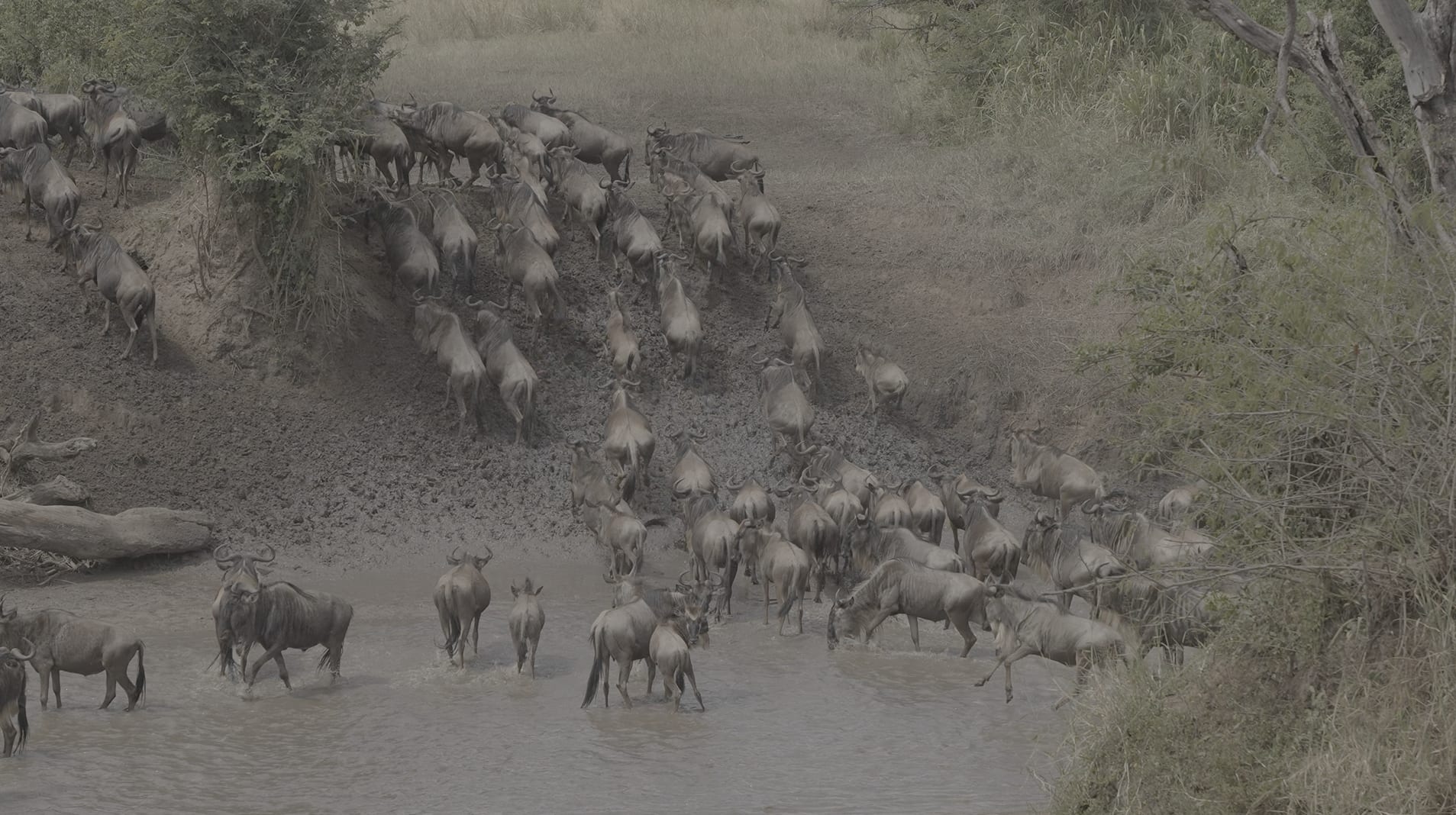
The Western Corridor's river crossings begin in earnest during June. Wildebeest approach the Grumeti River cautiously, testing water levels and checking for crocodiles. Some crossings happen, but the main event builds through July. This is an excellent month for visitors who want dramatic action without the peak-season crowds of July and August.
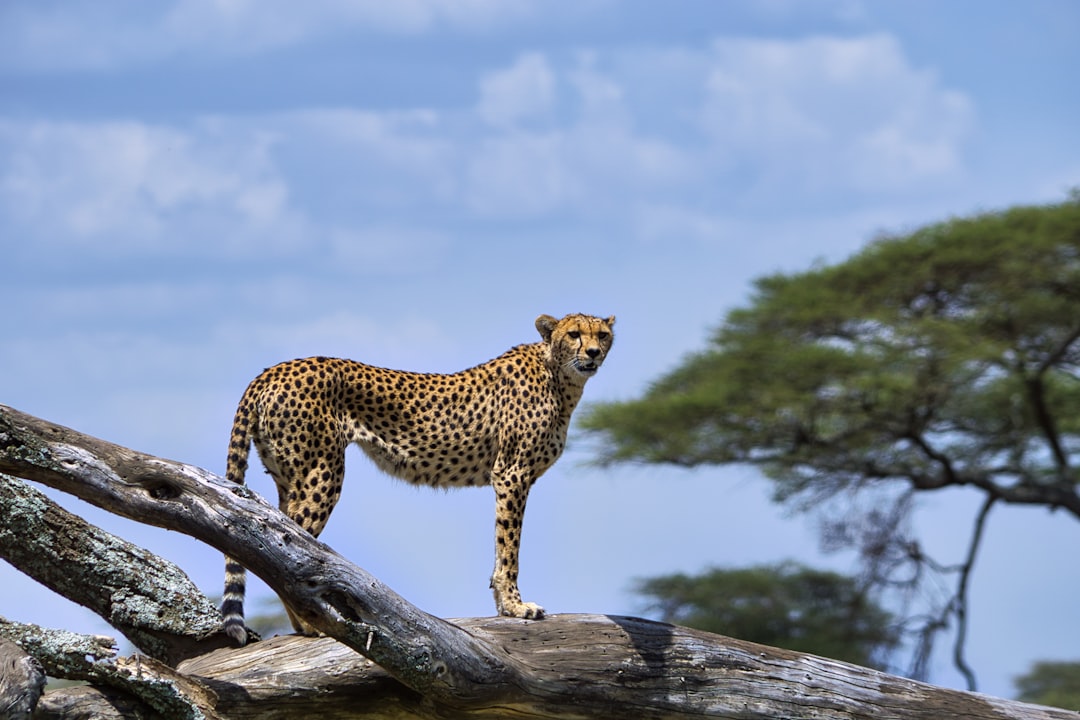
August to September: River Crossing Season and Peak Predator Activity
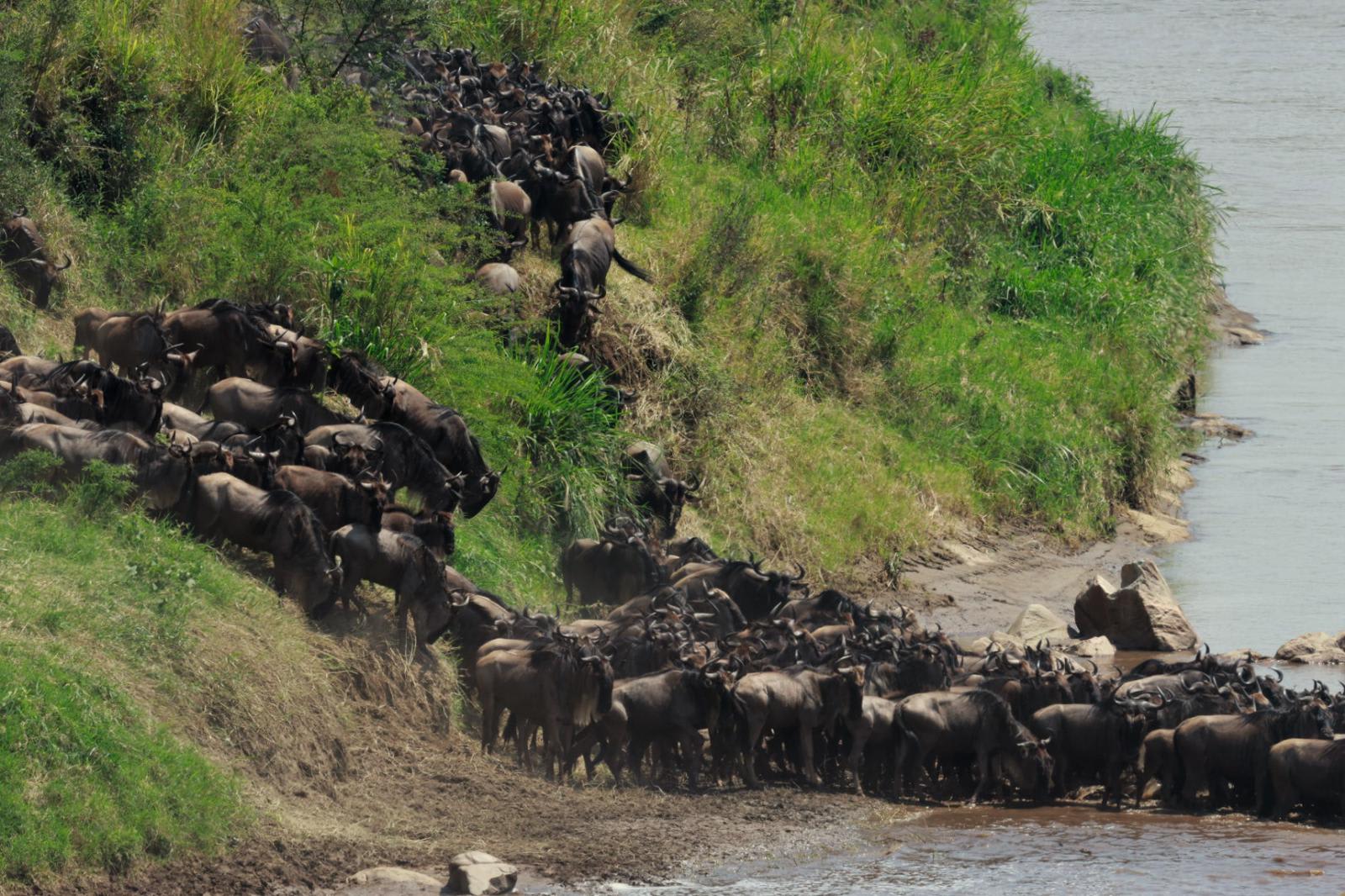
August is generally considered the best time to witness the dramatic river crossings from the northern Serengeti into the Masai Mara in Kenya. Predator activity intensifies during August 2026 as lions and crocodiles exploit the concentrated food source. Post-crossing chaos often triggers lion hunts on disoriented, exhausted wildebeest still dripping from river passage. This month delivers the most intense wildlife spectacle of the year.
The Mara River becomes the migration's main barrier in August. Massive herds gather on the southern bank, building up over days or weeks before attempting to cross. When they finally plunge into the water, crocodiles launch coordinated attacks while lions wait on the opposite bank. Hundreds of wildebeest drown or are killed during major crossings. The drama unfolds before your eyes during game drives.
August weather remains dry and cool, perfect for all-day game viewing. Temperatures range from 10-20°C (50-68°F) in early morning to 25-30°C (77-86°F) at midday. Visibility is excellent since vegetation is minimal. However, August is peak tourist season—expect crowded game drive routes and higher prices. Multiple safari vehicles often gather at crossing sites, which can impact the experience.
September continues the river crossing action as the last herds move north. Predator activity remains high as big cats capitalize on the final waves of migrants. Vegetation begins sprouting, making animals slightly harder to spot, but the sheer concentration of wildlife compensates. September offers a good balance between action and slightly lower crowds compared to August.
Explore safari packages for August and September crossings on SafariFind to compare verified operators and read authentic traveler reviews of their river crossing experiences.
January to March: Calving Season in Southern Serengeti
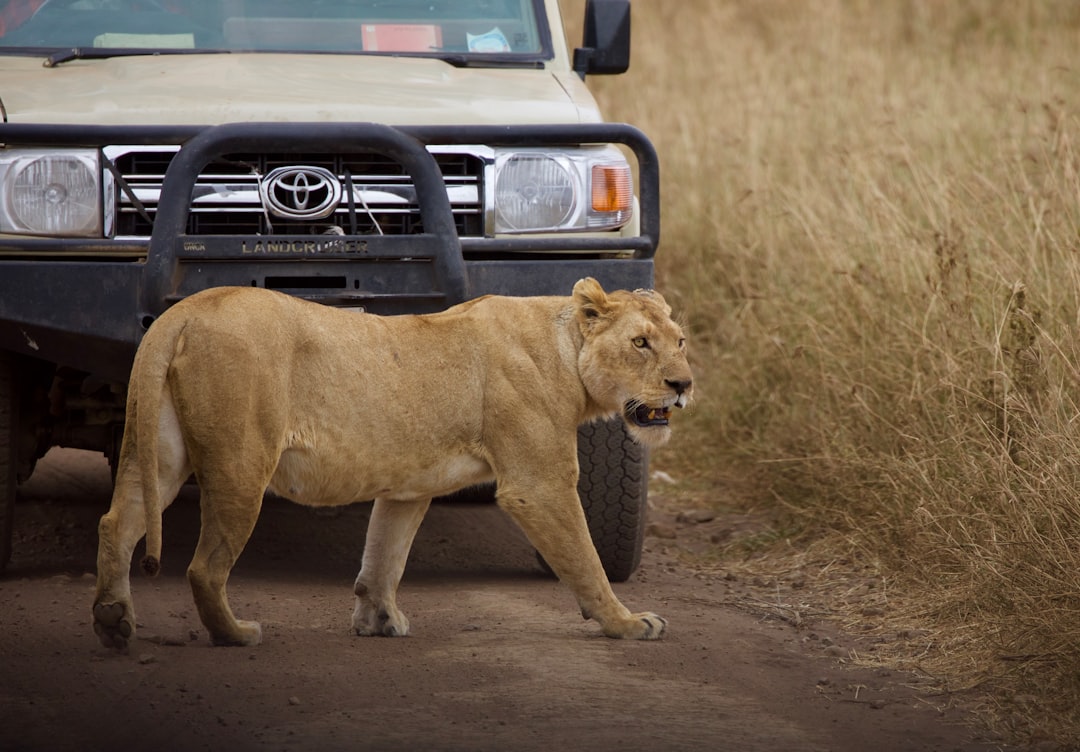
January and February are superb for Serengeti calving season, when approximately 500,000 wildebeest calves are born within a few weeks of each other. This concentrated birthing creates a predator feeding frenzy. The southern Serengeti, particularly the Ndutu area, becomes the epicenter of wildlife action as lions, cheetahs, and African wild dogs feast on newborns and weakened mothers.
Calving season offers unique wildlife viewing opportunities you won't see during migration months. Newborn calves are vulnerable, and predators hunt them relentlessly. This creates dramatic predator-prey interactions perfect for wildlife photographers. You'll witness lion kills, cheetah hunts, and hyena pack behaviors in rapid succession. The Ndutu area concentrates animals in a smaller region, increasing sighting frequency.
January and February weather is warm and occasionally rainy. Temperatures range from 20-30°C (68-86°F) with afternoon thunderstorms common. The landscape turns green as short rains rejuvenate grass, creating stunning photography conditions. Roads can become muddy after rain, limiting access to some areas. Choose a tour operator experienced in wet-season driving to maximize game viewing despite weather challenges.
Calving season offers another major advantage: lower prices. Budget travelers and birdwatchers find the Long Rains period (March to May) offers the lowest prices of the year. Fewer tourists visit during this season, so accommodation costs drop 20-30% compared to peak months. You'll enjoy more intimate wildlife experiences with smaller tour groups.
The Ndutu area is fantastic for calving season, with peak activity in January through February. By March, most calves have been born and predation pressure decreases. Migration herds begin moving northward as grass depletes. Late March marks the transition toward the dry season and the start of the main migration northward.
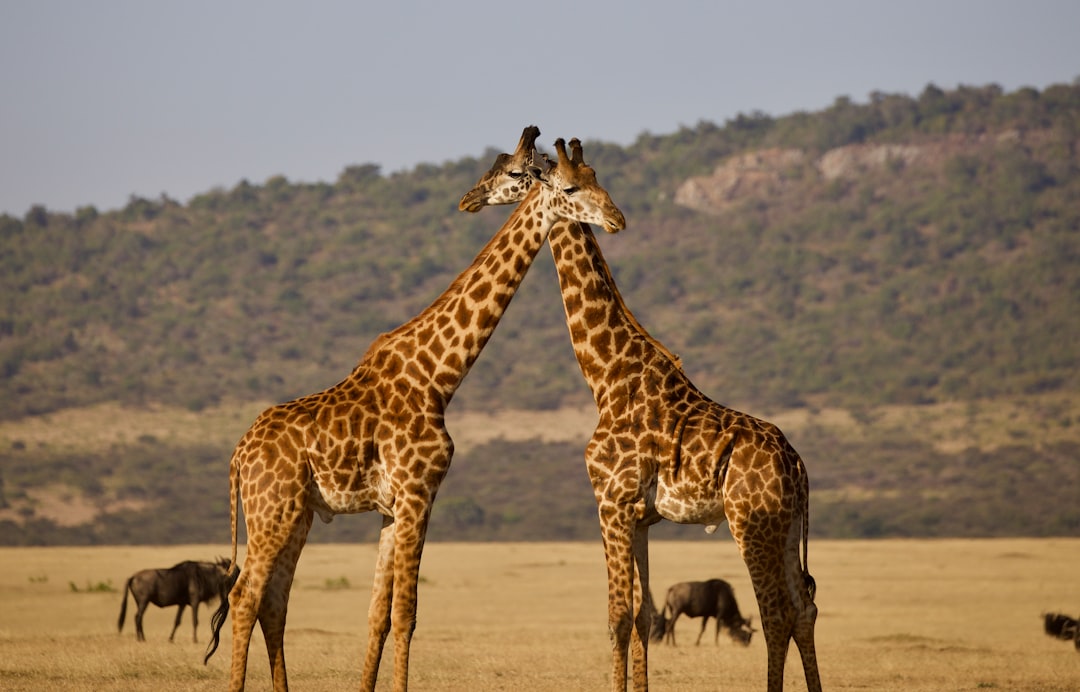
April to May: Green Season and Birdwatching Paradise
April and May represent the tail end of the rainy season, offering lush green landscapes and excellent birdwatching opportunities. Vegetation reaches peak growth, creating stunning photography backdrops. However, wildlife becomes more dispersed as animals spread across abundant water and grass sources. Game viewing becomes more challenging compared to dry-season months.
The Long Rains period (March to May) offers the lowest prices for Tanzania safaris. Accommodation rates drop significantly as fewer international visitors travel during this season. If your budget is tight, April and May provide excellent value for money. You'll encounter smaller tour groups and more personal service from guides. This season suits birdwatchers perfectly, as migratory bird species arrive and resident species breed actively.
April and May weather is warm and wet. Afternoon thunderstorms are common, occasionally making roads impassable. Early morning game drives are productive before rain arrives. Pack waterproof gear and choose lodges with good road access. Some remote areas close during peak rainfall, limiting your options.
Wildlife viewing is possible but requires patience. Animals don't concentrate around water sources since rain creates abundant drinking spots throughout the park. Your guide's skill becomes crucial for locating scattered herds. However, the dramatic green landscape and bird activity make this season rewarding for patient observers. Consider April and May if you prioritize budget and birdwatching over massive wildlife concentrations.
October to November: Short Rains and Migration Transition
October marks the end of the dry season as the first short rains begin falling. The migration herds start their southward journey from the Masai Mara back toward the Serengeti's southern plains. This transition period offers unique wildlife viewing opportunities as animals move through central areas of the park.
October weather is hot and becoming wet. Temperatures range from 25-35°C (77-95°F) as humidity increases. Short afternoon rains refresh vegetation and create muddy roads. Game viewing remains productive as animals move through the park during migration, but wildlife isn't concentrated in specific areas like during dry season months.
October represents an underrated safari season. Fewer tourists visit compared to June-September, meaning lower prices and less crowded game drives. If you want to experience migration movement without peak-season crowds, October is ideal. You'll still see thousands of animals moving southward, but in smaller groups rather than massive herds.
By November, short rains are in full swing and the landscape turns green again. Migration herds reach the southern Serengeti's Ndutu area by late November, preparing for the January-February calving season. Wildlife becomes more dispersed as rain creates abundant water sources. November suits budget travelers and those seeking quieter safari experiences.
December: Holiday Season and Shoulder Month
December represents a shoulder season combining dry conditions with holiday-season tourism. The migration herds settle in the southern Serengeti as they prepare for calving season. Weather transitions between wet and dry conditions, creating variable game viewing conditions.
December is warm and occasionally rainy, with temperatures ranging from 20-30°C (68-86°F). Early December is drier, while late December becomes wetter. This variability makes game viewing unpredictable. However, December offers fewer tourists than peak season months, resulting in lower accommodation prices and less crowded game drives.
December suits travelers seeking a balance between wildlife viewing and value. You'll encounter decent predator activity as calves are born and predators hunt them. The landscape is partially green, creating nice photography conditions. Accommodation fills during late December holidays, so book early if you plan a December safari.
Comparing Serengeti Seasons: Which Month is Right for You?
Choosing the best month depends on your priorities, budget, and interests. Here's how the seasons compare across key factors:
| Season | Best For | Wildlife Concentration | Price Level | Weather |
|---|---|---|---|---|
| January-February | Calving season, predator action | Very High | Low-Medium | Warm, occasional rain |
| March-May | Budget travelers, birdwatchers | Low-Medium | Low | Warm, frequent rain |
| June-July | River crossings, photography | Very High | High | Cool, dry |
| August-September | Peak migration, dramatic action | Very High | Very High | Cool, dry |
| October-November | Budget travelers, fewer crowds | Medium | Medium | Hot, increasing rain |
| December | Holiday season, shoulder season | Medium | Medium | Warm, variable |
Peak wildlife viewing occurs June through September when dry conditions concentrate animals around water sources. August and September deliver the most dramatic moments with river crossings and intense predator action. However, these months are expensive and crowded.
Budget-conscious travelers should consider January-February for calving season action at lower prices, or March-May for the cheapest rates. You'll sacrifice some wildlife concentration for significant cost savings. Birdwatchers should visit March-May when migratory species are active and resident species breed.
For the best balance of wildlife viewing and value in 2026, consider June or October. Both months offer good animal concentrations at moderate prices with fewer crowds than peak season. June marks the dry season's start with excellent visibility, while October offers migration movement with shoulder-season pricing.
Compare verified safari packages on SafariFind to find operators offering your preferred season at competitive prices. Read authentic traveler reviews to learn how specific operators perform during your chosen month.
Planning Your Serengeti Safari: Practical Considerations
Beyond choosing the right season, several practical factors affect your safari success. Your accommodation choice, tour operator selection, and advance planning directly impact your wildlife viewing quality and overall experience.
Booking Timeline and Advance Planning
Book your Serengeti safari 3-6 months ahead to secure preferred lodges and fair pricing. Peak season (July-September) books out 6-12 months in advance. Shoulder seasons (June, October) book 3-6 months ahead. Budget season (January-May) requires less advance booking but still benefits from 2-3 months planning.
Early booking ensures you get your preferred accommodation and tour operator. Premium lodges fill quickly during peak months, and last-minute bookings incur premium prices. Many tour operators offer discounts for early bookings, saving you 10-15% on package costs. Use SafariFind to compare verified operators and request quotes from multiple companies simultaneously.
Choosing Your Accommodation
Serengeti offers accommodation ranging from budget campsites ($100-300/night) to luxury lodges ($500-1,000+/night). Your choice affects both cost and experience quality. Budget camps offer basic amenities but immersive wildlife experiences. Mid-range lodges balance comfort and value. Luxury lodges provide exceptional service and exclusive game drive access.
Location matters as much as comfort level. Northern lodges position you for August-September river crossings. Southern lodges suit January-February calving season viewing. Central lodges offer year-round wildlife access. Choose accommodation in your target wildlife area based on your chosen season.
Tour Operator Selection
Your tour operator makes or breaks your safari experience. Skilled guides maximize wildlife sightings, provide accurate animal behavior insights, and create memorable moments. Read authentic reviews on SafariFind from previous travelers to assess operator quality. Look for operators with 4.5+ star ratings and consistent positive feedback about guide expertise.
Best Tanzania safari tour operators for US travelers offer comprehensive support including visa guidance, vaccination information, and pre-trip briefings. Choose operators with experience during your chosen season. Ask about their vehicle quality, guide training, and cancellation policies. Compare multiple operators before deciding.
Physical Fitness and Health Preparation
Safari involves long hours sitting in vehicles with minimal movement. Bring cushions for comfort on bumpy roads. Stay hydrated, use sunscreen, and wear appropriate clothing. Most people enjoy safaris regardless of fitness level, but prior conditioning helps.
Consult your doctor about recommended vaccinations for Tanzania travel. Malaria prevention is essential, particularly during rainy seasons. Yellow fever vaccination may be required depending on your origin country. Bring adequate medications and a basic first-aid kit. Travel insurance covering medical evacuation is highly recommended.
Related Safari Destinations: Expanding Your Trip
Many travelers combine Serengeti with other East African destinations for comprehensive safari experiences. Tanzania offers multiple options that complement your Serengeti visit and enhance overall value.
Serengeti pairs excellently with Kenya's Masai Mara, particularly during August-September when migration herds cross the border. A combined Tanzania-Kenya safari lets you experience the migration from both sides of the ecosystem. Many operators offer 10-14 day trips covering both parks. Tanzania safari and Kenya safari combinations work year-round but are most dramatic during river crossing season.
Tanzania safari and Zanzibar packages offer ideal combinations for travelers seeking wildlife and beach relaxation. Spend 5-7 days on safari, then 2-3 days on Zanzibar's pristine beaches. This combination appeals to couples and families wanting diverse experiences. Tanzania safari and Zanzibar packages from UK travelers are increasingly popular, with many UK-based operators specializing in these combined itineraries.
South Africa offers alternative safari experiences at different price points. Safari in South Africa or Tanzania depends on your priorities. South Africa features Kruger National Park's excellent predator viewing but at higher costs. Tanzania's Serengeti offers the Great Migration spectacle and generally lower prices. Read detailed comparisons to decide which destination suits your safari goals and budget.
Explore multi-country safari packages on SafariFind to find operators combining Serengeti with other destinations. Many verified operators offer flexible itineraries accommodating multiple parks and countries.
Cost Planning for Your 2026 Serengeti Safari
Serengeti safari costs vary significantly based on season, accommodation level, and tour duration. Understanding pricing helps you budget effectively and identify good value.
Budget safaris range from $1,500-2,500 per person for 5-7 days using budget camps and group tours. Mid-range safaris cost $2,500-4,500 per person for similar durations with comfortable lodges and small group tours. Luxury safaris exceed $5,000 per person for premium lodges and private guides. These prices typically include accommodation, meals, game drives, and park fees but may exclude international flights.
How much does a safari in Tanzania typically cost? A 7-day safari averages $2,500-5,000 per person in 2026, depending on accommodation and season. Peak season (July-September) costs 20-30% more than shoulder seasons. Budget season (March-May) offers the lowest rates. Prices include park entry fees, accommodation, meals, and game drives but typically exclude international airfare.
Affordable Tanzania safari packages with flights included range from $3,000-6,000 per person for 7 days. Booking flights with your safari operator often provides package discounts. Direct flights from US cities cost $1,000-1,500 roundtrip, while connecting flights cost $800-1,200. UK flights average £600-900 roundtrip. Factor flight costs into your total budget when comparing package prices.
Book your safari 3-6 months ahead to access early-bird discounts saving 10-15% on peak season rates. Last-minute bookings incur premium pricing. Many operators offer discounts for longer stays, group bookings, or return customers. Use SafariFind to compare packages across multiple operators and secure the best value for your budget.
Key Takeaways
- Book your Serengeti safari 3-6 months ahead to save 10-15% on peak season rates and secure preferred accommodation during your chosen month.
- Visit June to October for peak dry-season wildlife viewing with river crossings and intense predator activity concentrated around water sources.
- Plan January-February visits for dramatic calving season action at lower prices, with 500,000 wildebeest calves born within weeks.
- Choose March-May for budget travel and birdwatching, accepting lower wildlife concentrations in exchange for lowest annual prices.
- Expect to pay $2,500-5,000 per person for 7-day safaris in 2026, with August-September commanding premium prices and January-May offering best value.
Frequently Asked Questions
What is the best time of year for wildlife viewing in Serengeti?
The best time for wildlife viewing in Serengeti is June to October during the dry season, when animals concentrate around water sources and the Great Migration river crossings occur. August and September offer the most dramatic action with peak predator activity and massive crossing events. January to February is excellent for calving season viewing, when 500,000 wildebeest calves are born and predators hunt intensely.
When does the Great Migration happen in 2026?
The Great Migration follows a predictable annual cycle in 2026. Herds move north from June through September, with peak river crossings in August. January through February sees herds in the southern Serengeti for calving season. March through May, herds spread across central areas. The migration is continuous year-round, but specific regions see peak activity during these periods.
Is January a good time to visit Serengeti for wildlife viewing?
Yes, January is an excellent time for Serengeti wildlife viewing. January and February are superb for calving season, when approximately 500,000 wildebeest calves are born within weeks of each other. This concentrated birthing creates intense predator activity as lions, cheetahs, and wild dogs hunt. The southern Serengeti and Ndutu area concentrate animals, providing excellent wildlife viewing opportunities. January offers lower prices than peak season months.
How much does a 7-day Serengeti safari cost in 2026?
A 7-day Serengeti safari costs $2,500-5,000 per person in 2026, depending on accommodation level and season. Budget safaris using camps cost $1,500-2,500. Mid-range safaris with comfortable lodges cost $2,500-4,500. Luxury safaris exceed $5,000. Peak season (July-September) costs 20-30% more than shoulder seasons. Prices typically include accommodation, meals, and game drives but exclude international airfare. Book 3-6 months ahead to access discounts and fair pricing.
Which month has the lowest prices for Serengeti safaris?
March to May offers the lowest prices for Serengeti safaris, with rates 30-40% lower than peak season. Budget travelers and birdwatchers find excellent value during the Long Rains period. January and February offer lower prices than peak season while providing excellent wildlife viewing for calving season. October offers shoulder-season pricing with decent wildlife concentrations as migration herds move southward. Compare verified operators on SafariFind to find the best rates for your chosen month.
Should I book a Serengeti safari with a tour operator or independently?
Book with verified tour operators on SafariFind rather than independently. Professional operators handle logistics, guide services, and problem-solving that enhance your experience. Read authentic traveler reviews on SafariFind to assess operator quality and reliability. Compare multiple operators to find the best value and service level. Operators with 4.5+ star ratings and consistent positive feedback offer the best experiences. SafariFind connects you with vetted operators offering transparent pricing and proven track records.
Conclusion
The best time for wildlife viewing in Serengeti 2026 depends on your priorities, budget, and interests. June through October delivers peak dry-season wildlife concentrations and dramatic river crossings, with August and September offering the most intense predator action and migration spectacle. January and February showcase the unique calving season, when hundreds of thousands of wildebeest calves are born and predators hunt relentlessly. For budget travelers, March through May offer the lowest prices with acceptable wildlife viewing, particularly for birdwatchers seeking migratory species.
Start planning your Serengeti safari now by researching verified tour operators on SafariFind. Read authentic reviews from previous travelers to assess operator quality and reliability. Book 3-6 months ahead to secure preferred accommodation and access early-bird discounts saving 10-15% on peak season rates. Compare packages across multiple operators to find the best value matching your budget and desired month.
Your specific month choice should balance wildlife viewing goals with budget constraints and personal preferences. Peak season delivers unmatched wildlife action but costs more and attracts larger crowds. Budget season provides excellent value and intimate experiences but requires patience for wildlife sighting. Shoulder seasons offer compromise between action and affordability. Whatever month you choose, Serengeti will deliver unforgettable wildlife encounters and transformative experiences.
Compare verified safari packages on SafariFind today to find the perfect Serengeti experience for your 2026 trip. Request quotes from multiple operators, read traveler reviews, and book with confidence knowing you're working with vetted professionals committed to delivering exceptional safari experiences.
Plan Your Safari with SafariFind
These recommendations use real data from SafariFind, where you can compare operators, browse packages, and read verified traveler reviews before you book.
Recommended Safari Operators from SafariFind
Recommended Safari Packages from SafariFind
What Travelers Say (SafariFind Reviews)
References
- Great Migration Serengeti: When & Where to See It (2026 Calendar)
- Best Time Tanzania Safari: 2026 Month-by-Month Guide
- Best Time to Visit Serengeti National Park 2026/2027/2028
- Best Time To Visit Serengeti (Month by Month)
- Best Time to Visit Tanzania | Best Months for Travel | Audley Travel US
- 2026 Great Migration Calendar: Best Times for River Crossings
- African Safari Calendar | Wildlife Highlights Month by Month
- Guide to a 2026/2027 Wildebeest Migration Safari | Go2Africa
Sources
- Great Migration Serengeti: When & Where to See It (2026 Calendar)
- Best Time Tanzania Safari: 2026 Month-by-Month Guide
- Best Time to Visit Serengeti National Park 2026/2027/2028
- Best Time To Visit Serengeti (Month by Month)
- Best Time to Visit Tanzania | Best Months for Travel | Audley Travel US
- 2026 Great Migration Calendar: Best Times for River Crossings
- African Safari Calendar | Wildlife Highlights Month by Month
- Guide to a 2026/2027 Wildebeest Migration Safari | Go2Africa
Related to
Ready to start your safari adventure?
Explore curated safari packages and find your perfect African adventure with verified operators.