Tanzania Safari Costs 2026: Budget Breakdown + Hidden Fees Explained
Tanzania safari costs $250–$1,500+ per day in 2026. Compare budget camping ($1,800–$3,500/7 days) vs. luxury safaris. Hidden fees explained. Book verified operators.
Tanzania Safari Costs 2026: Budget Breakdown
Last updated: July 2026
A Tanzania safari in 2026 costs $250–$1,500+ per person per day, depending on accommodation and season. Budget camping safaris run $1,800–$3,500 for 7 days, while mid-range lodge safaris average $2,800–$4,900. Most US travelers spend $9,000–$14,000 for a 10-day trip. Book through verified operators on SafariFind to compare packages, read authentic reviews, and find hidden cost breakdowns before booking.
At a Glance
- Daily cost: $250–$1,500+ per person depending on tier
- Budget 7-day safari: $1,800–$3,500 per person
- Mid-range 7-day safari: $2,800–$4,900 per person
- Best time to visit: July–October (Great Migration, dry season)
- Park fees: $70–$83 per day (Serengeti, Ngorongoro)
- Best for: Budget travelers, families, wildlife photographers, luxury seekers
What Is Tanzania Safari Costs 2026?
Tanzania safari costs in 2026 vary widely based on your choices. You'll pay different amounts for camping versus lodges, budget versus luxury, and peak versus off-season travel. Understanding these costs helps you plan a realistic budget and avoid surprises.
A Tanzania safari typically costs between $250 and $1,500+ per person per day. This wide range reflects the different safari experiences available. Budget camping safaris range from $250–$400 daily, mid-range lodge safaris average $450–$800, and luxury fly-in safaris start at $850 and can exceed $1,500 per day. Most US travelers spend $9,000–$14,000 for a well-balanced 10–14 day trip, excluding international flights.
The total cost depends on several factors: accommodation type, park fees, guide quality, vehicle type, meal inclusions, and whether flights are bundled. Hidden fees often surprise travelers. These include park entrance fees, conservation levies, tips for guides, and premium activities like hot air balloon rides. Knowing where your money goes helps you make smart choices.
This guide breaks down exact safari prices for 2026 from budget to luxury based on real itineraries and current local costs. You'll learn what's included, what costs extra, and how to save money without sacrificing quality. Let's explore each cost component so you can book with confidence.
How Much Does a 7-Day Tanzania Safari Cost?
Seven-day Tanzania safaris in 2026 cost $1,800–$3,500 per person for budget camping experiences, $2,800–$4,900 for mid-range lodge-based safaris, and $5,000–$10,000+ for luxury fly-in safaris. These prices typically exclude international airfare but include ground transportation, park fees, meals, and a professional guide.
Budget Camping Safaris: $1,800–$3,500
Budget safaris use shared camping accommodations or basic guesthouses. You'll sleep in tents or simple rooms and share vehicles with other travelers. Meals are basic but filling. These trips focus on wildlife viewing rather than comfort.
A typical 7-day budget safari includes: five nights camping, park fees, shared vehicle with guide, basic meals, and game drives. You won't get luxury amenities, but you'll see incredible wildlife. Budget safaris work well for younger travelers, adventure seekers, and groups wanting to save money.
Hidden costs in budget safaris include tips for guides ($5–$10 daily), bottled water, snacks, and optional activities like walking safaris. Some operators don't include drinks or laundry. Ask exactly what's included before booking.
Mid-Range Lodge Safaris: $2,800–$4,900
Mid-range safaris use comfortable lodges or upscale camps with private rooms, en-suite bathrooms, and better meals. You'll still share vehicles but with fewer people. Guides are experienced and speak excellent English. This tier offers the best value for most travelers.
A typical 7-day mid-range safari includes: five nights in lodge rooms, park fees, shared vehicle with guide, three meals daily, drinks, and two game drives per day. You get good comfort without extreme luxury prices. Mid-range safaris appeal to families, couples, and travelers seeking balance.
Hidden costs include tips, premium drinks, laundry, and activities like sunset game drives or visits to Maasai villages. Most mid-range packages include breakfast, lunch, and dinner, reducing surprise expenses.
Luxury Fly-In Safaris: $5,000–$10,000+
Luxury safaris use exclusive camps, private airstrips, and personalized service. You'll have a private guide, private vehicle, gourmet meals, and premium accommodations. These safaris cater to travelers seeking ultimate comfort and exclusivity.
A typical 7-day luxury safari includes: five nights in luxury suites, all meals and premium drinks, private vehicle and guide, private airstrip transfers, activities like hot air balloons, and spa services. Every detail is handled for you. Luxury safaris suit honeymooners, photographers, and travelers with generous budgets.
Hidden costs are minimal because luxury packages include almost everything. However, expect to pay extra for premium wine, spa treatments, and special excursions. Tips for guides are customary ($15–$25 daily).
What's Included and What Costs Extra?
Safari packages vary in what they include. Understanding the breakdown prevents budget surprises. Here's what typically is and isn't covered.
Usually Included in Safari Packages
- Park entrance fees ($70–$83 per day for Serengeti/Ngorongoro)
- Accommodation (tent, guesthouse, or lodge)
- Professional guide services
- Game drives (usually 2–3 per day)
- Meals (breakfast, lunch, dinner in mid-range and up)
- Ground transportation in safari vehicle
- Drinking water and basic beverages
Often Extra Costs (Hidden Fees)
- International flights from the US ($800–$1,500 roundtrip)
- Tips for guides and staff (10–15% of total cost)
- Premium drinks (wine, beer, spirits)
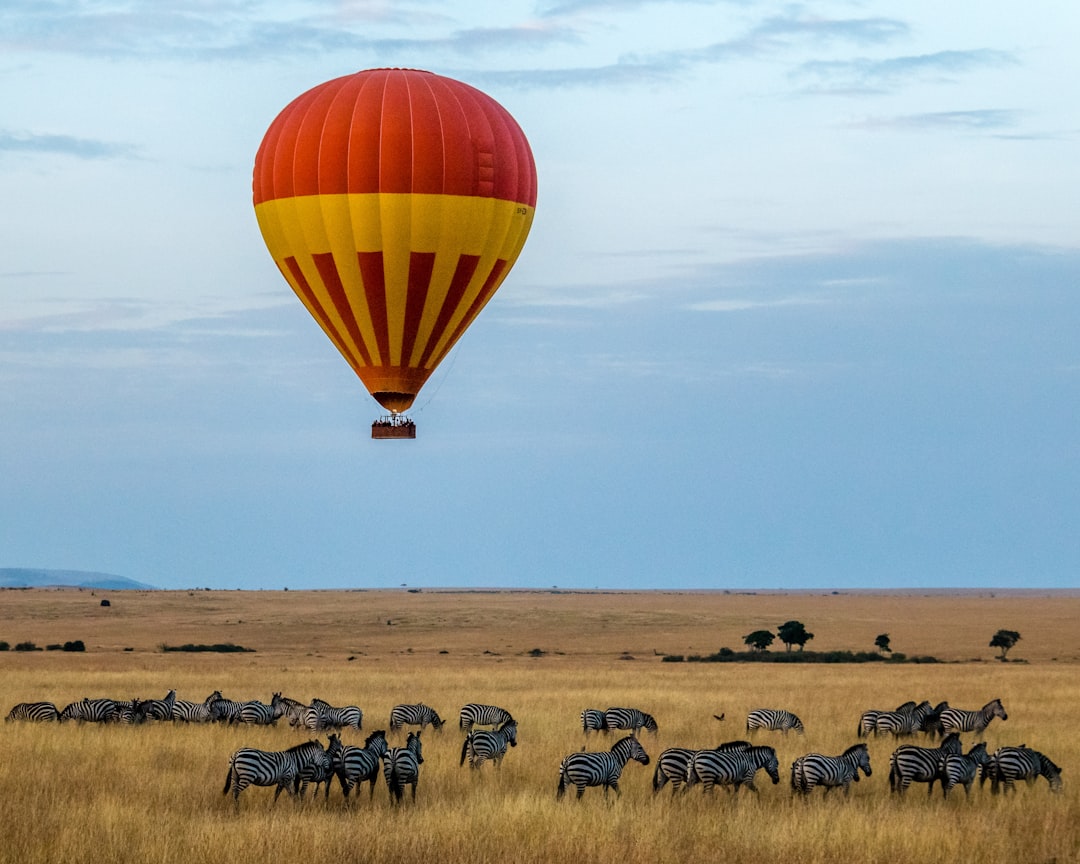
- Hot air balloon rides ($400–$600 per person)
- Walking safaris or night drives ($50–$150)
- Visits to Maasai villages ($30–$50)
- Laundry services ($5–$10 per item)
- Travel insurance ($100–$300)
- Visa fees for Tanzania ($50–$100)
- Airport transfers in Dar es Salaam ($30–$50)
Working with experienced planners like Relax Africa Safari experts helps you customize your itinerary within your budget. They can tell you exactly what's included and help avoid surprise charges. Tanzania safari all-inclusive packages reveal true costs when you compare verified operators on SafariFind.
Understanding Park Fees and Permits
Park fees are major costs that surprise many travelers. Tanzania charges daily entrance fees for each national park. These fees fund conservation and park maintenance.
Serengeti National Park Fees
Serengeti National Park charges $70 per day for foreign adults. A 7-day safari in Serengeti costs $490 in park fees alone. This fee is non-negotiable and includes vehicle entry and park access. All legitimate operators must pay these fees, so never book with operators claiming to avoid them.
Ngorongoro Conservation Area Fees
Ngorongoro crater charges $80 per day for foreign adults. A 3-day visit costs $240 in fees. This conservation area protects the crater and supports local Maasai communities. The fee is worth it—you'll see incredible wildlife in one of Earth's most unique landscapes.
Tarangire and Arusha National Parks
Tarangire charges $65 per day, while Arusha National Park charges $45 per day. These parks offer excellent wildlife viewing at lower costs than Serengeti. If you're budget-conscious, these parks provide great value.
Most safari packages include park fees, but always confirm this when booking. Some budget operators quote low prices but add park fees later. Ask your operator to provide a complete price breakdown showing park fees separately.
Budget Breakdown for Different Traveler Types
Your total safari cost depends on your travel style, group size, and preferences. Here's a realistic breakdown for different scenarios.
Solo Budget Traveler
A solo traveler on a tight budget might spend: 7-day budget safari ($2,500), international flight ($1,200), visa ($50), travel insurance ($150), tips and extras ($200). Total: approximately $4,100. Solo travelers pay more per person because they can't share vehicle costs. Joining group safaris helps reduce costs.
Couple on Mid-Range Budget
A couple seeking comfort might spend: 7-day mid-range safari ($3,500 per person × 2 = $7,000), flights ($2,400 total), visa and insurance ($300), tips and activities ($400). Total: approximately $10,100 for two people, or $5,050 per person. Couples get better per-person pricing by sharing accommodations and vehicles.
Family of Four
A family of four might spend: 7-day mid-range safari ($3,200 per person × 4 = $12,800), flights ($3,600 for family), visas and insurance ($500), tips and extras ($600). Total: approximately $17,500 for the family, or $4,375 per person. Families get decent per-person rates and can enjoy shared memories.
Luxury Travelers
Luxury travelers might spend: 7-day luxury safari ($7,000 per person × 2 = $14,000), flights ($2,800), visas and insurance ($300), tips and premium activities ($800). Total: approximately $17,900 for two people, or $8,950 per person. Luxury safaris offer unmatched comfort and personalized service.
These estimates exclude items like additional spending money, souvenirs, and domestic flights within Tanzania. Always build a 10–15% buffer into your budget for unexpected costs.
Seasonal Pricing: Peak vs. Off-Season
Tanzania safari prices fluctuate with seasons. Peak season costs significantly more than off-season travel. Understanding seasonal pricing helps you save money.
Peak Season: July–October
July through October is peak season because the Great Migration crosses the Mara River and weather is dry and cool. Expect to pay 20–30% more during these months. A mid-range safari costing $3,500 in shoulder season might cost $4,500 in July–August.
Peak season advantages: best wildlife viewing, comfortable weather, and excellent photography conditions. Disadvantages: crowded parks, higher prices, and fewer accommodation options. If you visit peak season, book 3–6 months ahead to secure dates and better rates.
Shoulder Season: June & November
June and November offer good wildlife viewing with moderate prices. You'll pay 10–15% less than peak season. Weather is pleasant, and parks are less crowded. June is excellent for the Great Migration's northern crossings.
Shoulder season suits travelers seeking balance between cost and experience. You'll still see incredible wildlife but with fewer tourists and lower prices.
Off-Season: December–May
December through May is off-season with green landscapes and lower prices. Expect to pay 20–40% less than peak season. A $3,500 mid-range safari might cost $2,100–$2,800 in off-season.
Off-season advantages: lowest prices, fewer tourists, lush scenery, and excellent bird watching. Disadvantages: some roads become muddy, occasional rain, and reduced wildlife visibility. Off-season works for budget travelers and those avoiding crowds.
The best time to visit depends on your priorities. Tanzania safari field guide explains best viewing seasons for specific wildlife. Peak season (July–October) offers the Great Migration but costs more. Shoulder season (June, November) balances price and experience. Off-season (December–May) saves money for budget travelers.
How to Find the Best Safari Deals in 2026
Smart booking strategies help you save 15–30% on Tanzania safaris. Here's how to find the best deals.
Book in Advance
Booking 3–6 months ahead saves money. Early bookers get discounts and better accommodation choices. Last-minute deals exist but are rare and often involve compromises. Plan ahead and save.
Travel During Shoulder Season
June and November offer excellent value. You'll save 10–15% compared to peak season while still seeing great wildlife. Fewer tourists mean better photography opportunities and more personalized service.
Join Group Safaris
Group safaris cost 30–40% less per person than private safaris. You'll share vehicles and accommodations with other travelers. Group safaris are social, affordable, and still offer quality experiences.
Compare Operators on SafariFind
SafariFind lets you compare verified operators, read authentic traveler reviews, and request quotes from multiple companies. This transparency helps you find the best value. Browse top-rated Tanzania safari companies for US travelers and compare their packages side-by-side.
Consider Southern Tanzania
Southern Tanzania parks (Selous, Ruaha) are less touristy and cheaper than the northern circuit. You'll save 20–30% and still see excellent wildlife. Southern Tanzania safari packages help you avoid Serengeti crowds and save 30% compared to northern circuit prices.
Ask About Package Deals
Many operators offer discounts for longer safaris or multiple parks. A 10-day safari might cost less per day than a 7-day safari. Ask operators about volume discounts if you're booking for groups.
International Flights and Getting There
International flights from the US to Tanzania represent a major cost. Budget accordingly and book strategically.
Typical Flight Costs from the US
Roundtrip flights from major US cities to Dar es Salaam or Kilimanjaro cost $800–$1,500 depending on season and how far ahead you book. Peak season flights cost more. Booking 2–3 months ahead typically saves $200–$400 compared to last-minute bookings.
Getting to Safari Starting Points
Most safaris depart from Arusha, a 1-hour drive from Kilimanjaro Airport. Airport transfers cost $30–$50. Some operators include transfers; others charge extra. Confirm transfer arrangements when booking.
Domestic Flights Within Tanzania
Flying between parks (Arusha to Serengeti, Serengeti to Zanzibar) costs $150–$300 per flight. Luxury safaris often include these flights. Budget safaris use road transfers, which are cheaper but take longer. Decide based on your budget and time.
All-inclusive packages sometimes bundle international flights. Tanzania safari and Zanzibar packages from UK show how all-inclusive pricing works for international travelers.
Accommodation Types and Costs
Accommodation is the largest cost component after park fees. Your choice dramatically affects total price.
Budget Camping: $30–$80 per night
Budget camping uses basic tents with shared bathrooms. You get a mattress and sleeping bag but few amenities. Meals are simple but adequate. Camping suits adventurous travelers and those prioritizing savings over comfort.
Mid-Range Lodges: $100–$250 per night
Mid-range lodges offer private rooms with en-suite bathrooms, comfortable beds, and decent meals. Most have restaurants, bars, and basic WiFi. This tier provides excellent value and works for most travelers.
Luxury Camps: $300–$800+ per night
Luxury camps feature spacious suites, gourmet meals, spa services, and personalized attention. Many offer views of wildlife or landscapes. These camps cater to travelers seeking premium experiences and comfort.
All-Inclusive Resorts: Varies
Some operators offer all-inclusive packages combining lodging, meals, drinks, and activities into one price. All-inclusive packages simplify budgeting by eliminating surprise costs. Compare all-inclusive versus à la carte pricing before booking.
Meals, Drinks, and Activities
These costs add up quickly but are often overlooked when budgeting.
Meals
Budget safaris: breakfast and dinner included, lunch extra ($8–$12). Mid-range safaris: all meals included. Luxury safaris: all meals and drinks included. If meals aren't included, budget $15–$30 per meal.
Drinks
Basic water and tea are usually free. Wine, beer, and spirits cost extra: $3–$8 per drink at budget camps, $8–$15 at mid-range lodges, included at luxury camps. Bring a refillable water bottle to save money.
Premium Activities
Hot air balloon rides: $400–$600. Maasai village visits: $30–$50. Walking safaris: $50–$150. Night game drives: $50–$100. These activities enhance your experience but aren't essential. Budget $200–$400 for optional activities.
Guides and Tips
Tipping is customary in Tanzania. Budget 10–15% of your total safari cost for tips. A $3,500 safari warrants $350–$525 in tips for guides, drivers, and camp staff. Tips are usually given at the end of your safari.
Comparing Tanzania to Other African Safaris
How do Tanzania safari costs compare to Kenya, South Africa, and Botswana? Here's what you need to know.
Tanzania vs. Kenya
Tanzania and Kenya offer similar experiences at comparable prices. Kenya's Masai Mara offers the Great Migration crossing like Tanzania's Serengeti. Prices are nearly identical: $250–$1,500+ per day. Tanzania offers slightly better value in southern parks like Selous and Ruaha.
Tanzania versus South Africa safari comparison shows cost and wildlife differences between these popular destinations.
Tanzania vs. South Africa
South Africa safaris cost 20–40% more than Tanzania. Kruger National Park safaris average $400–$1,200 per day versus Tanzania's $250–$1,500. However, South Africa offers excellent infrastructure and malaria-free areas. Choose based on budget and preferences.
Tanzania vs. Botswana
Botswana safaris are significantly more expensive, averaging $500–$2,000+ per day. Okavango Delta luxury camps cost $1,000–$3,000 nightly. Tanzania offers better value for budget and mid-range travelers.
Tanzania provides excellent wildlife viewing at competitive prices. Northern circuit parks (Serengeti, Ngorongoro, Arusha) are famous worldwide. Southern parks (Selous, Ruaha) offer solitude and better prices. Choose based on your budget, timeline, and interests.
Money-Saving Tips for Tanzania Safaris
These practical strategies help you save hundreds of dollars without sacrificing quality.
Travel with a Friend or Family
Sharing costs reduces per-person expenses. Two people split accommodation costs, reducing them by 50%. Group safaris for 4–8 people are cheaper per person than private safaris.
Extend Your Safari
Longer safaris cost less per day. A 10-day safari averages $200–$300 daily while a 3-day safari averages $350–$400 daily. If you have time, extend your trip and save money.
Skip Premium Add-Ons
Hot air balloon rides, special meals, and extra activities cost $50–$600 each. Skip these extras your first safari and enjoy the core experience. You'll still see incredible wildlife on standard game drives.
Negotiate at Booking
Operators sometimes offer discounts for direct bookings, repeat customers, or groups. Always ask about discounts. The worst they can say is no.
Book a Combo Trip
Combining Tanzania safari with Zanzibar beach time or Kenya's Masai Mara might cost less per destination due to bundled pricing. Ask operators about multi-country packages.
Travel in Green Season
December through May is green season with lush landscapes and 30–40% lower prices. Wildlife is harder to spot but still abundant. Budget travelers should consider green season.
How to Book a Tanzania Safari Online
Booking online is convenient and often cheaper than booking through travel agents. Here's the step-by-step process.
Step 1: Research Operators
Visit SafariFind to browse verified operators. Read reviews from real travelers. Check ratings, experience, and specializations. Look for operators with 4.5+ star ratings and 50+ reviews.
Step 2: Request Quotes
Use SafariFind to request quotes from multiple operators. Provide your dates, budget, group size, and preferences. Most operators respond within 24 hours with detailed itineraries and pricing.
Step 3: Compare Packages
Compare what's included in each package. Check accommodation types, meals, activities, and park fees. Ask about hidden costs. Request detailed breakdowns showing each cost component.
Step 4: Verify Credentials
Confirm operators are licensed and insured. Check their Tanzania tourist board registration. Read reviews mentioning reliability and customer service. Avoid operators with complaints about safety or cancellations.
Step 5: Book and Pay
Most operators require a deposit (typically 20–30%) to secure your booking. Pay by credit card for protection. Review the contract carefully before signing. Understand cancellation policies.
Learn how to book a multi-day Tanzania safari online step-by-step for detailed guidance on each stage of the booking process.
Key Takeaways
- Book your Tanzania safari 3–6 months in advance to save 15–20% on peak season rates and secure your preferred dates and accommodations.
- Plan a budget of $9,000–$14,000 per person for a 10-day safari including flights, accommodations, meals, park fees, and tips in 2026.
- Travel during shoulder season (June, November) to save 10–15% compared to peak season (July–October) while maintaining excellent wildlife viewing.
- Join group safaris instead of private safaris to reduce per-person costs by 30–40% and share experiences with other travelers.
- Compare verified operators on SafariFind to find transparent pricing, read authentic reviews, and request quotes from multiple companies before booking.
Frequently Asked Questions
How much does a Tanzania safari cost in 2026?
A Tanzania safari in 2026 costs $250–$1,500+ per person per day depending on accommodation and season. Budget camping safaris range from $250–$400 daily, mid-range lodge safaris average $450–$800, and luxury fly-in safaris start at $850 and exceed $1,500 per day. For a 7-day trip, expect to pay $1,800–$3,500 (budget), $2,800–$4,900 (mid-range), or $5,000–$10,000+ (luxury).
What's included in Tanzania safari packages?
Most Tanzania safari packages include: accommodation, professional guide, game drives (2–3 daily), park entrance fees ($70–$83 per day), ground transportation in safari vehicles, and meals (in mid-range and luxury packages). Hidden costs often include tips (10–15% of total), premium drinks, optional activities like hot air balloon rides ($400–$600), and travel insurance ($100–$300). Always ask operators for a complete breakdown showing what's included and what costs extra.
When is the best time to visit Tanzania for wildlife?
The best time to visit Tanzania is July–October during the Great Migration, when 1.5 million wildebeest cross the Mara River. This peak season offers excellent wildlife viewing but costs 20–30% more. Shoulder season (June, November) provides good wildlife viewing with 10–15% lower prices. Off-season (December–May) saves 20–40% but has reduced wildlife visibility and occasional rain.
What are hidden fees in Tanzania safari packages?
Common hidden fees include: tips for guides and staff (10–15% of total cost), hot air balloon rides ($400–$600), premium drinks and meals, Maasai village visits ($30–$50), walking safaris ($50–$150), laundry services ($5–$10 per item), travel insurance ($100–$300), visa fees ($50–$100), and airport transfers ($30–$50). Always request a detailed price breakdown from operators showing each cost component separately.
How can I save money on a Tanzania safari?
Save money by: booking 3–6 months ahead (save 15–20%), traveling during shoulder season (save 10–15%), joining group safaris (save 30–40%), extending your trip to 10+ days (lower daily rates), skipping premium add-ons, negotiating with operators, or visiting southern Tanzania parks instead of the famous northern circuit. Budget travelers should consider green season (December–May) when prices drop 20–40%.
Is a Tanzania safari worth the cost?
Yes, a Tanzania safari offers exceptional value for wildlife experiences. You'll see incredible animals—lions, elephants, giraffes, zebras, and more—in natural habitats. Tanzania's Serengeti and Ngorongoro Crater are UNESCO World Heritage Sites. Compared to luxury vacations costing $5,000–$15,000, safaris offer immersive, transformative experiences. Book through SafariFind to compare verified operators, read authentic reviews, and find packages matching your budget and preferences.
Where can I find verified Tanzania safari operators and read reviews?
SafariFind is a marketplace connecting travelers with verified safari operators. Browse hundreds of packages, read authentic reviews from real travelers, compare prices and itineraries, and request quotes directly from operators. SafariFind vets all operators for credentials, insurance, and customer satisfaction. Use SafariFind to make confident booking decisions based on transparent pricing and genuine traveler feedback.
Conclusion
Tanzania safari costs in 2026 range from $250 to $1,500+ per person daily, with most US travelers spending $9,000–$14,000 for a 10-day trip including flights. Budget camping safaris cost $1,800–$3,500 for 7 days, mid-range lodge safaris average $2,800–$4,900, and luxury safaris exceed $5,000–$10,000. Understanding cost breakdowns—park fees, accommodation, meals, guides, tips, and optional activities—helps you budget accurately and avoid surprises.
Book your safari 3–6 months in advance to save 15–20% and secure your preferred dates. Travel during shoulder season (June, November) to reduce costs by 10–15% while maintaining excellent wildlife viewing. Consider southern Tanzania parks like Selous and Ruaha to save 20–30% compared to the famous northern circuit. Join group safaris to reduce per-person costs by 30–40%.
SafariFind connects you with verified Tanzania safari operators offering transparent pricing and authentic reviews from real travelers. Compare multiple operators, request detailed quotes, and read reviews before booking. This transparency helps you find the best value and avoid operators with hidden fees or poor customer service.
Explore verified Tanzania safari packages on SafariFind to find options matching your budget, dates, and preferences. Request quotes from multiple operators to compare prices and inclusions. Read authentic traveler reviews to understand what past guests experienced. With smart planning and verified operators, you'll experience an unforgettable Tanzania safari in 2026 without overpaying.
Plan Your Safari with SafariFind
These recommendations use real data from SafariFind, where you can compare operators, browse packages, and read verified traveler reviews before you book.
Recommended Safari Operators from SafariFind
Recommended Safari Packages from SafariFind
What Travelers Say (SafariFind Reviews)
References
- Tanzania Safari Cost 2026: Complete Budget Breakdown & Money Saving Tips
- Tanzania Safari Cost Breakdown – 7 Shocking Real Prices, Permits & Hidden Fees (2026, 2027, 2028 Guide) - Relax Africa Tours & Safaris
- Tanzania Safari Cost 2026: $250 to $1,500+ Per Day Explained
- Tanzania Safari Cost Guide: Complete Budget Breakdown for 2026 | Sokwe Africa Safaris
- How Much Does a Tanzania Safari Cost for US Travelers in 2026
- Tanzania Safari Cost 2026: Full Price Breakdown (Budget to Luxury Guide) | Nature Bound Africa
- How Much Does a Tanzania Safari Cost? (Budget Breakdown)
- How Much Does a Tanzania Safari Cost in 2026? - Follow Alice
Sources
- Tanzania Safari Cost 2026: Complete Budget Breakdown & Money Saving Tips
- Tanzania Safari Cost Breakdown – 7 Shocking Real Prices, Permits & Hidden Fees (2026, 2027, 2028 Guide) - Relax Africa Tours & Safaris
- Tanzania Safari Cost 2026: $250 to $1,500+ Per Day Explained
- Tanzania Safari Cost Guide: Complete Budget Breakdown for 2026 | Sokwe Africa Safaris
- How Much Does a Tanzania Safari Cost for US Travelers in 2026
- Tanzania Safari Cost 2026: Full Price Breakdown (Budget to Luxury Guide) | Nature Bound Africa
- How Much Does a Tanzania Safari Cost? (Budget Breakdown)
- How Much Does a Tanzania Safari Cost in 2026? - Follow Alice
Related to
Ready to start your safari adventure?
Explore curated safari packages and find your perfect African adventure with verified operators.