Tanzania Safari vs Kenya: Wildlife, Costs & Which Operator to Choose
Compare Tanzania and Kenya safaris: wildlife density, costs ($280–$350/day), best operators, and peak seasons. Book verified tours on SafariFind.
Tanzania Safari vs Kenya: Wildlife & Costs
Last updated: July 2026
Tanzania and Kenya both offer world-class safaris with access to the Serengeti-Masai Mara ecosystem. Tanzania safaris start at around $350 per day, while Kenya begins at $280 per day. The best time to visit is July through October for the Great Migration. Choose Tanzania for spacious landscapes and fewer crowds, or Kenya for higher wildlife density and easier access. Compare verified operators on SafariFind to find your perfect safari package.
At a Glance
- Cost: Tanzania $350/day, Kenya $280/day for private safaris
- Best time: July–October for Great Migration wildlife viewing
- Duration: 7–10 days recommended for combined Kenya-Tanzania
- Getting there: Fly into Nairobi (Kenya) or Arusha (Tanzania)
- Best for: Wildlife photographers, adventure seekers, nature lovers
- Wildlife highlights: 1.5 million wildebeest, lions, elephants, giraffes
Tanzania Safari vs Kenya: Which Destination Wins?
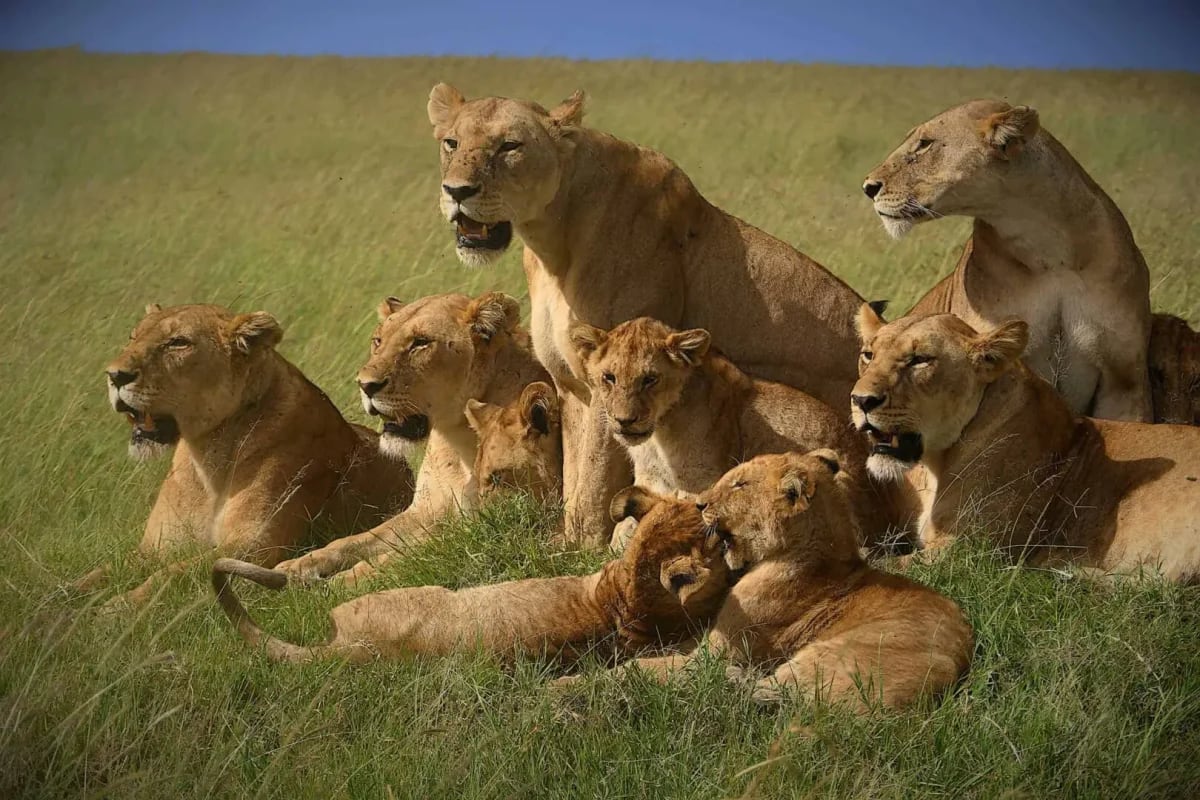
Both Kenya and Tanzania offer world-class safari experiences with access to the same Serengeti-Masai Mara ecosystem. Kenya's Masai Mara is smaller but has higher wildlife density, making it ideal for shorter safaris with guaranteed sightings. Tanzania provides a more immersive and spacious experience with fewer tourists crowding the parks.
The choice between Tanzania safari and Kenya depends on your budget, time, and travel style. Kenya offers easier access and a broader range of wildlife viewing options. Tanzania provides a more authentic, less-commercialized safari with stunning landscapes and better value for money. Many travelers choose to combine both countries to experience the best of East Africa.
Wildlife Density and Sighting Guarantees
Kenya's Masai Mara National Reserve has higher wildlife concentration per square kilometer than Tanzania's parks. This means you'll likely see more animals in a shorter timeframe. However, Tanzania's larger parks like the Serengeti offer more diverse ecosystems and better opportunities for photography and exploration.
The Serengeti National Park in Tanzania hosts the famous Great Migration, where 1.5 million wildebeest cross the Mara River between July and October. Kenya's Masai Mara also witnesses this migration, but Tanzania offers the full continental experience.
Accessibility and Infrastructure
Kenya has more developed tourism infrastructure with direct flights from major international hubs. Nairobi serves as East Africa's main gateway. Tanzania requires a connecting flight through Nairobi or Dar es Salaam, adding travel time but often reducing costs.
Both countries have modern lodges and experienced guides. Tanzania's remote locations mean fewer tourists and more peaceful wildlife encounters. Kenya's accessibility makes it better for first-time safari-goers or those with limited time.
How Much Does a Safari Cost: Tanzania vs Kenya?
Tanzania safari costs typically start at $350 per person per day, while Kenya begins at $280 per day for private safaris using local tour operators. These prices include accommodation, meals, and game drives. Budget safaris using group tours can cost less, while luxury experiences exceed $500 daily.
Budget Breakdown by Safari Type
Group safaris offer the most affordable option, starting around $150–$200 per day in both countries. Private safaris with a dedicated guide and vehicle cost $280–$350 per day. Luxury all-inclusive packages with premium lodges run $500–$1,000+ per day.
Tanzania's slightly higher daily rate reflects the longer distances between parks and more exclusive lodge experiences. Kenya's lower starting price comes from higher competition and more established budget operators.
What's Included in Safari Costs
Most safari packages include accommodation, all meals, game drives, and a professional guide. Park entrance fees ($20–$50 per day) may be separate. International flights, travel insurance, and tips are typically not included.
When comparing packages, check whether flights, airport transfers, and pre-safari accommodation are covered. Tanzania safari cost breakdowns vary widely depending on lodge category and group size. Booking through SafariFind helps you compare transparent pricing across verified operators.
Seasonal Pricing Variations
Peak season (July–October) costs 20–30% more than shoulder season (November–December, March–May). Low season (January–February, June) offers the best discounts but may have reduced wildlife visibility due to rain.
Book your safari 3–6 months in advance to secure better rates and availability. Last-minute bookings often cost more due to limited inventory.
Which Operator Should You Choose?
Selecting the right safari operator makes the difference between a good trip and an unforgettable one. Look for companies with strong reviews, experienced guides, and transparent pricing. Local operators often provide better value and more authentic experiences than international chains.
What Makes a Great Safari Operator
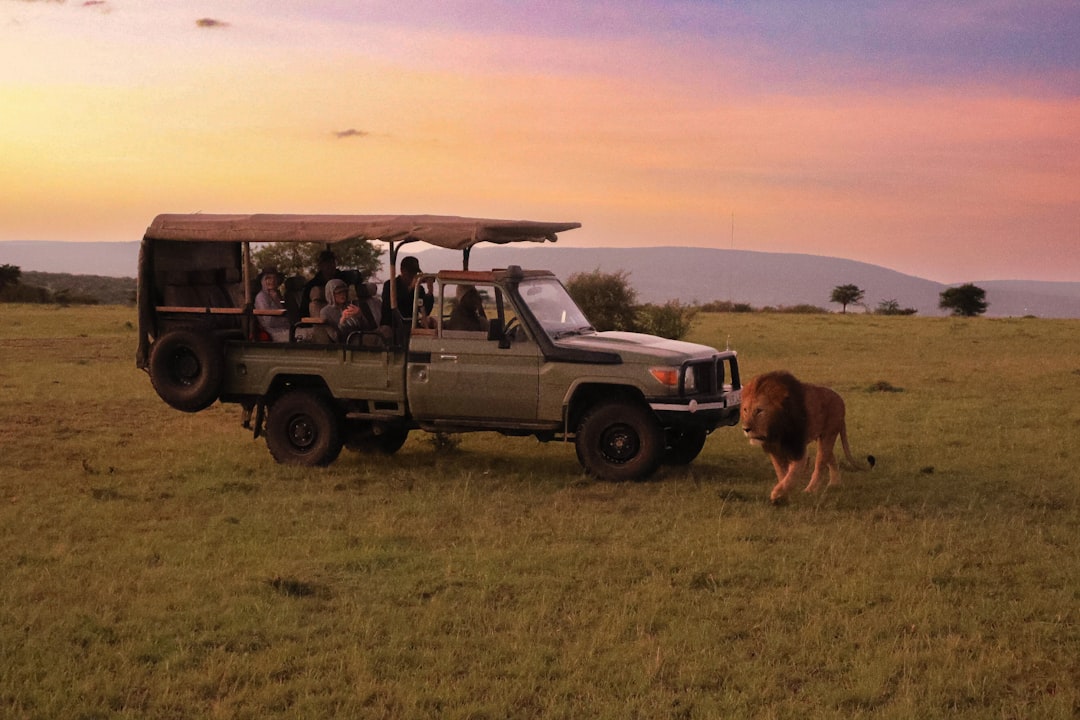
Top-rated operators have trained guides who know wildlife behavior and can find animals reliably. They maintain well-equipped vehicles with pop-up roofs for photography. Customer reviews should highlight professionalism, safety, and authentic interactions with local communities.
Check whether the operator offers flexible itineraries, has emergency protocols, and provides pre-trip support. Good operators answer questions quickly and explain what's included in their packages clearly.
Kenya vs Tanzania Operators: Where to Find Them
Kenya has more established tour companies with international payment options and multi-country reach. Tanzania's operators are often smaller, family-run businesses offering more personalized service. For travelers choosing between the two countries, look for operators with experience in both nations.
Compare verified safari packages on SafariFind to see ratings, reviews, and pricing from operators across Tanzania and Kenya. Our marketplace lists only authenticated tour companies with customer feedback you can trust.
Red Flags to Avoid
Avoid operators with no reviews or those that won't provide references from past travelers. Be wary of prices significantly lower than competitors—this often means hidden costs or poor service. Never book with companies that don't have clear cancellation policies.
Check safety records and whether guides are certified. Ensure the operator has proper insurance and emergency communication systems in remote areas. Ask about the condition of safari vehicles and when they were last serviced.
Best Time to Visit: Wildlife Viewing by Season
The best time to visit Tanzania and Kenya is July through October when the Great Migration peaks and wildlife congregates around water sources. During these months, visibility is excellent and animal sightings are almost guaranteed. Shoulder seasons (November–December, March–May) offer good wildlife viewing with fewer crowds and lower prices.
Peak Season: July–October
July marks the start of the Great Migration in the Serengeti. Massive herds of wildebeest and zebras move north from Tanzania into Kenya's Masai Mara, creating spectacular river crossings. Temperatures are cool, skies are clear, and wildlife congregates around remaining water sources.
This season is busiest and most expensive. Book 4–6 months ahead to secure accommodations and guides. Expect larger groups and more safari vehicles, especially at popular viewpoints.
Shoulder Seasons: November–December & March–May
November through December offers excellent wildlife viewing as animals gather around new grass after the short rains. Temperatures are pleasant, and parks are less crowded. March through May brings the long rains, which can make roads muddy but reduces tourist numbers significantly.
These seasons offer the best value for budget-conscious travelers. You'll still see plenty of wildlife with more peaceful experiences and lower prices.
Low Season: January–February & June
January and February are hot and dry with good visibility, but fewer animals cluster together. June brings cooler temperatures and is ideal for photography. However, some lodges close during the heavy rains, limiting accommodation options.
The best time to visit Tanzania safari depends on your priorities—wildlife density, budget, or weather comfort.
Safety Considerations for Tanzania and Kenya
As of recent U.S. State Department advisories, Tanzania was listed at Level 3 (Reconsider Travel) and Kenya at Level 2 (Exercise Increased Caution). These broad national assessments reflect country-wide conditions, not safari-specific safety. The national parks themselves are well-secured with ranger patrols and established safety protocols.
Safari Park Safety
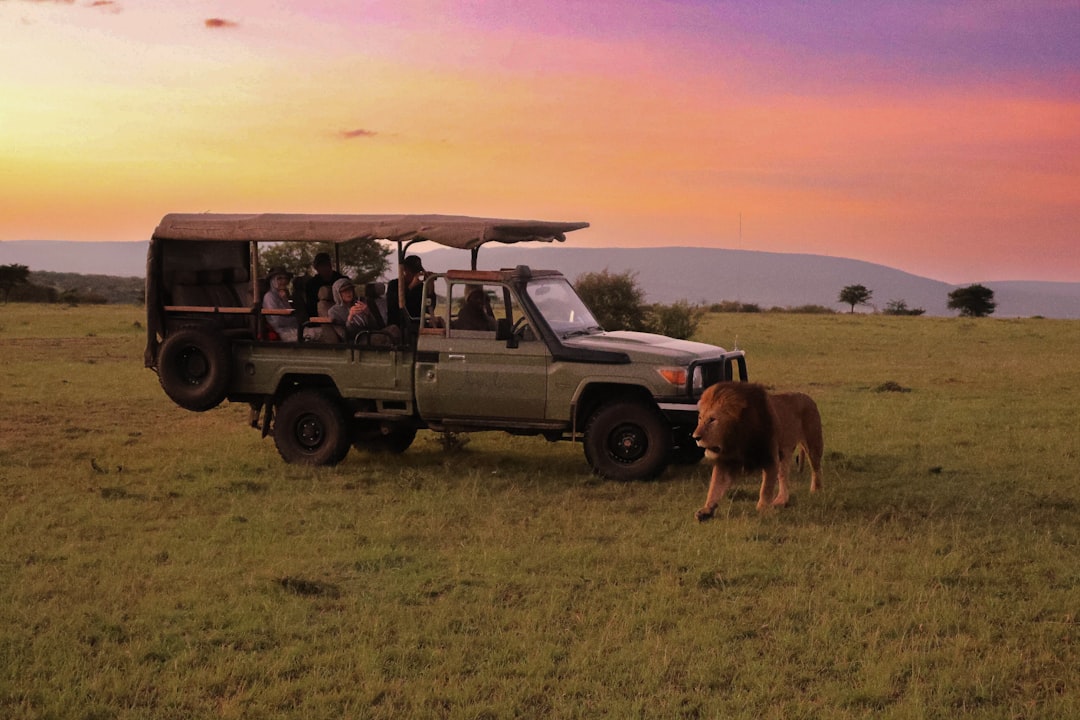
The Serengeti, Ngorongoro Crater, and Masai Mara are among the safest destinations in East Africa. Professional guides follow strict wildlife protocols and know how to handle dangerous animals. Safari vehicles maintain safe distances, and rangers patrol regularly to prevent poaching.
Always follow your guide's instructions regarding wildlife interactions. Never leave the vehicle without permission. Stay alert during dawn and dusk when animals are most active.
Health Precautions
Malaria is present in both countries. Take prescribed antimalarial medication and use insect repellent. Vaccinations for yellow fever, typhoid, and routine immunizations are recommended. Consult your doctor 4–6 weeks before travel.
Drink only bottled or treated water. Eat cooked foods and avoid raw vegetables in remote areas. Travel insurance that covers medical evacuation is essential for safari trips.
Combining Tanzania and Kenya: The Ultimate East Africa Safari
Many travelers combine both countries for a comprehensive East African experience. A 10–21 day itinerary typically includes Kenya's Masai Mara, Lake Nakuru, and Amboseli, plus Tanzania's Serengeti, Ngorongoro Crater, and Tarangire. This combination offers diverse ecosystems, higher wildlife density, and the full Great Migration spectacle.
Sample Combined Itinerary
Start in Nairobi with overnight accommodation. Spend 3–4 days in the Masai Mara. Fly to Arusha, Tanzania for 4–5 days in the Serengeti and Ngorongoro Crater. Add 2 days in Tarangire National Park for elephant viewing. End with a beach relaxation in Zanzibar if desired.
This 10–14 day journey costs $3,500–$7,000 per person depending on lodge category and group size. Tanzania and Zanzibar packages from the US often include flights and accommodation, making multi-country trips more affordable than booking separately.
Why Combine Both Countries
Tanzania offers the Serengeti's vast landscapes and fewer tourists. Kenya provides the Masai Mara's high wildlife density and easier access. Together, you experience the complete Great Migration, diverse habitats, and authentic wildlife photography opportunities.
Combining countries also breaks up the safari routine. You'll visit different lodges, meet new guides, and see varied ecosystems from volcanic craters to endless plains.
How to Book Your Safari: Online and With Verified Operators
Booking a safari online is straightforward when you use a marketplace with verified operators. SafariFind lists authenticated tour companies with customer reviews, transparent pricing, and flexible payment options. You can compare packages side-by-side and request quotes from multiple operators to find the best value.
Steps to Book Your Safari
- Define your budget, preferred dates, and travel style (luxury, mid-range, budget)
- Browse safari packages on SafariFind filtered by destination and price
- Read customer reviews and ratings for each operator
- Request quotes from 2–3 operators to compare final pricing
- Confirm inclusions: flights, accommodation, meals, guides, park fees
- Review cancellation policies and travel insurance requirements
- Make payment with secure methods (credit card, bank transfer)
- Receive detailed itinerary, booking confirmation, and pre-trip information
What to Ask Before Booking
Confirm whether international flights are included or if you're booking land-only. Ask about airport pickups, pre-safari accommodation, and post-safari activities. Verify the guide-to-tourist ratio and vehicle type. Request the operator's cancellation and refund policy in writing.
Ask about the lodge's amenities, meal quality, and whether activities are included daily. Clarify what happens if you're not satisfied with your guide or accommodation. Good operators welcome questions and provide detailed answers.
Using SafariFind to Find Your Perfect Safari
Browse verified safari packages on SafariFind and use filters for destination, duration, price range, and operator rating. Each package shows customer reviews, detailed itineraries, and transparent pricing. Request quotes directly from operators through the platform to compare final costs and negotiate group discounts.
SafariFind's verified operators offer secure payment, clear communication, and authentic customer feedback. You'll avoid overpaying and find packages that match your exact needs and budget.
Key Takeaways
- Book your Tanzania or Kenya safari 3–6 months ahead to save 15–20% on peak season rates and secure the best lodges.
- Tanzania safaris cost $350 per day while Kenya starts at $280 per day for private tours, but Tanzania offers more spacious landscapes and fewer crowds.
- Visit July through October for guaranteed Great Migration wildlife viewing with 1.5 million wildebeest and peak animal sightings.
- Choose local tour operators over international chains for better value, authentic experiences, and personalized service in both countries.
- Combine Tanzania and Kenya in a 10–14 day trip to experience diverse ecosystems, higher wildlife density, and the complete Great Migration spectacle across both nations.
Frequently Asked Questions
Is Tanzania safari cheaper than Kenya?
Tanzania safaris start at $350 per day while Kenya begins at $280 per day for private tours. However, Tanzania often offers better value because fewer tourists visit, meaning more exclusive experiences and lower lodge occupancy rates. Group safaris in both countries cost $150–$200 daily. The final price depends on lodge category, group size, and season rather than the country alone.
What's the best time to visit Tanzania and Kenya for wildlife?
July through October is the best time to visit for wildlife viewing. The Great Migration brings 1.5 million wildebeest across the Mara River, creating spectacular sightings in both countries. Shoulder seasons (November–December, March–May) offer excellent wildlife viewing with fewer crowds and lower prices. Avoid the heavy rains in April and May if you prefer dry conditions.
How long should a Tanzania and Kenya safari be?
A 7-day safari in one country allows time for 2–3 parks and multiple game drives. A 10–14 day combined Tanzania-Kenya trip covers the Serengeti, Ngorongoro, Masai Mara, and additional reserves. First-time safari-goers should plan at least 5–7 days to adjust to the pace and maximize wildlife sightings. Longer trips (14–21 days) allow for beach relaxation in Zanzibar or multiple countries like Uganda.
Do I need a visa for Tanzania and Kenya?
Yes, most international visitors need visas for both Tanzania and Kenya. U.S. citizens can apply online for e-visas ($50 per country) or obtain visas on arrival. Processing takes 1–2 weeks online or a few hours at the airport. Passport validity of 6 months beyond your travel dates is required. Check your country's specific requirements on official government websites before booking.
What vaccinations do I need for a Tanzania safari?
Yellow fever vaccination is recommended and required if traveling from certain countries. Malaria prevention through antimalarial medication is essential for both countries. Routine vaccinations (MMR, tetanus, typhoid) are advised. Consult your doctor 4–6 weeks before travel for personalized recommendations. Travel insurance should cover medical evacuation in case of serious illness or injury.
What should I pack for a 10-day Tanzania safari?
Essential packing includes lightweight, neutral-colored clothing for game drives (earth tones reduce animal disturbance), a wide-brimmed hat, sunglasses, and sunscreen. Bring sturdy hiking boots, binoculars, and a camera with extra batteries. Pack antimalarial medication, insect repellent, and any personal medications. Include a light jacket for cool mornings and a rain jacket for shoulder season travel. Avoid bright colors and perfumes that attract insects.
How can I compare safari operators and book with verified companies?
Browse verified safari packages on SafariFind and filter by destination, price, duration, and operator rating. Read authentic customer reviews and ratings for each company. Request quotes from multiple operators to compare transparent pricing and inclusions. SafariFind's verified marketplace ensures you're booking with authenticated tour companies that have proven customer satisfaction and secure payment options.
Conclusion
Tanzania and Kenya both offer world-class safari experiences with access to the iconic Serengeti-Masai Mara ecosystem. Tanzania provides spacious landscapes and fewer crowds at $350 per day, while Kenya offers higher wildlife density and easier access at $280 per day. The best time to visit is July through October when the Great Migration creates unforgettable wildlife spectacles.
Your choice depends on your budget, time, and travel style. First-time safari-goers may prefer Kenya's established infrastructure. Adventure seekers and photographers often choose Tanzania for its remote beauty and exclusivity. The ultimate experience combines both countries in a 10–14 day itinerary covering the Serengeti, Ngorongoro Crater, and Masai Mara.
Book with verified tour operators who have strong customer reviews and transparent pricing. Compare safari packages on SafariFind to find authenticated operators, read authentic reviews from past travelers, and request quotes from multiple companies. Start planning now for July-October 2026 travel to secure the best rates and lodge availability. Your East African safari adventure awaits—find your perfect package today on SafariFind.
Plan Your Safari with SafariFind
These recommendations use real data from SafariFind, where you can compare operators, browse packages, and read verified traveler reviews before you book.
Top Safari Operators from SafariFind
Recommended Safari Packages from SafariFind
What Travelers Say (SafariFind Reviews)
References
- Kenya vs Tanzania Safari - An Honest Comparison. Bea Adventurous.
- Perfect 10-Day Kenya and Tanzania Safari Itinerary & Costs. Ella McKendrick.
- Combined Kenya and Tanzania Safaris - Compare 306 Tours. Safari Bookings.
- 10 Best Safari Tours in Kenya And Tanzania 2026/2027. TourRadar.
- Tanzania Safari vs Kenya: 2026 Guide to Costs & Wildlife. Duma Explorer.
- Best Tanzania Safari Companies for 2026: An Honest, Independent Guide. African Safari Magazine.
- Tanzania vs Kenya Safari - Which is Right for Your Africa Trip? Kandoo Adventures.
- Book Unforgettable Kenya and Tanzania Safaris Tours Today! Kenya Tanzania Safari.
Sources
- Kenya vs Tanzania Safari - An Honest Comparison
- Perfect 10-Day Kenya and Tanzania Safari Itinerary & Costs
- Combined Kenya and Tanzania Safaris - Compare 306 Tours
- 10 Best Safari Tours in Kenya And Tanzania 2026/2027
- Tanzania Safari vs Kenya: 2026 Guide to Costs & Wildlife
- Best Tanzania Safari Companies for 2026: An Honest, Independent Guide
- Tanzania vs Kenya Safari - Which is Right for Your Africa Trip?
- Book Unforgettable Kenya and Tanzania Safaris Tours Today!
Related to
Ready to start your safari adventure?
Explore curated safari packages and find your perfect African adventure with verified operators.