Best Time to Visit Tanzania Safari in 2026: Wildlife Viewing by Season
Visit Tanzania safari June-October for peak wildlife viewing and the Great Migration. Discover dry vs. green season advantages, costs, and booking tips for 2026.

Best Time to Visit Tanzania Safari 2026
Last updated: July 2026
The best time to visit Tanzania for wildlife viewing is June to October during the dry season, when animals gather around water sources and are easier to spot. The Great Migration peaks in July and August with over 1.5 million wildebeest crossing the Serengeti. Book through verified operators on SafariFind to compare packages and read authentic reviews from travelers who visited in 2026.
At a Glance
- Best time to visit: June to October (dry season) for peak wildlife viewing
- Peak season: July to August for the Great Migration
- Alternative season: January to March for calving season and green landscapes
- Average cost: $2,500 to $5,000 per person for 7-day safari packages in 2026
- Best for: Wildlife photographers, adventure seekers, and nature enthusiasts
- Getting there: Flights to Kilimanjaro International Airport or Dar es Salaam
What is the Best Time to Visit Tanzania Safari in 2026?
Tanzania safari season depends on what wildlife you want to see and your travel preferences. The dry season from June to October is considered the best time for wildlife viewing in Tanzania. During these months, animals gather around remaining water sources, making them easier to spot. Days are sunny with cooler nights, creating ideal conditions for game drives and photography.
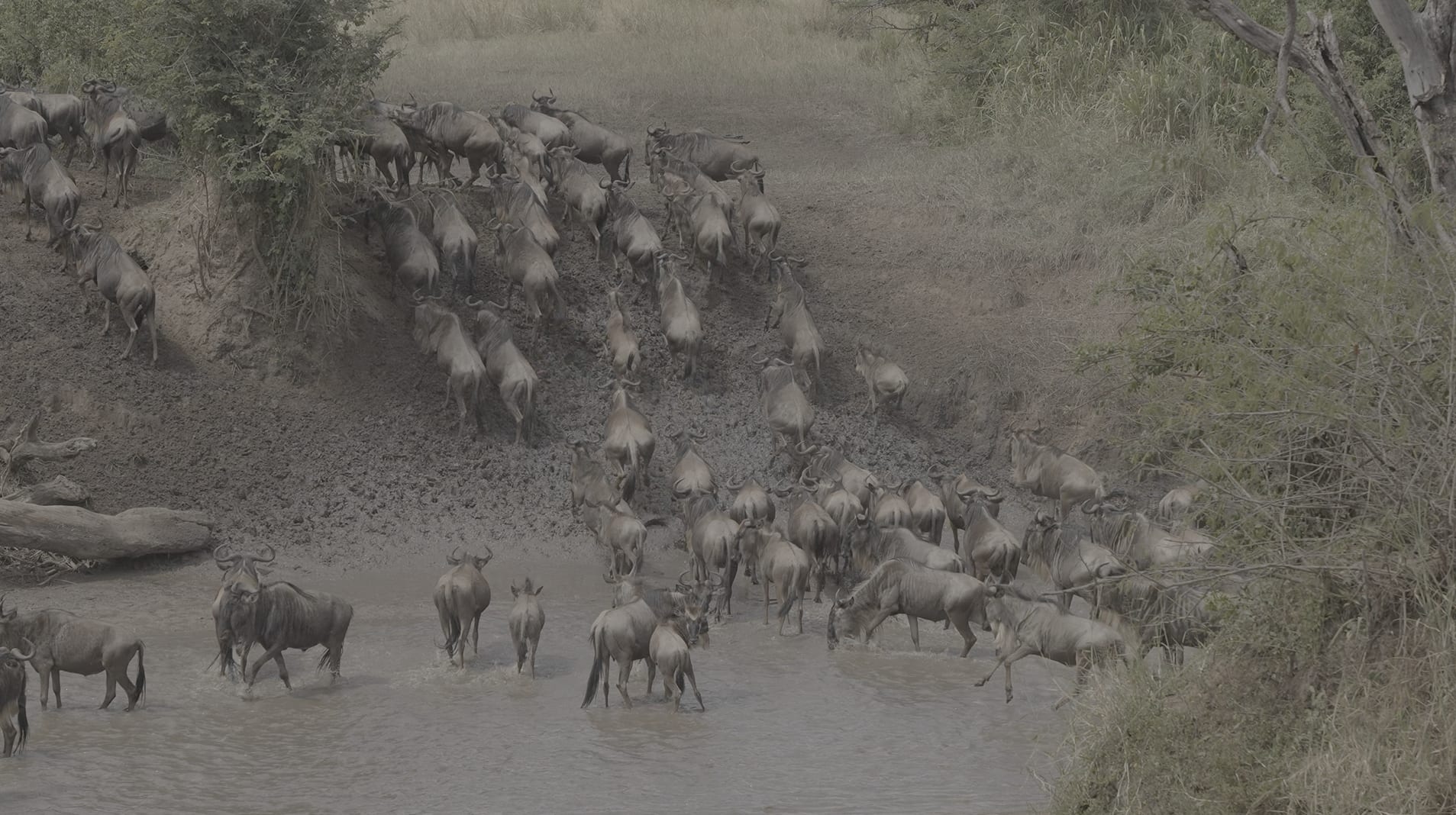
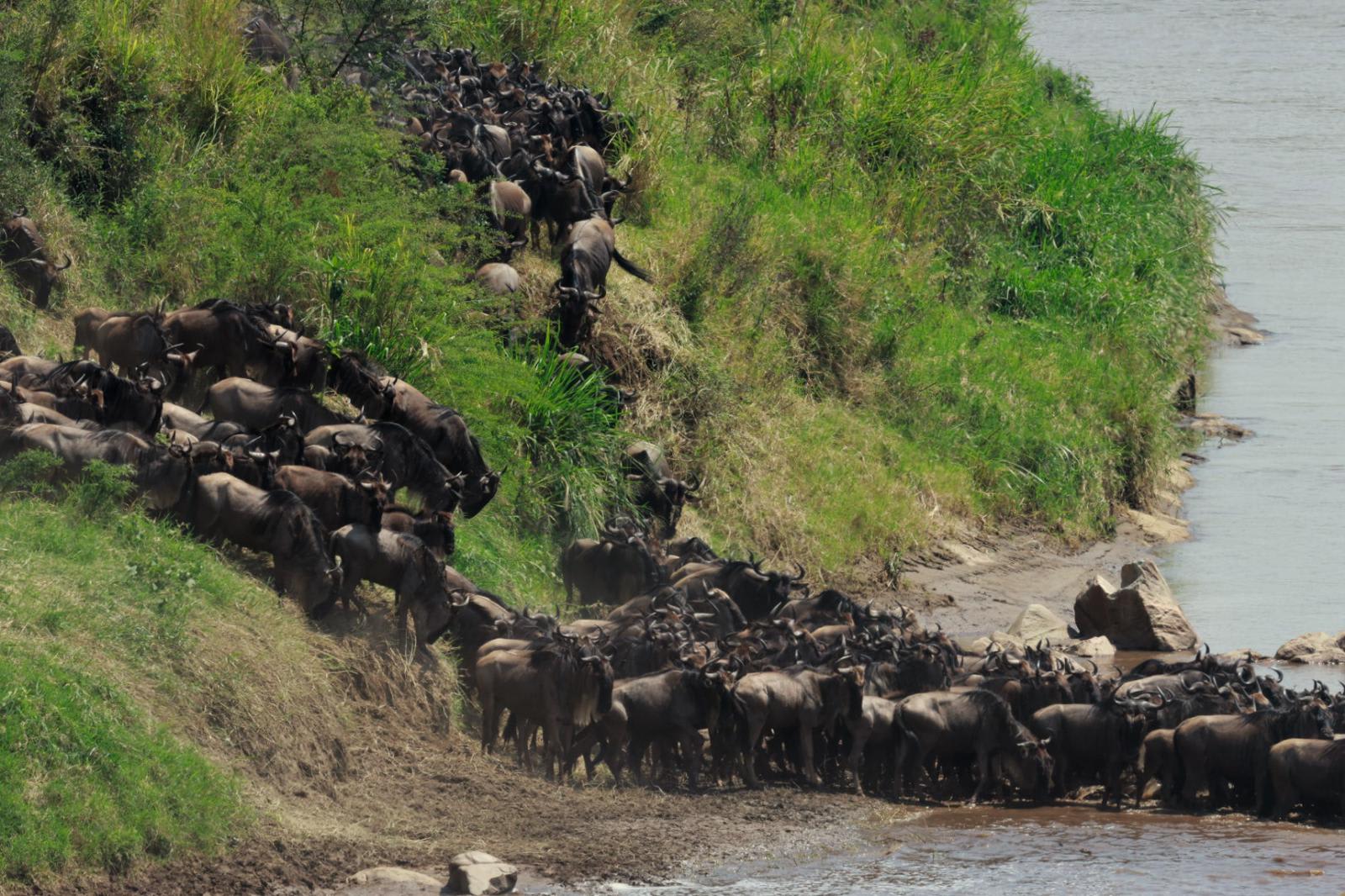
The Great Migration is Tanzania's most famous wildlife event. Over 1.5 million wildebeest travel from the Serengeti to the Masai Mara in Kenya between July and October. This natural spectacle draws photographers and safari enthusiasts from around the world. The river crossings are particularly dramatic, with predators waiting to hunt.
However, Tanzania offers excellent wildlife viewing year-round. The green season from December to March brings lush landscapes and baby animals. This period is less crowded and offers lower prices. You'll see different wildlife behavior during calving season, which peaks in January and February.
Understanding Tanzania's seasonal patterns helps you choose the right time for your safari. Each season offers unique advantages, whether you prioritize wildlife abundance, photography opportunities, or budget considerations. Let's explore what each season offers in detail.
The Dry Season: June to October Wildlife Viewing
Peak Wildlife Viewing Months
The dry season from June to October is the best time to visit Tanzania for wildlife viewing. During these months, vegetation dies back and water becomes scarce. Animals must gather at remaining water holes and rivers, making them concentrated and easy to find. Guides can locate lions, elephants, zebras, and buffalo with greater consistency.
June marks the start of the dry season when animals begin migrating toward permanent water sources. July and August are the absolute peak months for the Great Migration. Massive herds of wildebeest cross the Serengeti's rivers in dramatic fashion. Predators like lions and crocodiles position themselves along crossing points, creating intense wildlife moments.
September and October remain excellent for viewing, though some migration has continued northward. Temperatures are warm but not extreme. Morning and evening game drives are comfortable for most travelers. The clear skies make photography exceptional, with minimal cloud cover blocking wildlife sightings.
Great Migration and River Crossings
The Great Migration is Tanzania's most iconic wildlife event. This annual movement involves over 1.5 million wildebeest, 200,000 zebras, and countless gazelles traveling 1,800 miles across the Serengeti ecosystem. The migration follows rainfall patterns and seasonal grass growth.
River crossings happen throughout July, August, and early September. The Mara River in the north and Grumeti River in the west see the most dramatic crossings. Wildebeest hesitate at riverbanks, uncertain about crocodile-infested waters below. When they finally cross, it's chaotic and thrilling. Some animals make it safely; others don't.
Timing your visit for specific river crossings is unpredictable. Migration dates vary by one to two weeks annually based on rainfall. Professional guides monitor migration movements and adjust itineraries accordingly. When booking your safari, ask tour operators about real-time migration tracking.
Explore safari packages for the dry season on SafariFind to find operators with proven Great Migration expertise and current 2026 pricing.
The Green Season: December to March Advantages
Calving Season and Lower Crowds
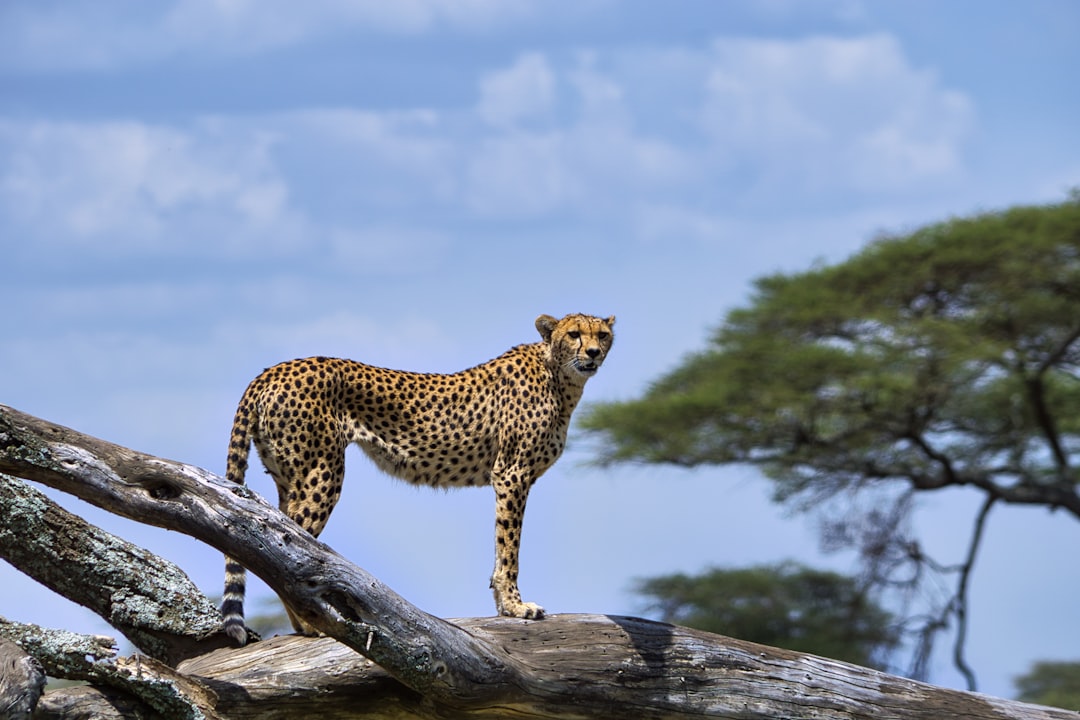
The green season from December to March offers unique advantages for Tanzania safari visitors. Rainfall transforms the landscape into lush grasslands. Baby animals are born during this period, particularly in January and February. Seeing young lions, elephants, and antelopes adds emotional depth to your safari experience.
Green season is less crowded than the dry season. Fewer international tourists visit Tanzania from January to March, meaning smaller groups and more personalized attention from guides. Accommodation prices drop significantly, making safaris more affordable. You might pay 30-40% less for lodging compared to peak season rates.
Wildlife viewing is actually excellent during green season, though animals are more dispersed across the landscape. The abundance of grass and water means animals don't concentrate at specific locations. However, off-road driving is permitted in some areas like Ngorongoro Conservation Area, allowing guides to position vehicles closer to wildlife.
Photography and Landscape Benefits
Green season offers exceptional photography opportunities for landscape-focused travelers. The Serengeti transforms into a photographer's paradise with dramatic storm clouds and golden light. Lush vegetation creates natural frames for wildlife images. The fewer crowds mean less competition for prime photography positions at water holes.
Birdwatching peaks during green season as migratory birds return to Tanzania. Over 500 bird species inhabit the country, making it a premier birding destination. If ornithology interests you, December to March is ideal for spotting colorful kingfishers, eagles, and endemic species.
The downside is occasional afternoon rain showers that can interrupt game drives. Some unpaved roads become muddy and difficult to navigate. However, modern safari vehicles handle these conditions well, and rain usually passes quickly.
Comparing Tanzania Safari Seasons: Which is Right for You?
Season-by-Season Breakdown
| Season | Months | Wildlife Viewing | Cost Level | Best For |
|---|---|---|---|---|
| Dry Season | June–October | Excellent (concentrated animals) | High | Great Migration, photography |
| Green Season | December–March | Very Good (dispersed animals) | Low–Medium | Calving season, budget travelers |
| Short Rains | November | Good | Medium | Transitional period, fewer crowds |
| Short Dry | April–May | Good (vegetation clearing) | Medium | Shoulder season travelers |
Choosing Based on Your Priorities
If you want guaranteed wildlife viewing and don't mind high prices, book June to October. The dry season concentrates animals, making sightings almost certain. Professional photographers and serious wildlife enthusiasts prefer this period for maximum photo opportunities.
If you're budget-conscious and enjoy landscapes over animal quantity, visit December to March. Green season reduces costs by 30-40% while still offering excellent wildlife viewing. You'll see calving season's baby animals and enjoy fewer crowds.
Shoulder seasons (April-May and November) offer a middle ground. Prices are moderate, wildlife viewing is solid, and crowds are minimal. If flexibility suits your schedule, these transitional months are worth considering for your Tanzania safari.
Find your perfect timing by comparing Tanzania safari and Zanzibar packages from verified operators on SafariFind. Read reviews from travelers who visited during your preferred season.
Planning Your Tanzania Safari: Practical Considerations
Booking Timeline and Best Practices
Book your Tanzania safari 3-6 months in advance for the best prices and availability. Peak season (July-August) fills quickly, sometimes 6-9 months ahead. Early booking saves 15-20% on package prices compared to last-minute bookings.
Research tour operators carefully before committing. Read reviews on SafariFind from previous travelers who visited in 2026. Check operator certifications, guide qualifications, and vehicle conditions. Reputable operators provide detailed itineraries, wildlife guarantees, and professional guides.
Consider booking all-inclusive packages that cover accommodation, meals, and transportation. All-inclusive safaris simplify planning and often cost less than booking components separately. Prices in 2026 range from $2,500 to $5,000 per person for 7-day packages, depending on lodge quality and season.
Health and Practical Requirements
Malaria is present in Tanzania, particularly at lower elevations. Consult your doctor about antimalarial medications before traveling. Use insect repellent and wear long sleeves during dawn and dusk when mosquitoes are active.
Yellow fever vaccination is recommended for entry to Tanzania, though not always required. Check current vaccination requirements before booking. Other recommended vaccinations include typhoid, hepatitis A, and routine immunizations.
Pack appropriately for your chosen season. Dry season requires sun protection, light clothing, and warm layers for cool mornings. Green season needs rain gear and moisture-wicking clothes. Read SafariFind's Tanzania safari packing list for detailed gear recommendations.
US citizens need a passport valid for 6 months beyond travel dates and a Tanzania visa. Check current visa requirements and processing times before booking your safari.
Wildlife Viewing by Season: What You'll See
Dry Season Wildlife Encounters
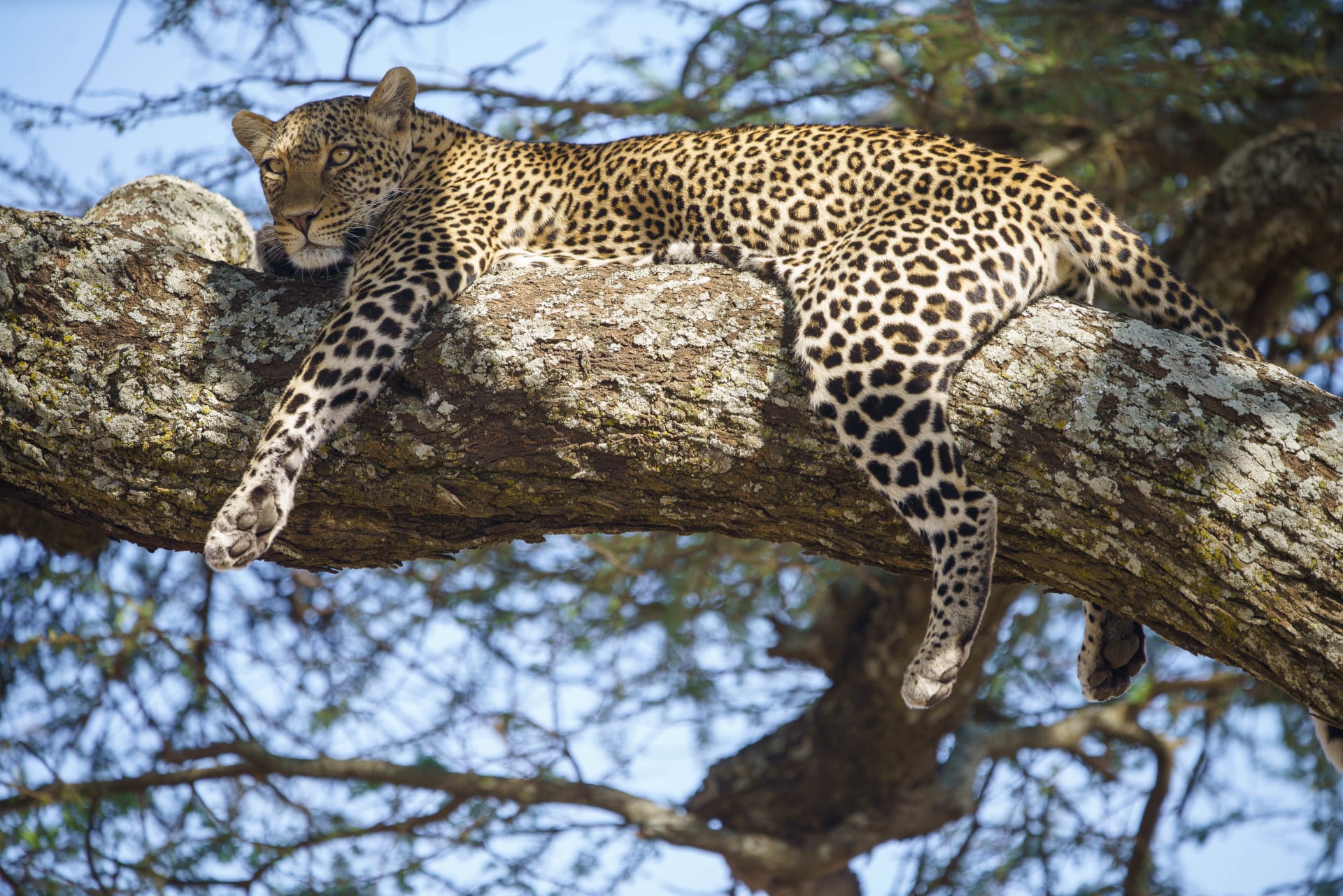
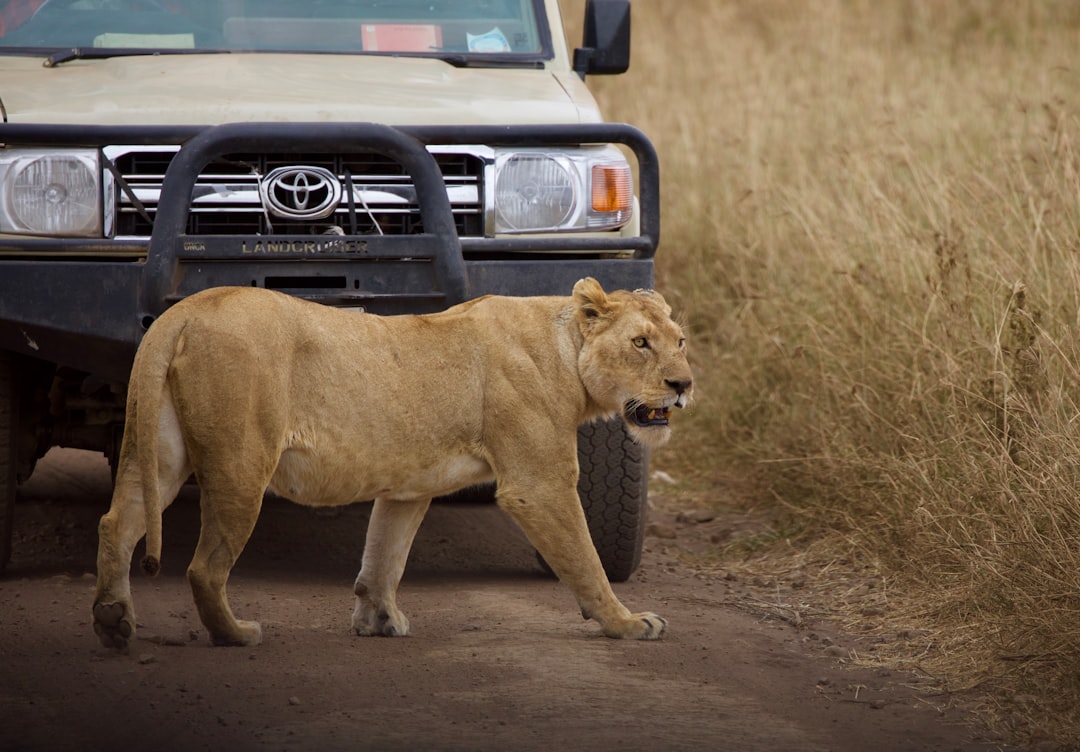
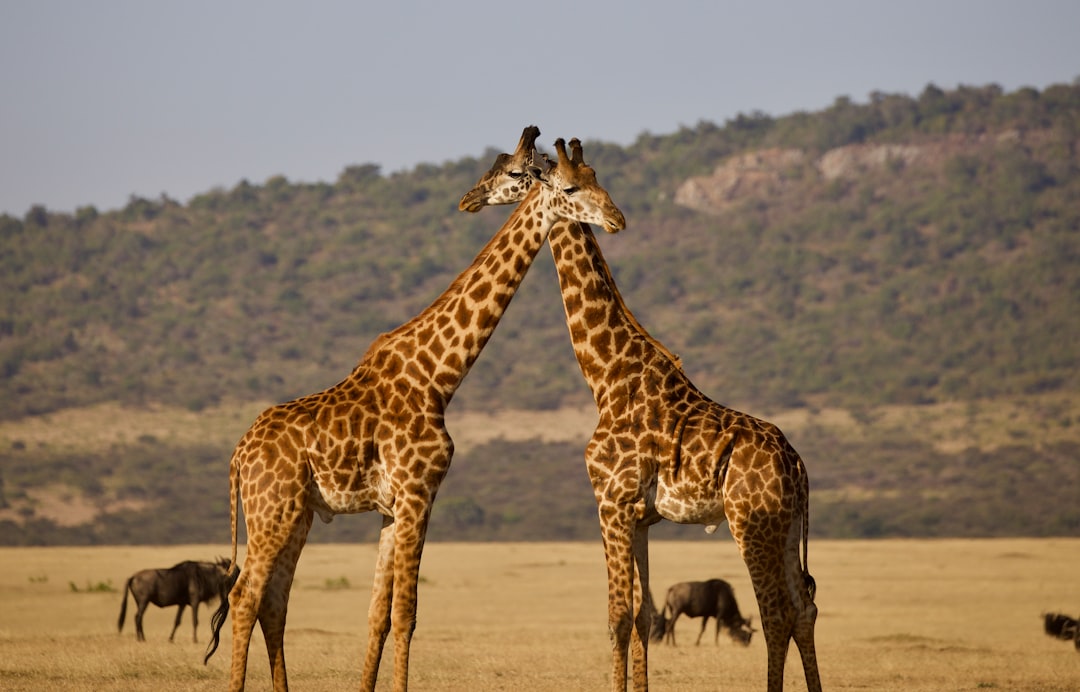
The dry season guarantees encounters with Tanzania's most iconic wildlife. Lions, elephants, buffalo, leopards, and cheetahs are frequently spotted as animals concentrate around water sources. The Big Five—lion, elephant, buffalo, leopard, and rhinoceros—are all present in Tanzanian parks, though rhinos are rare.
Predator activity peaks during dry season. Hungry lions, hyenas, and wild dogs hunt concentrated prey. Watching predator-prey interactions teaches you about African ecosystems. These dramatic moments make for unforgettable wildlife experiences and stunning photographs.
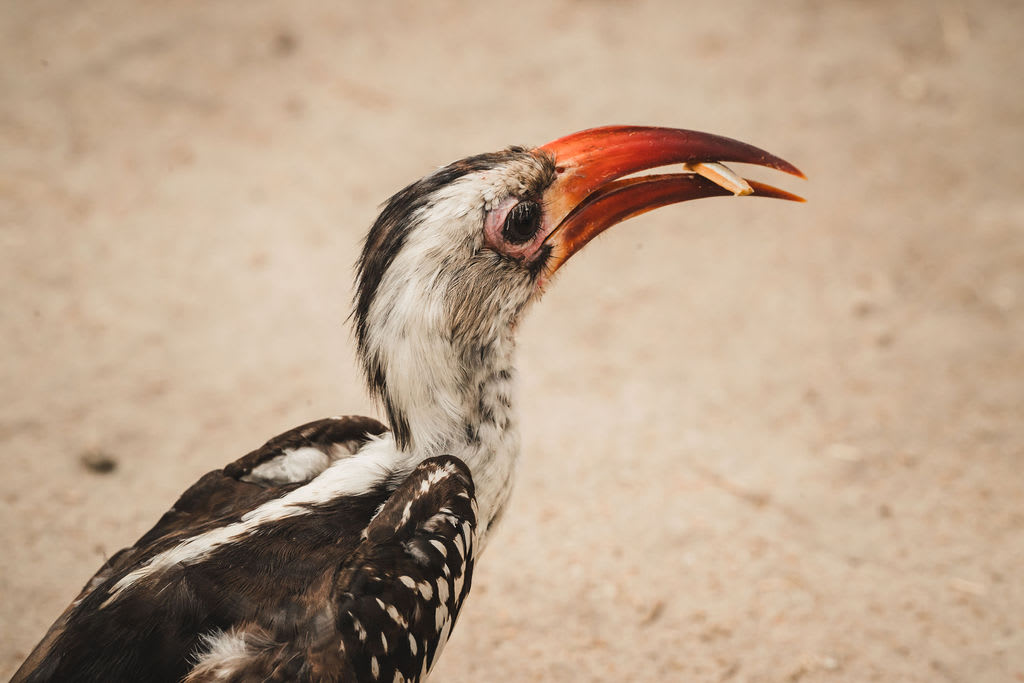
Bird watching is productive year-round, but dry season concentrates birds at water holes. Over 500 bird species inhabit Tanzania. Birdwatchers spot secretary birds, crowned eagles, and numerous colorful species during morning and evening drives.
Green Season Wildlife Encounters
Green season offers different wildlife viewing experiences. Baby animals—lion cubs, elephant calves, giraffe calves—are abundant from January through March. Watching mothers care for young animals is emotionally rewarding and provides unique photography opportunities.
Migratory birds return to Tanzania during green season, bringing brilliant colors and diverse species. Birdwatchers find this period superior for spotting rare species. The landscape's lush vegetation creates natural frames for wildlife images.
Predator sightings are less frequent but still possible. Animals are more spread out, requiring experienced guides to locate them. However, the dispersed wildlife means less competition at sightings, allowing longer observation periods.
Key Takeaways
- Book your Tanzania safari during June to October for the best dry season wildlife viewing, with July-August offering peak Great Migration experiences worth the premium prices.
- Visit December to March for green season advantages including 30-40% lower costs, calving season wildlife, and fewer crowds while maintaining excellent animal viewing opportunities.
- Reserve your safari 3-6 months ahead to secure preferred dates and save 15-20% compared to last-minute bookings, especially for peak July-August season.
- Budget $2,500 to $5,000 per person for 7-day all-inclusive safari packages in 2026, with prices varying by season, lodge quality, and operator reputation.
- Compare verified Tanzania safari operators on SafariFind to read authentic 2026 traveler reviews and find packages matching your wildlife priorities and budget constraints.
Frequently Asked Questions
What is the best time of year for wildlife viewing in the Serengeti?
The best time for Serengeti wildlife viewing is June to October during the dry season. Animals concentrate around water sources, making sightings nearly certain. July and August are peak months for the Great Migration, when over 1.5 million wildebeest cross the Serengeti. However, January to March offers excellent viewing during calving season with fewer crowds and lower prices.
How much does a safari in Tanzania typically cost in 2026?
A 7-day Tanzania safari costs between $2,500 and $5,000 per person for all-inclusive packages in 2026. Prices vary based on season, with dry season (June-October) commanding premium rates. Green season (December-March) costs 30-40% less. Budget accommodations start around $2,500, while luxury lodges exceed $5,000. Book through SafariFind to compare verified operator pricing.
When does the Great Migration happen in Tanzania?
The Great Migration occurs annually from June to October, with peak river crossings in July and August. Over 1.5 million wildebeest, 200,000 zebras, and countless gazelles migrate 1,800 miles across the Serengeti ecosystem. Exact migration timing varies by one to two weeks annually based on rainfall patterns. Professional guides track migration movements and adjust itineraries accordingly for optimal viewing.
Is the green season a good time to visit Tanzania for wildlife?
Yes, the green season from December to March is excellent for wildlife viewing. Animals are more dispersed across lush landscapes, but sightings remain frequent. Calving season peaks in January-February, offering unique baby animal viewing. Green season costs 30-40% less than dry season, and off-road driving permits in some areas allow closer wildlife positioning. Fewer crowds mean more personalized safari experiences.
What wildlife can I see on a Tanzania safari?
Tanzania safaris feature Africa's iconic Big Five: lions, elephants, buffalo, leopards, and rhinoceros (though rhinos are rare). You'll also see giraffes, zebras, wildebeest, hyenas, cheetahs, and countless antelope species. Over 500 bird species inhabit Tanzania, making it exceptional for birdwatchers. The specific wildlife you encounter depends on your chosen park and season, with dry season offering more concentrated sightings.
How do I book a Tanzania safari with verified operators?
Use SafariFind to browse verified Tanzania safari operators with authentic 2026 reviews from previous travelers. Filter packages by season, budget, duration, and destination. Compare pricing, lodge quality, and guide ratings across multiple operators. Request quotes directly from your top choices and read detailed reviews before booking. SafariFind connects you with reputable operators offering transparent pricing and quality wildlife experiences.
Conclusion
The best time to visit Tanzania safari in 2026 depends on your priorities and budget. The dry season from June to October offers peak wildlife viewing with the iconic Great Migration, but expect higher prices and larger crowds. The green season from December to March provides excellent wildlife viewing at lower costs with fewer tourists and unique calving season experiences.
Regardless of your chosen season, book 3-6 months ahead to secure the best rates and availability. A quality 7-day safari costs $2,500 to $5,000 per person in 2026, with all-inclusive packages simplifying planning. Research operators thoroughly and read authentic reviews from travelers who visited during your preferred season.
Compare northern Tanzania safari itineraries and all-inclusive packages from verified operators on SafariFind. Browse detailed operator reviews, request personalized quotes, and find the perfect safari matching your wildlife priorities. Whether you prioritize the dramatic Great Migration or the peaceful calving season, Tanzania offers unforgettable wildlife experiences year-round. Start planning your 2026 Tanzania safari adventure today.
Plan Your Safari with SafariFind
These recommendations use real data from SafariFind, where you can compare operators, browse packages, and read verified traveler reviews before you book.
Recommended Safari Operators from SafariFind
Recommended Safari Packages from SafariFind
What Travelers Say (SafariFind Reviews)
References
- Tanzania country profile – BBC News
- Tanzania – National Geographic Kids
- United Republic of Tanzania – Commonwealth Secretariat
- Best Time to Travel To Tanzania 2026/2027 – TourRadar
- The Best Time to Visit Kenya and Tanzania for Safari 2026 – Katulu Safari
- Best Time to Visit Kenya and Tanzania for Safari: 2026 Guide – Kenya Tanzania Safari
- Why Green Season Is the Best Time for a Tanzania Safari – Wilderness Travel
Sources
- Tanzania country profile – BBC News
- Tanzania – National Geographic Kids
- United Republic of Tanzania – Commonwealth Secretariat
- Best Time to Travel To Tanzania 2026/2027 – TourRadar
- The Best Time to Visit Kenya and Tanzania for Safari 2026 – Katulu Safari
- Best Time to Visit Kenya and Tanzania for Safari: 2026 Guide – Kenya Tanzania Safari
- Why Green Season Is the Best Time for a Tanzania Safari – Wilderness Travel
Related to
Ready to start your safari adventure?
Explore curated safari packages and find your perfect African adventure with verified operators.