 1 / 9
1 / 9 5 TagePrivat
5-tägiges Abenteuer: Masai Mara, Lake Naivasha & Amboseli
von
SafariFind wird geladen ...
1 / 9von
SafariFind-App
Behalten Sie Ihre Anfragen und Buchungen im Blick und schreiben Sie Veranstaltern, wo immer Sie sind.

Nairobi zur Masai Mara National Reserve
Masai Mara National Reserve
Mahlzeiten: Mittagessen, Abendessen
Ganztägige Safari in der Masai Mara
Masai Mara National Reserve
Mahlzeiten: Frühstück, Mittagessen, Abendessen
Masai Mara zum Lake Naivasha
Crescent Island Game Sanctuary
Mahlzeiten: Frühstück, Mittagessen, Abendessen
Lake Naivasha zum Amboseli National Park
Amboseli National Park
Mahlzeiten: Frühstück, Mittagessen, Abendessen
Amboseli nach Nairobi
Nairobi
Mahlzeiten: Frühstück
Year Round
Jul 1 – Dez 31
| Season | Alleinreisende | 2 Personen | 3 – 4 Personen | 5 – 6 Personen | 7+ Personen | Kinderpreis |
|---|---|---|---|---|---|---|
Year Round Jul 1 – Dez 31 | 2.809 $ | 1.857 $ | 1.716 $ | 1.473 $ | 1.377 $ | 1.430 $ |
Der Kinderpreis gilt für Reisende unter 12 Jahren.
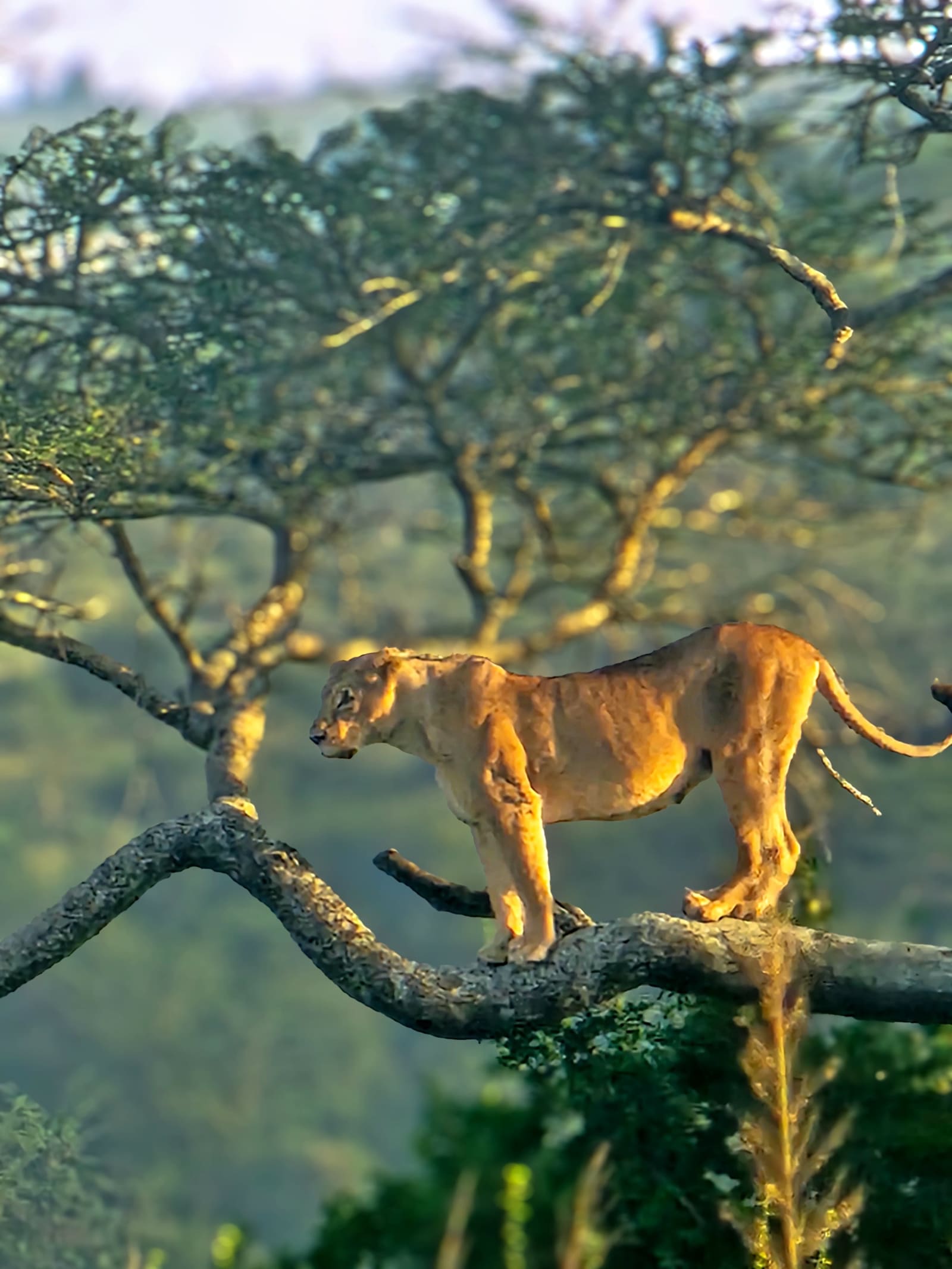
Die Masai Mara beheimatet eine unglaubliche Vielfalt an Wildtieren, darunter die Big Five (Löwen, Leoparden, Elefanten, Büffel und Nashörner), Zebras, Gnus, Giraffen, Hyänen, Geparden und zahlreiche Vogelarten. Der Park ist besonders für seine großen Raubtierpopulationen sowie die saisonale Migration von Gnus und Zebras bekannt. Während einer Pirschfahrt durch die Masai Mara haben Sie hervorragende Chancen, diese Tiere in ihrem natürlichen Lebensraum zu beobachten - insbesondere bei Fahrten am frühen Morgen und am späten Nachmittag, wenn die Wildtiere am aktivsten sind.
Ja, der Amboseli National Park bietet einige der spektakulärsten Ausblicke auf Mount Kilimanjaro, Afrikas höchsten Berg. An klaren Tagen ist der schneebedeckte Gipfel von verschiedenen Aussichtspunkten im Park aus zu sehen und bietet beeindruckende Fotomotive. Kilimanjaro liegt direkt hinter der Grenze in Tanzania, und die Höhenlage sowie das trockene Klima des Parks sorgen für eine ausgezeichnete Sicht. Am frühen Morgen sind die Bedingungen meist am besten, bevor sich im Laufe des Tages Wolken um den Berg sammeln.
Die beste Zeit für eine Kenya-Safari hängt davon ab, was Sie erleben möchten. Die Trockenzeiten - von June bis October und von January bis February - bieten die besten Möglichkeiten zur Wildtierbeobachtung, da sich die Tiere an Wasserstellen sammeln und dadurch leichter zu entdecken sind. July bis October ist besonders beliebt, um die Great Migration in der Masai Mara zu erleben. Die Regenzeiten (March bis May und November bis December) sind weniger besucht, bieten üppige Landschaften und hervorragende Möglichkeiten zur Vogelbeobachtung. Berücksichtigen Sie bei der Wahl Ihrer Reisedaten Ihre Prioritäten: eine hohe Wildtierkonzentration, die Beobachtung der Great Migration oder möglichst wenige Besucher.
Eine 5-tägige Safari ist ideal, um Kenyas wichtigste Reiseziele zu erleben, ohne dass die Reise hektisch wirkt. Dieser Zeitraum ermöglicht Ihnen, mehrere Parks - etwa die Masai Mara, Lake Naivasha und Amboseli - intensiv zu erkunden und gleichzeitig die Fahrzeiten zu begrenzen. Ein 5-tägiger Reiseplan umfasst normalerweise 3-4 volle Tage mit Pirschfahrten und Aktivitäten und bietet damit ausgezeichnete Möglichkeiten zur Wildtierbeobachtung und Erkundung. Kürzere Safaris (2-3 Tage) sind möglich, lassen jedoch nur wenig Zeit an den einzelnen Orten. Längere Safaris (7+ Tage) ermöglichen eine ausführlichere Erkundung und erhöhen die Chancen auf Tierbeobachtungen.
Lake Naivasha bietet neben klassischen Pirschfahrten zahlreiche abwechslungsreiche Aktivitäten. Eine malerische Bootsfahrt auf dem See ist besonders beliebt und ermöglicht es Ihnen, Flusspferde, Wasservögel und andere Wildtiere vom Wasser aus zu beobachten. Walking-Safaris, insbesondere auf Crescent Island, eröffnen eine einzigartige Perspektive und bringen Sie grasenden Tieren wie Zebras, Giraffen und Impalas näher. Rund um den See ist die Vogelbeobachtung hervorragend: In der Region wurden über 400 Vogelarten registriert. Die Kombination aus Aktivitäten auf dem Wasser und an Land bildet einen erfrischenden Kontrast zu Pirschfahrten in der Savanne und sorgt für abwechslungsreiche Tierbeobachtungen.
Ja, ein 4x4-Safarifahrzeug ist für eine Safari in Kenya unverzichtbar, insbesondere für die Fahrt in Nationalparks und Wildreservate. Ein 4x4 bietet die nötige Traktion, um unbefestigte Straßen und Geländestrecken in Parks wie der Masai Mara und Amboseli zu bewältigen. Die große Bodenfreiheit und robuste Bauweise des Fahrzeugs sind entscheidend, um abgelegene Gebiete zu erreichen, in denen sich Wildtiere sammeln. Die meisten Safari-Veranstalter stellen speziell ausgestattete 4x4-Safarifahrzeuge mit aufklappbaren Dächern bereit, die optimale Tierbeobachtungen und Fotomöglichkeiten ermöglichen. Diese Fahrzeuge wurden speziell für die Bedingungen auf Safari entwickelt und sorgen während Ihrer Wildtierbeobachtungen für Sicherheit und Komfort.
Für eine 5-tägige Safari in Kenya sollten Sie Kleidung in neutralen Erdtönen (Beige, Khaki, Grün) einpacken, die sich harmonisch in die Landschaft einfügt und Wildtiere nicht aufschreckt. Nehmen Sie leichte, atmungsaktive Stoffe für warme Tage sowie eine warme Schicht oder Fleecejacke für kühle frühe Morgenstunden und Abende mit. Zur Grundausstattung gehören ein Hut mit breiter Krempe, Sonnencreme, Sonnenbrille, ein Fernglas zur Tierbeobachtung und eine Kamera mit Ersatzakkus. Bequeme Wanderschuhe und geschlossene Wanderschuhe sind für Walking-Safaris wichtig. Vergessen Sie außerdem Insektenschutzmittel, persönliche Medikamente und Toilettenartikel nicht. Packen Sie mit leichtem Gepäck - die meisten Safari-Lodges stellen grundlegende Annehmlichkeiten bereit - und denken Sie an einen kleinen Tagesrucksack für Pirschfahrten. Prüfen Sie die Wettervorhersage für Ihre Reisedaten, da die Bedingungen je nach Jahreszeit variieren.
Die Kosten für eine Kenya-Safari variieren je nach Qualität der Unterkunft, Reisezeit und enthaltenen Leistungen erheblich. Budget-Safaris können für 5 Tage bei etwa $1,500-$2,500 pro Person beginnen, während Optionen der mittleren Kategorie meist zwischen $2,500-$5,000 liegen. Luxussafaris können mehr als $5,000 pro Person kosten. Ein 5-tägiger Reiseplan mit mehreren Parks wie der Masai Mara, Lake Naivasha und Amboseli liegt normalerweise im mittleren bis gehobenen mittleren Preissegment. Im Preis enthalten sind üblicherweise Unterkunft, Parkeintrittsgebühren, Pirschfahrten und ein professioneller Guide. Internationale Flüge, Visa, Reiseversicherung, Trinkgelder und persönliche Ausgaben kommen meist zusätzlich hinzu. Reisen in der Nebensaison (April-May oder November) kann günstigere Preise bieten als die Hauptsaison (July-October).
Die Masai Mara und Amboseli zählen zu Kenyas bedeutendsten Safarizielen und zeichnen sich durch unterschiedliche Besonderheiten aus. Die Masai Mara ist größer und bekannt für ihre zahlreichen Raubtiere, die vielfältige Tierwelt und die berühmte Great Migration. Die Landschaft besteht aus sanften Graslandschaften und Galeriewäldern. Amboseli liegt im Süden Kenyas nahe der Grenze zu Tanzania, ist kleiner, aber für seine riesigen Elefantenherden und die beeindruckenden Ausblicke auf Mount Kilimanjaro berühmt. Die Landschaft von Amboseli ist trockener und von saisonalen Sümpfen geprägt. Die Masai Mara eignet sich ideal für Raubtierbeobachtungen und die Migration, während Amboseli mit Elefantenbegegnungen und Fotomotiven des Kilimanjaro begeistert. Beide Ziele bieten außergewöhnliche Tierbeobachtungen, vermitteln jedoch unterschiedliche Safari-Erlebnisse und Landschaftseindrücke.
Die meisten internationalen Besucher benötigen für die Einreise nach Kenya ein Visum, das in der Regel bei der Ankunft oder vor der Reise über einen E-Visum-Antrag beantragt werden kann. Bei den Impfungen wird insbesondere eine Gelbfieberimpfung häufig empfohlen, vor allem bei Einreise aus bestimmten Ländern oder bei geplanten Reisen in andere ostafrikanische Staaten. Für die meisten Safariregionen, darunter die Masai Mara, Lake Naivasha und Amboseli, wird eine Malariaprophylaxe empfohlen. Lassen Sie sich mindestens 4-6 Wochen vor der Reise von Ihrem Arzt individuell beraten. Informieren Sie sich bei der Botschaft Ihres Landes oder beim Kenya Tourism Board über die aktuellen Bestimmungen, da sich Visa- und Gesundheitsanforderungen ändern können. Eine Reiseversicherung wird für internationale Safaris dringend empfohlen.
 Sanaya Tours and SafarisNairobi, Kenya5.0(5 Bewertungen)
© 2026 SafariFind. Alle Rechte vorbehalten.