Amboseli National Park: A Comprehensive Travel Guide
Overview & Location
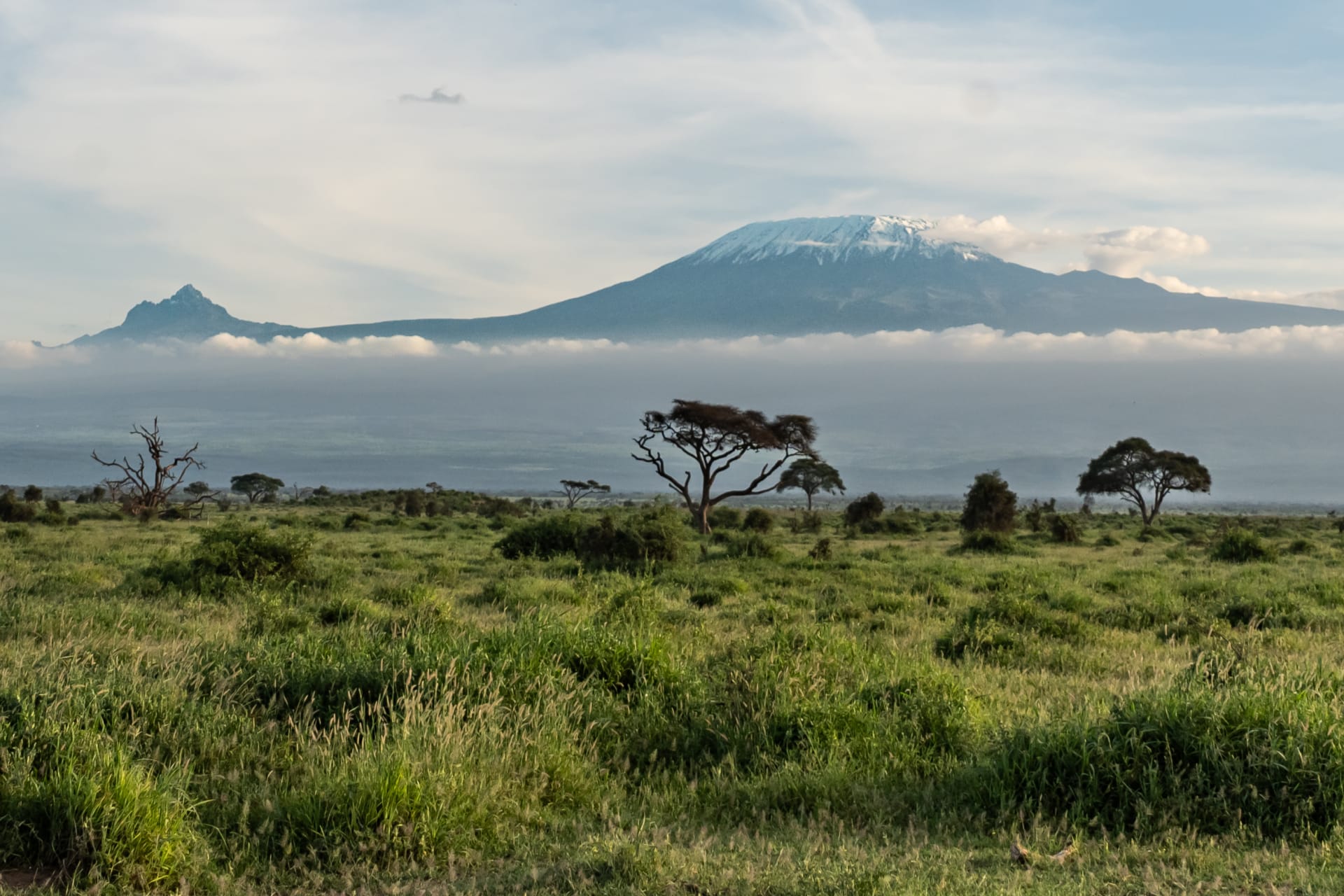
Amboseli National Park stands as one of Kenya's most iconic safari destinations, located on the country's southern border near the Tanzanian frontier. This 392-square-kilometer reserve offers visitors an unparalleled opportunity to observe Africa's wildlife in their natural habitat while enjoying breathtaking views of Mount Kilimanjaro, Africa's highest peak, which towers across the border in Tanzania.
The park's name derives from the Maasai word "Amboseli," meaning "the place of dust," a fitting description for this semi-arid landscape. Despite its harsh appearance, Amboseli supports an extraordinary concentration of wildlife and serves as a critical habitat for one of Africa's largest elephant populations. The park represents more than just a wildlife viewing destination—it embodies Kenya's commitment to conservation and community engagement.
Wildlife & Natural Features
The Big Five and Beyond
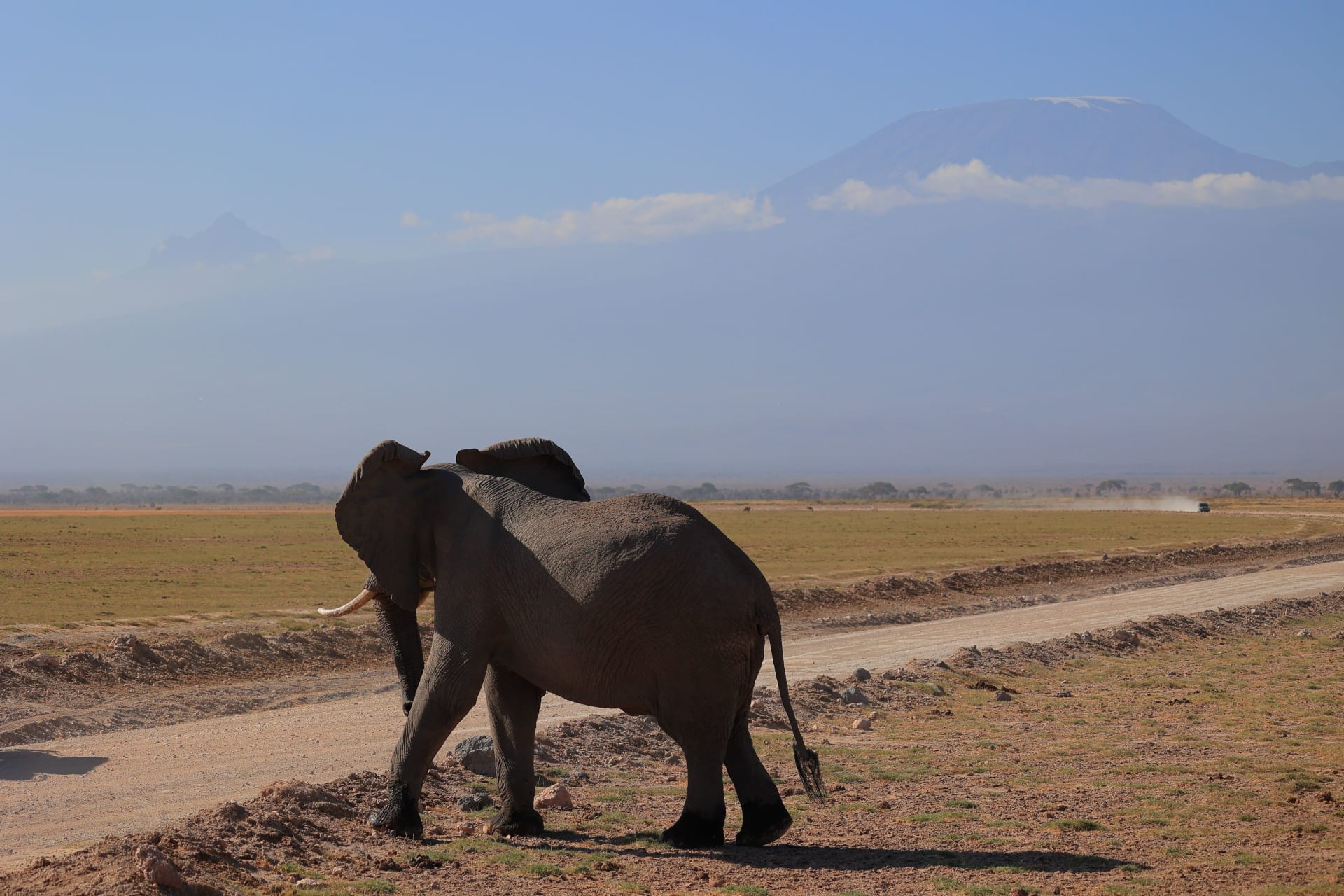
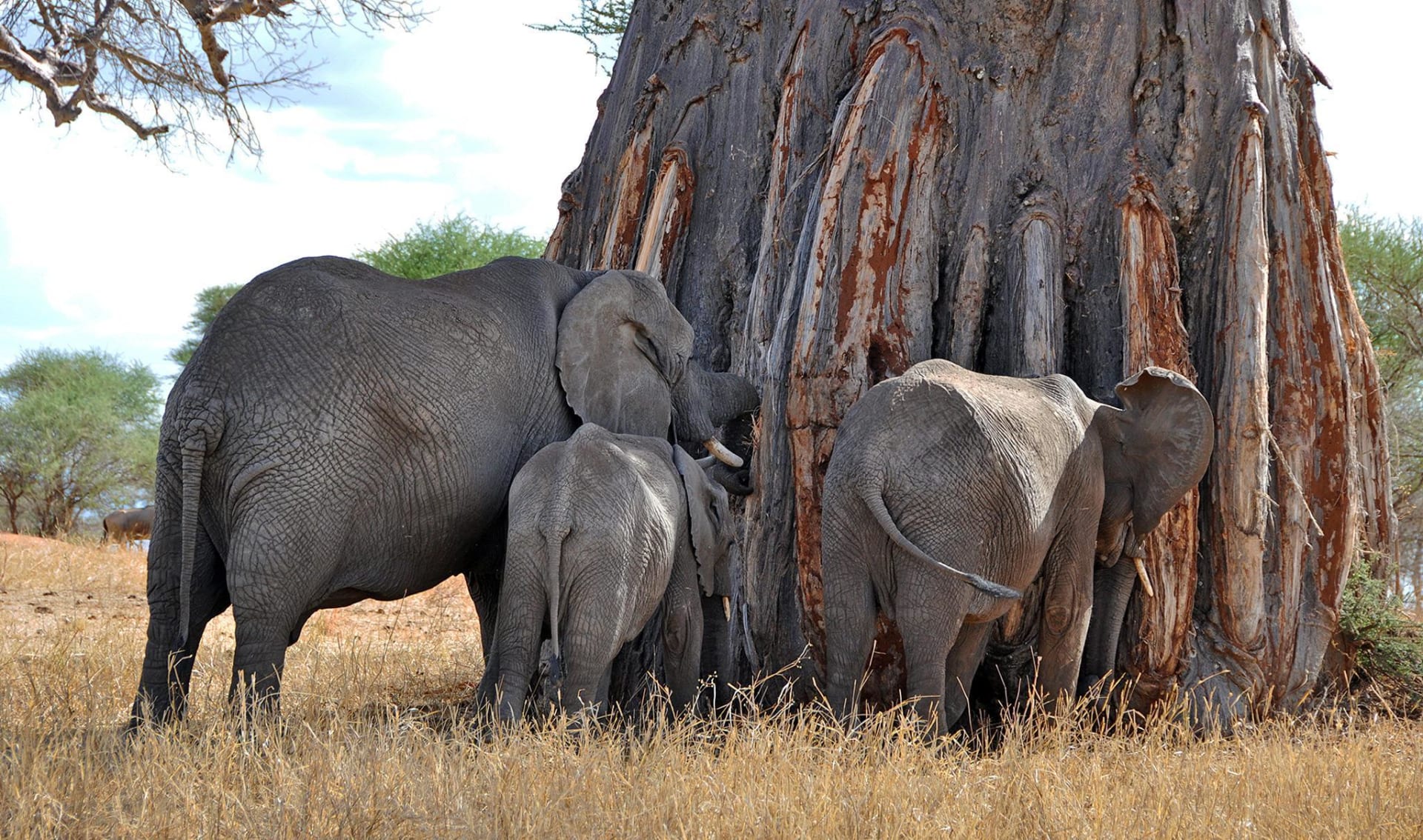
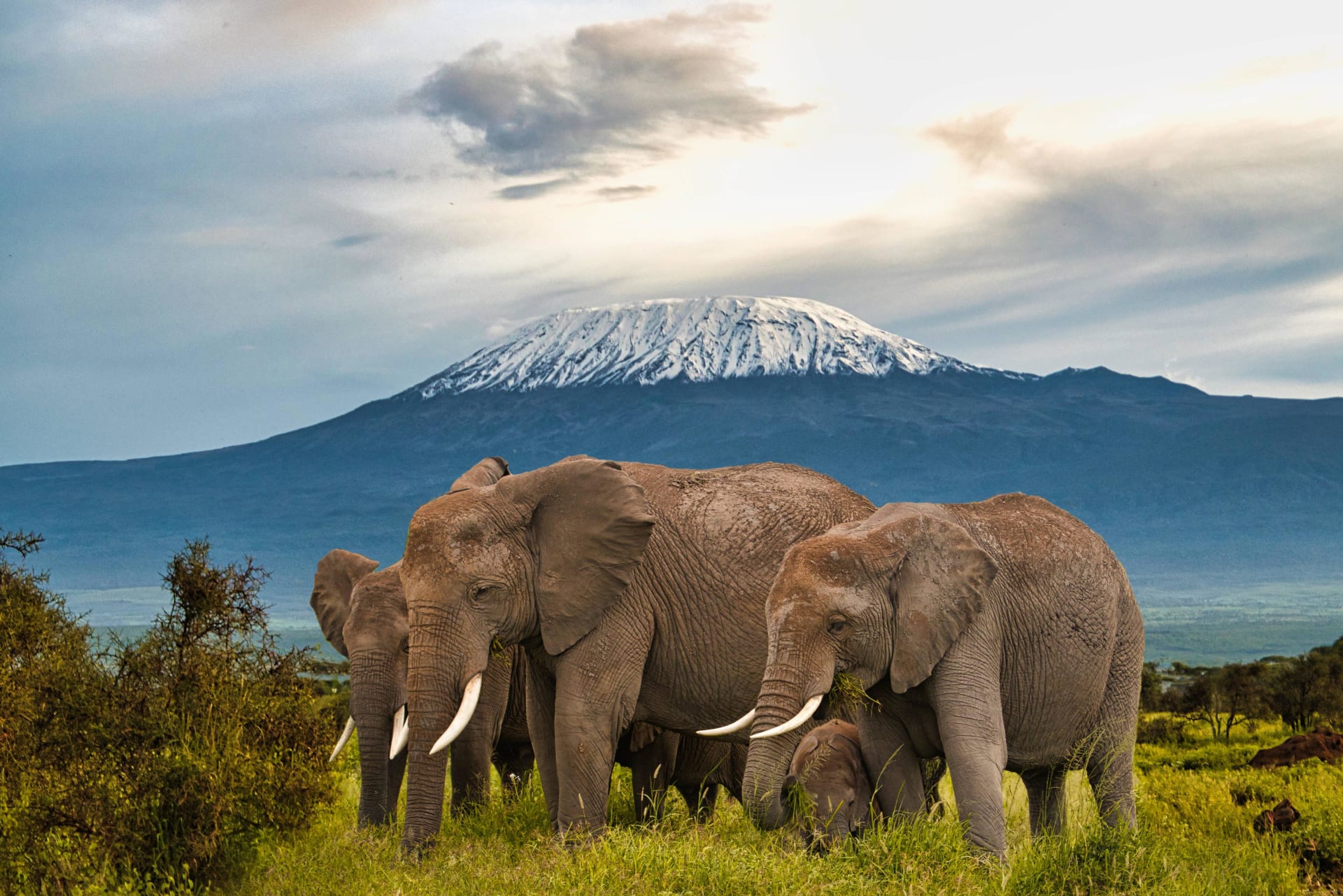
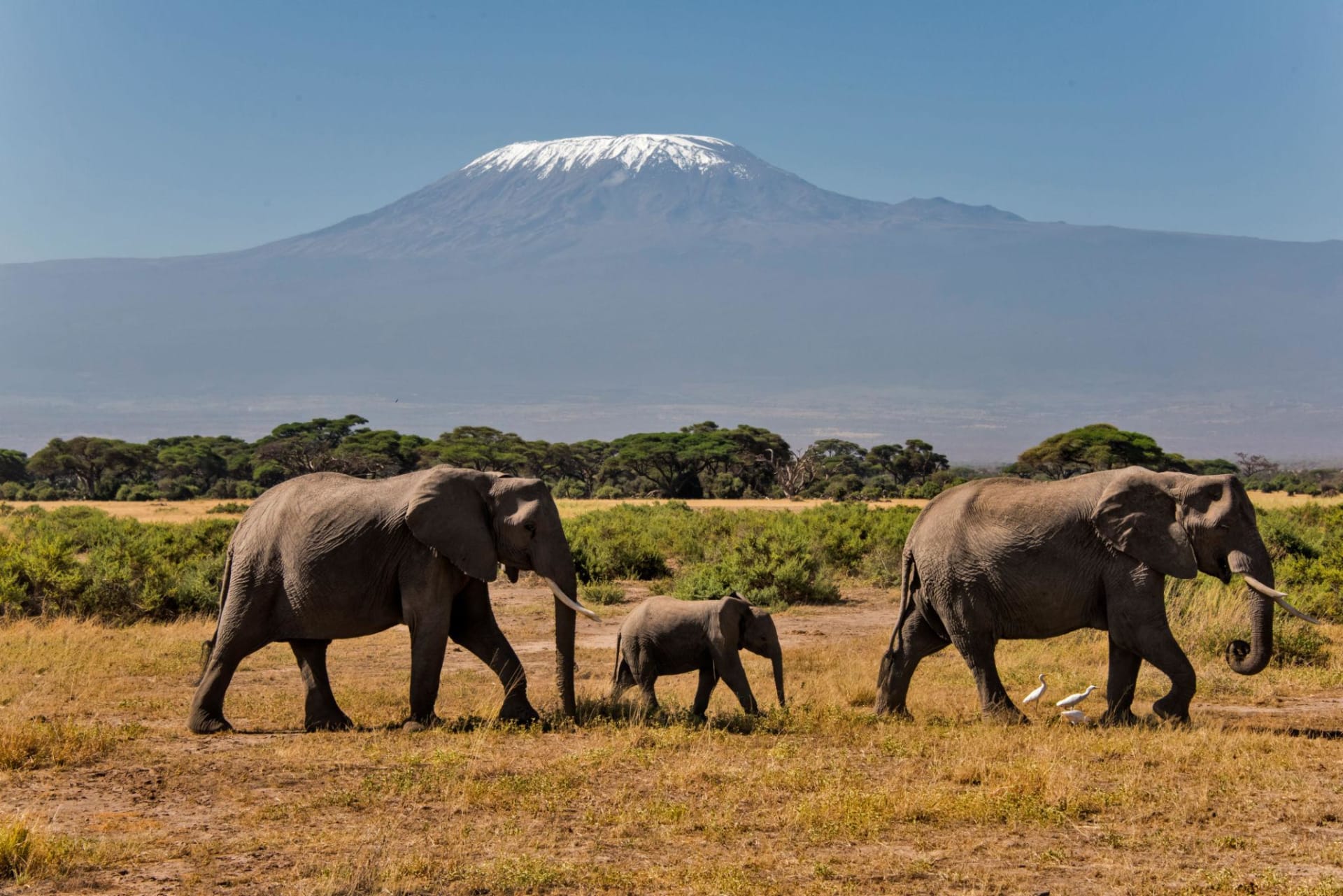
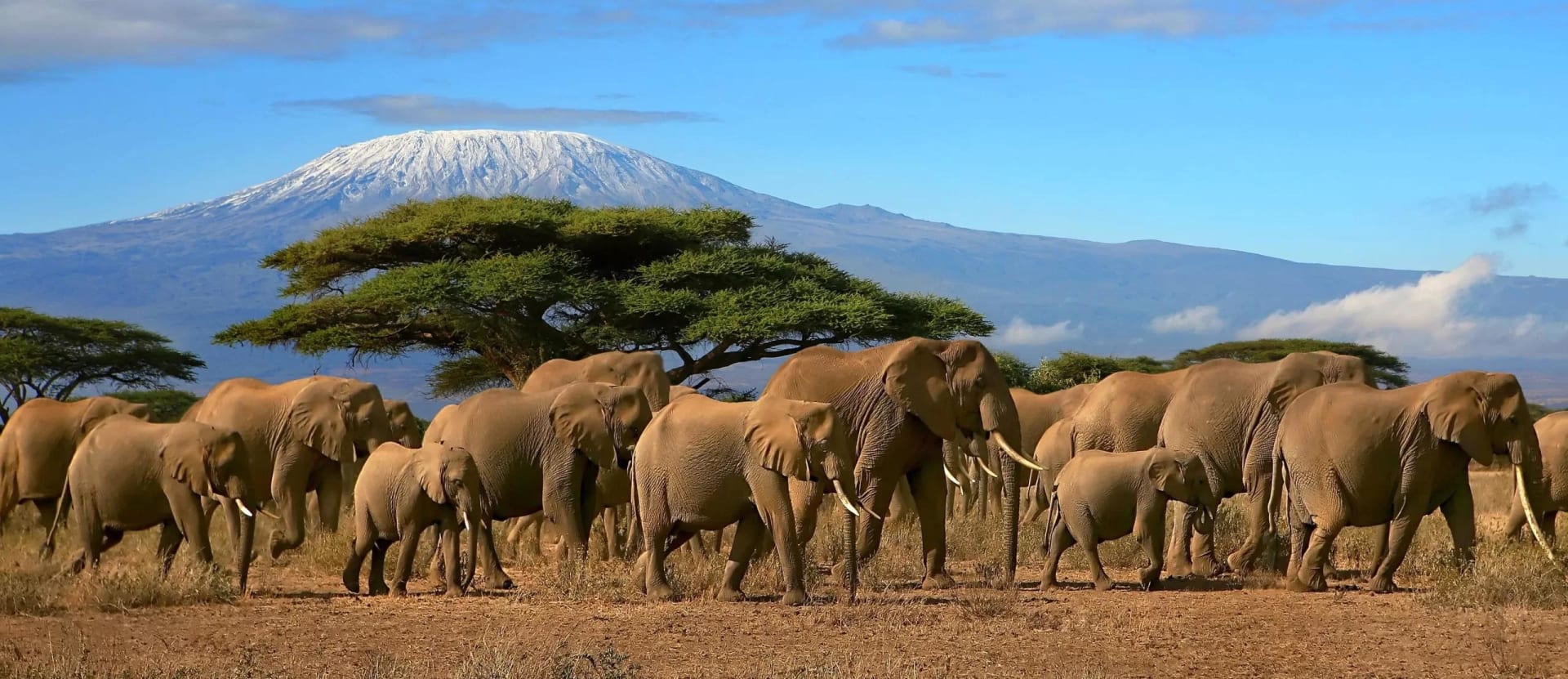
Amboseli National Park is renowned for its impressive wildlife diversity. Within just two hours of a typical game drive, visitors commonly encounter elephants, lions, giraffes, zebras, and the elusive leopard—members of Africa's iconic "Big Five." The park's elephant population is particularly noteworthy, with the reserve famous for its impressively tusked elephants that have been subjects of long-term research by the Amboseli Elephant Research Project (AERP).
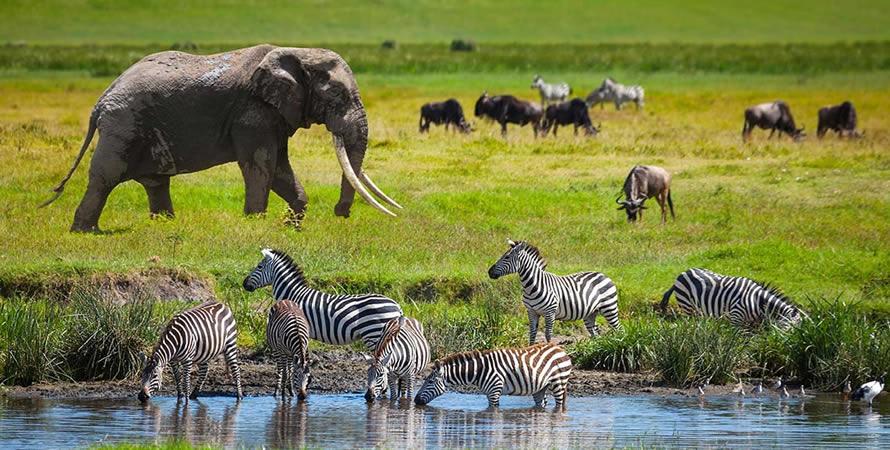
Beyond the Big Five, the park hosts numerous other species including elands, kudus, waterbucks, and various bird species. The unique water holes scattered throughout the park attract wildlife throughout the day and into the evening hours, when lions and hyenas visit to drink.
Mount Kilimanjaro Views
One of Amboseli's defining features is its proximity to Mount Kilimanjaro. Visitors staying at accommodations within or near the park can wake to stunning views of the snow-capped peak, particularly from elevated locations that offer unobstructed vistas. This natural backdrop creates unforgettable safari experiences and exceptional photography opportunities.
Water Holes and Ecosystems
The park's water holes serve as vital gathering points for wildlife. Some camps, such as Elephant Gorge Camp, are strategically positioned near these natural water sources, allowing guests to observe wildlife without venturing far from their accommodations. These water holes support diverse wildlife populations, from elephants and giraffes to nocturnal predators.
Best Time to Visit
Amboseli's climate varies seasonally, affecting wildlife viewing conditions and visitor comfort. The dry seasons, typically occurring from June to October and January to February, offer optimal game viewing as animals concentrate around remaining water sources. During these periods, visibility is excellent and wildlife sightings are most frequent.
The wet seasons bring lush vegetation but can make roads more challenging and reduce visibility. However, bird watching enthusiasts may prefer these months when migratory species are present. Consider your priorities—optimal wildlife viewing or bird watching—when planning your visit.
Activities & Experiences
Game Drives
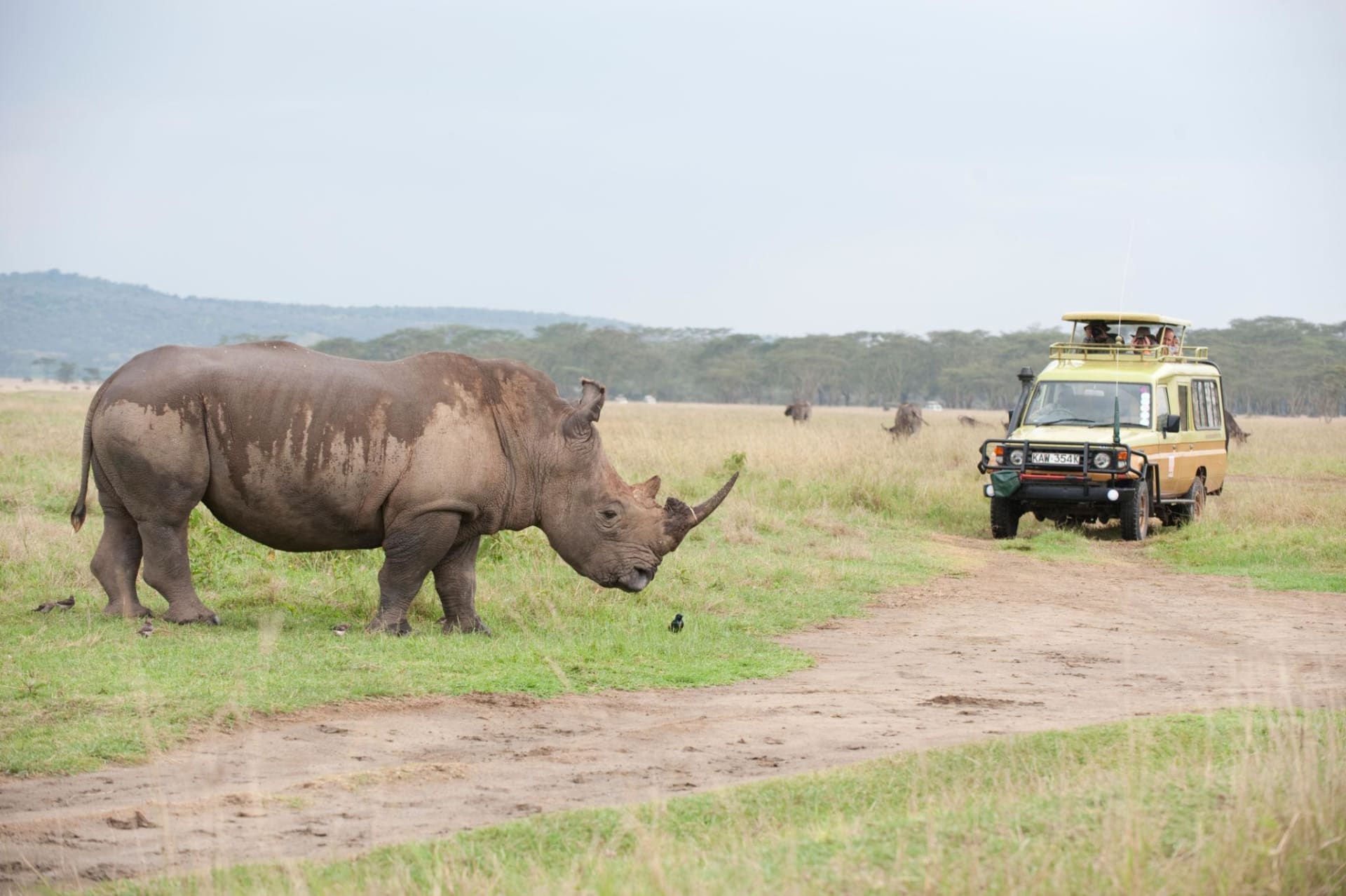
Traditional game drives remain the primary activity for wildlife observation in Amboseli. Expert guides lead visitors through the park in specially equipped vehicles, providing insights into animal behavior, ecology, and conservation efforts. Early morning and late afternoon drives offer the best wildlife viewing opportunities.
Conservation and Research Engagement
The Amboseli Elephant Research Project (AERP) welcomes visitors interested in understanding elephant distribution, demography, population dynamics, social organization, and behavior. Guests can support this vital research through tax-deductible donations and even have the unique opportunity to sponsor an elephant, learning detailed information about their chosen animal.
Community and Conservation Initiatives
Amboseli offers visitors the chance to engage with conservation initiatives that benefit both wildlife and local communities. Team Lioness, an all-women unit of anti-poaching wildlife rangers, represents a groundbreaking initiative within the Maasai community, providing employment opportunities for women outside traditional roles. Meeting these rangers offers insights into modern conservation efforts and community development.
Accommodations with Views
Several lodges and camps provide unique experiences. Luxury accommodations run by operators like Serena Hotels offer safari-themed rooms with modern amenities. Some facilities feature canvas-roofed cabins with solid floors, electricity, and hot showers, combining comfort with authentic safari atmosphere. Camps positioned near water holes allow guests to observe wildlife from their accommodations while enjoying meals and relaxation.
Elephant Orphan Programs
For visitors interested in deeper conservation involvement, nearby rehabilitation centers such as the Sheldrick Wildlife Trust's facilities care for orphaned elephants. These centers prepare young elephants for reintegration into the wild, and visitors can observe these animals during daily activities including mud baths and feeding times.
Getting There
Transportation Options
Amboseli is accessible via domestic flights from Nairobi's main airport, with several operators offering regular service to airstrips near the park. The journey typically takes approximately one hour by air. Alternatively, visitors can drive from Nairobi, though this requires significantly more time and is less commonly used by international tourists.
Organized Safari Tours
Many visitors arrange their trips through specialized safari operators that handle all logistics, accommodations, and guided experiences. Organizations like Uplift Travel specialize in Kenya safaris with emphasis on supporting local communities, particularly women's initiatives and conservation projects. These operators often coordinate transportation, meals, and comprehensive safari experiences.
Practical Information
Accommodation Options
The park offers various accommodation levels to suit different budgets and preferences. Luxury resorts provide fine dining and extensive amenities, while mid-range lodges offer comfortable safari experiences. Camps positioned strategically throughout and near the park provide convenient access to wildlife viewing areas.
Most accommodations include breakfast and dinner in buffet-style service, with game drives arranged either in the early morning or late afternoon. Many facilities provide safari-themed decor and modern conveniences including electricity, hot water, and quality bedding.
Essential Preparations
Obtain necessary visas and vaccinations before travel
Pack lightweight, neutral-colored clothing suitable for warm days and cool evenings
Bring binoculars, camera equipment, and sun protection
Consult with your accommodation regarding specific packing recommendations
Visitor Responsibilities
Visitors should respect wildlife by maintaining safe distances from animals and following guide instructions. Support conservation efforts through responsible tourism practices and consider contributing to research and community programs offered by various organizations operating in the park.
Amboseli National Park represents more than a wildlife destination—it embodies Kenya's conservation philosophy and commitment to sustainable tourism that benefits both nature and local communities. Whether observing magnificent elephants, witnessing the Big Five, or supporting innovative conservation initiatives, Amboseli provides transformative safari experiences that create lasting memories while contributing to wildlife preservation.