 1 / 6
1 / 6 8 daysGroup Joining
8-Day 8 DAYS 7 NIGHTS KENYA SAFARI
by
Highlights
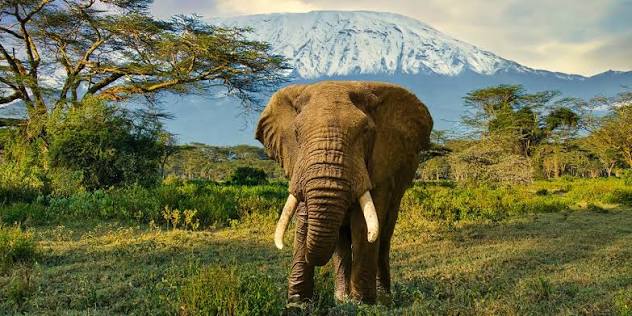
- Large herds of African elephants with the spectacular backdrop of Mount Kilimanjaro
Loading SafariFind...
1 / 6by
SafariFind app
Keep up with your inquiries and bookings, and message operators wherever you are.

Day 1
Amboseli National Park
Meals: Lunch, Dinner
Day 2
Amboseli National Park
Meals: Breakfast, Lunch, Dinner
Day 3
Lake Nakuru National Park
Meals: Breakfast, Lunch, Dinner
Day 4
Lake Nakuru National Park
Meals: Breakfast, Lunch, Dinner
Day 5
Masai Mara National Reserve
Meals: Breakfast, Lunch, Dinner
Day 6
Masai Mara National Reserve
Meals: Breakfast, Lunch, Dinner
Day 7
Nairobi
Meals: Breakfast, Lunch, Dinner
Day 8
Jomo Kenyatta International Airport
Meals: Breakfast, Lunch
High Season
Jul 2026 – Oct 2026
| Season | 3 – 4 people |
|---|---|
High Season Jul 2026 – Oct 2026 | $3,704 |
Kenya's iconic safari destinations offer exceptional wildlife viewing opportunities. In Amboseli, you can expect to see large elephant herds, lions, leopards, buffalo, giraffes, zebras, and various antelope species against the stunning backdrop of Mount Kilimanjaro. The Masai Mara is renowned for the Big Five (lion, leopard, elephant, buffalo, and rhinoceros), plus cheetahs, hyenas, wildebeest, and countless bird species. Lake Nakuru is particularly famous for its flamingos, along with pelicans, cormorants, and other water birds. The diversity of wildlife across these destinations makes an 8-day safari ideal for comprehensive game viewing.
Kenya offers excellent safari opportunities year-round, but the best times depend on what you want to experience. The dry seasons (June to October and January to February) provide the best game viewing as animals congregate around water sources and vegetation is sparse, making wildlife easier to spot. July to October is peak season for the Great Migration in the Masai Mara, when massive herds of wildebeest and zebras cross from Tanzania. The rainy seasons (March to May and November to December) see fewer tourists, lush landscapes, and excellent birdwatching. Consider your preferences for wildlife density, weather, and crowds when planning your visit.
An 8-day safari is an excellent duration for experiencing Kenya's most iconic destinations comprehensively. This timeframe allows you to spend multiple days in each location—Amboseli, Lake Nakuru, and the Masai Mara—giving you ample opportunity for game drives, wildlife encounters, and cultural experiences. With 7 nights of accommodation included, you'll have sufficient time to explore different areas of each park, increasing your chances of encountering diverse wildlife. Shorter safaris (3-4 days) can work but limit your options, while 8 days strikes the perfect balance between thorough exploration and reasonable travel duration.
A comprehensive Kenya safari typically includes several essential components. Park entrance fees are covered, allowing unlimited access to the protected areas. Professional safari guides lead all game drives, providing expert knowledge about wildlife behavior, ecology, and conservation. Accommodation is provided throughout your journey in selected lodges or camps. Meals are included as specified in your itinerary, ensuring you're well-fed during your adventure. Airport transfers handle transportation to and from the airport, and drinking water is available in the vehicle during game drives. Many packages also include evacuation insurance for added peace of mind. However, international flights, visas, personal travel insurance, tips, and gratuities are typically separate costs you'll need to arrange independently.
Visa requirements for Kenya depend on your nationality and country of residence. Many nationalities can obtain a visa on arrival at Jomo Kenyatta International Airport in Nairobi, while others may need to apply in advance through the Kenyan embassy or online via the e-visa system. It's essential to check the current visa requirements for your specific country well before your trip, as regulations can change. Most visitors will need a passport valid for at least 6 months beyond their travel dates. We recommend consulting the official Kenya Immigration website or your nearest Kenyan embassy for the most up-to-date information and to arrange your visa well in advance of your safari.
Packing appropriately enhances your safari comfort and safety. Bring neutral-colored, lightweight clothing in earth tones (khaki, tan, green, brown) to blend into the landscape and avoid startling wildlife. Include long-sleeved shirts and pants for sun protection and insect defense. A warm layer or light jacket is essential for early morning and evening game drives, which can be cool. Sturdy, closed-toe hiking boots or safari shoes are crucial for walking and rough terrain. Don't forget a wide-brimmed hat, sunglasses, and high-SPF sunscreen. Bring binoculars for better wildlife viewing and a camera with extra batteries and memory cards. A small daypack is useful for carrying water, snacks, and personal items during drives. Toiletries, medications, and any prescription drugs should be packed in carry-on luggage. Consider a lightweight rain jacket for the rainy seasons.
Kenya is a well-established safari destination with strong tourism infrastructure and safety protocols. Professional safari operators follow strict safety guidelines, and guides are trained in wildlife behavior and emergency procedures. Game drives are conducted from closed vehicles, keeping a safe distance from animals. Major tourist areas like the Masai Mara, Amboseli, and Lake Nakuru have excellent security presence and are visited by thousands of tourists annually without incident. That said, standard travel precautions apply—avoid displaying valuables, use registered taxis or arranged transfers, and follow your guide's instructions. Many safari packages include AMREF Flying Doctors evacuation insurance for medical emergencies. Check current travel advisories from your government before booking, and consider comprehensive travel insurance that covers medical evacuation and trip cancellation.
Kenya safari costs vary significantly based on accommodation quality, season, and package inclusions. Budget safaris range from $1,500 to $3,000 for 8 days, mid-range options typically cost $3,000 to $6,000, while luxury safaris can exceed $10,000 or more. Your package cost usually includes park entrance fees, accommodation, meals, game drives, and professional guides. Additional expenses to budget separately include international flights, domestic flights (if needed), visas, travel insurance, tips for guides and staff (typically 10-15%), and personal expenses. Traveling during shoulder seasons (March-May or November) often offers better rates than peak season (July-October). Booking in advance and traveling with a group can help reduce per-person costs. Request a detailed breakdown from your operator to understand what's included and what requires separate payment.
Game drives in specially equipped safari vehicles are the primary and most effective way to explore Kenya's national parks. These vehicles are designed with pop-up roofs and large windows for optimal wildlife viewing and photography. Professional guides drive these vehicles and navigate to prime viewing locations based on animal sightings and their knowledge of animal behavior patterns. Most safari packages include all game drives led by experienced guides who provide wildlife commentary and cultural insights. Early morning and late afternoon drives are typically most productive for wildlife viewing. Some lodges also offer walking safaris with armed guides for a more immersive experience. Internal transfers between destinations (Amboseli, Lake Nakuru, Masai Mara, and Nairobi) are usually included in comprehensive packages. For getting to Kenya, you'll need international flights, and domestic flights between regions can be arranged separately if needed.
Yes, you can potentially see the Great Migration during an 8-day Kenya safari, but timing is crucial. The Great Migration is a natural phenomenon where millions of wildebeest, zebras, and other herbivores migrate between Tanzania's Serengeti and Kenya's Masai Mara in search of fresh grazing lands. This spectacular event typically occurs in the Masai Mara from July through October, with peak activity usually in August and September. An 8-day itinerary that includes multiple days in the Masai Mara during these months significantly increases your chances of witnessing this iconic event. However, the migration's timing varies yearly based on rainfall patterns, so there's no guarantee. If seeing the Great Migration is your primary goal, book your safari between mid-July and September and confirm current migration reports with your operator before finalizing your dates.
 SIGNATURE SAFARIARUSHA, Tanzania
© 2026 SafariFind. All rights reserved.
