 1 / 3
1 / 3🇿🇲 Zambia
Bangweulu Wetlands
Size
6,073 km²
Elevation
1,140 m
Entry fee
$10
Loading SafariFind...
1 / 3Size
6,073 km²
Elevation
1,140 m
Entry fee
$10
SafariFind app
Keep up with your inquiries and bookings, and message operators wherever you are.

Ideal stay
3 days
Established
2008
Nearest airport
Mfuwe International Airport (MFW), approximately 150 km south in the Luangwa Valley; charter flights available from Lusaka's Harry Mwanga Nkumbula International Airport (LUN), 350 km south
Nearest town: <a href="/destinations/chipata">Chipata</a>, 90 km west; main administrative center for Eastern Province with fuel, supplies, and basic services; <a href="/destinations/livingstone">Livingstone</a>, 250 km south with international airport and Victoria Falls tourism infrastructure
 15 daysGroup Joining
 Bundu Safaris Ltd
 15 daysGroup Joining
 Expert Safari Services LTD
 15 daysGroup JoiningExpert Safari Services LTD
Park entry fees for international day visitors are $10 USD for adults and $5 USD for children ages 7-12. Multi-day safari packages typically range from $250-$400 per person per day, depending on accommodation type (budget camping vs. luxury tented camps), activities included, and meal arrangements. All-inclusive packages from major operators usually include guides, meals, and mokoro excursions. Compare verified operator prices and packages on SafariFind.com to find options matching your budget.
The dry season from May to October is ideal, with May to July offering peak conditions when water levels recede and wildlife concentrates around remaining water sources, making shoebill viewing excellent from mokoro. June-August sees the most visitors but offers the clearest visibility and highest wildlife density. The wet season (February-April) is a birdwatcher's paradise with 400+ species active, but heavy rains flood the plains and close some camps; Nkondo Tented Camp remains accessible but access roads are unreliable. Shoulder months (May and September-October) offer fewer crowds with still-excellent game viewing.
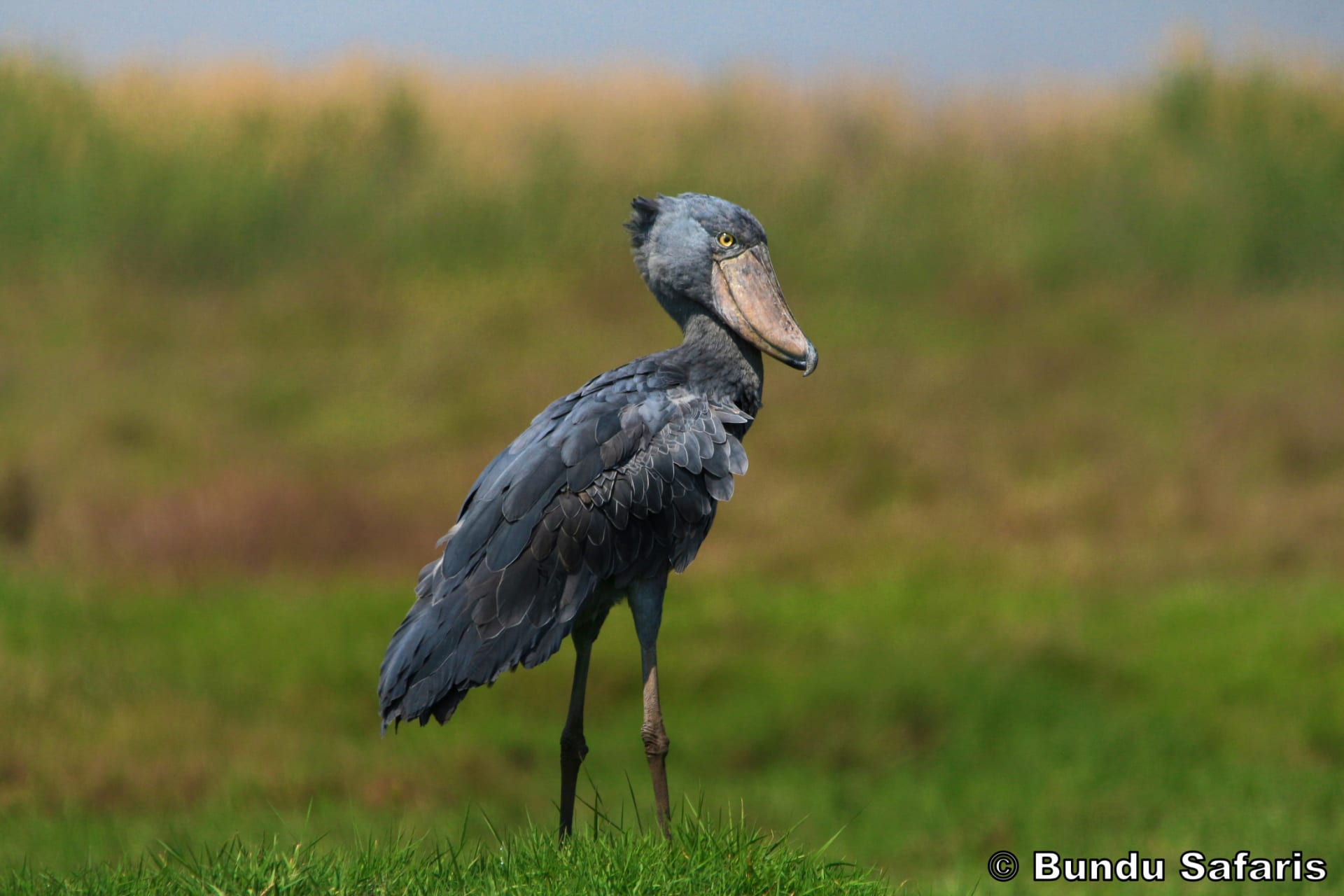
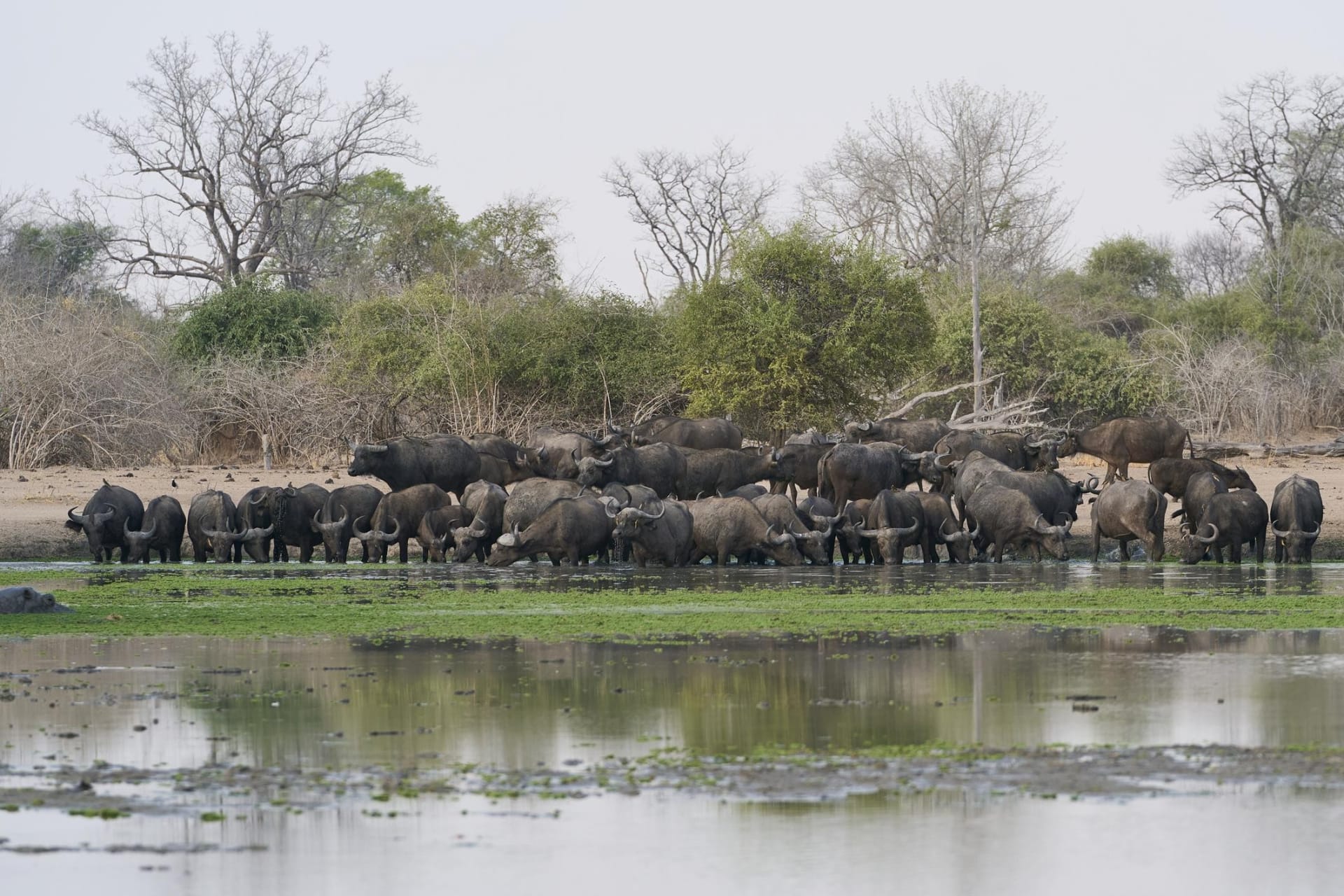
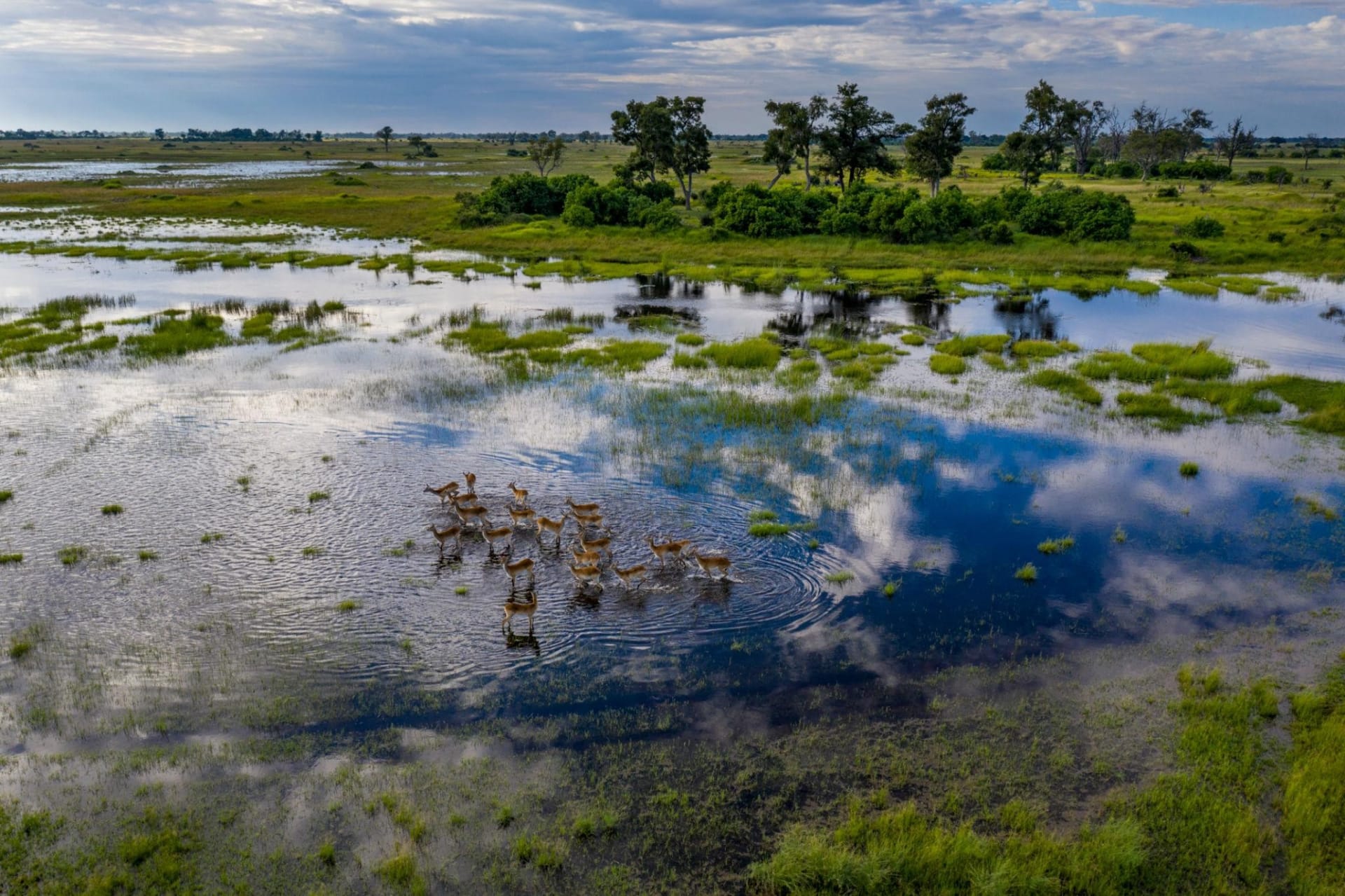
Bangweulu hosts over 350 shoebill storks (Balaeniceps rex) — the world's largest concentration of this rare, prehistoric-looking bird — plus 10% of the world's wattled crane population. The wetlands are home to the endemic black lechwe antelope, found nowhere else in the wild, with thousands-strong herds visible during dry season. Other wildlife includes hippopotamus, crocodile, buffalo, elephant, spotted hyena, side-striped jackal, serval, roan, sable, hartebeest, puku, sitatunga, southern reedbuck, bushbuck, tsessebe, impala, and zebra. Over 400 bird species have been recorded, making it exceptional for birding.
The primary access is by light aircraft charter flights from Mfuwe International Airport (150 km south in the Luangwa Valley) or from Lusaka's Harry Mwanga Nkumbula International Airport (350 km south) directly to Shoebill Island Camp or Nsobe Camp airstrips. Overland 4WD access from Chipata (90 km west) is possible during dry season (May-October) with a 4-5 hour drive on rough tracks; this route is impassable during the wet season. Most visitors fly from Lusaka to Mfuwe, then charter to Bangweulu. Multi-day safari packages typically include charter flights from major airports.
Bangweulu is suitable for families with children ages 8 and older who can sit quietly during mokoro excursions and game drives. The wetland environment is generally safe with low predator density compared to traditional reserves. Nkondo Tented Camp and other family-friendly lodges offer child-appropriate activities including guided village visits, cultural experiences with local communities, and bird-watching suited to young naturalists. Younger children (under 8) may find long mokoro trips tiring; shorter excursions and cultural activities are better alternatives. Consult with operators about age-specific itineraries and child safety protocols.
A minimum of 3 days is recommended to experience Bangweulu's key attractions: one day for mokoro excursions to see shoebills and waterbirds, one day for game drives across the plains to view black lechwe herds and other wildlife, and one day for cultural visits to traditional fishing camps and villages. Five days allows for more thorough bird-watching, photography opportunities, and deeper community engagement. One-day trips from nearby Luangwa Valley are possible but rushed; travelers sacrifice the immersive experience that makes Bangweulu unique. Consider 4-5 days for serious photographers and birdwatchers.
Shoebill Island Camp is the primary luxury lodge, offering fully-catered safari accommodations with expert guides and mokoro access. Nsobe Campsite provides budget camping options during dry season (May-October) only. Nkondo Tented Camp, located two hours from the main swamp, offers mid-range accommodation with reliable road access year-round and is preferred during wet season (November-April) when water levels are high. Most lodges include meals, guiding, and mokoro excursions in their rates. Book through verified operators on SafariFind.com to compare accommodation options, read guest reviews, and secure the best rates for your preferred camp.
Yes—Bangweulu offers a fundamentally different African safari experience from traditional game reserves. With over 350 shoebill storks (the world's largest population), the endemic black lechwe found nowhere else on Earth, and 400+ bird species, it's unmatched for wetland wildlife and birding. Beyond wildlife, the destination uniquely combines conservation with cultural immersion, allowing visitors to experience how 50,000-60,000 local Bisa and Bemba people sustainably coexist with and depend on the ecosystem through traditional fishing, bee-keeping, and conservation-led livelihood programs. The remote, pristine setting with minimal crowds (8,000 annual visitors vs. 100,000+ at popular reserves) makes it ideal for travelers seeking authenticity and solitude. It's particularly valuable for birders and photographers; general wildlife enthusiasts should consider pairing it with nearby Luangwa Valley for predator-focused game viewing.
Yes, guides are required for all wildlife activities—you cannot self-drive through the wetlands. Expert guides are essential for safely navigating mokoro excursions, identifying bird species among 400+ possibilities, locating wildlife in expansive floodplains, and providing cultural context during village visits. All accommodation camps include professional guides in their daily rates. Guides have radio communication with other camps, know seasonal wildlife patterns, and understand the sensitive balance between conservation and community use. Hiring a guide is non-negotiable for both safety and experience quality.
You can compare safari packages, read verified traveler reviews, and book through trusted operators on SafariFind.com. This platform connects you with established safari companies offering multi-day Bangweulu packages, allowing you to compare prices, accommodation types, activity inclusions, and operator credentials. Alternatively, contact lodges directly (Shoebill Island Camp, Nkondo Tented Camp) for bookings. Most packages require 2-4 weeks advance booking, especially during peak season (June-August). SafariFind makes it easy to filter by budget, duration, and specific interests (bird-watching, photography, cultural immersion) to find your ideal itinerary.
© 2026 SafariFind. All rights reserved.
