🇪🇹 Ethiopia
Jinka
Elevation
1,490 m
Ideal stay
3 days
Nearest airport
Jinka Airport, also known as Baco Airport (BCO), near Jinka; scheduled service and flight availability should be confirmed before booking.
Loading SafariFind...
Elevation
1,490 m
Ideal stay
3 days
Nearest airport
Jinka Airport, also known as Baco Airport (BCO), near Jinka; scheduled service and flight availability should be confirmed before booking.
SafariFind app
Keep up with your inquiries and bookings, and message operators wherever you are.

Nearest town: Jinka itself is the principal gateway town for Omo Valley cultural trips and access toward Omo National Park.
 14 daysPrivate
 Essence Ethiopia Tours
 7 daysPrivate
 vowland Ethiopia Tour and Travel
 7 daysPrivatevowland Ethiopia Tour and Travel
 3 daysPrivatevowland Ethiopia Tour and Travel
 12 daysPrivatevowland Ethiopia Tour and Travel
 7 daysPrivateEssence Ethiopia Tours
There is no single published Jinka entry fee because Jinka is a town and gateway, not a national park. A published southern Ethiopia itinerary costs about $799 to $999 for eight to thirteen days, while the final daily price depends on vehicle hire, accommodation, guides, park fees and cultural visits.[2]
The best time to visit Jinka is October through March, when roads are generally more passable and wildlife is easier to view in open areas. April through June brings heavier rain and can disrupt remote routes, while October through February is a good period for birdwatching in nearby Mago National Park.
Wildlife near Jinka and in the wider Omo Valley includes African elephants, warthogs, vervet monkeys, river crocodiles and many birds. Mago National Park is used for game drives and birdwatching, but sightings are seasonal and Jinka is not a guaranteed Big Five destination.
Travelers can reach Jinka by road from southern Ethiopian towns or by air through Jinka Airport, also called Baco Airport. Road journeys from Addis Ababa are long, so multi-day tours often combine a domestic flight with a four-wheel-drive transfer; schedules and road times require confirmation before booking.
Jinka can suit families with older children who manage long transfers, heat, dust and basic remote accommodation. Museum visits and guided cultural activities are more suitable for children than long game drives, and families should confirm accommodation standards, vehicle safety and age rules with their operator.
Three days gives travelers time for the Jinka Ethnographic Museum, one or two guided cultural visits and a nearby wildlife excursion. A five- to seven-day Omo Valley route allows more time for Mago National Park, river areas and communities farther from Jinka.
Most visitors stay in Jinka town, where guesthouses, hotels and safari camps provide access to the museum and regional routes. Remote camping or simple lodge accommodation may be used during longer Omo and Mago park circuits, so travelers should compare facilities and backup power before booking.
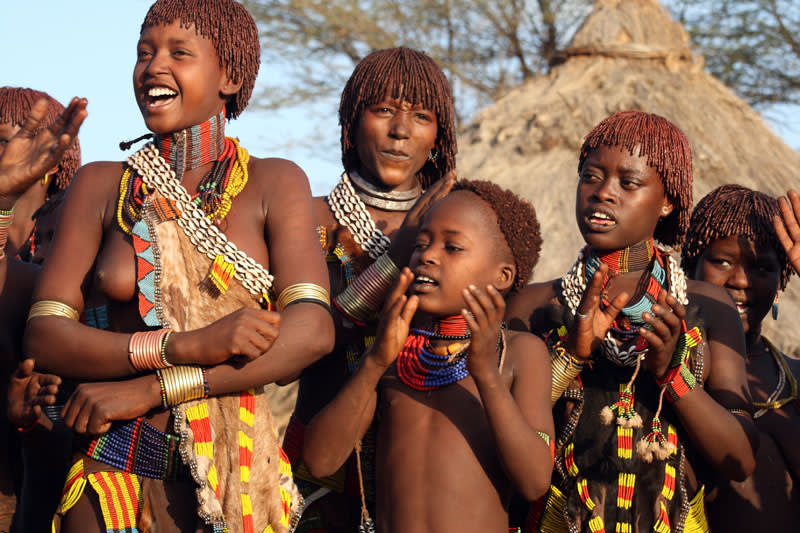
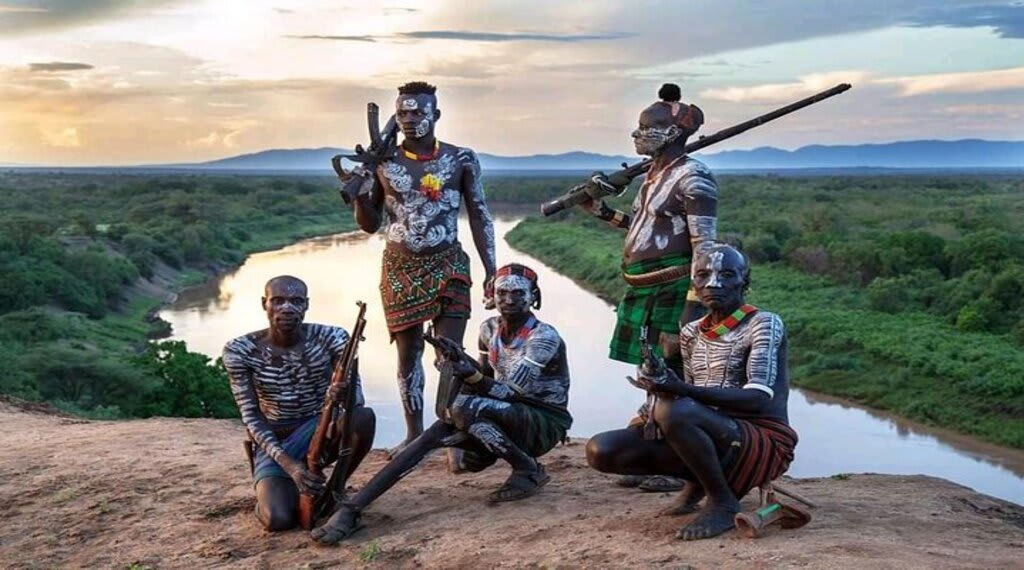
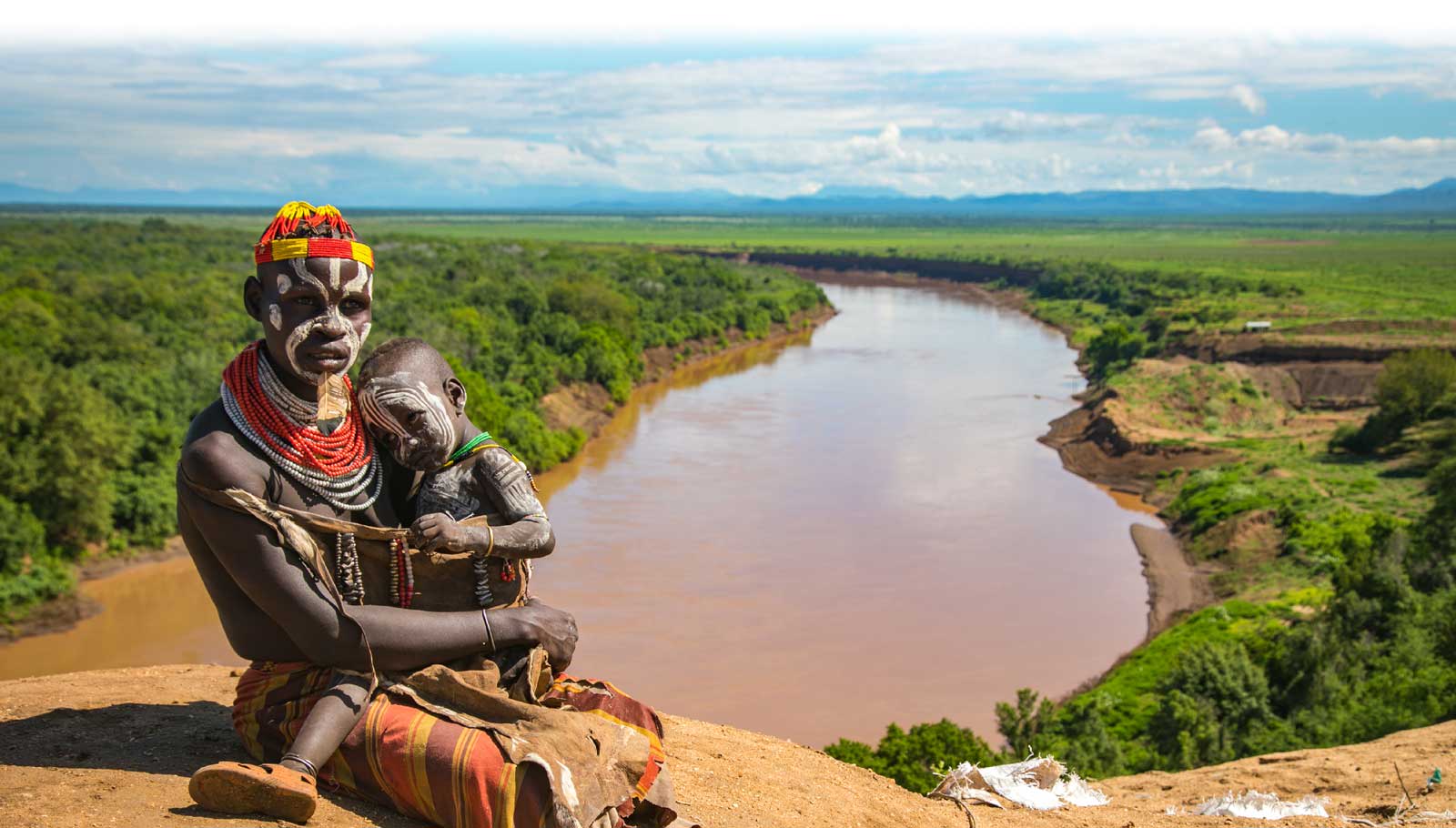
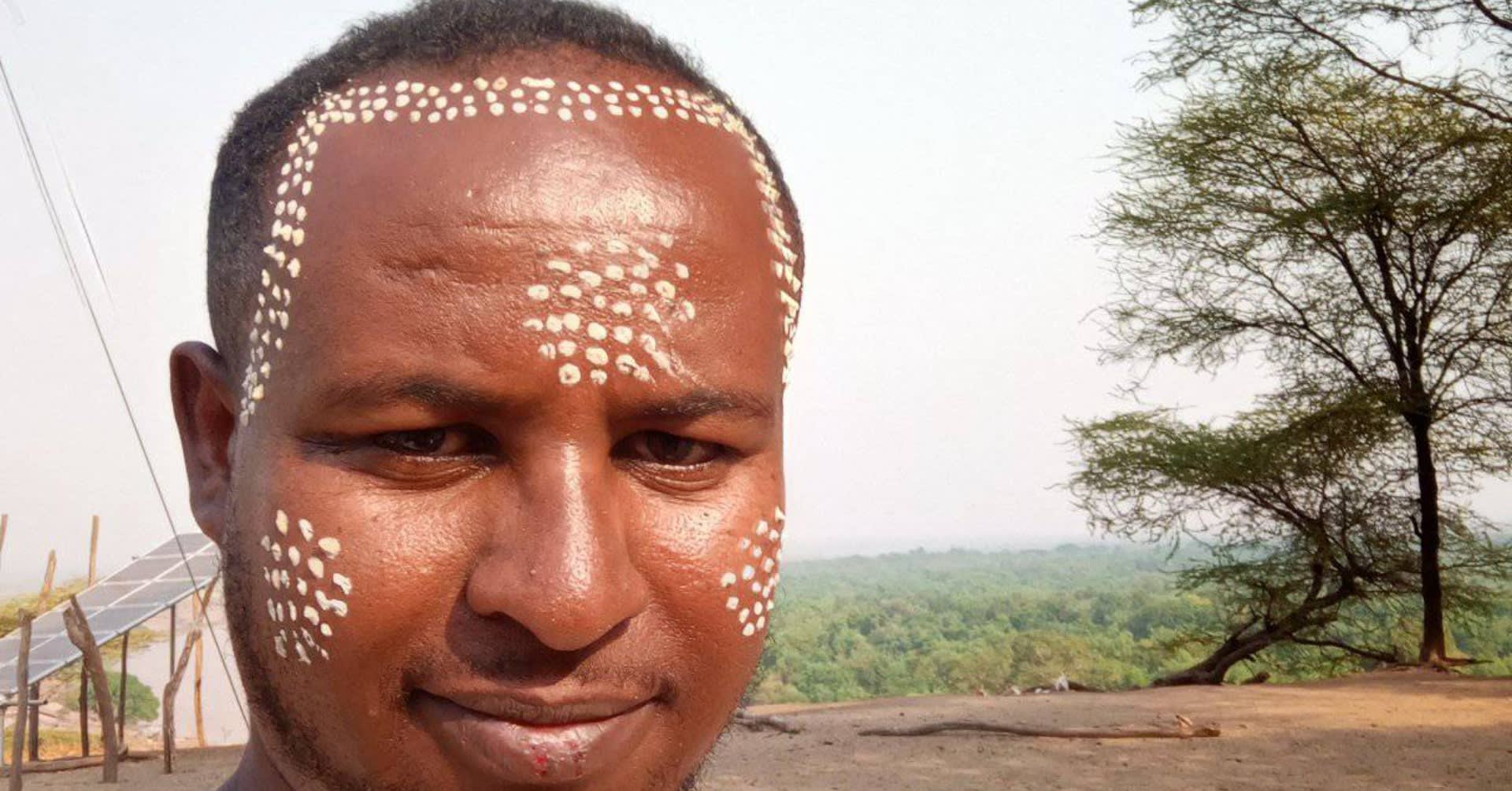
Jinka is worth visiting for travelers who want a combined cultural and wildlife itinerary rather than a conventional Big Five safari. Its value comes from access to Mursi, Hamar and Karo cultural routes, the Jinka Ethnographic Museum and nearby Mago and Omo national parks.
A local guide is strongly recommended for Jinka cultural visits, remote roads and nearby protected areas. Guided travel helps visitors follow village photography rules, identify wildlife, manage route changes and communicate with communities; self-driving is less suitable because the region is remote and roads can deteriorate during rains.
You can compare safari packages, read verified traveler reviews, and book through trusted operators on SafariFind.com. This lets you compare prices and find the best itinerary for your budget and interests.
More places in Ethiopia
© 2026 SafariFind. All rights reserved.
 Ask about this