1 / 4
1 / 4🇰🇪 Kenya
Masai Mara National Reserve
Size
1,510 km²
Elevation
1,500 m
Entry fee
Loading SafariFind...
1 / 4Size
1,510 km²
Elevation
1,500 m
Entry fee
SafariFind app
Keep up with your inquiries and bookings, and message operators wherever you are.

$82
Ideal stay
4 days
Established
1951
Nearest airport
Jomo Kenyatta International Airport (NBO) in Nairobi, 250 km south; charter flights to Seronera Airstrip (SEU) within the reserve take 45 minutes; Kilimanjaro International Airport (JRO) in Tanzania, 335 km southeast, serves as alternative gateway
Nearest town: Nairobi, Kenya's capital, 250 km south—main safari gateway with international flights, hotels, and safari operators; Narok town, 60 km south of reserve entrance—local market and administrative hub
 12 daysPrivate
 Eli-shama Divine Safaris
 4 daysPrivate
 Savannah Budget Safaris
 8 daysPrivateSavannah Budget Safaris
 13 daysPrivate
 Eliana Kenia Luxury Safaris
 4 daysPrivateEliana Kenia Luxury Safaris
 4 daysPrivate
 PARABOLIC SAFARIS
 8 daysPrivatePARABOLIC SAFARIS
 5 daysPrivatePARABOLIC SAFARIS
 4 daysPrivate
 Triptick Travels
 3 daysGroup JoiningTriptick Travels
 3 daysPrivate
 Buffalo Plains Adventures
 6 daysPrivateEli-shama Divine Safaris
Park entry is $82 USD per person per day. A typical safari costs $250–$500 per person per day total, including accommodation (budget tented camps $80–$150/night; mid-range lodges $150–$300/night; luxury $300+/night), meals, and game drives. Three-day safari packages start around $1,200–$1,500 per person; seven-day multi-park itineraries range $2,000–$3,000+. Prices vary by season (peak July–October costs 20–30% more) and operator.
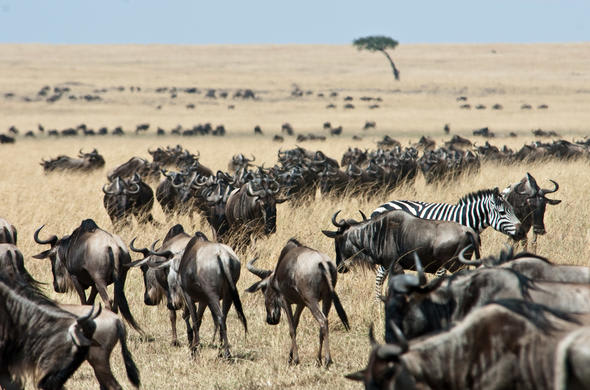
July to October is peak season for the Great Migration and predator sightings, when 1.3 million wildebeest cross the Mara River in dramatic river crossings and lions hunt concentrated prey. November to June offers excellent wildlife viewing with fewer crowds—December to February features resident animals and calving season attracting predators, while March to June brings lush green landscape and migratory birds. June is driest for game viewing; avoid April–May when heavy rains make roads impassable and lodges often close.
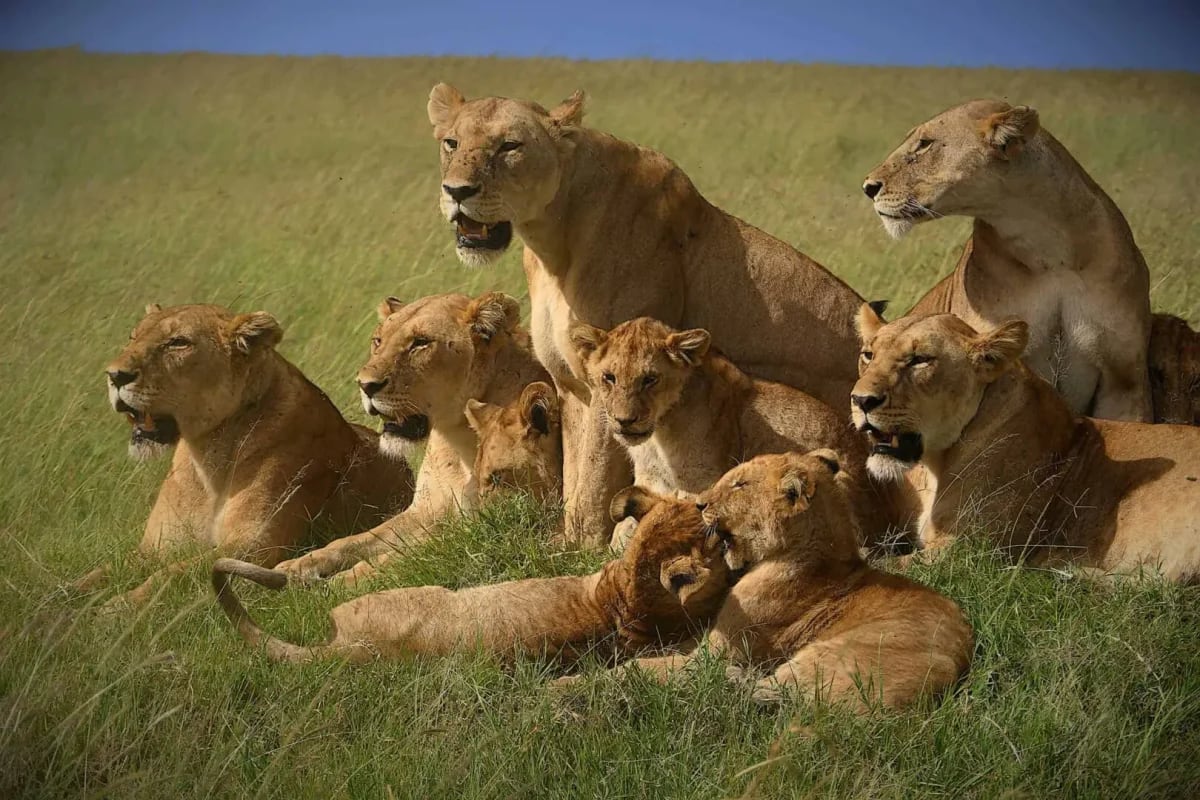
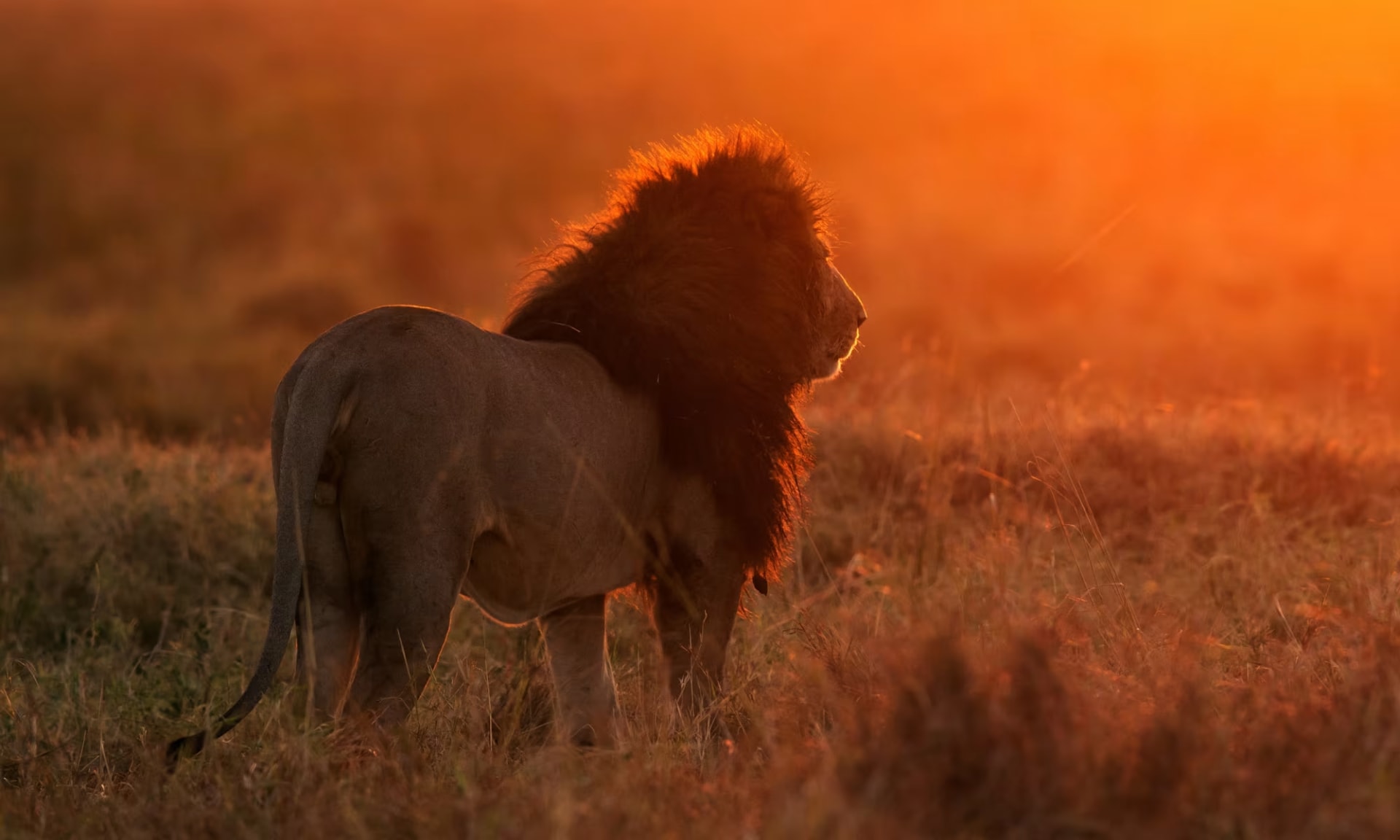
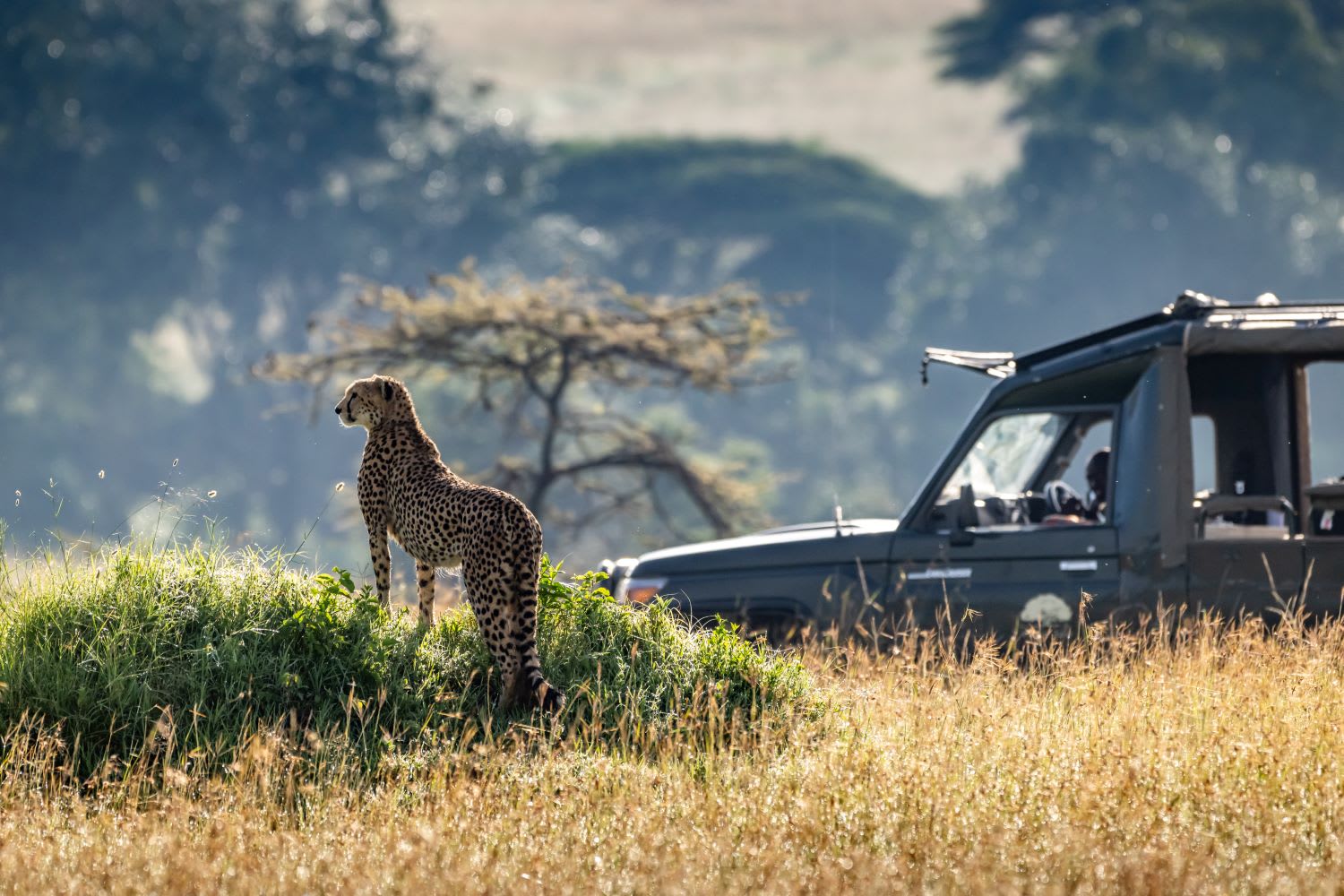
Masai Mara is home to all of Africa's Big Five: lion (3,000+), leopard, elephant, buffalo, and black/white rhino (rare, mainly in Mara Triangle). The reserve also hosts 500+ cheetahs, 1.3 million wildebeest, 200,000 zebra, hippos, giraffes, hyenas, and 400+ bird species including martial eagles and secretary birds. The annual Great Migration (July–October) brings the largest terrestrial animal movement on Earth, with river crossings attracting crocodiles and predators.
Most visitors fly into Jomo Kenyatta International Airport in Nairobi (250 km south), then take a 45-minute charter flight to Seronera Airstrip within the reserve. Alternatively, drive 5–6 hours from Nairobi via the B3 highway to Narok, then C12 to the reserve entrance (requires 4WD vehicle). Some visitors use Kilimanjaro International Airport in Tanzania (335 km southeast) as an alternative gateway. Most safari packages include airport transfers and inter-park transportation.
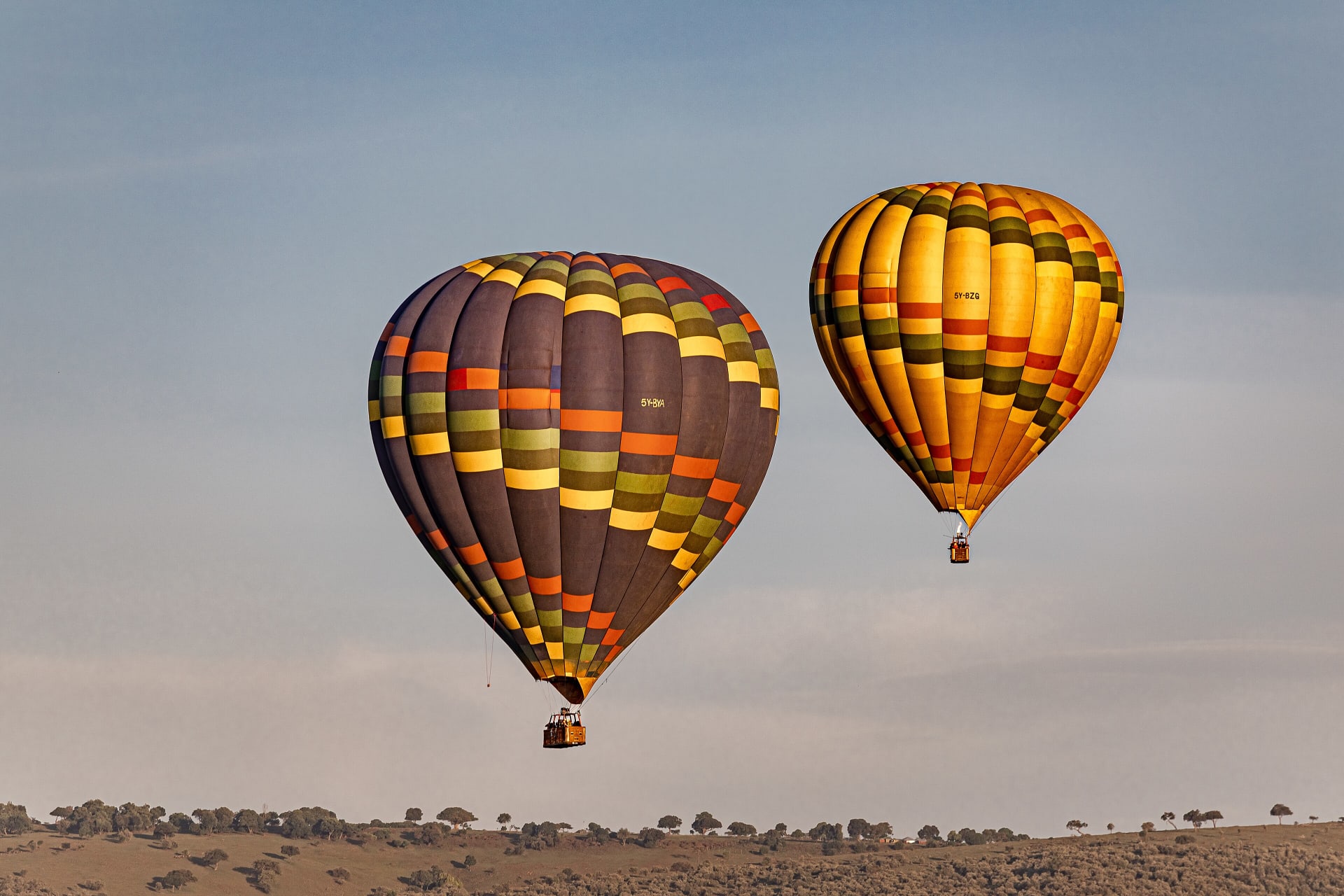
Yes, Masai Mara is family-friendly. Children of all ages can participate in game drives (though very young children (under 5) may find long drives tiring). Many lodges offer family suites and children's activities like nature walks and cultural visits to Maasai villages. Some operators require children to be at least 6–8 years old for walking safaris due to wildlife safety. Hot-air balloon safaris typically accept children aged 10+. Ask operators about child-appropriate itineraries and vehicle modifications (booster seats, child-size binoculars).
A minimum of 3 days allows two full days of game drives (morning and afternoon) plus travel time—enough to spot Big Five and understand the ecosystem. Four days is ideal for experiencing diverse habitats, cultural visits, and a hot-air balloon safari. Seven days permits combining Masai Mara with nearby Rift Valley lakes or other Kenya parks. During peak migration (July–October), 4–5 days increases chances of witnessing river crossings and predator interactions.
Budget options include Kenya Wildlife Service campsites ($20–$30/person) and tented camps ($80–$150/night). Mid-range lodges like Governors' Camp and Olonana Lodge offer riverside locations, hot-air balloon access, and guided activities ($150–$300/night). Luxury properties provide private game drives, gourmet dining, and premium amenities ($300+/night). Most lodges cluster near the Mara River (best for river crossing views during migration) or in the Mara Triangle (best for lion sightings). Book 2–3 months ahead for peak season (July–October).
Yes—Masai Mara is Africa's premier safari destination. It hosts the only terrestrial migration of its magnitude on Earth (1.3 million wildebeest), offers the highest concentration of Big Five sightings in Africa, and provides unmatched predator viewing (lions, leopards, cheetahs regularly hunted). The landscape—rolling grasslands dotted with acacia trees—defines the classic East African safari experience. Combined with Maasai cultural immersion and year-round wildlife viewing, Masai Mara delivers exceptional value and unforgettable memories for all experience levels.
Self-driving is permitted with a valid international driving permit, but a professional guide is strongly recommended—guides know wildlife behavior, locate animals efficiently, provide ecological context, and ensure safety around predators. Guided game drives (included in most safari packages) cost $50–$150 per day depending on operator. Walking safaris require a guide for safety. Most visitors find guided experiences more rewarding; guides enhance wildlife interpretation and photography opportunities. Maasai guides offer cultural insights unavailable to self-drivers.
You can compare safari packages from verified operators, read authentic traveler reviews, and book directly through SafariFind.com. This lets you evaluate pricing across budget, mid-range, and luxury options, compare itineraries (3-day, 4-day, 7-day combinations), and contact operators with specific questions before committing. SafariFind also helps identify operators specializing in families, photography, or cultural experiences. Booking 2–3 months ahead is recommended for peak season (July–October); off-season (March–June) offers better rates and fewer crowds.
© 2026 SafariFind. All rights reserved.
 Ask about this