1 / 4
1 / 4🇷🇼 Rwanda
Ndutu Plains
Size
14,763 km²
Elevation
1,200 m
Entry fee
Loading SafariFind...
1 / 4Size
14,763 km²
Elevation
1,200 m
Entry fee
SafariFind app
Keep up with your inquiries and bookings, and message operators wherever you are.

$82
Ideal stay
5 days
Established
1959
Nearest airport
Arusha Airport (ARK), 330 km; Kilimanjaro International Airport (JRO), 335 km; Seronera Airstrip (SEU) within southern Serengeti, 80 km; most visitors fly to Arusha or Kilimanjaro then drive or charter to Ndutu
Nearest town: Arusha, 330 km — primary gateway city for northern Tanzania safari circuit with international flights, vehicle rentals, and tour operators; Karatu, 70 km — smaller town with basic services and direct access via Ngorongoro Crater rim road
 6 days
 Imana Yawiza Explorers Limited
 6 days
 AMG SAFARIS LIMITED
  5 days
 Ace Tanzania Tours
 4 daysAMG SAFARIS LIMITED
 Park entry fee is approximately $82 USD per person. Daily safari costs average $350–$600 USD per person depending on lodge category and included services. Budget accommodations cost $100–$200/night; mid-range $200–$400/night; luxury lodges $400–$800+/night. Most 5-day Ndutu packages range $2,000–$4,000 USD all-inclusive (accommodation, meals, guided drives, park fees). Optional hot-air balloon rides cost approximately $599 per person. Compare packages and pricing from verified operators on SafariFind to find options matching your budget.
December–March is peak season for the Great Migration calving event. January–February offers maximum drama with 8,000 wildebeest calves born daily, attracting dense predator populations. December brings arrival spectacle with fewer crowds; February provides peak predator action; March offers excellent viewing before herds depart northward. The short rains (November–December) bring herds to nutrient-rich plains; dry season (January–March) maintains visibility and road accessibility. Off-season (April–November) has lower wildlife density and muddy roads but cheaper accommodations and greener landscapes.
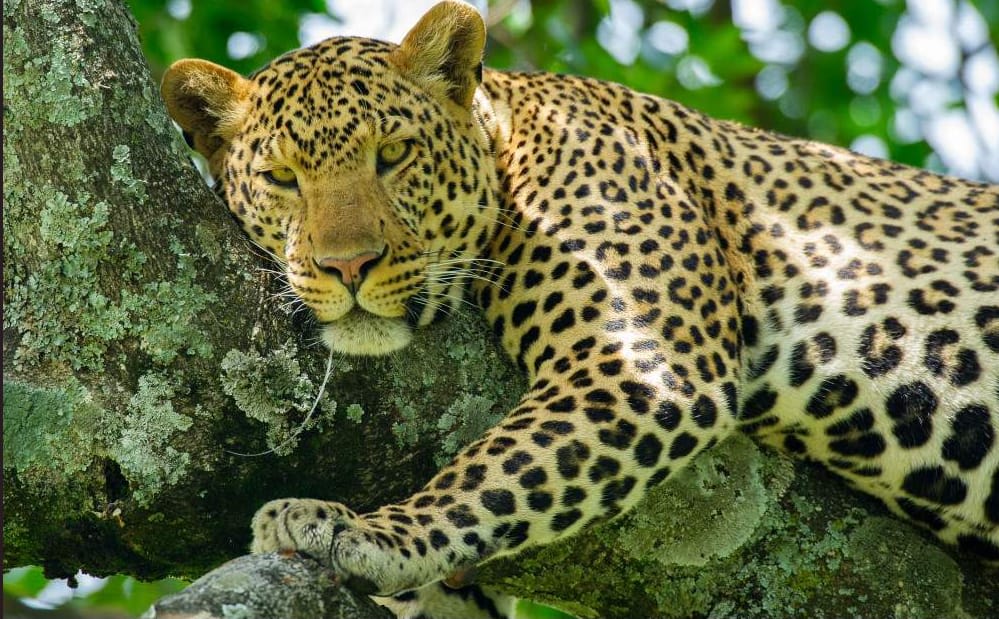
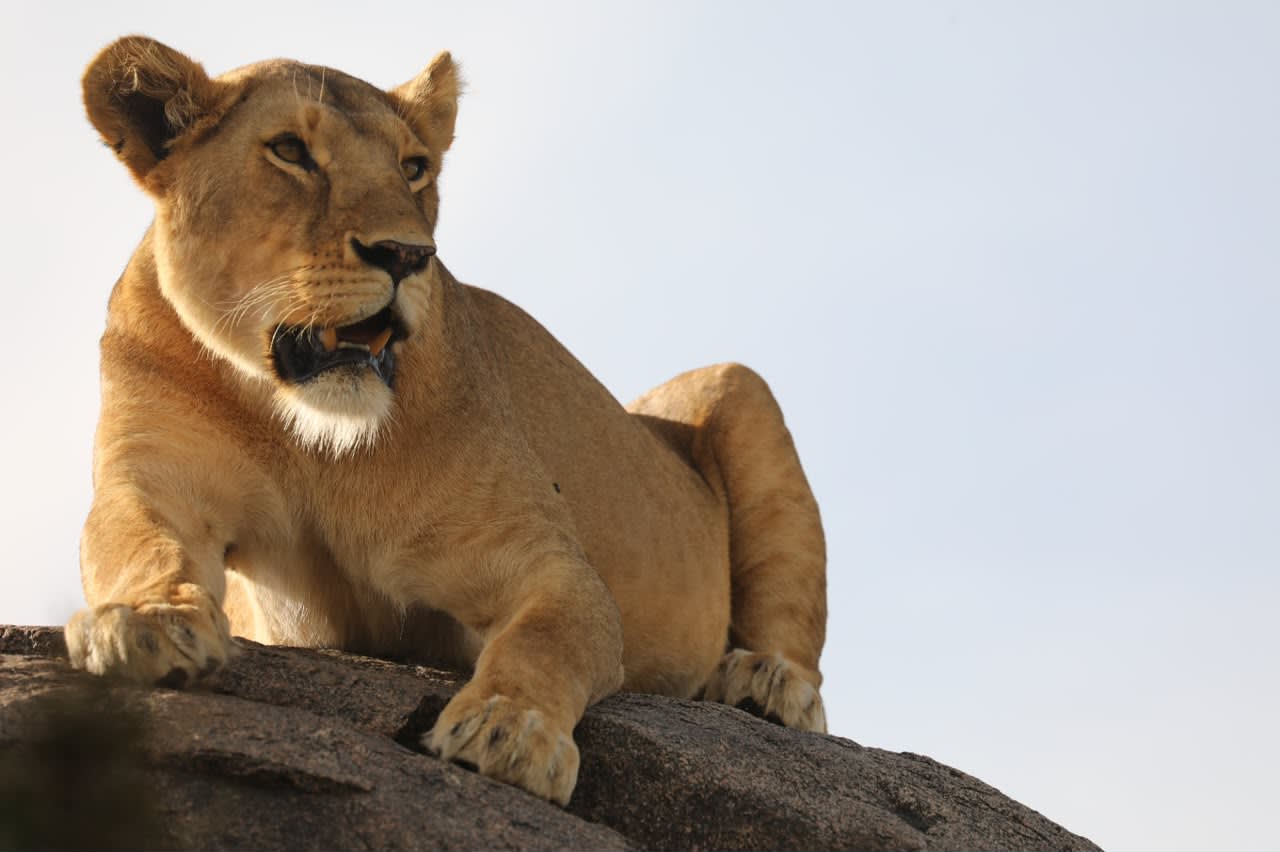
Ndutu hosts all Big Five mammals: lions, leopards, African elephants, buffalo, and African rhinos (rare). During calving season (January–February), over 1 million wildebeest and hundreds of thousands of zebras concentrate on the plains. Predator density is exceptionally high: cheetahs, spotted hyenas, African wild dogs, and hyenas hunt calves intensively. Resident species year-round include giraffes, impalas, grant's gazelles, warthogs, and elusive bat-eared foxes. Over 500 bird species inhabit the area, including flamingos on soda lakes.
Fly into Arusha Airport (ARK) or Kilimanjaro International Airport (JRO), both 330–335 km away. From Arusha, drive 4–5 hours via the scenic Ngorongoro Crater rim road (graded earth, 4WD essential). Alternatively, charter a small aircraft from Arusha to Seronera Airstrip (80 km from Ndutu) for faster access. Most safari operators arrange ground transfers. International flights connect to Arusha via Dar es Salaam or Nairobi (Kenya).
Ndutu is suitable for families with children aged 8+. Younger children may struggle with early 6:00 AM departures and long game drives (4–6 hours daily). Most lodges offer family-friendly accommodations and modified itineraries. Walking safaris are restricted to ages 12+ due to safety risks. Game drives from vehicles are safe with parental supervision. Many operators offer flexible schedules, shorter drives, and child-focused activities. Consult your lodge about child-specific amenities and malaria prophylaxis requirements for young travelers.
A minimum 3-day visit allows one full day of calving season game drives plus travel days. A 5-day itinerary is recommended to combine Ndutu with the Ngorongoro Crater, offering diverse wildlife and geological experiences. Typical packages include: Day 1 arrival and sunset drive; Days 2–3 full Ndutu game drives (early morning and afternoon); Day 4 Ngorongoro Crater; Day 5 departure. Extended 7–10 day trips combine Ndutu with central Serengeti and Maasai cultural visits for comprehensive ecosystem exploration.
Accommodation options include Ndutu Wilderness Camp (seasonal tented camp, authentic experience), Mwiba Lodge (intimate, near southern Serengeti), and Anatya Serengeti Lodge (premium comfort). Budget options ($100–$200/night) offer tented camps with shared facilities; mid-range ($200–$400/night) provide en-suite tents and better amenities; luxury ($400+/night) delivers full service with gourmet meals and private guides. Most lodges are seasonal (December–March peak), opening during calving season. Book 2–3 months in advance for January–February travel. Compare lodge options and guest reviews on SafariFind.
Yes. Ndutu offers the world's most concentrated wildlife spectacle during calving season (January–February), with 8,000 wildebeest births daily and unmatched predator-prey drama. Unlike heavily regulated Serengeti National Park, Ndutu allows off-road driving for closer encounters and walking safaris for immersive ground-level experiences. The combination of raw predation events, newborn vulnerability, and landscape beauty creates photography and wildlife-watching opportunities unavailable elsewhere. Pairing Ndutu with the Ngorongoro Crater provides geological and cultural depth. The experience justifies the cost and travel time for serious wildlife enthusiasts and photographers.
Guides are mandatory for game drives and strongly recommended for walking safaris. Guides provide wildlife identification, predator-behavior interpretation, safety oversight, and cultural context about Maasai communities. Self-drive is technically possible (4WD vehicle rental available) but not advised: guides know predator locations, migration timing, and hidden wildlife. Walking safaris require armed rangers for safety (predator risk). Professional guides dramatically enhance wildlife-viewing success and photographic opportunities. Most safari packages include experienced driver-guides; private guide hiring costs $50–$150 daily.
Compare safari packages, read verified traveler reviews, and book through trusted operators on SafariFind.com. This lets you compare prices across multiple lodges and tour companies, view transparent guest feedback, and secure competitive rates. SafariFind connects you with vetted operators offering flexible itineraries, group tours, and private safaris. Most bookings require deposit (30–50%) with final payment 4–6 weeks pre-travel. Book 2–3 months in advance for January–February peak season. SafariFind's transparent pricing helps you make informed decisions without hidden costs.
© 2026 SafariFind. All rights reserved.
 Ask about this