 1 / 5
1 / 5🇲🇬 Madagascar
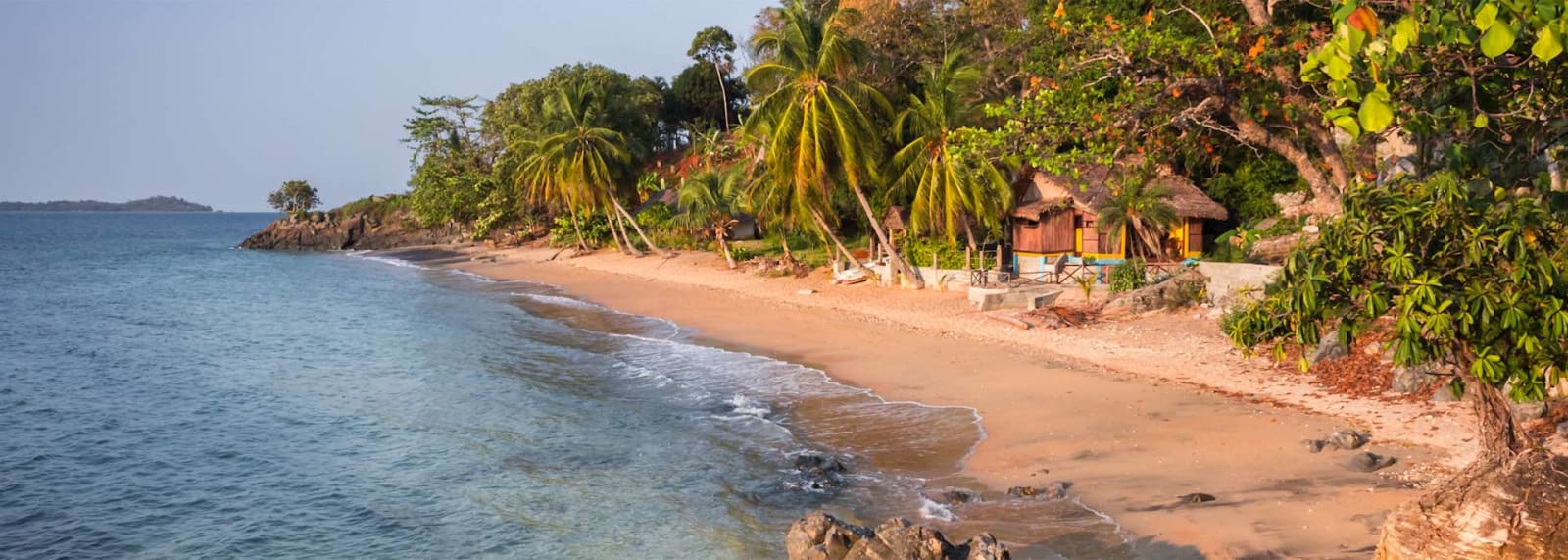
Nosy Komba
Size
25 km²
Elevation
569 m
Entry fee
Loading SafariFind...
1 / 5Size
25 km²
Elevation
569 m
Entry fee
SafariFind app
Keep up with your inquiries and bookings, and message operators wherever you are.

$12
Ideal stay
1 day
Nearest airport
Fascene International Airport (DIE), Nosy Be island, 25 km by boat transfer; Antananarivo Ivato International Airport (TNR), 355 km, requiring domestic flight or 10+ hour overland transfer
Nearest town: Hell-Ville, Nosy Be, 3 km by speedboat (15-20 minute transfer); Antananarivo, Madagascar's capital, 355 km by air or road
A full-day Nosy Komba excursion costs $110–$250 per person, including boat transfer from Nosy Be, park entrance fee ($12), lunch, guide services, and drinks. Overnight accommodation ranges from $110–$300+ per person at budget guest houses to luxury lodges. Multi-day packages combining Nosy Komba with Nosy Tanikely and Lokobe Reserve cost $500–$1,500+ depending on lodge category and group size. Compare pricing across verified operators on SafariFind.com to find packages matching your budget.
April to December offers the best conditions: warm temperatures (20–28°C), calm seas, and clear skies ideal for boat transfers and snorkeling. June to October adds seasonal marine megafauna—humpback whales and dolphins are frequently spotted. July–August and December–January peak tourism brings higher prices and larger crowds. Shoulder months (April–May, September–November) offer fewer visitors, lower costs, and excellent weather. Avoid January–March (rainy season) when rough seas may cancel boat transfers and humidity increases.
Nosy Komba is home to habituated black lemur populations that feed on bananas and interact with visitors—a unique endemic species protected by local fady customs. Giant tortoises, panther chameleons, blue-nosed chameleons, endemic frogs, and rare reptiles inhabit the forest. Marine ecosystems harbor sea turtles, 50+ tropical fish species, and seasonal humpback whales and dolphins (June–October). Vegetation includes baobabs, mango trees, vanilla plantations, and orchids. Wildlife encounters are ethical and managed by local communities.
Fly into Fascene International Airport (DIE) on Nosy Be island, then take a 15–20 minute speedboat transfer to Nosy Komba (25 km). Alternatively, fly into Antananarivo Ivato International Airport (TNR) and connect via domestic flight to Nosy Be (2 hours) or drive 10–12 hours via RN6 highway. Most travelers book all-inclusive packages including airport transfers, accommodation, and guided excursions through SafariFind-verified operators.
Yes, Nosy Komba is highly family-friendly. The island has no roads, making it safe for children to explore freely. Lemur encounters are gentle and educational. Snorkeling is suitable for children age 5+; diving requires certification age 10+. Beach time, village tours, and vanilla plantation walks appeal to all ages. Accommodation includes family-friendly lodges with en-suite bathrooms and meal services. Full-day excursions (7–8 hours) suit older children; younger children may prefer half-day morning trips. Consult lodge operators about child-specific activity modifications.
A full-day excursion (7–8 hours) allows core activities: lemur trekking, snorkeling, village visit, and lunch. Two to three days enables deeper exploration: marine diving, night beach walks for turtle hatchlings, multiple forest treks, and cultural immersion. Longer stays (4–7 days) combined with nearby Nosy Tanikely Marine Reserve and Lokobe Reserve create a comprehensive Madagascar island-hopping experience. Most travelers allocate 1–2 days to Nosy Komba as part of a 5–7 day Nosy Be circuit.
Budget accommodation: 293 On Komba guest house ($110 per person, solar-powered, beachfront, 4 rooms with hot water). Mid-range: Komba Cabana and locally-run lodges ($150–$200). Luxury: Tsara Komba Luxury Beach & Forest Lodge (beachfront, diving center, forest access, premium amenities). Most lodges include breakfast and dinner; lunch available on request. Ampangorina village on the north shore hosts all accommodation. Book through SafariFind to compare amenities, read verified guest reviews, and secure best rates.
Yes. Nosy Komba offers unique experiences unavailable elsewhere: habituated black lemurs endemic to the island, pristine coral reefs 15 minutes from shore, and authentic village culture without mass tourism. Unlike larger Nosy Be, Nosy Komba remains intimate and connected to nature—black volcanic sand beaches, lush forest, and turquoise waters create a genuine tropical escape. The island's community-managed tourism model ensures ethical wildlife encounters and local economic benefit. Ideal for travelers seeking serenity, wildlife, culture, and marine activities combined.
Guides are strongly recommended and typically included in full-day excursions. Local guides provide wildlife expertise, identify lemur individuals, interpret forest ecology, and share cultural context about fady customs. Self-guided exploration is possible but limits wildlife sightings and cultural understanding. Guides speak English, French, and Malagasy. Budget operators ($110–$180) include basic guides; premium packages ($250+) feature naturalist guides with advanced training. Book through verified SafariFind operators to ensure guide quality.
Compare safari packages, read verified traveler reviews, and book through trusted operators on SafariFind.com. Filter by budget, duration, and included activities (diving, snorkeling, cultural tours). SafariFind lets you compare prices across multiple operators and secure transparent pricing without hidden fees. Most bookings include round-trip boat transfers from Nosy Be, meals, guides, and park fees. Confirm cancellation policies and travel insurance requirements before payment. Book 2–4 weeks in advance for best availability and rates.
© 2026 SafariFind. All rights reserved.
