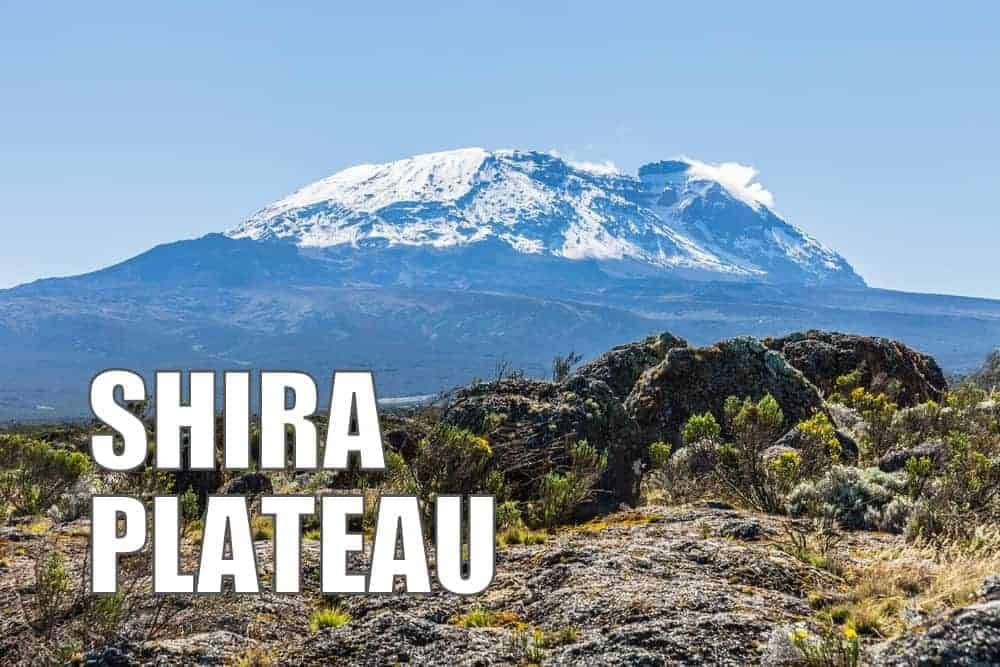
 1 / 4
1 / 4🇹🇿 TanzaniaUNESCO site
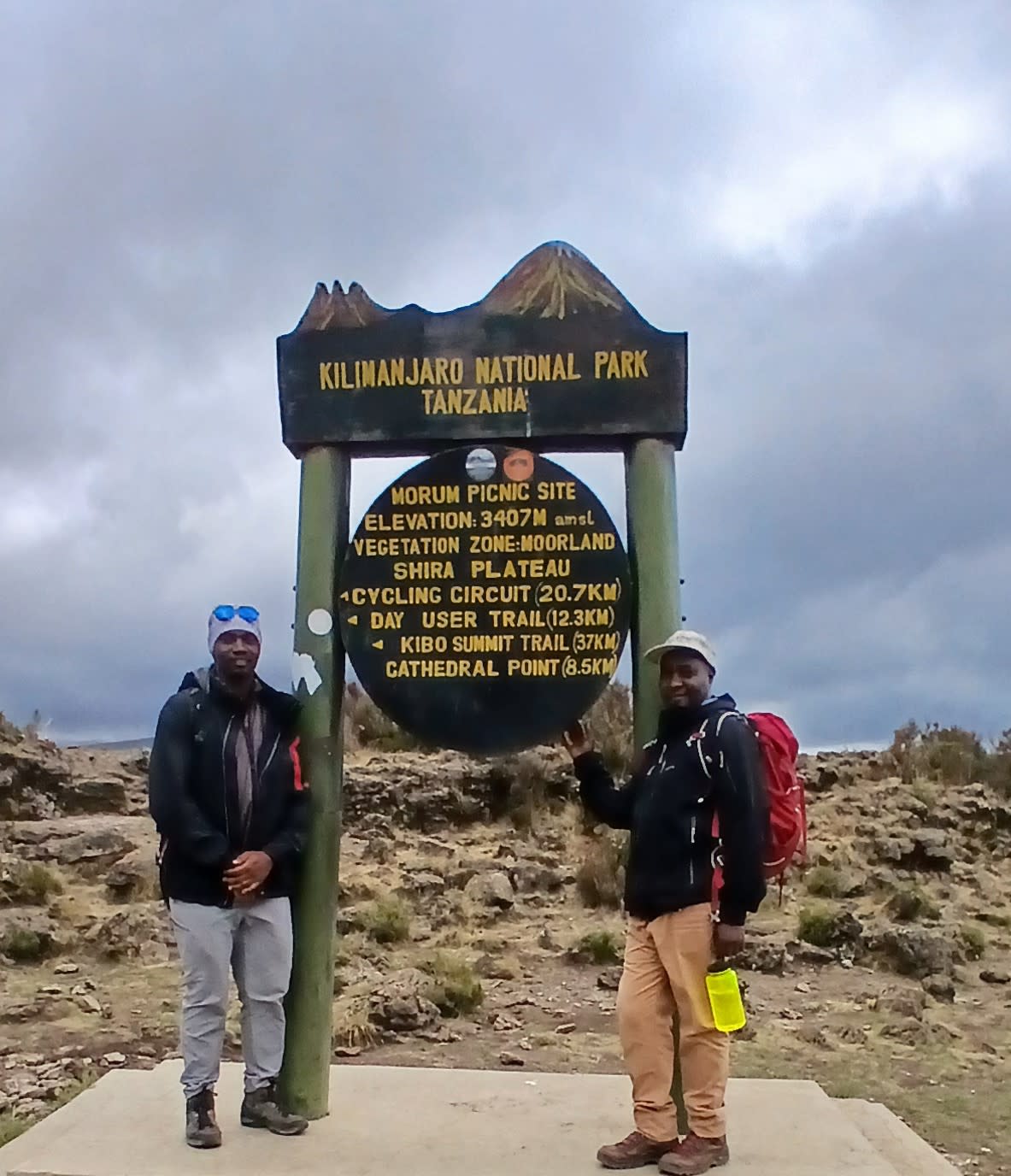
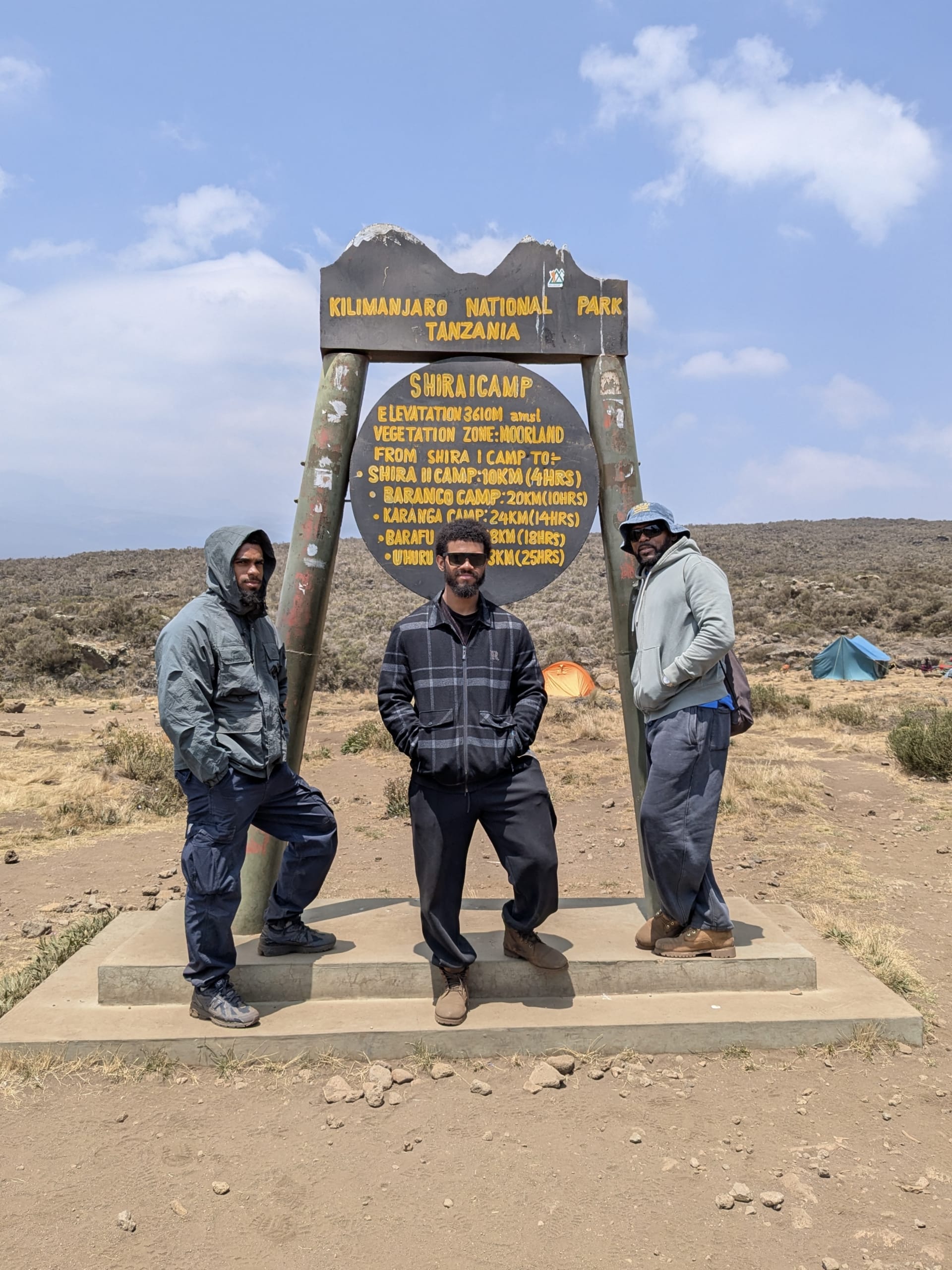
Shira Plateau
Size
14,763 km²
Elevation
3,700 m
Entry fee
Loading SafariFind...
1 / 4Size
14,763 km²
Elevation
3,700 m
Entry fee
SafariFind app
Keep up with your inquiries and bookings, and message operators wherever you are.

$82
Ideal stay
3 days
Established
1973
Nearest airport
Kilimanjaro International Airport (JRO), 85 km southeast; Arusha Airport (ARK), 90 km; both serve as primary gateways for Shira Plateau access
Nearest town: Moshi, 70 km south — primary gateway town offering accommodation, supplies, and safari operator offices; Arusha, 95 km — larger hub with hotels, restaurants, and tour company headquarters
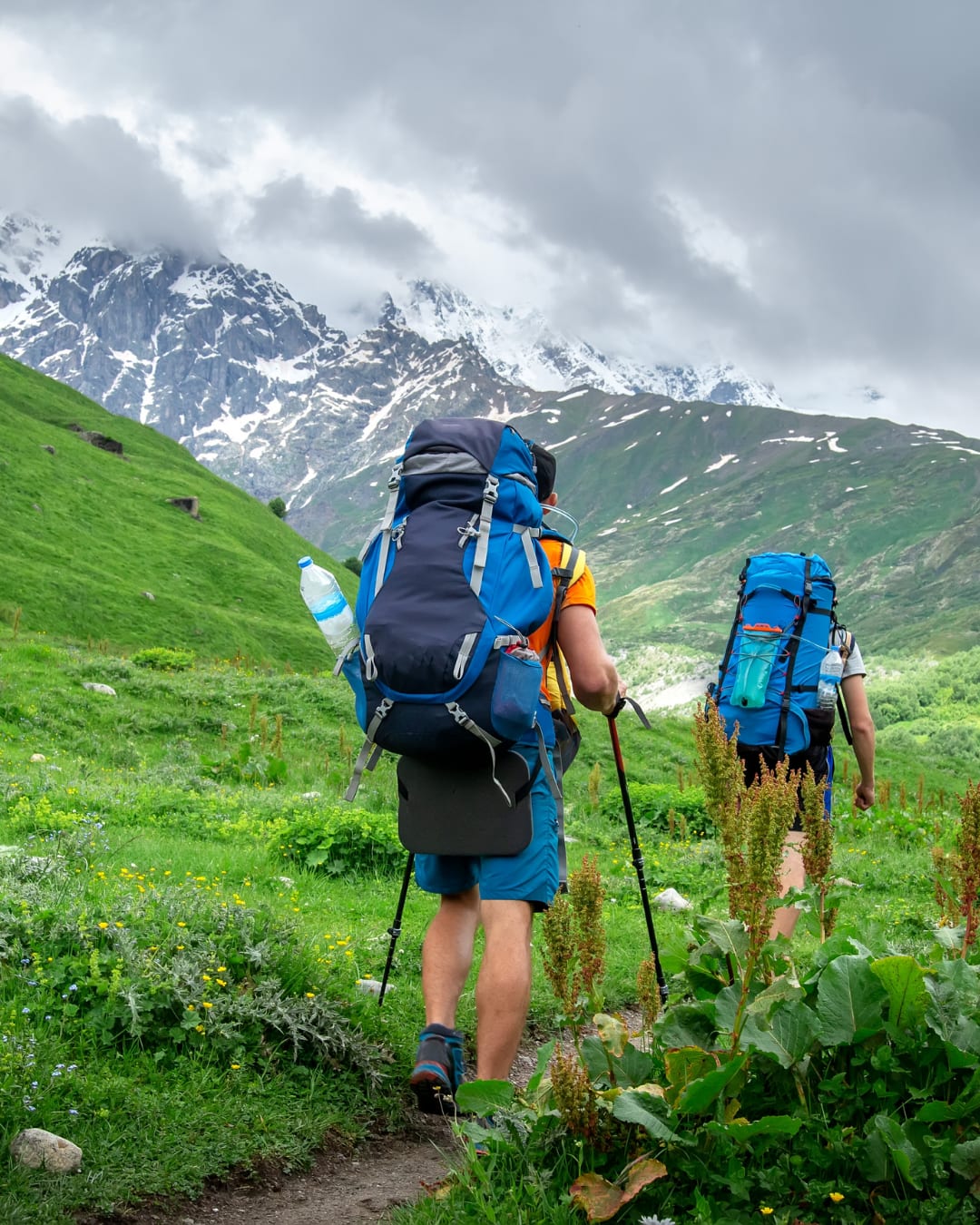 7 daysPrivate
 Trek Afrika Adventures
 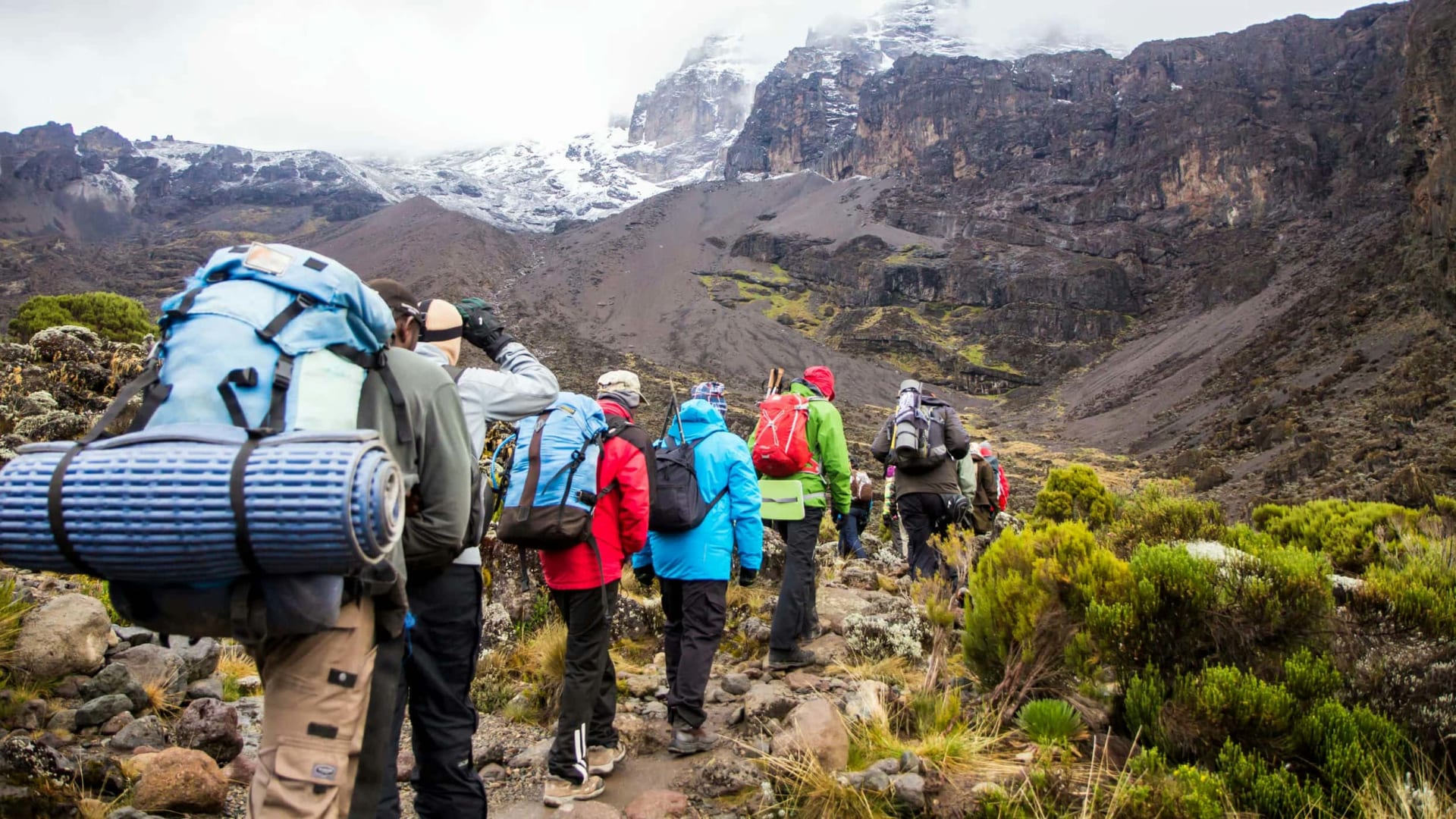 9 daysPrivate
 VISION SAFARI & TOURS
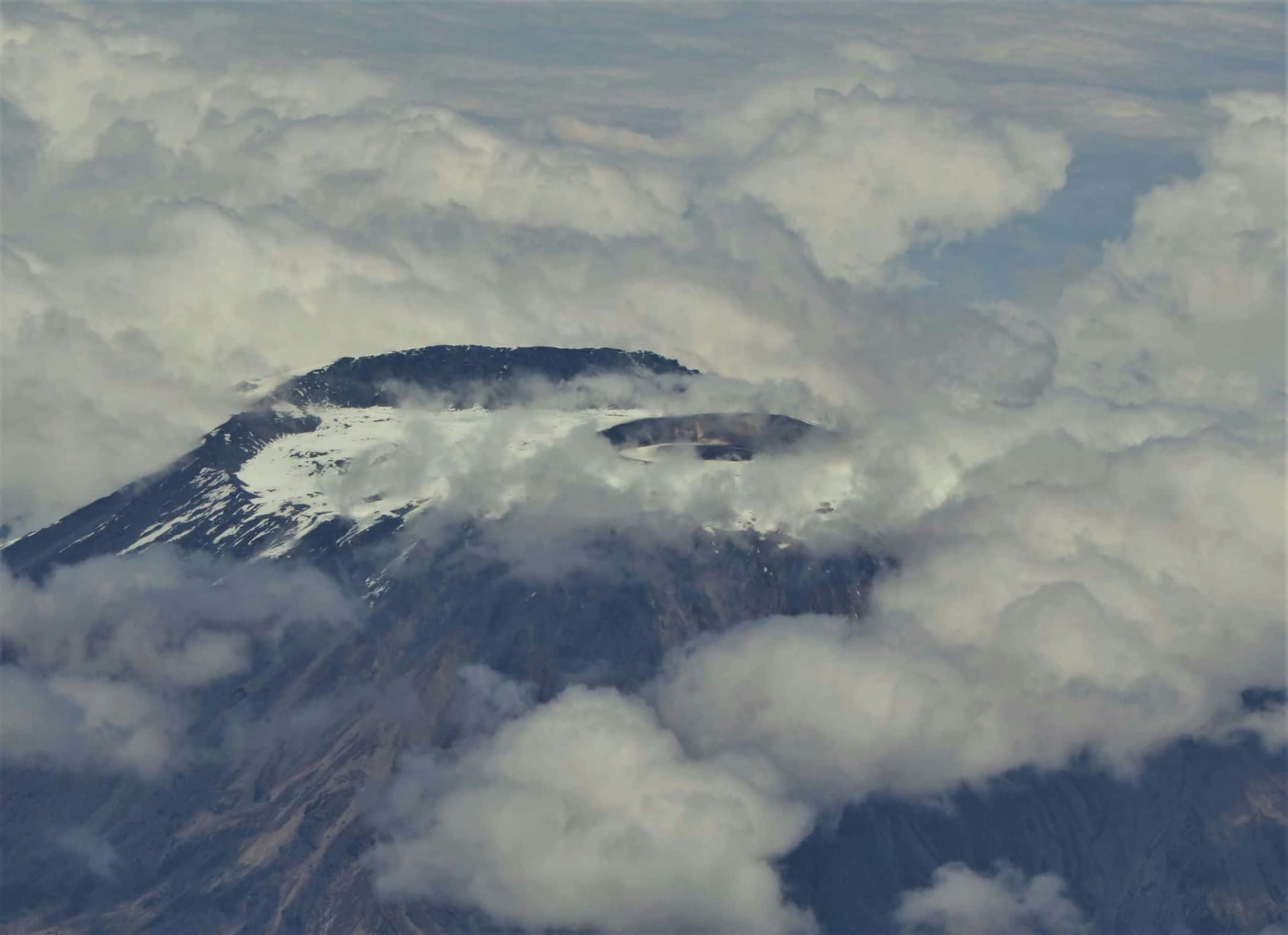 8 daysPrivateVISION SAFARI & TOURS
 1 dayPrivate
 Elia Safaris
 1 dayPrivate
 Maasailand Adventure & Awareness
A day hike on Shira Plateau costs approximately $150–$300 per person, including park entry fees ($82 USD), guide services, and transportation from Moshi or Arusha. Multi-day treks combining Shira Plateau with other Kilimanjaro routes range from $1,500–$4,000 per person depending on lodge quality and group size. Budget operators charge $50–$100 per day; luxury packages exceed $200 per day. All prices typically exclude international flights and pre-trek accommodation.
June to October (dry season) is optimal, offering clear skies, stable weather, and excellent visibility of Kibo and Mawenzi peaks. Temperatures range from 10–20°C (50–68°F), with minimal rainfall and low humidity. December to February (short rains) provides fewer crowds and green vegetation but afternoon cloud cover reduces views. Avoid March–May (long rains) when muddy trails, dense clouds, and frequent precipitation make trekking unsafe and visibility poor.
Wildlife sightings are rare due to harsh alpine conditions, but African elephants and Cape buffalo occasionally ascend the plateau to extract salt and minerals from volcanic rocks. Tracks and dung are more common than live sightings. Birdwatching is excellent: over 180 species including the endemic Kilimanjaro White-eye, Malachite Sunbird, and Hartlaub's Turaco. Lower moorland edges support Jackson's chameleons, tree hyraxes, and alpine beetles adapted to thin air and intense UV radiation.
Fly into Kilimanjaro International Airport (JRO), 85 km away, or Arusha Airport (ARK), 90 km away. From there, drive 2–3 hours to Londorosi Gate (2,100 m), then 1–1.5 hours on rough forest roads to Morum Barrier Gate (3,400 m) where day hikes begin. A 4WD vehicle is strongly recommended, especially during rainy seasons. Most operators arrange airport transfers and ground transportation as part of safari packages.
Day hikes on Shira Plateau are suitable for families with children aged 10 and older in good physical condition. The 5–6 hour moderate trek with 1,000 feet of elevation gain is manageable for fit kids, though altitude (3,500–3,800 m) requires acclimatization. Children under 10 may struggle with the duration and thin air. Multi-day treks are not recommended for young children due to cold nights (below freezing), altitude sickness risk, and limited medical facilities. Choose day hikes over multi-day climbs for family groups.
A day hike requires 1 day, departing early morning from Moshi and returning by evening. For acclimatization before a summit attempt, 2–3 days at Shira Plateau allows proper altitude adjustment and reduces Acute Mountain Sickness (AMS) risk. Multi-day treks incorporating Shira Plateau (via Lemosho or Northern Circuit routes) typically span 6–8 days total, with 2–3 days spent on the plateau. Longer durations provide better acclimatization and more wildlife viewing opportunities.
Accommodation options include semi-permanent mountain camps (Shira 1 and Shira 2) offering bunk beds and basic facilities, costing $40–$80 per night. Mid-range lodges in nearby Moshi and Arusha (30–90 km away) range from $80–$200 per night and offer hot showers and restaurant service. Luxury lodges near Kilimanjaro's base (such as Maasai-run boutique properties) cost $150–$400+ per night and provide high-end amenities. Most safari packages include accommodation; compare options through verified operators on SafariFind.com.
Yes. Shira Plateau offers unique high-altitude moorland scenery, panoramic views of Kibo and Mawenzi peaks, and excellent acclimatization for Kilimanjaro climbers. It is less crowded than lower routes, features endemic birdlife (180+ species), and provides geological insights into Kilimanjaro's volcanic formation. The plateau's relatively gentle terrain makes it accessible to intermediate trekkers without technical climbing skills. Compared to Tanzania's savanna parks, Shira Plateau offers a distinct alpine ecosystem and is ideal for trekkers prioritizing mountain scenery over traditional game viewing.
Yes, guides are mandatory for all treks in Kilimanjaro National Park, including Shira Plateau. Guides ensure trail safety, provide wildlife and cultural knowledge, and assist with altitude sickness management. Self-drive hiking is prohibited. Guides cost $25–$50 per day; hiring through established safari operators guarantees certified, experienced guides trained in wilderness first aid and emergency protocols. Porters ($15–$25 per day) carry supplies, freeing you to focus on hiking and photography.
Compare safari packages, read verified traveler reviews, and book through trusted operators on SafariFind.com. This platform allows you to filter by route (Lemosho, Northern Circuit, Shira), duration, budget, and lodge type, then directly contact operators for quotes and itinerary customization. SafariFind connects you with KPAP-certified ethical operators ensuring fair porter wages and environmental stewardship. You can also book directly with operators in Moshi or Arusha, though SafariFind's comparison tool helps ensure competitive pricing and transparency.
© 2026 SafariFind. All rights reserved.
 Ask about this