 1 / 3
1 / 3🇿🇲 Zambia
South Luangwa National Park
Size
9,059 km²
Elevation
500 m
Entry fee
$82
Loading SafariFind...
1 / 3Size
9,059 km²
Elevation
500 m
Entry fee
$82
SafariFind app
Keep up with your inquiries and bookings, and message operators wherever you are.

Ideal stay
4 days
Established
1972
Nearest airport
Mfuwe International Airport (MFU), 45 km south of the park; daily charter flights connect to Lusaka (2.5 hours). Lusaka International Airport (LUN), 650 km southwest; main international hub requiring ground transfer or domestic flight.
Nearest town: Livingstone, 400 km south (5–6 hours drive); gateway city with international flights and Victoria Falls. Mfuwe village, 45 km south; small settlement with fuel, supplies, and lodge offices.
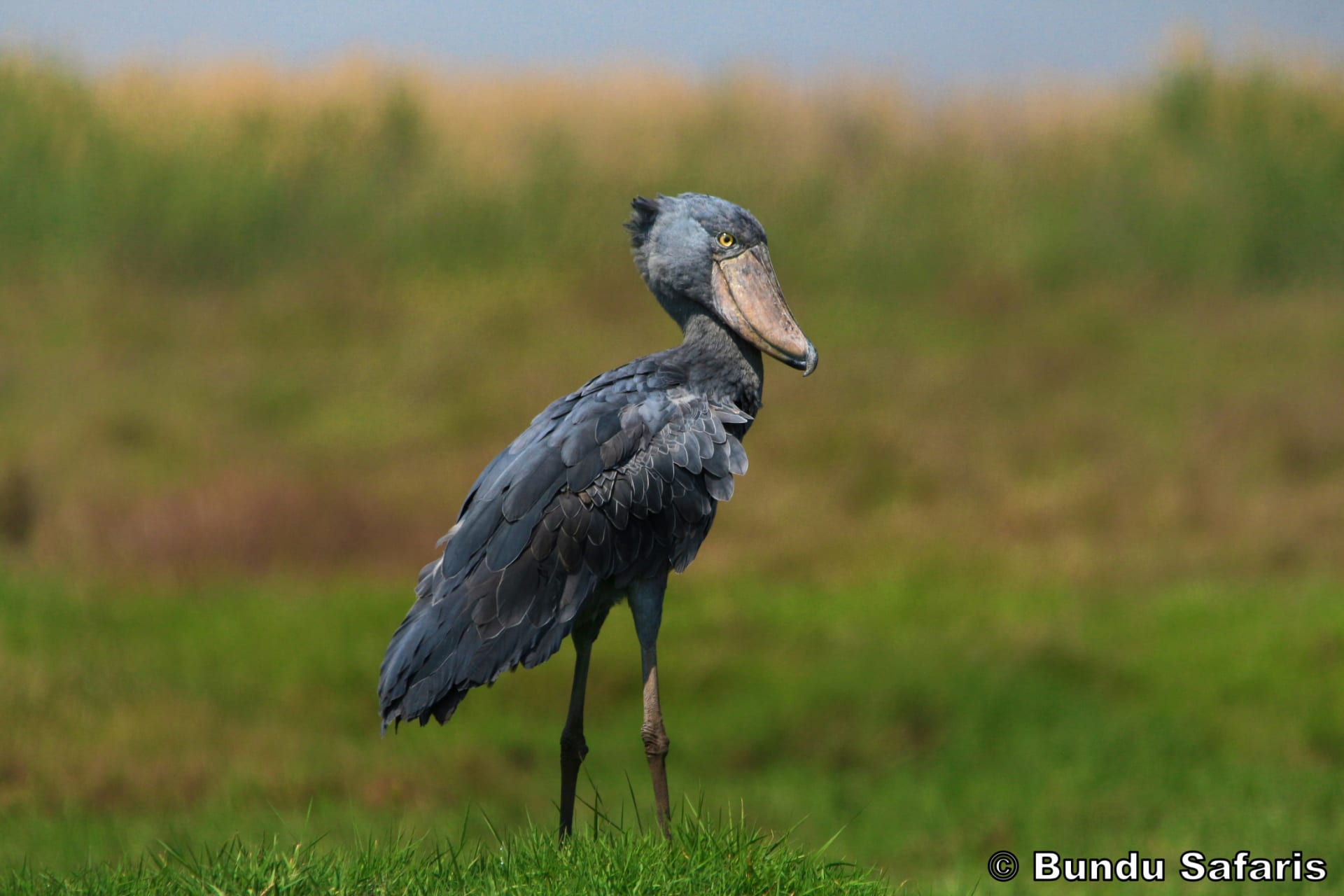 15 days
 Bundu Safaris Ltd
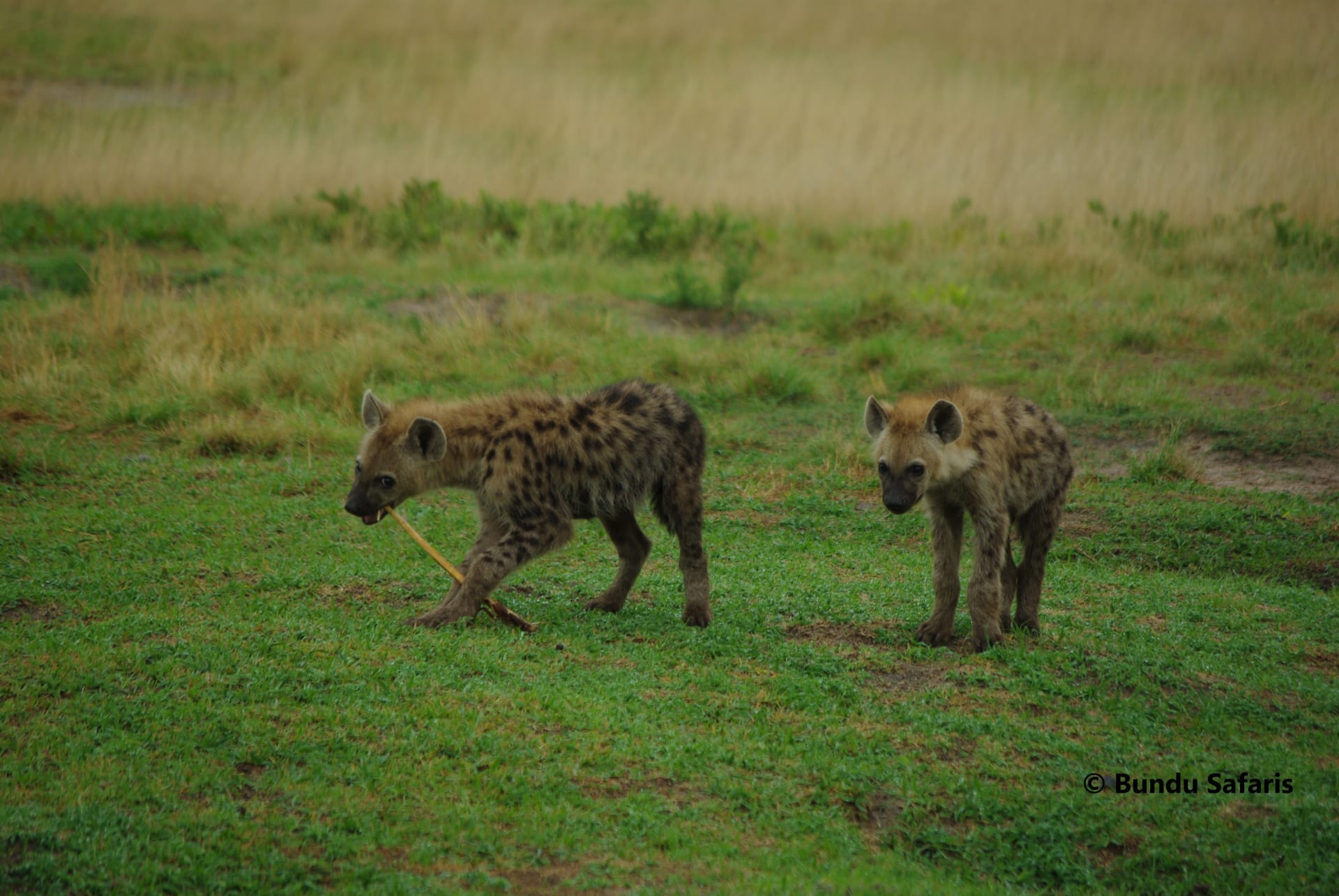 15 daysBundu Safaris Ltd
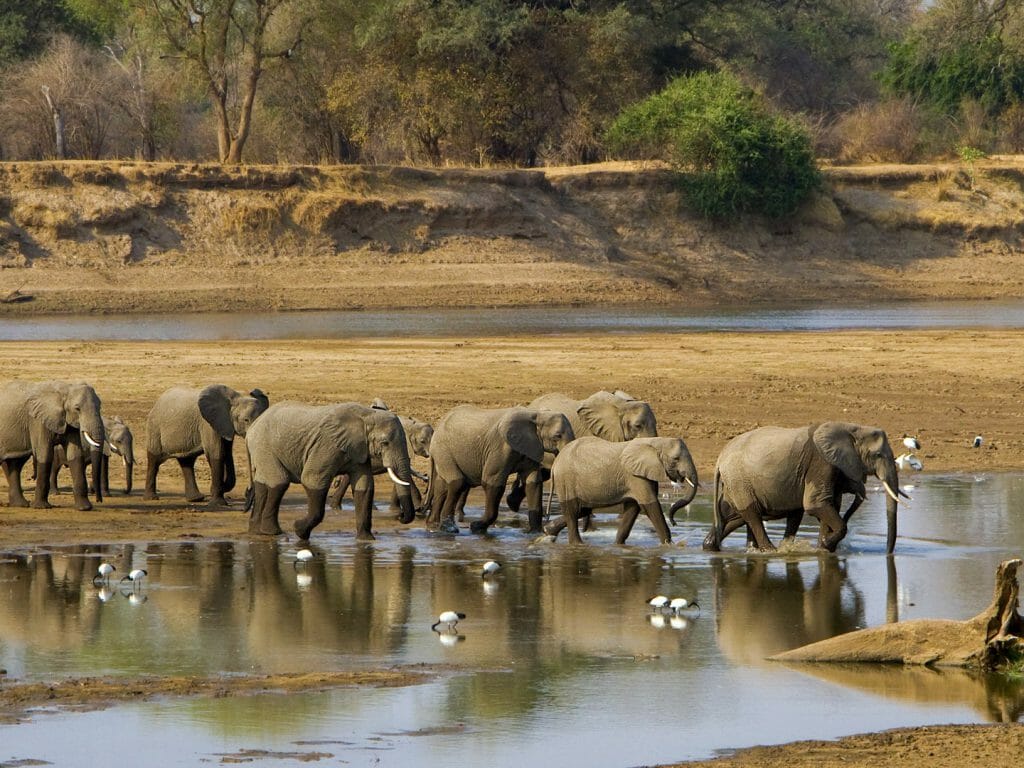 6 days
 Expert Safari Services LTD
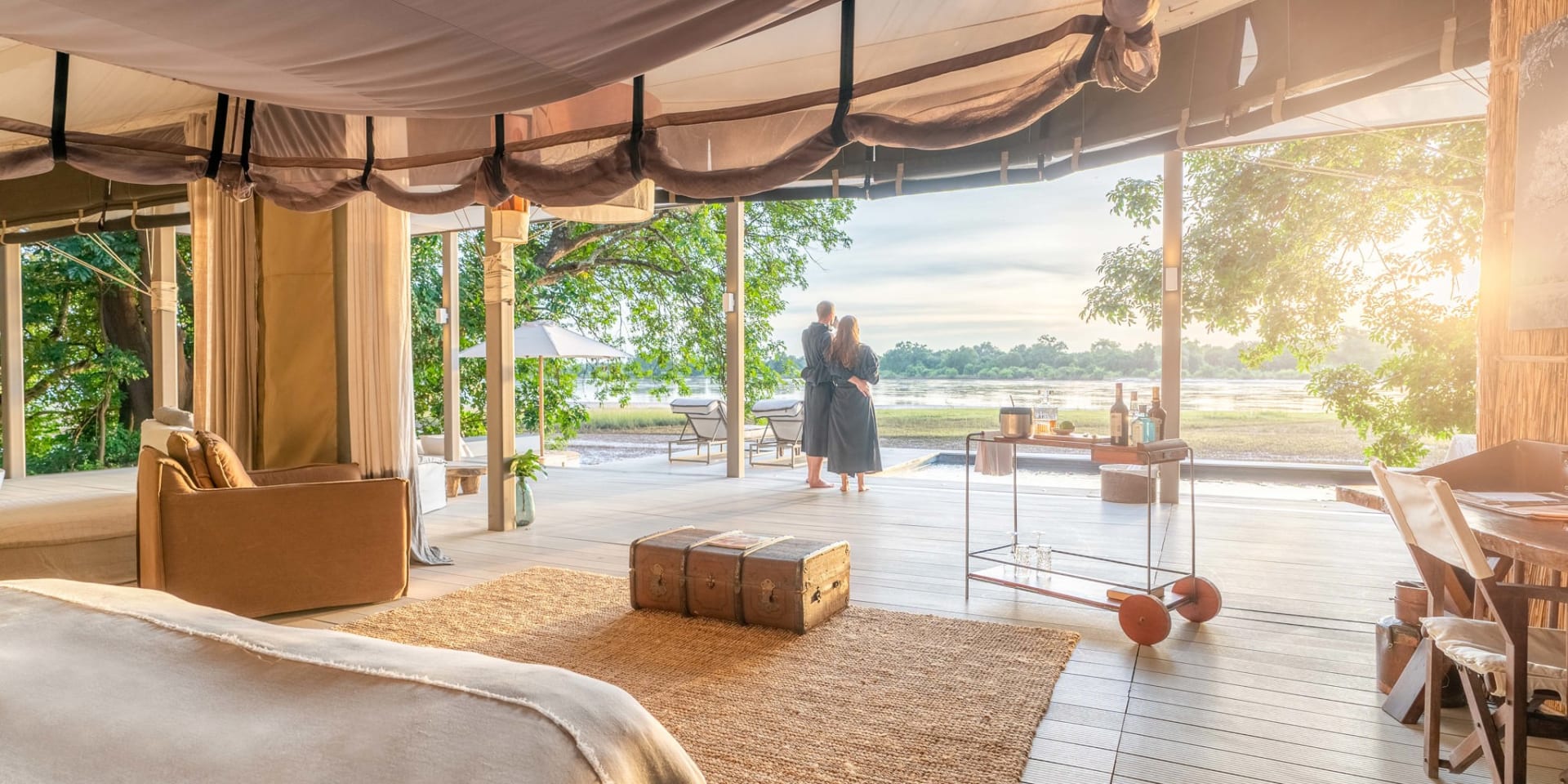 6 daysExpert Safari Services LTD
 15 daysExpert Safari Services LTD
 15 daysExpert Safari Services LTD
Park entry fees are approximately $82 USD per person. Average daily costs for guided safaris range from $250–$600+ per person depending on accommodation type: rustic bush camps cost $250–$350/day, mid-range lodges $350–$500/day, and luxury lodges $500–$800+/day. Prices typically include accommodation, meals, guided game drives or walks, and park fees. Budget an additional $150–$300 for international flights and ground transfers from Lusaka or Livingstone.
The dry season from May to October offers the best wildlife viewing, with peak conditions June through August. Water sources contract, concentrating animals along the Luangwa River; leopard sightings peak during this period. June–August bring cooler temperatures ideal for walking safaris. October approaches peak heat but offers stunning scenery before rains. The park closes November–March during the rainy season, though some lodges remain open for boat safaris. Book 3–6 months in advance for peak season (June–August) availability.
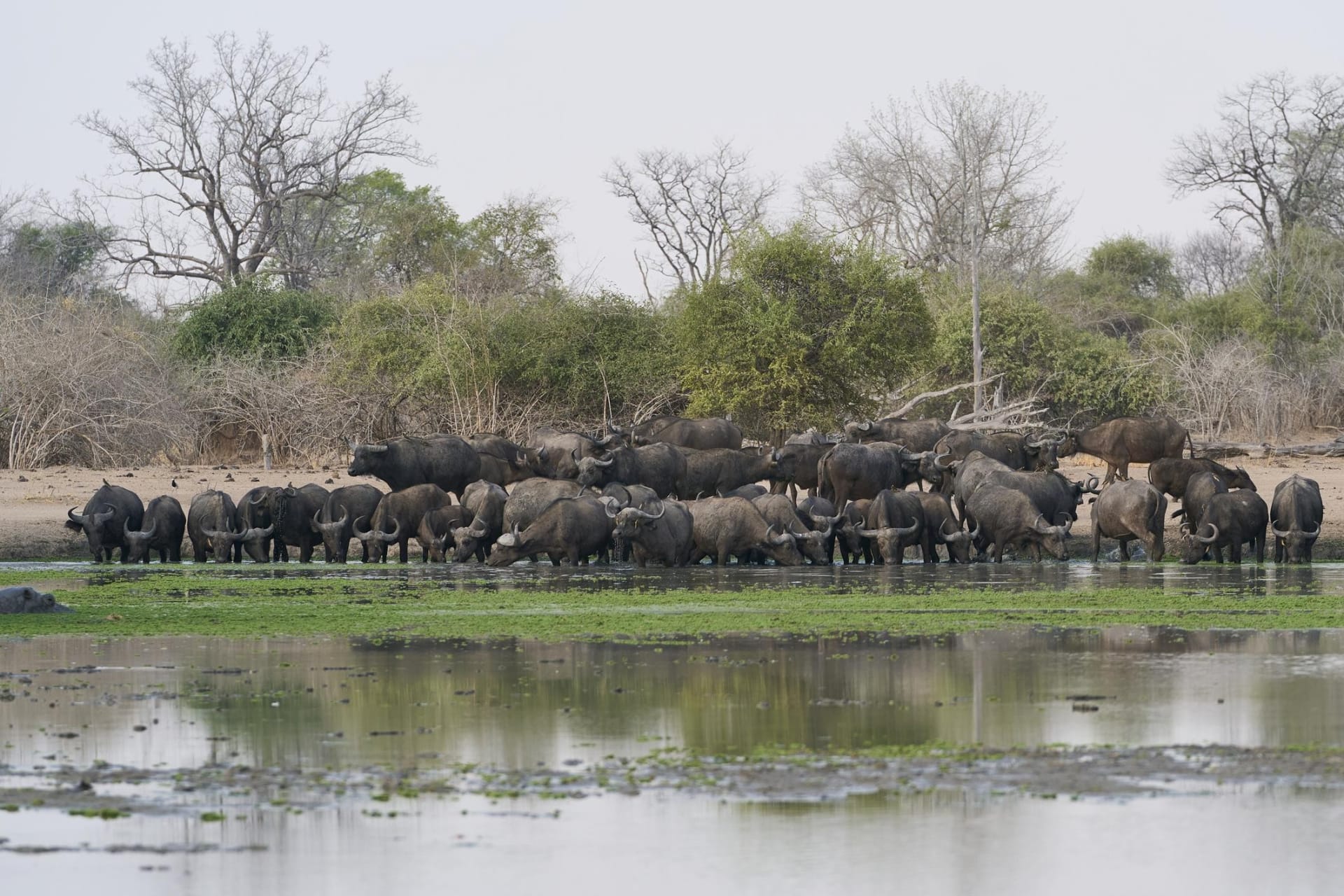
South Luangwa is home to all Big Five except black rhinos: African leopards (highest concentration in Africa), lions, elephants, buffalo, and hippos. The park holds more than 60 mammal species and 450 bird species. Endemic species include Thornicroft's giraffe, Cookson's wildebeest, and Crawshay's zebra found nowhere else. African wild dogs, spotted hyenas, puku antelope, and numerous other predators and herbivores thrive here. In October, thousands of hippos crowd deeper river pools in a spectacular natural gathering.
Fly into Mfuwe International Airport (MFU), 45 km south of the park, via daily charter flights from Lusaka (2.5 hours). Alternatively, fly into Lusaka International Airport (LUN), 650 km away, and take a domestic flight or 9–10 hour ground transfer. Most lodges arrange transfers from Mfuwe or Lusaka. Self-driving is not recommended; hire a professional guide with a 4WD vehicle. The park operates April–November only; roads close during rainy season.
Yes, South Luangwa is family-friendly with several accommodations catering to children. Many lodges offer age-appropriate activities: younger children (under 10) enjoy game drives in open vehicles, while older children and teens participate in walking safaris. Some camps provide evening activities and wildlife education. Check with individual lodges for age restrictions on walking safaris (typically 10+ years). Families should budget extra time for slower travel and rest breaks. Consult your doctor about malaria prophylaxis for children; medication dosages vary by age and weight.
A minimum of 3–4 days allows you to experience diverse habitats and wildlife encounters. Four days permits day and night game drives plus a guided walking safari, maximizing leopard and predator sightings. Five to seven days lets you explore remote areas, enjoy boat safaris (in season), and visit multiple ecosystems. First-time visitors should plan at least 4 days; returning visitors often extend to a week for deeper exploration. Longer stays increase chances of rare sightings like African wild dog hunts or leopard kills.
Accommodation ranges from rustic bush camps ($250–$350/night) to mid-range lodges ($350–$500/night) to luxury riverfront lodges ($500–$800+/night). The Mfuwe area (southern section) offers easier access but can feel touristy. Northern lodges along the Luangwa River provide more remote, pristine experiences with year-round operation. Many camps are unfenced, allowing wildlife to move freely through the property—elephants and hippos regularly pass through. Book 3–6 months ahead for peak season (June–August). SafariFind lets you compare all available options, read verified reviews, and book directly with operators.
Absolutely. South Luangwa offers Africa's highest leopard concentration, pioneering walking safaris, an undammed river ecosystem, and exceptional wildlife density—often with fewer crowds than other major safari destinations. The park's commitment to conservation and community engagement, combined with professional guides trained in animal behavior and ecology, creates unparalleled immersive experiences. If leopard viewing, walking safaris, and authentic wilderness rank high on your safari priorities, South Luangwa is a must-visit. Compared to Botswana or Tanzania, it offers comparable wildlife at lower costs with more intimate access.
Yes, a professional guide is required for all safaris. Self-drive safaris are not permitted. Guides are extensively trained and must pass rigorous examinations in animal behavior, ecology, conservation, and park history. A guide dramatically increases your chances of spotting leopards and understanding wildlife interactions. Walking safaris—the park's signature experience—require an armed guide for safety. All lodge packages include professional guides. The investment in a quality guide transforms your safari from passive observation to active learning about the Luangwa ecosystem.
You can compare safari packages, read verified traveler reviews, and book through trusted operators on SafariFind.com. This lets you compare prices, itineraries, and accommodation options across multiple verified operators, ensuring you find the best fit for your budget and interests. Alternatively, contact lodges directly or work with a travel agent specializing in Zambian safaris. Book 3–6 months in advance for peak season (June–August). SafariFind simplifies the process by aggregating verified operators and enabling direct booking with transparent pricing.
More places in Zambia
© 2026 SafariFind. All rights reserved.
 Ask about this