 1 / 5
1 / 5🇹🇿 TanzaniaSitio UNESCO
Ngorongoro Crater
Superficie
8292 km²
Altitud
2200 m
Entrada
Cargando SafariFind...
1 / 5Superficie
8292 km²
Altitud
2200 m
Entrada
App de SafariFind
Sigue tus solicitudes y reservas, y escribe a los operadores estés donde estés.

$80
Estancia ideal
2 días
Fundado en
1959
Aeropuerto más cercano
Kilimanjaro International Airport (KIA) near Arusha, approximately 50km away; also Arusha Airport
Ciudad más cercana: Arusha (150km away); Karatu (closer, with accommodation options)
 4 días
 Africa prince adventures
  4 días
 Alfamale Tours & Safaris
  10 días
 Eliana Kenia Luxury Safaris
 24 días
 iconic travel services limited
 13 díasiconic travel services limited
 7 días
 Imana Yawiza Explorers Limited
 12 días
 Eli-shama Divine Safaris
 6 díasImana Yawiza Explorers Limited
 6 díasImana Yawiza Explorers Limited
 4 díasImana Yawiza Explorers Limited
 4 díasImana Yawiza Explorers Limited
 13 díasEliana Kenia Luxury Safaris
Ngorongoro Crater es la mayor caldera volcánica intacta del mundo y la única caldera completa de la Tierra. Es Patrimonio Mundial de la UNESCO desde 1959 y se estableció como un área de uso múltiple en la que la fauna salvaje convive con pastores Maasai seminómadas. El fondo del cráter alberga una de las mayores concentraciones de fauna de África, con aproximadamente 25,000-30,000 grandes mamíferos, poblaciones excepcionales de leones y diversos ecosistemas reunidos en una única depresión geográfica.
Sí, Ngorongoro es, por lo general, un destino seguro para los turistas que lo visitan con guías y operadores turísticos autorizados. La Ngorongoro Conservation Area Authority (NCAA) gestiona la zona y cuenta con equipos contra la caza furtiva. Se recomienda contratar guías con experiencia, permanecer dentro de los vehículos durante los safaris, respetar la normativa del parque y evitar viajar en solitario. Se aplican las precauciones habituales de un safari: llevar protección solar, agua suficiente y ropa adecuada para los cambios de altitud y las condiciones meteorológicas.
Sí, los vehículos todoterreno pueden acceder al fondo del cráter a través de un pronunciado descenso. El terreno está formado por suelo volcánico, praderas y vegetación dispersa. El fondo del cráter se encuentra aproximadamente 600 metros por debajo del borde, a 2,200 metros de altitud. El acceso puede resultar complicado durante las épocas de lluvia, cuando las carreteras se vuelven embarradas y difíciles de transitar. El descenso dura unos 30-45 minutos y los safaris por el fondo suelen durar 4-6 horas. Los visitantes disfrutan de un microclima único, con temperaturas más frescas y niebla frecuente en el borde.
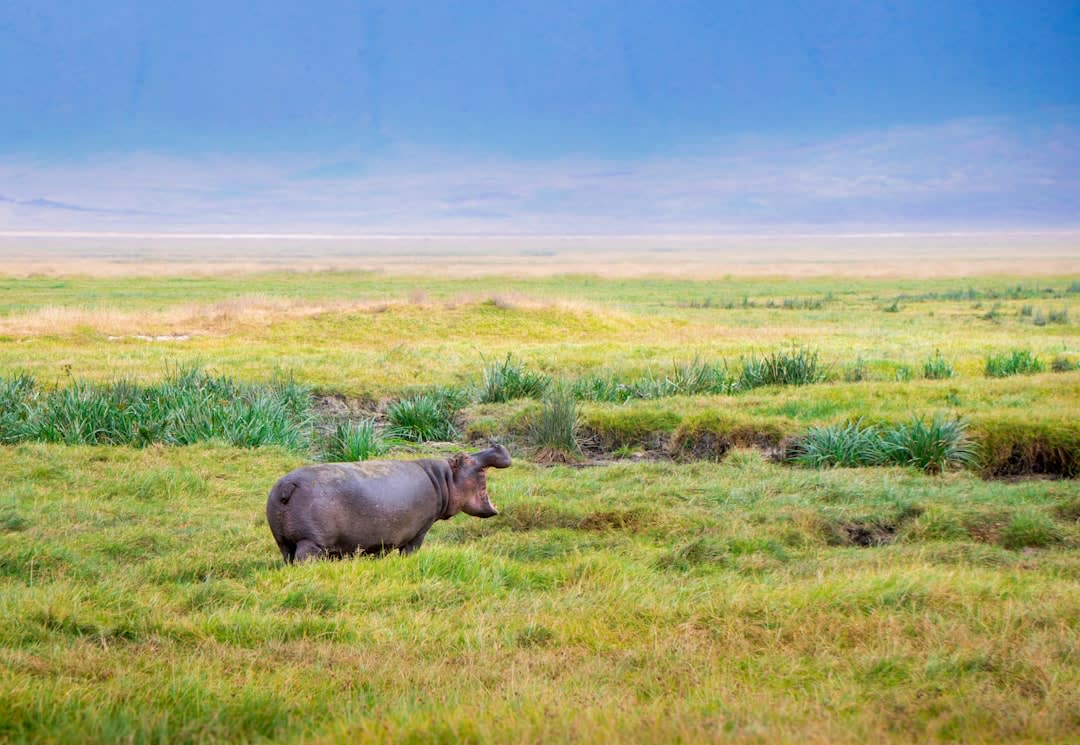
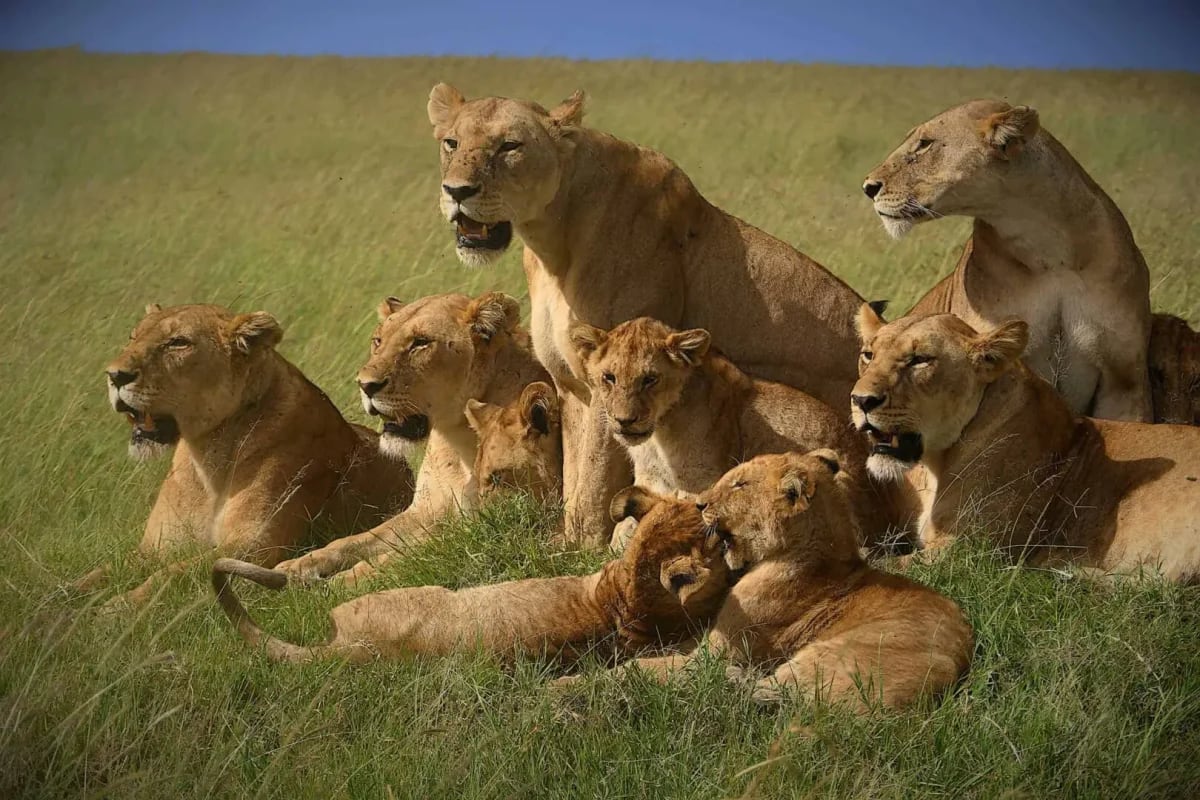
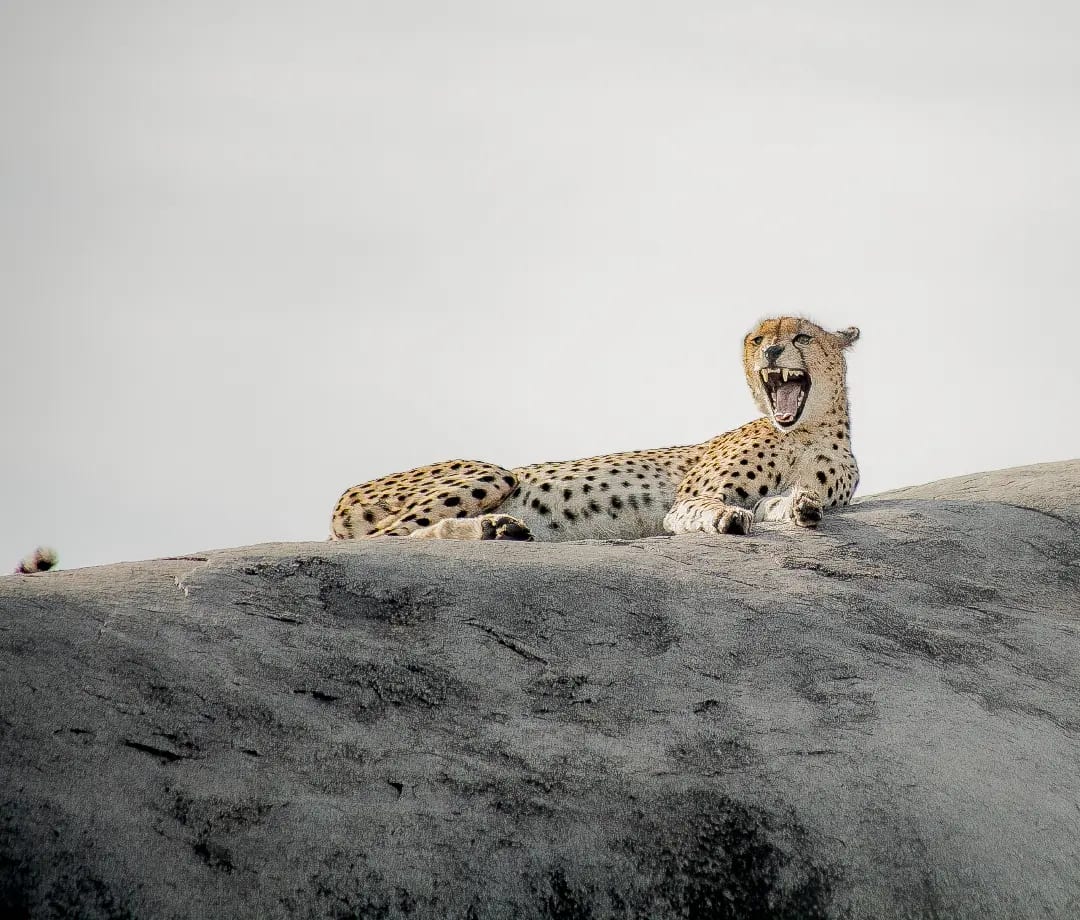
El cráter alberga aproximadamente 25,000-30,000 grandes mamíferos, incluidos ñus, cebras, búfalos, elandes, leones —con una densidad excepcionalmente elevada—, leopardos, elefantes, hipopótamos y rinocerontes negros en peligro de extinción. La observación de aves es excelente, con flamencos y una gran diversidad de especies alrededor de Ndutu Lake. La estación seca —de junio a octubre y de enero a febrero— ofrece las mejores condiciones para avistar fauna, ya que los animales se concentran alrededor de las fuentes de agua. De diciembre a febrero es especialmente buena para observar la temporada de nacimientos, cuando aumenta la actividad de los depredadores. Más de 500,000 visitantes al año avalan las constantes oportunidades de avistamiento de fauna.
Se recomienda un mínimo de 2 días para conocer adecuadamente el fondo y el borde del cráter. Muchos visitantes pasan 3 días para incluir la exploración de Olduvai Gorge y Ndutu Lake. Ngorongoro se encuentra en una ubicación ideal dentro del famoso Ngorongoro-Serengeti-Mara Ecosystem y suele combinarse con Serengeti National Park, situado cerca, y Lake Natron. El área de conservación está a 180 km de Arusha, por lo que resulta accesible como parte de safaris por varios destinos del norte de Tanzania. La mayoría de los itinerarios de safari reservan específicamente 2-3 días para Ngorongoro.
© 2026 SafariFind. Todos los derechos reservados.
 Preguntar