1 / 5
1 / 5🇹🇿 TanzaniaSito UNESCO
Nyerere National Park
Superficie
30.893 km²
Altitudine
100 m
Ingresso
Caricamento di SafariFind...
1 / 5Superficie
30.893 km²
Altitudine
100 m
Ingresso
App SafariFind
Segui le tue richieste e prenotazioni e scrivi agli operatori ovunque ti trovi.

$65
Durata ideale
4 giorni
Aeroporto più vicino
Dar es Salaam International Airport or Kilimanjaro International Airport
Località più vicina: Dar es Salaam
 5 giorni
 Alfamale Tours & Safaris
  2 giorniAlfamale Tours & Safaris
  3 giorniAlfamale Tours & Safaris
  3 giorni
 Plex Africa Safaris
 3 giorni
 AFRICAN PANGOLIN SAFARIS
 2 giorniAlfamale Tours & Safaris
  5 giorni
 Kihindo Tours and Safaris
 3 giorniKihindo Tours and Safaris
 3 giorni
 Wild Dreams Adventure
 1 giornoAlfamale Tours & Safaris
 Il Nyerere National Park è stato istituito nel 2019 e comprende la porzione settentrionale di quella che in precedenza era la Selous Game Reserve. Il parco è stato intitolato a Julius Kambarage Nyerere, il primo presidente della Tanzania. La porzione meridionale rimanente continua a essere la Selous Game Reserve. La trasformazione in parco nazionale garantisce una protezione più efficace e misure di conservazione più rigorose per contrastare il bracconaggio e preservare l'ecosistema.
Sì, il Nyerere National Park è sicuro per i turisti che lo visitano con operatori autorizzati e guide professioniste. Il parco è amministrato da TANAPA (Tanzania National Parks Authority) e dispone di misure di sicurezza. Tutti i safari si svolgono con guide esperte, che garantiscono la sicurezza dei visitatori mantenendo le distanze corrette dalla fauna. È essenziale seguire tutte le istruzioni della guida e le norme del parco per vivere un'esperienza sicura e piacevole.
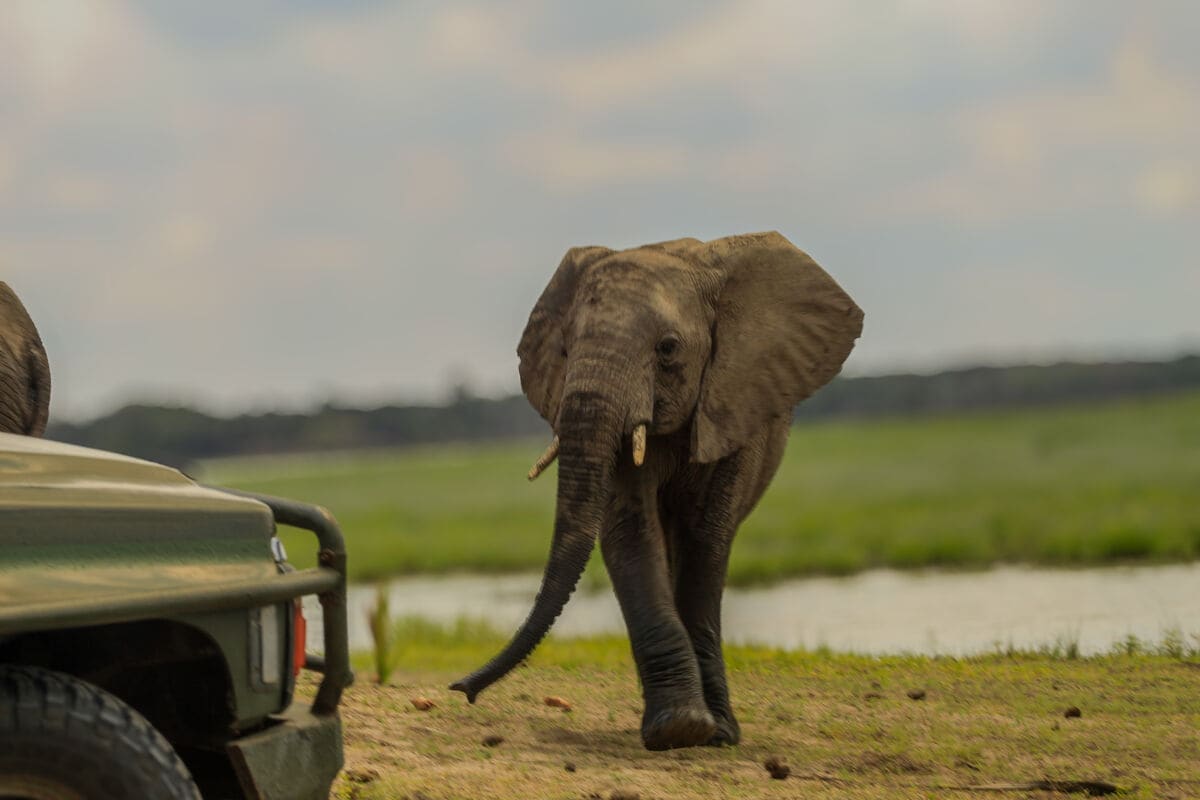
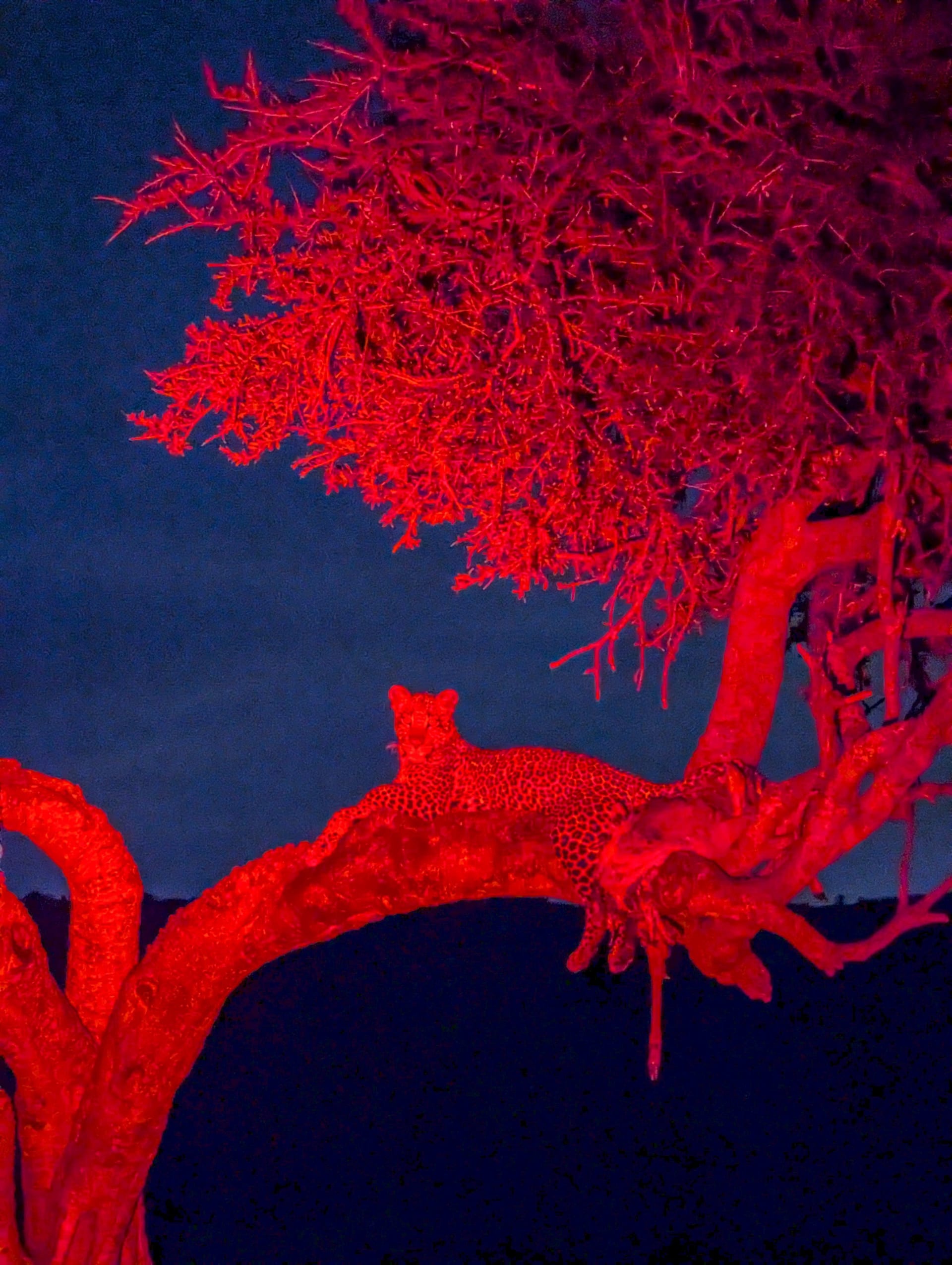
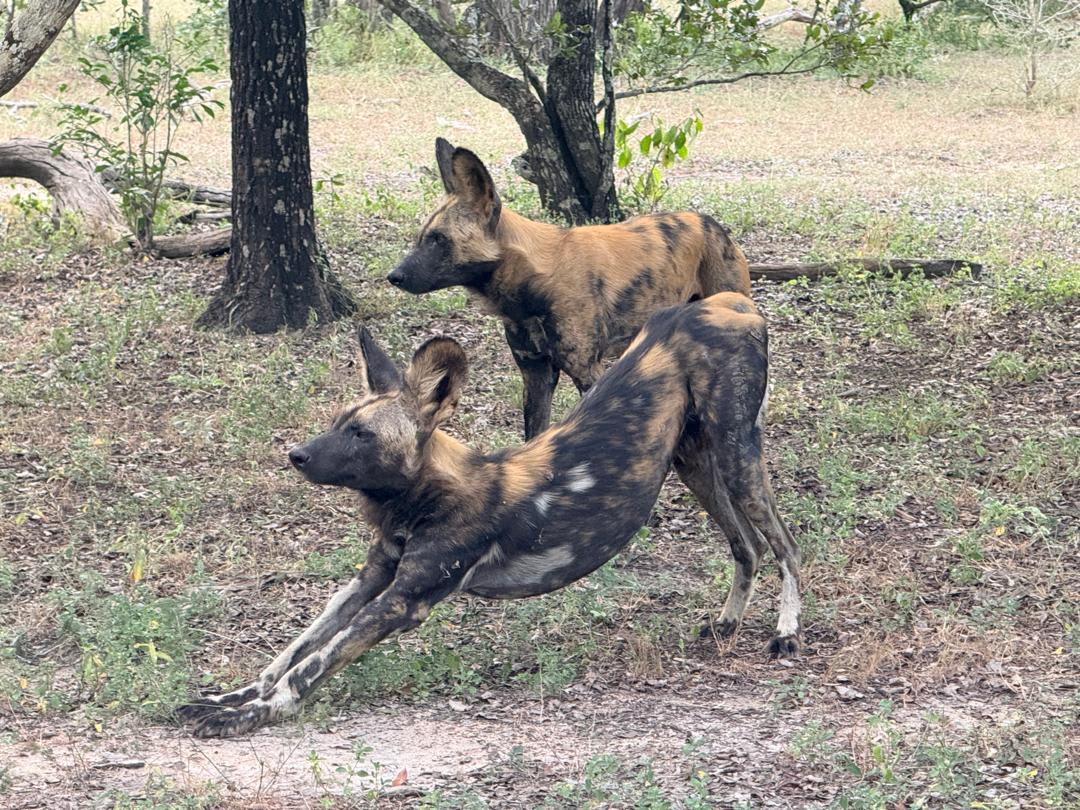
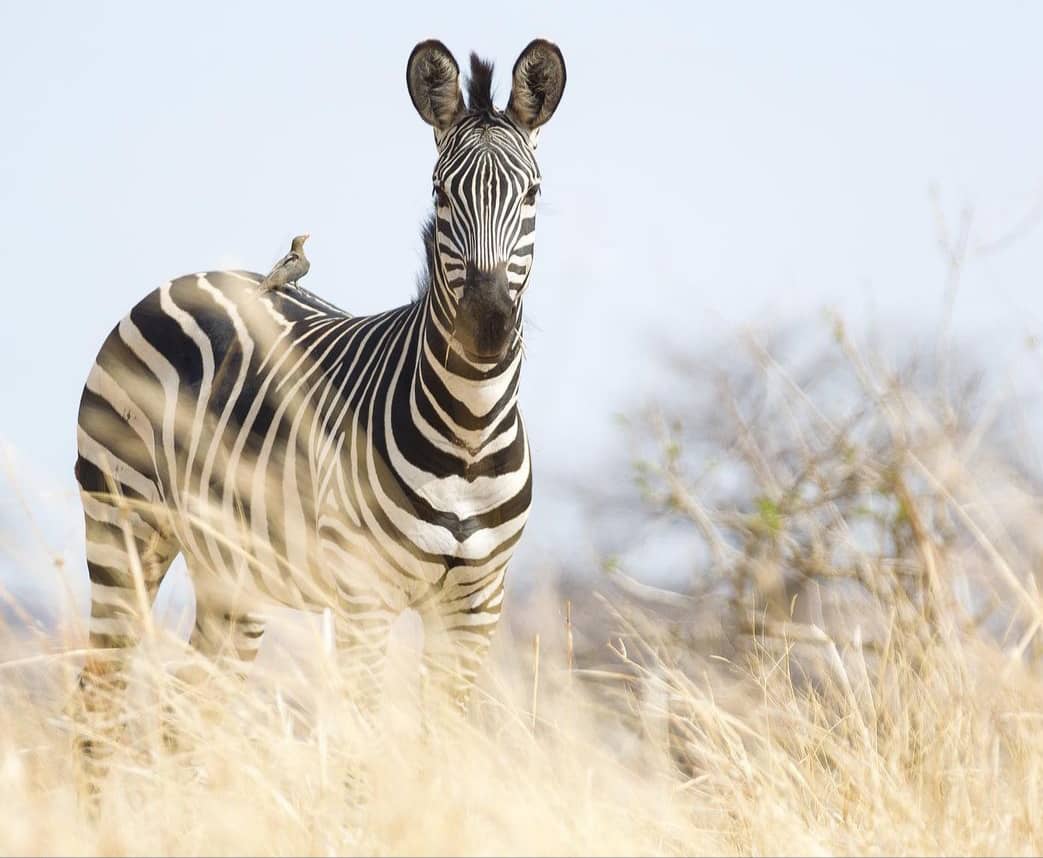
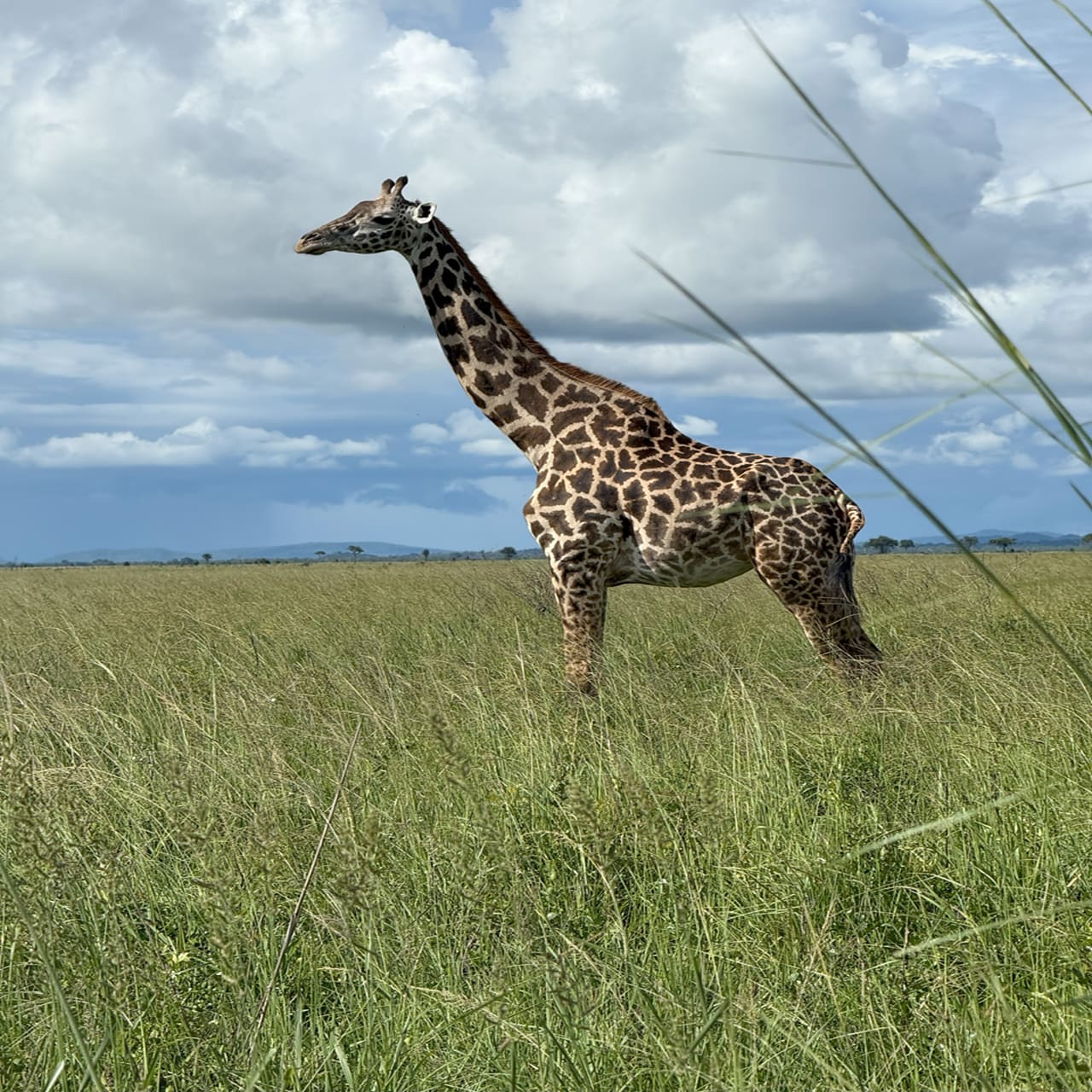
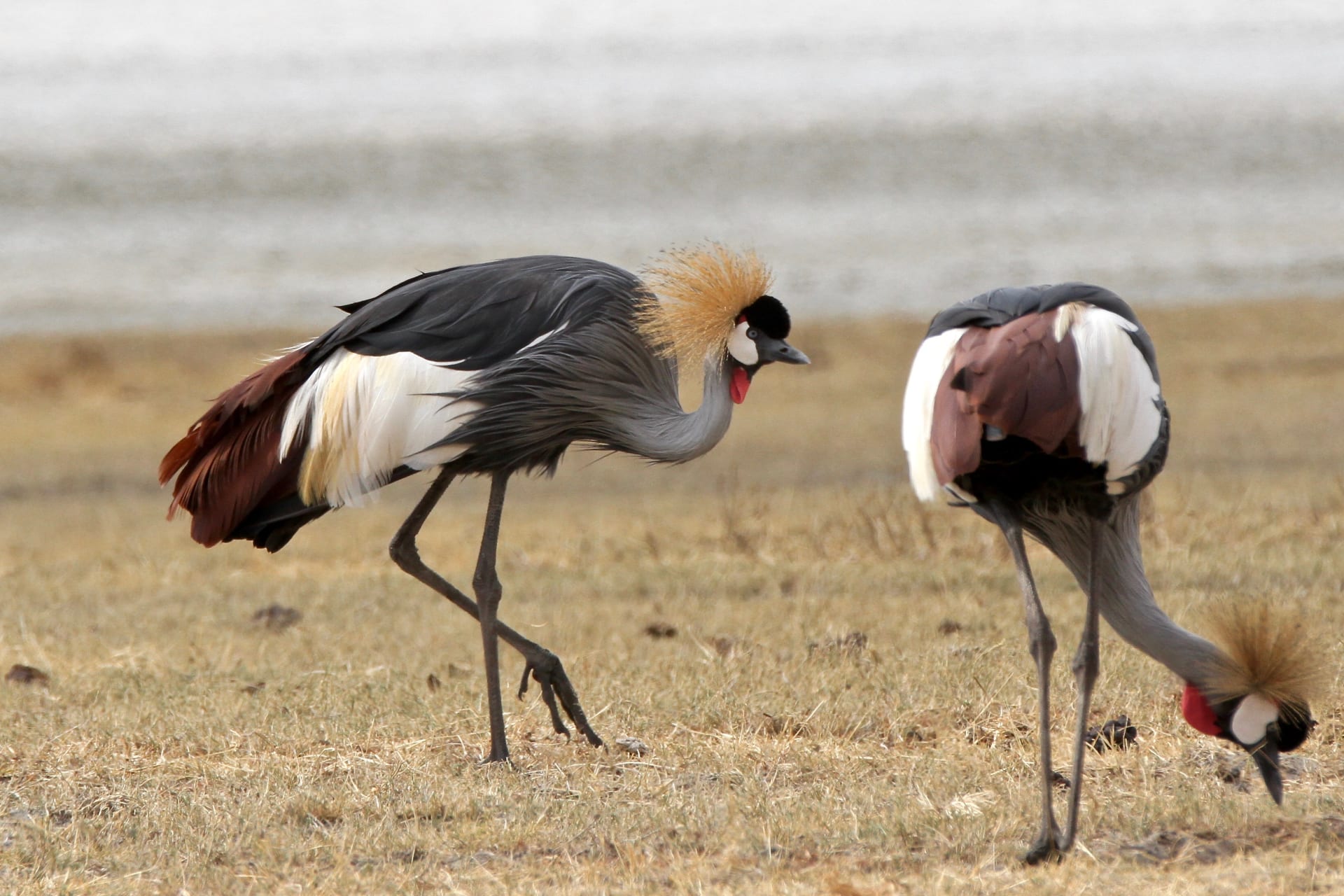
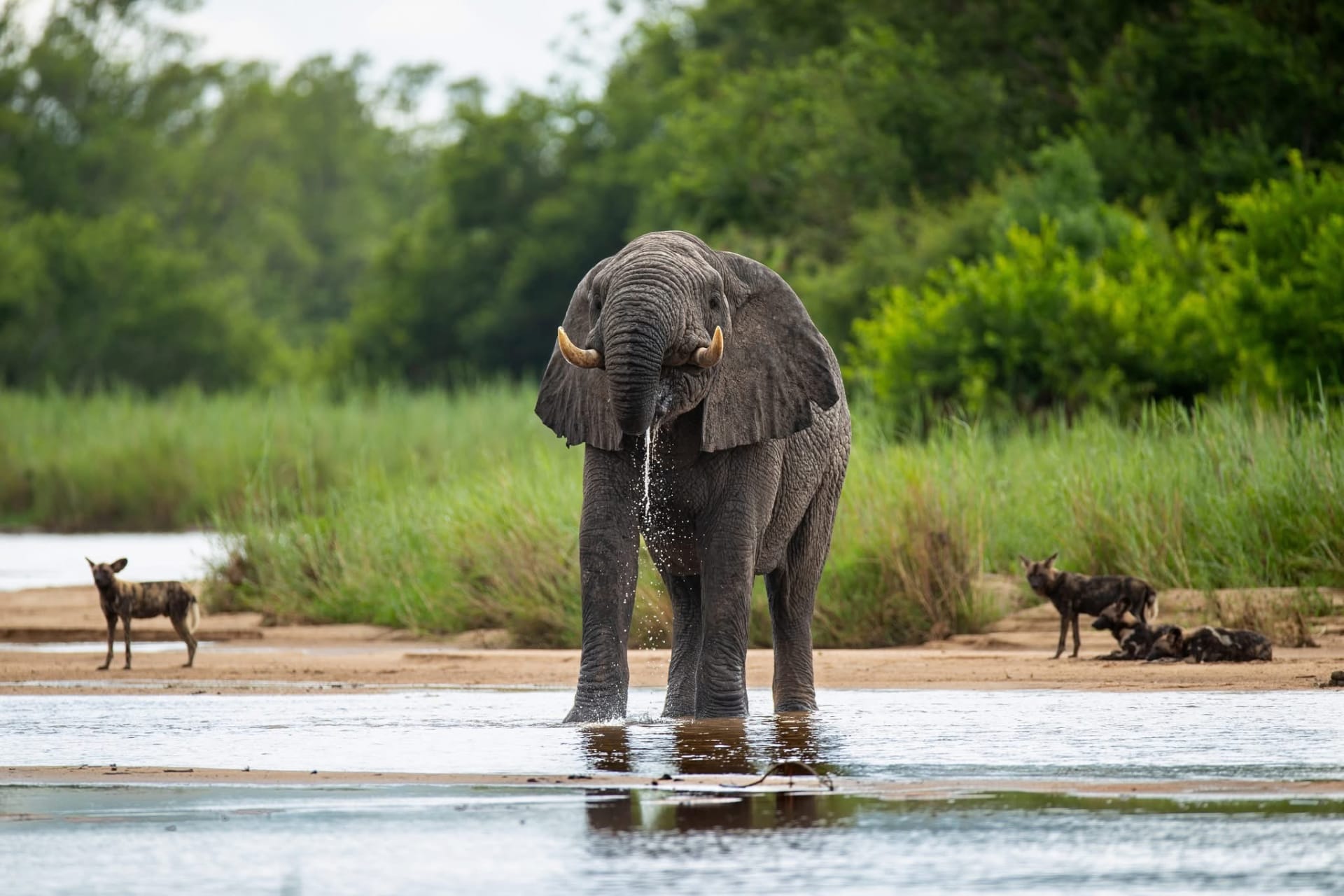
Il Nyerere ospita la più grande popolazione ancora esistente di licaoni africani, oltre a importanti popolazioni di elefanti, leoni, leopardi, rinoceronti neri, ippopotami e coccodrilli. Il parco vanta anche oltre 440 specie di uccelli, risultando eccezionale per il birdwatching. Bufali, giraffe, gnu, zebre, antilopi d'acqua e antilopi zibellino sono avvistati comunemente. L'ecosistema del fiume Rufiji sostiene inoltre numerose specie acquatiche e semiacquatiche.
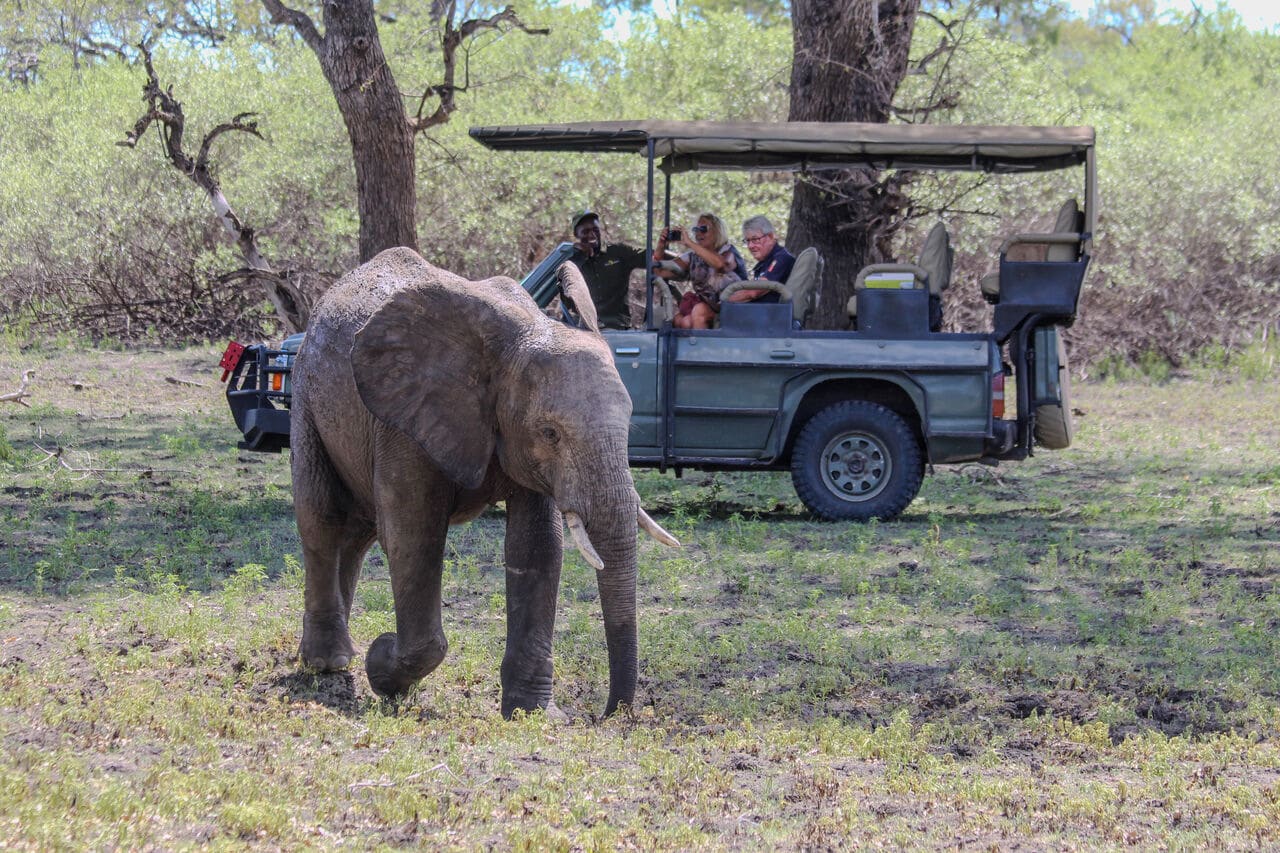
Il parco offre esperienze safari diverse, adatte a preferenze differenti. I safari in barca sul fiume Rufiji sono particolarmente rinomati per l'osservazione di ippopotami e coccodrilli e si svolgono in zone designate per la fotografia. I safari a piedi permettono incontri ravvicinati con la fauna e insegnano le tecniche di tracciamento. I safari in 4x4 offrono un'ampia osservazione della fauna nei diversi habitat. Le spedizioni di fly camping regalano un'esperienza immersiva nella natura selvaggia. La maggior parte dei visitatori combina più attività durante il soggiorno per vivere il maggior numero possibile di esperienze.
Il Nyerere National Park copre 30,893 chilometri quadrati (11,928 miglia quadrate), risultando il più grande parco nazionale della Tanzania e uno dei più grandi santuari faunistici del mondo. Includendo le zone cuscinetto, l'area protetta si estende per circa 50,000 chilometri quadrati, risultando più grande della Danimarca. Questa immensa distesa sostiene ecosistemi diversi, tra cui savane, foreste, zone umide e sistemi fluviali.
© 2026 SafariFind. Tutti i diritti riservati.
 Chiedi