 1 / 8
1 / 8 5 giorniPrivato
Avventura safari di 5 giorni in Tanzania
di
Caricamento di SafariFind...
1 / 8di
App SafariFind
Segui le tue richieste e prenotazioni e scrivi agli operatori ovunque ti trovi.

Arrivo in Tanzania e viaggio verso il Serengeti
Serengeti National Park
Pasti: Cena
Esperienza safari di un'intera giornata nel Serengeti
Serengeti National Park
Pasti: Colazione, Pranzo, Cena
Dal Serengeti all'Area di Conservazione di Ngorongoro
Ngorongoro
Pasti: Colazione, Pranzo, Cena
Esplorazione di un'intera giornata nel Cratere di Ngorongoro
Ngorongoro Crater
Pasti: Colazione, Pranzo, Cena
Ritorno ad Arusha e partenza
Arusha City
Pasti: Colazione
High Season
giu 2026 – ott 2026
Low Season
nov 2026 – mag 2027
| Season | Viaggiatore singolo | 2 persone | 3 – 4 persone | 5 – 6 persone | 7+ persone | Tariffa bambini | Suppl. singola |
|---|---|---|---|---|---|---|---|
High Season giu 2026 – ott 2026 | 1425 USD | 950 USD | 855 USD | 808 USD | 760 USD | 665 USD | 285 USD |
Low Season nov 2026 – mag 2027 | 1211 USD |
La tariffa bambini si applica ai viaggiatori sotto i 12 anni. Il supplemento singola si applica ai viaggiatori soli che occupano una camera propria.
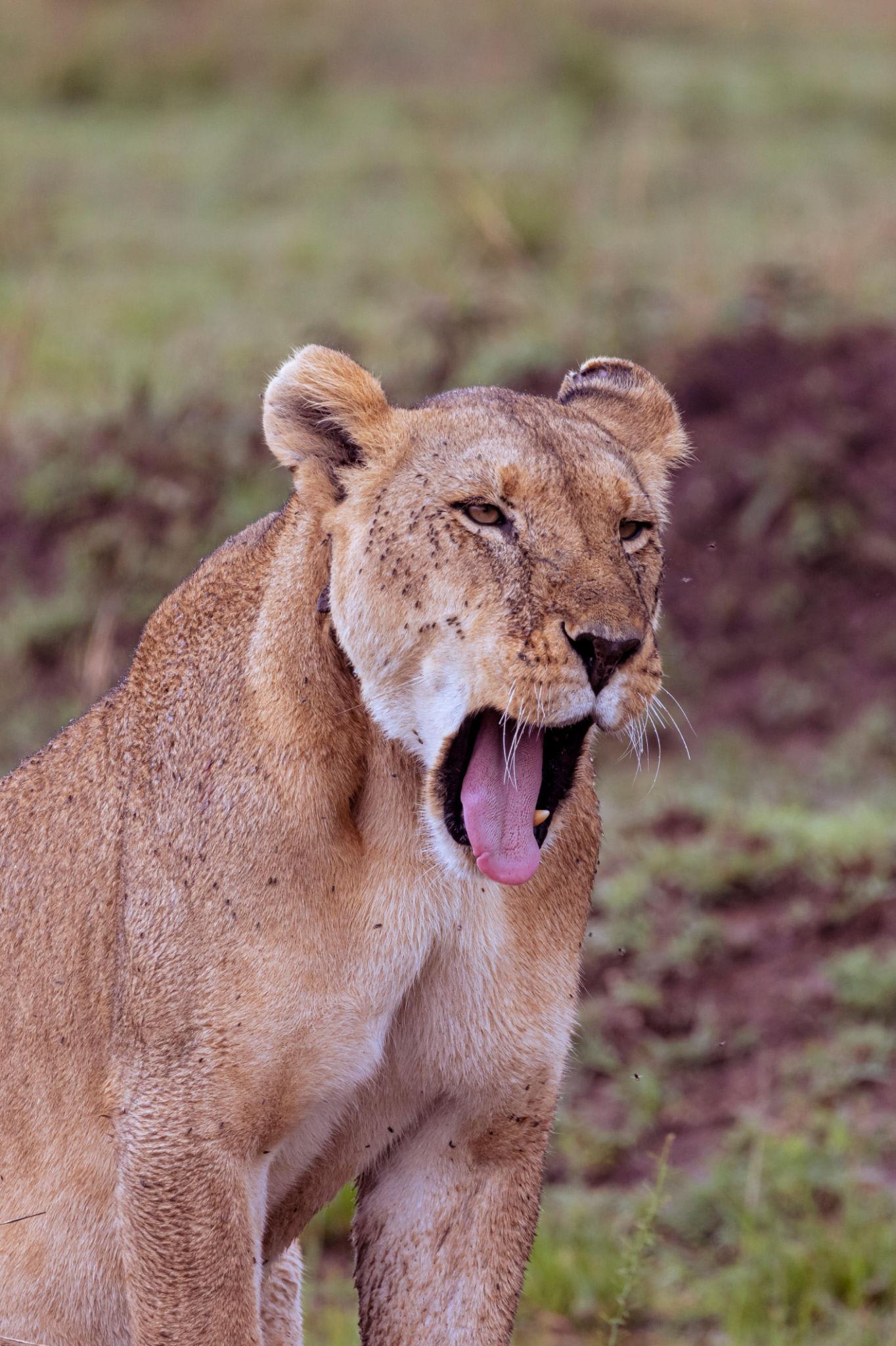
Il Parco Nazionale del Serengeti e il Cratere di Ngorongoro in Tanzania ospitano una straordinaria varietà di fauna selvatica. Potrete avvistare i Big Five—leoni, elefanti, bufali, leopardi e rinoceronti—oltre a zebre, giraffe, gnu, iene, ghepardi e più di 500 specie di uccelli. Il Cratere di Ngorongoro è particolarmente rinomato per la concentrazione della fauna, con migliaia di animali che si riuniscono in questo anfiteatro naturale. L'osservazione degli animali è eccezionale tutto l'anno, anche se i ritmi stagionali influenzano il comportamento e la distribuzione della fauna nel paesaggio.
La Tanzania offre esperienze safari di livello mondiale tutto l'anno, ma le stagioni secche garantiscono condizioni ottimali. La stagione secca principale va da June a October, mentre quella secondaria si verifica da January a February. In questi periodi, l'osservazione della fauna è eccezionale grazie ai cieli più limpidi, alle migliori condizioni delle strade e agli animali che si radunano intorno alle fonti d'acqua. Tuttavia, ogni stagione offre vantaggi unici: le stagioni umide portano paesaggi rigogliosi e la stagione delle nascite, mentre quelle secche permettono di ammirare i celebri percorsi migratori. Nella scelta delle date, considerate le vostre priorità in fatto di fauna e le preferenze relative al comfort.
Un safari tipico in Tanzania prevede 4-5 ore di fotosafari al giorno, generalmente suddivise tra spedizioni al mattino presto e nel tardo pomeriggio, quando la fauna è più attiva e le temperature sono più miti. Questo programma massimizza le opportunità di avvistamento mantenendo il comfort e prevenendo la stanchezza da safari. Gli orari seguono i ritmi naturali degli animali: predatori e prede sono infatti più attivi nelle ore più fresche della giornata. La vostra guida esperta adatterà i fotosafari in base agli avvistamenti e alle vostre preferenze.
La maggior parte dei visitatori internazionali arriva all'Arusha Airport, situato vicino alla città di Arusha, porta d'accesso alla Tanzania settentrionale. Da qui, prenderete voli domestici panoramici diretti ai vostri lodge safari nelle regioni del Serengeti e di Ngorongoro. Questi voli riducono i tempi di trasferimento e vi permettono di dedicare più tempo alla scoperta della natura selvaggia. I trasferimenti dall'aeroporto di Arusha sono generalmente inclusi nei pacchetti safari, per garantire collegamenti senza interruzioni con le strutture ricettive. Il volo da Arusha alle regioni dei safari dura solitamente 1-2 ore e offre viste aeree spettacolari sul paesaggio.
Portate abiti leggeri dai colori neutri e nelle tonalità della terra (cachi, beige, oliva, marrone), in armonia con il paesaggio e poco invasivi per la fauna. Includete camicie a maniche lunghe e pantaloni per proteggervi dal sole e dagli insetti, scarpe comode da camminata e uno strato caldo per i fotosafari del mattino presto, quando le temperature si abbassano. Tra gli articoli indispensabili: crema solare ad alta protezione, cappello a tesa larga, occhiali da sole, binocolo per osservare gli animali, macchina fotografica con batterie di ricambio e i farmaci personali. Portate una giacca antipioggia leggera per eventuali acquazzoni, soprattutto nei mesi più umidi. Limitate i prodotti da toilette a piccole quantità, poiché le strutture forniscono generalmente i necessari articoli di cortesia. Evitate colori vivaci e prodotti profumati, che potrebbero attirare gli insetti.
I requisiti per il visto della Tanzania dipendono dalla vostra nazionalità: prima della partenza, verificate con l'ambasciata o il consolato della Tanzania nel vostro Paese. La maggior parte dei visitatori necessita di un visto, che spesso può essere ottenuto all'arrivo o richiesto in anticipo. Per quanto riguarda le vaccinazioni, quella contro la febbre gialla è raccomandata per la Tanzania e alcuni Paesi potrebbero richiedere una prova della vaccinazione per l'ingresso. Anche la profilassi antimalarica è generalmente consigliata nelle regioni dei safari. Consultate il vostro medico o un centro di medicina dei viaggi almeno 4-6 settimane prima della partenza, per valutare le vaccinazioni e i farmaci preventivi più adatti in base alla vostra storia clinica e alle regioni visitate.
I pacchetti safari ultra-lusso in Tanzania includono generalmente il trattamento di pensione completa, con tre pasti al giorno—colazione, pranzo e cena—preparati secondo standard elevati. I menu combinano spesso cucina internazionale e specialità locali tanzaniane, adattandosi a diverse esigenze alimentari se comunicate in anticipo. Gli alloggi sono lodge e campi di livello mondiale, situati in posizioni ideali per massimizzare l'osservazione della fauna e il comfort, con servizi quali bagni privati, letti confortevoli e spesso viste spettacolari sul paesaggio. Durante i fotosafari viene fornita acqua in bottiglia e la maggior parte dei lodge offre anche bevande e spuntini aggiuntivi. L'esperienza ultra-lusso garantisce un servizio personalizzato, fotosafari privati e grande attenzione ai dettagli per tutta la durata del soggiorno.
La Grande Migrazione nel Serengeti della Tanzania è un fenomeno naturale durante il quale milioni di gnu, zebre e altri erbivori attraversano l'ecosistema seguendo le piogge stagionali. Il percorso migratorio varia nel corso dell'anno: le mandrie si dirigono generalmente verso nord, in Kenya, da June a October, e tornano verso sud da November a May. Un safari di 5 giorni può certamente includere l'osservazione della migrazione se programmato al momento giusto, anche se gli avvistamenti dipendono dalle date precise e dagli spostamenti degli animali. La vostra guida esperta vi posizionerà strategicamente per incontrare la migrazione in base alle condizioni del momento. Per avere la maggiore probabilità di assistere a questo spettacolo, pianificate il safari durante i periodi di punta della migrazione nelle regioni che visiterete.
Sebbene non sia sempre obbligatoria, un'assicurazione di viaggio è vivamente consigliata per qualsiasi safari internazionale. Una polizza completa dovrebbe coprire emergenze mediche, cancellazione del viaggio, servizi di evacuazione e smarrimento dei bagagli: tutte protezioni importanti quando si viaggia in remote regioni di safari. Considerata la posizione della Tanzania e la natura del viaggio, la copertura per l'evacuazione è particolarmente preziosa. Molte polizze prevedono requisiti o esclusioni specifiche per i viaggi avventurosi: esaminate quindi attentamente la copertura e assicuratevi che includa le attività di safari. Acquistate l'assicurazione prima della partenza, così da essere protetti fin dal momento del viaggio, e tenete la documentazione facilmente accessibile per tutta la durata dell'itinerario.
I pacchetti safari ultra-lusso includono generalmente i biglietti d'ingresso ai parchi, la sistemazione, tutti i pasti (colazione, pranzo e cena), veicoli safari 4x4 privati, guide professionali di lingua inglese, acqua in bottiglia durante i fotosafari e trasferimenti aeroportuali. Le tasse governative e l'IVA sono solitamente incluse. In genere sono invece esclusi i voli internazionali, le spese per il visto, l'assicurazione di viaggio, le spese personali, le mance per guide e personale, le vaccinazioni di viaggio e le attività opzionali al di fuori dell'itinerario principale. Verificate con il vostro operatore safari le inclusioni e le esclusioni specifiche, poiché alcuni possono offrire extra come voli in mongolfiera, passeggiate nella natura o visite alle comunità locali. Prevedete un budget separato per questi servizi e per le mance, consuetudine nel settore dei safari.
 isale safaris company limitedkilimanjaro, Tanzania
© 2026 SafariFind. Tutti i diritti riservati.
| 808 USD |
| 727 USD |
| 687 USD |
| 646 USD |
| 665 USD |
| 285 USD |