10 daysPrivate
10-Day South Africa Wildlife Safari Tour
by
Highlights
- Game Drive
- City Orientation Tour
Loading SafariFind...
by
Arrival in Johannesburg
Johannesburg
Meals: Breakfast
Johannesburg – Hazyview (via Panorama Route)
Hazyview
Meals: Breakfast, Dinner
Full-Day Kruger Safari
Kruger National Park
Meals: Breakfast, Dinner
Full-Day Kruger Safari
Kruger National Park
Meals: Breakfast, Dinner
Sabi Sands Game Reserve
Sabi Sand Game Reserve
Meals: Breakfast, Lunch, Dinner
Sabi Sands Game Reserve
Hazyview
Meals: Breakfast, Lunch, Dinner
Sabi Sands - Skukuza Airport - Cape Town
Cape Town
Meals: Breakfast
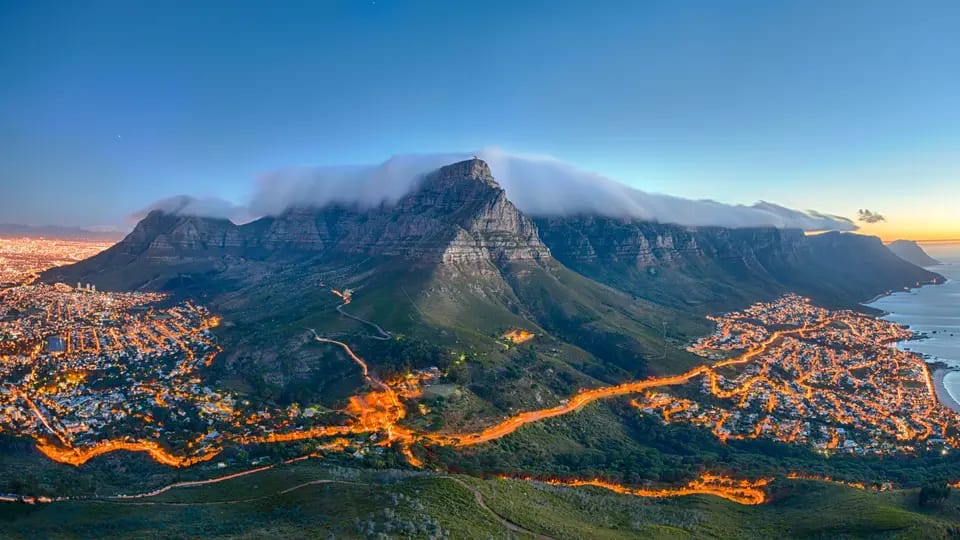
Cape Town City Tour & Table Mountain Tour
Cape Town
Meals: Breakfast
Full-Day Cape Point Tour
Cape Town
Meals: Breakfast
Cape Town Departure
Cape Town
Meals: Breakfast
Year Round
Year-round
| Season | Solo traveller | 2 people | 3 – 4 people | 5 – 6 people | 7+ people | Child rate | Single suppl. |
|---|---|---|---|---|---|---|---|
Year Round Year-round | $4,362 | $2,908 | $2,617 | $2,472 | $2,326 | $2,036 | $872 |
Child rate applies to travelers under 12 years. Single supplement applies to solo travelers taking their own room.
Kruger National Park is home to an incredible diversity of wildlife, including the Big Five: lions, leopards, elephants, buffalo, and rhinoceros. You'll also encounter numerous other species such as giraffes, zebras, wildebeest, hyenas, wild dogs, cheetahs, antelopes, warthogs, and over 500 bird species. The park's varied habitats—from grasslands to riverine forests—support this rich ecosystem. Your best chances of spotting wildlife are during early morning and late afternoon game drives when animals are most active. The dry season (May to September) typically offers better wildlife viewing as animals congregate around water sources.
A 10-day South Africa safari is an ideal duration that allows you to experience multiple regions and ecosystems without feeling rushed. This timeframe gives you sufficient time for multiple game drives in Kruger National Park and Sabi Sands Game Reserve—typically 2-3 days in each location—which increases your chances of encountering diverse wildlife. The remaining days allow you to explore the scenic Panorama Route, experience the Garden Route with its unique attractions like ostrich farms and caves, and explore Cape Town's iconic landmarks. While shorter 5-7 day safaris are possible, 10 days provides a more comprehensive and relaxed experience.
The best time to visit Kruger National Park is during the dry season, from May to September, when vegetation is sparse, water sources concentrate wildlife, and cooler temperatures make game viewing more comfortable. July and August are peak months with excellent wildlife sightings but also higher tourist numbers. The wet season (November to March) brings lush landscapes and is ideal for birdwatching, with fewer tourists, though wildlife can be more dispersed. Consider your priorities: if wildlife viewing is paramount, choose the dry season; if you prefer fewer crowds and don't mind more challenging conditions, the shoulder seasons (April-May and September-October) offer good compromises.
Pack neutral-colored, lightweight clothing in earth tones (khaki, olive, beige) to blend with the landscape and avoid startling wildlife. Bring layers as mornings and evenings can be cool, especially during winter months (May-August). Essential items include a wide-brimmed hat, high-SPF sunscreen, sunglasses, and insect repellent. Comfortable walking shoes and closed-toe boots are important for game drives and exploring. Don't forget binoculars, a camera with a good zoom lens, and a journal. Include personal medications, toiletries, and any necessary prescriptions. A light rain jacket is useful year-round. Check with your operator about specific recommendations, and avoid bright colors and perfumes that might disturb wildlife.
Visa requirements for South Africa depend on your nationality. Citizens of many countries, including the United States, United Kingdom, Canada, Australia, and most European nations, can enter South Africa visa-free for tourism purposes for up to 90 days. However, requirements vary by country, and regulations can change. It's essential to check the official South African Department of Home Affairs website or contact your nearest South African embassy or consulate well in advance of your travel dates. Ensure your passport is valid for at least 30 days beyond your intended departure date. Some travelers may require additional documentation or visas depending on their citizenship and travel history.
While no vaccinations are mandatory for entry into South Africa, several are recommended depending on which regions you'll visit and your medical history. Yellow fever vaccination is recommended if you're visiting certain areas, particularly Kruger National Park. The CDC typically recommends vaccinations for hepatitis A and B, typhoid, and routine immunizations. Malaria prophylaxis is strongly advised for Kruger National Park and Sabi Sands Game Reserve, as these areas carry malaria risk. Consult your healthcare provider or a travel medicine clinic 4-6 weeks before departure to receive personalized recommendations based on your itinerary, health status, and vaccination history. They can also prescribe appropriate malaria medications and advise on other health precautions.
Travel insurance costs for a South Africa safari typically range from 5-10% of your total trip cost, though this varies significantly based on your age, trip duration, coverage level, and pre-existing conditions. A 10-day safari might cost anywhere from $100-$400+ in insurance premiums, depending on the provider and coverage options. Comprehensive policies covering trip cancellation, medical emergencies, evacuation, and adventure activities are recommended for safaris. It's important to ensure your policy covers safari-specific activities and destinations. Shop around with multiple insurers, read policy details carefully, and purchase insurance shortly after booking your trip to maximize coverage. Travel insurance is highly recommended but typically not included in package prices.
Cape Town offers exceptional experiences beyond safari. Table Mountain, one of the New Seven Wonders of the World, provides panoramic views via a rotating cable car or hiking trails. The Cape Peninsula tour showcases dramatic coastal scenery, including Cape Point and the Cape of Good Hope. Visit the vibrant V&A Waterfront for shopping, dining, and entertainment. Explore the colorful Bo-Kaap neighborhood, tour the Apartheid Museum or Robben Island, and relax on beautiful beaches like Camps Bay or Boulders Beach where you can see African penguins. Wine enthusiasts can visit nearby Winelands regions. The city offers excellent restaurants, galleries, markets, and cultural attractions. These activities complement safari experiences perfectly and provide cultural and natural diversity.
While both are world-class safari destinations in South Africa, they offer different experiences. Sabi Sands is a private game reserve adjacent to Kruger National Park, featuring luxury accommodations and smaller group sizes, allowing for more personalized experiences. The reserve has no fences between it and Kruger, enabling wildlife to roam freely. Sabi Sands is known for exceptional leopard sightings due to habituated populations and experienced guides. Kruger is a large national park with more infrastructure, diverse landscapes, and typically more affordable access. Sabi Sands offers more exclusive, intimate safari experiences with premium service, while Kruger provides authentic, expansive wildlife viewing. Both are excellent; your choice depends on budget, desired exclusivity, and specific wildlife interests.
Game drives in South Africa typically last 3-4 hours, though durations can vary. Early morning drives usually depart before sunrise (around 5-6 AM) and return by mid-morning, while afternoon drives typically begin in late afternoon (3-4 PM) and continue into early evening as the sun sets. Some operators offer full-day game drives with a packed lunch, lasting 6-8 hours with a break at midday. The timing is strategic—wildlife is most active during cooler parts of the day and during feeding times around dusk and dawn. Your professional guide will adjust routes and timing based on wildlife sightings and weather. Bring water, sunscreen, and binoculars. The duration allows sufficient time to explore different areas and increase your chances of diverse wildlife encounters.
Yes, a 10-day South Africa safari provides excellent opportunities to see the Big Five—lion, leopard, elephant, buffalo, and rhinoceros—though sightings are never guaranteed in wildlife tourism. With multiple days in Kruger National Park and Sabi Sands Game Reserve, you'll have numerous game drive opportunities across different habitats and times of day, significantly increasing your chances. Sabi Sands is particularly renowned for leopard sightings. Experienced guides know where to find these animals based on recent activity reports and animal behavior patterns. While seeing all five is possible, focus on enjoying the overall safari experience and the many other incredible species you'll encounter. Weather, season, and luck play roles, so maintain realistic expectations while remaining optimistic.
© 2026 SafariFind. All rights reserved.

