 1 / 4
1 / 4 3 daysPrivate
3-Day Wonders of Lalibela Churches & Yemrehehanna Kirsto
by
Loading SafariFind...
1 / 4by
SafariFind app
Keep up with your inquiries and bookings, and message operators wherever you are.

Arrival & Exploring the Northern Church of Lalibela
Lalibela
Meals: Dinner
Outhern Churches & Yemrehanna Kristos Monastery
Lalibela
Meals: Breakfast, Lunch, Dinner
Lalibela Fly Addis Ababa
Addis Ababa
Meals: Breakfast
Year Round
Year-round
| Season | 2 people |
|---|---|
Year Round Year-round | $999 |
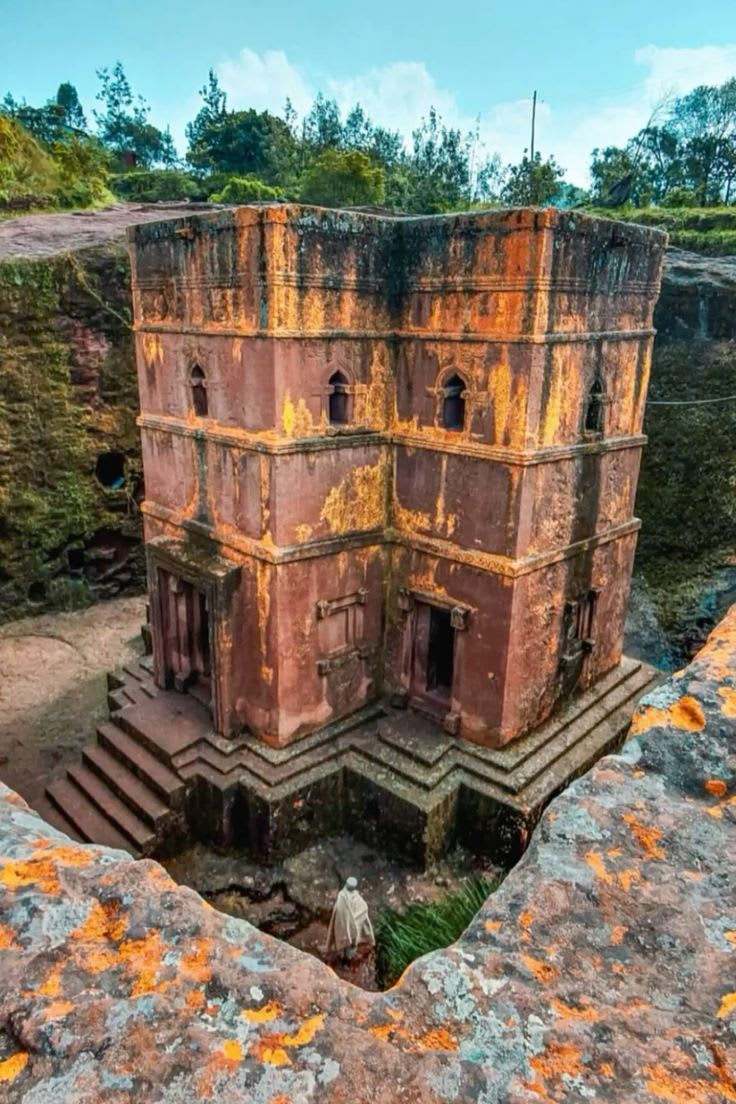
The Lalibela churches are a collection of eleven monolithic churches carved from living rock in the Ethiopian highlands during the 12th century. They are among the most significant religious sites in Christianity and were designated a UNESCO World Heritage Site. Each church is hewn directly from a single piece of stone, creating a remarkable architectural achievement. The churches remain active pilgrimage sites and spiritual centers, with Orthodox Christian traditions still practiced within them daily. The intricate facades, underground chambers, and spiritual atmosphere make them one of Africa's most visually and culturally significant destinations.
Yemrehehanna Kirsto is an 11th-century monastery perched dramatically within a clifftop cave in the Ethiopian highlands. It is one of Ethiopia's oldest religious sites and represents a quieter, lesser-known aspect of the country's rich Christian heritage. The monastery is nestled within dramatic mountain terrain and escarpment views, offering a more intimate and secluded experience compared to the larger Lalibela complex. The site provides unique architectural details and sweeping vistas that make it particularly compelling for visitors seeking authentic highland experiences away from more heavily trafficked religious sites.
October through February is the optimal time to visit these Ethiopian highland destinations. During this period, you'll experience clear skies, crisp light, and comfortable temperatures ideal for exploring and photography. The dry season ensures reliable access to both sites and stable weather conditions. The quality of light during these months is particularly favorable for capturing the intricate details of the carved churches and the dramatic highland landscape. Morning temperatures are cool and refreshing, while daytime conditions are pleasant for walking and exploration.
A visit to these sites involves moderate physical activity with walking and some elevation gain, but the pace is manageable for most travelers with reasonable fitness levels. The terrain in the Ethiopian highlands can be uneven, and some exploration involves navigating stone pathways and descending into underground chambers. However, the experience is structured to allow ample time for rest and acclimatization. Your professional guide will adjust the pace based on group needs, and there is flexibility to spend extended time at locations rather than rushing between sites. Proper footwear and gradual acclimatization to the highland elevation (around 2,600 meters) are recommended.
Yes, photography permits are required to photograph inside the Lalibela churches and other sacred sites. These permits ensure respectful documentation of these active religious spaces and help support site preservation. Most organized visits include photography permits as part of the package, and local guides handle the logistical arrangements. Your guide will also ensure you follow proper etiquette when photographing, including respecting worship times, maintaining appropriate distance from active religious ceremonies, and being mindful of the sacred nature of these spaces. Permits typically cover both still photography and videography within designated areas.
The carved stone facades of the Lalibela churches respond beautifully to different lighting conditions throughout the day. Golden hour light—both at sunrise and sunset—transforms the stone into surreal tones and creates dramatic shadows that emphasize the intricate carved details and architectural complexity. Morning light offers crisp, clear conditions ideal for capturing fine details and textures, while midday light can be harsh but is useful for documenting the full scope of the structures. The surrounding highland terrain with terraced landscapes and misty valleys provides excellent compositional opportunities during overcast conditions. Extended time at each location allows you to return during optimal lighting conditions rather than being constrained by rigid tour schedules.
Exploring the Lalibela church complex involves moderate amounts of walking across uneven terrain, with distances varying depending on which churches you visit and how thoroughly you explore each site. The eleven churches are distributed across different areas, and some are connected by underground passages and carved pathways. Walking between major church clusters typically takes 15-45 minutes depending on your pace and stops. Many churches require descending into sunken courtyards or entering cave-like chambers, which adds to the physical engagement. The pace is deliberately flexible to accommodate photography and contemplation, so you won't be rushing. Comfortable, sturdy hiking boots with good ankle support are essential, as are layers for the cool highland climate.
Pack layers, as highland temperatures vary significantly between morning, midday, and evening. Bring a warm fleece or jacket for early mornings and evenings when temperatures drop considerably. Sturdy, comfortable hiking boots with good grip are essential for navigating uneven stone pathways and terrain. Sun protection is critical—include a wide-brimmed hat, high-SPF sunscreen, and sunglasses. Bring a camera with extra batteries and memory cards, as well as lens cleaning supplies for dusty conditions. A lightweight rain jacket is advisable, even during the dry season. Modest clothing is important for respectful visits to sacred sites—avoid revealing clothing and consider a scarf for covering shoulders when entering churches. Include a refillable water bottle, basic medications, and any personal toiletries, as specialty items may be limited in remote areas.
The Lalibela region is primarily known for its cultural and religious heritage rather than abundant wildlife, but the Ethiopian highlands do support diverse flora and fauna. You may encounter endemic bird species, including the wattled ibis and various eagles, particularly during early morning exploration. The terraced highland landscape supports traditional agricultural practices and offers opportunities to observe authentic village life and highland ecosystems. The dramatic escarpment terrain around Yemrehehanna Kirsto provides stunning natural backdrops with misty valleys and mountain vistas. The region's natural beauty lies in its landscape composition—rolling highlands, deep gorges, and dramatic geological formations—rather than concentrations of large animals. This makes it ideal for nature and landscape photography alongside cultural documentation.
Visa requirements for Ethiopia depend on your nationality and should be verified with the Ethiopian embassy or consulate in your country well before travel. Most international visitors require a visa, which can often be obtained on arrival at Addis Ababa airport or arranged in advance. It's advisable to check current requirements as policies can change. You'll also need a valid passport with at least six months validity beyond your travel dates. While photography permits for the churches are typically arranged as part of organized visits, it's worth confirming this with your tour operator. Yellow fever vaccination is often recommended or required for entry into Ethiopia, so consult your healthcare provider about recommended vaccinations and health precautions before traveling.
© 2026 SafariFind. All rights reserved.

