4 daysPrivate
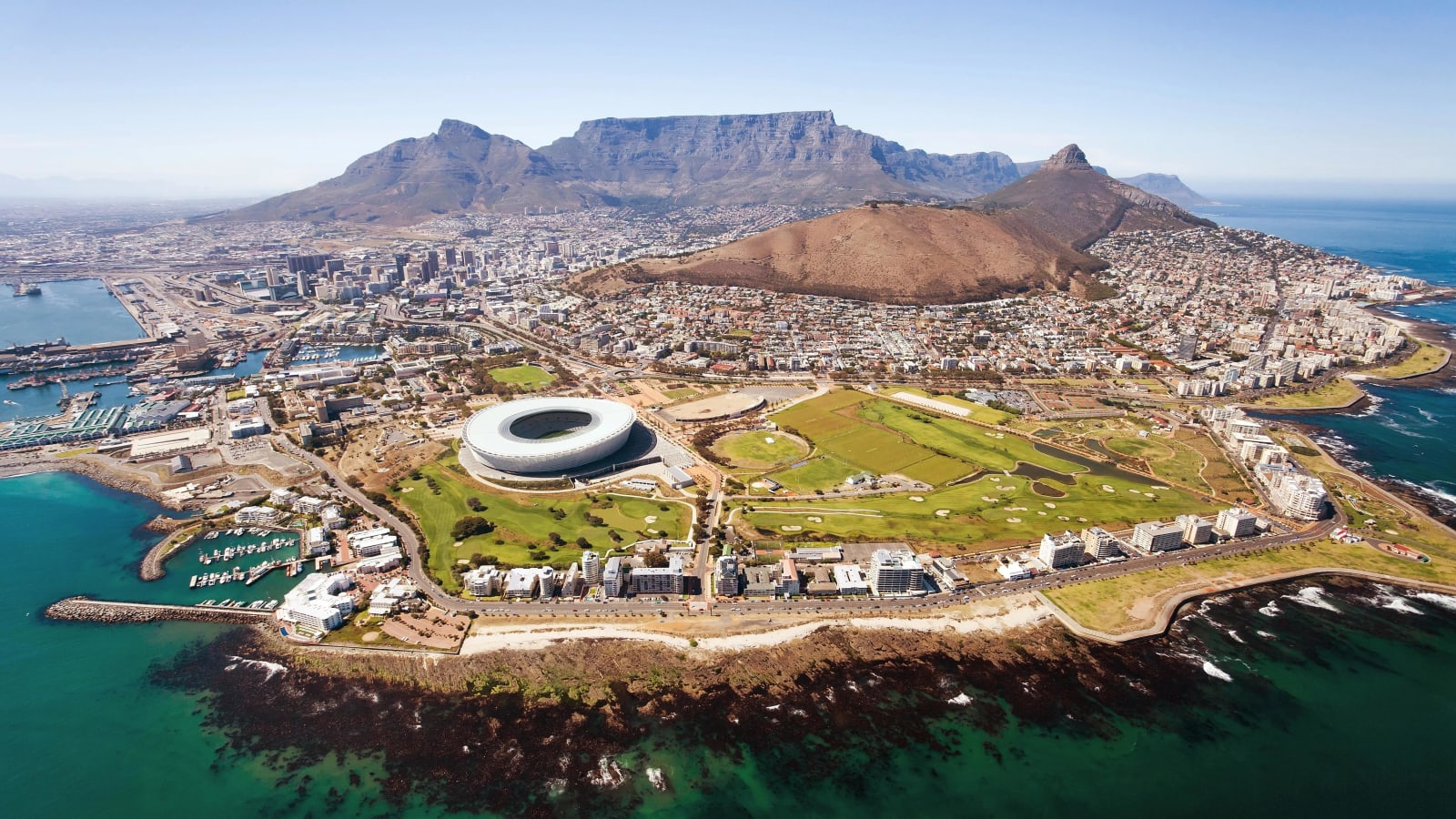
4-Day Cape Town City Tour
by
Highlights
- Cape Town City Orientation Tour
- Funicular Ride
Loading SafariFind...
by
Arrival in Cape Town
Cape Town
Meals: Dinner
Cape Town City Tour & Table Mountain Tour
Cape Town
Meals: Breakfast, Lunch, Dinner
Full-Day in Cape Peninsula Tour
Cape Town
Meals: Breakfast, Lunch, Dinner
Cape Town Departure
Cape Town
Meals: Breakfast
Year Round
Year-round
| Season | Solo traveller | 2 people | 3 – 4 people | 5 – 6 people | 7+ people | Child rate | Single suppl. |
|---|---|---|---|---|---|---|---|
Year Round Year-round | $908 | $605 | $545 | $514 | $484 | $424 | $182 |
Child rate applies to travelers under 12 years. Single supplement applies to solo travelers taking their own room.
Cape Town is renowned for its diverse attractions that cater to all types of travelers. The most iconic landmark is Table Mountain, which offers panoramic views of the city and surrounding coastline. Robben Island, a UNESCO World Heritage Site, is historically significant as the location where Nelson Mandela was imprisoned for 18 years and is now a museum and memorial. Chapman's Peak Drive is one of the world's most scenic coastal routes, featuring dramatic cliffs and ocean vistas. The Cape of Good Hope offers breathtaking landscapes where the Atlantic and Indian Oceans meet. Other popular attractions include the waterfront area with shops and restaurants, the colorful Bo-Kaap neighborhood with its Cape Dutch architecture, and world-class vineyards in the nearby Winelands. The city also features excellent museums, galleries, and beaches for swimming and water sports.
Cape Town is a year-round destination, but the best time to visit depends on your preferences. The summer months from December to February offer warm weather and are ideal for beach activities, though it's also the peak tourist season and accommodation prices are higher. Spring (September to November) and autumn (March to May) provide pleasant weather with fewer crowds and are considered by many to be the ideal visiting periods. Winter (June to August) is cooler and wetter, but it's the best time for whale watching along the coast, and you'll find fewer tourists and lower prices. The shoulder seasons offer a good balance of favorable weather and manageable crowds.
While Cape Town is primarily an urban destination, the surrounding areas offer excellent opportunities to see wildlife. Marine life is particularly abundant, with whale watching being a major attraction during winter months (June to November), when Southern Right Whales migrate to the region. Seal Island is home to Cape fur seals and is famous for great white shark encounters. Bird enthusiasts can spot African penguins at Boulders Beach, along with various seabirds and raptors. Table Mountain and the surrounding nature reserves host smaller mammals, reptiles, and over 300 bird species. Nearby game reserves and nature areas offer opportunities to see antelope species, baboons, and other African wildlife. The rich marine ecosystem around Cape Town includes dolphins, sharks, and colorful fish species.
A 4-day visit to Cape Town provides a solid introduction to the city's major attractions and allows you to experience its diverse offerings without feeling rushed. This timeframe typically allows for a full day exploring the city center and waterfront, a day trip to Robben Island and the Cape of Good Hope, a scenic drive along Chapman's Peak, visits to museums and cultural sites, and time to relax or explore specific interests like shopping, dining, or nearby attractions. However, if you have additional time, many visitors extend their stay to 5-7 days to venture into the Winelands, enjoy more beach time, take cooking classes, or explore the Cape Peninsula more thoroughly. The ideal duration depends on your interests and travel pace.
Packing for Cape Town depends on the season you're visiting. Year-round essentials include comfortable walking shoes for exploring the city, sunscreen, sunglasses, and a hat for sun protection. Bring layers of clothing as the weather can change throughout the day, particularly near the coast where it can be windy. In summer (December-February), pack light, breathable clothing, shorts, and t-shirts. In winter (June-August), bring a warm jacket, sweater, and an umbrella or rain jacket. Comfortable casual clothing is appropriate for most restaurants and attractions, though some upscale dining venues may require smart casual attire. Include a swimsuit if you plan to visit beaches. A camera or smartphone for photography is essential given Cape Town's stunning scenery. Consider bringing a small day backpack for carrying essentials while sightseeing, and comfortable clothes for walking tours. Don't forget any personal medications and toiletries.
While travel insurance is not legally required for visiting Cape Town, it is highly recommended for any international trip. Travel insurance provides essential coverage for unexpected situations such as flight cancellations, medical emergencies, lost or delayed luggage, and trip interruptions. Given that international airfare is a significant expense, insurance can protect your investment if you need to cancel before departure. Medical coverage is particularly important as emergency healthcare costs can be substantial for international visitors. Travel insurance can also cover evacuation costs if needed. Most comprehensive policies include coverage for personal belongings, travel delays, and emergency assistance services. It's advisable to purchase travel insurance at the time of booking your trip to ensure maximum coverage, including pre-existing conditions if applicable.
Visa requirements for South Africa depend on your nationality and passport. Citizens of many countries, including the United States, Canada, Australia, and most European nations, can enter South Africa visa-free for tourism purposes and receive a visitor's permit upon arrival, typically valid for 90 days. However, visa requirements vary by country, and regulations can change. It's essential to check the official South African Department of Home Affairs website or contact your nearest South African embassy or consulate well in advance of your travel date to confirm the specific requirements for your nationality. Ensure your passport is valid for at least 30 days beyond your intended stay. Some countries may require advance visa applications. Starting the visa process early is recommended to avoid any last-minute complications, especially if your country requires a visa.
Cape Town offers various transportation options for visitors. The most convenient option for a city tour is using professional guides and organized transfers, which provide both safety and local expertise. Taxis and ride-sharing services like Uber are readily available and affordable for short trips. The Myciti Bus system offers an extensive network of routes covering major attractions and neighborhoods at reasonable fares, though it's best used during daylight hours. Car rentals are available if you prefer independent exploration, though driving in Cape Town requires familiarity with local traffic conditions and road rules. Walking is excellent for exploring specific neighborhoods like the waterfront and Bo-Kaap, though some areas are best visited with a guide. Organized tours and shuttle services are popular for visiting major attractions like Robben Island, Cape of Good Hope, and Chapman's Peak. For safety and convenience, especially for visitors unfamiliar with the city, using organized tours with professional guides is often the recommended approach.
Cape Town offers excellent value compared to many international destinations, though prices vary depending on your choices. Casual dining at local restaurants and street food vendors is very affordable, with meals ranging from budget-friendly to mid-range options. Upscale restaurants and fine dining establishments are available for those seeking premium culinary experiences, particularly in areas like the waterfront and trendy neighborhoods. Accommodation ranges from budget hostels and guesthouses to luxury hotels and boutique properties. Attractions like Robben Island, Table Mountain, and museums have entrance fees that are reasonable by international standards. Shopping in local markets offers good value, while international brands are more expensive. Many attractions and services are included in organized tour packages, which provide better value than arranging everything independently. Alcoholic beverages, particularly imported brands, can be expensive, while local wines offer exceptional quality at reasonable prices. Overall, Cape Town provides good value for money, and a moderate daily budget can cover comfortable accommodation, meals, and attractions.
Cape Town is generally a safe destination for tourists when standard precautions are followed. No mandatory vaccinations are required for entry, but it's advisable to consult with a travel health clinic about routine vaccinations and any region-specific recommendations. Malaria is not present in Cape Town itself, though it may be a consideration if you travel to other parts of South Africa. Tap water is safe to drink in Cape Town, and the healthcare system is well-developed with good medical facilities. Standard travel safety practices apply: avoid displaying expensive items, be cautious in unfamiliar areas at night, use registered taxis or ride-sharing services, and stay aware of your surroundings. Certain neighborhoods are best explored with a guide. Sun exposure is intense, so use sunscreen regularly. The Atlantic Ocean can have strong currents, so swim only in designated areas. Travel insurance with medical coverage is strongly recommended. Check current travel advisories from your government before departure. Using professional guides for city tours and major attractions enhances both safety and the quality of your experience.
© 2026 SafariFind. All rights reserved.

