 1 / 4
1 / 4 4 daysPrivate
4-Day Serengeti Luxury Game Drives & Balloon Safari
by
Highlights
- Witness the spectacular Great Wildebeest Migration at the Mara River (seasonal).
Loading SafariFind...
1 / 4by
SafariFind app
Keep up with your inquiries and bookings, and message operators wherever you are.

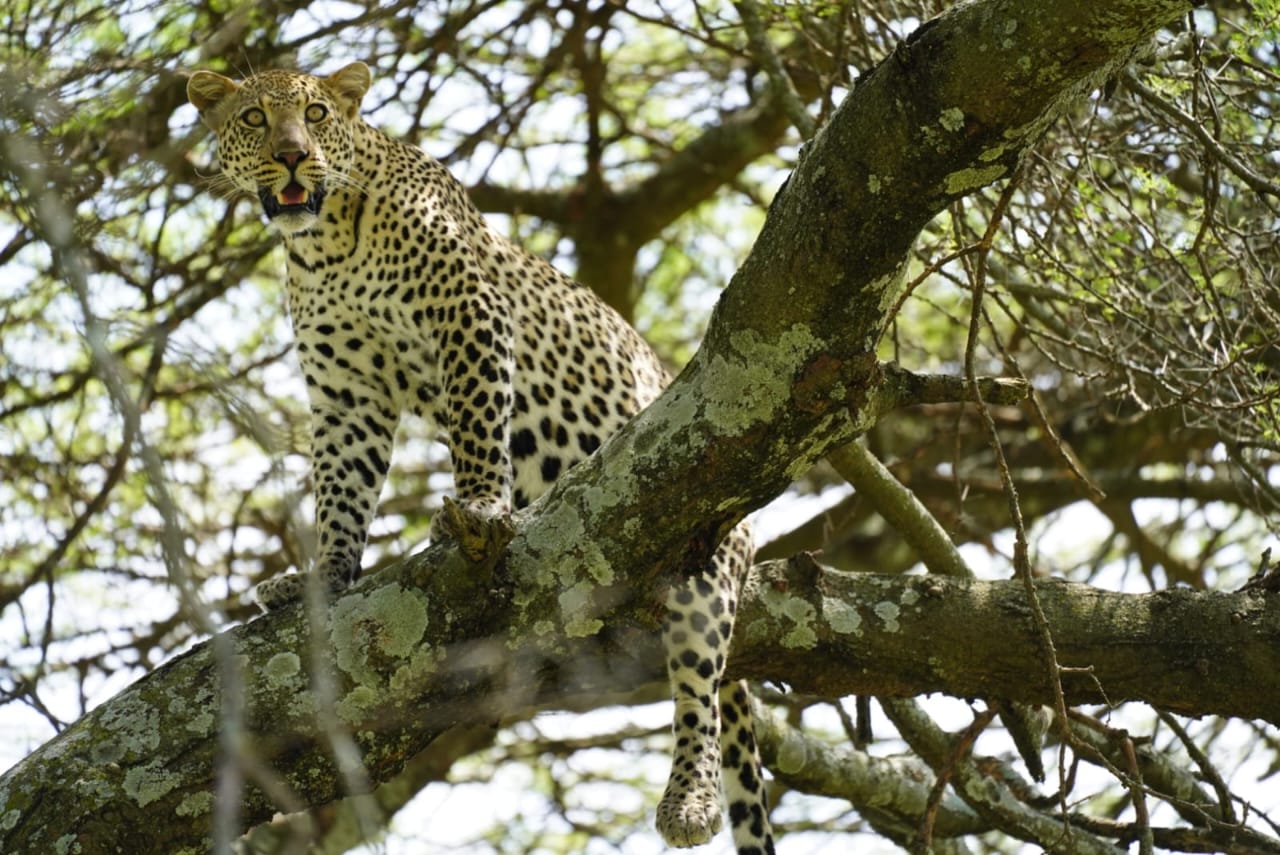
Your luxury safari begins with a morning departure from Arusha with private 4x4 safari vehicle, as you journey toward Serengeti National Park, the landscape transforms into endless golden plains dotted with acacia trees and rocky kopjes. Upon arrival, begin your first thrilling game drive end route to your luxury lodge or tented camp. The Serengeti is renowned for its abundant wildlife, including elephants, giraffes, zebras, and vast herds of wildebeest. Predators such as lions, leopards, and cheetahs roam these plains, offering exciting wildlife viewing opportunities. Your expert guide will share insights into animal behavior and the park’s unique ecosystem. In the late afternoon, arrive at your exclusive accommodation. Relax with a refreshing drink while watching the sunset over the savannah, followed by a gourmet dinner and a peaceful overnight stay surrounded by the sounds of the African wilderness.
Serengeti National Park
Meals: Lunch, Dinner
Full Day Serengeti Safari & Hot Air Balloon Experience
Serengeti National Park
Meals: Breakfast, Lunch, Dinner
Full day Serengeti National Park
Serengeti National Park
Meals: Breakfast, Lunch, Dinner
Ngorongoro crater to Arusha
Arusha City
Meals: Breakfast, Lunch, Dinner
Year Round
Year-round
| Season | Solo traveller | 2 people |
|---|---|---|
Year Round Year-round | $2,417 | $5,950 |
The Great Wildebeest Migration in Tanzania is one of nature's most spectacular events, featuring hundreds of thousands of wildebeest, zebras, and gazelles moving across the Serengeti in search of fresh grazing lands. During the migration, you'll witness dramatic river crossings at the Mara River where crocodiles and lions gather to feed. Beyond the migration herds, Tanzania's national parks are home to the Big Five (lion, leopard, elephant, buffalo, and rhinoceros), as well as giraffes, hyenas, cheetahs, wild dogs, and numerous bird species. The diversity of wildlife increases significantly when combining multiple ecosystems like Tarangire, Serengeti, and Ngorongoro Crater, each offering unique species and viewing opportunities.
The Mara River crossing season in Tanzania typically occurs between July and September, when massive herds of wildebeest and zebras migrate northward from the Serengeti toward Kenya's Masai Mara in search of greener pastures. This period offers the highest concentration of dramatic river crossings, as thousands of animals attempt to cross simultaneously, attracting predators like crocodiles and lions. August is often considered the peak month for witnessing these spectacular events. However, the exact timing can vary slightly depending on rainfall patterns and grass conditions, so it's advisable to consult with experienced safari operators for the most current migration updates before booking.
A comprehensive 8-day Tanzania safari typically includes all national park entrance fees, professional English-speaking guides, accommodation in quality lodges throughout your journey, private 4x4 safari vehicles for game drives, all meals (breakfast, lunch, and dinner), bottled water during game drives, and airport transfers. These inclusions ensure you have a seamless experience without worrying about major logistical details. However, items not usually included are international airfare, alcoholic beverages, visa fees, travel insurance, vaccinations, tips and gratuities, and optional activities. It's important to review your specific package details to understand exactly what's covered and plan accordingly for additional expenses.
An 8-day safari is an ideal duration for experiencing the Great Wildebeest Migration in Tanzania while also exploring multiple ecosystems. This timeframe allows you to spend two full days in the Northern Serengeti specifically tracking the migration and witnessing Mara River crossings, while also visiting other iconic parks like Tarangire National Park and the Ngorongoro Crater. The additional days account for travel between parks, acclimatization, and thorough wildlife viewing opportunities. While shorter 5-6 day safaris are possible, they offer less flexibility and fewer chances to witness the dramatic river crossings. For a more relaxed pace with higher probability of seeing major migration events, 8-10 days is recommended.
Yes, a professional guide is essential for a Tanzania safari and is typically required by national parks. Experienced guides possess in-depth knowledge of animal behavior, ecology, and park geography, significantly enhancing your wildlife viewing experience by locating animals, explaining their habits, and providing safety guidance. They can spot distant wildlife that untrained eyes might miss and share fascinating insights about the ecosystem. Most safari packages include professionally trained, English-speaking guides who are knowledgeable about the specific parks you're visiting. If you're traveling independently, hiring a licensed guide through authorized operators is mandatory and ensures compliance with park regulations while maximizing your safari experience.
For an 8-day Tanzania safari, pack neutral-colored, lightweight clothing in layers since temperatures vary between parks and times of day—early mornings and evenings can be cool while midday is warm. Essential items include a wide-brimmed hat, high-SPF sunscreen, sunglasses, comfortable walking shoes, and binoculars for wildlife viewing. Bring a light rain jacket as the Serengeti can experience unexpected showers. Other important items are a camera with extra batteries and memory cards, personal medications, insect repellent, and toiletries (though most lodges provide basics). Pack conservatively as luggage space in safari vehicles is limited. Avoid bright colors and white clothing that can disturb wildlife or attract insects. Check with your operator about specific recommendations based on the season and parks you'll visit, and don't forget travel documents like your passport and visa.
Malaria is present in many parts of Tanzania, particularly in lower-altitude areas like Tarangire National Park and parts of the Serengeti, making it a legitimate health consideration for safari travelers. The risk varies by specific location and season, with higher transmission during rainy months. It's strongly recommended to consult with a travel health clinic or your doctor before your trip to discuss malaria prophylaxis options suitable for your health profile and the areas you'll visit. Additionally, take preventive measures such as using insect repellent containing DEET, wearing long sleeves and pants during dawn and dusk when mosquitoes are most active, and sleeping under mosquito nets when provided. While malaria is a concern, thousands of travelers safely visit Tanzania annually by taking appropriate precautions. Travel insurance that covers medical emergencies is also highly advisable.
The Ngorongoro Crater is a UNESCO World Heritage Site and one of Africa's most remarkable natural wonders—a massive volcanic caldera spanning 19 kilometers across with walls rising 600 meters. It's essentially a self-contained ecosystem home to approximately 25,000 large animals, including all members of the Big Five. The crater's unique geography concentrates wildlife in a relatively small area, offering exceptional viewing opportunities compared to vast open plains. The diverse habitats within the crater—from grasslands to forests and soda lakes—support varied wildlife including lions, elephants, buffalo, rhinos, leopards, zebras, wildebeest, and flamingos. A game drive in the Ngorongoro Crater provides intimate wildlife encounters and stunning photographic opportunities. Its combination of natural beauty, geological significance, and wildlife density makes it an essential inclusion on any comprehensive Tanzania safari itinerary.
Tanzania safari pricing varies significantly based on several factors including season, lodge quality, group size, and specific parks visited. An 8-day safari can range from budget-friendly options to luxury experiences. Peak season (June-October) typically commands higher prices due to increased demand and optimal wildlife viewing conditions. Accommodation quality substantially impacts cost—luxury lodges with premium amenities cost significantly more than mid-range or budget options. Group size also matters; private safaris cost more per person than group tours. Park entrance fees, fuel costs, and guide expertise contribute to overall pricing. International flights, which are typically excluded from package prices, represent a major additional expense. To get accurate pricing, consult directly with safari operators who can provide detailed quotes based on your specific preferences, travel dates, and desired comfort level. Remember that package inclusions vary, so compare what's covered to understand true value.
While both the Serengeti (in Tanzania) and the Masai Mara (in Kenya) are world-renowned safari destinations hosting the Great Wildebeest Migration, they offer distinct experiences. The Serengeti is larger and more remote, featuring vast plains with excellent predator viewing and diverse habitats including woodlands and grasslands. It hosts the migration year-round, with different phases occurring in different regions. The Masai Mara, smaller and more accessible, offers dense wildlife concentrations and dramatic river crossings, particularly during July-September when migration herds arrive. The Serengeti provides a more expansive wilderness experience with fewer crowds, while the Mara offers intense wildlife encounters in a compact area. Accommodation and infrastructure differ, with the Serengeti offering more varied lodge options across different regions. Many travelers choose to experience both ecosystems on extended safaris, as each provides unique perspectives on Africa's greatest wildlife spectacle and ecosystem dynamics.
 Pumba ReisenArusha, Tanzania
© 2026 SafariFind. All rights reserved.
