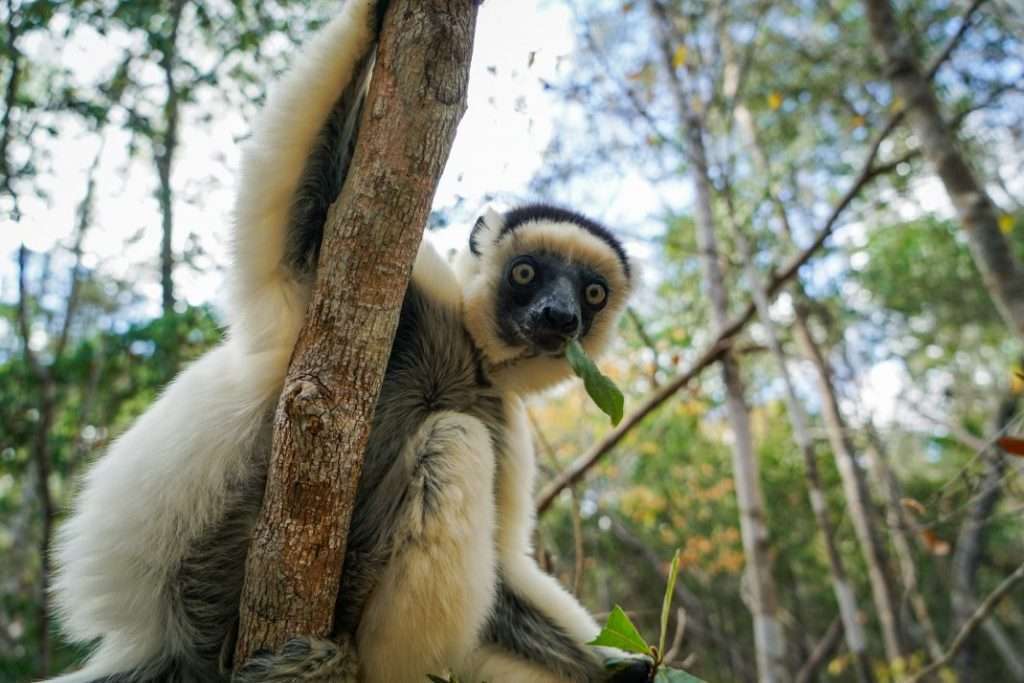
1 / 5Andasibe-Mantadia National Park
Size
15,500 km²
Elevation
900 m
Entry fee
$80
Ideal stay
3 days
About Andasibe-Mantadia National Park
最佳出行季节
野生动物亮点
推荐体验
Safari packages visiting Andasibe-Mantadia National Park
常见问题
What is the best way to see lemurs in Andasibe-Mantadia?
Guided hiking through the forest trails is the best way to observe lemurs. Early morning hikes are most productive as lemurs are most active at dawn. The indri lemur, the park's most famous resident, is known for its distinctive loud, eerie wailing calls that echo through the trees. Professional guides significantly increase your chances of spotting the various lemur species, including gray bamboo, Eastern woolly, black-and-white ruffed lemurs, and acrobatic diademed sifakas.
How many days should I spend at Andasibe-Mantadia National Park?
A minimum of 2-3 days is recommended to fully experience the park's biodiversity. This allows time for at least two guided hikes through different trail systems, increasing your chances of encountering the diverse wildlife. With three days, you can explore both the more accessible Analamazaotra Reserve and venture into the remote Mantadia National Park section, experiencing varied habitats and maximizing wildlife viewing opportunities.
Is Andasibe-Mantadia suitable for first-time visitors to Madagascar?
Yes, absolutely. Andasibe-Mantadia is Madagascar's top rainforest destination and is specifically noted as perfect for both seasoned nature lovers and first-time explorers. Its proximity to Antananarivo (just 150 km away), accessible hiking trails of varying difficulty levels, excellent accommodation options, and established tourism infrastructure make it an ideal introduction to Madagascar's unique wildlife and ecosystems.
What wildlife can I expect to see besides lemurs?
The park is home to over 100 bird species including the Madagascar blue pigeon, blue coua, velvet asity, Madagascar crested ibis, and the elusive Madagascar long-eared owl. Reptile and amphibian diversity is remarkable, featuring colorful chameleons, leaf-tailed geckos, and various frog species. The park also contains fossas, tenrecs, and an impressive array of flora including towering tree ferns, strangler figs, orchids, and medicinal plant species.