Overview
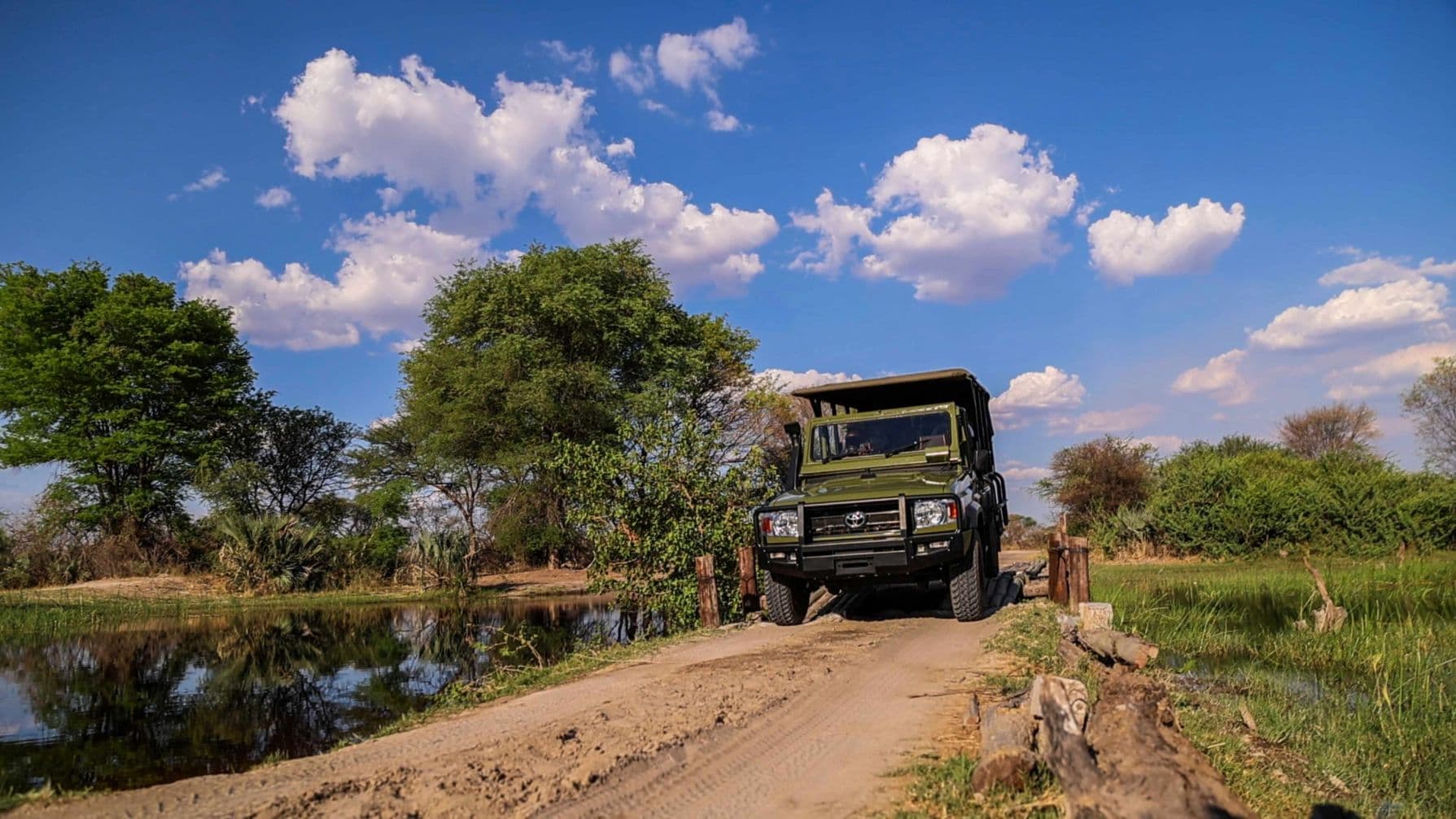
Khwai Community Concession (NG19) is a 35,000-hectare community-managed wildlife area in the eastern Okavango Delta that operates as a multi-lodge concession rather than a single exclusive property. The concession is structured to benefit local Khwai communities through conservation revenue-sharing agreements while maintaining wildlife corridors and habitat protection. Known for: riverfront game viewing along the Khwai River, accessibility to Moremi Game Reserve boundaries, and diverse habitat types from floodplain to woodland savannah. Best for: travelers seeking authentic Okavango experiences with flexible accommodation options, families wanting multiple camp choices, and those interested in community-based conservation models.
Accommodation & Rooms
The Khwai Community Concession accommodates visitors across multiple properties including safari lodges, luxury tented camps, and designated self-drive campsites. Individual camps within the concession vary in style and capacity—ranging from intimate 10-room properties to larger facilities. Machaba Camp, a representative property within the concession, features 10 safari-style eco-luxury tents positioned on the Khwai riverfront. Rooms typically include en-suite bathrooms, mosquito netting, and views overlooking the river or surrounding woodland. Most accommodations feature shaded outdoor lounging areas and are designed to maximize natural ventilation in the hot Okavango climate. Room configurations accommodate couples and small families, with some properties offering larger suites for extended stays.
Dining & Cuisine
Dining experiences across Khwai Community Concession camps emphasize seasonal, locally-sourced ingredients prepared by trained kitchen staff. Meal plans typically include full board arrangements with breakfast, lunch, and dinner provided. Cuisine features African-inspired dishes incorporating locally-caught fish from the Khwai River, fresh vegetables from camp gardens, and imported staples to accommodate dietary preferences. Many camps offer flexible dining arrangements including intimate dinners at private locations, bush breakfast spreads prepared on game drive excursions, and evening meals served in communal dining areas. Bar facilities provide local and imported beverages, with premium drinks sometimes available at additional cost.
Wildlife & Activities
The concession supports substantial populations of African megafauna across its 35,000 hectares. Wildlife includes all Big Five species—elephant (particularly concentrated near water sources during dry season), lion (both resident prides and transient males), African buffalo (in herds up to several hundred), leopard (primarily nocturnal), and African rhino populations (though rare and restricted to protected areas). Additional species include African wild dog (endangered predators with denning territories in the concession), giraffe, zebra, wildebeest, impala, kudu, and warthog. Birdlife exceeds 400 recorded species including African fish eagle, crowned crane, and numerous water birds dependent on delta wetlands. Primary activities include: twice-daily game drives (morning and afternoon/evening sessions lasting 3-4 hours each), night drives with spotlight viewing (available at select camps), guided walking safaris (typically 2-3 hours), mokoro (traditional canoe) excursions through waterways, and cultural visits to nearby Khwai village settlements. Activity intensity varies by season, with optimal game viewing during dry months (May-October) when wildlife concentrates near water sources.
Location & How to Get There
Khwai Community Concession is located at approximately 19.9°S, 23.8°E in the eastern Okavango Delta, roughly 150 kilometers northeast of Maun and 35 kilometers west of Kasane. Access routes include: charter flight from Maun International Airport (approximately 45 minutes flight time) with ground transfer via game drive to individual camps (20-30 minutes), road transfer from Maun (4-5 hours via Rakops or Gweta routes), or transfer from Kasane/Livingstone area (2-3 hours). The concession is accessible year-round, though road conditions deteriorate during rainy season (November-April). Most travelers combine charter flights with ground transfers for optimal timing and comfort. The concession operates multiple airstrips accommodating small aircraft (6-20 passenger capacity typical for regional charters).
Best Time to Visit
Peak wildlife viewing season extends from May through October when winter-dry conditions concentrate megafauna near permanent water sources, particularly the Khwai River. June-September offers coolest daytime temperatures (25-30°C), optimal photography light, and highest predator activity. April-May and October-November represent shoulder seasons with moderate crowds, pleasant temperatures, and active wildlife. December-March constitutes wet season with lush vegetation, abundant birdlife, and potential road access challenges—some camps reduce operations. Specific wildlife patterns: elephant populations peak July-September; wild dog denning activity occurs April-June; birdwatching optimal December-April during Palearctic migration influx. Visitor numbers remain lower during green season (November-March), offering more exclusive game drive experiences despite reduced Big Five sightings.
Conservation & Community
Khwai Community Concession operates under Botswana's Community-Based Natural Resource Management (CBNRM) program, with revenue from wildlife tourism directly benefiting Khwai village residents. Conservation mechanisms include: wildlife monitoring programs documenting predator and prey populations, habitat protection through controlled grazing management and fire management protocols, anti-poaching patrols conducted with community rangers, and wildlife corridor maintenance connecting to Moremi Game Reserve. Individual camps contribute conservation levies (typically $25-35 per guest per night) directed toward community development projects including education infrastructure, healthcare facilities, and sustainable livelihood programs. Guides employed within the concession receive training in wildlife biology, sustainable tourism practices, and cultural interpretation, creating economic incentives for conservation. The concession model demonstrates how tourism revenue can fund both wildlife protection and community development simultaneously, though visitor density management remains essential to prevent habitat degradation.