 1 / 5
Bush Camp Tanzania4.2
Millennium Camp
In
Board
Full board
Check-in
Loading SafariFind...
1 / 5In
Board
Full board
Check-in
SafariFind app
Keep up with your inquiries and bookings, and message operators wherever you are.

14:00
Check-out
11:00
Millennium Camp is used exclusively as a descent-only campsite where climbers rest after summiting Mount Kilimanjaro. It provides a critical overnight stop after the exhausting summit night and steep 2,105-meter descent from Uhuru Peak, allowing trekkers to recover at a lower, safer altitude (3,820m) before continuing the final rainforest descent to Mweka Gate.
Millennium Camp is used exclusively for descent after summiting Kilimanjaro. It is not an ascent campsite and cannot be used on the way up the mountain. Climbers only reach Millennium Camp after successfully summiting Uhuru Peak and beginning their descent.
Millennium Camp is used by climbers descending via the Machame Route, Lemosho Route, Umbwe Route, Northern Circuit Route, and Shira Route. It serves as the final overnight stop before the descent through rainforest to Mweka Gate, providing an alternative to Mweka Hut for trekkers completing these established routes.
Millennium Camp is located at 3,820 meters (12,530 feet) above sea level on the southeastern slopes of Mount Kilimanjaro. This altitude provides immediate relief after the summit (5,895m) and represents a significant descent that allows trekkers to recover in cleaner alpine air before entering the rainforest zone.
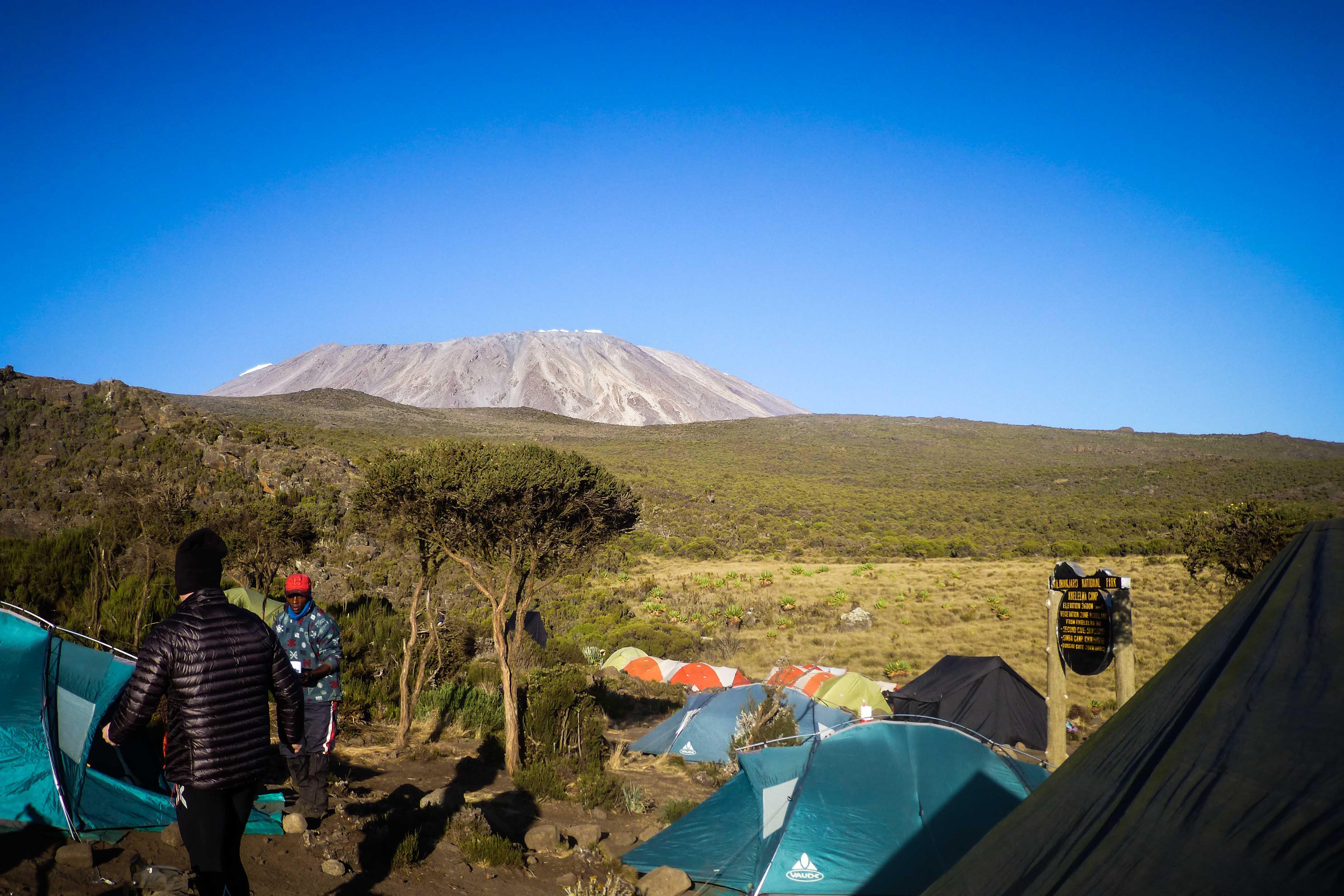
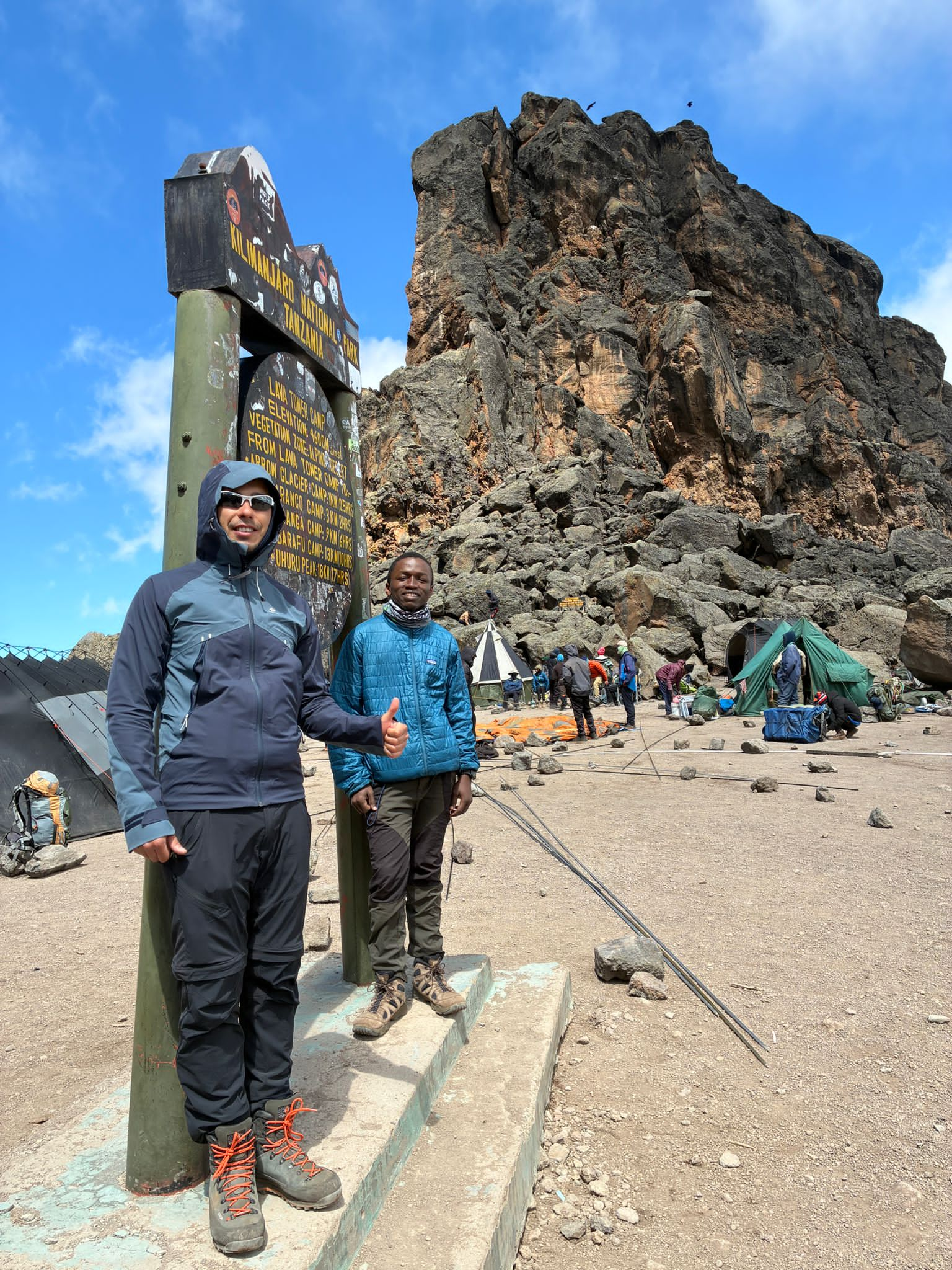
Millennium Camp is a tent-only facility with no permanent structures. Trekkers must bring personal expedition tents and camping gear. The camp provides designated tent pads, a dining tent, kitchen facilities, and toilets with unique transparent roofs. Full-service meals (breakfast, lunch, dinner), hot water, and guide support are provided by climbing operators.
Yes, climbers can descend directly from Barafu Camp to Mweka Hut (located lower than Millennium Camp) if preferred, though this extends the single descent day significantly. However, most operators recommend the Millennium Camp stop for safety and recovery reasons, as the combined descent from Barafu to Mweka Gate in one day (approximately 3,000+ meters) is extremely strenuous after summit exhaustion.
The best times to climb Kilimanjaro are August-October and January-February, when weather is most stable and summit success rates highest. August-September offer frozen scree conditions ideal for the midnight summit push, while December-March provides warmer conditions. Millennium Camp is accessible year-round, though wet seasons (April-May, October-November) bring increased rainfall and muddy trail conditions.
From <a href="/destinations/kilimanjaro-international-airport">Kilimanjaro International Airport</a> (approximately 50km away), you transfer by vehicle (1-2 hours) to your chosen route's starting gate (Machame Gate at 1,800m or Lemosho Gate at 2,100m). You then trek upward for 6-8 days, reaching Millennium Camp on the descent day after summiting. All transfers and logistics are arranged by your climbing operator as part of the multi-day trek package.
Millennium Camp is suitable for children aged 10 and older who have previous high-altitude trekking experience and are accustomed to camping. The 3,820m altitude requires good acclimatization, and the camping-only nature demands comfort with basic facilities. Most operators recommend children have climbed to 3,000m+ elevation previously before attempting Kilimanjaro's full route.
Millennium Camp cannot be booked independently—it is included as part of multi-day Kilimanjaro climbing packages offered by licensed tour operators. Compare verified operators, rates, and reviews on SafariFind.com to book your Kilimanjaro climb through trusted safari companies. Ensure your operator is certified by Tanzania's Kilimanjaro National Park and offers transparent pricing including porter wages and guide qualifications.
© 2026 SafariFind. All rights reserved.

 Ask about this