 1 / 4
1 / 4🇹🇿 Tanzania
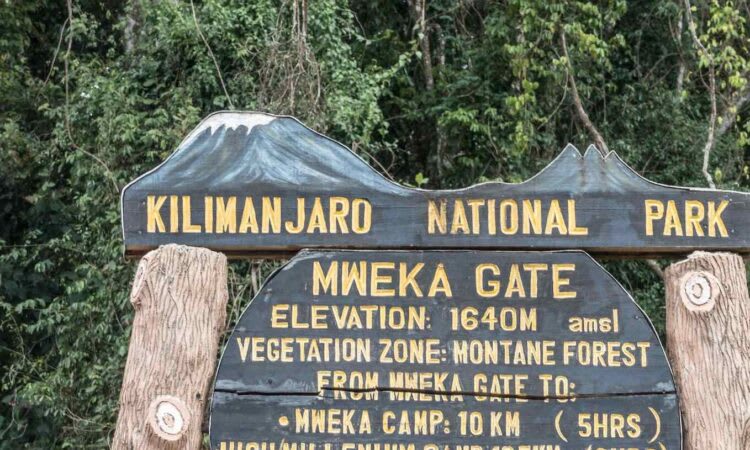
Mweka Gate
المساحة
1,344 km²
الارتفاع
1,640 m
رسوم الدخول
جارٍ تحميل SafariFind...
1 / 4المساحة
1,344 km²
الارتفاع
1,640 m
رسوم الدخول
تطبيق SafariFind
تابع استفساراتك وحجوزاتك، وراسل منظمي الرحلات أينما كنت.

$82
المدة المثالية
1 أيام
تأسس عام
1921
أقرب مطار
Kilimanjaro International Airport (JRO), 65 km northeast; Arusha Airport (ARK), 85 km north — both require 1.5-2 hour transfer to Mweka Gate via Moshi
أقرب بلدة: Moshi, 30-40 km away — primary gateway town for Kilimanjaro climbs with accommodation, tour operators, and supply shops; Arusha, 85 km away — larger regional hub with international flights and safari connections
 7 أيام
 Trek Afrika Adventures
  8 أيام
 Pumba Reisen
 7 أيامPumba Reisen
 6 أيامPumba Reisen
 8 أيام
 Elia Safaris
 9 أيامElia Safaris
 7 أيامElia Safaris
 6 أيامElia Safaris
 7 أيامElia Safaris
 12 يومًاElia Safaris
 9 أيام
 VISION SAFARI & TOURS
 6 أيام
 isale safaris company limited
لا تفرض Mweka Gate نفسها رسوم دخول منفصلة—فالتكاليف مشمولة في رسوم تصاريح متنزه Mount Kilimanjaro الوطني البالغة $82 USD يوميًا، والتي تُدفع عادةً عبر منظم الرحلات المسجل لديك قبل الوصول [1]. وتبلغ تكلفة رحلة كاملة إلى Kilimanjaro لمدة 6-7 أيام نحو $1,500-$4,000 USD، وفقًا لحجم المجموعة والإقامة في نُزل بدلًا من التخييم وجودة المنظم. ويتقاضى المنظمون الاقتصاديون $1,500-$2,000؛ ومنظمو الفئة المتوسطة $2,500-$3,500؛ والمنظمون الفاخرون $3,500-$4,000+. وتشمل هذه التكاليف رسوم المتنزه وأجور المرشدين والحمالين والوجبات والإقامة. وتكون إجراءات Mweka Gate (إصدار الشهادة) مشمولة في التصريح ولا تضيف أي رسوم أخرى.
أفضل مواسم التسلق هي June-October (الموسم الجاف) وJanuary-February (الموسم الجاف القصير). ويوفر June-October الطقس الأكثر استقرارًا مع وضوح الرؤية وقلة الأمطار، رغم انخفاض درجات الحرارة إلى ما دون التجمد في الارتفاعات العالية. أما January-February فيوفر فترة جفاف بديلة مع ظروف أدفأ في الارتفاعات المنخفضة. ويشهد موسم الذروة (July-August) نحو 60% من إجمالي المتسلقين السنويين، ما يؤدي إلى ازدحام المسارات وارتفاع الأسعار. وللحصول على قيمة أفضل وتجنب الازدحام، تسلق في February-March أو September-October عندما يظل الطقس ملائمًا. وتجنب November-December وMarch-May (موسم الأمطار)، إذ تزيد الظروف الموحلة من خطر الإصابة بداء المرتفعات.
تقع Mweka Gate في منطقة الغابات الجبلية، حيث تختلف الحياة البرية عن المناطق الألبية الأعلى. وتشمل المشاهدات الشائعة قرود Colobus والقرود الزرقاء وأنواعًا مختلفة من طيور الشمس والنسور الأفريقية المتوجة وطيور الغابات مثل الرفراف الأخضر [1]. وتجذب المظلة الكثيفة أنواعًا متوطنة لا توجد إلا في الغابات الجبلية في Tanzania. ومن غير المرجح رؤية المفترسات الكبيرة أو حيوانات Big Five عند البوابة نفسها؛ فالنظام البيئي للغابات الجبلية يأوي ثدييات أصغر وأنواعًا متخصصة من الطيور المتكيفة مع ظروف الغابات الكثيفة. وتحدث معظم مشاهدة الحياة البرية أثناء النزول عبر الغابة، لا في مرافق البوابة.
يمكنك السفر جوًا إلى Kilimanjaro International Airport (JRO) الذي يبعد 65 كم، أو إلى Arusha Airport (ARK) الذي يبعد 85 كم. ومن أي من المطارين، رتّب انتقالًا يستغرق 1.5-2 ساعة إلى بلدة Moshi، نقطة انطلاقك اللوجستية. يتولى منظمو الرحلات جميع ترتيبات النقل—ولا تقود بنفسك إلى Mweka Gate. ويستغرق الطريق المعبد من Moshi إلى Mweka Gate نحو 30-40 دقيقة بالسيارة، ويمكن استخدامه طوال العام. يقيم معظم المتسلقين في Moshi ليلة بدء الرحلة، ثم يتوجهون بالسيارة إلى بوابة الانطلاق (Machame أو Lemosho أو Umbwe). وتنزل إلى Mweka Gate على مدار يومين في نهاية رحلتك؛ ويرتب المنظم مركبات الاستقبال للعودة إلى Moshi أو Arusha.
تُعد Mweka Gate نقطة نهاية للنزول فقط، وليست وجهة مناسبة للعائلات—فلا يستطيع الأطفال الوصول إليها من دون إكمال رحلة تسلق Kilimanjaro التي تستغرق 6-7 أيام. ولا يُنصح عمومًا بالأطفال دون سن 10 سنوات بتسلق Kilimanjaro بسبب خطر داء المرتفعات والمتطلبات البدنية. ويمكن للمتسلقين الذين تتراوح أعمارهم بين 10-16 عامًا محاولة تسلق Kilimanjaro مع التأقلم، لكنهم يحتاجون إلى لياقة استثنائية ودراسة الوالدين للأمر بعناية. وينبغي للعائلات التي لديها أطفال أصغر سنًا استكشاف وجهات أخرى في Tanzania مثل متنزهي Tarangire أو Arusha الوطنيين، إذ يوفران رحلات بالسيارة ومشاهدة للحياة البرية تناسب جميع الأعمار. وإذا رغبت عائلتك في تجربة Kilimanjaro، ففكر في استئجار مرشدين خاصين وإضافة أيام تأقلم إضافية للسيطرة على آثار الارتفاع.
تقضي في Mweka Gate نفسها 2-4 ساعات فقط—وهي المدة اللازمة للنزول من المخيم الأخير (Mweka Camp على ارتفاع 3,100 m)، والتسجيل لدى حراس TANAPA، ومعالجة الشهادة، وترتيب المركبة. فالبوابة نقطة نهاية وليست وجهة للإقامة الليلية. وينزل معظم المتسلقين من Mweka Camp خلال 2-3 ساعات، ويكملون إجراءات البوابة في أوائل فترة بعد الظهر. وإذا وصلت مبكرًا أو رغبت في الراحة قبل الانتقال بالمركبة، توفر بلدة Moshi القريبة (على بُعد 30-40 كم) أماكن للإقامة. وتتطلب تجربة Kilimanjaro الكاملة 5-7 أيام: 1-2 يوم للتأقلم في Moshi قبل البدء، و6-7 أيام للتسلق والنزول، ويومًا واحدًا للتعافي في Moshi بعد ذلك.
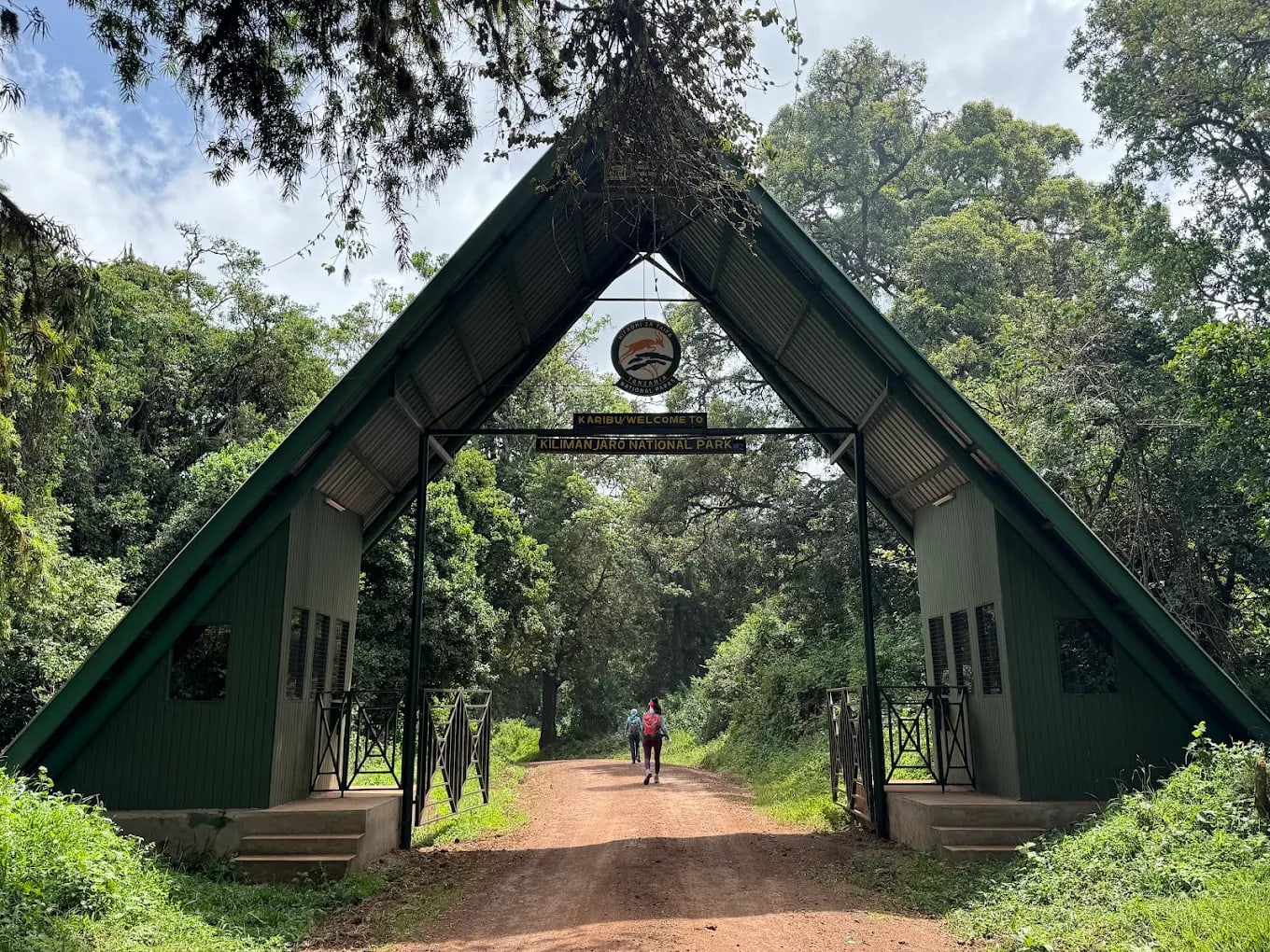
لا توجد فنادق أو نُزل في Mweka Gate—فهي نقطة تفتيش تابعة للمتنزه تضم مرافق أساسية (نقطة للحراس ودورات مياه ومكتبًا للشهادات). ولا يقيم المتسلقون في البوابة. ويرتب منظم الرحلات إقامتك في Moshi (على بُعد 30-40 كم)، حيث تمضي الليلة السابقة لبدء الرحلة والليلة التالية للنزول عبر Mweka Gate. وتوفر Moshi بيوت ضيافة اقتصادية ($20-$50/ليلة)، وفنادق متوسطة ($80-$150/ليلة)، ونُزلًا فاخرة ($200+/ليلة). ويُدرج المنظمون المشهورون إقامة Moshi مسبقًا ضمن باقات التسلق. وإذا رغبت في راحة أطول بعد النزول، فأقم 1-2 ليلة إضافية في Moshi قبل العودة إلى Arusha أو السفر جوًا. ويتولى منظم الرحلات تنسيق جميع التنقلات بين Moshi وMweka Gate.
تُعد Mweka Gate ضرورية إذا كنت تتسلق Kilimanjaro—فهي مخرج النزول الإلزامي الذي يُسجَّل فيه إنجازك رسميًا. أما لغير المتسلقين، فلا تقدم البوابة نفسها قيمة سياحية؛ فهي نقطة تفتيش في المتنزه وليست وجهة طبيعية أو منطقة لمشاهدة الحياة البرية. وتكمن أهمية Mweka Gate في دورها كخط نهاية لواحد من أسهل الجبال العالية إتاحةً في العالم. ويُعد تسلق Kilimanjaro، الذي ينتهي عند Mweka Gate، من أبرز تجارب قائمة الأمنيات؛ إذ ينزل نحو 45,000 متسلق سنويًا عبر هذه البوابة [1]. وإذا أردت تجربة النظام البيئي للغابات الجبلية في Kilimanjaro من دون التسلق، ففكر في المسارات ذات الارتفاع المنخفض على Mount Meru (بالقرب من Arusha) أو في جولات الغابات في المتنزهات الوطنية القريبة.
نعم—المرشدون إلزاميون في جميع رحلات تسلق Kilimanjaro، بما في ذلك النزول عبر Mweka Gate. وتلزم لوائح هيئة المتنزهات الوطنية في Tanzania (TANAPA) جميع المتسلقين بمرافقة مرشدين جبليين معتمدين طوال الوقت في Kilimanjaro [1]. ويُحظر التسلق دون مرشد. ويستعين منظم الرحلات بمرشدين معتمدين من TANAPA (عادةً مرشد واحد لكل 3-4 متسلقين) لقيادة الصعود والنزول وإدارة إجراءات السلامة. ويوفر المرشدون مراقبة داء المرتفعات والملاحة على المسار وشرح الحياة البرية. ويحمل الحمالون (عادةً 1-2 لكل متسلق) المعدات ويجهزون المخيمات. ويضمن نظام المرشدين سلامة المتسلقين ويدعم فرص العمل المحلية. وعند الحجز عبر SafariFind.com، يدرج جميع المنظمين الموثوقين مرشدين معتمدين ضمن باقاتهم.
يمكنك مقارنة باقات تسلق Kilimanjaro وقراءة تقييمات منظمي الرحلات الموثوقين على SafariFind.com، المتخصص في ربط المسافرين بمنظمي رحلات السفاري والرحلات الجبلية الراسخين في أنحاء Tanzania. ابحث عن 'Kilimanjaro climbs' أو عن مسارات محددة (Machame وLemosho وRongai) تنزل عبر Mweka Gate. ويعرض SafariFind تقييمات المنظمين وآراء المسافرين والأسعار وتفاصيل برامج الرحلات، ما يتيح لك مقارنة باقات 6-7 أيام جنبًا إلى جنب. احجز مباشرةً عبر المنظمين الموثوقين على المنصة أو اطلب عروض أسعار للمقارنة. وتأكد من أن المنظم مسجل لدى TANAPA وأن الباقة تشمل مرشدين معتمدين وأيامًا للتأقلم وتأمينًا شاملًا. وتشمل معظم الباقات الانتقالات من المطار والإقامة في Moshi ورسوم المتنزه والمرشدين والحمالين والوجبات ومركبة الاستقبال عند Mweka Gate.
© 2026 SafariFind. جميع الحقوق محفوظة.
 اسأل عنها