5-Day Etosha National Park Safari Itinerary 2027: Cost Breakdown
5-day Etosha safari costs $1,449–$2,203 per person in 2027. See detailed breakdown of accommodation, meals, game drives, and park fees. Book with SafariFind.

Etosha Safari: 5-Day Itinerary & 2027 Cost
Last updated: August 2026
A 5-day Etosha National Park safari in Namibia costs $1,449 to $2,203 per person, including accommodation, meals, and game drives. The best time to visit is May to September for wildlife viewing. Book through verified operators on SafariFind to compare packages and read authentic reviews from past travelers.
At a Glance
- Cost: $1,449–$2,203 per person for 5 days in 2027
- Best time: May to September (dry season, best wildlife viewing)
- Duration: 5 days recommended (3 days minimum)
- Getting there: Fly to Windhoek, then drive or transfer to Etosha (4–5 hours)
- Best for: Budget-conscious travelers, wildlife photographers, first-time safari-goers
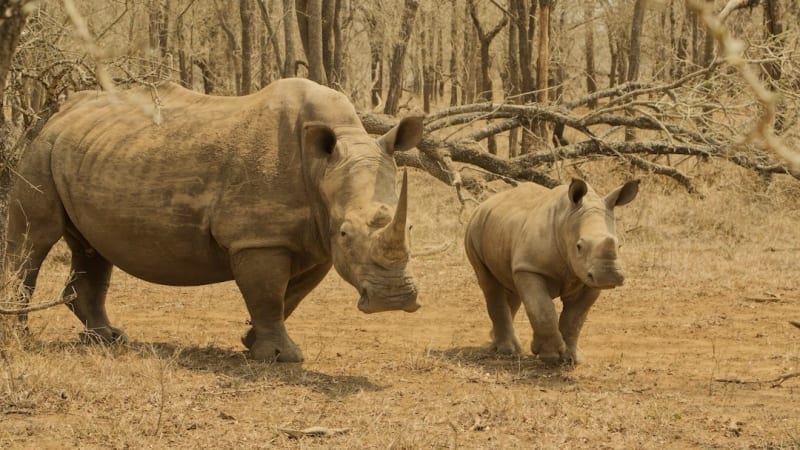
- Wildlife highlights: Elephants, lions, zebras, giraffes, black rhinos
What Is a 5-Day Etosha Safari Itinerary?
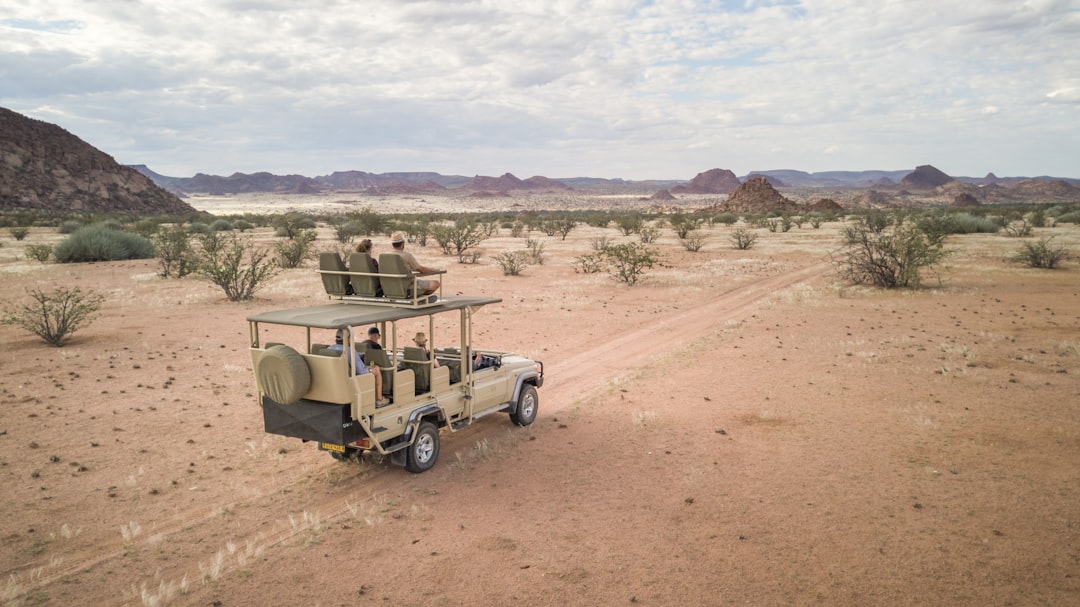
A 5-day Etosha safari is a guided wildlife tour through Etosha National Park, one of Namibia's premier game reserves. You stay at a lodge or camp near the park, enjoy daily game drives, and spot Africa's big five and other wildlife. Most packages include meals, accommodation, and professional guides who know the best viewing spots.
Etosha covers 22,270 square kilometers and is famous for its massive white salt pan and abundant wildlife concentrations around waterholes. The park sits in northern Namibia, about 400 kilometers from Windhoek. A 5-day itinerary gives you three full days of safari drives, perfect for seeing diverse animals without rushing.
Why Choose a 5-Day Itinerary?
A 5-day safari balances time and budget. Three days of driving lets you explore multiple waterholes where animals gather, especially during the dry season. Shorter 3-day trips feel hurried. Longer 7-day trips suit those wanting deep immersion or combining Etosha with other Namibia destinations like Naukluft Mountains or Deadvlei.
Five days works well because you arrive day one, drive days two and three fully, then depart day five. This rhythm avoids jet lag while maximizing wildlife encounters. Most travelers find this sweet spot satisfying and affordable.
Key Features of Etosha Safaris
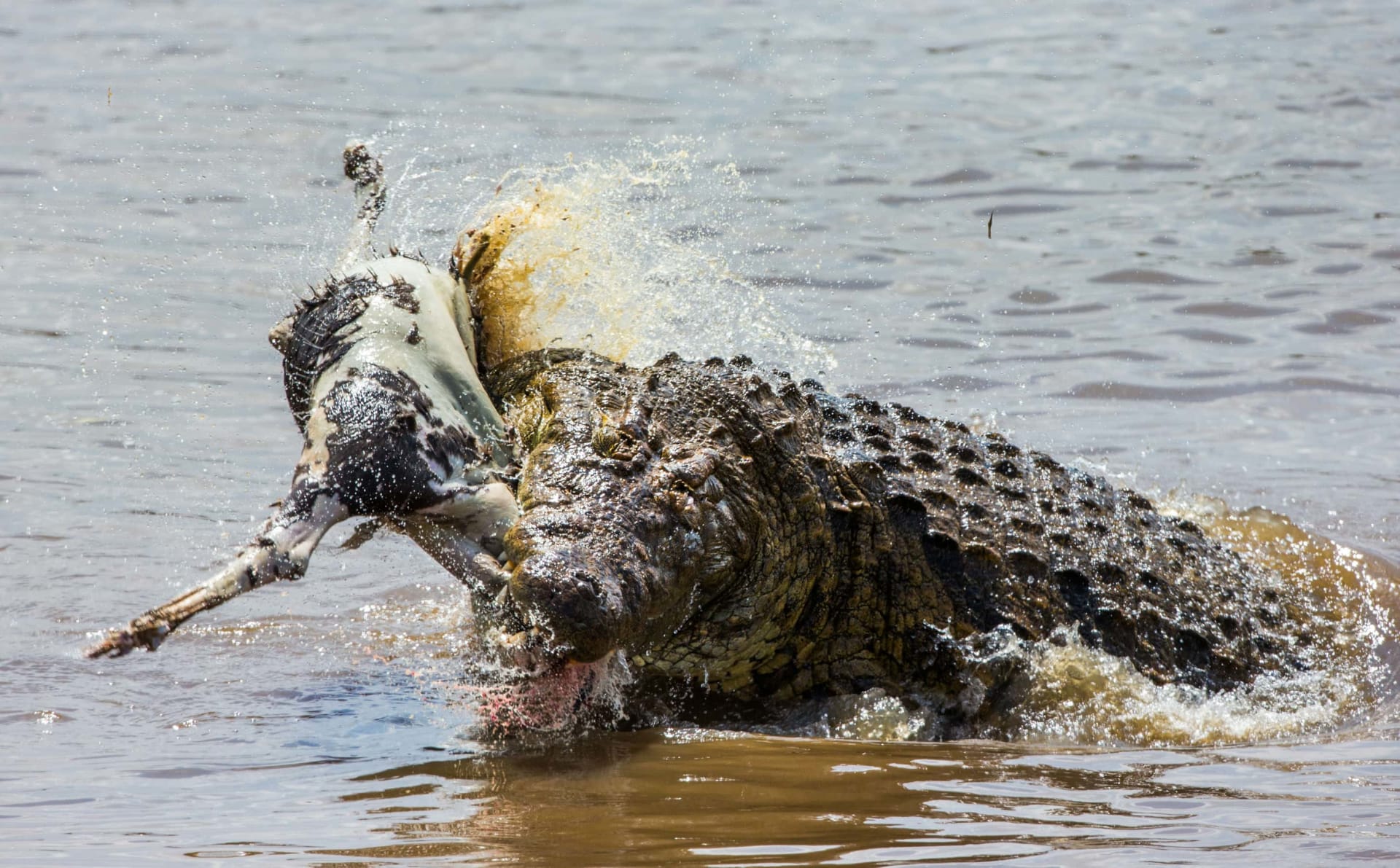
Etosha safaris include daily game drives in open safari vehicles. Guides drive slowly past waterholes where animals drink, especially at dawn and dusk. You'll see lions, elephants, zebras, and giraffes regularly. The park's salt pan creates unique landscapes and excellent photography backdrops.
Meals are typically included at your lodge. Breakfast happens before dawn drives. Lunch is mid-day at camp. Dinner is shared with other guests, creating a social safari experience. Accommodation ranges from budget camping to mid-range lodges with hot showers and comfortable beds.
Complete 5-Day Itinerary Breakdown
Day 1: Windhoek to Etosha South
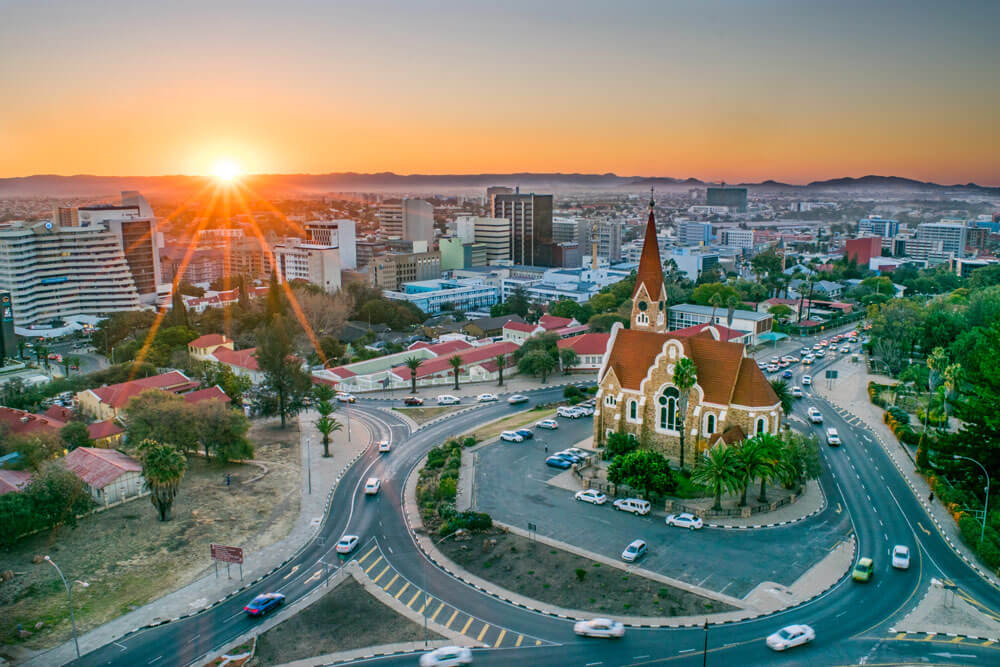
Your safari starts in Windhoek, Namibia's capital. You'll drive east toward Etosha for about 5 hours, covering roughly 400 kilometers. Along the way, you'll pass through towns like Okahandja and Otjiwarongo. The drive itself is scenic, with acacia trees and open grasslands appearing as you head north.
You'll arrive at your lodge near the Andersson Gate by late afternoon. Settle in, meet your guide, and enjoy dinner. Many lodges offer a short evening game drive if you arrive early enough. This day focuses on travel rather than intense safari activity.
Day 2: Full-Day Game Drive—Etosha South
An early breakfast starts your first full safari day. You'll depart before sunrise in an open-sided safari vehicle with your guide. The goal is reaching waterholes as animals arrive to drink. Etosha's waterholes—like Okaukuejo and Halali—concentrate wildlife, especially during dry months.
You'll see elephants in herds, lions resting under trees, zebras and giraffes grazing, and black rhinos near bushes. The guide uses binoculars to spot distant animals and knows animal behavior, so you understand what you're seeing. Mid-day, you'll return to camp for lunch and rest. An afternoon drive explores different areas. Dinner features local cuisine and stories from your guide about animal encounters.
Day 3: Full-Day Game Drive—Etosha North
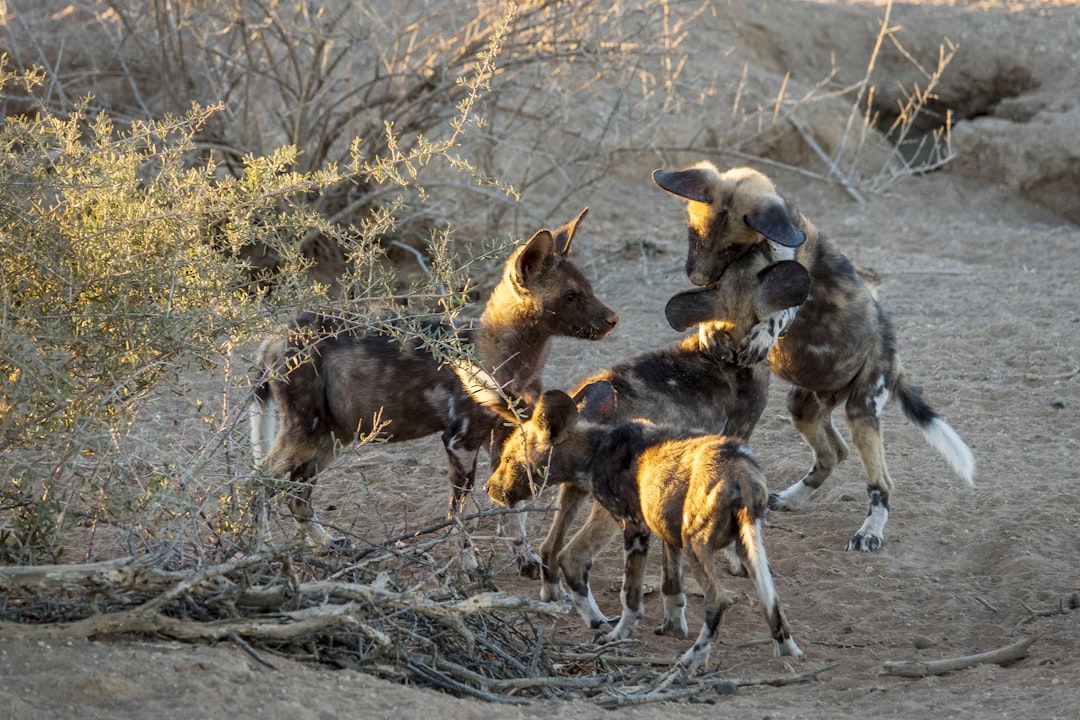
Day three explores Etosha's northern section, accessed via the central Halali Camp. This area offers different scenery and wildlife patterns. The northern pan is more remote, attracting animals seeking quieter waterholes. You may see cheetahs, wild dogs, or herds of 100+ zebras.
The drive routine mirrors day two: early start, midday rest, afternoon drive. But the landscape changes—denser vegetation in the north, different waterhole dynamics. Photography opportunities improve as you learn your camera settings. Your guide's local knowledge deepens, revealing animal tracks, plant uses, and ecosystem details.
Day 4: Optional Activity & Departure Prep
Some itineraries include a half-day morning drive on day four, while others offer optional activities like visits to nearby Cheetah Conservation Fund (a separate facility outside the park). Alternatively, you relax at camp, review photos, and journal about sightings. Late afternoon, you begin the drive back toward Windhoek or your next destination.
This day breaks up the safari rhythm and lets you process experiences. Some travelers choose full-day drives on days two, three, and four, skipping day-four rest. Discuss preferences with your operator when booking.
Day 5: Return to Windhoek
An early breakfast and 5-hour drive back to Windhoek conclude your safari. You'll arrive by late afternoon, with time to rest or explore Windhoek's markets and restaurants. Many travelers book flights departing the next day, giving you an extra night to recover.
Some operators offer multi-day extensions combining Etosha with Namib-Naukluft National Park or coastal towns like Lüderitz. These extensions add 2–4 days and cost $300–$500 extra per person.
Complete 2027 Cost Breakdown
Base Package Costs
A 5-day Etosha safari costs $1,449 to $2,203 per person as of 2027, based on accommodation type and operator . Budget camping safaris start at $1,449. Mid-range lodge packages run $1,700–$1,950. Luxury lodge safaris reach $2,203 and above. Prices vary by season, with peak rates (May–September) higher than low season (November–March).
The cost includes accommodation (4 nights), all meals, two daily game drives, and a professional guide. It does not include international flights, park entrance fees, tips, or personal items. Most packages offer flexibility: you can upgrade lodges, add activities, or extend days for additional fees.
Park Entrance Fees
Etosha National Park charges entrance fees at the gate . Foreign adults pay NAD 280 per day (about $15 USD). SADC citizens pay NAD 180 per day. Namibian residents pay NAD 60 per day. Children under 16 enter free. For a 5-day safari with 3 full driving days, expect to pay roughly $45 USD per foreign adult in park fees alone.
Your tour operator usually includes park fees in the package price, so you won't pay separately at the gate. Always confirm this when booking. Some budget operators list park fees separately, so read fine print carefully.
Accommodation Costs by Type
Budget camping lodges cost $200–$350 per night, totaling $800–$1,400 for 4 nights. These offer basic facilities: shared bathrooms, simple beds, and communal kitchens. Popular budget camps near Etosha include Etosha Safari Camp and Namutoni Camp. Mid-range lodges run $350–$500 per night ($1,400–$2,000 for 4 nights), offering private bathrooms, good meals, and social lounges. Luxury lodges exceed $500 per night, featuring premium bedding, fine dining, and personalized service.
Most 5-day packages bundle accommodation, so you don't book separately. However, understanding lodge types helps you choose the right package. Budget travelers save $500–$700 by choosing camping. Comfort-seekers spend $300–$500 more for mid-range lodges.
Food & Meals
Meals are included in all standard packages. Breakfast costs roughly $8–$15 per person daily. Lunch runs $12–$20. Dinner costs $15–$30, depending on lodge quality. Over 5 days, expect $200–$250 in included meal value. Lodges serve hearty African cuisine: stews, grilled meats, fresh vegetables, and local breads. Vegetarian options are usually available if requested when booking.
Drinks (alcohol and soft drinks) may not be included. Budget $10–$20 daily for beverages. Some lodges offer happy hour discounts on beer and wine in the evenings.
Guide & Game Drive Fees
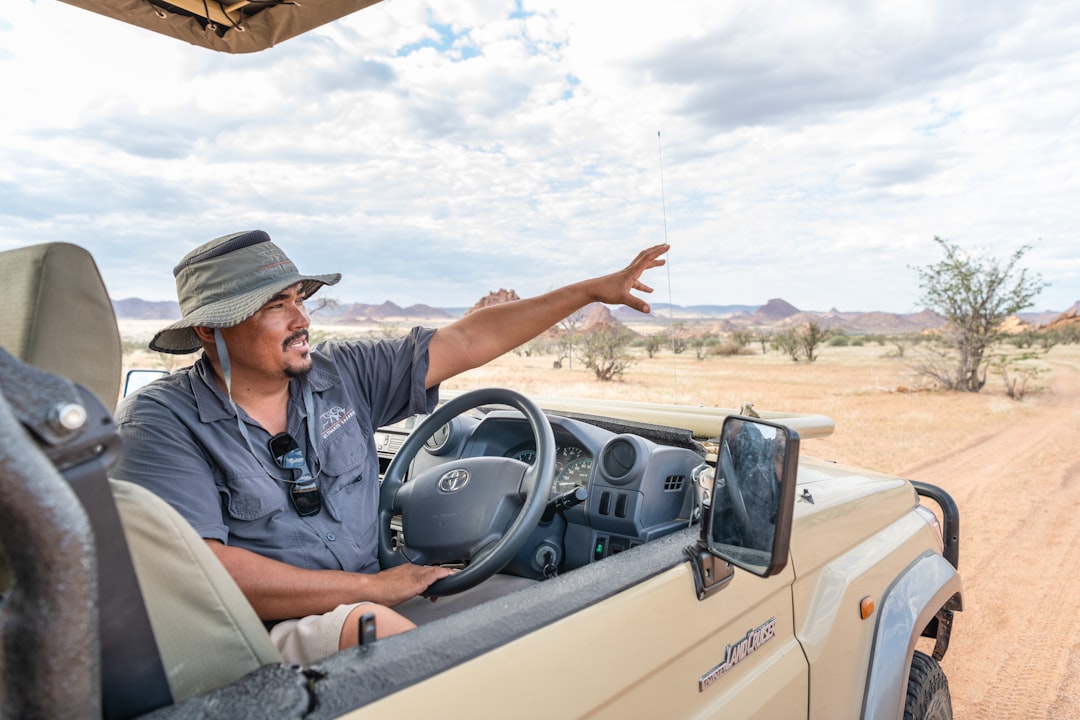
Professional guides are included in all packages. Tips are customary—$10–$20 per day is standard, totaling $50–$100 for 5 days. Guides provide invaluable knowledge about animal behavior, plants, and Namibian culture. Tipping reflects appreciation for exceptional service.
Game drives in open safari vehicles are included twice daily. No extra per-drive fees apply. However, specialized activities like night drives (where permitted) or walking safaris cost extra: $30–$50 per activity.
Sample Cost Breakdown for a 5-Day Safari
| Cost Component | Budget | Mid-Range | Luxury |
|---|---|---|---|
| Accommodation (4 nights) | $800 | $1,600 | $2,200 |
| Meals (included) | $200 | $250 | $350 |
| Park entrance fees | $45 | $45 | $45 |
| Guide & game drives | Included | Included | Included |
| Tips (guide & staff) | $50 | $75 | $100 |
| Drinks & extras | $100 | $150 | $200 |
| Total Per Person | $1,195 | $2,120 | $2,895 |
These estimates reflect 2027 pricing. Budget safaris offer excellent value for first-timers. Mid-range safaris balance comfort and cost. Luxury safaris suit travelers seeking premium experiences and personalized service. Compare verified Etosha lodge packages on SafariFind to find the best fit for your budget and preferences.
Best Time to Visit Etosha in 2027
Dry Season (May–September)
The dry season is the best time for Etosha safaris. May through September brings cooler temperatures (15–25°C), little rain, and concentrated wildlife around waterholes. Animals must drink daily, so sightings are frequent and predictable. Vegetation is sparse, making animals easier to spot. This is peak season, so prices are highest and lodges book quickly. Plan 3–6 months ahead for May–September trips.
July and August are the most popular months, with the best wildlife viewing but also the most tourists. May, June, and September offer slightly fewer visitors and lower prices while maintaining excellent game viewing. Wildlife photographers prefer this season for clear skies and dramatic lighting.
Shoulder Season (April & October)
April and October offer moderate temperatures, occasional rain, and good wildlife viewing at lower prices than peak season. Vegetation greens up, creating scenic backdrops for photos. Tourist numbers drop, so lodges feel less crowded. These months suit budget-conscious travelers who want quality experiences without peak-season crowds.
Wet Season (November–March)
The wet season brings warm temperatures (25–35°C), frequent rain, and lush vegetation. Wildlife disperses across the park, making sightings less concentrated but more exciting. Bird-watching is exceptional. Prices are lowest, and lodges have availability. However, some roads become muddy, and occasional park closures occur after heavy rains. This season suits adventurous travelers and bird enthusiasts.
December to February is hottest, with afternoon thunderstorms common. March is wetter, with excellent vegetation and bird activity. These months are ideal for budget travelers and those seeking solitude over guaranteed sightings.
How to Book Your 5-Day Etosha Safari
Step 1: Choose Your Dates & Season
Decide when you want to visit in 2027. Peak season (May–September) requires booking 3–6 months ahead. Shoulder and low seasons allow booking 6–8 weeks prior. Check your calendar and consider work schedules, weather preferences, and budget. Write down 2–3 date ranges you're flexible with.
Step 2: Determine Your Budget
Set a budget for accommodation, meals, park fees, and tips. Budget safaris cost $1,449–$1,600. Mid-range safaris run $1,700–$1,950. Luxury safaris exceed $2,200. Factor in international flights (typically $800–$1,500 from North America or Europe) and travel insurance ($50–$150). A realistic total for a 5-day Etosha safari is $2,500–$4,500 per person, including flights.
Step 3: Research Operators & Packages
Compare 5-day Etosha safari packages on SafariFind. Read reviews from past travelers, check operator ratings, and compare inclusions. SafariFind lists verified operators with authentic guest feedback, so you know what to expect. Look for operators offering flexible cancellation policies and responsive customer service.
Step 4: Request Quotes & Compare
Contact 2–3 operators with your dates and preferences. Ask detailed questions: What's included? What's not? Are there hidden fees? What's the guide-to-guest ratio? Can you customize the itinerary? Request written quotes with full pricing breakdowns. Compare side-by-side, then choose the operator offering the best value and service for your needs.
Step 5: Book & Prepare
Once you've chosen an operator, complete the booking with a deposit (usually 25–50% of total cost). Confirm all details in writing: dates, accommodation, activities, and payment schedule. Arrange your international flights and travel insurance. Request a detailed itinerary 4–6 weeks before departure. Pack appropriate gear: binoculars, camera, sunscreen, hat, and neutral-colored clothing for better wildlife viewing.
Practical Tips for Your Etosha Safari
What to Pack
Pack neutral-colored clothing: khaki, tan, and olive green blend into the landscape, letting you get closer to animals. Avoid bright colors and patterns. Bring long sleeves and pants for sun protection and bug defense. A lightweight jacket handles cool early mornings. Comfortable walking shoes are essential for lodge areas. Pack binoculars (8x42 magnification is ideal), a quality camera, and extra batteries. Sunscreen (SPF 50+), a hat, and sunglasses protect against intense sun.
Bring prescription medications and basic first-aid supplies. Malaria is present in northern Namibia, so consult your doctor about antimalarial medication. Travel insurance that covers medical evacuation is highly recommended. Pack a headlamp or flashlight for navigating lodges at night.
Photography Tips
Bring a camera with a good zoom lens (200mm minimum). Sunrise and sunset offer the best lighting for wildlife photos. Ask your guide to position the vehicle for optimal angles. Patience is key—great shots require waiting and watching. Avoid using flash, which startles animals. Shoot in shutter-priority mode (at least 1/500 second) to freeze moving animals. Review photos daily to adjust settings.
Behavior & Safety
Always stay in the safari vehicle unless your guide says it's safe to exit. Animals are wild and unpredictable. Listen to your guide's safety instructions carefully. Don't make sudden movements or loud noises near animals. Keep a safe distance—binoculars let you observe from afar. Never feed animals or offer them water. Respect wildlife and the park's conservation rules.
Health Precautions
Drink plenty of water—the dry air and sun dehydrate quickly. Avoid drinking tap water; stick to bottled water provided at lodges. Eat only food prepared by lodge staff. Sleep under mosquito nets, especially in low season. Apply insect repellent (DEET 30%+) in evenings. If you feel unwell, inform your guide immediately. Most lodges have radio contact with medical facilities in nearby towns.
Etosha Safari Extensions & Combinations
Add Namib-Naukluft National Park
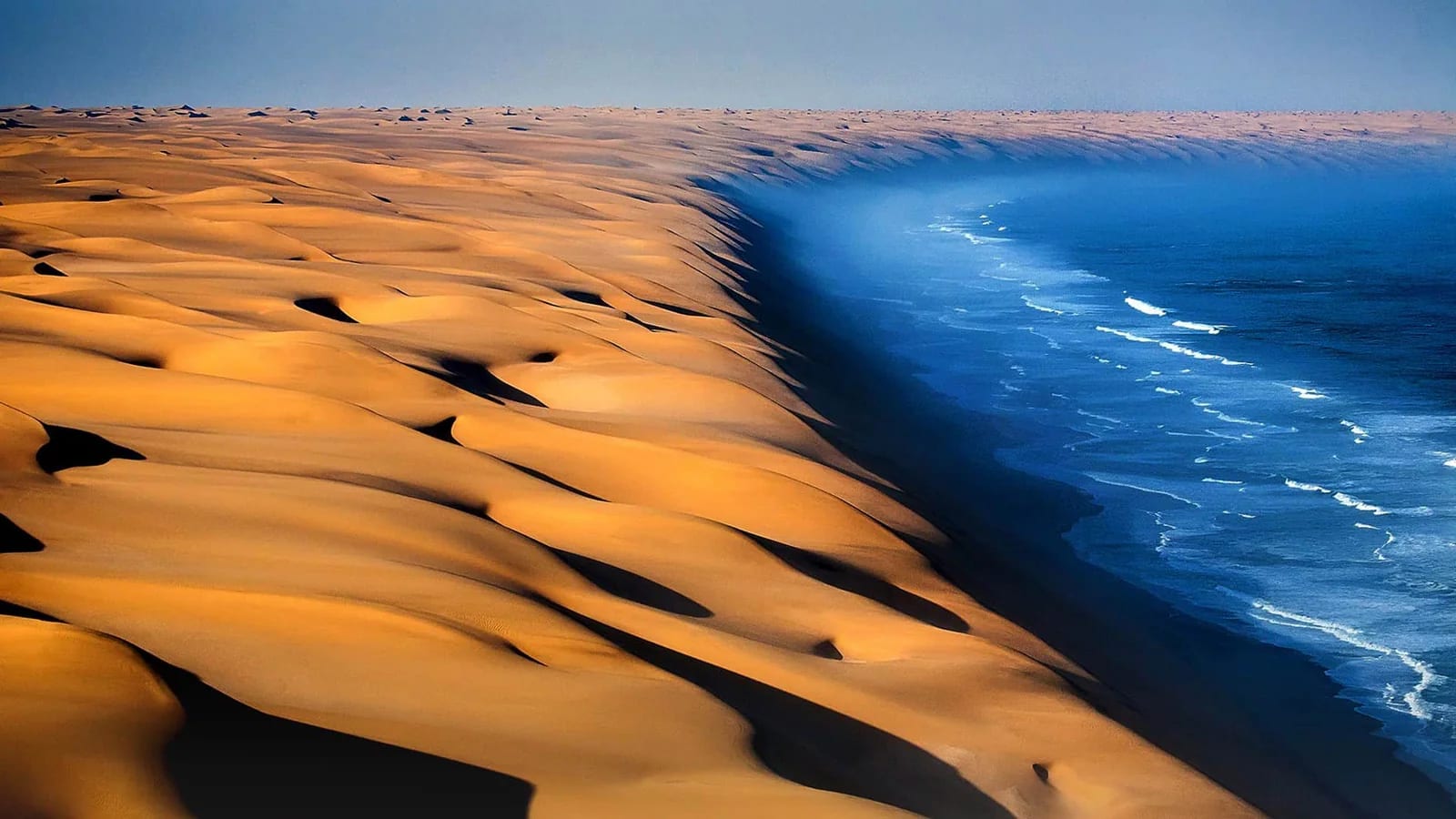
Combine your Etosha safari with Namib-Naukluft National Park, home to Deadvlei's iconic sand dunes. A 2–3 day extension adds $400–$600 per person. You'll hike red dunes, photograph dead trees against blue skies, and experience Namibia's most famous landscape. This combination suits photographers and adventure travelers.
Coastal Experience: Walvis Bay & Swakopmund
Add 2–3 days on Namibia's coast for beach time and water activities. Walvis Bay offers boat tours to see dolphins and seals. Swakopmund features restaurants, shops, and adventure activities like dune boarding. A coastal extension costs $300–$500 per person and balances safari wildlife with relaxation.
Cheetah Conservation Focus
Visit Cheetah Conservation Fund near Etosha for a specialized experience. Learn about cheetah research, see rescued animals, and support conservation. A half-day visit costs $50–$75 per person and adds deep meaning to your safari. This suits wildlife enthusiasts passionate about big cats.
Multi-Destination Namibia Safaris
Some operators offer self-drive safaris combining Etosha with other regions. These 7–10 day itineraries include Brandberg, Solitaire, and Aus. Self-drive safaris in Namibia cost $2,000–$4,000 per person for 7 days, giving you independence and flexibility. You rent a 4x4 vehicle and navigate at your own pace, camping or staying in lodges.
Key Takeaways
- Book 3–6 months ahead for peak season (May–September) safaris to secure your preferred lodge and save 10–15% on early-bird rates.
- Budget $1,449–$2,203 per person for a 5-day Etosha safari in 2027, including accommodation, meals, and game drives; add $45 per person for park entrance fees.
- Visit during the dry season (May–September) for the best wildlife viewing, as animals concentrate around waterholes and vegetation is sparse for easier spotting.
- Choose mid-range lodges ($350–$500/night) for the optimal balance of comfort, food quality, and cost; budget options save $500+ but offer basic facilities.
- Combine Etosha with Namib-Naukluft or coastal towns for a 7–10 day multi-destination safari, adding $300–$600 per person for unforgettable variety and deeper Namibia exploration.
Frequently Asked Questions
How much does a 5-day Etosha National Park safari cost in 2027?
A 5-day Etosha safari costs $1,449–$2,203 per person in 2027 . Budget camping packages start at $1,449. Mid-range lodge packages run $1,700–$1,950. Luxury safaris reach $2,203 and higher. Prices include accommodation, meals, game drives, and a professional guide. Park entrance fees ($45 per person) and tips ($50–$100) are additional. International flights from North America or Europe typically cost $800–$1,500, so budget $2,500–$4,500 total per person.
What is the best time to visit Etosha National Park?
The best time to visit Etosha is May to September (dry season). Temperatures are cool (15–25°C), rainfall is minimal, and wildlife concentrates around waterholes, making sightings frequent and reliable. July and August are peak months with the most animals but also the most tourists. May, June, and September offer excellent viewing with fewer crowds and lower prices. Shoulder season (April & October) is also good for wildlife and costs less.
What wildlife can I see on an Etosha safari?
Etosha safaris offer excellent chances to see Africa's big five: lions, elephants, leopards, buffalo, and rhinos. You'll regularly encounter zebras, giraffes, wildebeest, and antelopes. Black rhinos are present but rare and require patience to spot. The park also features cheetahs, wild dogs, hyenas, and jackals. Bird-watching is exceptional, with over 340 bird species recorded. Your guide's knowledge greatly enhances your ability to spot and identify animals.
Do I need a visa to visit Namibia for a safari?
Visa requirements depend on your nationality. Citizens of many countries (USA, UK, Canada, Australia, EU nations) receive a 90-day visitor permit upon arrival at Windhoek Airport—no pre-arranged visa needed. However, check Namibia's immigration website for your specific country. Your passport must be valid for at least 6 months beyond your travel dates. Tour operators can advise on visa requirements when you book.
Is malaria a risk at Etosha National Park?
Yes, malaria is present in northern Namibia, including Etosha. Consult your doctor 4–6 weeks before travel about antimalarial medication (typically doxycycline or atovaquone-proguanil). Use insect repellent with DEET 30% in evenings and at dawn. Sleep under mosquito nets provided at lodges. Wear long sleeves and pants during dawn and dusk. Most travelers take precautions and stay healthy. Travel insurance covering medical evacuation is highly recommended.
Can I do a self-drive safari in Etosha, or do I need a guide?
You can self-drive in Etosha if you have a valid driver's license and rent a 4x4 vehicle. However, guided safaris are strongly recommended for first-timers. Guides know animal behavior, track locations, and park roads intimately. They position vehicles for optimal sightings and share cultural knowledge. Self-drive safaris in Namibia cost $2,000–$4,000 for 7 days, while guided packages are $1,449–$2,203 for 5 days. For your first Etosha experience, a guided safari is worth the investment.
What should I pack for an Etosha safari?
Pack neutral-colored clothing (khaki, tan, olive green) in long sleeves and pants for sun and insect protection. Bring comfortable walking shoes, a lightweight jacket, binoculars (8x42), a quality camera with extra batteries, and strong sunscreen (SPF 50+). Include a hat, sunglasses, and a headlamp. Pack prescription medications, malaria prevention tablets, and travel insurance documents. Avoid bright colors and patterns that scare wildlife. A waterproof day pack is useful for carrying items during game drives.
Conclusion
A 5-day Etosha National Park safari in 2027 costs $1,449–$2,203 per person, making it an affordable African wildlife experience. The itinerary balances three full days of game drives with travel and rest, giving you excellent wildlife viewing without overwhelming your schedule. Etosha offers abundant lions, elephants, zebras, and black rhinos, especially during the dry season (May–September) when animals concentrate around waterholes.
The park's 22,270 square kilometers provide diverse landscapes—from the iconic salt pan to acacia woodlands—and your guide will share insights into Namibian wildlife and culture. Mid-range lodges ($1,700–$1,950 total) balance comfort and cost, while budget options suit first-timers and luxury safaris cater to those seeking premium experiences.
Consider extending your safari with Namib-Naukluft National Park or coastal towns for a richer Namibia experience. Book 3–6 months ahead for peak season to secure your preferred lodge and potentially save 10–15% on early-bird rates.
Compare verified 5-day Etosha safari packages on SafariFind today. Read authentic traveler reviews, request quotes from multiple operators, and find the perfect safari matching your budget and interests. Your Etosha adventure awaits.
Plan Your Safari with SafariFind
These recommendations use real data from SafariFind, where you can compare operators, browse packages, and read verified traveler reviews before you book.
Top Safari Packages from SafariFind
What Travelers Say (SafariFind Reviews)
References
- NamMagic Conservation Safari - May 2027 Itinerary - Cheetah Ecolodge
- Etosha National Park Fees & Gates - Official Etosha National Park
- Namibia Itineraries: Compare Trips - Wilderness Travel
- 10 Best Etosha National Park Tours & Trips 2026/2027 - TourRadar
- Etosha National Park Safaris in Namibia - African Budget Safaris
- Namibia Vacations and Safaris 2026 & 2027 - Audley Travel US
- African Safari Cost 2027 | According To Experts - Kabira Safaris
- African Safaris — All Packages 2026/2027 - The Luxury Africa DMC
V2Ui.sources
- NamMagic Conservation Safari - May 2027 Itinerary - Cheetah Ecolodge
- Etosha National Park Fees & Gates - Official Etosha National Park
- Namibia Itineraries: Compare Trips - Wilderness Travel
- 10 Best Etosha National Park Tours & Trips 2026/2027 - TourRadar
- Etosha National Park Safaris in Namibia - African Budget Safaris
- Namibia Vacations and Safaris 2026 & 2027 - Audley Travel US
- African Safari Cost 2027 | According To Experts - Kabira Safaris
- African Safaris — All Packages 2026/2027 - The Luxury Africa DMC
Related to
Ready to start your safari adventure?
Explore curated safari packages and find your perfect African adventure with verified operators.