Affordable Kenya Safaris Tours with All-Inclusive Options
Discover Affordable Kenya Safaris Tours with All-Inclusive Options - Expert guide to safari tourism and wildlife destinations.
Affordable Kenya Safaris: Budget Tours
Affordable Kenya safaris with all-inclusive options let you experience Africa's best wildlife without spending a fortune. These packages bundle accommodation, meals, and guided tours into one low price, making planning simple and costs predictable.
What Are Affordable Kenya Safaris with All-Inclusive Options?
Affordable Kenya safaris with all-inclusive options combine lodging, food, guided game drives, and park fees into one package price. You pay upfront and know exactly what you'll spend. No surprise costs pop up during your trip.
Kenya attracts millions of safari lovers each year. The country sits on the equator in East Africa and hosts incredible wildlife reserves. All-inclusive packages make Kenya accessible to budget-conscious travelers who still want premium experiences.
These safaris typically last 3 to 10 days. You'll stay in comfortable lodges or tented camps. Professional guides lead you through national parks and game reserves. You see lions, elephants, giraffes, zebras, and hundreds of bird species.
Key Features of All-Inclusive Kenya Safaris
All-inclusive packages cover the basics you need. Here's what typically comes included:
Accommodation in safari lodges or camps
All meals and non-alcoholic drinks
Daily guided game drives
National park entrance fees
Airport transfers in major cities
Professional English-speaking guides
Some packages add extras like hot air balloon rides or visits to Maasai villages. These upgrades cost more but enhance your experience.
Why All-Inclusive Packages Matter
All-inclusive safaris remove planning stress. You don't hunt for restaurants or worry about hidden fees. Everything works smoothly because the operator handles logistics.
These packages also offer better value. Tour operators negotiate group rates with lodges and parks. They pass savings to you. Individual travelers pay much more when booking separately.
Budget travelers love all-inclusive options because costs stay predictable. You know your total before departure. This makes saving money and planning easier.
How Much Do Affordable Kenya Safaris Cost?
Affordable Kenya safari packages range from $800 to $3,000 per person for a week-long trip. Budget options use basic lodges and shared vehicles. Mid-range packages offer nicer accommodations and smaller group sizes. Luxury safaris exceed $4,000 but include premium camps and private guides.
Budget vs. Mid-Range vs. Luxury
Budget safaris keep costs low by using simple accommodations and larger groups. You might share a vehicle with 6-8 other travelers. Meals are basic but filling. Budget options work great for travelers who want wildlife views without premium amenities.
Mid-range safaris offer comfort and value. Groups stay smaller (4-6 people per vehicle). Lodges have better facilities and scenic locations. Meals include more variety. Most travelers choose mid-range because they balance cost and comfort well.
Luxury safaris provide exclusive experiences. You get private guides, small group sizes, and top-tier lodges. Meals feature gourmet cooking. These packages cost more but offer unmatched comfort and personalized service.
What's Included in Pricing
Package prices include accommodation, meals, guides, and park fees. However, some costs stay separate. International flights from your home country aren't included. Travel insurance, tips, and optional activities cost extra.
Most packages include beverages during meals. Alcoholic drinks at lodges may cost more. Ask your operator what's covered before booking. Clear communication prevents surprises when you arrive in Kenya.
Best Kenya Safari Destinations for Budget Travelers
Kenya has several world-class safari destinations. Each offers unique wildlife viewing and different price points. Let's explore the top spots for affordable safaris.
Maasai Mara National Reserve
Maasai Mara sits in western Kenya and covers 580 square miles. The reserve hosts the famous Great Migration, where millions of wildebeest and zebras cross from Tanzania each year. Visitors see massive herds and dramatic river crossings.
Maasai Mara offers excellent value for budget travelers. Lodges range from basic to luxury. All-inclusive packages here typically cost $1,200 to $2,500 for 4 days. You see more large animals in Maasai Mara than most other reserves.
The best time to visit is July through October during the Great Migration. However, wildlife viewing is good year-round. Budget packages fill up quickly during peak season, so book early.
Amboseli National Park
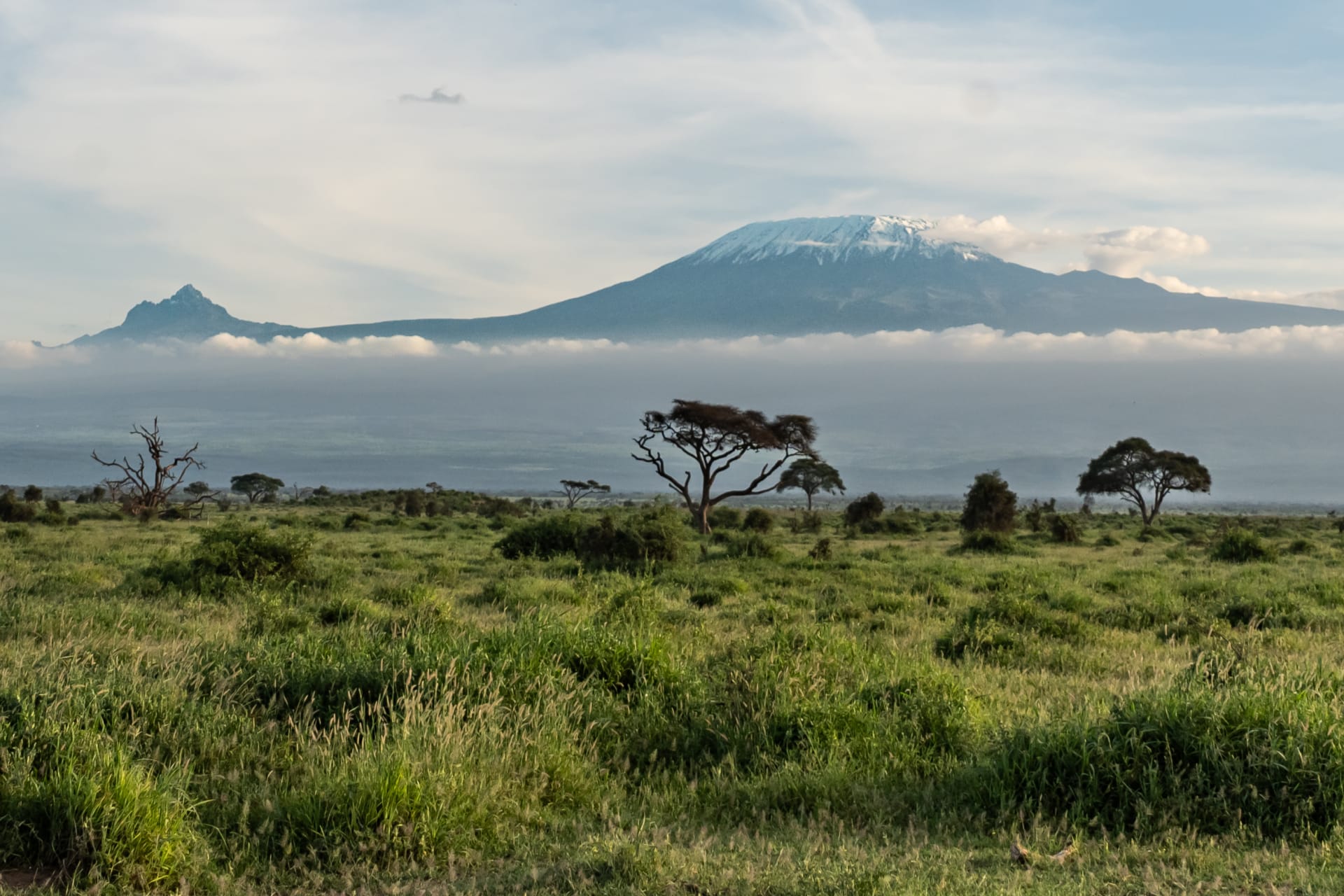
Amboseli sits in southern Kenya near the Tanzanian border. Mount Kilimanjaro dominates the landscape, creating stunning backdrops for photos. The park is smaller but densely packed with elephants, lions, and zebras.
Amboseli offers more budget-friendly options than Maasai Mara. Three-day packages start around $900. The park sits at lower altitude, so wildlife concentrates around water sources. This makes animal sightings more likely.
Visit during dry seasons (January-February and July-September) for best viewing. Amboseli works well for travelers wanting shorter trips or tighter budgets.
Tsavo National Parks
Tsavo East and Tsavo West form Kenya's largest protected area. The parks cover 8,000 square miles of diverse landscapes. You'll find red elephants, lions, and unique wildlife not seen elsewhere.
Tsavo packages offer excellent value because fewer tourists visit here compared to Maasai Mara. Four-day trips cost $1,000 to $2,000. The parks feel wilder and less crowded, giving you authentic African experiences.
Tsavo suits travelers seeking adventure and fewer crowds. The landscape changes from savanna to volcanic terrain, keeping scenery interesting throughout your trip.
Lake Nakuru National Park
Lake Nakuru sits in central Kenya and covers 73 square miles. The soda lake attracts millions of flamingos, creating pink-colored water. You'll also see rhinos, lions, and leopards.
Lake Nakuru packages are affordable because the park is smaller and closer to Nairobi. Two to three-day trips cost $600 to $1,200. The park works well as an add-on to other safari destinations.
How to Book Your Affordable Kenya Safari
Booking a Kenya safari requires research and planning. Follow these steps to find the best all-inclusive package for your budget.
Step 1: Decide Your Budget and Dates
First, determine how much you can spend. Budget safaris cost less but offer fewer amenities. Mid-range safaris provide better comfort. Set your total budget, including flights and extras.
Next, pick your travel dates. Peak season (July-October) costs more but offers great wildlife viewing. Low season (April-May) is cheaper but has more rain. Consider what matters most to you.
Step 2: Research Tour Operators
Finding the right operator makes or breaks your safari. Look for companies with strong reputations and verified reviews. SafariFind connects travelers with trusted tour operators across Kenya.
On SafariFind, you can browse verified operators, compare their packages, and read authentic reviews from past travelers. Check ratings and review counts to identify the best companies. Look for operators with 4+ star ratings and dozens of reviews.
Read specific reviews to learn about guide quality, vehicle conditions, and accommodation standards. Travelers often mention what impressed them most and what could improve.
Step 3: Compare Packages and Prices
Multiple operators offer similar itineraries at different prices. SafariFind lets you compare packages side-by-side. Look at what's included in each package price.
Compare accommodation types, meal quality, group sizes, and guide experience. A cheaper package might use basic lodges or larger groups. Mid-priced packages balance cost and comfort better.
Don't choose based on price alone. The cheapest option might disappoint. Mid-range packages often provide better value for your money.
Step 4: Request Quotes from Verified Operators
Once you've narrowed down your choices, request quotes directly from operators. SafariFind makes this easy by connecting you with verified tour companies.
Contact operators with questions about your specific trip. Ask about included activities, accommodation details, and group sizes. Good operators respond quickly and thoroughly.
Request quotes for your exact dates and number of travelers. Prices sometimes vary based on group size. Larger groups often get discounted rates per person.
Step 5: Read Reviews and Make Your Decision
Before booking, read recent reviews from travelers who took similar trips. SafariFind displays verified reviews with traveler names and ratings. Look for reviews matching your package type.
Pay attention to comments about guide quality, wildlife sightings, and accommodation comfort. Ask operators any remaining questions before confirming your booking.
Once satisfied, book your safari. Most operators require a deposit to secure your dates. Pay the remaining balance closer to your departure date.
Tips for Maximizing Your Kenya Safari Budget
Smart planning helps you get more value from your safari budget. These practical tips will enhance your experience without breaking the bank.
Travel During Low Season
Prices drop significantly during low season (April-May and November-December). You'll pay 30-40% less for the same package. Wildlife viewing remains good, though you might see fewer animals during rainy months.
Low season works great for budget travelers. Fewer tourists mean less crowded parks and more relaxed experiences. You'll enjoy better guide attention with smaller groups.
Book Longer Trips
Longer safaris cost less per day than short trips. A 7-day safari costs about 30% less per day than a 3-day trip. Operators offer better daily rates for extended packages.
Longer trips also give you more wildlife viewing opportunities. More days mean more game drives and better chances of seeing rare animals like leopards.
Join Group Safaris
Group safaris cost much less than private tours. Sharing a vehicle with other travelers reduces costs significantly. You'll also meet fellow adventurers and make new friends.
Group safaris work well if you're flexible. You'll follow a set itinerary with predetermined dates. Private safaris offer more flexibility but cost 2-3 times more.
Skip Expensive Add-Ons
Hot air balloon rides, helicopter tours, and special activities add hundreds of dollars. Skip these extras if budget is tight. Standard game drives provide excellent wildlife viewing without extra costs.
Focus on the core safari experience. Game drives from your lodge offer incredible wildlife encounters for no additional charge.
Use SafariFind to Compare Deals
SafariFind makes comparing packages easy. Browse multiple operators and packages to find the best deals. Read reviews to ensure you're choosing quality operators, not just the cheapest option.
Many operators offer seasonal promotions and discounts. Check SafariFind regularly for special deals. Verified operators sometimes offer early booking discounts or group rates.
What to Expect on Your Kenya Safari
Understanding what happens during your safari helps you prepare mentally and physically. Here's what a typical day looks like.
Daily Safari Schedule
Most safaris start before sunrise. Your guide picks you up at 5:30 or 6:00 AM. You'll drive through the park in an open-sided vehicle, watching for animals as light increases.
The morning game drive lasts 3-4 hours. You'll see lions, elephants, giraffes, zebras, and numerous bird species. Your guide spots animals and shares fascinating facts about behavior and habitats.
You'll return to your lodge by 9:00 AM for breakfast. The afternoon is free time for rest, lunch, and relaxation. Evening game drives start around 3:00 or 4:00 PM and continue until sunset.
Accommodation Standards
Budget lodges provide basic but clean rooms with beds and bathrooms. Mid-range lodges offer comfortable rooms with good facilities. All lodges include electricity and running water.
Tented camps provide authentic safari experiences. Canvas tents feel close to nature while maintaining comfort. Most have comfortable beds and attached bathrooms.
All-inclusive packages cover accommodation, so quality varies by price point. Read reviews on SafariFind to understand what accommodation to expect with your chosen package.
Meals and Dining
All-inclusive packages include three meals daily. Breakfast is usually buffet-style with eggs, bread, fruit, and coffee. Lunch varies but includes meat, vegetables, and local dishes.
Dinner is more formal, served at a dining hall or restaurant. Meals feature African and international cuisine. Most lodges accommodate dietary restrictions if you request them in advance.
Meals are social times where you meet other guests. Many lifelong friendships start over safari dinners.
Physical Demands
Safari game drives require sitting for extended periods. Morning drives last 3-4 hours with minimal breaks. Bring water, sunscreen, and a hat.
Vehicle seats are comfortable but can feel hard after hours of driving. Most vehicles have good suspension, so bumps are minimal on main roads.
You don't need extreme fitness for safaris. People of all ages and abilities enjoy them. Inform your operator about any mobility concerns before booking.
Essential Packing for Your Kenya Safari
Packing smart ensures comfort and safety during your safari. Here's what you absolutely need to bring.
Clothing
Pack neutral-colored, lightweight clothing. Khaki, tan, and brown blends into the landscape. Avoid bright colors that scare wildlife. Bring long sleeves and pants to protect from sun and insects.
Include a warm layer for early morning drives. Temperatures drop before sunrise. A fleece jacket or sweatshirt keeps you comfortable during cold hours.
Bring comfortable walking shoes for lodge areas. Pack closed-toe hiking boots if you plan walking safaris. Socks prevent blisters during long days.
Sun and Bug Protection
High SPF sunscreen is essential. The African sun is intense, even on cloudy days. Apply sunscreen liberally and reapply after sweating.
Bring insect repellent with DEET to prevent mosquito-borne illnesses. Malaria is present in some areas. Consult your doctor about malaria prevention medication before traveling.
Pack a hat with a wide brim to shade your face. Sunglasses protect your eyes from UV rays.
Photography Gear
Bring a good camera if you're interested in wildlife photography. A telephoto lens (200-400mm) captures distant animals. Binoculars let you see details without a camera.
Pack extra batteries and memory cards. You'll take hundreds of photos. Batteries drain quickly in cold morning temperatures.
Medications and Health Items
Bring prescription medications in original containers. Pack a basic first aid kit with bandages, pain relievers, and anti-diarrhea medicine. Include any personal medications you take regularly.
Consult your doctor before traveling. Some areas require vaccinations or malaria prevention. Get vaccinations 4-6 weeks before departure.
Best Times to Visit Kenya for Budget Safaris
Timing affects both wildlife viewing and prices. Understanding seasons helps you plan the best trip.
Peak Season (July-October)
Peak season offers excellent wildlife viewing but highest prices. The Great Migration happens during this period. Millions of wildebeest and zebras cross from Tanzania into Maasai Mara.
Prices are 30-50% higher than low season. Parks are crowded with tourists. However, wildlife viewing is nearly guaranteed during peak season.
Shoulder Season (January-February and November-December)
Shoulder seasons balance good wildlife viewing with lower prices. Weather is generally dry, supporting animal movements. Prices are 15-30% lower than peak season.
Parks are less crowded, offering more relaxed experiences. Wildlife viewing remains excellent. Shoulder seasons work well for budget travelers seeking good value.
Low Season (April-May)
Low season offers the best budget deals. Prices drop 40-50% from peak season. However, this period has significant rainfall.
Rain doesn't stop safaris, but it affects wildlife viewing. Animals spread out more during rainy season. You might see fewer large herds, but vegetation is lush and birds are abundant.
Dry Season (June-March)
Dry season is best for wildlife viewing. Animals concentrate around water sources, making sightings more likely. Dry conditions mean better vehicle access to remote areas.
Book safaris during dry months for optimal experiences. Prices are higher, but wildlife viewing justifies the cost.
Key Takeaways
All-inclusive packages simplify planning: One price covers accommodation, meals, guides, and park fees. No surprise costs appear during your trip. This makes budgeting easy and stress-free.
Budget safaris range from $800-$3,000 per person: Affordable options exist for every wallet. Compare packages on SafariFind to find the best value. Mid-range packages typically offer the best balance of cost and comfort.
Travel during low season to save 30-50%: April-May and November-December offer better prices. Wildlife viewing remains good despite seasonal changes. Low season suits budget-conscious travelers perfectly.
Longer trips provide better daily rates: Seven-day safaris cost about 30% less per day than three-day trips. More days also mean better wildlife viewing opportunities and richer experiences.
Use SafariFind to compare operators and read reviews: Verified reviews from past travelers help you choose reliable operators. Compare multiple packages to find the best deal. Book with confidence using authentic traveler feedback.
Frequently Asked Questions
What does "all-inclusive" mean in a Kenya safari package?
All-inclusive means your package price covers accommodation, all meals, daily guided game drives, national park entrance fees, and airport transfers. You pay one price upfront. Additional costs like tips, travel insurance, and optional activities aren't included. This removes guesswork about total expenses.
Is it safe to visit Kenya for a safari?
Kenya is generally safe for tourists, especially in established safari areas. Tour operators follow strict safety protocols. Parks employ rangers and guides trained in safety procedures. Millions of tourists visit Kenya safely each year. Consult current travel advisories before booking, but Kenya remains a popular and secure safari destination.
How long should my Kenya safari be for best wildlife viewing?
A 4-7 day safari provides excellent wildlife viewing. Three days is minimum but feels rushed. Four days balances time and cost well. Longer trips offer more game drives and better chances of seeing rare animals. Choose based on your budget and available vacation time.
Do I need vaccinations before visiting Kenya?
Yellow fever vaccination is recommended for Kenya. Malaria prevention medication is important for certain areas. Consult your doctor 4-6 weeks before travel. They'll recommend vaccinations based on your health history and travel plans. Most travelers take basic precautions and stay healthy.
Can I book a Kenya safari if I'm traveling alone?
Yes, solo travelers book Kenya safaris regularly. Group safaris are perfect for solo travelers because you meet other people. You'll share a vehicle and lodge with other guests. Solo travel on safaris is safe and enjoyable. You'll make new friends while experiencing incredible wildlife.
What's the difference between a lodge safari and a tented camp safari?
Lodges offer hotel-style accommodations with permanent structures and modern facilities. Tented camps use canvas tents and feel more adventurous. Both provide comfortable sleeping and bathroom facilities. Lodges cost slightly more but offer more amenities. Tented camps feel closer to nature. Choose based on your comfort preferences.
How do I find the best deals on Kenya safaris?
SafariFind connects you with verified tour operators offering competitive prices. Compare multiple packages to find the best value. Travel during low season (April-May) for 40-50% savings. Book longer trips for better daily rates. Read reviews to ensure quality matches the price you're paying.
Conclusion
Affordable Kenya safaris with all-inclusive options make African wildlife adventures accessible to budget-conscious travelers. These packages bundle accommodation, meals, guides, and park fees into one transparent price. You know exactly what you'll spend before departure, eliminating financial surprises.
Kenya offers incredible wildlife viewing at reasonable costs. Maasai Mara, Amboseli, Tsavo, and Lake Nakuru each provide unique experiences at different price points. Budget packages start around $800 per person for 3-4 days. Mid-range options offer better comfort for $1,500-$2,500 per week.
Smart timing saves significant money. Traveling during low season (April-May) cuts costs by 40-50%. Booking longer trips provides better daily rates. Group safaris cost much less than private tours.
Finding the right operator matters most. SafariFind simplifies this process by connecting you with verified tour operators and displaying authentic traveler reviews. Browse verified packages on SafariFind, compare prices and ratings, and request quotes from operators. Read what previous travelers experienced to ensure you're choosing quality.
Your Kenya safari awaits. Start exploring affordable packages on SafariFind today. Compare operators, read reviews from verified travelers, and request quotes from verified tour operators. Your African adventure is closer than you think—and more affordable than you expected.
References
Ready to start your safari adventure?
Explore curated safari packages and find your perfect African adventure with verified operators.


![[2026 Updated] How Much Does the Great Wildebeest Migration Safari Actually Cost in 2025](https://res.cloudinary.com/dqqbqb7kj/image/upload/f_auto,q_auto,w_800,c_limit/v1764510103/blog-images/featured/re2pjfuiqv2aufpscaol.jpg)