Anti-Poaching in Malawi 2026: Wildlife Crime & Conservation
Malawi has transformed its wildlife crime response with 93% conviction rates, specialist investigation units, and cross-border patrols. Yet poaching remains a persistent threat to elephants, rhinos, and pangolins across protected areas.

Current Conservation Status: Malawi's Anti-Poaching Breakthrough
Malawi has achieved a landmark shift in prosecuting wildlife crime. The country now maintains a 93% conviction rate for wildlife trafficking offences—a dramatic turnaround driven by specialist investigation units, strengthened judicial capacity, and international partnerships. In October 2024, a poacher received an 18-year prison sentence for killing a black rhinoceros in Liwonde National Park, with accomplices sentenced to ten and eight years respectively, signalling that Malawi is no longer "a soft target for perpetrators of these crimes".
However, success remains fragile. Poaching continues to threaten African elephants, black rhinos, leopards, lions, and Temminck's ground pangolins across Malawi's protected areas. Corruption within law enforcement and judiciary bodies—viewed as corrupt by over 70% of survey respondents—remains a structural barrier. This article examines Malawi's anti-poaching infrastructure, the results achieved, and the ongoing challenges facing conservation efforts in 2026.
Why Anti-Poaching Matters in Malawi
Malawi's wildlife has endured catastrophic decline. In Kasungu National Park, elephant populations collapsed from 1,040 individuals in the 1970s to just 50 by 2015—a 95% loss driven by ivory poaching and habitat loss. The Malawi-Zambia transfrontier conservation area (TFCA) remains a trafficking corridor for ivory, rhino horn, and bushmeat destined for Asian and international black markets.
Wildlife poaching is not subsistence hunting by local families; it is organised, commercial crime. Bushmeat poaching—the commercial hunting and sale of wild animals—has exploded across the region. The global illegal wildlife trade generates an estimated $23 billion annually, with criminal syndicates using the same networks and money-laundering routes as drug trafficking.
For Malawi, wildlife protection is also an economic imperative. Safari tourism generates vital revenue for conservation, community development, and government budgets. Protecting iconic species directly supports the livelihoods of rangers, lodge staff, and rural communities who benefit from conservation tourism.
The Poaching & Wildlife Crime Threat
Species Under Pressure
Five species face acute poaching pressure in Malawi:
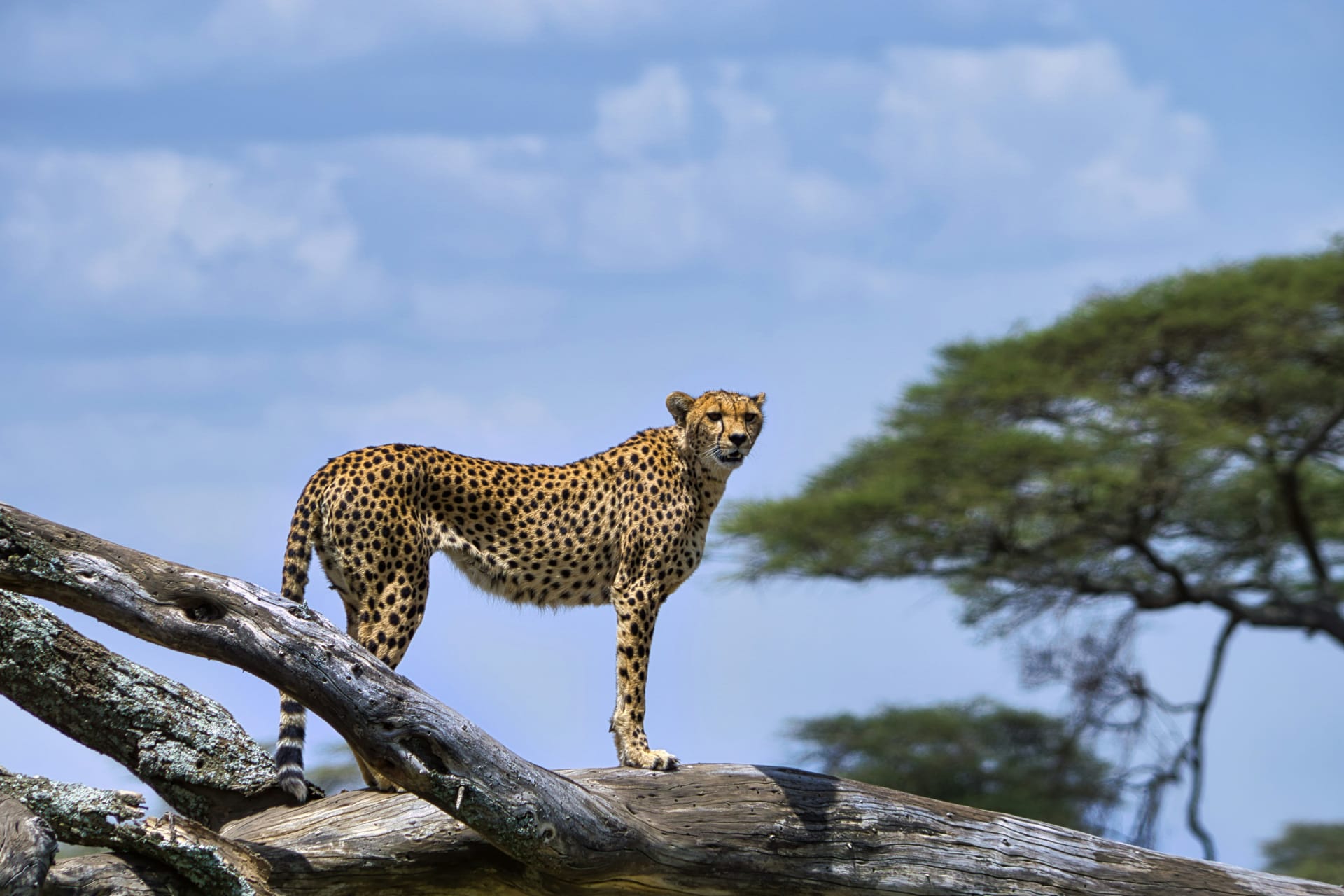
- African Elephants: Targeted for ivory; numbers decimated by commercial poaching across Kasungu and other reserves.
- Black Rhinoceros: Critically endangered; recent poaching in Liwonde demonstrates continued targeting.
- Leopards: Hunted for skins and bushmeat.
- Lions: Threatened by trophy poaching and human-wildlife conflict retaliation.
- Temminck's Ground Pangolins: World's most trafficked mammals; scales smuggled to Asia for traditional medicine and fashion.
Cross-Border Trafficking Networks
The Malawi-Zambia border is a key trafficking corridor. Criminal syndicates exploit weak enforcement, porous borders, and corruption to move ivory, horn, and live animals across national boundaries. In 2021, the Lilongwe Wildlife Trust facilitated the arrest and conviction of Lin Yunhua, head of the Lin-Zhang wildlife trafficking network, who received a 14-year sentence for wildlife and money-laundering offences. Lin's case demonstrates the international scope of organised wildlife crime.
Corruption as a Structural Barrier
Despite legal progress, corruption undermines enforcement. Police and judiciary officials are perceived as corrupt by over 70% of survey respondents. The Anti-Corruption Bureau, established in 1995, has conducted trials but cases against high-profile individuals remain weak. This corruption allows traffickers to bribe officials, compromise investigations, and evade prosecution.
Malawi's Anti-Poaching Infrastructure & Programmes
Specialist Wildlife Investigation Units
Malawi established specialist wildlife investigation units that have arrested over 100 wildlife traffickers and traders since their creation. These units employ trained investigators and intelligence officers focused exclusively on wildlife crime. The Lilongwe Wildlife Trust (LWT), a key partner, runs a wildlife justice programme that provides technical advice, operational support, and intelligence-led investigations to Malawi's Department of National Parks and Wildlife (DNPW).
LWT also operates a court monitoring programme and has developed specialist guidance tools for magistrates, judges, prosecutors, and investigators—raising judicial competency in wildlife crime cases.
Ranger Patrols & Field Operations
The Department of National Parks and Wildlife deploys ranger patrols across protected areas. In Kasungu National Park, rangers spend up to a month in continuous bush patrols, supported by the International Fund for Animal Welfare (IFAW) and USAID. These rangers are equipped with uniforms, food rations, transportation, and training in law enforcement, field survival, and capture procedures.
A comprehensive project in the Malawi-Zambia landscape resulted in:
- 2,291 wildlife offenders arrested through patrols and law enforcement operations.
- More than 3.5 tonnes of ivory seized.
- More than 828 coordinated transboundary anti-poaching operations facilitated between Malawi and Zambia.
- Buffalo populations in Kasungu increased from 61 to 165; sable antelope from 93 to 397; kudu from 30 to 197.
Cross-Border Collaboration
Malawi and Zambia have established coordinated transfrontier anti-poaching operations, recognising that wildlife crime does not respect borders. Joint patrols, intelligence sharing, and unified prosecution efforts make trafficking more difficult and costly for criminal networks.
Technology & Innovation
Malawi has piloted advanced anti-poaching technologies:
- Unmanned Aerial Vehicles (UAVs): First UAV flight in Liwonde National Park helped prevent elephant crop raids.
- Thermal Imaging (FLIR): FLIR thermal cameras tested for detecting poachers at night and triggering automated alerts.
- GPS & Tracking: Rangers use GPS devices to collect wildlife population data and monitor illegal activities.
Judicial Capacity & Legal Reform
The U.S. State Department's International Narcotics and Law Enforcement (INL) bureau, working with the Lilongwe Wildlife Trust, strengthened Malawi's legal frameworks and prosecutor capacity. USAID trained over 280 African judges, magistrates, prosecutors, and legal professionals (including Malawian officials) in wildlife crime investigation, asset recovery, and anti-money laundering between 2022–2023.
Malawi has also developed legal guidance on wildlife crime "points to prove"—standardised evidence requirements that improve pre-charge decision-making and reduce case dismissals due to procedural defects.
Community Engagement & Alternative Livelihoods
Anti-poaching success depends on community buy-in. In Kasungu, the IFAW project identified and piloted two livelihood interventions:
- Tsetse Fly Traps: Provides income while controlling disease vectors.
- Agriculture Market Linking: Connects smallholders to markets, reducing dependence on illegal wildlife harvesting.
Environmental education is also embedded in ranger work. Rangers provide awareness lessons to people committing minor offences—such as illegally collecting firewood, caterpillars, or mushrooms—shifting mindsets toward conservation.
A landmark initiative reached 38,769 learners with environmental education lessons—exceeding the initial target of 30,000.
Prosecution & Sentencing: A Turning Point
Record Conviction Rates
Malawi's 93% conviction rate for wildlife trafficking offences represents a seismic shift. Between 2017 and recent years, the Lilongwe Wildlife Trust's justice programme delivered 85 custodial sentences and maintained conviction rates that far exceed historical performance. This contrasts sharply with pre-2015 patterns, when wildlife crime prosecutions were rare and sentences minimal.
Landmark Sentencing: The Liwonde Rhino Case
In October 2024, a poacher convicted of killing a black rhinoceros in Liwonde National Park—managed by African Parks in partnership with the DNPW since 2015—received an 18-year sentence. Two accomplices received ten and eight years respectively. This sentencing set a new precedent, signalling that Malawi's judiciary treats wildlife crime with serious criminal intent.
The Lin Yunhua Case: International Trafficking Network
In September 2021, the Lilongwe Wildlife Trust facilitated the arrest and conviction of Lin Yunhua, head of a major wildlife trafficking network, who received a 14-year sentence for wildlife and money-laundering offences. LWT provided technical advice, operational support, and intelligence-led investigations. Crucially, Lin's conviction was upheld on appeal, demonstrating that Malawi's judicial system can now manage complex, international wildlife crime cases.
Challenges & Ongoing Threats
Corruption Within Law Enforcement
Despite judicial advances, systemic corruption remains endemic. Over 70% of survey respondents view police and judiciary as corrupt or extremely corrupt. Traffickers exploit these vulnerabilities to bribe officials, compromise investigations, and secure case dismissals. Addressing corruption requires sustained institutional reform, vetting, and accountability mechanisms—investments that remain underfunded.
Transnational Demand
As long as Asian and international markets demand rhino horn, elephant ivory, and pangolin scales, criminal syndicates will continue poaching. Malawi cannot solve this alone. Consumer-country governments (especially in Asia and North America) must enforce strict import bans and prosecute demand-side trafficking.
Militarisation & Human Rights Concerns
While armed ranger patrols are necessary, "green militarisation"—the deployment of military-grade weaponry and paramilitary tactics—carries risks. Hundreds of allegations document that park rangers in Malawi, Tanzania, and Botswana have committed murder, torture, or forcible removal of local people. Shoot-on-sight directives further fuel these abuses. Effective anti-poaching must balance enforcement with human rights protections and community trust.
Habitat Loss & Climate Stress
Poaching occurs within a context of habitat degradation. Protected areas face pressure from agricultural expansion, timber harvesting, and climate-driven droughts that stress wildlife and increase human-wildlife conflict. Anti-poaching alone cannot restore populations without habitat protection and climate adaptation.
Tourism's Role in Funding Conservation
Safari tourism directly funds anti-poaching operations. Visitor spending at Liwonde National Park, Kasungu National Park, and other reserves generates revenue for ranger salaries, equipment, patrols, and community benefit-sharing schemes. When travellers book responsible safari lodges in Malawi through platforms like SafariFind, they support conservation directly.
The 2020 COVID-19 pandemic demonstrated this dependency: tourism collapse led to severe funding shortfalls, reduced patrols, and increased poaching pressure. Recovery of tourism is essential to sustaining anti-poaching programmes.
Results: Population Recovery & Measurable Impact
Anti-poaching efforts have yielded tangible results in specific reserves:
| Species | Park/Reserve | Earlier Count | Recent Count | Change |
|---|---|---|---|---|
| Elephants | Kasungu National Park | 50 (2015) | Increasing (2026) | Recovery in progress |
| Buffalo | Kasungu National Park | 61 | 165 | +171% |
| Sable Antelope | Kasungu National Park | 93 | 397 | +327% |
| Kudu | Kasungu National Park | 30 | 197 | +557% |
These gains reflect sustained patrols, habitat management, and reduced poaching pressure. A 40-kilometre fence constructed at Kasungu prepared for the translocation of 250 elephants from Liwonde National Park—a landmark reintroduction effort.
How Travellers Can Support Anti-Poaching Responsibly
- Book conservation-certified lodges: Choose safari accommodations that commit a percentage of revenue to ranger salaries and anti-poaching operations.
- Support community-based tourism: Stay in lodges that employ and benefit local communities, reducing poaching incentives.
- Avoid wildlife products: Do not purchase ivory, rhino horn, pangolin scales, or other illegal wildlife products—even as souvenirs.
- Report suspected trafficking: If you witness wildlife trafficking or suspect poaching, report it to park authorities or the Lilongwe Wildlife Trust.
- Advocate for demand reduction: Support campaigns in consumer countries to reduce demand for illegal wildlife products and strengthen import enforcement.
- Donate to ranger support programmes: Organisations like the Lilongwe Wildlife Trust, IFAW, and African Parks accept donations to fund ranger equipment, training, and community programmes.
The Path Forward: 2026 and Beyond
Malawi has built world-class anti-poaching institutions—specialist investigation units, trained prosecutors, conviction-focused courts, and coordinated ranger patrols. The 93% conviction rate and landmark sentences demonstrate that the country is serious about wildlife crime. Yet success is not assured. Corruption, transnational demand, habitat loss, and climate stress remain formidable obstacles.
Sustained funding, institutional integrity, and international cooperation are essential. Consumer-country governments must enforce strict import bans and prosecute traffickers. Malawi's communities must see tangible benefits from conservation—through employment, sustainable livelihoods, and genuine participation in decision-making. And travellers can play a role: by choosing responsible safari experiences and supporting conservation-focused lodges, they help fund the rangers and investigations that protect Malawi's iconic wildlife.
Last reviewed August 2026. Conservation data changes — see the cited sources for the latest figures.
Frequently Asked Questions
What is Malawi's current conviction rate for wildlife crime?
Malawi maintains a 93% conviction rate for wildlife trafficking and poaching offences. This dramatic improvement reflects the Lilongwe Wildlife Trust's wildlife justice programme, specialist investigation units, and USAID-funded judicial capacity-building. In contrast, conviction rates were far lower before 2015.
How much prison time did the Liwonde rhino poacher receive?
In October 2024, a poacher convicted of killing a black rhinoceros in Liwonde National Park received an 18-year prison sentence, with two accomplices given ten and eight years respectively. This set a new precedent for wildlife crime sentencing in Malawi.
What species are most threatened by poaching in Malawi?
African elephants, black rhinoceros, leopards, lions, and Temminck's ground pangolins face acute poaching pressure. Elephants are hunted for ivory; rhinos and pangolins are targeted for international trafficking networks.
How many wildlife offenders has Malawi arrested?
Through anti-poaching operations in the Malawi-Zambia landscape, over 2,291 wildlife offenders have been arrested. Specialist wildlife investigation units have arrested over 100 wildlife traffickers and traders since their establishment.
What is the Lilongwe Wildlife Trust's role?
The Lilongwe Wildlife Trust (LWT) is a key partner to Malawi's Department of National Parks and Wildlife. LWT provides technical advice, operational support, intelligence-led investigations, and runs a court monitoring programme. It has achieved a 93% conviction rate and facilitated the arrest of major trafficking network leaders, including Lin Yunhua.
How do ranger patrols work in Malawi?
Rangers deployed by the DNPW conduct month-long bush patrols, supported by IFAW and USAID. They are equipped with uniforms, food rations, transport, and training in field survival, weaponry, and capture procedures. Patrols are coordinated across borders with Zambia to disrupt trafficking networks.
What technology does Malawi use for anti-poaching?
Malawi has piloted UAVs (unmanned aerial vehicles) in Liwonde National Park, FLIR thermal cameras for night detection, and GPS devices for wildlife monitoring and illegal activity tracking.
How much has elephant population recovered in Kasungu?
Elephant numbers in Kasungu National Park collapsed from 1,040 in the 1970s to just 50 by 2015, due to ivory poaching. Recovery is in progress; a 40-kilometre fence was constructed to prepare for translocation of 250 elephants from Liwonde.
What is the Lin Yunhua case?
Lin Yunhua, head of the Lin-Zhang wildlife trafficking network, was arrested in September 2021 with the help of the Lilongwe Wildlife Trust and received a 14-year sentence for wildlife and money-laundering offences. His conviction was upheld on appeal, demonstrating Malawi's capacity to handle international trafficking cases.
How does corruption affect anti-poaching in Malawi?
Over 70% of survey respondents view police and judiciary as corrupt or extremely corrupt. Traffickers exploit this to bribe officials and compromise investigations. Addressing corruption requires sustained institutional reform and accountability mechanisms.
How can tourists support anti-poaching efforts?
Book conservation-certified safari lodges that fund ranger operations, stay at community-based tourism enterprises, avoid illegal wildlife products, report suspected trafficking, and donate to ranger support programmes run by organisations like the Lilongwe Wildlife Trust and IFAW.
What role does international demand play in Malawi's poaching crisis?
The global illegal wildlife trade generates an estimated $23 billion annually. As long as Asian and international markets demand rhino horn, ivory, and pangolin scales, criminal syndicates will continue poaching. Consumer-country governments must enforce import bans and prosecute traffickers.
V2Ui.sources
- 18-Year Sentence Handed Down to Rhino Poacher | African Parks(official)
- 2024 END Wildlife Trafficking Strategic Review(official)
- SWT Anti-Poaching Operations
- Stopping Poaching and Wildlife Trafficking Through Strengthened Laws
- Analysis of International Funding to Tackle Illegal Wildlife Trade
- Increasing Elephant Populations by Combatting Wildlife Crime
- Wildlife Crime Technology Project
- Combatting Wildlife Crime on the Malawi-Zambia Border | IFAW
- The Problem with Green Militarization
- ESAAMLG Special Typologies Project Report on Poaching and Illegal Wildlife Trade
- Combatting Wildlife Crime in the Malawi-Zambia Landscape
- Lilongwe Wildlife Trust Boosts Alliance's Efforts in Malawi
Related to
Ready to start your safari adventure?
Explore curated safari packages and find your perfect African adventure with verified operators.