Anti-Poaching in Zambia: Wildlife Crime and Conservation in 2026
Zambia's anti-poaching response combines government law enforcement, community scouts, canine units, intelligence-led patrols and conservation partnerships. Recent evidence shows stronger patrol capacity and more arrests in some landscapes, but bushmeat poaching, snaring, trafficking, habitat pressure and human-wildlife conflict remain serious challenges.
Quick answer: Anti-poaching in Zambia is being strengthened through partnerships between the Department of National Parks and Wildlife (DNPW), community institutions and organisations including Conservation Lower Zambezi, Game Rangers International, African Parks, the Zambia Carnivore Programme and Panthera. In one Zambia project, wildlife-crime arrests doubled between 2018 and 2021, annual patrol coverage increased by more than 240%, and nearly 900 snares were recovered in one year .
These gains do not mean wildlife crime has been solved. Commercial bushmeat hunting, wire snaring, illegal firearms, ivory and wildlife trafficking, timber crime, habitat loss and conflict between people and wildlife continue to threaten Zambia's protected areas and surrounding Game Management Areas (GMAs) . Last reviewed July 2026. Conservation data changes — see the cited sources for the latest figures.
Why anti-poaching matters in Zambia
Zambia has one of Africa's largest national-park networks by total area, with around 30% of the country under some form of wildlife protection, according to Patrol's overview of the conservation landscape . Major ecosystems are linked to the Zambezi, Kafue, Luangwa and Chambeshi river systems, while GMAs create buffer landscapes where communities live, farm and interact with wildlife .
This scale is both an opportunity and a law-enforcement challenge. Large, remote landscapes require trained personnel, transport, communications, intelligence and reliable funding over many years. In Kafue National Park, a coordinated conservation programme involving DNPW, Game Rangers International (GRI), Musekese Conservation, Panthera, Wildlife Crime Prevention, the Zambia Carnivore Programme and African Parks worked across a 22,400-square-kilometre landscape during 2018–2022 .
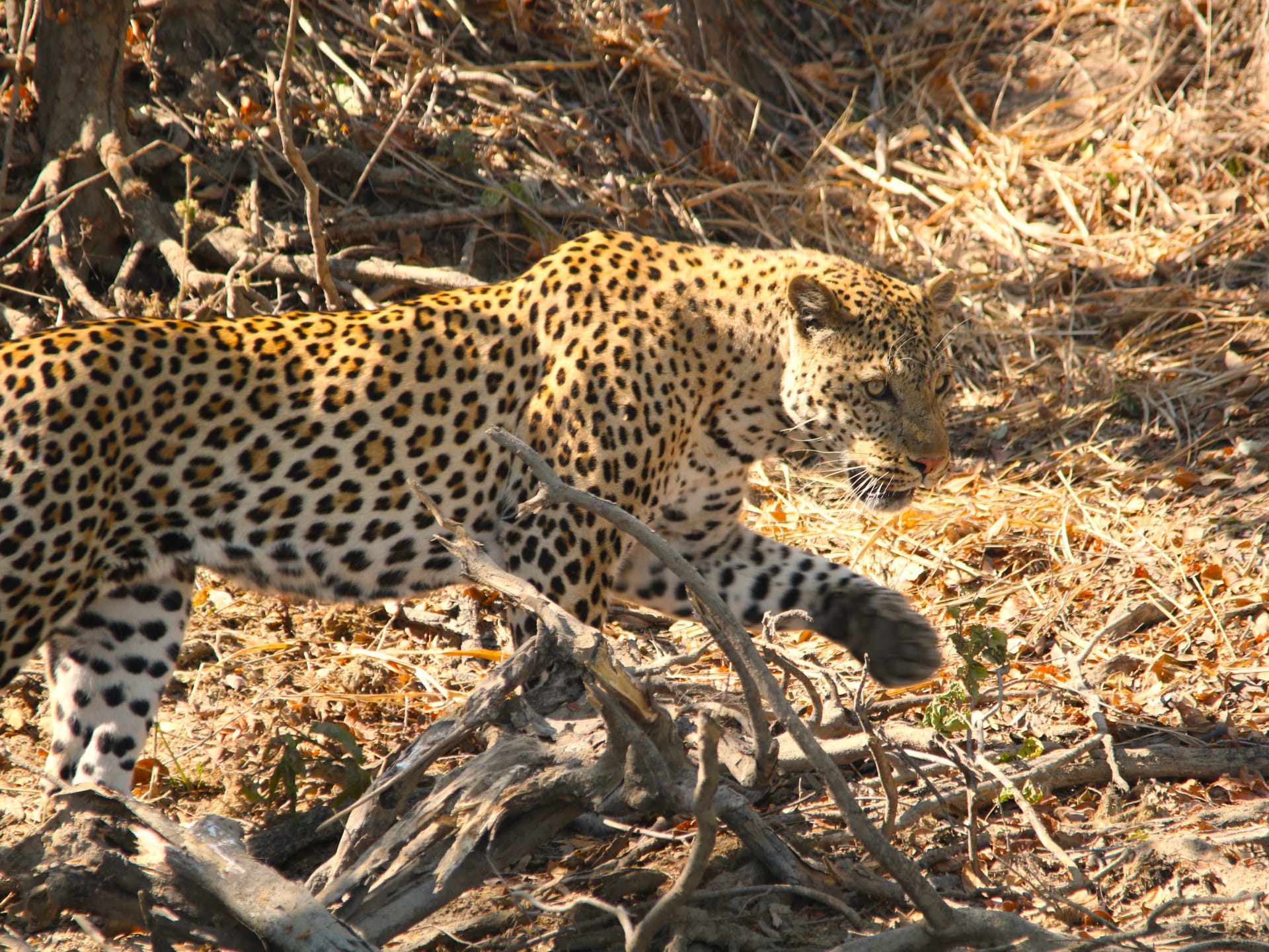
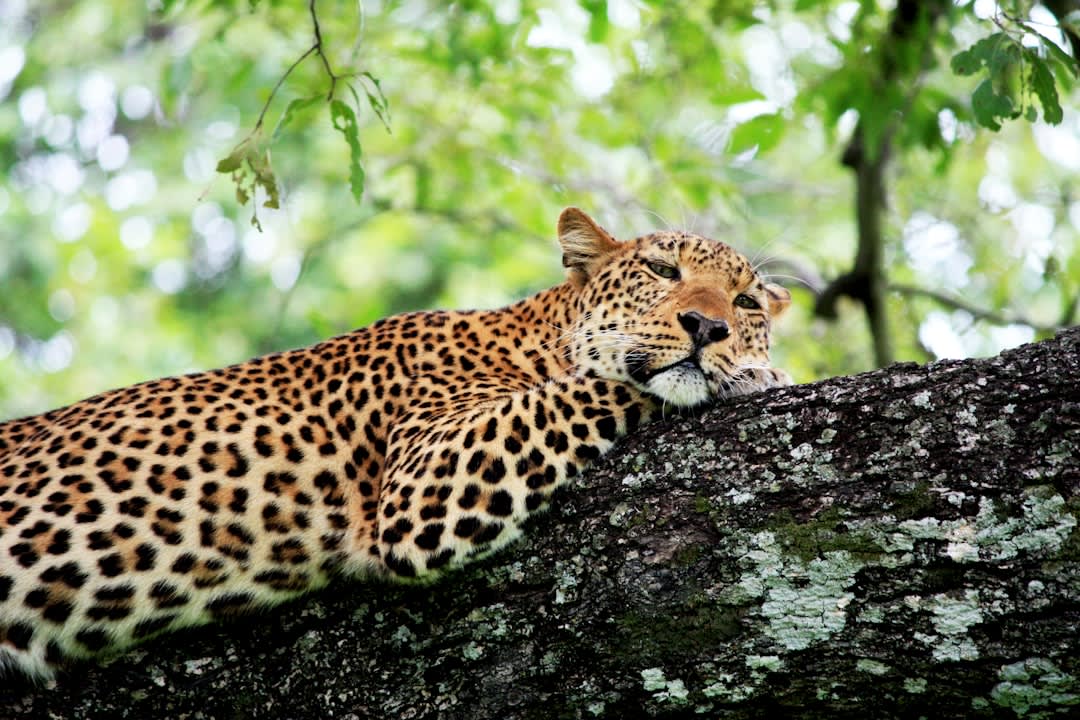
Wildlife crime affects more than elephants and rhinos. Snares set for antelope and other ungulates can injure or kill lions, leopards, African wild dogs and other carnivores as bycatch; the loss of prey can then put pressure on predators that depend on those species . Illegal fishing, timber trafficking and the removal of other wildlife products add further pressure beyond conventional patrol work .
For travellers planning a visit, Zambia's conservation story is closely connected to its safari landscapes. Background on the country's protected areas is available in SafariFind's guide to Zambia's six best safari parks and reserves.
The main wildlife-crime threats
Commercial bushmeat hunting and snaring
Wildlife Conservation Network describes the illegal bushmeat trade as a major threat to wildlife populations in Zambia. Commercial hunting can involve rifles and wire snares, with snares acting as silent and indiscriminate traps that catch non-target species . The impact is ecological as well as criminal: declining herbivore populations can reduce the prey base for lions, cheetahs and African wild dogs .
GRI reports that its resource-protection work has removed 2,391 snares, recovered 24,989 kilograms of bushmeat and supported the apprehension of 1,045 poachers and traffickers. These are programme totals reported by GRI, rather than a national estimate of Zambia's wildlife crime .
Elephant, rhino and carnivore crime
Ivory trafficking remains part of the wildlife-crime problem addressed by Zambian and international law-enforcement partners. GRI reports the seizure of 416 kilograms of ivory, recovery of 23 lion and leopard skins, and the recovery and release of 15 live pangolins through its resource-protection activities .
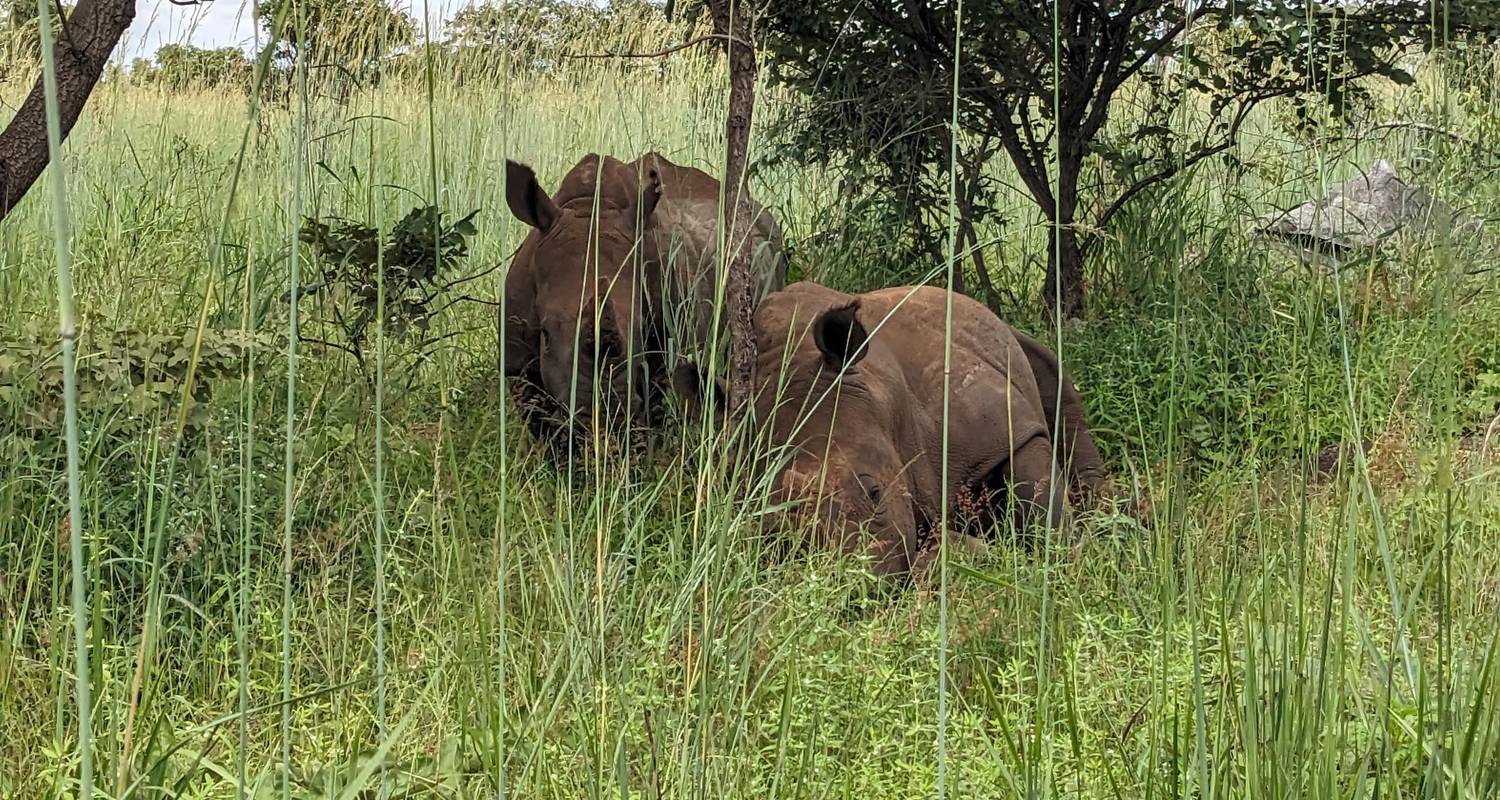
North Luangwa National Park is especially significant for rhinoceros conservation: Patrol identifies it as the location of Zambia's only reintroduced black-rhino population, supported by the Frankfurt Zoological Society's long-running conservation work . Protecting such populations depends on sustained field protection, intelligence and prosecution, not only occasional operations.
Timber trafficking and illegal fishing
Zambia also faces organised environmental crime outside the most visible poaching narratives. Patrol identifies mukula, or African rosewood, trafficking to China as a major timber-crime issue, while WWF's Connected Conservation Project in the Kafue ecosystem was designed to address poaching, illegal fishing and human-wildlife conflict through improved communications and surveillance infrastructure .
Habitat loss and human-wildlife conflict
Anti-poaching cannot be separated from the pressures around protected areas. GMAs are buffer zones where people live and work, often through subsistence farming, and conservation organisations must address conflict as well as illegal hunting . In the Lower Zambezi landscape, Conservation Lower Zambezi (CLZ) supports DNPW's law-enforcement work while working with communities around Lower Zambezi National Park to manage human-wildlife conflict .
Conflict can undermine trust in conservation. IFAW documented an incident near Lukusuzi National Park in which the arrest of a suspected poacher was followed by community unrest and the burning of wildlife rangers' homes; the account illustrates how enforcement can become dangerous when local people feel excluded from natural-resource decisions .
Climate and operational pressure
The supplied research does not provide a national 2026 figure isolating climate change's contribution to wildlife crime in Zambia. It does, however, show why operational resilience matters: conservation areas are large, ranger bases can have difficult living conditions, and field teams may lack essential equipment such as vehicles . Climate-related changes in water, vegetation and farming conditions can make these pressures harder to manage, but the scale of that effect should be assessed through current ecological monitoring rather than assumed.
How anti-poaching works in Zambia
Zambian anti-poaching operations use several complementary methods:
- Patrols and tracking: Rangers and scouts patrol protected areas and GMAs, track suspected offenders and remove snares and other illegal equipment .
- Intelligence and investigations: Support from the U.S. Department of State includes equipment, intelligence gathering, investigations and specialised training for Zambian law-enforcement officers .
- Canine and specialist units: The Zambia Carnivore Programme expanded anti-poaching capacity through community scout networks and specialised canine units in the project assessed by IUCN .
- Communications and surveillance: WWF, Cisco, FLIR, GRI and DNPW formed the Connected Conservation Project in 2018 to improve connectivity and surveillance in Kafue National Park .
- Cross-border cooperation: The Zambezi River separates Zambia and Zimbabwe in the Lower Zambezi area, making coordination between law-enforcement teams on both sides relevant to wildlife movements and illegal activity . IFAW also describes coordinated law enforcement between Malawi and Zambia through the Malawi-Zambia Transfrontier Conservation Area .
- Community enforcement: Community scouts, Community Resources Boards (CRBs), awareness programmes and livelihood initiatives are used to connect local governance with wildlife protection .
Named programmes and places to know
| Landscape or organisation | Anti-poaching contribution |
|---|---|
| Lower Zambezi National Park and CLZ | Supports DNPW patrols, community work and human-wildlife-conflict management; CLZ created the Kufadza women's law-enforcement initiative in 2021 . |
| Kafue National Park | Integrated patrol, technology and partner support involving DNPW, GRI, Panthera, African Parks and other organisations . |
| South Luangwa National Park | Conservation South Luangwa and the Zambia Carnivore Programme support anti-poaching units, radio-collar studies and wildlife research . |
| North Luangwa National Park | Frankfurt Zoological Society has worked there for four decades; the landscape holds Zambia's only reintroduced black-rhino population . |
| GRI resource protection | Provides equipment, training, ranger welfare support and operational backing for government and community rangers . |
Women, communities and the social side of enforcement
Conservation Lower Zambezi established Kufadza in 2021 after identifying a substantial gender imbalance in wildlife law enforcement. Five hundred women responded to recruitment outreach in villages and Chirundu, and trainees Rodah Chiawa and Ngulube later passed K9 selection, according to reporting by The Guardian . The programme's stated aim includes creating community ambassadors as well as strengthening frontline protection .
Community participation is not an optional addition to enforcement. A Zambia CBNRM Forum survey found that respondents reported interventions including scout-salary support, CRB capacity building, community law enforcement, education, awareness and livelihood projects; the same research identified gaps in governance, training, benefit-sharing, transparency and accountability .
Revenue and decision-making therefore matter. Patrol reports that where communities receive meaningful, regular benefits—including a 50% trophy-fee share, annual game-meat distribution, employment and photographic-tourism income—illegal offtake may fall and informant flow may increase; where benefits do not reach communities, the incentives can reverse . This is a reported conservation analysis, not a universal guarantee for every Zambian community.
Results and setbacks: what the evidence shows
The strongest recent evidence points to measurable gains from targeted, sustained interventions. An IUCN case study of 91 African conservation projects found that direct action against immediate threats produced some of the clearest and fastest results. In its Zambia example, arrests doubled between 2018 and 2021, annual patrol coverage rose by more than 240%, and nearly 900 snares were recovered in a single year .
The wider SOS Africa Wildlife Initiative portfolio reported more than 4,800 snares removed, over 260,000 kilometres patrolled and more than 260 arrests across projects implemented between 2017 and 2025. Those are portfolio totals, not Zambia-only results .
Kafue's collaborative protection programme illustrates the resources required for large landscapes. Panthera's case study records approximately 240 wildlife police officers and related scouts in 2021, peak annual funding of approximately US$4,730,748, and collaboration among government, conservation NGOs and research partners during 2018–2022 .
There are important qualifications. Arrests and seizures measure enforcement activity, not necessarily a complete reduction in wildlife crime. Funding continuity, ranger welfare, prosecution quality, community trust, cross-border coordination and the economic drivers of bushmeat hunting all affect long-term outcomes . Zambia's conservation organisations have built stronger protection in some landscapes, but the research does not support claiming that national wildlife crime has been eliminated.
How tourism can support conservation
Well-managed tourism can contribute through park fees, concession payments, employment, local procurement and direct support for conservation partners. In Zambia, conservation organisations connect tourism and protection in landscapes including Lower Zambezi, South Luangwa and Kafue, while community benefit-sharing is identified as an important factor in local support for wildlife management .
Visitors should ask operators how payments reach parks, conservancies, CRBs and ranger-support programmes rather than assuming that every safari automatically benefits conservation. SafariFind travellers can book conservation-supporting safaris on SafariFind, while checking the specific lodge or operator's stated partnerships and community commitments.
For practical trip planning, compare Zambia's protected areas in the guide to whether Zambia is good for safari in 2026 and consult the month-by-month guide to the best time to visit Zambia. Seasonality affects access, wildlife viewing and the operating pattern of safari camps, but it should not be confused with the year-round need for conservation funding.
How travellers can help responsibly
- Choose a safari company or lodge that names its conservation partners, community programmes and benefit-sharing arrangements.
- Pay park, conservation and community fees honestly; these fees help maintain the legal tourism system on which protected areas depend .
- Never buy ivory, skins, live animals, illegal timber or other wildlife products. Wildlife crime includes trafficking as well as the act of killing an animal .
- Do not photograph, approach or publish sensitive information about ranger bases, patrol routes, security equipment or suspected investigations.
- Follow guides' instructions around elephants, hippos, predators and other wildlife. Responsible behaviour reduces disturbance and helps prevent conflict.
- Support organisations that provide ranger equipment, training and welfare, because field protection depends on safe, adequately resourced personnel .
- Ask whether community members participate in decisions and receive benefits, particularly when visiting a private concession or GMA .
- Share conservation stories accurately. Avoid claiming that a single arrest, patrol or tourism stay has "saved" a species.
 Ask Tembo about this guide
Frequently Asked Questions
Frequently Asked Questions
What is the biggest wildlife-poaching threat in Zambia in 2026?
Commercial bushmeat hunting, especially the use of wire snares and rifles, is identified in the research as the larger problem by volume. Snares can also kill carnivores and other non-target species .
How effective is anti-poaching in Zambia?
Effectiveness varies by landscape, but some projects report substantial gains. In an IUCN case study, arrests doubled between 2018 and 2021, patrol coverage increased by more than 240% and nearly 900 snares were recovered in one year .
Who is responsible for anti-poaching in Zambia?
The Department of National Parks and Wildlife is the government authority supported by conservation organisations, community scouts, CRBs and international partners. Organisations named in the research include CLZ, GRI, African Parks, Panthera and the Zambia Carnivore Programme .
Where are Zambia's main anti-poaching programmes?
Important programmes operate in and around Kafue, Lower Zambezi, South Luangwa and North Luangwa national parks, as well as adjoining GMAs and transfrontier landscapes .
Does tourism help stop poaching in Zambia?
Tourism can help when its fees, employment and local revenues support protected areas and communities. The research identifies regular community benefits, including tourism income and employment, as factors that can improve local support for wildlife management .
What does GRI do for wildlife protection in Zambia?
Game Rangers International supports government and community rangers with equipment, training, operational supplies and welfare support. GRI reports 70,925 ranger patrol days, 1,045 apprehended poachers and traffickers, 512 recovered firearms, 416 kilograms of ivory seized and 2,391 snares removed .
Why are community scouts important in Zambia?
Community scouts connect law enforcement with people living around protected areas. Zambia's community-based natural-resource research identifies scout support, CRB capacity building, community law enforcement, education and livelihood projects as key interventions .
What technology is used against poaching in Zambia?
The research identifies communications and surveillance infrastructure, GPS tracking, drones, thermal technology and canine units as tools used or promoted in Zambian anti-poaching work. WWF's Connected Conservation Project focuses on Kafue National Park .
How can visitors support anti-poaching in Zambia?
Visitors can choose transparent operators, pay required park and conservation fees, support reputable ranger and community programmes, refuse wildlife products and follow guides' safety instructions. They should also avoid sharing sensitive patrol or security information.
Is Zambia's wildlife crime problem solved?
No. Some projects show stronger patrol capacity and enforcement results, but bushmeat hunting, snaring, trafficking, habitat pressure, conflict, funding gaps and ranger-safety challenges remain .
Sources
- What works in conservation? New study identifies the approaches delivering the strongest results for Africa's wildlife
- Zambia Anti-Poaching: Strengthening Wildlife Protection
- United States, Zambia Sign MOU to Improve Wildlife Conservation(official)
- Kafue National Park: A Conservation Case Study
- Wildlife Crime Prevention Helps Apprehend Poachers in Zambia
- Wildlife Crime Technology Project
- Resource Protection | Game Rangers International
- The Zambian women keeping poachers at bay
- Behind the badge: the silent challenges facing wildlife rangers
- Increasing elephant populations by combatting wildlife crime
- Zambia CBNRM Forum Summary of LeAP – IWT Endline Survey
- Zambia | Tusk
- How do anti-poaching units operate in Zambia's national parks?
Related to
Ready to start your safari adventure?
Explore curated safari packages and find your perfect African adventure with verified operators.