Best Time for South Africa Safari 2026: Month-by-Month Wildlife Guide
Discover the best time for South Africa safari in 2026. Month-by-month wildlife guide, weather patterns, and booking tips for Kruger National Park and private reserves.
Best Time for South Africa Safari 2026
Last updated: July 2026
The best time for a South Africa safari is May to September during the dry season, when wildlife viewing is excellent and temperatures are comfortable. July offers peak sightings in Kruger National Park. Book verified safari packages on SafariFind to compare operators and read authentic traveler reviews.
At a Glance
- Best time: May to September (dry season)
- Peak month: July for wildlife sightings
- Cost: $2,000–$5,000 per person for 4-7 days
- Duration: 4–7 days recommended
- Best for: Wildlife photographers, nature lovers, first-time safari goers
- Getting there: Fly to Johannesburg, then drive or fly to Kruger National Park
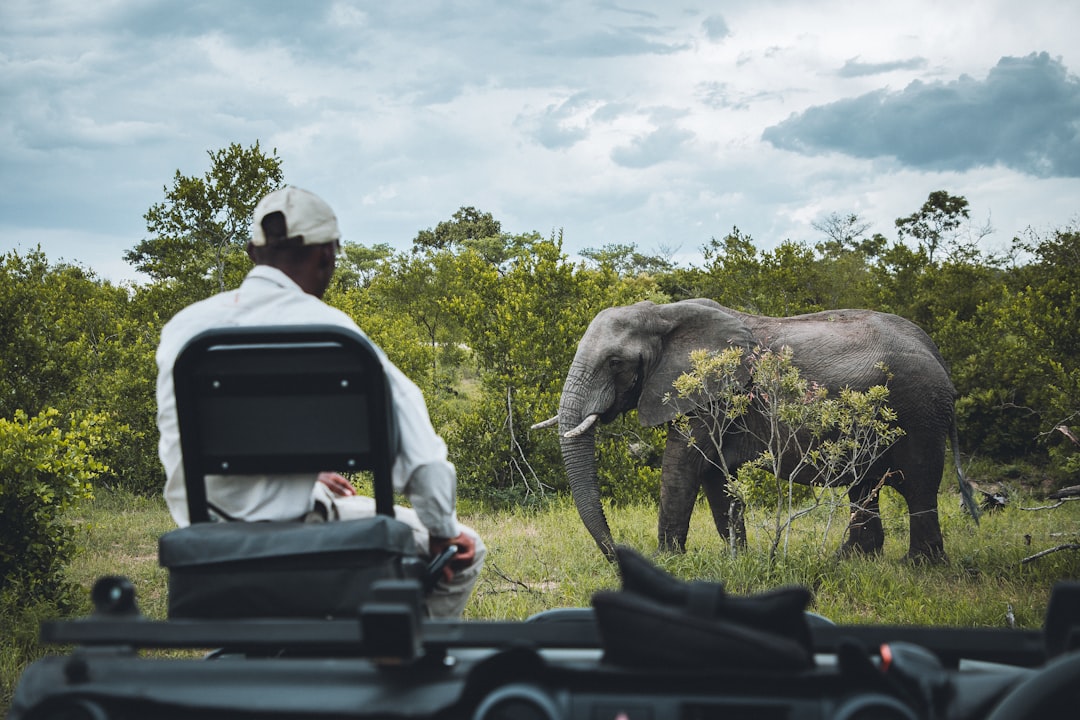
What is the Best Time for South Africa Safari 2026?
South Africa's best safari season runs from May through September. During these months, the country experiences its dry season with cool temperatures and excellent wildlife viewing. The grass is short, making animals easier to spot. Water sources concentrate wildlife in predictable locations.
July stands out as the prime month for safari in South Africa. Daytime temperatures hover around 70°F (21°C), and nights are crisp but manageable. You'll see predators hunting more actively. The Great Migration routes shift patterns, and wildlife congregates near remaining water sources.
Kruger National Park and private reserves like Sabi Sands show their best game viewing during winter months (June to September). Days are often sunny and comfortable. The lower vegetation makes spotting the Big Five—lion, leopard, elephant, buffalo, and rhinoceros—much easier than other seasons.
November marks the start of the rainy season. Light rains bring relief to the parched landscape. Baby animals begin appearing, creating magical moments for wildlife photographers. However, this month is quieter with fewer tourists, offering a more peaceful experience.
December brings the festive season and calving season begins. The landscape turns green and lush. Temperatures rise significantly, reaching 85°F (29°C) or higher. This period suits heat-loving travelers and families celebrating holidays.
Ready to plan your South Africa safari? Browse verified safari packages on SafariFind to compare operators, prices, and authentic reviews from travelers who've experienced these destinations.
Month-by-Month Safari Guide for South Africa
January to March: Summer Season
January, February, and March bring hot, humid weather with afternoon thunderstorms. Temperatures exceed 85°F (29°C) regularly. The landscape turns green and vibrant after rains. Birdwatching improves dramatically as migratory species arrive.
Wildlife viewing becomes challenging during these months. Animals disperse across the park searching for water and fresh vegetation. They no longer concentrate at permanent water sources. Tourist numbers drop, reducing crowds but also reducing your sighting chances.
This season suits budget-conscious travelers seeking discounts. Accommodation prices fall by 30–40% compared to peak season. However, malaria risk increases in some areas. Pack insect repellent and consider antimalarial medication if visiting northern regions.
April to May: Autumn Season
April and May mark the transition to the dry season. Temperatures cool to comfortable 75°F (24°C) during the day. Morning mist creates stunning photographic opportunities. The landscape shifts from green to golden tones.
May is an excellent month for safari as the dry season begins. Animals start moving toward permanent water sources. Wildlife viewing improves noticeably. Tourist numbers increase, but crowds remain manageable compared to peak season.
This period offers the perfect balance of good wildlife viewing and moderate prices. Accommodation rates are reasonable. Weather is pleasant for game drives. Consider booking a 4-7 day package during May for optimal value.
June to September: Peak Dry Season
June through September represents South Africa's premier safari season. The dry season brings cool, dry weather perfect for outdoor activities. Daytime temperatures range from 65–75°F (18–24°C). Nights can drop to 50°F (10°C), requiring warm layers.
July stands as the absolute best month for wildlife sightings. Vegetation is sparse, making animals highly visible. Predators hunt more actively during cooler temperatures. Water sources concentrate wildlife in specific areas, increasing encounter chances.
Kruger National Park's general game viewing peaks during June to September. You'll spot more lions, leopards, elephants, and buffalo than any other time. Photography conditions are ideal with clear skies and excellent lighting. Tourist numbers peak, so book accommodations 3–6 months in advance.
August and September extend the peak season with continued excellent wildlife viewing. Temperatures remain cool and comfortable. Water becomes scarce, pushing animals to remaining sources. Predator activity stays high as animals compete for limited resources.
September marks the end of the dry season. The first signs of rain appear late in the month. Migratory birds return, creating birding opportunities. Tourist numbers begin declining as prices start dropping.
October: Spring Season
October transitions from dry to wet season with unpredictable weather. Temperatures climb toward 80°F (27°C). Brief afternoon showers become more frequent. The landscape begins greening as plants respond to moisture.
Wildlife viewing remains good but starts declining. Animals disperse as water becomes available across wider areas. Tourist crowds thin significantly. Accommodation prices drop by 20–30% compared to peak season.
October suits travelers seeking fewer crowds and lower costs without sacrificing wildlife viewing. The weather remains manageable for game drives. Birdwatching improves as migratory species arrive. Consider this month for a quieter safari experience.
November to December: Summer Begins
November brings the first significant rains and relief from the dry season. The park transforms into lush green vegetation. Baby animals make their appearance across the landscape. This month is quieter, attracting fewer tourists than peak season.
December heats up considerably with temperatures reaching 85°F (29°C) or higher. The festive season brings family travelers and holiday celebrations. Calving season begins in the southern regions. The landscape is at its greenest and most beautiful.
December suits families celebrating holidays and heat-loving travelers. Accommodation prices are moderate. Wildlife viewing is fair to good. Consider pairing your safari with a beach destination to balance the heat.
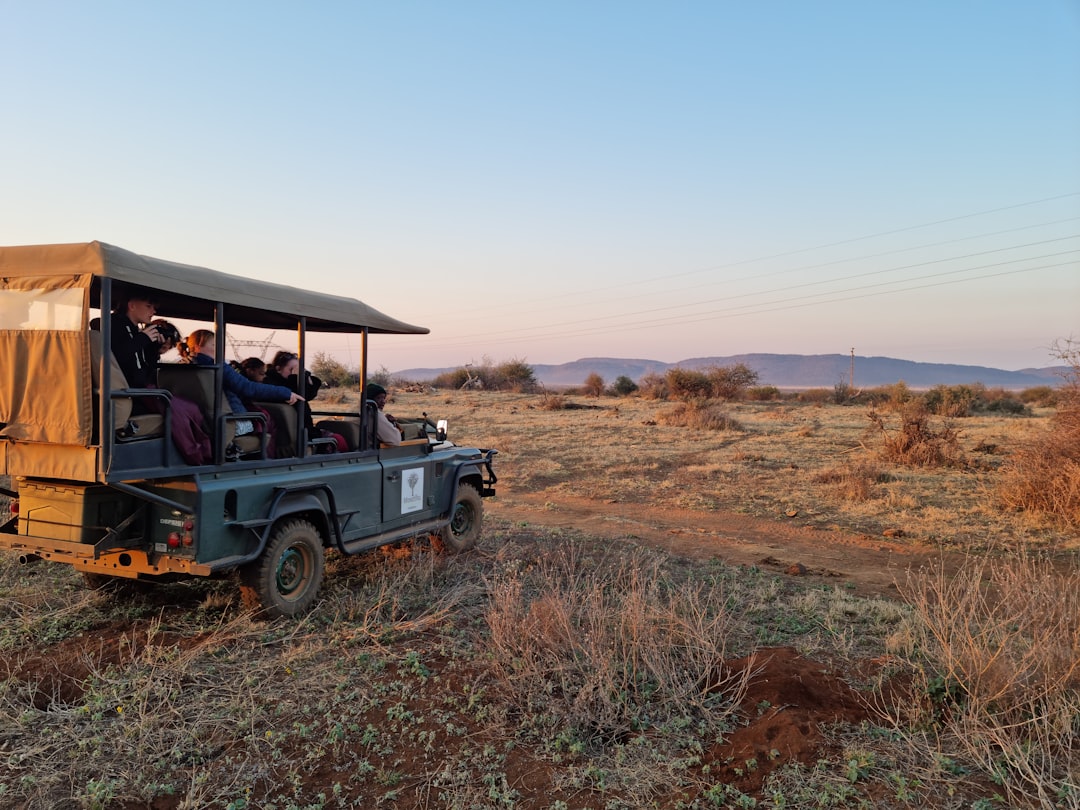
Wildlife Patterns Throughout the Year
The Great Migration and Regional Wildlife
South Africa's wildlife patterns differ from East African migrations. The Great Migration occurs in Kenya and Tanzania, not South Africa. However, South Africa's wildlife follows predictable seasonal patterns based on rainfall and water availability.
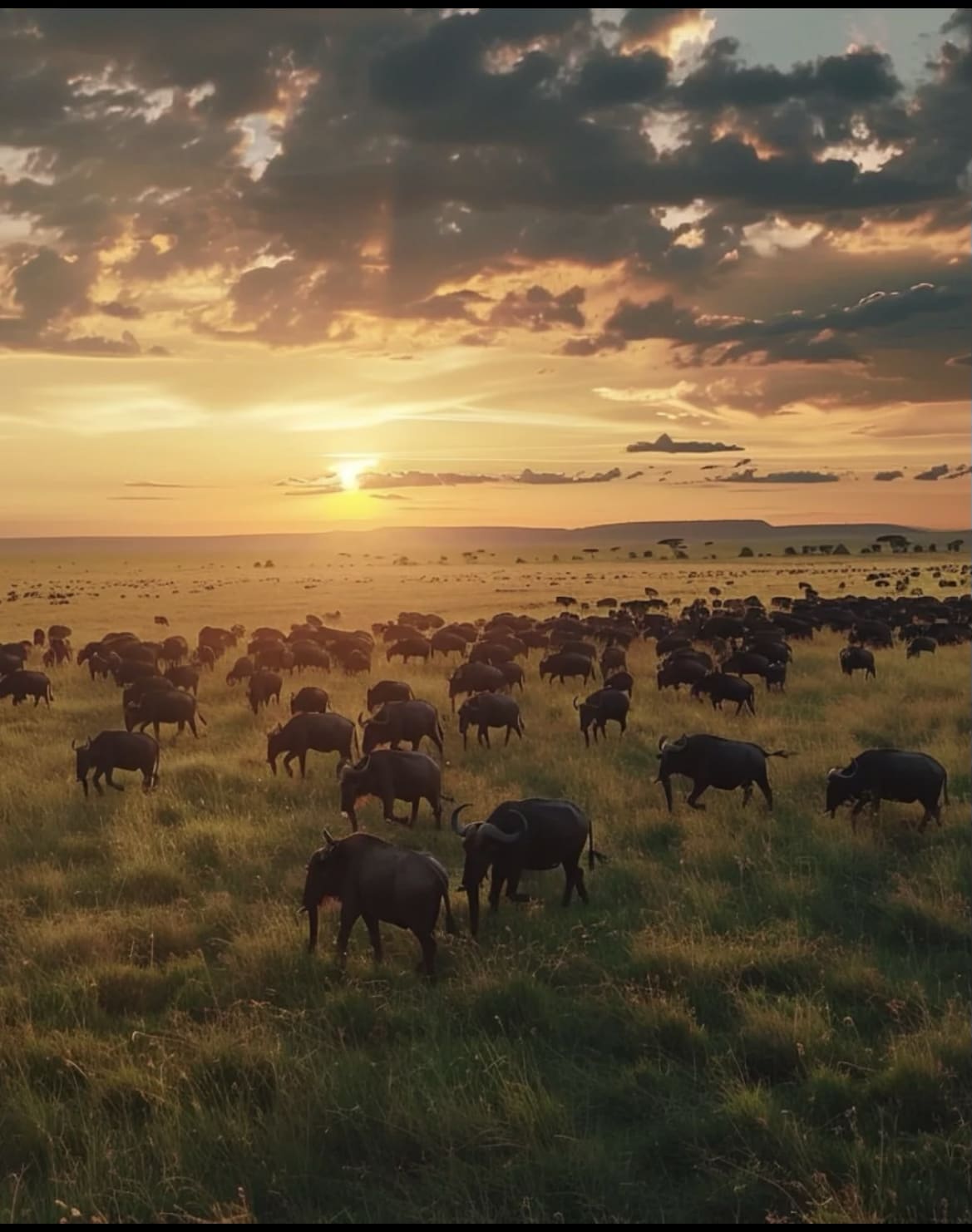
The dry season (May to September) concentrates wildlife at permanent water sources. Kruger National Park's rivers and waterholes attract massive animal congregations. Predators follow prey, creating dramatic hunting opportunities. This is when you'll witness nature's most intense dramas.
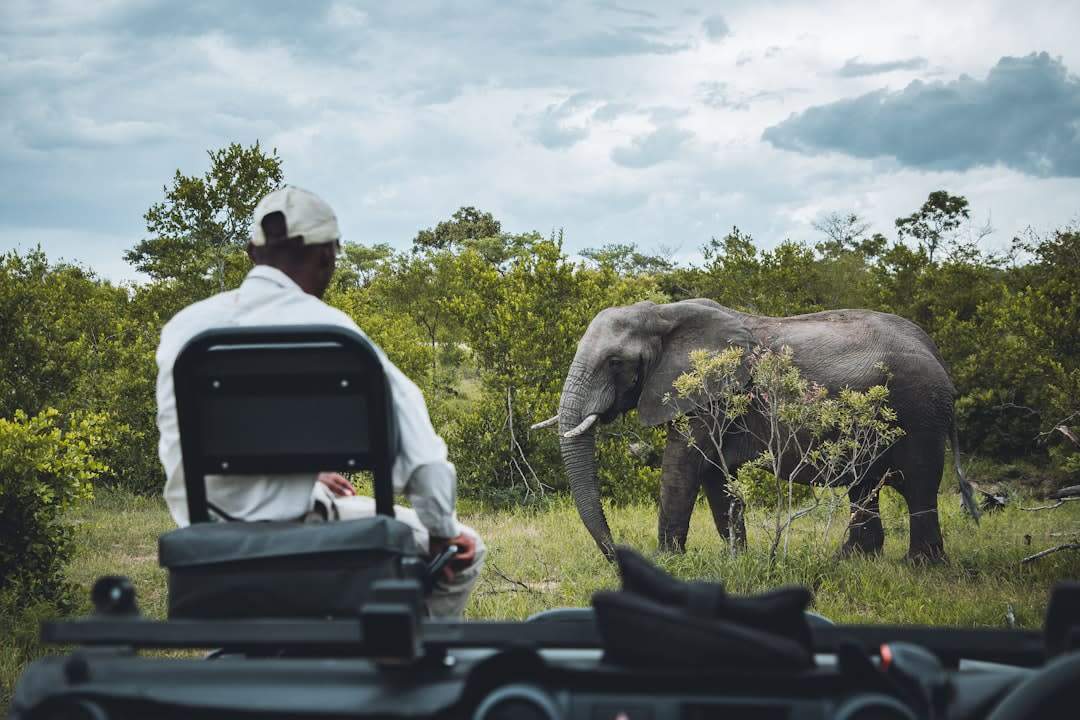
Elephant populations peak during the dry season. These massive animals require substantial water daily. They gather at river crossings and established waterholes. July and August offer the best elephant viewing in Kruger.
Lion activity increases during cooler months. Cooler temperatures give lions energy to hunt actively. Dry season forces prey to predictable water sources, making hunting easier. You'll observe more lion kills and pride interactions during June to September.
Bird species diversity peaks during different seasons. Migratory birds arrive in October and November. Summer months (December to March) bring additional species. Birders should plan safaris around specific species arrival dates.
Predator and Prey Dynamics
The Big Five sightings vary seasonally in South Africa. Lions are most active during the dry season. Leopards become more visible as vegetation thins. Elephants congregate at water sources. Buffalo herds gather in larger numbers. Rhinos are spotted more consistently in private reserves.
Prey species behavior shifts with seasons. Antelope species migrate internally, moving from water-scarce areas to permanent sources. Wildebeest concentrate at rivers during the dry season. Zebras follow similar patterns, making them predictable during peak season.
Hunting success rates for predators peak during the dry season. Prey concentration at water sources creates easy hunting opportunities. Lions and leopards take advantage of these patterns. August and September show the highest predator activity levels.
Weather and Comfort Considerations
Temperature and Rainfall Patterns
South Africa's climate varies significantly between seasons. Winter (May to September) brings dry, cool weather. Summer (November to March) brings hot, humid conditions with afternoon storms. Spring (September to October) and autumn (March to May) are transitional periods.
July temperatures average 65–75°F (18–24°C) during the day. Nights drop to 50°F (10°C), requiring warm clothing. Morning game drives demand jackets, sweaters, and long pants. Afternoon temperatures warm enough for short sleeves.
December temperatures exceed 85°F (29°C) regularly. High humidity makes the heat feel more intense. Afternoon thunderstorms provide temporary relief. Early morning drives are most comfortable before peak heat.
Rainfall occurs mainly from November to March. June to September receives minimal precipitation. October marks the transition month with increasing rain chances. Plan activities around weather patterns when booking your dates.
What to Pack for Different Seasons
Dry season (May to September) packing requires layers. Pack lightweight sweaters, fleece jackets, and long-sleeved shirts. Bring warm pants and closed-toe hiking boots. Include a rain jacket even during dry months—unexpected showers happen.
Summer season (December to March) demands heat-appropriate gear. Pack lightweight, breathable clothing in neutral colors. Bring wide-brimmed hats and UV-protective sunglasses. Include high-SPF sunscreen and insect repellent. Afternoon rain gear is essential.
Always pack binoculars for wildlife spotting. Bring a quality camera with extra batteries and memory cards. Include a headlamp or flashlight for early morning drives. Comfortable walking shoes are essential for lodge activities and nature walks.
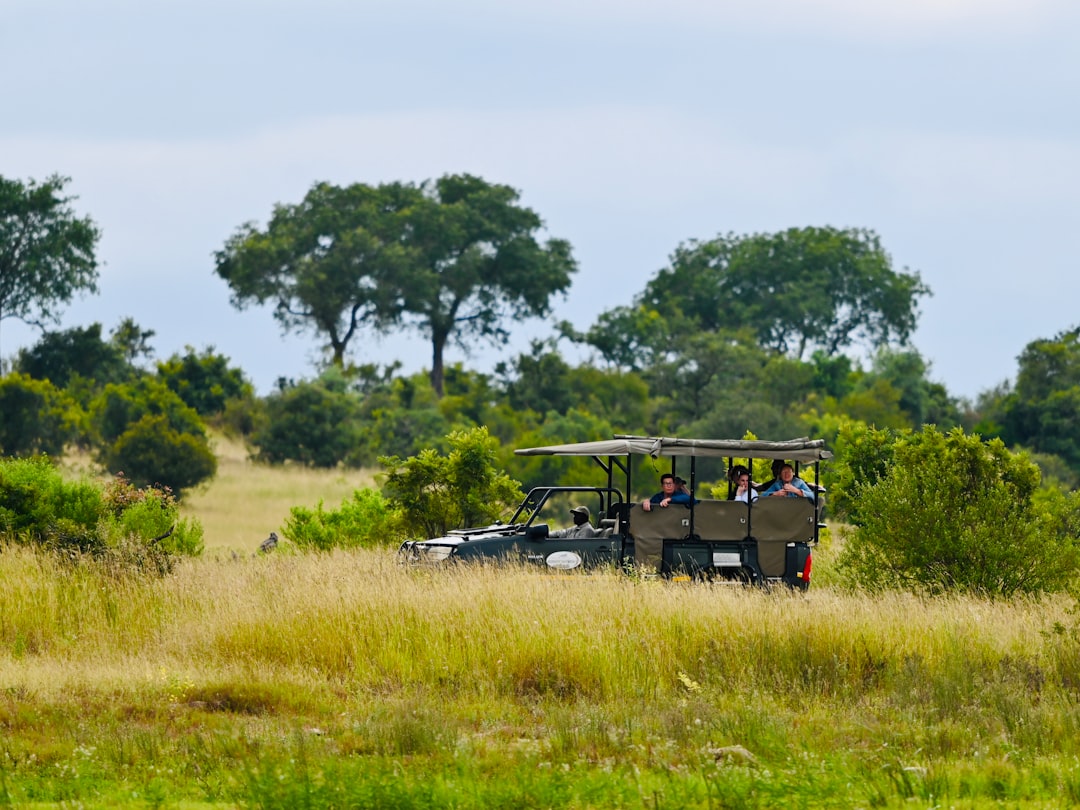
Budget and Booking Considerations
Peak Season vs. Off-Season Pricing
Peak season (June to September) commands premium prices. Safari packages range from $3,500–$5,000 per person for 7 days. Luxury lodges cost $400–$800 per night. Budget accommodations run $150–$300 per night.
Shoulder season (May and October) offers moderate pricing. Expect $2,500–$3,500 per person for 7-day packages. Mid-range lodges cost $250–$400 per night. Wildlife viewing remains excellent while prices drop 20–30%.
Green season (November to March) provides budget-friendly options. Safari packages drop to $1,500–$2,500 per person. Budget lodges cost $80–$150 per night. Wildlife viewing is fair to good, and you'll encounter fewer tourists.
Book peak season safaris 3–6 months in advance. Shoulder season bookings can often happen 1–3 months ahead. Green season packages sometimes offer last-minute discounts. Compare verified operators on SafariFind to find genuine savings without sacrificing quality.
Finding Value Without Sacrificing Quality
Shoulder seasons offer the best value proposition. May and October provide excellent wildlife viewing at 20–30% lower prices. Accommodation availability is better. Tour guide quality remains high.
Private reserves offer different value than Kruger National Park. Kruger is more affordable but more crowded. Private reserves cost more but include exclusive access and personalized service. Compare both options on SafariFind to find your ideal balance.
Multi-day packages often provide better per-day rates. A 7-day safari costs less per day than a 3-day package. Bundle accommodations with game drives for additional savings. Request quotes from multiple verified operators to compare.
Traveling with others reduces per-person costs significantly. Group safaris share vehicle and guide costs. Solo travelers pay premium per-person rates. Consider joining group tours if budget is a primary concern.
Compare Kruger versus private reserve pricing to understand your options. SafariFind lists verified operators with transparent pricing and authentic reviews. Request quotes from multiple companies to find genuine value.
Practical Planning Tips for Your Safari
Booking Timeline and Advance Planning
Peak season (June to September) requires 3–6 months advance booking. Popular lodges fill quickly during these months. Early booking secures better rates and prime accommodation choices. Book as soon as your travel dates are confirmed.
Shoulder seasons (May and October) need 1–3 months advance notice. Good accommodation remains available with shorter notice. You'll have reasonable price options. Flexibility with exact dates improves availability.
Green season (November to March) allows last-minute bookings. Many operators offer last-minute discounts to fill rooms. You can often book 2–4 weeks before travel. This flexibility suits spontaneous travelers.
Check visa requirements early in your planning process. Belgian, Swedish, and Irish citizens have different visa needs. South Africa visa requirements vary by citizenship. Allow 4–8 weeks for visa processing if needed.
Health and Safety Preparations
Malaria risk varies by region and season. Northern areas have higher risk during warm months. Kruger's southern sections have lower risk. Consult your doctor about antimalarial medication 4–6 weeks before travel.
Vaccinations are recommended for South Africa travel. Yellow fever, typhoid, and hepatitis A are commonly advised. Vaccination requirements depend on your home country. Visit a travel clinic 6–8 weeks before departure.
Travel insurance is essential for safari trips. Comprehensive coverage protects against medical emergencies and trip cancellations. Medical evacuation insurance is critical in remote areas. Purchase insurance within 14 days of your initial trip deposit.
Choosing Between Destinations
South Africa and Tanzania both offer exceptional safaris. South Africa versus Tanzania safaris present different advantages. South Africa offers better infrastructure and accessibility. Tanzania features the famous Great Migration.
Kruger National Park is South Africa's flagship destination. It covers 7,523 square miles of pristine wilderness. The park hosts excellent wildlife viewing year-round. Accommodation ranges from budget to ultra-luxury options.
Private reserves near Kruger offer exclusive experiences. Sabi Sands and Madikwe provide smaller, more intimate safaris. Off-road driving is permitted in private reserves. Personalized service and lower tourist densities are standard.
Find the best safari in South Africa by comparing destinations on SafariFind. Read authentic reviews from verified travelers. Request quotes from multiple operators to compare offerings.
Key Takeaways
- Book your South Africa safari during May to September for excellent wildlife viewing and comfortable weather conditions.
- July offers peak wildlife sightings in Kruger National Park with cooler temperatures and concentrated animal populations near water sources.
- Save 20–30% on safari costs by visiting during shoulder season (May or October) instead of peak season (June to September).
- Plan your trip 3–6 months in advance for peak season and 1–3 months ahead for shoulder season to secure better rates and accommodation choices.
- Compare verified safari operators on SafariFind to find genuine value, transparent pricing, and authentic traveler reviews before booking your package.
Frequently Asked Questions
What is the best time of year for safari in South Africa?
The best time for a South Africa safari is May through September during the dry season. July is the absolute peak month with excellent wildlife viewing, cool comfortable weather, and concentrated animals at water sources. The dry season provides optimal conditions for spotting the Big Five and experiencing dramatic predator-prey interactions.
How much does a South Africa safari cost in 2026?
South Africa safari packages range from $1,500–$5,000 per person depending on season and accommodation level. Peak season (June to September) costs $3,500–$5,000 for 7 days. Shoulder season (May and October) runs $2,500–$3,500. Green season (November to March) offers budget options at $1,500–$2,500. Private reserves cost more than Kruger National Park.
Is Kruger National Park or a private reserve better for safari?
Kruger National Park offers affordability and excellent wildlife viewing but includes more tourists. Private reserves like Sabi Sands provide exclusive experiences, personalized service, and lower visitor densities at higher prices. Compare Kruger versus private reserve options to find your ideal balance between cost and exclusivity.
What should I pack for a July safari in South Africa?
July requires layered clothing since temperatures range from 50–75°F (10–24°C). Pack warm sweaters, fleece jackets, long-sleeved shirts, long pants, and closed-toe hiking boots. Include a light rain jacket, wide-brimmed hat, and high-SPF sunscreen. Bring binoculars, a quality camera, and a headlamp for early morning game drives.
Which South Africa safari providers offer the best value for money?
SafariFind connects you with verified safari operators that offer transparent pricing and competitive rates. Read authentic reviews from previous travelers to evaluate value propositions. Discover seven ways to find real savings on South Africa safaris in 2026. Request quotes from multiple operators to compare genuine pricing and package features.
Can I visit South Africa for safari outside peak season?
Yes, you can visit during shoulder seasons (May and October) or green season (November to March). Shoulder seasons offer excellent wildlife viewing at 20–30% lower prices with fewer crowds. Green season has fair to good wildlife viewing with budget-friendly rates and minimal tourists. Each season offers distinct advantages depending on your priorities.
How far in advance should I book a South Africa safari?
Book peak season (June to September) safaris 3–6 months in advance to secure accommodations and favorable rates. Shoulder season (May and October) bookings need 1–3 months advance notice. Green season (November to March) allows last-minute bookings 2–4 weeks before travel. Earlier bookings generally offer better pricing and accommodation selection.
Conclusion
South Africa's best safari season runs from May through September, with July standing as the absolute peak month for wildlife viewing. During these dry months, temperatures are comfortable, animals concentrate at water sources, and sightings of the Big Five are nearly guaranteed. Kruger National Park and private reserves like Sabi Sands deliver exceptional experiences during this window.
However, shoulder seasons offer compelling alternatives for budget-conscious travelers. May and October provide excellent wildlife viewing at 20–30% lower prices with significantly fewer tourists. You'll still encounter abundant wildlife while enjoying a more peaceful experience and better value for your investment.
The best safari for you depends on your priorities. Peak season (June to September) suits wildlife photographers and first-time safari goers willing to pay premium prices. Shoulder seasons (May and October) balance wildlife viewing with affordability. Green season (November to March) attracts budget travelers seeking solitude and birding opportunities.
Start planning your South Africa safari today by exploring verified operators on SafariFind. Compare packages, read authentic reviews from previous travelers, and request quotes from multiple operators. The best safari isn't necessarily the most expensive—it's the one that matches your budget, schedule, and travel style. Book your adventure now and experience the wild beauty of South Africa in 2026.
Plan Your Safari with SafariFind
These recommendations use real data from SafariFind, where you can compare operators, browse packages, and read verified traveler reviews before you book.
Recommended Safari Operators from SafariFind
Recommended Safari Packages from SafariFind
What Travelers Say (SafariFind Reviews)
References
- Best Time to Go on Safari in Africa | Month-by-Month 2026 Guide | Seasons & Wildlife
- Best Time To Visit South Africa 2026/2027 | Jacada Travel
- Best time to go to Kruger: 2026 Month-by-month safari guide
- Best Time To Visit South Africa (Month by Month)
- Month‑by‑Month Wildlife Guide : Best Time to Go on Safari in Africa
- Best Time to Visit South Africa | Travel Guide
 Ask Tembo about this guide
Sources
- Best Time to Go on Safari in Africa | Month-by-Month 2026 Guide
- Best Time To Visit South Africa 2026/2027 | Jacada Travel
- Best time to go to Kruger: 2026 Month-by-month safari guide
- Best Time To Visit South Africa (Month by Month)
- Month‑by‑Month Wildlife Guide: Best Time to Go on Safari in Africa
- Best Time to Visit South Africa | Travel Guide
Related to
Ready to start your safari adventure?
Explore curated safari packages and find your perfect African adventure with verified operators.