Best Time for Zimbabwe Safari: 2027 Month-by-Month Guide
Discover Best Time for Zimbabwe Safari: 2027 Month-by-Month Guide - Expert guide to safari tourism and wildlife destinations.
Best Time for a Zimbabwe Safari in 2027
Last updated: October 2026
The best time for a Zimbabwe safari in 2027 is July through October, when dry weather brings wildlife closer to water. May through October is the wider dry season, while November through April brings greener scenery and fewer visitors. SafariFind helps you compare 2027 packages, operators, and traveler reviews before you book.
At a glance
- Best time: July through October for peak wildlife viewing
- Dry season: May through October, with animals near limited water
- Green season: November through April, with greener scenery and fewer visitors
- Cool months: May through August, with daytime highs near 20°C
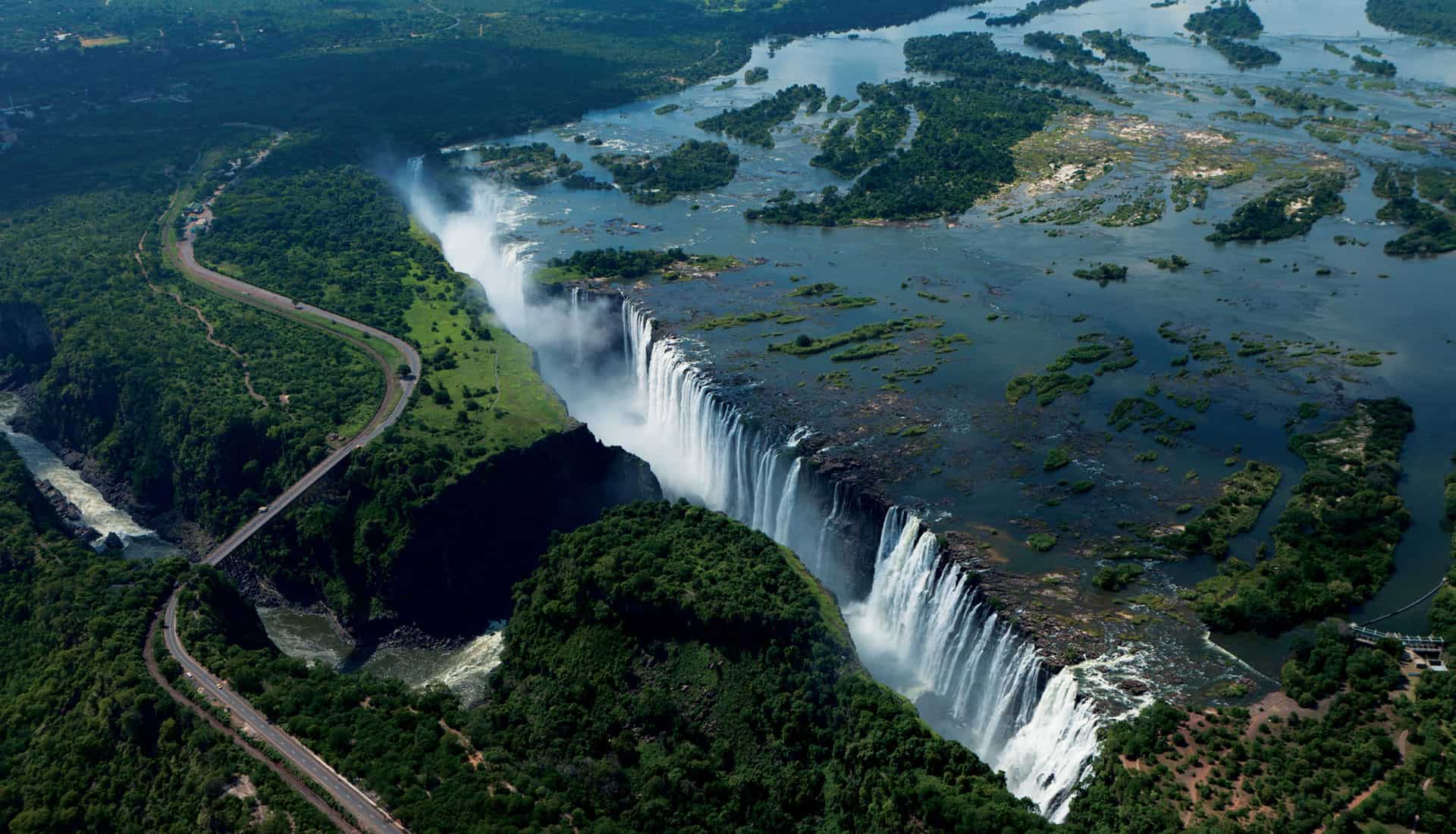
- Waterfall note: Victoria Falls has lower flow in August
- Best for: Wildlife viewing, walking safaris, families, and photographers
Zimbabwe safari planning starts with one question: when should you go? The answer shapes wildlife sightings, weather, crowd levels, walking conditions, and your Victoria Falls plans. This Best Time for Zimbabwe Safari: 2027 Month-by-Month Guide breaks the year into clear travel windows, so you can match your trip to what you want to see.
Zimbabwe is a strong choice for travelers who want large parks, open bush, and a quieter safari feel. Hwange National Park is known for elephants and big game near water during the dry months. Mana Pools is known for walking and canoe trips. Victoria Falls adds a major waterfall stop to many routes.
The quick answer is simple. Choose July through October for the most reliable wildlife viewing in Zimbabwe. Choose May through August for mild days and low rainfall. Choose November through April for green scenery, fewer tourists, and seasonal birdlife, while accepting that animals may spread across a wider area.
This guide uses seasonal facts available in October 2026 and applies them to 2027 planning. It does not promise a fixed wildlife sighting or a single package price. Instead, it shows how each month works, what to pack, and how to compare verified operators through SafariFind.
What is the best time for a Zimbabwe safari in 2027?
July through October is the best time for a Zimbabwe safari in 2027 because the dry season concentrates wildlife around remaining water sources. These months also form Zimbabwe's peak safari period, so demand is higher. May and June offer a useful middle ground with dry weather, mild days, and fewer visitors than the peak months.
Known for: dry-season wildlife viewing
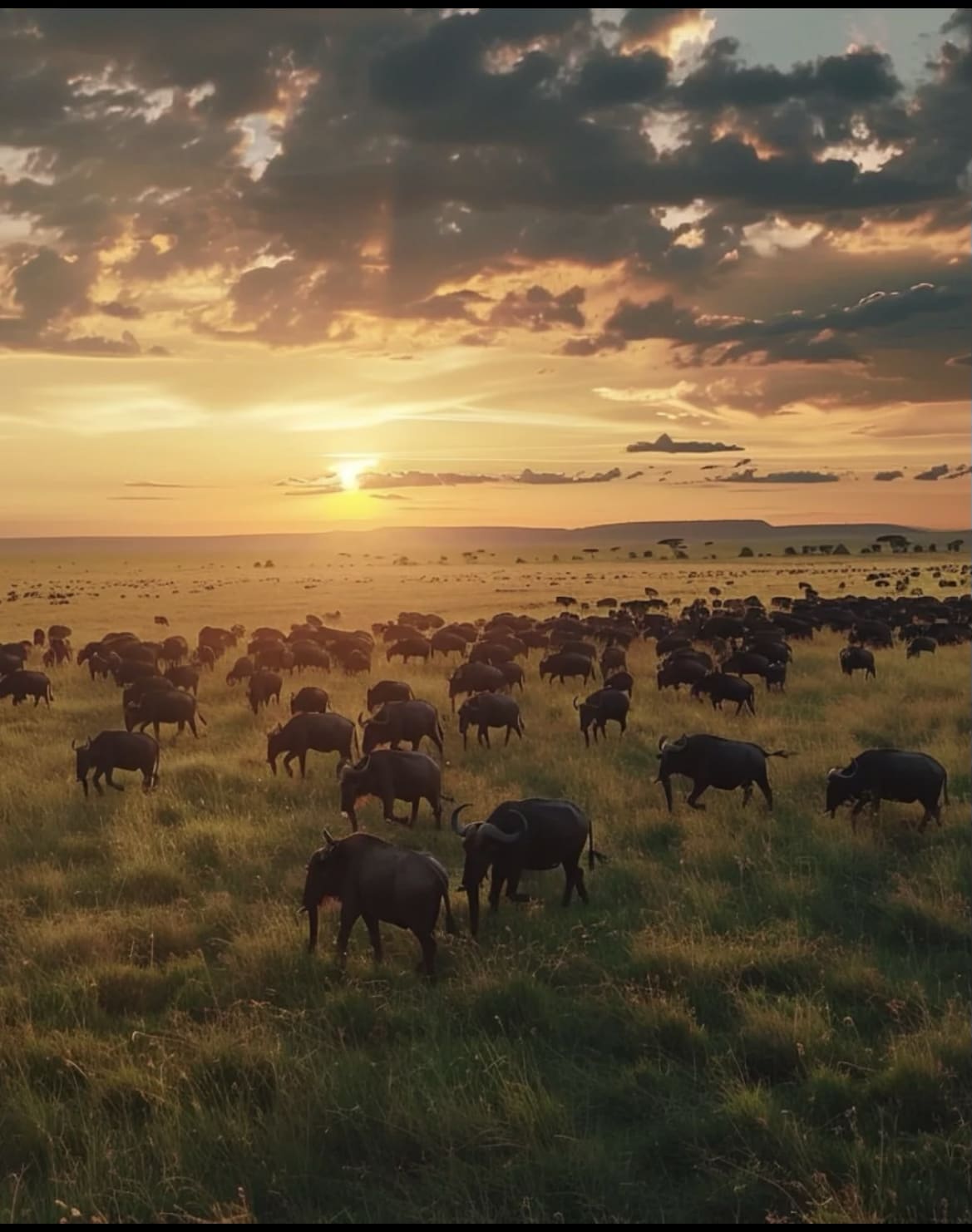
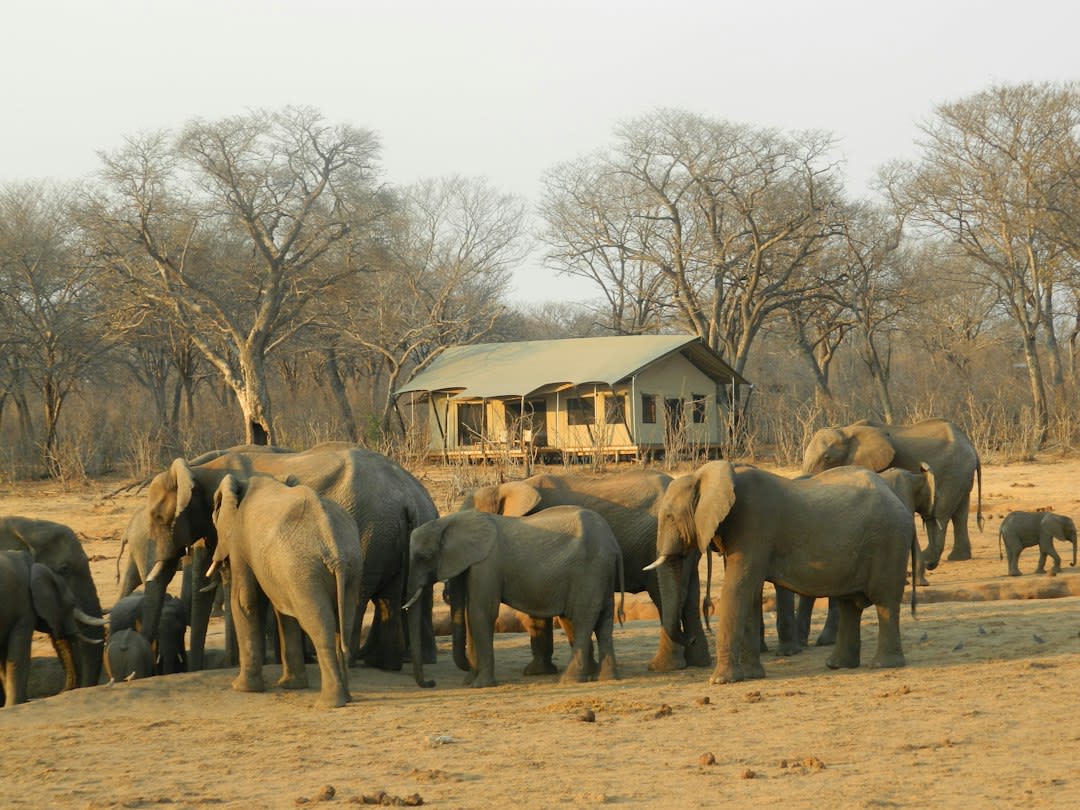
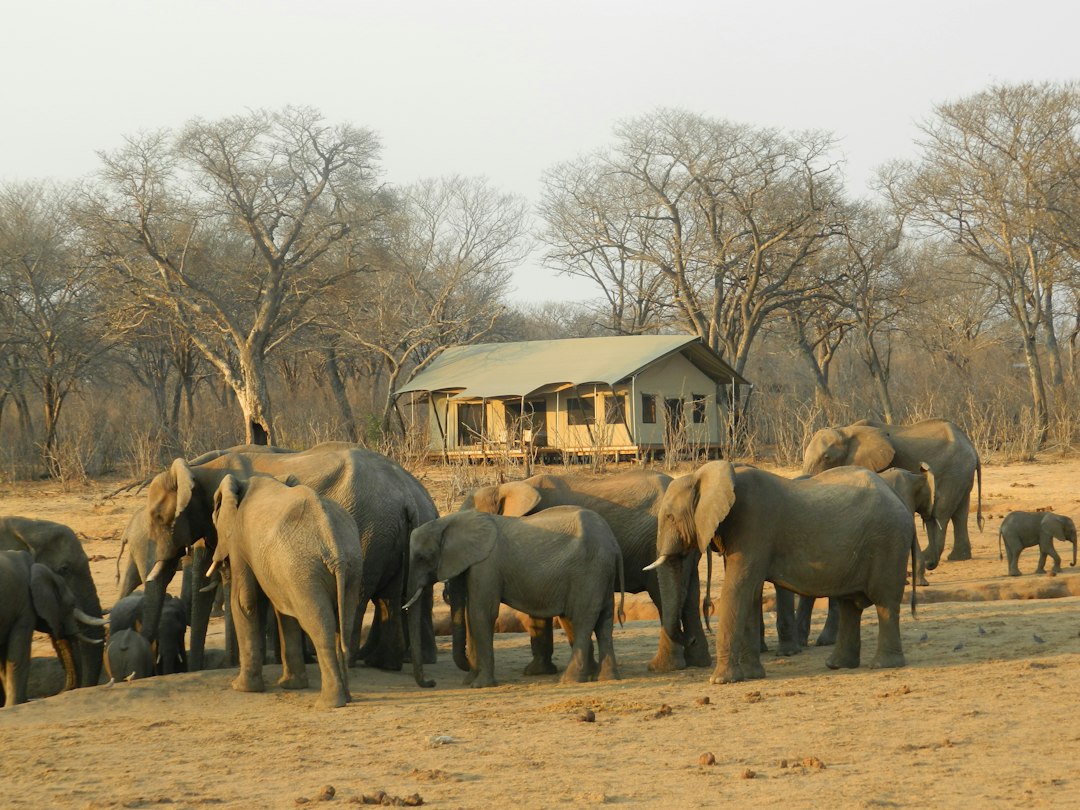
Zimbabwe's dry season runs from May through October. As water becomes scarce, animals gather at rivers, pans, and pumped waterholes. This pattern makes sightings more predictable, especially in parks such as Hwange. The dry season is the clearest choice for travelers who want to spend long days looking for elephants, buffalo, lions, and other big game .
Zimbabwe reaches its peak safari period between July and October. Tourist demand rises during these months because dry conditions improve wildlife viewing. The bush also becomes more open as grass and leaves thin out. That does not guarantee a particular animal, but it gives guides better conditions for tracking and viewing game .
Compare verified Zimbabwe safari packages for July through October 2027 if peak wildlife viewing is your main goal.
Best for: travelers who want mild weather
May through August brings mild temperatures and little rain across much of Zimbabwe. Daytime highs average about 20°C, while nighttime temperatures usually sit in the teens. Mountain areas can approach freezing, so early drives and highland stays need warm layers .
May and June often suit travelers who dislike intense heat. The landscape still holds some color from the wet season, yet conditions begin to dry. These months can also work well for walking trips because cool mornings feel more comfortable than hot-season afternoons.
Why the season matters
Safari timing changes more than the weather. It changes how far animals travel, how easy it is to see them, and how much time you may spend driving between sightings. A dry-season guest may watch elephants at a waterhole. A wet-season guest may see them spread through fresh grassland instead.
Peak season also affects planning. Camps and guides receive more interest during July, August, September, and October. Start comparing routes early for 2027, especially if you want a fixed lodge, a family room, or a walking safari in a small camp.
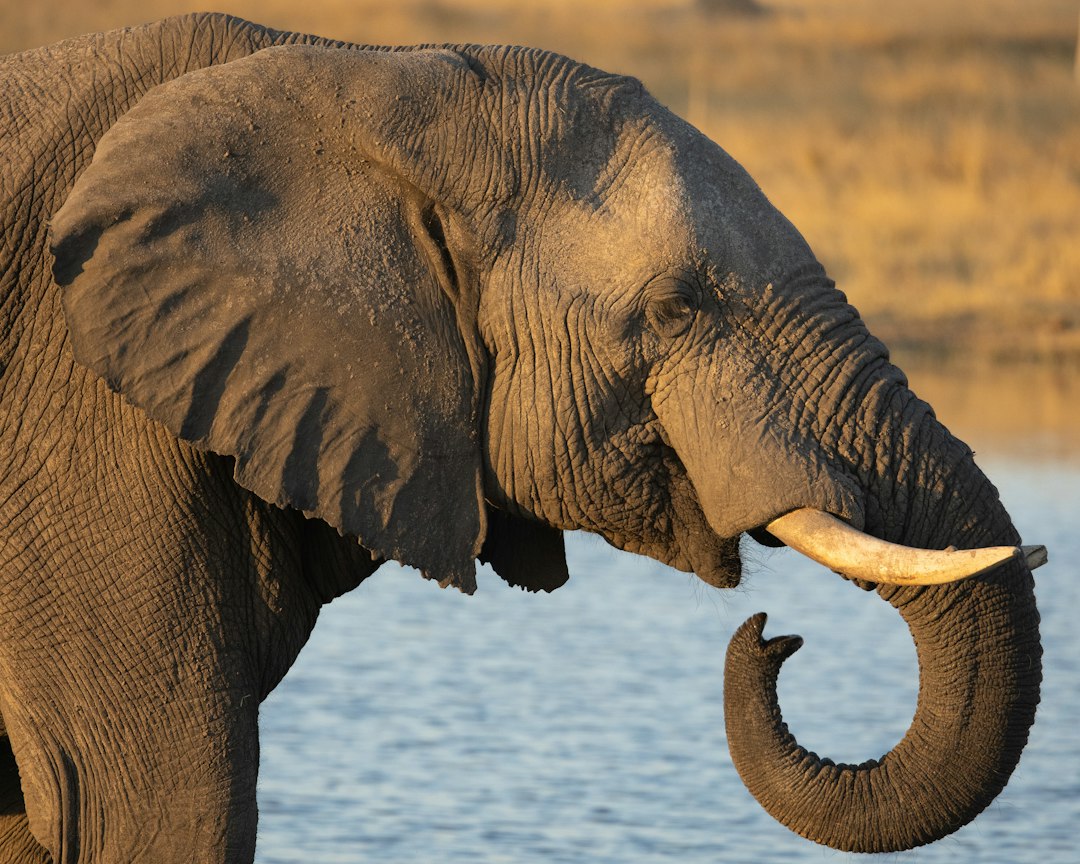
How does Zimbabwe weather change month by month?
Zimbabwe's year has a dry period from May through October and a wet period from November through April. July through October offers the strongest wildlife viewing conditions. November through April offers greener scenery and fewer tourists, but rain and fresh vegetation can spread animals across larger areas .
January
January sits within Zimbabwe's wet season. Rain supports green landscapes and fresh plant growth. Wildlife may spread across the park because water is easier to find. This month suits travelers who value scenery, a quieter feel, and the changing shape of the bush over the most predictable game viewing.
February
February remains part of the greener, wetter travel window. The bush can look full and fresh after rain. Roads and daily plans need closer attention because wet weather can affect movement. Pack a light rain layer, quick-dry clothes, and shoes that work on damp ground.
March
March continues the wet-season pattern. Many animals still have access to natural water, so sightings may require more searching. Birdlife and plant growth add interest for guests who enjoy more than large mammals. A flexible itinerary works best because weather can shape each day's drive.
April
April marks the end of the main wet season. Conditions begin to dry in many areas, but the landscape can still look green. Visitor numbers may remain lower than during the July to October peak. April is a sound choice for travelers who want a balance between scenery and improving wildlife conditions.
May
May begins Zimbabwe's wider dry season. Rainfall becomes limited, and daytime temperatures remain comfortable. Wildlife starts to gather more often near reliable water. This month is useful for travelers who want dry conditions without choosing the busiest part of the year .
June
June brings cool mornings, dry roads, and clearer views through thinning vegetation. Daytime conditions remain mild, while nights can feel cold. Bring a fleece or warm jacket for dawn drives. June is often a smart month for people who want active days without peak-season heat.
July
July starts the main peak safari window. Dry conditions make wildlife easier to track around water sources. Morning drives can feel cold, so dress in layers that you can remove later. Book early for 2027 if you want a popular camp or a route that includes both Hwange and Victoria Falls.
August
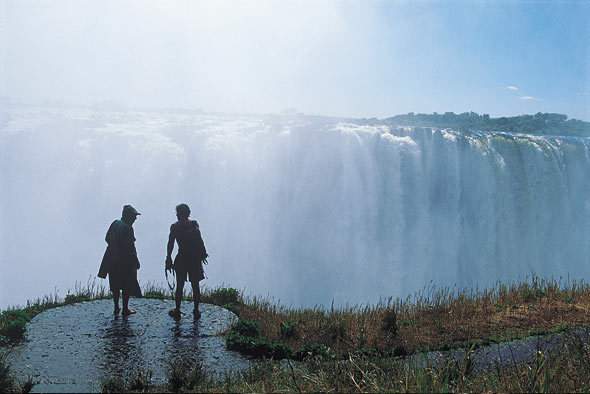
August is one of the strongest months for Zimbabwe wildlife viewing. Dry weather pushes animals toward water, while open vegetation helps guides spot movement. Victoria Falls has lower water flow in August because of the dry conditions. Devil's Pool is described as accessible in August for children over age 12 with a local guide .
September
September remains firmly within the peak safari period. Water becomes a major focus for wildlife, and many guests choose Zimbabwe for elephant viewing. Days can feel warmer than in June or July. Carry sun protection, a reusable water bottle, and a light shirt for midday drives.
October
October closes the peak dry-season window. Heat can rise before the rains return, but water scarcity can keep wildlife near known sources. This month suits experienced safari travelers who accept hot afternoons in exchange for strong game-viewing conditions. Confirm the planned activities before booking, especially walking routes.
November
November begins the wet-season transition. Early rains can change the landscape quickly, and fresh grass may spread animals across wider areas. Tourist numbers may fall compared with the dry-season peak. Pack for changing weather and keep your schedule flexible.
December
December falls within the green season. Rain can interrupt a drive, yet the renewed landscape offers a different view of Zimbabwe. Choose December if you care more about green scenery, a quieter trip, and seasonal changes than about the highest chance of seeing animals at waterholes.
Which Zimbabwe safari destinations suit each season?
Hwange National Park is the best-known dry-season choice for concentrated wildlife viewing, while Victoria Falls works well as a seasonal add-on. Mana Pools, the Eastern Highlands, and smaller wilderness areas suit travelers who want walking, scenery, or a less standard route. Your best park depends on the month and the activity you want.
Hwange National Park
Hwange is known for large elephant groups and other big game around water sources in the dry season. July through October is the strongest period for travelers focused on waterhole viewing. Read this guide to Hwange safari packages for first-timer costs and tips before comparing routes.
Hwange also works in May and June, when mornings are cool and the bush begins to open. A longer stay gives guides more chances to use different waterholes and habitats. Travelers who prefer lodge choices can compare the Hwange National Park lodges guide for 2027.
Victoria Falls
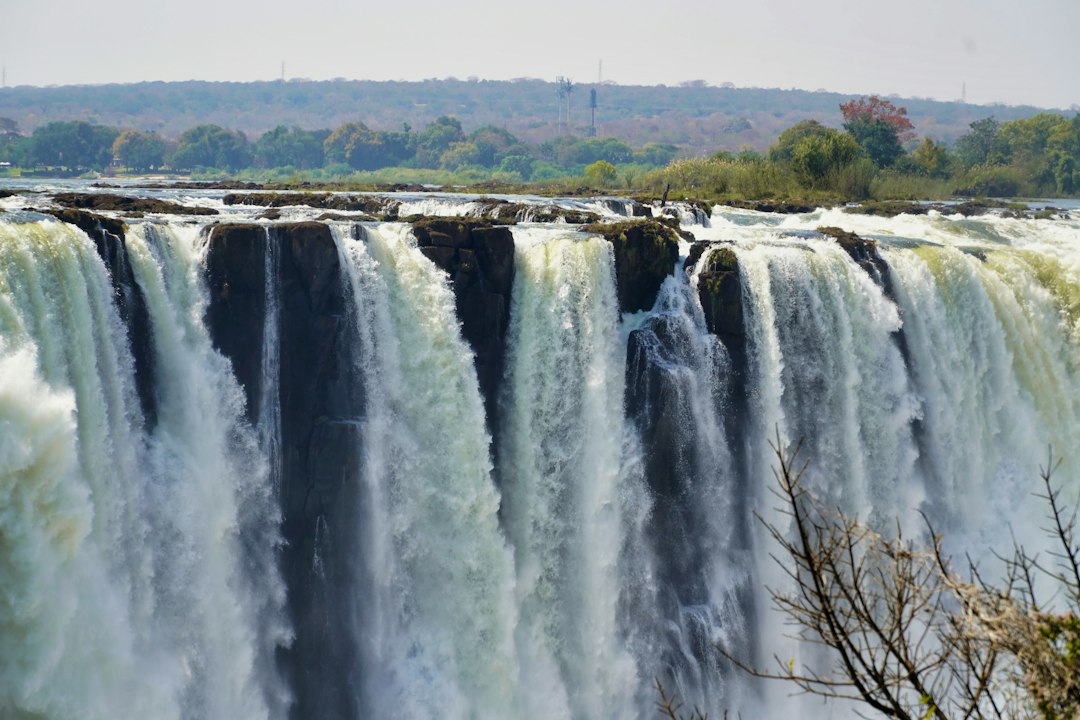
Victoria Falls changes with the water cycle. August brings reduced flow because of drier conditions, which can make some viewpoints look different from the high-water months . If the waterfall is your top reason for visiting, ask your operator how the falls fit your chosen month.
Families should check age rules for each activity. Devil's Pool is described as accessible in August for children over age 12 when accompanied by a local guide . Use a guided visit rather than treating river activities as a self-led stop.
Eastern Highlands and waterfall areas
Mutarazi Falls and the Eastern Highlands suit travelers who want cooler mountain scenery. Mountain temperatures can approach freezing from May through August, so a warm layer matters . This area works well before or after a lowland safari, especially for guests who want more than game drives.
Less common route ideas
Zimbabwe has route options beyond its best-known parks. You can add Mavuradonha Wilderness for a remote setting, or visit Chinhoyi Caves for a geology-focused stop. Kazuma Pan National Park and Ngamo Plains can also fit travelers building a broader northern route.
These places do not replace the main dry-season parks for every traveler. They add choice. Match each stop to road time, activity type, and the season. A route with too many long transfers can reduce the hours you spend in the bush.
How should you plan a Zimbabwe safari for 2027?
Plan a Zimbabwe safari by choosing your main goal first, then selecting the month, park, and activity. Wildlife viewing points toward July through October. Mild temperatures point toward May through August. Green scenery and fewer tourists point toward November through April. This order prevents the calendar from choosing your experience for you.
Start with your main reason for travel
- Choose July through October for the strongest dry-season wildlife conditions.
- Choose May through June for mild days, cool mornings, and fewer peak-season pressures.
- Choose November through April for greener scenery and a quieter travel feel.
- Choose August for a dry-season safari combined with a Victoria Falls visit.
- Choose May through August for cooler weather, while packing for cold nights and mountain areas.
Build the route around time, not wish lists
A short trip should focus on one main wildlife area. A longer trip can link Hwange with Victoria Falls or another region. Travelers who want walking should ask about the exact camp and guide setup. Travelers with children should check activity age limits before paying a deposit.
Use the Zimbabwe safari itinerary guide for 2027 to compare a seven-day trip structure. You can also review five-day Hwange safari planning ideas if your leave time is shorter.
Pack for the month
Dry-season guests need layers. Dawn drives can feel cold, especially from May through August, while afternoons may feel warm. Add a hat, sunscreen, closed shoes, and a warm jacket. Wet-season guests need a light rain shell, quick-dry clothing, and patience when rain changes the daily plan.
Do not judge a month by weather alone. A dry day can still bring a quiet drive. A rainy day can produce a memorable landscape. The best plan gives your guide enough time in the park and leaves room for normal changes.
Request quotes from verified Zimbabwe safari operators for your 2027 travel month and compare inclusions, routes, and authentic traveler reviews.
What should you check before booking?
Check the park, travel month, daily activity, transport plan, and included services before booking a Zimbabwe safari. The lowest headline price does not explain how many nights you receive, how long drives last, or whether Victoria Falls transfers are included. Ask for a clear day-by-day plan.
Questions to ask an operator
- Which parks and private areas does the route visit?
- How many nights are spent inside or near the main park?
- Are game drives, walking trips, and transfers included?
- How does the plan change if rain affects roads?
- What age rules apply to family activities?
- Which meals, permits, and park fees are included?
SafariFind connects travelers with verified tour operators and authentic reviews. Compare the exact route instead of comparing only the month. A July trip with short park time may offer less wildlife value than a longer May trip with better daily coverage.
Useful route additions
Travelers who want water and scenery can review Lumene Falls or Mutirikwi Beach. A southern route may include Chiredzi or Beitbridge. These additions need careful route planning because extra stops can increase driving time.
For city-based planning, compare Bulawayo safari packages and day trips. For a cave visit, see the guide to Chinhoyi Caves tour costs. These pages help you decide whether your trip should focus on one park or combine wildlife with other sights.
Key takeaways
- Choose July through October for Zimbabwe's peak dry-season wildlife viewing around limited water sources .
- Choose May through August for mild daytime temperatures near 20°C, then pack warm layers for cool nights .
- Book August with care if Victoria Falls is central to your trip because dry conditions reduce water flow .
- Choose November through April for greener scenery and fewer tourists, while allowing more time to find dispersed wildlife .
- Compare routes before paying so your 2027 package matches your park, activity, transfer, and family needs.
Frequently asked questions
What is the best month for a Zimbabwe safari?
September is one of the best months for a Zimbabwe safari because it sits within the July to October peak period. Dry conditions push wildlife toward reliable water sources, and thinner vegetation can improve visibility. July, August, and October also offer strong dry-season viewing conditions .
Is July a good time to visit Zimbabwe?
July is a very good time to visit Zimbabwe for wildlife viewing. It begins the peak safari period and brings dry conditions, open vegetation, and animals near water. Morning drives can feel cold, so pack layers. Visitor demand is higher than during the wet season .
What is Zimbabwe like in the rainy season?
Zimbabwe's rainy season runs from November through April. The landscape becomes greener, tourist numbers may fall, and wildlife can spread across a wider area because natural water is easier to find. Pack rain protection and expect daily plans to change with weather .
When is the best time to see Victoria Falls in Zimbabwe?
The best month depends on whether you want higher water flow or drier activities. August brings reduced Victoria Falls flow because of dry conditions. Devil's Pool is described as accessible in August for children over age 12 with a local guide .
What should I pack for a Zimbabwe safari in 2027?
Pack warm layers for dry-season dawn drives, especially from May through August. Add sun protection, closed shoes, and a light rain shell for wet-season travel. Mountain regions can approach freezing in the cooler months, so a warm jacket is useful .
How can I book a Zimbabwe safari through SafariFind?
SafariFind helps you compare Zimbabwe safari packages from verified tour operators. Review the route, travel month, inclusions, and authentic traveler feedback before you choose. Request a quote for your preferred 2027 dates, then compare operators and daily plans in one place.
Conclusion
July through October is the best time for a Zimbabwe safari in 2027 when wildlife viewing is your main goal. May through August works well for mild temperatures and low rainfall, but mountain nights can approach freezing. November through April offers greener scenery and fewer tourists, with wildlife spread across a wider area.
Choose Hwange for dry-season game viewing, then add Victoria Falls if the waterfall fits your travel plan. Treat August as a useful month for drier conditions, while remembering that Victoria Falls has reduced flow then. Build your route around park time, activity rules, and real travel distances.
Compare verified safari packages on SafariFind, read authentic reviews, and request a quote from an operator that fits your 2027 month. SafariFind gives you a clearer way to plan Zimbabwe travel as availability opens for 2027.
Plan Your Safari with SafariFind
These recommendations use real data from SafariFind, where you can compare operators, browse packages, and read verified traveler reviews before you book.
Recommended Safari Operators from SafariFind
Recommended Safari Packages from SafariFind
What Travelers Say (SafariFind Reviews)
References
Sources
Related to
Ready to start your safari adventure?
Explore curated safari packages and find your perfect African adventure with verified operators.