Botswana Safari Animals: 12 Species to See on Every Trip
Discover Botswana Safari Animals: 12 Species to See on Every Trip - Expert guide to safari tourism and wildlife destinations.

Botswana Safari Animals: 12 Species to See in 2026
Last updated: July 2026
Botswana safari animals include elephants, lions, leopards, buffalo, black rhinos, giraffes, hippos, wildebeest, cheetahs, zebras, African wild dogs, and lechwe. The Okavango Delta, Chobe region, and Central Kalahari offer different wildlife scenes. Safari costs depend on the route, lodge, and trip length, so compare current 2026 packages before booking.
Hook: Botswana is home to some of the world’s largest elephant herds, alongside rare wetland species such as red lechwe and the Pel’s fishing owl.
At a Glance
- Cost: No single fixed price; 2026 rates depend on lodge, route, transport, and duration
- Best time: Dry-season months generally offer easier wildlife viewing, while wetland areas support rich birdlife
- Duration: A multi-area trip gives the best chance to see both land and water species
- Best for: Wildlife photographers, first-time safari travelers, birders, and families seeking varied habitats
- Wildlife highlights: Elephants, lions, leopards, wild dogs, hippos, cheetahs, and red lechwe
- Top habitats: Okavango Delta channels, Chobe floodplains, and Central Kalahari plains
What Are Botswana Safari Animals Known For?
Botswana safari animals are known for strong variety across wetlands, floodplains, grasslands, and desert habitats. Botswana supports the Big Five: lion, elephant, leopard, buffalo, and black rhinoceros. It also has major populations of giraffe, hippopotamus, and wildebeest. The result is a safari with both famous and unusual sightings.
Botswana is a leading wildlife destination because its landscapes change sharply from one region to another. The Okavango Delta brings water channels, papyrus beds, and seasonal floodplains. Chobe offers large elephant concentrations. The Central Kalahari Game Reserve covers 52,800 square kilometres and is Botswana’s second-largest reserve.
Known for: Big Five wildlife
Elephants, lions, leopards, buffalo, and black rhinos form Botswana’s Big Five list. These animals do not appear in equal numbers or in every park. However, a route that combines several regions gives travelers more habitat types and more chances to find different species.
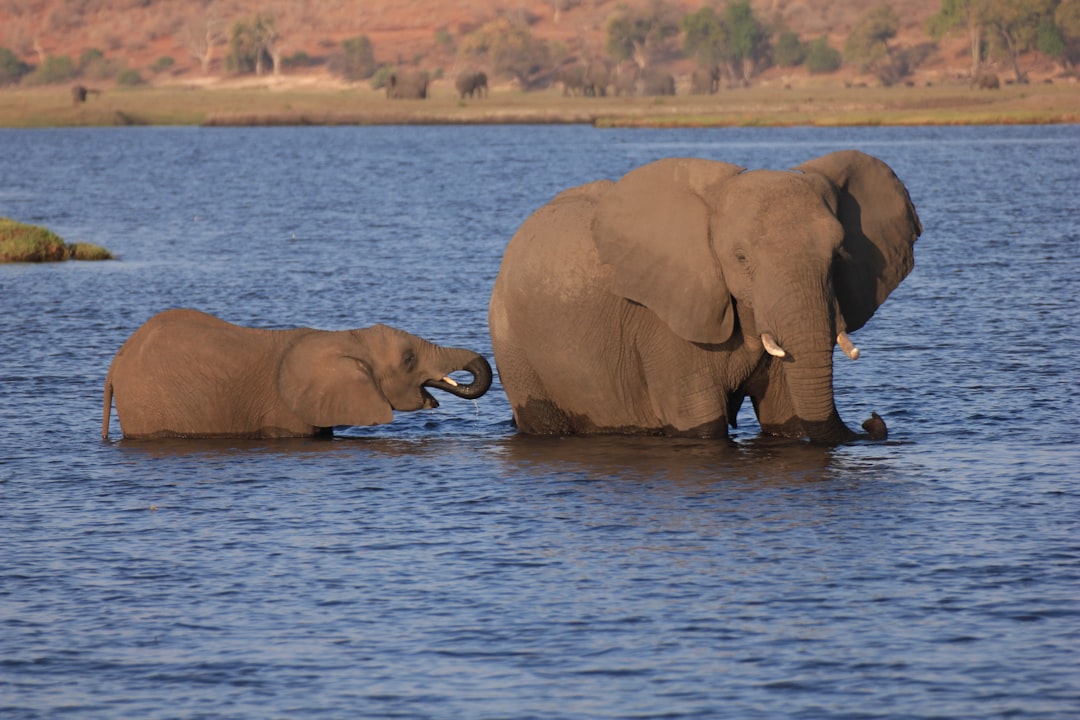
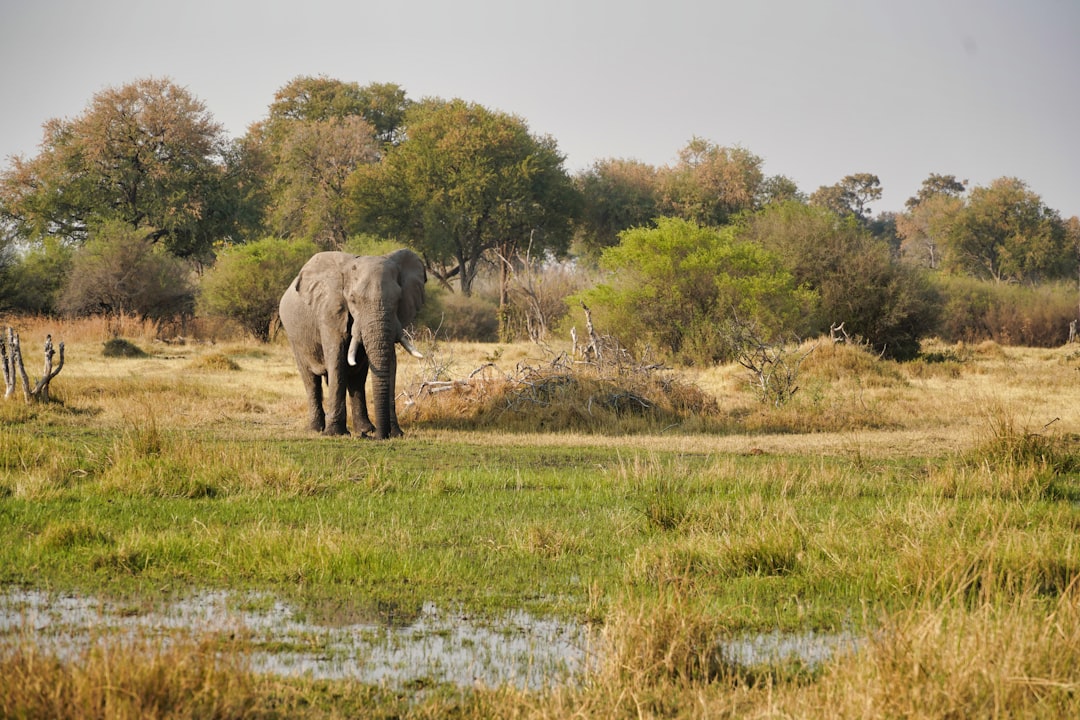
Elephants are one of Botswana’s signature animals. Botswana is reported to host the world’s largest herds of elephants. In wet areas, elephants often feed near water and move between islands, channels, and woodland. Their size makes them easy to spot, but a guide still needs to manage distance and viewing time.
Why habitat matters
Central Kalahari Game Reserve includes open plains, salt pans, riverbeds, and wooded mopane forests. These habitats support different animal behavior. Open plains help you scan for cheetahs and wildebeest. Wooded areas can hide leopards, wild dogs, and smaller antelope.
The Okavango Delta adds a different safari style. Boats and mokoro can reach water channels that vehicles cannot enter. This setting brings hippos, water-loving antelope, and many birds into the same journey. The delta is also a notable location for viewing the Pel’s fishing owl.
For planning help, read Botswana safari routes for first-timers before choosing one region.
Best for: Travelers who want the Big Five, large elephant herds, water safaris, and rare species in one country.
Compare Botswana safari packages by wildlife region and trip length.
Which 12 Botswana Safari Animals Should You See?
The 12 essential Botswana safari animals are elephant, lion, leopard, buffalo, black rhino, giraffe, hippopotamus, wildebeest, cheetah, zebra, African wild dog, and lechwe. These species appear in Botswana wildlife guides and represent the country’s mix of large predators, grazing herds, wetland animals, and rare antelope.
1. African elephant
African elephants are Botswana’s standout wildlife species. Large herds often gather near rivers, floodplains, and seasonal water. Watch how family groups communicate, protect calves, and move together. Always follow your guide’s distance rules because elephants remain powerful wild animals.
2. Lion
Lions are among Botswana’s most sought-after predators. Open grasslands make them easier to find at first light or near sunset. A pride may rest in shade during the warmest part of the day. Your guide will usually scan for tracks, fresh kills, alarm calls, and birds circling overhead.
3. Leopard
Leopards are solitary cats that rely on camouflage. Their spotted coats disappear among branches, grass, and shadow. Look up as well as across the ground. A leopard may rest in a tree, especially after feeding. Slow driving and patient searching improve your chance of a sighting.
4. African buffalo
African buffalo are one of Botswana’s Big Five animals. Herds often stay near water and rich grass. Their dark bodies stand out against open floodplains. Buffalo can appear calm, but they are strong and unpredictable. Keep quiet and let the guide control the vehicle’s position.
5. Black rhinoceros
Black rhinoceros are part of Botswana’s Big Five list. They are less common to see than elephants or zebra. A guided sighting requires patience, careful tracking, and respect for strict viewing rules. Do not expect a guaranteed encounter on every route.
6. Giraffe
Giraffes are easy to recognize above acacia and other woodland trees. Their height helps them browse leaves that shorter animals cannot reach. Botswana is reported to have some of Africa’s largest concentrations of giraffes. Watch for young giraffes near adults and for oxpeckers feeding on their coats.
7. Hippopotamus
Hippopotamuses are central to Botswana’s water-based safari experience. They spend much of the day in rivers, lagoons, and channels. A boat trip can reveal only their eyes, ears, and nostrils above the water. Hippos are dangerous, so never approach them without an experienced guide.
8. Wildebeest
Wildebeest are important grazers of Botswana’s open plains. Their movement links grassland habitats with predators such as lions and cheetahs. Botswana is reported to have large concentrations of wildebeest. Scan the horizon for dark herds, dust, and zebra moving nearby.
9. Cheetah
Cheetahs need open ground for their fast hunting style. They often use low grass and wide plains to watch for prey. Botswana wildlife lists commonly include cheetahs among its safari species. Early morning drives are useful because cooler temperatures support active hunting.
10. Zebra
Zebras are common grassland grazers and often travel with wildebeest. Their black-and-white stripes create a striking sight against green floodplains or dry Kalahari grass. Watch their body language. Ears, tails, and group movement can reveal when a predator is close.
11. African wild dog
African wild dogs are one of Botswana’s most special predator sightings. Packs move quickly, work together, and cover large areas. Botswana wildlife species guides list African wild dogs among the animals seen on safari. A guide may follow tracks or radio updates to locate a pack.
12. Red lechwe
Red lechwe are wetland antelope built for shallow water and soft ground. Their long legs help them move through flooded areas. They are a key reason to include the Okavango Delta in a wildlife route. Lechwe are commonly listed among Botswana’s distinctive safari animals.
These 12 animals do not tell the whole Botswana wildlife story. Roan, sitatunga, and many bird species also add depth to a trip. The Okavango Delta includes black egrets, purple herons, Malachite kingfishers, carmine bee-eaters, blue-cheeked bee-eaters, and black coucals.
How Do Botswana Safari Animals Differ by Region?
Botswana safari animals differ by region because water, grass, woodland, and desert create separate feeding areas. The Okavango Delta suits hippos, lechwe, elephants, and waterbirds. Chobe is known for elephant viewing. The Central Kalahari offers open plains, salt pans, riverbeds, and mopane woodland. Choose a route that matches your wildlife goals.
Okavango Delta
The Okavango Delta is best for water-linked wildlife and birding. Mokoro trips move quietly through narrow channels. Boat rides can reveal hippos, crocodiles, elephants, and wetland birds. The delta is also a notable site for the Pel’s fishing owl, with large heronries accessible from some camps from September onward.
Red lechwe are especially suited to the delta’s shallow floodplains. Their habitat choice explains why a water-focused trip can show animals that are less likely in dry desert areas. Water levels change by season, so ask an operator which activities match your travel dates.
Chobe region
Chobe is a strong choice for elephant viewing and river scenery. Elephants may gather near water, cross channels, or feed along the banks. River cruises also create useful viewing angles for hippos and waterbirds. Land drives add chances for lions, buffalo, giraffes, zebras, and wild dogs.
Central Kalahari Game Reserve
Central Kalahari Game Reserve is Botswana’s second-largest reserve, covering 52,800 square kilometres. Its open plains, salt pans, riverbeds, and wooded mopane forests create a broad wildlife stage. This setting suits travelers who want a quieter desert landscape and species adapted to limited water.
Open areas help guides search for cheetahs, wildebeest, zebra, and giraffes. Wooded sections may hold leopards, lions, and antelope. Sightings can take more patience than in a compact water area, but the landscape itself adds a strong sense of space.
How to combine regions
A combined route offers the widest species range. Start with the Okavango Delta for water wildlife and birding. Add Chobe for river views and elephants. Finish in the Central Kalahari for desert scenery and open plains. Not every trip needs all three areas.
| Name | Price | Duration | Rating | Best For |
|---|---|---|---|---|
| Okavango Delta route | Varies by current 2026 package | Depends on itinerary | Compare verified reviews | Water wildlife, birds, lechwe, hippos |
| Chobe wildlife route | Varies by current 2026 package | Depends on itinerary | Compare verified reviews | Elephants, river cruises, buffalo |
| Central Kalahari route | Varies by current 2026 package | Depends on itinerary | Compare verified reviews | Open plains, desert scenery, predators |
There is no reliable single price for every Botswana safari. Lodge level, flights, transfers, park access, and private guiding all change the final rate. To compare real 2026 options, use these ways to compare Botswana safari package value.
How Can You Plan a Botswana Wildlife Trip?
The best way to plan a Botswana wildlife trip is to match your target species with the right habitat, season, and safari activity. Choose water activities for hippos, lechwe, and birds. Choose open plains for cheetahs and wildebeest. Add woodland or river areas for leopards, elephants, lions, and buffalo.
Start with a species wish list
Write down your three highest-priority sightings. For example, a birder may choose the Pel’s fishing owl, black coucal, and carmine bee-eater. A first-time traveler may choose elephant, lion, and leopard. A photographer may focus on wild dogs, cheetahs, and giraffes.
Next, ask whether your route includes the habitats those animals need. A delta trip is not the same as a Kalahari trip. SafariFind connects travelers with verified tour operators, allowing you to compare routes, package details, and authentic traveler reviews before making a choice.
Choose the right safari activity
- Game drive: Best for lions, leopards, cheetahs, wild dogs, giraffes, and zebra.
- Boat safari: Best for hippos, elephants near water, and wetland birds.
- Mokoro excursion: Best for quiet channel travel and red lechwe habitat.
- Walking safari: Best for tracks, plants, insects, and smaller wildlife with a trained guide.
Activity choices also affect comfort and photography. A boat gives a low view across the water. A vehicle offers more space for camera gear. A mokoro moves quietly, but travelers should follow local safety instructions around hippos and other wildlife.
Pack for wildlife viewing
Neutral clothing helps you blend into the landscape. Bring a hat, sunscreen, binoculars, spare batteries, and a camera with enough storage. Pack layers because mornings can feel cool, while afternoons may become hot. A light rain layer remains useful when conditions change.
Respect animal space
Wildlife viewing works best when animals control the encounter. Keep voices low. Never ask a driver to chase an animal or block its path. Do not feed wildlife. Follow guide instructions near elephants, hippos, lions, and buffalo.
Good guiding also includes clear communication. Before departure, ask how the operator handles sightings, vehicle limits, water activities, and emergencies. You can also read Botswana safari booking lessons from traveler discussions for practical questions to ask.
Plan the wider trip
Maun is a common base for Okavango travel planning. Travelers can use the town for supplies, transfers, and pre- or post-safari activities. This guide to what to do in Maun can help you build useful time around your wildlife stay.
SafariFind can help you request quotes from verified operators and compare what each package includes. Check flights, transfers, meals, activities, park fees, and guide services. A lower headline rate may exclude key parts of the trip.
Key Takeaways
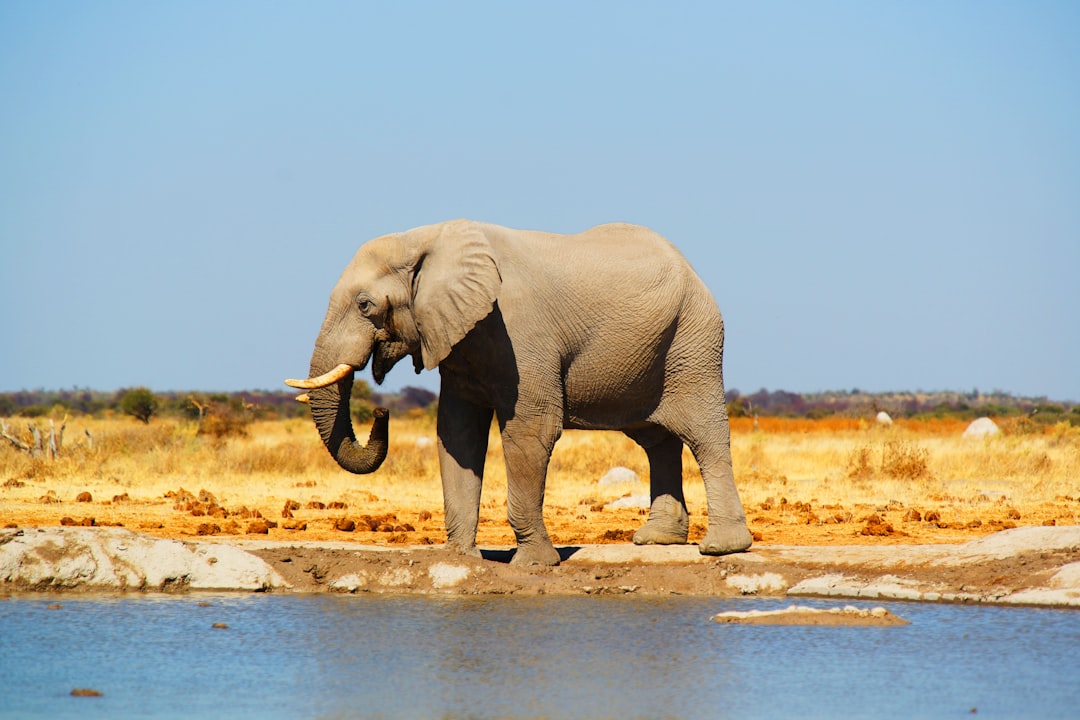
- Prioritize elephants in Chobe and wetland areas because Botswana hosts some of the world’s largest elephant herds.
- Choose the Okavango Delta for hippos, red lechwe, wetland birds, and the Pel’s fishing owl.
- Add Central Kalahari for 52,800 square kilometres of plains, salt pans, riverbeds, and mopane woodland.
- Build a Big Five route around lion, elephant, leopard, buffalo, and black rhino sightings.
- Compare 2026 inclusions such as transfers, activities, meals, park fees, and guiding before choosing a package.
Frequently Asked Questions
What animals will I see on a Botswana safari?
Botswana safari animals commonly include elephants, lions, leopards, buffalo, black rhinos, giraffes, hippos, wildebeest, cheetahs, zebras, African wild dogs, and lechwe. The exact sightings depend on the region, habitat, season, and daily animal movement.
Does Botswana have the Big Five?
Botswana has the Big Five: lion, elephant, leopard, buffalo, and black rhinoceros. Seeing all five is not guaranteed on one trip. A route across varied habitats can improve your chances, but wild animals always move freely.
Where can I see elephants in Botswana?
Chobe and other water-rich areas are strong choices for elephant viewing in Botswana. Botswana is reported to host the world’s largest herds of elephants. River drives and boat trips can offer different views of elephants feeding, drinking, or crossing near water.
Where can I see the Pel’s fishing owl?
The Okavango Delta is a notable location for viewing the Pel’s fishing owl. Some camps can also access large heronries from September onward. Bird sightings depend on habitat, guide skill, weather, and the owl’s natural movement.
Which Botswana safari animals live in wetlands?
Hippos and red lechwe are two of Botswana’s best-known wetland animals. Elephants, buffalo, and many birds also use the Okavango Delta’s channels and floodplains. Mokoro and boat trips can reach water habitats that vehicles cannot access.
How much does a Botswana safari cost in 2026?
There is no single Botswana safari price in 2026. Cost changes with lodge level, trip length, flights, transfers, park fees, and private guiding. Compare package inclusions rather than headline prices, then request a current quote from a verified operator.
How do I book a Botswana wildlife trip?
SafariFind helps travelers compare Botswana safari packages from verified tour operators and read authentic reviews. Review each itinerary, check its included services, and request a quote through the marketplace before booking your 2026 trip.
Conclusion: Choose the Right Botswana Wildlife Route
Botswana safari animals include the Big Five, large elephant herds, wetland antelope, African wild dogs, and remarkable birds. The Okavango Delta is best for water wildlife and birding. Chobe is a strong choice for elephants and river views. Central Kalahari offers 52,800 square kilometres of varied desert habitat.
Start your planning with a short species list. Then choose the region and activity that fit your goals. Compare what each 2026 package includes, from transfers and meals to boat trips and guiding. Read traveler reviews before you decide.
For extra planning ideas, compare Botswana with Tanzania using this guide to Botswana versus Tanzania safari wildlife and value. You can also review lodge choices beyond the luxury tier through Botswana safari lodge value picks.
Compare verified Botswana safari packages on SafariFind, request a quote from a verified operator, and choose the route that gives you the best chance to see your priority animals in 2026.
Image alt text suggestions: “Elephant herd crossing an Okavango Delta channel”; “Red lechwe standing in Botswana floodplain”; “Lion resting on Central Kalahari grassland”; “Pel’s fishing owl in the Okavango Delta.”
Plan Your Safari with SafariFind
These recommendations use real data from SafariFind, where you can compare operators, browse packages, and read verified traveler reviews before you book.


