Botswana Safari Best Time to Go: Month-by-Month 2026 Guide
Discover Botswana Safari Best Time to Go: Month-by-Month 2026 Guide - Expert guide to safari tourism and wildlife destinations.

Botswana Safari Best Time to Go: 2026 Month Guide
Last updated: July 2026
A dry season from May to October makes Botswana’s wildlife easier to find, while March brings fresh grasslands and seasonal pans to the Kalahari. Which month fits your safari goals?
The Botswana Safari Best Time to Go: Month-by-Month 2026 Guide shows that May to October is best for clear skies, thinner vegetation, and higher wildlife concentrations. November to April is the green season, with young animals, birds, and active predators. March is especially good for the Kalahari and salt pans. Safari prices depend on the route, camp, and season, so compare current packages before booking.
At a Glance
- Cost: Prices vary by camp, route, transport, and travel month; compare current 2026 offers before booking.
- Best time: May to October for concentrated wildlife and dry weather .
- Shoulder season: April to May and September to October for good sightings and fewer visitors.
- Green season: November to April for rain-fed landscapes, young animals, and migrant birds .
- Best for: Water safaris, wildlife viewing, birding, photography, and desert landscapes.
- Wildlife highlights: Concentrated animals in the dry season, births and predators in the green season, and zebra migration near Nxai Pan and Makgadikgadi Pans .
Introduction: What Is the Botswana Safari Best Time to Go Guide?
Botswana Safari Best Time to Go: Month-by-Month 2026 Guide is a practical plan for choosing your travel dates. It compares Botswana’s dry season, green season, and shoulder months. It also explains how rainfall changes the Okavango Delta, Chobe, the Kalahari, and the Makgadikgadi salt pans.
Quick answer: May to October is the best time for a classic Botswana safari. Wildlife gathers near fewer water sources, the bush becomes easier to see through, and the Okavango Delta suits water-based trips. November to April offers lush scenery, newborn animals, and birds. March stands out for the Kalahari and salt pans.
Botswana is not a single safari landscape. The Okavango Delta depends on seasonal floodwater. The Kalahari responds to summer rain. The salt pans change from dry plains into grasslands and seasonal pools. Therefore, the best month depends on what you want to see and do.
This guide uses current 2026 seasonal research and focuses on practical choices. You will find month-by-month notes, travel priorities, packing advice, and questions to ask operators. SafariFind connects travelers with verified tour operators, current package choices, and authentic reviews from past travelers.
For a wider trip plan, read the guide to Botswana safari packages for 5, 7, and 10 days. It can help you match the season with the right trip length.
What Makes May to October the Best Botswana Safari Season?
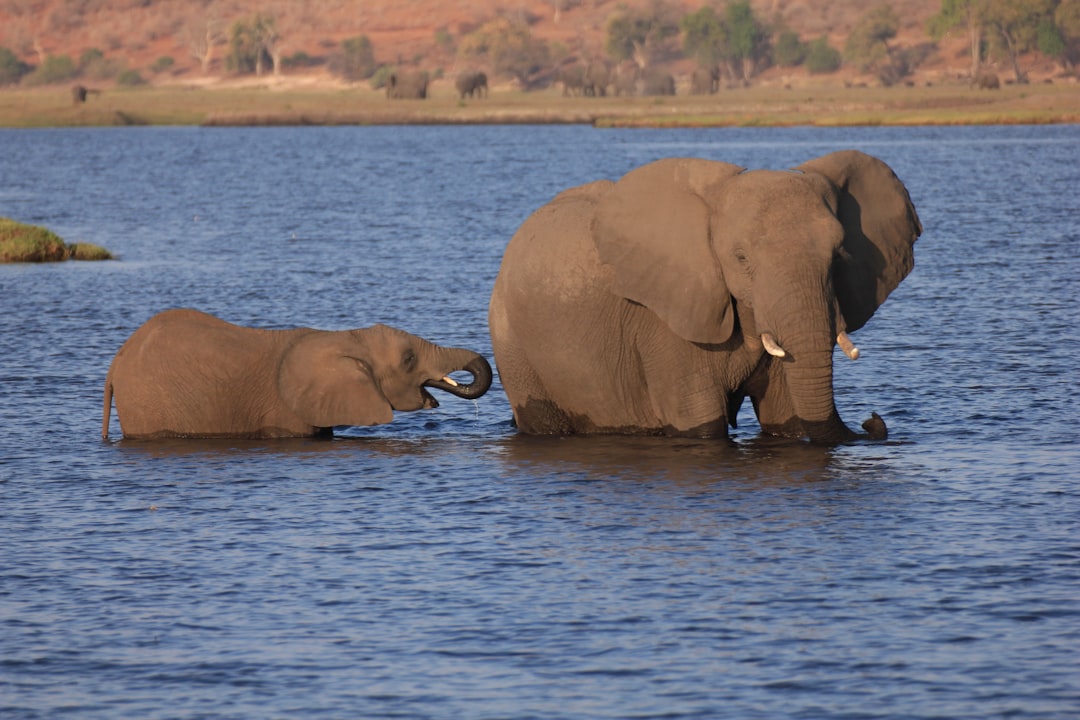
May to October is generally the best Botswana safari season for classic wildlife viewing. Botswana’s dry season runs from May through October. During these months, animals gather around permanent water, skies stay clearer, temperatures are often lower, and thinner vegetation improves visibility .
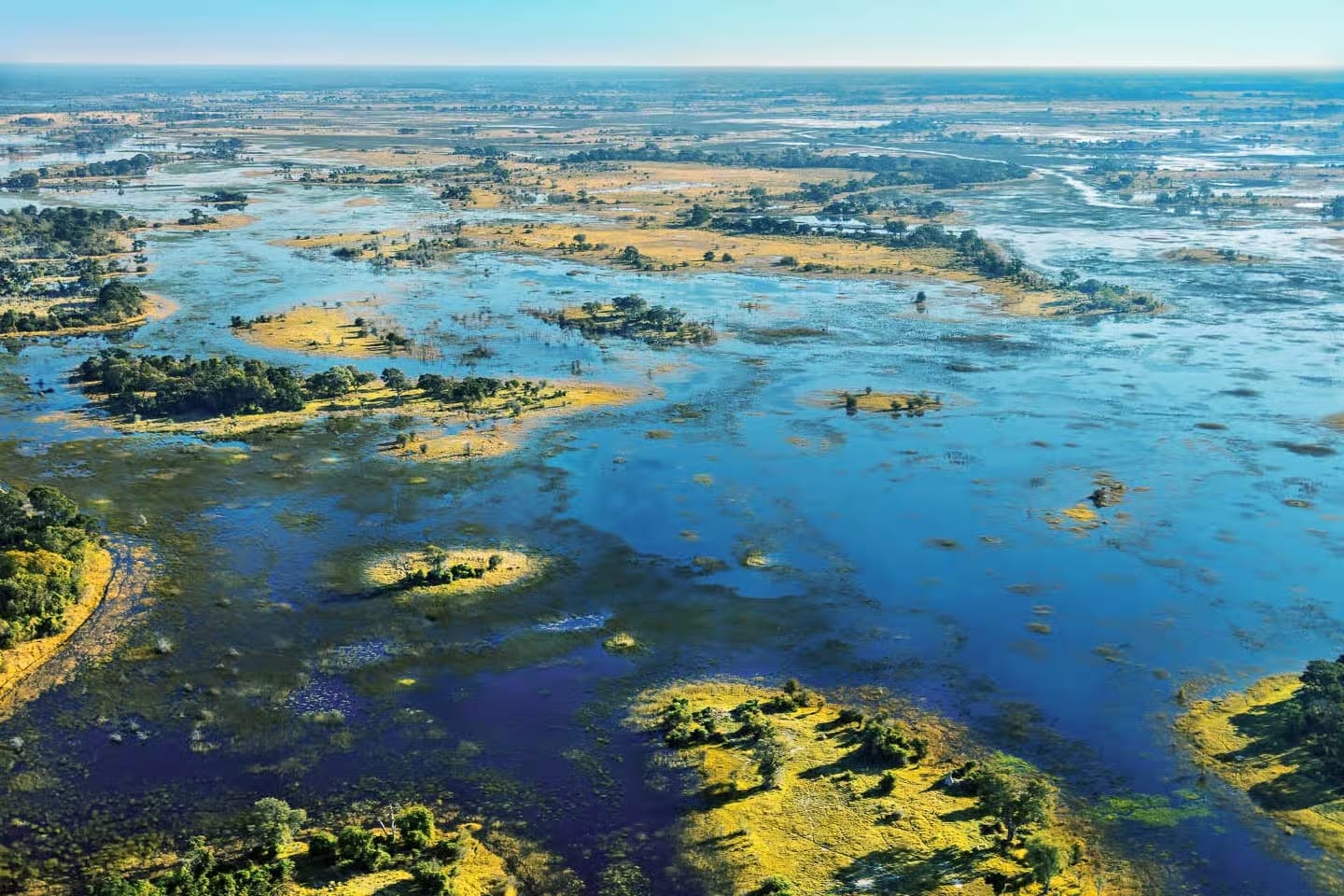
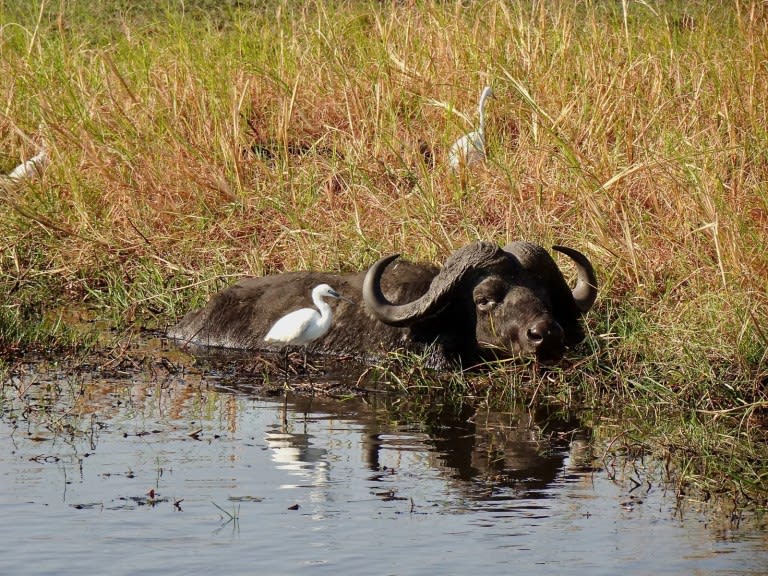
The Okavango Delta is especially suited to water-based safaris during the dry season . You may travel by mokoro canoe or boat in areas with enough water. A guide can also combine water activities with game drives, depending on local conditions and the camp’s location.
Okavango Delta is known for: Seasonal floodwater, channels, islands, mokoro trips, and wildlife viewing from both land and water. The dry months are a strong choice when you want the Delta’s water landscape and more concentrated animals.
Best for: First-time safari travelers, photographers, big-game viewing, and visitors who want a classic dry-season trip. May, June, September, and October can suit travelers who want strong sightings without choosing the busiest part of the season.
May is a useful transition month. The green season is ending, but some landscapes can still look fresh. Wildlife viewing improves as water becomes less widespread. The month can work well for travelers who want a balance between scenery, sightings, and seasonal demand.
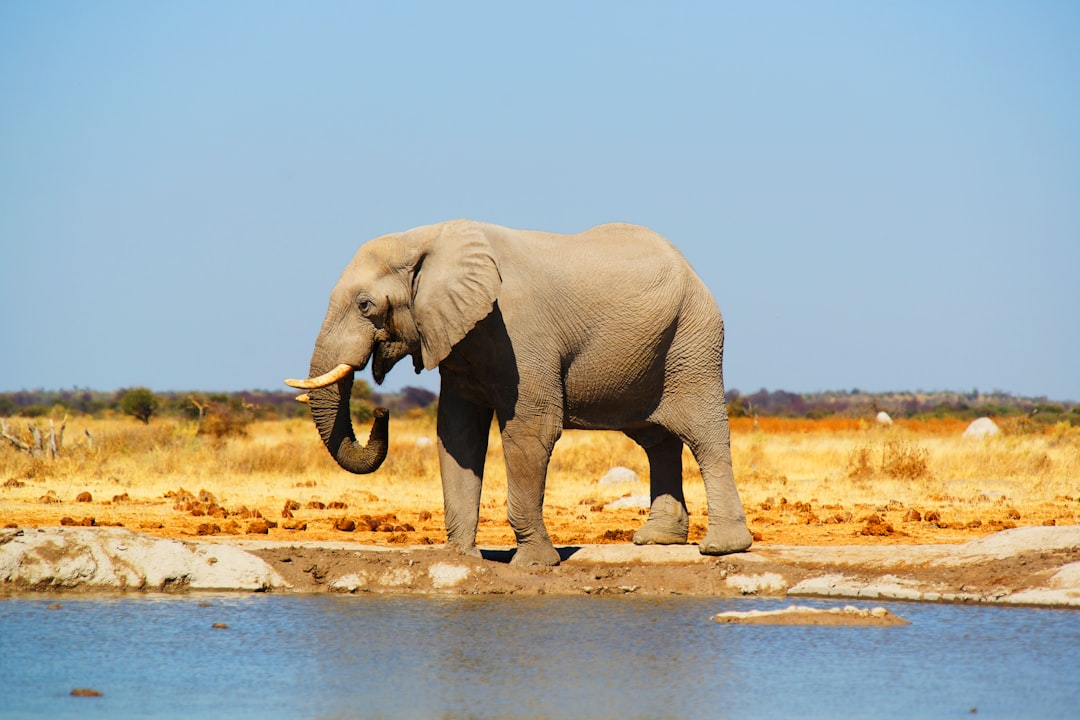
June, July, and August are core dry-season months. The bush becomes drier, and animals often stay closer to permanent rivers, channels, and waterholes. Nights can feel cold, especially on early game drives, so warm layers matter.
September and October remain dry, but temperatures rise. Wildlife still gathers around reliable water. October can offer strong game viewing, yet hot afternoons may feel demanding. Travelers should plan early drives, midday rest, and late afternoon viewing.
Price range: No single 2026 price applies to every Botswana safari. Rates change with camp style, transport, trip length, and season. Read the detailed Botswana safari cost per person guide before setting a budget.
Compare 5-, 7-, and 10-day Botswana safari packages for your travel month through the SafariFind catalog and review the included activities before requesting a quote.
Dry-season strengths and limits
- Wildlife: Higher concentrations often make animals easier to locate .
- Visibility: Thinner vegetation creates clearer views across many areas .
- Water: The Okavango Delta supports water-based safari activities .
- Weather: Rain is generally lower, but nights can feel cold in winter.
- Demand: Peak dry-season dates can attract more travelers and fill camps sooner.
How Does Every Month Change a Botswana Safari?
Every month creates a different Botswana safari experience. May to October favors concentrated wildlife and dry conditions, while November to April brings rain, green growth, young animals, and migrant birds. March is a special choice for the Kalahari and salt-pan ecosystems because summer rain can create grasslands and seasonal pans .
| Name | Price | Duration | Rating | Best For |
|---|---|---|---|---|
| January | Season-dependent | Flexible | Not applicable | Green scenery, young animals, birding |
| February | Season-dependent | Flexible | Not applicable | Green season landscapes and predators |
| March | Season-dependent | Flexible | Not applicable | Kalahari, salt pans, grasslands, zebra movement |
| April | Season-dependent | Flexible | Not applicable | Shoulder-season scenery and fewer visitors |
| May | Season-dependent | Flexible | Not applicable | Transition weather and improving wildlife viewing |
| June–August | Season-dependent | Flexible | Not applicable | Dry-season wildlife and Okavango water activities |
| September–October | Season-dependent | Flexible | Not applicable | Wildlife near water and warm dry weather |
| November–December | Season-dependent | Flexible | Not applicable | First rains, green scenery, births, and birds |
January and February: Green landscapes
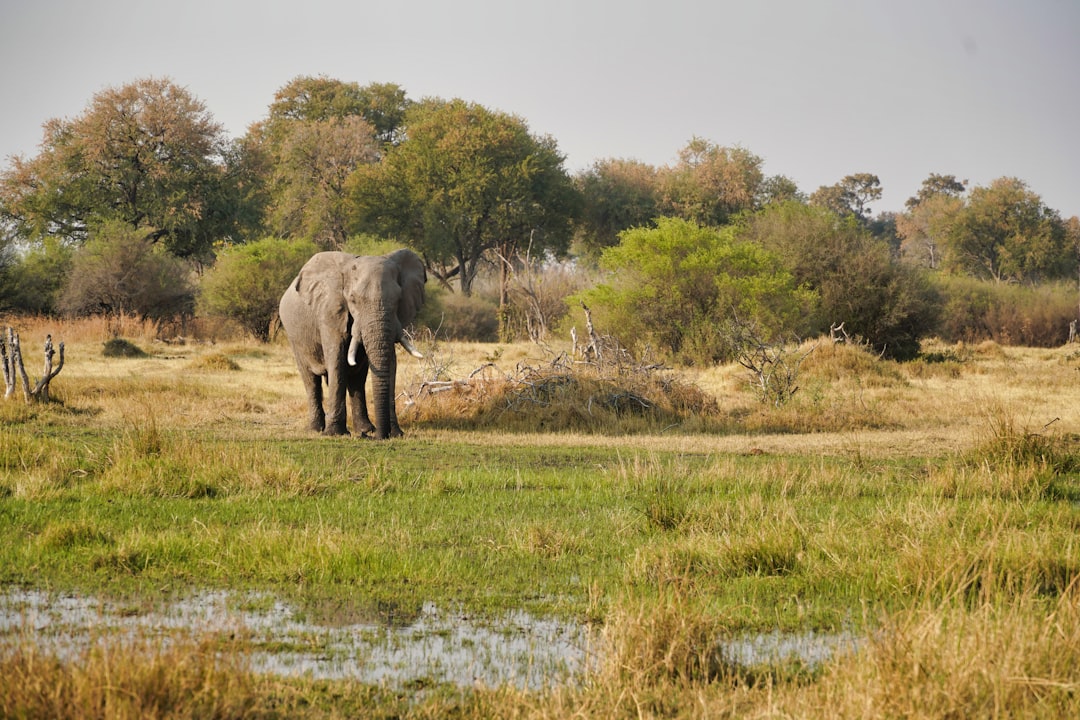
January and February sit within Botswana’s green season. Rain supports fresh plant growth, and wildlife can spread out because water is available in more places. Young animals, migrant birds, and active predators are key reasons to consider these months .
These months suit travelers who value color, clouds, birdlife, and fewer crowds over the most concentrated game viewing. Roads and transfers can require closer planning after heavy rain. Ask your operator which regions work best for your exact dates.
March: Kalahari and salt-pan highlights
March is an excellent month for Botswana’s Kalahari and salt-pan ecosystems. Summer rain can transform desert areas into open grasslands and seasonal pans . The Nxai Pan and Makgadikgadi Pans are associated with seasonal zebra migration .
March is best for travelers who want a wider Botswana journey. It can add a different landscape to an Okavango or Chobe itinerary. The month is less focused on classic dry-season concentrations, but it offers strong scenery and seasonal movement.
April and May: Shoulder-season balance
April and May form a useful shoulder period. April can retain green-season color, while May usually brings drier conditions and better wildlife concentration. These months suit travelers who want good sightings and fewer tourists than the busiest dry-season period.
May is also a good month for a flexible route. You can ask operators to combine game drives with water activities where conditions allow. Compare camp locations carefully because the same month can feel different across Botswana.
June to August: Classic dry-season travel
June, July, and August are the core dry-season months. Wildlife often gathers near permanent water, and thin vegetation can help guides find animals. The Okavango Delta is a leading choice for water-based safaris during this period .
These months are best for travelers who want a classic safari pattern. Plan warm clothing for early drives. Also ask about aircraft limits, transfer times, and whether your package includes both land and water activities.
September and October: Late dry season
September and October continue the dry season. Wildlife remains tied to dependable water, but temperatures rise. Early drives become especially valuable, while midday breaks help you manage the heat.
October can suit travelers who prefer warm weather and strong wildlife viewing. However, confirm the activity schedule before booking. Some trips focus on game drives, while others add boating or mokoro excursions.
November and December: First rains and new life
November and December begin the green season. Rain can revive the landscape, and wildlife may disperse as water becomes more widely available. Young animals, migrant birds, and increased predator activity remain important green-season attractions .
These months suit repeat safari visitors and photographers seeking dramatic skies. They also suit travelers who enjoy quieter landscapes and fresh vegetation. Pack light rain protection and choose an operator with strong local planning.
Go2Africa’s Botswana seasonal guide was updated on June 1, 2026, which adds a recent planning reference for this month-by-month approach .
Compare Botswana safari value, wildlife, and trip costs before choosing between peak dry-season travel and a greener, quieter month.
How Should You Plan a Botswana Safari in 2026?
Plan a Botswana safari by choosing your main experience first, then selecting the month and route. Decide whether you want concentrated dry-season wildlife, Okavango water activities, green-season birding, or March landscapes in the Kalahari and salt pans.
Step 1: Match the month to your priority
- Choose May to October for classic wildlife viewing and dry conditions .
- Choose April, May, September, or October for shoulder-season balance.
- Choose November to April for green scenery, births, birds, and active predators .
- Choose March for Kalahari grasslands and seasonal salt pans .
Step 2: Choose the right safari style
Water safari: Choose an Okavango Delta route during the dry season. Ask whether your camp offers mokoro or boat trips. Water levels and activities depend on the area and current conditions.
Game-drive safari: Choose May to October when thinner vegetation and concentrated water sources can help wildlife viewing . Confirm how many drives your package includes each day.
Landscape and migration safari: Choose March for the Kalahari, Nxai Pan, and Makgadikgadi Pans. Seasonal rain can create grasslands and pans, while the pans are linked with zebra migration .
Birding safari: Consider the green season from November to April. Migratory birds arrive, and fresh growth changes the landscape . Ask a guide about the best habitat for your dates.
Step 3: Check the package details
Safari packages differ in what they include. Review the number of nights, transfers, park fees, meals, activities, and flights between camps. A low headline price may not include every cost you need.
- Check whether transfers use road vehicles, boats, or light aircraft.
- Ask whether the package includes water activities.
- Confirm the camp’s location and seasonal access.
- Read recent traveler reviews before paying a deposit.
- Request a clear list of included and excluded services.
SafariFind helps you compare verified operators and read authentic reviews. Request a quote for a Botswana safari that fits your 2026 budget and compare the details, not only the headline price.
Step 4: Prepare for the season
Dry-season travelers need warm layers for early drives, light clothing for the day, sun protection, and a refillable water bottle. Green-season travelers need a light rain jacket, quick-dry clothing, and protection for cameras and phones.
Getting there: Use the transfer plan supplied by your operator. Botswana safaris often combine road routes, boats, and flights between remote camps. Ask for the full transfer schedule before booking, especially when you plan several regions.
Health and entry rules also need early research. Travelers from Austria, Belgium, and Denmark can review the relevant 2026 visa and vaccination guides before departure. For example, read the guide on Botswana visa rules for Danish citizens if it applies to you.
Pack neutral clothing, binoculars, a wide-brim hat, sunscreen, and a small day bag. Avoid loud colors and hard-sided luggage when your operator gives soft-bag limits. Your operator should provide the final packing and transfer instructions.

Image suggestion: Show a mokoro in the Okavango Delta, dry-season channels, and surrounding wildlife habitat.
Key Takeaways
- Choose May to October for concentrated wildlife, clearer skies, and thinner vegetation .
- Book March travel for Kalahari grasslands, seasonal pans, and zebra movement near Nxai Pan and Makgadikgadi Pans .
- Select November to April for green landscapes, newborn animals, migrant birds, and active predators .
- Plan Okavango water activities during the dry season, then confirm local water levels and camp access .
- Compare 2026 packages and reviews before paying, because Botswana safari prices change by camp, route, transport, and season.
Frequently Asked Questions
What is the best month for a Botswana safari?
June, July, and August are strong months for a classic Botswana safari. They fall within the May-to-October dry season, when wildlife often gathers near permanent water and vegetation becomes thinner . Choose March instead if the Kalahari and salt pans are your main priority.
Is May to October the best time to visit Botswana?
May to October is generally the best time to visit Botswana for concentrated wildlife viewing. The dry season brings clearer skies, lower rainfall, thinner vegetation, and higher wildlife concentrations in many areas . The Okavango Delta also suits water-based safari activities during this period.
What is Botswana like during the green season?
Botswana’s green season runs from November to April. Wildlife may spread out because water becomes more widely available, but visitors can see green scenery, young animals, migrant birds, and more active predators . Green-season travel suits photographers and repeat safari visitors.
Is March a good month for a Botswana safari?
March is a good month for the Kalahari and salt-pan ecosystems. Summer rain can turn desert areas into open grasslands and seasonal pans . Nxai Pan and Makgadikgadi Pans are also associated with seasonal zebra migration .
When is the best time for an Okavango Delta safari?
May to October is generally the best time for an Okavango Delta water safari. The dry season is particularly suited to water-based activities, including mokoro and boat trips in suitable areas . Confirm local water conditions and included activities with your operator.
How can I book the best Botswana safari for 2026?
Use SafariFind to compare verified Botswana tour operators, current package details, and authentic traveler reviews. Match the operator’s route and activities to your chosen month, then request a clear quote that lists transfers, meals, fees, and water activities.
Conclusion: When Should You Visit Botswana in 2026?
May to October is the best Botswana safari season for most travelers who want concentrated wildlife and dry weather. June to August offers a classic experience, while September and October combine strong sightings with warmer days. April, May, September, and October can suit visitors seeking a shoulder-season balance.
November to April offers a different reward. Green landscapes, young animals, migrant birds, and active predators create strong reasons to travel outside peak dry season . March is the standout month for Kalahari and salt-pan landscapes shaped by summer rain .
Choose your wildlife goal first. Then compare routes, camp locations, activities, and transfer plans. Review current 2026 package information and traveler feedback before you commit.
Compare verified Botswana safari packages for your chosen month on SafariFind, request a quote from a trusted operator, and read authentic reviews. In 2026, careful seasonal planning can help you find a Botswana safari that fits your interests, time, and budget.
Plan Your Safari with SafariFind
These recommendations use real data from SafariFind, where you can compare operators, browse packages, and read verified traveler reviews before you book.
Recommended Safari Operators from SafariFind
Recommended Safari Packages from SafariFind
What Travelers Say (SafariFind Reviews)
References
- Best Time to Go on Safari in Africa 2026 | Month-by-Month Guide
- Best Time to Go on Safari in Africa — Month-by-Month Guide (2026)
- The Best Time to Visit Botswana in 2026/2027
- Seasonal Highlights of Botswana | Month by Month Safari Guide
- Best Time to Visit Botswana for a Safari | Month by Month Guide
- Best Time to Visit Botswana: A Month-by-Month Guide
- Best Time to Visit Botswana
- Best Time to Visit Botswana | Best Months for Travel
 Ask Tembo about this guide
Sources
- Best Time to Go on Safari in Africa 2026 | Month-by-Month Guide
- Best Time to Go on Safari in Africa — Month-by-Month Guide (2026)
- The Best Time to Visit Botswana in 2026/2027
- Seasonal Highlights of Botswana | Month by Month Safari Guide
- Best Time to Visit Botswana for a Safari | Month by Month Guide
- Best Time to Visit Botswana: A Month-by-Month Guide
- Best Time to Visit Botswana
- Best Time to Visit Botswana | Best Months for Travel
Related to
Ready to start your safari adventure?
Explore curated safari packages and find your perfect African adventure with verified operators.