Community Conservancies in Malawi (2026): Conservation and Communities
Community conservancies in Malawi are developing through co-management trusts, fisheries committees and community conservation areas rather than one single national model. In 2026, the Nyika–Vwaza landscape and Lake Malawi provide leading examples of communities sharing responsibility for habitats, livelihoods and biodiversity.

Quick answer: Community conservancies in Malawi are best understood as community-led or co-managed conservation arrangements, including fisheries committees, community conservation areas and landscape trusts. In 2026, the strongest documented examples include the Nyika–Vwaza Co-management Trust, community fisheries committees around Lake Malawi, and community conservation areas supporting sustainable fisheries in Elephant Marsh .
These initiatives connect conservation with local decision-making, alternative livelihoods, sustainable agriculture, small enterprises, fisheries management and low-impact tourism. They are promising, but they do not remove the underlying pressures of poverty, food insecurity, land degradation, habitat loss and limited long-term conservation finance .
Last reviewed August 2026. Conservation data changes — see the cited sources for the latest figures.
What are community conservancies in Malawi?
In Malawi, the phrase community conservancy does not describe one uniform legal model. The country’s community-based conservation landscape includes management committees, Beach Village Committees, fish sanctuaries, Community Conservation Areas and formal co-management structures involving government, local communities and conservation organisations .
This distinction matters. Some arrangements focus on wildlife and protected-area management, while others govern fisheries, wetlands, forests or restoration. Their common principle is that people living near natural resources should have a meaningful role in planning, stewardship, monitoring and decision-making—not simply be treated as recipients of conservation benefits .
Malawi’s Third National Biodiversity Strategy and Action Plan, covering 2026–2035, explicitly presents biodiversity conservation as a whole-of-government and whole-of-society responsibility. Its preparation involved government institutions, local authorities, civil society, academia, the private sector, development partners, Indigenous and local communities, women and youth .
The approach also reflects Malawi’s wider decentralisation history. At Vwaza Marsh Wildlife Reserve, elements of co-management began in the early 1990s, while the country’s decentralisation process after the adoption of a new constitution in the 1990s created greater scope for local participation in natural-resource decisions .
Why community conservation matters in Malawi
Malawi contains a closely connected mix of protected areas, lake ecosystems, wetlands, forests, agricultural land and transboundary wildlife landscapes. Conservation outcomes therefore depend on what happens beyond park boundaries as well as inside them.
The Nyika–Vwaza landscape combines Nyika National Park and Vwaza Marsh Wildlife Reserve, together covering more than 4,000 km² of state-protected areas . Communities around this landscape depend on farming and livestock, and the area faces the same socio-economic pressures found in many rural parts of Malawi, including poverty and food insecurity .
Lake Malawi demonstrates the same connection between ecosystem health and human well-being. The lake’s freshwater biodiversity supports social and economic benefits for surrounding communities, while a healthier lake ecosystem can be more productive . Community fisheries committees are therefore not peripheral to conservation: they are part of the practical governance system for a resource on which people depend.
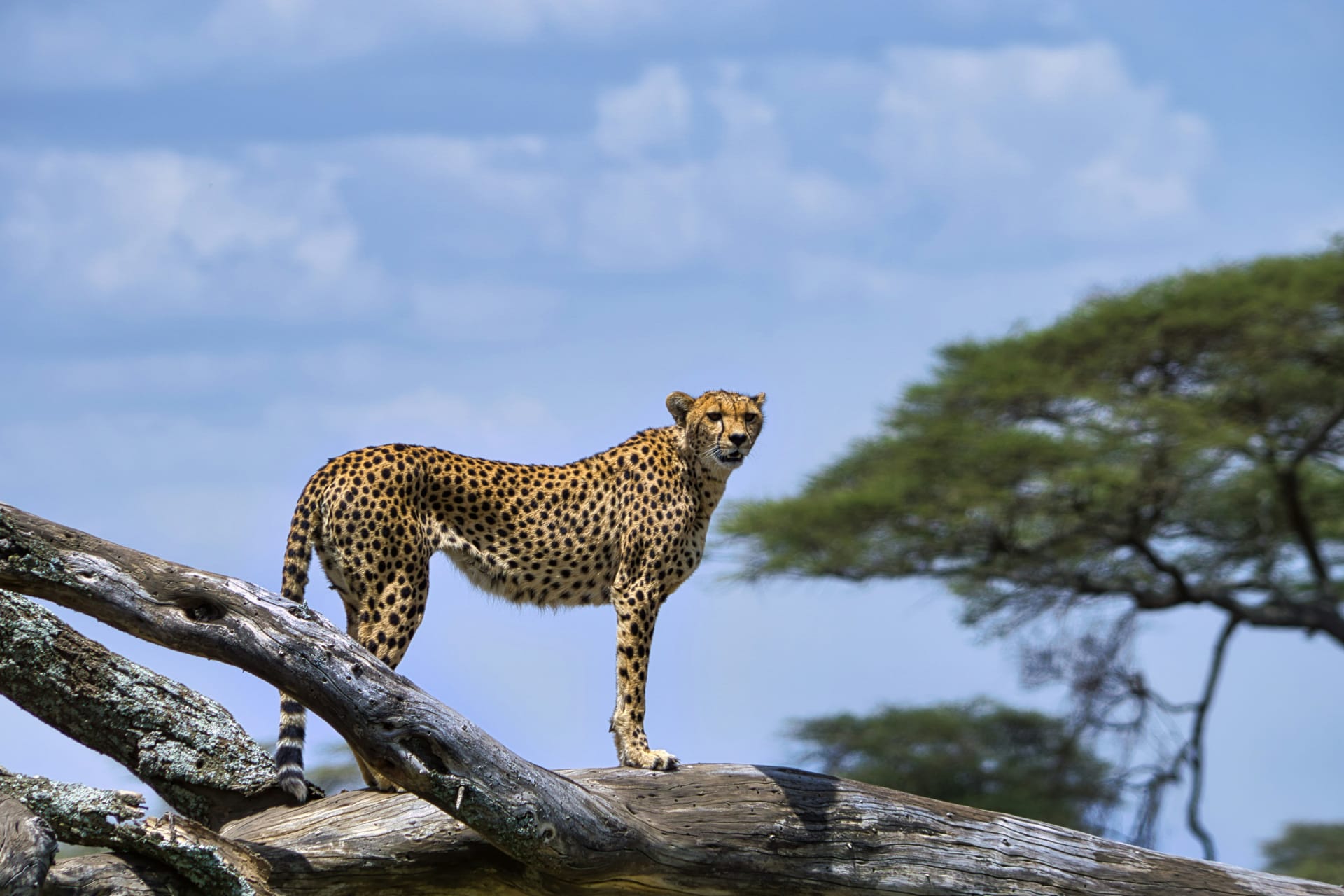
On land, national recovery programmes have restored or reintroduced elephants, black rhinos, cheetahs, giraffes and wild dogs in Liwonde, Majete and Nkhotakota Wildlife Reserve, with partners including African Parks . These successes increase the importance of local participation because expanding wildlife populations can also intensify the need for conflict prevention, land-use planning and fair benefit-sharing.
The main threats facing community conservation
Habitat loss and land degradation
Land degradation affects nearly 80% of Malawi’s total land area, according to the Global Environment Facility. Approximately 85% of the population depends on agriculture for livelihoods, making restoration inseparable from food security and rural development .
For community conservation, this creates a difficult balancing act. Woodland, wetland and lake habitats must deliver resources today while remaining productive in the future. Restoration planning that excludes local priorities is unlikely to endure; planning that ignores ecological limits can also undermine the resources communities need.
Unsustainable fishing and freshwater decline
Declining freshwater biodiversity in Lake Malawi threatens both the values of the lake’s World Heritage property and the social and economic benefits it provides . Illegal fishing gear and pressure on young fish are among the management concerns addressed by community groups.
Lake Malawi conservation committees have responded by installing brush parks in sanctuaries to protect young fish, confiscating illegal fishing gear, conducting regular patrols and supporting beach cleaning and sanitation improvements . These actions show how community conservation can combine enforcement with practical public-health and habitat measures.
Wildlife crime and weak protection capacity
Wildlife crime can cross park and national borders. In the Malawi–Zambia landscape, IFAW’s Combating Wildlife Crime project worked with the Department of National Parks and Wildlife and supported ranger operations in Kasungu National Park and Zambia’s Lukusuzi National Park . Radio towers and a VHF communications network were used to help rangers communicate across long patrol routes and wildlife corridors .
Protection capacity also depends on predictable finance, equipment, training and trusted relationships with neighbouring communities. Short-term grants and annual funding cycles can make it difficult to sustain the institutions required for long-term conservation .
Human–wildlife conflict and livelihood pressure
Where wildlife shares a landscape with farms and settlements, conservation costs can be experienced locally through crop damage, livestock risks, restricted resource access or competition for land. The IUCN’s 2026 assessment identifies food security, income diversification, land rights and cultural values as socio-economic priorities that conservation programmes need to address .
This is why a community conservancy cannot be judged only by patrols or wildlife sightings. Its legitimacy also depends on whether local people have a voice, whether benefits are tangible and fairly distributed, and whether conservation responds to everyday livelihood realities .
How community conservancies are working in Malawi
Nyika–Vwaza Co-management Trust
The Nyika Vwaza Co-management Trust is a long-term governance initiative aligning government authority, community participation and sustainable financing across Nyika National Park and Vwaza Marsh Wildlife Reserve . Peace Parks Foundation describes the arrangement as a 20-year pact intended to provide a durable alternative to short conservation projects and annual grant cycles .
The Trust’s community engagement plan is designed to ensure that local voices are heard and their needs addressed. It is partnering with The Hunger Project on development programmes involving sustainable agriculture and small-scale enterprises, while an ecotourism business plan is being developed around low-impact, nature-based tourism .
This model is still developing. The source describes early tangible benefits and plans in progress rather than a completed evaluation of ecological and social outcomes. That makes it an important example of governance reform, but not evidence that every challenge in the landscape has been solved .
Lake Malawi fisheries committees
Lake Malawi community groups receive training and support from Malawi’s Department of Fisheries and the Department of Parks and Wildlife, which manages the World Heritage property . Training covers management and conservation skills, including knowledge of fisheries bylaws, leadership, record keeping, activities and relationships with stakeholders .
A quarterly post-training impact assessment found that 70% of trained community groups were assessed as doing extremely well . The result is encouraging, although it measures committee performance against management criteria rather than proving a lake-wide recovery in fish populations. That distinction is important when interpreting conservation results.
The committees’ work combines local governance and direct action: sanctuary brush parks, patrols, illegal-gear confiscation, beach cleaning, toilet construction and tree planting . The introduction of self-financing mechanisms is intended to support longer-term sustainability .
Community Conservation Areas and wetlands
Malawi’s NBSAP III records 42 fish sanctuaries in Lake Malawi and identifies community conservation areas around Elephant Marsh as supporting sustainable fisheries and wetland biodiversity . These areas illustrate the value of treating wetlands and fisheries as living landscapes rather than isolated protected sites.
Community-based natural-resource management can also strengthen local institutions. Pact describes the approach as helping communities create conservation committees, enforce environmental policies, pursue rural development and poverty reduction, and improve democratic governance in local institutions .
Restoration and community livelihoods
Restoration initiatives in Malawi aim to improve food security, create rural livelihoods, build climate resilience and restore biodiversity . The Global Environment Facility reports that district-level planning in two catchments has been used to coordinate restoration potential and give districts a stronger voice in landscape planning .
Near Nkhotakota Wildlife Reserve, African Parks reported that job creation and enterprise initiatives improved livelihoods for more than 9,000 community members in 2022. The same report mentions beekeeping, dried-mango processing and tree planting by communities and schools . These are useful examples of livelihood-linked conservation, although the reported figure is from 2022 and should not be treated as a current 2026 total.
Wildlife recovery, results and remaining setbacks
Malawi has recorded important wildlife recovery through protected-area partnerships and species programmes. NBSAP III cites restoration and reintroduction successes involving elephants, black rhinos, cheetahs, giraffes and wild dogs in Liwonde, Majete and Nkhotakota, with African Parks among the partners .
African Parks reported that six wild dogs were reintroduced to Majete Wildlife Reserve in 2021 after a 60-year absence from Malawi . It also reported that tourism revenue in Majete in 2022 was more than 10% above pre-Covid-19 records . These figures indicate progress in both species restoration and tourism recovery, but they are historical programme results rather than a complete national assessment.
Kasungu provides another example of the scale of the challenge. IFAW reported that when its work began in the area in 2015, only 50 elephants remained, compared with more than 1,000 in the 1970s; it also reported that only six of 500 zebras remained and that other species, including waterbuck, had become locally extinct . A later aerial survey cited by IFAW found that wildlife populations had increased since 2014, and 12 translocated zebras brought the reported number to 21, described as a founder or breeding herd .
These gains should be read alongside the ongoing risks: habitat degradation, land pressure, poverty, food insecurity, illegal resource use, human–wildlife conflict and dependence on long-term financing. The IUCN stresses that successful conservation requires communities to be equal partners, with strong local institutions, inclusive leadership and benefits that are fair, visible and tangible .
Community conservancies and tourism’s role
Tourism can support conservation when it creates local value and contributes to management costs. In the Nyika–Vwaza landscape, ecotourism is central to the Trust’s strategy, with a business plan focused on low-impact nature-based tourism . African Parks also reported increased tourism revenue at Majete in 2022 .
For visitors, this means a wildlife safari in Malawi can be more than a wildlife-viewing experience: it can connect travellers with protected-area management, local enterprises and conservation education. However, tourism is not automatically beneficial. Benefits need to reach communities fairly, and visitor activity must remain compatible with habitat protection and local priorities .
Travellers interested in a wildlife safari park experience can compare conservation-supporting itineraries on SafariFind, while asking operators how their visits contribute to park management, local employment and community enterprises. Lake Malawi visitors should also choose responsible fisheries and water-based activities that respect sanctuaries and local rules.
How travellers can help responsibly
- Choose locally connected operators. Ask whether guides, staff, suppliers and community enterprises are based in the destination and how revenue is shared.
- Respect fisheries and protected-area rules. Do not buy illegally caught fish or encourage activities that undermine sanctuaries and fisheries bylaws. Community committees around Lake Malawi are trained to apply these management systems .
- Support low-impact tourism. The Nyika–Vwaza strategy specifically identifies low-impact, nature-based tourism as the intended direction .
- Do not demand wildlife encounters. Responsible guides should prioritise animal welfare, safe distances and habitat protection over guaranteed sightings.
- Support durable local benefits. Purchasing appropriate local services, crafts and community-led experiences can help diversify income when transactions are fair and transparent.
- Ask informed questions. Find out whether a lodge or operator supports conservation committees, park partnerships, restoration, education or livelihood programmes—and whether it can explain the mechanism rather than making vague claims.
The outlook for 2026
Malawi’s community conservation model is becoming more coordinated, but it remains varied. The Nyika–Vwaza Trust offers a long-horizon co-management framework; Lake Malawi committees show how local groups can manage fisheries and sanitation actions; and community conservation areas around Elephant Marsh connect wetland biodiversity with sustainable use .
The next test is durability. Stronger outcomes will depend on secure financing, accountable governance, inclusive participation by women and youth, effective conflict management, reliable ecological monitoring and benefits that communities can see and trust. Malawi’s NBSAP III provides a national framework for this work from 2026 to 2035, while the evidence from individual programmes shows both genuine progress and the need for continued scrutiny .
Frequently Asked Questions
What are community conservancies in Malawi?
They are community-led or co-managed conservation arrangements, including fisheries committees, fish sanctuaries, Community Conservation Areas and landscape trusts. Malawi does not have one single community-conservancy model .
What is the leading community conservation example in Malawi in 2026?
The Nyika Vwaza Co-management Trust is a leading example. It links government authority, community participation and sustainable financing across Nyika National Park and Vwaza Marsh Wildlife Reserve under a 20-year agreement .
How do communities help conserve Lake Malawi?
Lake Malawi committees install brush parks in sanctuaries, patrol protected areas, confiscate illegal fishing gear, support beach cleaning and sanitation, plant trees and use self-financing mechanisms .
How successful are Malawi’s Lake Malawi conservation committees?
A quarterly assessment found that 70% of trained community groups were doing extremely well against criteria including fisheries bylaws, leadership, record keeping and stakeholder relationships . This measures committee performance, not a lake-wide fish-population recovery.
How many fish sanctuaries does Lake Malawi have?
Malawi’s Third National Biodiversity Strategy and Action Plan records 42 fish sanctuaries in Lake Malawi .
How does tourism support community conservation in Malawi?
Tourism can create local income and contribute to protected-area management. The Nyika–Vwaza strategy places low-impact nature-based tourism at the centre of its approach, while African Parks reported increased tourism revenue at Majete in 2022 .
What are the biggest threats to community conservation in Malawi?
Major challenges include land degradation, agricultural and livelihood pressure, illegal fishing and wildlife crime, poverty, food insecurity, human–wildlife conflict and uncertain long-term financing .
Which organisations support community conservation in Malawi?
Key organisations named in the research include Malawi’s Department of Fisheries, the Department of Parks and Wildlife, Peace Parks Foundation, The Hunger Project, African Parks, IFAW, Pact and the Global Environment Facility .
Does Malawi have wildlife recovery programmes?
Yes. NBSAP III cites restoration and reintroduction successes involving elephants, black rhinos, cheetahs, giraffes and wild dogs in Liwonde, Majete and Nkhotakota, with partners including African Parks .
How can visitors support conservation in Malawi?
Visitors can choose operators that explain local employment and benefit-sharing, follow fisheries and protected-area rules, support low-impact tourism and avoid activities that encourage illegal wildlife or fish trade.
V2Ui.sources
- World Heritage Centre - Lake Malawi fish conservation project (Malawi)
- How a 20-year pact in Malawi is reshaping conservation governance
- Malawi National Biodiversity Strategy and Action Plan III 2026–2035
- An assessment of the conservation effectiveness of species, habitat and community livelihood approaches
- Mapping Malawi’s landscape restoration future
- Community-based natural resource management
- Co-management brings hope for effective biodiversity conservation
- IFAW Annual Report: Landscape Conservation
- African Parks 2022 Annual Report(official)
Related to
Ready to start your safari adventure?
Explore curated safari packages and find your perfect African adventure with verified operators.