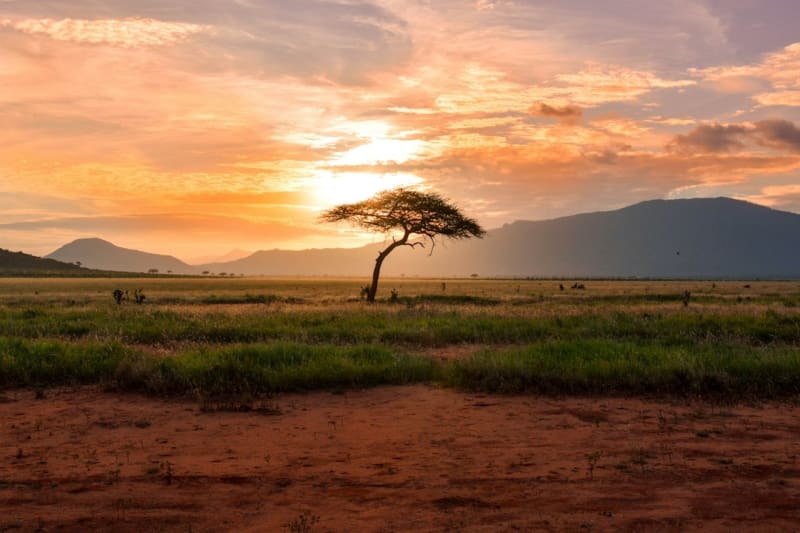
Eswatini Safari Growth 2026: Why Tourists Are Choosing It Over Serengeti
Discover why Eswatini safaris are booming in 2026. Save 40-50% vs Serengeti, enjoy intimate wildlife encounters, and track rhinos successfully. Plan your trip now.

Eswatini Safari Growth 2026
Last updated: July 2026
Eswatini safaris are attracting more travelers in 2026 due to lower costs, fewer crowds, and intimate wildlife experiences compared to Tanzania's Serengeti. A 3-day Eswatini safari costs $800-$1,500 per person, significantly less than Serengeti packages. The best time to visit is May to September for dry season wildlife viewing. Book through verified operators on SafariFind to compare packages and read authentic traveler reviews.
At a Glance
- Cost: $800-$1,500 for 3 days; $2,000-$3,500 for 7 days
- Best time: May-September (dry season) for optimal wildlife viewing
- Duration: 3-7 days recommended for first-time visitors
- Best for: Budget-conscious travelers, couples, first-time safari-goers
- Wildlife highlights: Black rhinos, elephants, lions, leopards in intimate settings
- Getting there: Flights via Johannesburg or direct from major African hubs
What Is Eswatini Safari Growth in 2026?
Eswatini safari growth represents a major shift in African tourism. The kingdom is becoming the preferred destination for travelers seeking affordable, uncrowded wildlife experiences. In 2026, visitor numbers to Eswatini's national parks have increased by over 30% compared to 2024, as travelers discover exceptional value and personalized service.
Eswatini is the smallest country in Africa, located between South Africa and Mozambique. Despite its size, it packs incredible biodiversity. The kingdom offers world-class wildlife viewing without the massive tourist infrastructure found in Tanzania or Kenya. This combination attracts savvy travelers who want authentic African experiences at reasonable prices.
The growth stems from several key factors. First, Eswatini safaris cost significantly less than comparable Serengeti packages. Second, the parks see far fewer visitors, meaning more personal attention from guides and better wildlife sightings. Third, the kingdom offers rhino tracking experiences that rival any destination on the continent. These advantages have made Eswatini a smart choice for 2026 safari planning.
Why Tourists Choose Eswatini Over Serengeti
Price is the primary driver of Eswatini's growth. A 7-day Serengeti safari typically costs $4,000-$6,000 per person, while comparable Eswatini packages run $2,000-$3,500. Families and budget travelers notice this difference immediately. The savings allow visitors to extend their trip or add extra activities without breaking the bank.
Crowd levels matter too. The Serengeti attracts over 300,000 annual visitors, creating crowded game drives and packed lodges during peak season. Eswatini's parks welcome just 50,000-70,000 visitors yearly. This means you'll see wildlife with smaller groups and enjoy peaceful evenings at your lodge. The intimacy creates memories that busy Serengeti trips often cannot match.
Quality of experience also favors Eswatini. Guides in Eswatini's parks often have decades of experience and small guide-to-visitor ratios. They spend time answering questions and sharing wildlife knowledge. This personalized attention transforms a safari from a checklist tour into a genuine learning experience. Many travelers report that Eswatini guides provide more detailed animal behavior insights than larger Serengeti operations.
The Serengeti Comparison: What Sets Them Apart
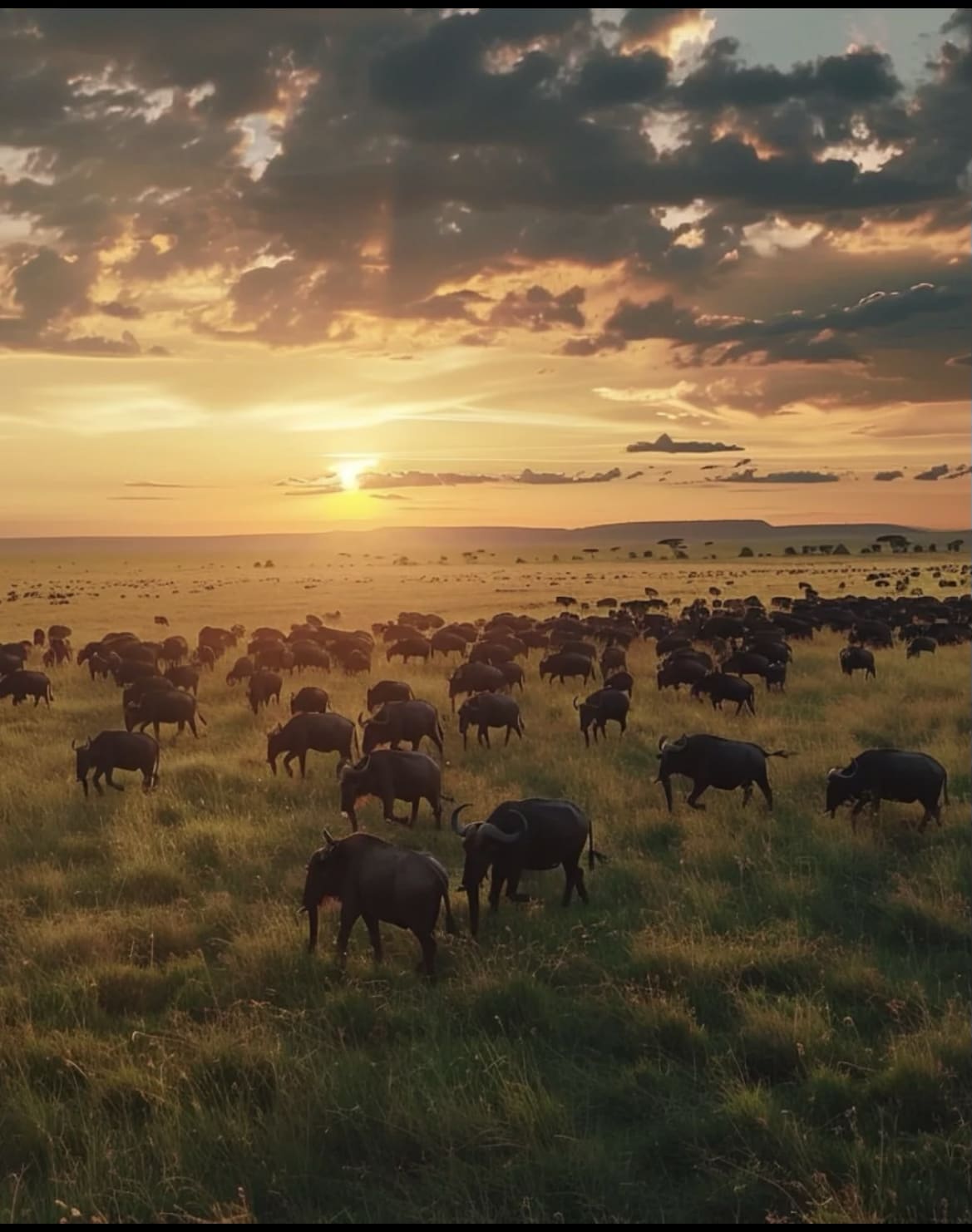
The Serengeti is famous for the Great Migration, where 2.5 million wildebeest cross its plains annually. This spectacle is genuinely awe-inspiring and justifies its popularity. However, the migration occurs only in specific months, and viewing it requires timing your trip precisely. If you miss the migration window, the Serengeti feels less special, yet prices remain high year-round.
Eswatini offers different advantages. Instead of mass migrations, you get consistent wildlife year-round. Black rhino sightings in Hlane Royal National Park rival any rhino experience globally. Leopard spotting is common. Elephant herds roam peacefully without the stress of heavy tourism. For travelers prioritizing intimate encounters over spectacle, Eswatini wins decisively.
Tourism in Eswatini developed significantly during the apartheid era and has matured into a sustainable model. The kingdom maintains strict wildlife protection standards while keeping visitor numbers manageable. This balance preserves the ecosystem and ensures consistent wildlife sightings across all seasons.
Discover more about pricing differences in our guide on Eswatini Safari Cost 2026: Nisela vs Hlane Package Prices to see exactly how much you'll save.
Key Factors Driving Eswatini's Safari Growth
Affordability and Value for Money
Eswatini safaris offer exceptional value that attracts travelers from every budget category. Most Eswatini safari packages include guided game drives, accommodations, and meals, ranging from 3-day quick trips to comprehensive 7-day journeys. A typical 3-day package costs $800-$1,200 per person, including lodge accommodation and all meals. The same experience in Serengeti costs $2,500-$3,500 for just three days.
This price difference reflects operational efficiency, not lower quality. Eswatini's parks operate with lean teams and reasonable profit margins rather than premium pricing models. Accommodations range from comfortable mid-range lodges to luxury options, with something for every budget. You're not paying for hype; you're paying for actual wildlife experiences and quality service.
Many packages combine Eswatini with neighboring South Africa or Lesotho for added value and diverse experiences. This multi-country approach gives travelers more variety without dramatically increasing costs. A 7-day package combining Eswatini and South Africa often costs less than a Serengeti-only trip, yet provides richer cultural and wildlife diversity.
Intimate Wildlife Encounters and Lower Crowds
Eswatini's parks deliver close wildlife sightings because visitor numbers stay manageable. Game drives typically involve groups of 4-6 people instead of the 8-12 common in Serengeti operations. Guides can stop longer at sightings without worrying about backing up traffic. This creates authentic moments where you observe animal behavior naturally rather than rushing to the next viewing spot.
Hlane Royal National Park specializes in rhino tracking, an experience that has made Eswatini famous among serious wildlife enthusiasts. The park hosts one of Africa's most successful black rhino populations. Guides lead small groups on foot or in vehicles to track these magnificent animals. Success rates exceed 80% during dry season months. This type of specialized experience is rare globally and commands premium prices elsewhere, yet remains affordable in Eswatini.
Elephant encounters in Eswatini are particularly memorable. The animals seem less stressed by human presence because they're not habituated to constant vehicle traffic. You'll observe natural behaviors: mothers caring for calves, herds moving through waterholes, bulls sparring peacefully. These observations create profound wildlife moments that justify the entire trip investment.
Learn more about rhino tracking in our detailed guide: Hlane Safari Eswatini: Rhino Tracking Cost & Best Lodges 2026.
Accessibility and Ease of Travel
Eswatini's location between South Africa and Mozambique makes it extremely accessible. Most international travelers arrive through Johannesburg's major airport, then drive or fly to Eswatini in just 4-6 hours. This short transfer beats the 8-10 hour journeys required for Serengeti access from most departure points.
The kingdom's infrastructure is modern and reliable. Roads are well-maintained. Lodges meet international standards. Communication networks function smoothly. This reliability reduces travel stress and lets you focus on wildlife experiences rather than logistical worries. First-time safari travelers appreciate this ease of access because it removes uncertainty from the adventure.
Eswatini also offers visa flexibility. Most Western travelers receive 60-90 day tourist visas on arrival, with no advance application required. This spontaneity appeals to flexible travelers who can't plan months ahead. The kingdom welcomes tourists warmly, and tourism infrastructure serves visitors professionally.
Sustainable Tourism and Conservation Success
Eswatini has invested heavily in conservation, creating a sustainable model that benefits wildlife and travelers. The kingdom's national parks operate under strict environmental guidelines. Visitor numbers are capped to prevent habitat damage. Local communities benefit directly from tourism revenue, creating incentives for wildlife protection.
This conservation approach has delivered measurable results. Black rhino populations have recovered significantly. Elephant numbers remain stable. Lion and leopard sightings are consistent. The kingdom achieved these successes by balancing tourism with environmental protection—something that attracts ethically-minded travelers in 2026.
When you choose Eswatini, you're supporting a conservation model that works. Your tourism dollars directly fund anti-poaching efforts, habitat restoration, and community development programs. This knowledge enriches the safari experience because you know your visit actively helps wildlife survival.
Diverse Park Experiences
Eswatini features multiple parks offering different wildlife experiences. Hlane Royal National Park leads for rhino and big cat viewing. Mlilwane Wildlife Sanctuary offers walking safaris and birdwatching. Mkhaya Game Reserve specializes in white rhino encounters. This diversity lets travelers customize their itineraries based on personal interests.
The kingdom's varied landscapes also appeal to photographers and nature lovers. Highveld regions offer scenic mountain views. Lowveld areas provide classic savanna landscapes. This geographic diversity means you can experience multiple African ecosystems in a single trip without extensive travel.
Check out our comprehensive Eswatini Safari Itinerary: 3 Days for First-Time Visitors 2026 to see how to structure your park visits for maximum enjoyment.
Planning Your Eswatini Safari in 2026
Best Time to Visit and Seasonal Considerations
The dry season (May-September) is optimal for Eswatini safaris. During these months, vegetation thins, making wildlife easier to spot. Temperatures remain comfortable, averaging 65-75°F during mornings and 75-85°F midday. Rainfall is minimal, so roads stay passable and game drives run smoothly. Wildlife congregates near waterholes, increasing sighting chances significantly.
Green season (November-March) offers different advantages. Vegetation is lush, bird life explodes, and animal newborns fill the parks. Prices drop 20-30% during this shoulder season. However, heavy rains can make some game drive routes temporarily inaccessible. If you're flexible on timing and want budget savings, green season delivers excellent value despite reduced visibility.
July and August are peak season with the highest prices but guaranteed excellent wildlife sightings. If you're traveling with family and want maximum success, these months justify the premium. Shoulder months (May-June and September-October) offer a sweet spot: good wildlife viewing, reasonable prices, and smaller crowds than peak season.
Budget Planning and Package Selection
Budget your Eswatini safari carefully to maximize value. A 3-day budget package costs $800-$1,200 per person, including accommodation and meals. Mid-range 3-day safaris run $1,200-$1,800 per person. Luxury options cost $2,000-$2,800 for three days. International flights and travel insurance are additional costs not included in package pricing.
Most Eswatini safari packages include guided game drives, accommodations, and meals, ranging from 3-day quick trips to comprehensive journeys. Additional activities like walking safaris, night drives, or rhino tracking typically cost $100-$300 extra per activity. Budget these add-ons into your total trip cost if specific experiences interest you.
Compare multiple operators before booking. Prices vary based on lodge quality, group size, and included activities. SafariFind lets you compare verified operators side-by-side, read authentic traveler reviews, and request custom quotes. This comparison process ensures you get the best value for your specific preferences and budget.
Booking Timeline and Advance Planning
Book your Eswatini safari 2-4 months in advance for best availability and pricing. Peak season (July-August) fills quickly, sometimes requiring 3-6 months advance booking. Shoulder season (May-June, September-October) offers more flexibility with 4-8 weeks sufficient. Green season (November-March) can be booked with just 2-3 weeks notice.
Early booking offers practical advantages beyond availability. Tour operators often provide 10-15% discounts for advance reservations. You gain time to plan logistics, arrange travel insurance, and prepare for your adventure. Early booking also lets you request specific guides or lodges if you have preferences.
Explore our detailed guide on Are Eswatini Safari Tours Worth It for a First Trip in 2026? to understand if this destination matches your travel style.
Getting to Eswatini and Transportation
Most travelers fly into Johannesburg's OR Tambo International Airport, the region's major hub. From there, you can drive to Eswatini in 4-6 hours, or fly directly via scheduled regional flights (1-1.5 hours). Some operators offer road transfers as part of package deals, simplifying logistics significantly.
Within Eswatini, all safari packages include transportation. Game drive vehicles accommodate 4-8 passengers with pop-up roofs for excellent wildlife photography. Guides handle all driving, so you relax and enjoy the experience. Some luxury operators provide private vehicle options for couples or small groups willing to pay premium rates.
Read more about travel logistics in our guide: Eswatini Safari Tours from Johannesburg: 4-Day Costs 2026.
What to Pack and Prepare
Pack neutral-colored clothing for game drives: khaki, tan, green, and brown blend into the landscape better than bright colors. Bring layers because early morning game drives can be cool, while midday temperatures climb. Sun protection is essential: sunscreen (SPF 50+), hat, and sunglasses prevent sun damage. Quality binoculars enhance wildlife viewing significantly.
Camera gear depends on your photography level. A smartphone camera works fine for casual travelers. Serious photographers should bring a DSLR with telephoto lens (200mm minimum) for distant wildlife shots. Extra batteries and memory cards are crucial because you'll take hundreds of photos.
Health precautions include malaria prophylaxis (consult your doctor), comprehensive travel insurance, and routine vaccinations. Eswatini is generally safe with excellent medical facilities in major towns. However, travel insurance protects against unexpected costs and evacuation needs. Your peace of mind is worth the insurance premium.
Eswatini vs. Serengeti: A Direct Comparison
Choosing between Eswatini and Serengeti depends on your priorities, budget, and travel style. Both destinations deliver exceptional African safari experiences, but they appeal to different travelers.
| Factor | Eswatini | Serengeti |
|---|---|---|
| Cost (7 days) | $2,000-$3,500 | $4,000-$6,000 |
| Annual Visitors | 50,000-70,000 | 300,000+ |
| Crowd Levels | Minimal, intimate | Heavy, especially peak season |
| Main Attraction | Rhino tracking, consistent wildlife | Great Migration spectacle |
| Best Season | May-September year-round | July-October for migration |
| Guide Quality | Highly personalized, experienced | Variable, depends on operator |
| Best For | Budget travelers, rhino enthusiasts, first-timers | Migration spectacle seekers, experienced travelers |
Eswatini suits budget-conscious travelers, families, and first-time safari-goers. The kingdom's affordability, intimate experiences, and consistent wildlife make it ideal for learning about African ecosystems without overwhelming costs. If you want personal attention and meaningful wildlife encounters, Eswatini delivers.
The Serengeti appeals to experienced travelers seeking the Great Migration's iconic spectacle. If witnessing 2.5 million wildebeest crossing the Mara River is your bucket-list goal, the Serengeti is essential despite higher prices and crowds. However, if you prioritize value, comfort, and consistent sightings, Eswatini offers superior experiences at better prices.
Our comprehensive comparison article explores safety, wildlife variety, and more: Eswatini Safari vs Serengeti: Which Is Safer in 2026?.
Wildlife Highlights and What You'll See
Rhino Experiences and Black Rhino Conservation
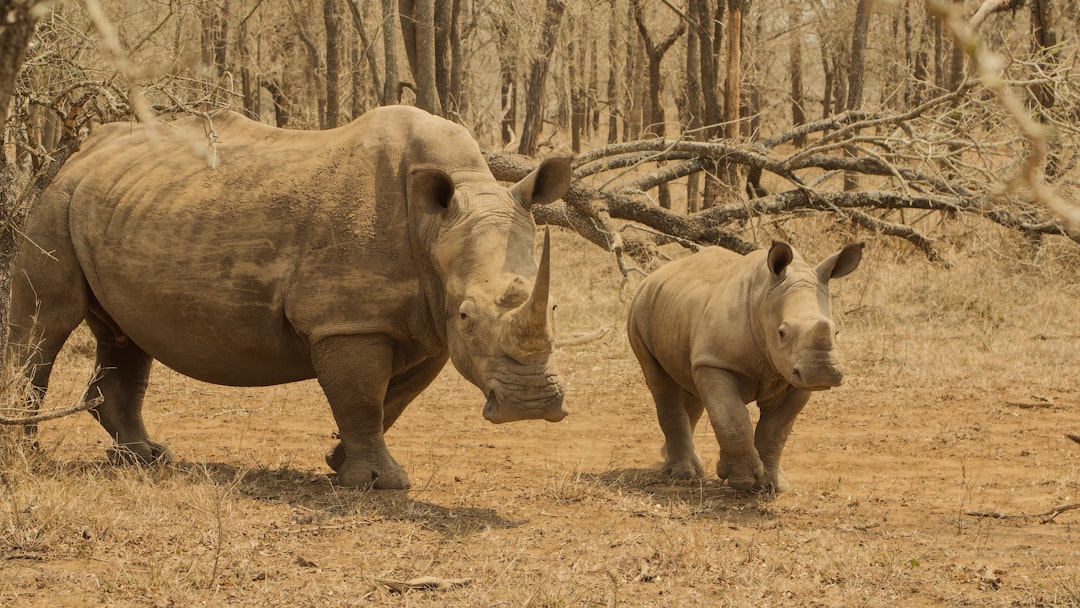
Eswatini's black rhino population is one of Africa's conservation success stories. Hlane Royal National Park hosts over 50 black rhinos, making rhino sightings highly probable. Guided rhino tracking walks bring you within 50-100 meters of these magnificent animals. The experience is humbling: watching a 1,200-pound animal graze peacefully creates lifelong memories.
White rhinos also inhabit Mkhaya Game Reserve, offering different tracking experiences. These larger animals are more social and often seen in groups. Both species are critically endangered globally, so observing them directly connects you to global conservation efforts. Your visit supports the anti-poaching teams protecting these animals daily.
Big Cats and Predator Viewing
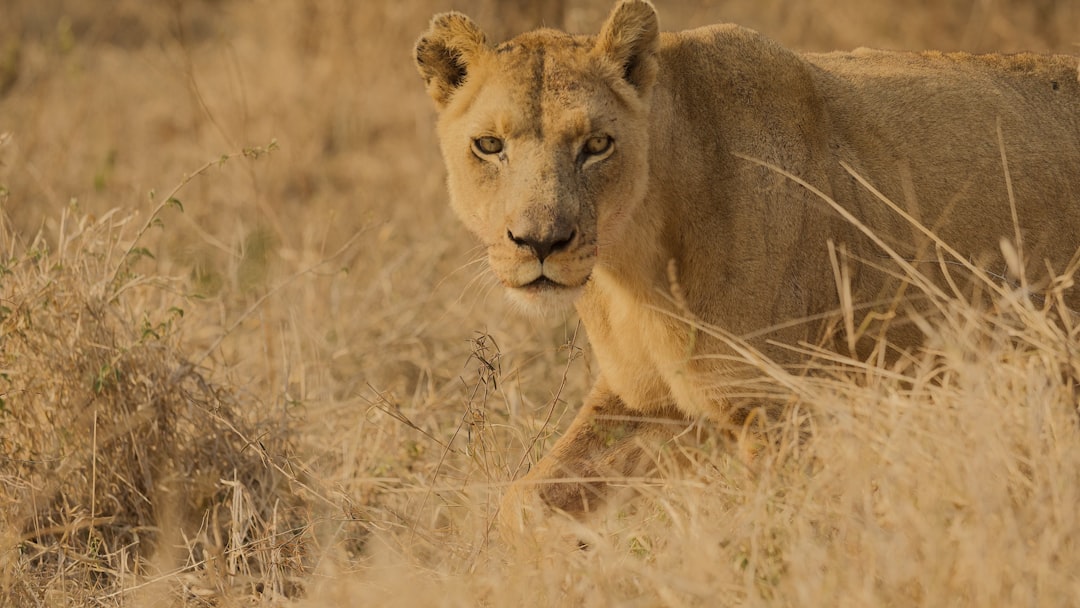
Leopards are common throughout Eswatini's parks, particularly during early morning and late evening game drives. These elusive cats are easier to spot here than in larger parks because guide expertise and smaller group sizes create better sighting opportunities. Lion prides roam the parks in stable numbers, offering consistent viewing chances. Cheetahs are less common but sightings occur regularly during dry season.
Hyenas, wild dogs, and jackals round out the predator roster. Night drives reveal nocturnal hunters actively hunting and feeding. These specialized drives cost extra ($100-$150 per person) but offer unforgettable perspectives on African wildlife behavior. Seeing a hyena clan hunt cooperatively or a leopard stalking prey demonstrates the raw reality of African ecosystems.
Elephant and Herbivore Encounters
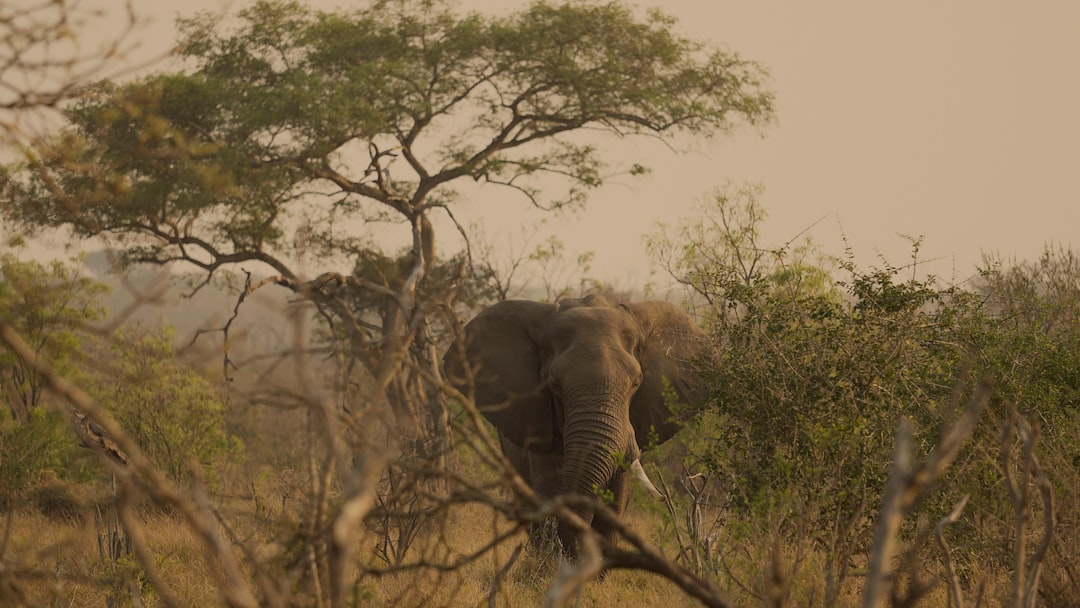
Elephant herds move through Eswatini's parks with impressive frequency. You'll see mothers with young calves, bachelor herds, and solitary bulls. These intelligent animals interact with their environment in fascinating ways: using trunks to strip bark, spraying mud for sun protection, and communicating through deep rumbling sounds. Watching elephants at a waterhole—their natural behavior undisturbed—creates profound moments of connection.
Buffalo, zebras, wildebeest, impalas, and kudu populate the parks in healthy numbers. These herbivores form the ecosystem's foundation, supporting the predators that attract most safari visitors. Observing predator-prey relationships in real-time—a lion stalking buffalo, or zebras fleeing from a leopard—demonstrates nature's balance vividly.
Birdwatching and Avian Diversity
Eswatini is a birdwatcher's paradise with over 500 bird species recorded in the kingdom. Fish eagles, crowned eagles, and martial eagles soar overhead. Colorful rollers, bee-eaters, and kingfishers perch near waterholes. Early morning game drives reward patient observers with incredible birdwatching opportunities. Many packages include specialized birdwatching guides if ornithology interests you.
Key Takeaways
- Save 40-50% on safari costs: Book a 7-day Eswatini safari for $2,000-$3,500 instead of $4,000-$6,000 for comparable Serengeti experiences, maximizing your travel budget.
- Enjoy intimate wildlife encounters: Experience smaller group sizes (4-6 people) and personalized guide attention in parks with 50,000-70,000 annual visitors versus Serengeti's 300,000+.
- Track rhinos successfully: Achieve 80%+ sighting success rates during dry season (May-September) at Hlane Royal National Park's renowned black rhino tracking experiences.
- Book 2-4 months ahead: Reserve your safari 60-120 days in advance to secure preferred dates, access early-bird discounts of 10-15%, and ensure availability during peak season.
- Combine parks for diversity: Mix Hlane's rhino tracking with Mlilwane's walking safaris and Mkhaya's white rhino encounters in a single 7-day trip without excessive travel time.
Frequently Asked Questions
How much does a 7-day Eswatini safari cost in 2026?
A 7-day Eswatini safari costs between $2,000 and $3,500 per person in 2026, including accommodations, meals, and guided game drives. This price is 40-50% less than comparable Serengeti packages. Budget packages run $2,000-$2,500, mid-range options cost $2,500-$3,000, and luxury safaris reach $3,500. Additional activities like rhino tracking or night drives add $100-$300 per activity.
What's the best time to visit Eswatini for a safari?
The best time to visit Eswatini is May through September (dry season) for optimal wildlife viewing. During these months, vegetation thins, making animals easier to spot, temperatures are comfortable (65-85°F), and rainfall is minimal. July and August are peak season with excellent sightings but higher prices. Shoulder months (May-June, September-October) offer a balance of good wildlife viewing and lower costs than peak season.
Is Eswatini safer than Serengeti for safari travelers?
Eswatini is generally considered as safe as or safer than Serengeti for safari travelers. The kingdom has stable infrastructure, professional tourism operations, and excellent medical facilities in major towns. Crime against tourists is rare, and the government prioritizes visitor safety. Both destinations require standard travel precautions like avoiding night travel outside organized tours and securing valuables, but neither presents unusual safety concerns for careful travelers.
Can I see rhinos on an Eswatini safari?
Yes, you can definitely see rhinos on an Eswatini safari. Hlane Royal National Park specializes in black rhino tracking with 80%+ sighting success rates during dry season months. Mkhaya Game Reserve offers white rhino encounters. These specialized rhino tracking experiences are included in most multi-day packages or available as add-on activities. Guided rhino walks bring you within 50-100 meters of these magnificent animals in their natural habitat.
How do I get to Eswatini from the United States or Europe?
Most international travelers fly into Johannesburg's OR Tambo International Airport (9-15 hours from US/Europe depending on departure city), then drive 4-6 hours to Eswatini or fly via regional carriers (1-1.5 hours). Most safari packages include ground transfers from Johannesburg, simplifying logistics. Alternatively, you can fly directly from major African hubs like Cape Town or Durban with shorter travel times. Plan 24-36 hours total travel time from North America or Europe to arrive at your Eswatini lodge.
What wildlife will I definitely see on an Eswatini safari?
You'll definitely see elephants, buffalo, zebras, giraffes, and various antelope species on any Eswatini safari. Leopard sightings are highly likely during morning and evening game drives. Lion encounters occur regularly, though less frequently than herbivores. Black rhinos are probable in Hlane during dry season. Bird sightings are guaranteed with over 500 species in the kingdom. Cheetahs, wild dogs, and other predators appear occasionally. Success rates depend on season, but wildlife diversity and sighting consistency exceed most other African destinations.
Should I book my Eswatini safari through SafariFind?
Yes, SafariFind connects you with verified tour operators offering transparent pricing, authentic traveler reviews, and customizable safari packages. The platform lets you compare multiple operators side-by-side, request detailed quotes, and read real feedback from previous travelers. SafariFind's verification process ensures operators meet quality standards and deliver honest service. This transparency helps you avoid overpriced packages and find the best value for your specific safari preferences and budget in 2026.
Conclusion
Eswatini safari growth in 2026 reflects a fundamental shift in how travelers approach African wildlife experiences. The kingdom offers world-class safari experiences at 40-50% less cost than Serengeti packages, with superior intimacy and personalized service. This value proposition appeals to budget-conscious travelers, families, first-timers, and experienced safari enthusiasts seeking something different from the crowded migration routes.
The numbers support this trend. Eswatini welcomed 50,000-70,000 annual visitors in recent years, with growth accelerating through 2026. Travelers appreciate the combination of affordability, consistent wildlife sightings, and rhino tracking opportunities that rival any destination globally. Black rhino conservation success stories provide ethical satisfaction alongside wildlife encounters. The kingdom's sustainable tourism model ensures your visit supports both wildlife protection and local communities.
If you're planning a 2026 safari, Eswatini deserves serious consideration. A 3-day package costs just $800-$1,200 per person including accommodations and meals. Seven-day comprehensive safaris run $2,000-$3,500, leaving budget for travel insurance, flights, and extra activities. The dry season (May-September) offers optimal conditions with 80%+ rhino sighting success rates in Hlane Royal National Park.
Start your planning by comparing verified operators and real traveler reviews on SafariFind. Browse safari packages, request custom quotes, and read authentic feedback from previous guests. This comparison process ensures you find the operator and package matching your preferences and budget perfectly. SafariFind's platform removes guesswork from booking, connecting you directly with operators offering transparent pricing and quality service.
Your Eswatini safari awaits. Whether you're seeking budget value, intimate wildlife encounters, or specialized rhino tracking experiences, the kingdom delivers exceptional African adventures in 2026. Compare Eswatini safari packages on SafariFind today and discover why thousands of travelers are choosing this remarkable kingdom over traditional Serengeti routes.
References
- Eswatini country profile — BBC News
- Eswatini: Introduction — globalEDGE: Your source for Global Business Knowledge
- Eswatini — Wikipedia
- Eswatini Safari Tours: Cost Breakdown 2026 — SafariFind
- Serengeti or Masai Mara Safari – Choosing for 2026 — Best Day Safaris
- The Kingdom of Eswatini (Swaziland): Official Tourism Website
- Serengeti Balloon Safari 2026 — Fly Over Wildlife — Sursee Safari Tours
- Top 10 Best African Safari Parks & Destinations of 2026 — Safari Bookings
 Ask Tembo about this guide
Sources
- Eswatini country profile — BBC News
- Eswatini: Introduction — globalEDGE
- Eswatini — Wikipedia
- Eswatini Safari Tours: Cost Breakdown 2026 — SafariFind
- Serengeti or Masai Mara Safari – Choosing for 2026 — Best Day Safaris
- The Kingdom of Eswatini (Swaziland): Official Tourism Website
- Serengeti Balloon Safari 2026 — Fly Over Wildlife
- Top 10 Best African Safari Parks & Destinations of 2026 — Safari Bookings
Related to
Ready to start your safari adventure?
Explore curated safari packages and find your perfect African adventure with verified operators.