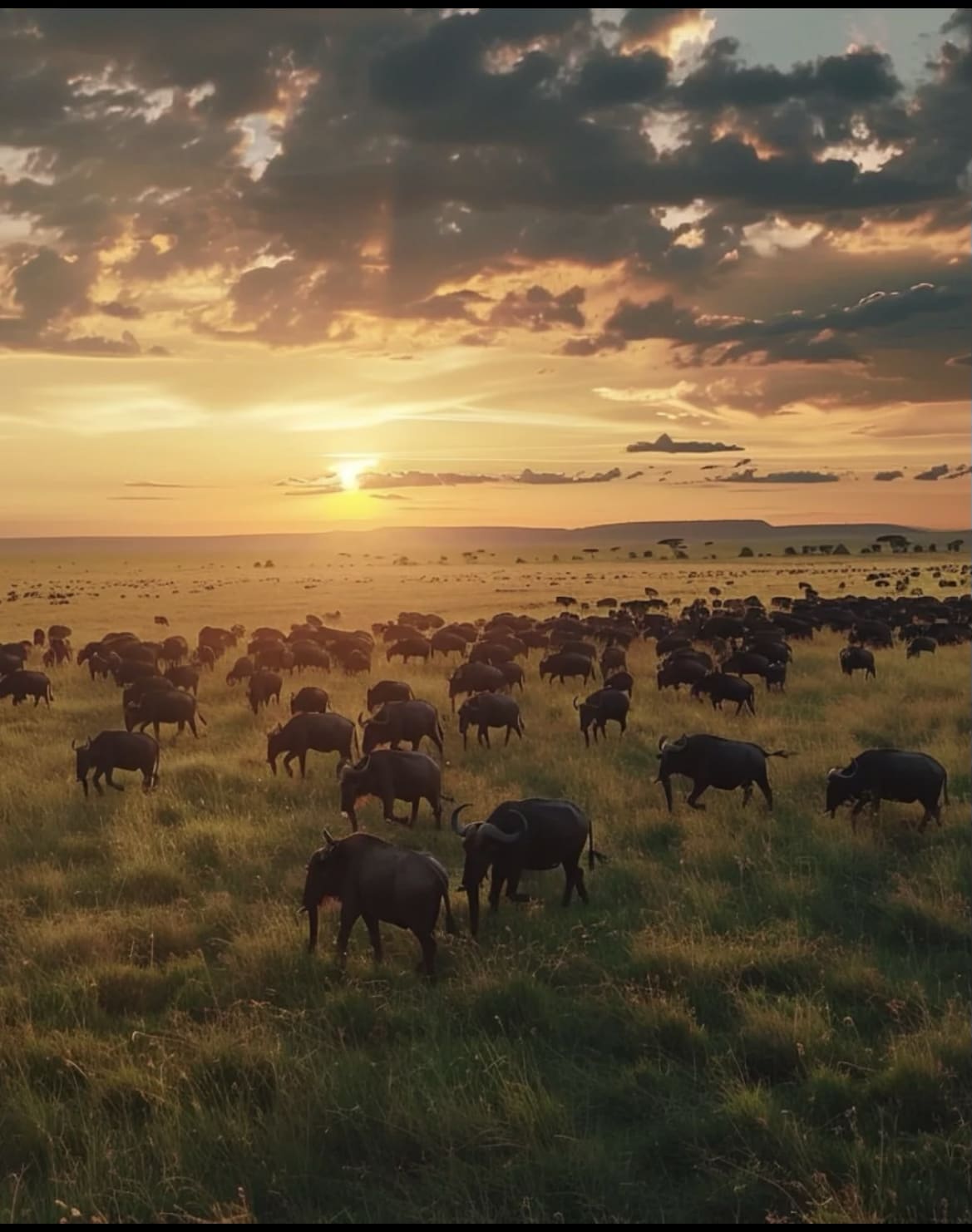
Eswatini Safari Parks: Wildlife & Cost Comparison 2026
Explore Eswatini safari parks with wildlife guides and cost breakdown. Budget $60 USD daily. Compare Hlane, Mlilwane, and Mkhaya reserves with verified operators.

Eswatini Safari Parks: Wildlife & Cost 2026
Last updated: July 2026
Eswatini offers affordable safari experiences with daily costs around $60 USD, featuring top parks like Hlane Royal National Park and Mlilwane Wildlife Sanctuary. The best time to visit is May to September for optimal wildlife viewing. Book through verified operators on SafariFind to compare packages and read authentic reviews from other travelers.
At a Glance
- Daily cost: $60 USD per day in 2026
- Safari lodge cost: $200–$300 USD per night
- Best time to visit: May–September (dry season)
- Top wildlife park: Hlane Royal National Park
- Wildlife highlights: Lions, elephants, rhinos, giraffes, abundant birdlife
- Best for: Budget travelers, nature lovers, first-time safari visitors
What Is Eswatini Safari Parks: Wildlife & Cost Comparison 2026?
Eswatini is a small monarchy country located in southern Africa. Despite its small size, it is home to some of Africa's most wanted animal species and exceptional safari experiences. Eswatini offers affordable luxury safari lodges and guided wildlife tours at a fraction of the cost found in neighboring countries like Kenya or South Africa.
Eswatini safari parks deliver world-class wildlife viewing without breaking your budget. Most travelers can enjoy Eswatini for around $60 USD per day in 2026, mainly due to low accommodation and food costs . Those seeking luxury safari lodges should budget between $200–$300 USD per night . The country features multiple protected areas managed by Big Game Parks Eswatini, each offering unique wildlife encounters and conservation experiences.
What makes Eswatini special is the combination of affordability and authentic wildlife experiences. You get professional guides, well-maintained game reserves, and genuine conservation efforts without the premium prices of famous safari destinations. The parks are less crowded than Kenya's Masai Mara or Tanzania's Serengeti, meaning more intimate wildlife moments and personal attention from your guides.
Key Wildlife Parks in Eswatini
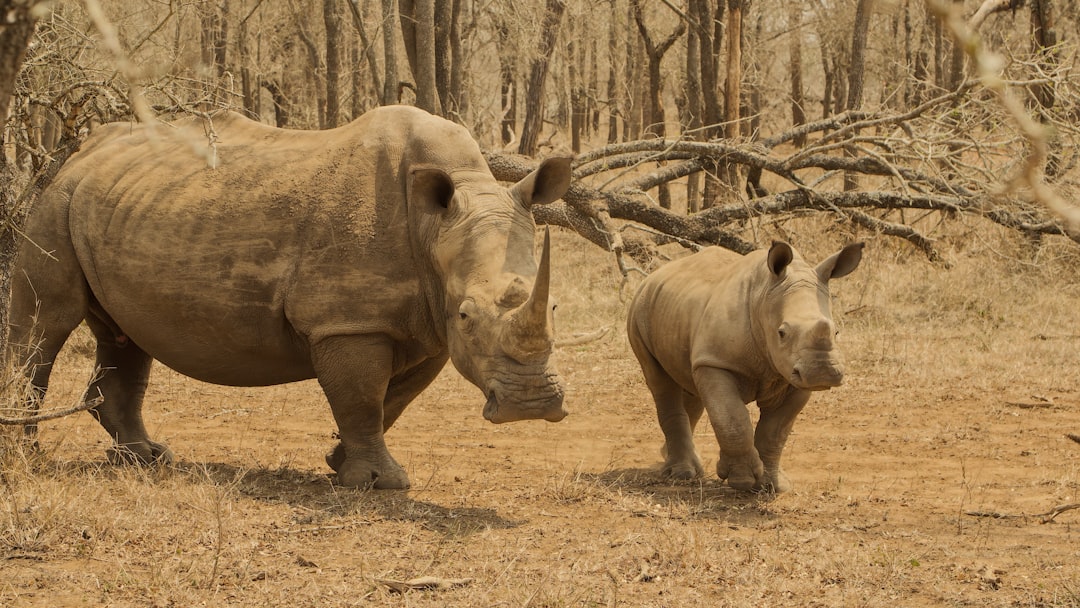
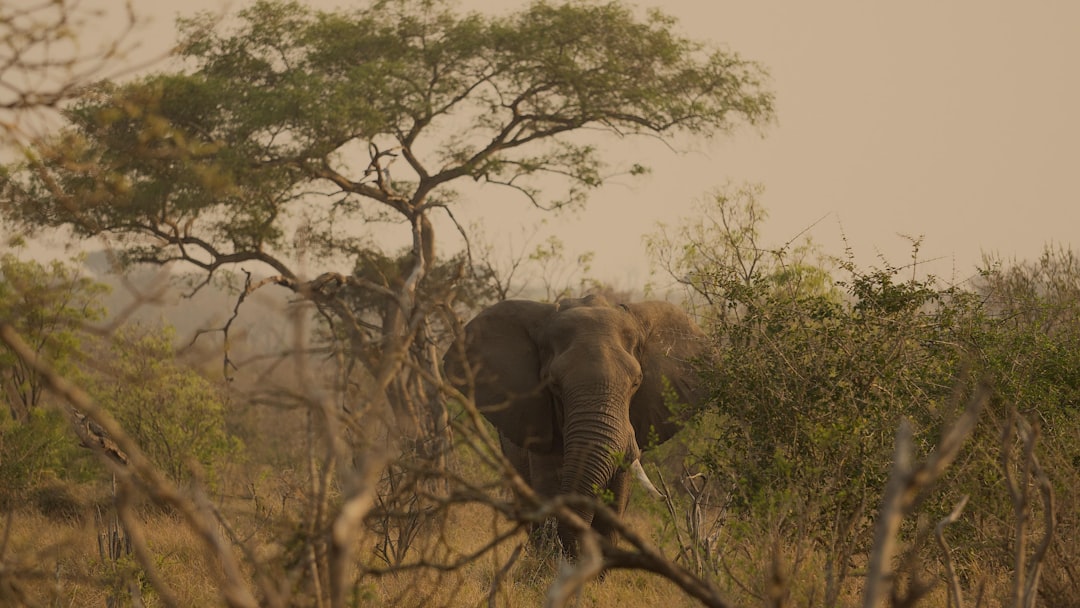
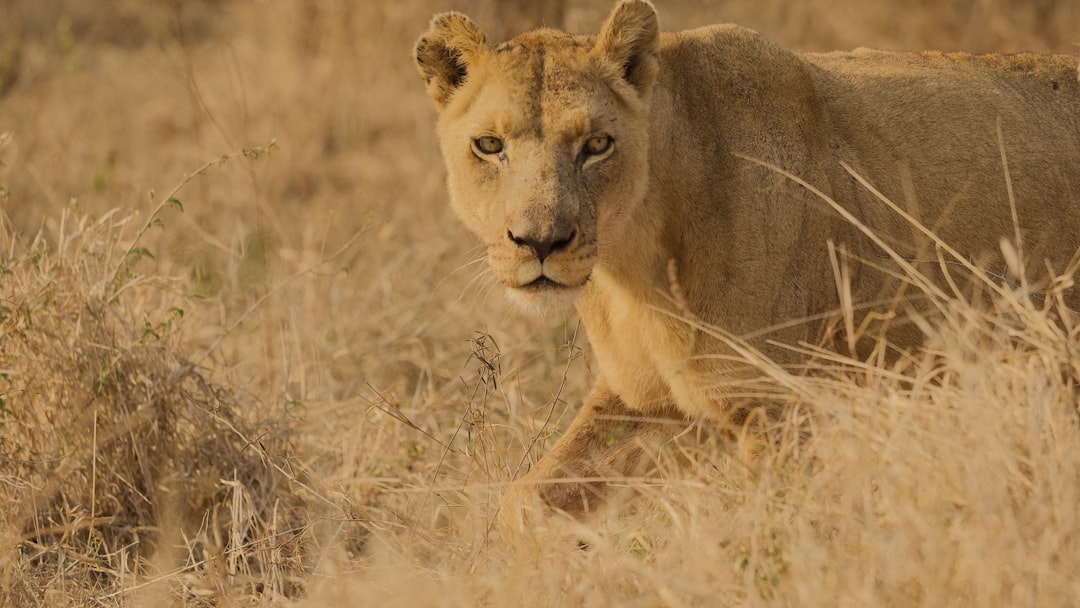
Eswatini's top wildlife destination is Hlane Royal National Park, home to lions, elephants, rhinos, giraffes, and abundant birdlife . Travelers can enjoy guided game drives, self-drive routes, and walking safaris in selected areas. Hlane offers some of the best rhino viewing opportunities in southern Africa, with dedicated conservation programs protecting these endangered species.
Mlilwane Wildlife Sanctuary is another major park in Eswatini, known for its diverse ecosystems and accessible wildlife viewing. The reserve's conservation focus means you'll learn about ongoing rhino protection efforts and endangered species management . Night drives reveal nocturnal wildlife like porcupines, civets, and nightjars. The combination of day and night activities gives you a complete picture of the park's animal life.
Mkhaya Game Reserve completes the trio of must-visit parks. This reserve specializes in rare species protection and offers exclusive guided experiences. Each park serves a different purpose in Eswatini's conservation strategy, from protecting endangered rhinos to preserving natural habitats for diverse wildlife populations.
Why Eswatini Offers Excellent Value
Eswatini's affordability comes from its location and tourism model. The country doesn't rely on mass tourism like Kenya or Botswana, so operators keep prices competitive. Your money stretches further here—quality accommodation, expert guides, and wildlife experiences cost significantly less than comparable safaris elsewhere in Africa.
The country's small size is actually an advantage. You can visit multiple parks and diverse ecosystems without long drives. Game reserves are well-maintained, guides are experienced, and conservation efforts are transparent. You support genuine environmental protection while enjoying authentic safari experiences.
Main Safari Parks and Wildlife Highlights
Eswatini's safari parks showcase Africa's most iconic wildlife in intimate settings. Here's what you'll encounter in each major reserve and what makes them worth visiting in 2026.
Hlane Royal National Park: The Big Game Destination
Hlane Royal National Park is Eswatini's flagship wildlife destination, covering thousands of hectares of protected land. This park features lions, elephants, rhinos, giraffes, zebras, and numerous antelope species . The park's conservation focus has successfully increased rhino populations through dedicated breeding programs. Guided game drives typically last 3–4 hours and cost $35–$50 USD per person, with options for early morning or sunset excursions.
The park offers multiple safari styles to suit different preferences and budgets. Guided day drives provide expert interpretation of wildlife behavior and ecosystem dynamics. Walking safaris in designated areas give you closer encounters with smaller animals and plants. Night drives reveal nocturnal species rarely seen during daytime, expanding your wildlife viewing opportunities significantly.
Hlane's rhino conservation program is world-class. You'll learn about anti-poaching efforts, breeding initiatives, and habitat restoration. The park employs local guides who share personal stories about individual animals and conservation challenges. This educational component transforms your safari into a meaningful wildlife experience rather than just animal spotting.
Mlilwane Wildlife Sanctuary: Diversity and Accessibility
Mlilwane Wildlife Sanctuary is Eswatini's oldest protected area and remains one of the most accessible parks for all visitor types. The sanctuary covers over 4,600 hectares and protects diverse habitats from grasslands to forests. You'll encounter zebras, wildebeest, giraffes, warthogs, and over 200 bird species . The park is also home to endangered species like the crowned crane and various antelope types.
Mlilwane offers flexible safari options including self-guided drives, guided game walks, and horseback safaris. This variety makes it perfect for families, first-time safari visitors, and travelers with different fitness levels. Accommodation ranges from budget-friendly camping to mid-range lodges, keeping costs reasonable for extended stays.
The sanctuary emphasizes sustainable tourism and community involvement. Local communities benefit directly from tourism revenue, creating economic incentives for conservation. Your visit supports local employment and education programs, making your safari contribute to broader development goals in Eswatini.
Mkhaya Game Reserve: Exclusive Wildlife Experiences
Mkhaya Game Reserve specializes in rare species protection and offers exclusive, guided-only safari experiences. This small reserve focuses on endangered species like the black rhino and tsessebe antelope. Access is restricted to maintain habitat integrity and ensure quality wildlife viewing. All visits require booking with the reserve directly or through licensed operators.
Mkhaya's exclusivity means fewer visitors and more personal attention from guides. Small group sizes (typically 4–6 people) allow for flexible safari pacing and extended wildlife observation. Guides are exceptionally knowledgeable about individual animals and their behavioral patterns. This intimate approach creates memorable, personalized safari experiences you won't find in busier parks.
The reserve's conservation model prioritizes species survival over visitor numbers. This approach has proven successful for black rhino protection and habitat restoration. By visiting Mkhaya, you directly support cutting-edge conservation science and endangered species recovery programs.
Additional Parks Worth Exploring
Eswatini's Big Game Parks also manage KaMsholo Bushveld Safaris, Reilly's Rock, and other reserves offering diverse wildlife experiences . Each park contributes to the country's comprehensive conservation network. Mantenga Nature Reserve and Cultural Village combines wildlife viewing with cultural experiences, letting you learn about Swazi traditions alongside animal encounters . Dombeya Game Reserve offers self-catering accommodations with guided safari options for budget-conscious travelers.
These additional parks provide alternatives if you prefer quieter experiences or specific wildlife interests. Some specialize in birdwatching, others in nocturnal species. Together, they create a diverse safari portfolio allowing you to customize your Eswatini experience perfectly.
Compare multiple parks and operators on SafariFind's Eswatini lodge guide to find packages matching your interests and budget.
Cost Breakdown: What You'll Actually Pay in 2026
Understanding safari costs helps you budget accurately and find the best value packages. Eswatini's pricing is transparent and significantly lower than neighboring African safari destinations, making it ideal for budget-conscious travelers.
Daily Living Costs
Most travelers can enjoy Eswatini for around $60 USD per day in 2026, mainly due to low accommodation and food costs . This budget covers basic lodging, meals, and local transportation. Budget guesthouses cost $15–$30 USD per night, while mid-range lodges run $50–$100 USD. Meals at local restaurants typically cost $5–$15 USD, and street food is even cheaper.
Luxury safari lodges cost $200–$300 USD per night in 2026 . These properties include all meals, drinks, and often daily game drives in the package. The price difference between budget and luxury accommodations is substantial, but both offer quality experiences. Choose based on your preferences and financial comfort rather than feeling obligated to splurge.
Safari Activity Costs
Guided wildlife tours range from $35–$50 USD per person for half-day game drives . Full-day safaris typically cost $60–$80 USD and include lunch. Night drives, walking safaris, and specialized experiences like horseback safaris cost similar amounts. Group sizes affect pricing—larger groups pay less per person, while private safaris cost more but offer flexibility.
Multi-day safari packages bundling accommodation and activities offer better value than booking separately. A typical 3-day safari package costs $250–$400 USD per person, including lodging, meals, and guided game drives. Compare package pricing carefully, as all-inclusive options often save 20–30% compared to à la carte bookings.
Sample Budget Scenarios
Budget travelers can enjoy a 5-day Eswatini safari for approximately $400–$600 USD total ($80–$120 per day). This includes budget lodging, basic meals, and one guided game drive daily. Mid-range travelers spending $150–$250 per day can access quality lodges, multiple game drives, and better meals, totaling $750–$1,250 for five days. Luxury travelers spending $300+ per day enjoy premium lodges with all-inclusive meals and activities, totaling $1,500+ for five days.
These estimates exclude international flights and travel insurance. Add $400–$800 USD for flights from major African hubs like Johannesburg. Travel insurance costs $30–$60 USD for two weeks. Budget accordingly and compare verified operator packages on SafariFind to find deals matching your financial comfort level.
Cost Comparison with Neighboring Countries
Eswatini safaris cost significantly less than Kenya or Botswana equivalents. A comparable Kenya safari costs $150–$250 per day, while Botswana's Okavango Delta runs $200–$400 per day. Eswatini delivers similar wildlife quality and guide expertise at 40–60% lower prices. This value proposition makes Eswatini increasingly popular with travelers seeking authentic African experiences without premium pricing.
When comparing safaris across southern Africa, consider that lower prices don't mean compromised quality. Eswatini's parks are well-maintained, guides are professional, and conservation efforts are genuine. You're simply benefiting from lower tourism demand and streamlined operations rather than sacrificing experience quality.
Explore budget-friendly safari alternatives in our budget traveler's guide to southern Africa safaris for additional cost-saving strategies.
Best Time to Visit Eswatini Safaris
Timing your safari correctly maximizes wildlife viewing and comfort. Eswatini's climate and wildlife patterns vary seasonally, affecting your experience quality and pricing.
Peak Season: May to September
The dry season from May to September is Eswatini's peak safari time. Cooler temperatures (65–75°F daytime) make game drives comfortable. Vegetation thins out, making wildlife easier to spot as animals congregate around water sources. This season offers the highest success rates for seeing lions, elephants, and rhinos. However, peak season also brings higher prices and more visitors to popular parks.
May and June offer the best balance of good wildlife viewing and smaller crowds. Prices are 10–20% lower than July-August peak. September provides excellent game viewing as dry conditions intensify, with slightly lower prices as the season winds down. Book peak season safaris 3–6 months in advance to secure preferred dates and guides.
Shoulder Season: April and October
April and October represent transition months with moderate temperatures and decent wildlife viewing. Prices drop 15–25% below peak season rates, and crowds diminish noticeably. Weather remains predictable with occasional rain showers. These months suit travelers seeking good value without sacrificing wildlife encounter quality.
April offers green landscapes and active wildlife, though visibility decreases slightly due to vegetation. October provides excellent game viewing as dry season intensifies, with comfortable temperatures before the hot summer arrives. Both months attract fewer tourists, allowing more personal interaction with guides and park staff.
Green Season: November to March
The wet season from November to March brings lush landscapes and lower prices (30–40% discounts). Temperatures rise to 75–85°F, with frequent afternoon rains. Wildlife viewing becomes more challenging as dense vegetation provides cover, and animals disperse across wider areas. However, birdwatching improves dramatically, with migratory species arriving from northern Africa.
Green season suits budget travelers, birdwatchers, and those preferring solitude. Fewer tourists mean more exclusive experiences and flexible booking. Accommodation and activity prices drop significantly. Rainfall patterns are predictable—expect rain in afternoons, with mornings typically clear. Bring waterproof gear and adjust your expectations for wildlife spotting difficulty.
Seasonal Wildlife Patterns
Wildlife behavior changes throughout the year. During dry season (May–September), animals concentrate around permanent water sources, making them easier to find. Breeding seasons vary by species—some antelope breed in winter months, while others breed during green season. Bird populations peak during green season when migratory species arrive. Research specific species you want to see and ask guides about seasonal presence when booking.
Check weather forecasts and wildlife reports before booking. Park websites and your safari operator provide seasonal guides detailing expected animal sightings. Experienced guides adjust safari routes based on real-time animal movements, so your actual experience depends partly on luck and guide knowledge.
How to Plan and Book Your Eswatini Safari
Planning a successful safari requires research, booking logistics, and practical preparation. Follow these steps to ensure smooth, enjoyable wildlife experiences in Eswatini.
Step 1: Choose Your Parks and Activities
Decide which parks interest you most based on wildlife preferences and experience level. Hlane Royal National Park suits first-timers wanting big game viewing. Mlilwane works well for families and those wanting diverse activity options. Mkhaya appeals to serious wildlife enthusiasts seeking exclusive experiences. Most visitors combine 2–3 parks for varied experiences.
Consider activity preferences too. Guided game drives suit most visitors. Walking safaris provide intimate experiences but require reasonable fitness. Night drives reveal nocturnal animals and require comfort with darkness and vehicle travel. Horseback safaris offer unique perspectives. Bird-watching tours appeal to ornithology enthusiasts. Mix activities to balance comfort, cost, and experience variety.
Step 2: Book Through Verified Operators
Use SafariFind to browse verified tour operators offering Eswatini packages. Check operator ratings, review counts, and traveler feedback carefully. Read reviews from recent visitors (2025–2026) for current information about service quality and pricing accuracy. Verified operators on SafariFind have been vetted for reliability and customer service standards.
Contact multiple operators for quotes. Compare package inclusions, group sizes, guide qualifications, and cancellation policies. Ask about hidden costs—some packages exclude park fees, tips, or activity upgrades. Get everything in writing before paying. Request references from recent clients if booking a custom itinerary.
Avoid extremely cheap packages promising luxury experiences—they often cut corners on guide quality, vehicle maintenance, or meal quality. Mid-range pricing ($100–$150 per day) typically offers the best value and quality balance. Premium packages ($200+) add luxury lodging and exclusive experiences but aren't necessary for great safaris.
Step 3: Handle Practical Logistics
Check visa requirements for your nationality. Most countries' citizens need visas for Eswatini, obtainable on arrival or in advance. Ensure your passport is valid for at least six months. Yellow fever vaccination is recommended for travelers from certain countries. Consult your doctor about malaria prophylaxis—risk varies by season and park.
Book flights to Johannesburg (South Africa) typically cheaper than direct Eswatini flights. Arrange ground transportation from Johannesburg to Eswatini (3–4 hour drive). Most safari operators include ground transportation from major entry points. Travel insurance covering medical emergencies and trip cancellation is essential.
Pack appropriate clothing for variable weather: lightweight layers for daytime heat, warm layers for early morning cold, rain gear for green season, and neutral colors for game drives. Bring binoculars, camera with extra batteries, sunscreen, and insect repellent. Leave valuables at home—safari vehicles don't have secure storage.
Step 4: Prepare for Your Safari
Research wildlife species you'll encounter and their behavior patterns. Understanding animal ecology enhances your appreciation during game drives. Ask your operator about guide experience and qualifications. Experienced guides dramatically improve wildlife spotting success and interpretation quality.
Confirm all booking details one week before departure: accommodation addresses, pickup times, activity schedules, and emergency contacts. Inform your operator of any special requirements—dietary restrictions, mobility limitations, or specific wildlife interests. Clear communication prevents misunderstandings and ensures your safari meets expectations.
Arrive well-rested for your first game drive. Early starts (5–6 AM) are typical, requiring early bedtimes. Bring entertainment for vehicle downtime and flexible expectations about wildlife encounters. No safari guarantees specific animal sightings despite expert guides—accept uncertainty and enjoy whatever nature presents.
Request quotes from verified Eswatini safari operators on SafariFind to compare pricing, inclusions, and availability for your preferred dates.
Comparing Eswatini to Other Southern African Safari Destinations
Eswatini offers unique advantages compared to other safari destinations in southern Africa. Understanding these differences helps you choose the best destination for your preferences and budget.
Eswatini vs. South Africa's Kruger National Park
Kruger National Park is larger and more famous than Eswatini's parks, with higher wildlife diversity and bigger predator populations. However, Kruger costs significantly more—$150–$250+ per day compared to Eswatini's $60–$100. Kruger receives over 1 million annual visitors, creating crowded conditions. Eswatini's smaller parks offer more intimate experiences with fewer tourists.
Eswatini's parks focus on conservation and sustainable tourism rather than mass tourism. Guides provide more personalized attention. Accommodation is more affordable. If you prioritize value, exclusivity, and meaningful conservation experiences over the largest possible wildlife populations, Eswatini outperforms Kruger.
For detailed comparisons of southern African safari values, review our Serengeti vs. Kruger comparison for budget travelers.
Eswatini vs. Botswana's Okavango Delta
Botswana's Okavango Delta is spectacular but expensive—$200–$400+ per day for budget options, rising to $500+ for mid-range experiences. Eswatini delivers comparable wildlife quality and unique ecosystems at 50–70% lower costs. The Okavango's water-based safaris offer different perspectives than Eswatini's land-based game drives.
Choose Okavango for water-focused experiences and maximum wildlife diversity. Choose Eswatini for affordability, intimate land safaris, and conservation education. Both destinations are worthwhile—your budget and experience preferences determine the better choice.
Explore comprehensive budget safari guides for Okavango Delta costs and options to compare regional pricing.
Eswatini vs. Kenya and Tanzania
Kenya's Masai Mara and Tanzania's Serengeti are world-famous but expensive—$150–$300+ per day for budget safaris. Eswatini offers similar wildlife viewing at 40–60% lower costs. Kenya and Tanzania have larger parks and more dramatic wildlife spectacles like the Great Migration. However, they're overcrowded during peak season.
Eswatini suits travelers prioritizing budget, exclusivity, and personalized experiences. Kenya and Tanzania appeal to first-time safari visitors wanting to see famous destinations. Both regional options are valid—choose based on budget constraints and experience preferences.
Compare East African safari values in our Tanzania vs. Kenya comparison for 2026 to evaluate your best regional option.
Why Choose Eswatini Over Competitors
Eswatini's primary advantage is value. You get authentic African safari experiences at the lowest cost in southern Africa. Parks are well-maintained despite lower prices. Guides are professional and knowledgeable. Conservation efforts are genuine and transparent. Tourism development is sustainable rather than exploitative.
Eswatini also offers cultural integration. The country's small size and friendly population create authentic cultural encounters impossible in larger, more touristic destinations. You interact with Swazi people naturally, learning about their traditions and perspectives. This cultural dimension enriches your African experience beyond wildlife viewing.
The destination is also less crowded. You experience genuine solitude during game drives, meaningful conversations with guides, and personal attention from lodge staff. This intimacy creates more memorable, transformative safari experiences than crowded mass-tourism destinations.
Key Takeaways
- Book your Eswatini safari 3–6 months ahead during peak season (May–September) to secure preferred dates and guides at the best rates.
- Budget $60 USD daily for basic expenses or $200–$300 USD per night for luxury lodges—significantly cheaper than Kenya, Botswana, or South Africa equivalents.
- Visit Hlane Royal National Park for world-class rhino viewing and lion encounters, with guided game drives costing $35–$50 USD per person.
- Plan multi-day safari packages combining accommodation and activities rather than booking separately—you'll save 20–30% on total costs.
- Choose verified SafariFind operators with 4+ star ratings and recent reviews to ensure quality guides, reliable logistics, and transparent pricing practices.
Frequently Asked Questions
What is the best time to visit Eswatini for safari in 2026?
The best time is May to September (dry season) when temperatures are cool (65–75°F) and wildlife congregates around water sources, making spotting easier. This peak season offers the highest success rates for seeing lions, elephants, and rhinos. May–June provides excellent viewing with smaller crowds and 10–20% lower prices than July–August. Book 3–6 months in advance for peak season dates.
How much does an Eswatini safari cost per day in 2026?
Most travelers can enjoy Eswatini for around $60 USD daily, covering basic lodging, meals, and local travel. Safari lodge accommodation costs $200–$300 USD per night, while guided game drives range $35–$50 USD for half-day experiences. A 5-day safari package typically costs $400–$600 USD for budget travelers or $1,500+ for luxury experiences. Multi-day packages offer better value than booking components separately.
Which Eswatini park is best for seeing rhinos and big game?
Hlane Royal National Park is Eswatini's top wildlife destination, home to lions, elephants, rhinos, giraffes, and abundant birdlife. The park's conservation programs have successfully increased rhino populations through dedicated breeding initiatives. Guided game drives (3–4 hours) cost $35–$50 USD per person with options for early morning or sunset excursions. Night drives reveal nocturnal species rarely seen during daytime.
Do I need a visa to visit Eswatini for safari?
Most countries' citizens need visas for Eswatini, obtainable on arrival or in advance—check your nationality's requirements. Ensure your passport is valid for at least six months. Yellow fever vaccination is recommended for travelers from certain countries. Consult your doctor about malaria prophylaxis, as risk varies by season and park. Travel insurance covering medical emergencies is essential.
How do I book a reliable Eswatini safari operator?
Use SafariFind to browse verified tour operators offering Eswatini packages. Check operator ratings, review counts, and traveler feedback from recent visitors (2025–2026). Contact multiple operators for quotes and compare package inclusions, group sizes, guide qualifications, and cancellation policies. Request everything in writing before paying. Avoid extremely cheap packages—mid-range pricing ($100–$150 per day) typically offers the best value and quality balance. Read authentic reviews from verified SafariFind travelers to ensure reliable service.
How does Eswatini safari pricing compare to Kenya or Botswana?
Eswatini safaris cost 40–60% less than Kenya or Botswana equivalents. Kenya safaris average $150–$250 per day, Botswana's Okavango Delta runs $200–$400 daily, while Eswatini costs $60–$100 per day. This value proposition reflects lower tourism demand and streamlined operations rather than compromised quality. Eswatini delivers similar wildlife quality, professional guides, and genuine conservation efforts at significantly lower prices, making it ideal for budget-conscious travelers seeking authentic African experiences.
Conclusion
Eswatini's safari parks deliver world-class wildlife viewing at exceptional value in 2026. Daily costs around $60 USD, combined with quality lodges priced $200–$300 per night, make Eswatini Africa's most affordable major safari destination. Hlane Royal National Park showcases lions, elephants, and rhinos, while Mlilwane Wildlife Sanctuary offers diverse ecosystems and flexible activities. Mkhaya Game Reserve provides exclusive experiences for serious wildlife enthusiasts.
The best time to visit is May–September when cool temperatures and dry conditions create ideal safari conditions. Book 3–6 months ahead to secure preferred dates and guides. Compare verified operators on SafariFind, reading authentic traveler reviews to ensure quality service. Multi-day packages combining accommodation and activities save 20–30% compared to separate bookings.
Eswatini's small size, fewer tourists, and sustainable tourism model create intimate, meaningful wildlife experiences impossible in crowded mass-tourism destinations. You support genuine conservation efforts while enjoying personalized guide attention and authentic cultural interactions. Whether you're a budget traveler, first-time safari visitor, or experienced wildlife enthusiast, Eswatini delivers exceptional value and authentic African safari experiences.
Explore verified Eswatini safari packages and luxury lodges under $300 per night to compare operators, read reviews, and request custom quotes matching your budget and preferences.
References
- Big Game Parks Eswatini - Official Parks and Conservation
- Wildlife Safaris in Eswatini - Africa Tour Operators
- Eswatini Safari Lodges 2026: Best Luxury Stays Under $300/Night - SafariFind
- Eswatini (Swaziland) Vacations and Safaris - Responsible Vacation
- Eswatini Budget Guide 2026: How Much Does a Day Cost? - Pack Lightly
- How to Visit Eswatini for Wildlife 2026–2027 - African Trek Travel
- The 5 Best Eswatini Nature & Wildlife Areas (2026) - TripAdvisor
- How Much Does an Eswatini Safari Cost? - African Budget Safaris
Sources
- Big Game Parks Eswatini - Official Parks and Conservation
- Wildlife Safaris in Eswatini - Africa Tour Operators
- Eswatini Safari Lodges 2026: Best Luxury Stays Under $300/Night - SafariFind
- Eswatini (Swaziland) Vacations and Safaris - Responsible Vacation
- Eswatini Budget Guide 2026: How Much Does a Day Cost? - Pack Lightly
- How to Visit Eswatini for Wildlife 2026–2027 - African Trek Travel
- The 5 Best Eswatini Nature & Wildlife Areas (2026) - TripAdvisor
- How Much Does an Eswatini Safari Cost? - African Budget Safaris
Related to
Ready to start your safari adventure?
Explore curated safari packages and find your perfect African adventure with verified operators.