Ethiopia Safari in July–September: Dry Season Guide 2026
Plan your Ethiopia safari July–September 2026. Dry season offers 20–40% lower rates, excellent wildlife viewing, and fewer crowds. Book verified operators on SafariFind.

Ethiopia Safari July–September: Dry Season
Last updated: July 2026
Ethiopia's dry season from July to September offers excellent wildlife viewing, fewer crowds, and rates 20-40% lower than peak season. The best months are August and September when skies are clear and animals gather near water sources. Book through verified operators on SafariFind to compare Ethiopia safari packages and read authentic traveler reviews.
At a Glance
- Best months: July, August, September 2026
- Cost: $1,500–$3,500 per person (20-40% less than December–February)
- Duration: 7–10 days recommended
- Best for: Budget-conscious travelers, wildlife photographers, those seeking solitude
- Wildlife highlights: Leopards, hyenas, hippos, crocodiles, elephants, buffalo
- Rainfall: Minimal to none; mostly clear skies
What Is Ethiopia Safari in July–September?
Ethiopia safari during July through September is the dry season in East Africa, when wildlife viewing becomes most productive and costs drop significantly. The dry season is when animals concentrate around remaining water sources and vegetation thins, making game viewing most consistent and rewarding. This period offers travelers the chance to experience authentic African wildlife without the crowds and high prices of peak season.
July–September represents the shoulder season in Ethiopia, falling between the rainy months and the peak December–February tourist rush. During these months, rainfall is minimal to nonexistent, skies clear, and temperatures remain comfortable for safari activities. Fewer tourists visit during this time, meaning you'll often be the only vehicle at wildlife sightings—a completely different experience than crowded peak season.
Why July–September Matters for Safari Planning
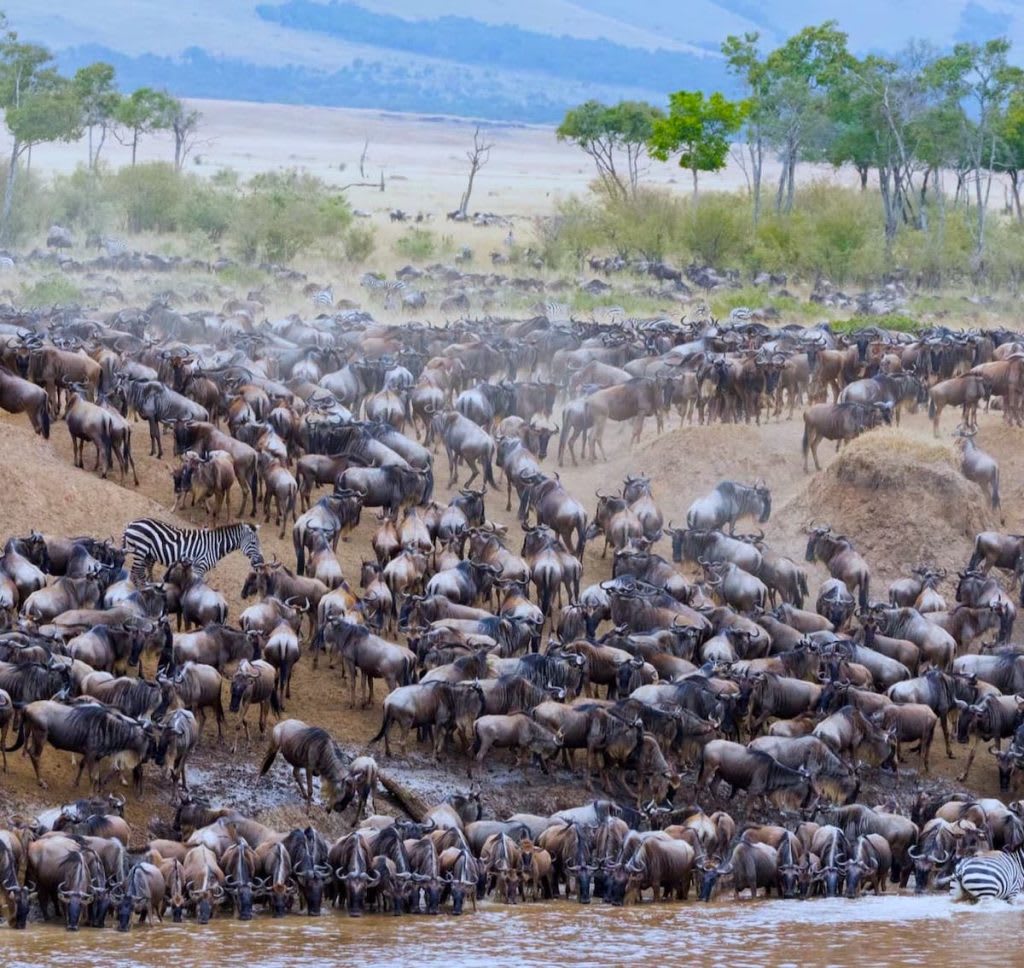
The dry season fundamentally changes how safaris work. Animals must drink daily, so they gather predictably near rivers, lakes, and water holes. This concentration makes wildlife spotting easier and more reliable. Additionally, reduced vegetation means animals are more visible against the landscape, rather than hidden in thick brush.
Ethiopia experiences less rainfall between September and February, making this period ideal for safari travel. However, September stands out as particularly valuable. If there is a single answer to the question of the best month for an African safari, September makes a very strong case, with peak dry season conditions, long clear days, and incredible wildlife productivity.
Pricing and Availability Advantages
Camps that were fully booked every night during dry season suddenly have availability in July and August. Rates drop twenty to forty percent compared to peak season. You might encounter pricing that seems too good to be true—because it is compared to December–February rates. This price difference allows budget travelers to experience luxury lodges at mid-range prices.
The cost savings extend beyond accommodation. Guide fees, vehicle rental, and activity pricing all decrease during the shoulder season. A luxury 7-day Ethiopia safari that costs $4,000–$6,000 in December might be available for $2,500–$3,500 in September. These savings don't mean compromised quality; you're simply avoiding peak-season markups.
Main Information: What to Expect July–September
Weather Conditions and What to Pack
July and August are dry months with minimal rainfall, though occasional afternoon showers can occur in early July. Temperatures range from 15°C (59°F) at night to 28°C (82°F) during the day, depending on altitude and location. Ethiopia's diverse landscape means weather varies significantly between the lowlands and highlands.
Pack lightweight, breathable clothing for daytime game drives. Bring a warm layer for early morning departures—safari vehicles start before dawn when temperatures drop. Waterproof jackets are optional in August and September but useful for occasional showers. Sunscreen, sunglasses, and a wide-brimmed hat are essential. Good binoculars and a camera with zoom capabilities will enhance your wildlife photography.
Wildlife Viewing During the Dry Season
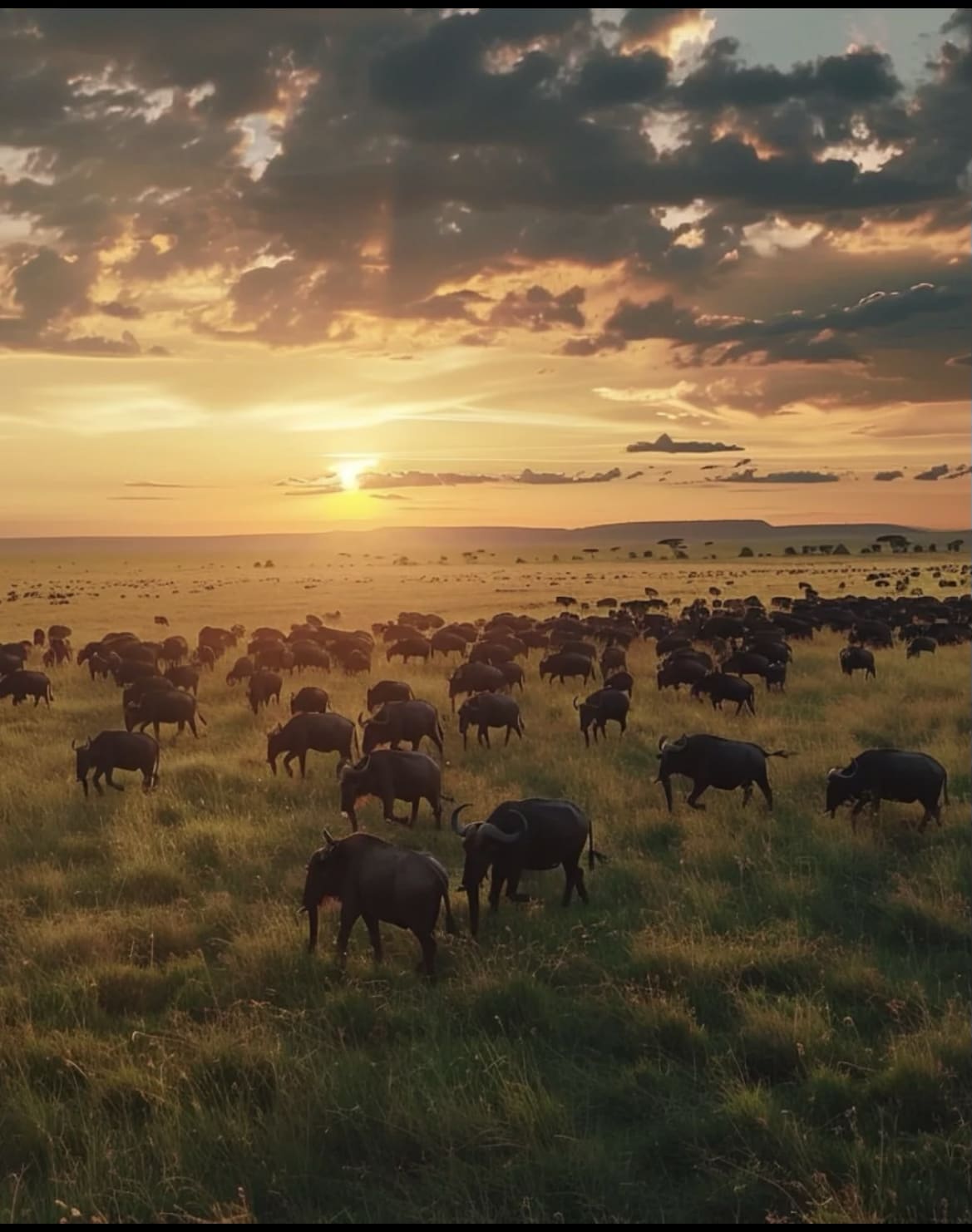
The dry season concentrates wildlife around permanent water sources, making animal encounters more frequent and predictable. Hippo and crocodile populations line rivers, while elephants and buffalo gather at water holes. Ethiopia's diverse ecosystem supports numerous species across different habitats.
Evening game drives are particularly rewarding during the dry season. Reduced water sources and vegetation mean nocturnal animals become more active during daylight hours. Leopards, hyenas, and other predators are more visible. Night drives with spotlights reveal creatures rarely seen during daytime, adding excitement to your safari experience.
Crowd Levels and Tourism Impact
July through September sees significantly fewer tourists than December through February. Popular viewpoints that host ten vehicles in peak season might have just one or two during this period. This solitude transforms your safari experience—you're not racing between sightings or competing for the best photography angles.
Fewer crowds also benefit wildlife. Animals behave more naturally when undisturbed by constant vehicle traffic. Your guides can spend more time with each sighting, explaining animal behavior and ecology rather than rushing to the next location. This educational depth enhances your understanding of African ecosystems.
Specific Destinations and Regional Highlights
The Omo Valley remains superb to visit with rain-free days, offering authentic cultural experiences alongside wildlife viewing. This remote region showcases traditional pastoralist communities and diverse ethnic groups, making it ideal for culturally-focused safaris.
Harar, Ethiopia's historic walled city, remains mostly unaffected by highland rains. The nightly hyena feeding ritual takes place as it has done for over 500 years, offering a unique cultural and wildlife experience. This urban safari element combines history, culture, and wildlife in one location.
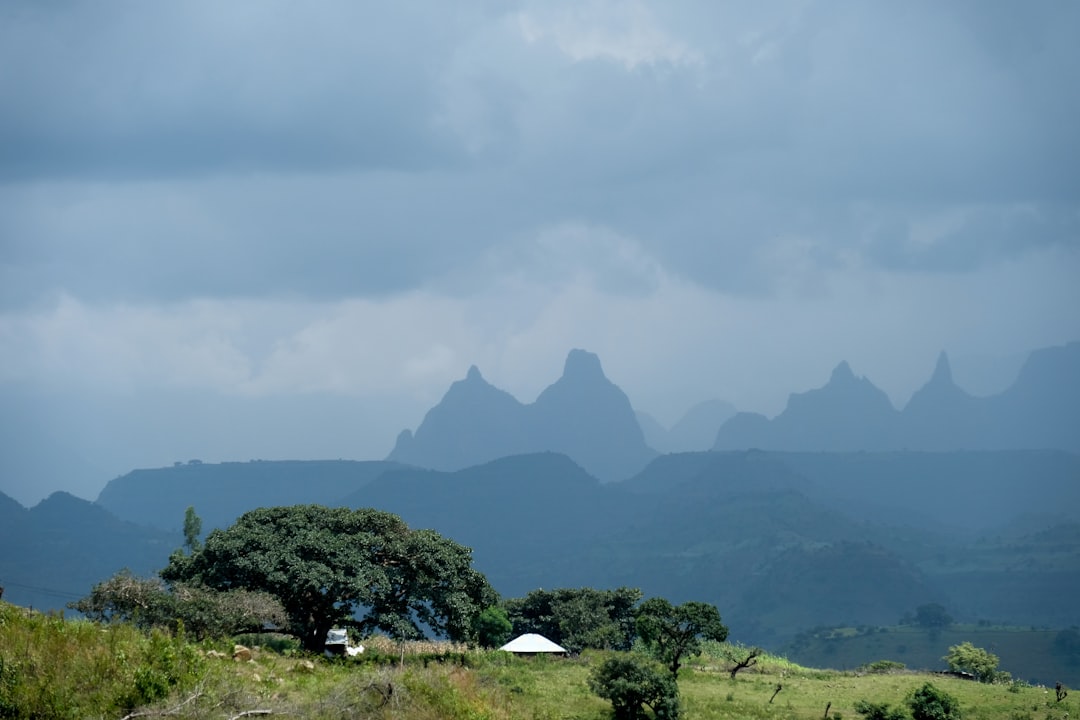
The Ethiopian highlands provide cooler temperatures and different wildlife than lowland areas. Various national parks and protected areas offer diverse experiences depending on your interests. Ethiopia's wildlife diversity includes over 300 bird species and numerous large mammals, making species variety excellent year-round.
Practical Guide: Planning Your July–September Safari
Best Time to Book Your Safari
Book your Ethiopia safari 2–3 months in advance for July–September travel. This timing allows operators to secure accommodations and guides while you maintain flexibility. Early booking typically yields better rates than last-minute reservations, even during the cheaper shoulder season.
June is the ideal booking month for July travel, July for August travel, and August for September departures. This advance notice gives tour operators time to customize itineraries and arrange special experiences like cultural visits or specialized photography guides.
Duration Recommendations
A 7–10 day safari is ideal for experiencing Ethiopia's diverse attractions. Seven days provides enough time for wildlife viewing and cultural experiences without exhaustion. Ten days allows deeper exploration of multiple regions and more flexibility for unexpected wildlife opportunities.
Shorter 4–5 day safaris are possible but feel rushed. Longer 14+ day trips work well if you're combining Ethiopia with Kenya or Tanzania. Ethiopia safari packages typically range from 5 to 14 days depending on your interests and budget.
Lodging Options During the Dry Season
Accommodation ranges from luxury lodges ($200–$400 per night) to mid-range camps ($80–$150 per night) to budget options ($30–$80 per night). The dry season sees good availability across all price points, unlike peak season when luxury lodges fill months ahead.
Many operators offer mobile camping safaris during the dry season, allowing you to follow wildlife migrations and access remote areas. Mobile camps typically cost $100–$200 per night all-inclusive. These camps provide authentic safari experiences and often better wildlife viewing than fixed lodges.
Getting There and Transportation
Most international visitors fly into Addis Ababa, Ethiopia's capital. From there, domestic flights connect to safari regions like the Omo Valley, Awash National Park, and other destinations. Flights cost $150–$300 per person depending on destination.
Internal transportation uses safari vehicles—typically open-sided Land Cruisers or similar models. These vehicles are essential for game viewing and adapted for rough terrain. Some operators offer helicopter transfers for remote locations, adding cost but reducing travel time.
Visa and Entry Requirements
Most nationalities can obtain Ethiopian visas on arrival or through embassies. Tourist visas typically cost $50–$100 and allow 30 days stay. Check current requirements as policies change. Your tour operator can advise on specific requirements for your nationality.
Ensure your passport is valid for at least six months beyond your travel dates. Yellow fever vaccination is recommended for some regions. Travel insurance covering medical evacuation is strongly recommended for remote safari areas.
Comparing Operators and Packages
Ethiopia safari costs vary significantly based on accommodation quality, guide experience, and included activities. Budget operators offer basic accommodation and group guides at $40–$80 per day. Mid-range operators provide comfortable lodges and experienced guides for $100–$200 per day. Luxury operators offer premium accommodations and specialized guides for $300+ per day.
Compare operators by reading authentic traveler reviews. SafariFind connects you with verified tour operators offering Ethiopia packages. Request quotes from multiple operators to compare pricing, itineraries, and included activities. Ask about group discounts if traveling with friends or family.
Ethiopia vs. Other Safari Destinations
Ethiopia offers unique advantages compared to other African safari destinations. The country features diverse landscapes, rich cultural experiences, and excellent wildlife viewing at lower prices than peak-season Kenya or Tanzania.
Ethiopia safari packages provide excellent value compared to Kenya, with similar wildlife diversity but fewer crowds and lower costs. While Kenya's Masai Mara is famous for the Great Migration, Ethiopia offers year-round wildlife viewing without seasonal animal movements.
Tanzania offers different landscapes and wildlife concentrations, particularly in the Serengeti. However, Tanzania's peak season (July–October) coincides with Ethiopia's dry season, meaning you'll face more crowds and higher prices in Tanzania during the months when Ethiopia offers solitude and savings.
Why Choose Ethiopia for July–September
Ethiopia's dry season pricing undercuts competing destinations. A mid-range safari in Kenya during July–August costs $2,500–$3,500, while Ethiopia offers equivalent experiences for $1,500–$2,500. This 30–50% savings allows longer trips or upgrade to luxury accommodations.
Cultural experiences distinguish Ethiopia from traditional safari countries. The Omo Valley, Harar, and other regions offer authentic cultural encounters unavailable in Kenya or Tanzania. Combining wildlife viewing with cultural immersion creates richer, more memorable experiences.
Key Takeaways
- Book your Ethiopia safari for July–September 2026 to save 20–40% compared to peak-season prices while enjoying excellent wildlife viewing and minimal rainfall.
- September is the ideal month, offering peak dry season conditions, long clear days, and incredible wildlife productivity with fewer tourists than any other month.
- Pack warm layers for early morning game drives when temperatures drop to 15°C (59°F), plus lightweight clothing and sun protection for daytime activities.
- Plan 7–10 day itineraries that combine wildlife viewing in the Omo Valley with cultural experiences in Harar and other regions for maximum value and authentic experiences.
- Compare verified operators on SafariFind to find packages matching your budget—from $1,500–$3,500 for 7-day safaris—and read authentic traveler reviews before booking.
Frequently Asked Questions
Is July–September really a good time to visit Ethiopia for safari?
Yes, July–September is an excellent time for Ethiopia safaris. The dry season ensures minimal rainfall, clear skies, and reliable wildlife viewing. Animals concentrate near water sources, making encounters more frequent and predictable. Additionally, you'll experience fewer crowds and 20–40% lower prices than peak season.
What's the difference between July, August, and September for safari conditions?
July sees occasional afternoon showers, particularly early in the month, but remains mostly dry. August is fully dry with consistent clear weather. September offers peak dry season conditions with long clear days and exceptional wildlife productivity. All three months provide good safari conditions, but September is optimal for combining weather, wildlife viewing, and pricing.
How much does an Ethiopia safari cost during July–September?
A 7-day Ethiopia safari costs $1,500–$3,500 per person during July–September, depending on accommodation quality and included activities. Budget safaris run $1,500–$2,000, mid-range safaris $2,000–$2,800, and luxury safaris $2,800–$3,500. These prices are 20–40% lower than December–February peak season rates.
Will I see wildlife during the dry season?
Absolutely. The dry season concentrates wildlife around permanent water sources, making animal encounters more frequent and reliable than rainy seasons. Hippos, crocodiles, elephants, buffalo, leopards, and numerous bird species are highly visible. Evening game drives reveal nocturnal animals more easily due to reduced vegetation and water competition.
How do I find and book a good Ethiopia safari operator?
Research verified operators on SafariFind, which lists tour operators with authentic traveler reviews and ratings. Compare multiple operators by requesting quotes for similar itineraries. Read detailed reviews from previous travelers to understand guide quality, accommodation standards, and customer service. Book 2–3 months in advance for best availability and pricing.
What should I pack for an Ethiopia safari in July–September?
Pack lightweight, breathable clothing for daytime game drives, plus a warm layer for early morning departures when temperatures drop to 15°C (59°F). Include waterproof jackets (optional but useful), sunscreen, sunglasses, wide-brimmed hat, and good binoculars. Hiking boots are essential for walking safaris and cultural visits. A camera with zoom capabilities enhances wildlife photography.
Can I combine Ethiopia safari with cultural experiences?
Yes, Ethiopia uniquely combines excellent safari opportunities with rich cultural experiences. The Omo Valley offers encounters with traditional pastoralist communities, while Harar features a historic walled city and the famous nightly hyena feeding ritual performed for over 500 years. Most 7–10 day itineraries include both wildlife and cultural components.
Conclusion
Ethiopia safari during July–September 2026 represents the best value for wildlife viewing in East Africa. The dry season ensures reliable wildlife encounters, minimal rainfall, and clear skies perfect for photography. Combined with 20–40% lower prices than peak season and fewer crowds, this period offers exceptional experiences for budget-conscious and luxury travelers alike.
September emerges as the optimal month, delivering peak dry season conditions, long clear days, and incredible wildlife productivity alongside the lowest tourist density of any month. Whether you're seeking solitude, photography opportunities, or cultural immersion, Ethiopia's dry season delivers authentic African safari experiences without peak-season compromises.
Plan your 7–10 day itinerary now to secure the best accommodations and guides. Budget $1,500–$3,500 per person depending on your preferred comfort level. Combine wildlife viewing in the Omo Valley with cultural experiences in Harar for a comprehensive Ethiopian adventure. Compare verified operators on SafariFind to find packages matching your specific interests and budget, and read authentic reviews from previous travelers before making your final booking decision. Start exploring Ethiopia safari packages on SafariFind today to discover your perfect dry season adventure in 2026.
Plan Your Safari with SafariFind
These recommendations use real data from SafariFind, where you can compare operators, browse packages, and read verified traveler reviews before you book.
Recommended Safari Operators from SafariFind
Recommended Safari Packages from SafariFind
What Travelers Say (SafariFind Reviews)
References
- Ethiopia Safari Packages 2026: Cost & Best Times | SafariFind
- 10 Best Places to Go on Safari in 2026 | African Safari Blog
- Best Time for an African Safari (July–December 2026): Where to Go for Value
- Best Time to Go on Safari in Africa | Season Guide (2026)
- Best Time to Visit Ethiopia | Chalo Africa
- September Safari - Dry Season Action | Africa Geographic
- Best Time To Visit Ethiopia | Timbuktu Travel
- Why Is 2026 the Year to Plan an Africa Safari? | Alluring Africa
Sources
- Ethiopia Safari Packages 2026: Cost & Best Times
- 10 Best Places to Go on Safari in 2026
- Best Time for an African Safari (July–December 2026): Where to Go for Value
- Best Time to Go on Safari in Africa | Season Guide (2026)
- Best Time to Visit Ethiopia
- September Safari - Dry Season Action
- Best Time To Visit Ethiopia
- Why Is 2026 the Year to Plan an Africa Safari?
Related to
Ready to start your safari adventure?
Explore curated safari packages and find your perfect African adventure with verified operators.