How Much Does a Tanzania Safari Cost in 2026?
Tanzania safari costs $350–$15,000+ per person daily in 2026. Budget 7-day packages start at $2,500; luxury reach $20,000+. Compare prices, seasons, and operators.

Tanzania Safari Cost in 2026
Last updated: July 2026
A Tanzania safari costs between $350 and $15,000+ per person per day in 2026, depending on your budget level and season. Budget safaris run $2,500–$4,500 for 7 days, while luxury packages reach $10,000–$20,000+. The best time to visit is June to October for the Great Migration. Compare verified operators on SafariFind to find packages matching your budget.
At a Glance
- Daily Cost: $350–$15,000+ per person depending on tier
- 7-Day Safari: $2,500–$20,000+ total per person
- Best Time: June–October (Great Migration season)
- Duration: 5–10 days recommended
- Best For: Budget travelers, families, luxury seekers
- Peak Season Markup: 20–40% higher prices July–September
What Is Tanzania Safari Cost in 2026?
Tanzania safari pricing in 2026 reflects three main budget tiers that let you choose your experience level. Budget safaris cost $350–$500 per person daily, mid-range runs $500–$1,500 daily, and luxury safaris exceed $1,500 daily.[1] Your total trip cost depends on duration, season, accommodation quality, and activities included.
The Serengeti and Ngorongoro Crater are Tanzania's top destinations.[2] Most travelers book 5–10 day packages combining multiple parks. A typical 7-day safari ranges from $2,500 for budget to $20,000+ for luxury experiences in 2026.
International flights to Dar es Salaam or Kilimanjaro add $800–$2,000 per person from North America or Europe. Park entry fees, meals, guides, and vehicle hire are usually included in package prices. You pay extra for activities like hot air balloon rides or special wildlife permits.
Why Tanzania Safaris Cost Varies
Price differences come from accommodation type, park location, group size, and travel season. Budget lodges cost $50–$100 nightly while luxury tented camps charge $300–$800 nightly. Smaller groups pay more per person than larger groups sharing vehicle costs.
Peak migration season (July–September) increases prices 20–40% above shoulder season rates.[3] Booking 3–6 months ahead saves 15–25% compared to last-minute bookings. Direct booking with local operators saves money versus international travel agencies.
Compare Tanzania safari packages on SafariFind to see real pricing and read verified traveler reviews before committing.
How Much Will Your Tanzania Safari Cost?
Your exact Tanzania safari cost breaks down into four main expenses: accommodation, park fees, meals, and activities. Understanding each category helps you budget accurately for 2026 travel.
Accommodation Costs
Budget accommodations run $50–$150 per night in basic lodges with shared or private bathrooms. Mid-range tented camps cost $150–$400 nightly with en-suite facilities and good views. Luxury lodges and camps charge $400–$1,000+ per night with premium amenities and exclusive locations.[1]
A 7-day safari typically includes 6 nights accommodation. Budget travelers spend $300–$900 total on lodging. Mid-range guests budget $900–$2,400. Luxury travelers allocate $2,400–$6,000+ just for accommodation.
Park Entry and Vehicle Fees
Serengeti National Park entry costs $60 per day for foreign adults in 2026. Ngorongoro Crater charges $80 per day. Lake Manyara adds $40 daily. Most 7-day safaris visit 2–3 parks, totaling $280–$560 in park fees per person.
Vehicle hire with driver and fuel typically costs $200–$400 daily for a 4-person safari vehicle. A 7-day trip splits into roughly $1,400–$2,800 vehicle cost per person in a group of four.
Meals and Guides
Meals included in safari packages cost $15–$50 daily at budget properties, $30–$80 at mid-range, and $50–$150+ at luxury camps. Professional guides earn $20–$50 daily wages, built into your package cost. Drinks and snacks outside meals add $5–$20 daily.
A complete 7-day package with meals and guide services totals roughly $600–$1,050 for budget, $1,050–$2,100 for mid-range, and $2,100–$4,200+ for luxury travelers.
Activities and Extras
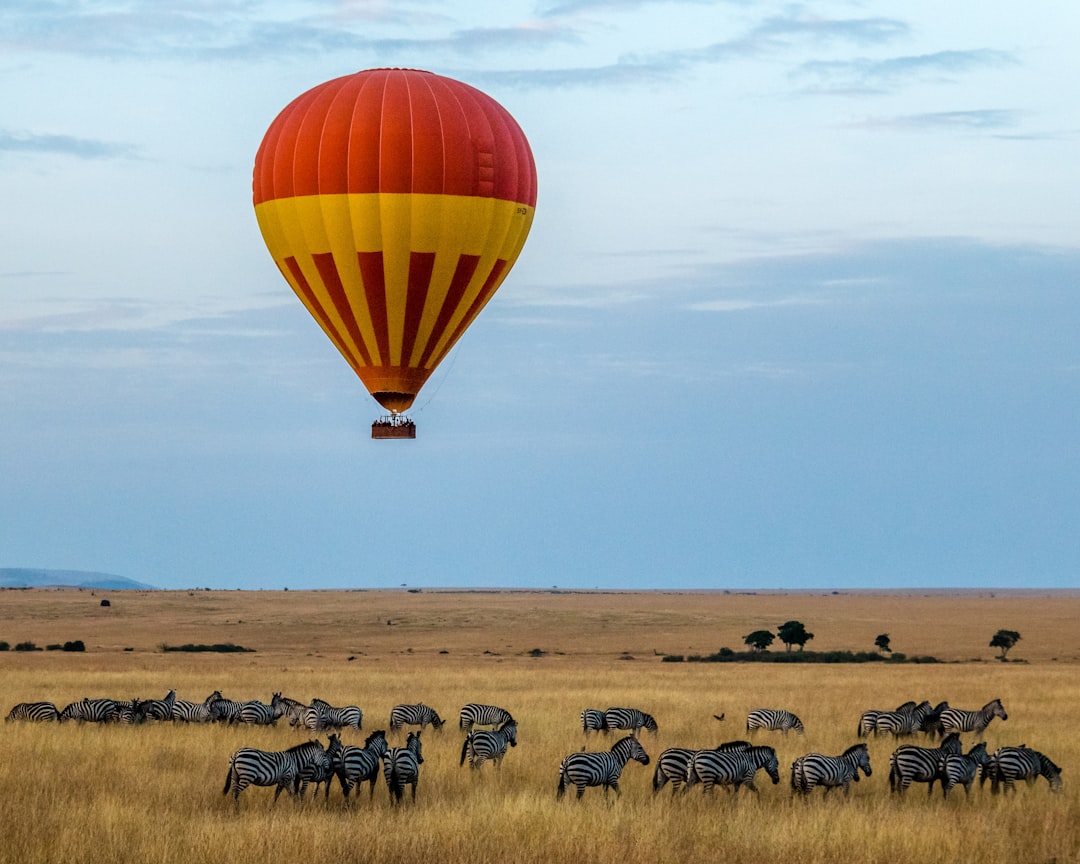
Hot air balloon rides cost $400–$600 per person. Walking safaris with guides run $50–$100 per activity. Cultural visits to Maasai villages add $30–$80. Photography workshops cost $100–$200. Most packages include basic game drives at no extra charge.
Budget an additional $200–$500 for optional activities during your 7-day trip. Some travelers skip extras entirely, while photography enthusiasts spend $1,000+.
Find verified Tanzania tour operators who provide transparent all-inclusive pricing so you know exactly what's covered before booking.
Budget vs. Mid-Range vs. Luxury Tanzania Safaris
Tanzania safari tiers differ dramatically in comfort, services, and wildlife viewing quality. Here's how 2026 pricing breaks down by experience level for a typical 7-day safari.
| Safari Tier | Daily Cost | 7-Day Total | Accommodation | Best For |
|---|---|---|---|---|
| Budget | $350–$500 | $2,450–$3,500 | Basic lodges, shared camps | First-time safari, cost-conscious travelers |
| Mid-Range | $500–$1,200 | $3,500–$8,400 | Comfortable tented camps, good lodges | Families, groups, balanced experience |
| Luxury | $1,500–$3,000+ | $10,500–$21,000+ | Premium camps, exclusive lodges | Honeymoons, photographers, luxury seekers |
Budget safaris use shared vehicles, basic meals, and minimal extras. You see wildlife and experience Tanzania authentically without frills. Mid-range safaris offer private vehicles, quality meals, and some activities included. Luxury safaris provide exclusive access, gourmet dining, and personalized service.
The Serengeti and Ngorongoro Crater are accessible at all price points. Budget travelers see the same animals as luxury guests—the difference is comfort level and services around the experience.
Seasonal Price Variations
Peak season (July–September) sees highest prices as the Great Migration crosses into the Serengeti. Shoulder season (June, October–November) offers good wildlife viewing at 10–20% lower rates. Green season (March–May) provides lowest prices but heavier rains and fewer tourists.
Booking a 7-day safari in November costs $2,500–$6,000 for mid-range. The same safari in August costs $3,500–$8,000 due to peak demand. This 30–40% difference makes shoulder seasons smart for budget-conscious travelers.
Factors Affecting Your Tanzania Safari Cost
Seven major factors determine your final Tanzania safari bill in 2026. Understanding these helps you control spending and get the best value for your money.
Travel Season Impact
Peak season (July–September) charges premium prices as 300,000+ annual visitors seek Great Migration views. June and October offer excellent wildlife with 15–20% discounts. Green season (March–May) provides lowest rates, 40–50% below peak, though rains reduce visibility.
Booking flexibility saves thousands. Traveling in May instead of August cuts costs nearly in half while still showing abundant wildlife.
Group Size and Solo Travel
Solo travelers pay 30–50% more per person as operators split fixed costs across fewer guests. Couples pay moderate single supplements. Groups of 4+ get per-person discounts of 15–25%. Family groups of 6+ negotiate best rates.
Joining group safaris through SafariFind connects you with other travelers, lowering your individual cost substantially.
Park and Region Selection
Serengeti and Ngorongoro Crater cost more due to demand and premium wildlife viewing. Southern Circuit parks (Ruaha, Selous) offer similar wildlife at 20–30% lower prices. Western parks (Katavi, Mahale) attract fewer tourists and cost 15–20% less.
Combining multiple parks increases overall cost but provides diverse experiences. A 7-day northern circuit (Serengeti + Ngorongoro) costs more than a southern circuit tour.
Accommodation Quality
Basic budget camps provide beds and meals at $50–$100 nightly. Mid-range properties add comfort, views, and quality service at $150–$400 nightly. Luxury tented camps with premium amenities cost $400–$1,000+ nightly.
Upgrading from budget to mid-range doubles your accommodation spend but significantly improves comfort during long days in vehicles.
Included vs. Optional Activities
Most packages include game drives, park fees, and meals. Hot air balloons, bush walks, and cultural visits cost extra. Photography workshops and specialized guides add $100–$300 daily.
All-inclusive packages simplify budgeting. A-la-carte add-ons let you customize but require careful tracking to avoid surprise expenses.
Transportation and Logistics
International flights ($800–$2,000) dwarf accommodation costs for most travelers. Internal flights between parks cost $150–$300 per sector. Road transfers add $50–$100 daily. Budget airlines sometimes offer deals on international routes.
Flying into Kilimanjaro versus Dar es Salaam affects transfer costs and total trip duration. Kilimanjaro is closer to northern circuit parks.
Booking Method
Booking direct with local Tanzania operators saves 15–25% versus international travel agencies.[4] SafariFind connects you with verified local operators, cutting out middlemen and supporting small businesses. Last-minute deals occasionally save 20–30% but reduce destination choice.
Early booking (3–6 months ahead) locks in lower rates and guarantees availability during peak times.
Request quotes from verified Tanzania safari operators to compare pricing and find the best deal matching your dates and preferences.
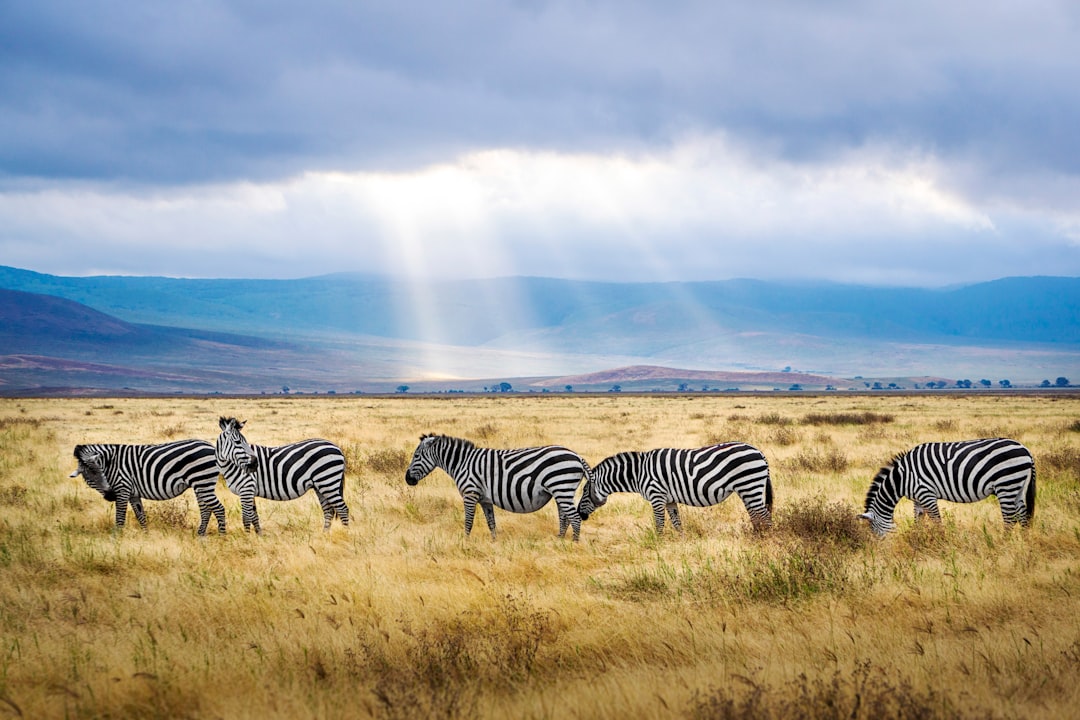
Tanzania Safari Cost Breakdown: Real 2026 Examples
Here are realistic cost breakdowns for different traveler profiles booking Tanzania safaris in 2026. These examples help you understand where money goes and plan accordingly.
Budget Traveler: 7-Day Serengeti Safari
Accommodation: $50/night × 6 nights = $300
Park fees: Serengeti + Ngorongoro = $420
Vehicle and driver: Shared group vehicle = $700
Meals and drinks: $25/day × 7 = $175
Activities: Included game drives only = $0
Subtotal per person: $1,595
International flight: +$1,000 (from US)
Total trip cost: $2,595
Mid-Range Traveler: 7-Day Northern Circuit
Accommodation: $250/night × 6 nights = $1,500
Park fees: Multiple parks = $560
Private vehicle: 4-person shared = $1,600
Meals and drinks: $50/day × 7 = $350
Activities: One balloon ride + walking safari = $400
Subtotal per person: $4,410
International flight: +$1,200
Total trip cost: $5,610
Luxury Traveler: 8-Day Private Safari
Accommodation: $600/night × 7 nights = $4,200
Park fees: Premium concessions = $800
Private vehicle: Dedicated for your group = $2,400
Meals and drinks: $100/day × 8 = $800
Activities: Balloon, walks, photography guide = $1,200
Subtotal per person: $9,400
International flight: +$1,500
Total trip cost: $10,900
These examples show how choices compound. A mid-range traveler spends roughly 2.2× more than budget but gains comfort and activities. Luxury travelers spend 4.2× more for exclusive service and premium locations.
How to Save Money on Your Tanzania Safari
Smart booking strategies cut Tanzania safari costs by 15–40% while maintaining quality experiences. Here are proven ways to reduce spending in 2026.
Travel During Shoulder Season
June and October offer excellent wildlife viewing at 15–25% discounts compared to peak months. November sees fewer tourists and lower rates with still-good conditions. These months balance cost savings with quality experiences.
Book 3–6 Months in Advance
Early booking locks in lower rates before peak season surcharges apply. Last-minute deals occasionally appear but risk availability. Planning ahead saves 15–20% on average.
Join Group Safaris
Sharing vehicles and accommodations with other travelers cuts per-person costs 20–30% versus private tours. SafariFind's group booking options connect compatible travelers and maximize savings.
Choose Southern or Western Parks
Ruaha, Selous, and Katavi parks offer comparable wildlife to Serengeti at 20–30% lower prices. These regions attract fewer tourists, reducing demand-driven markups. You see leopards, elephants, and diverse birds with fewer crowds.
Book Direct with Local Operators
Eliminating international agent markups saves 15–25% on package costs. SafariFind features verified local Tanzanian operators who offer transparent pricing and authentic service.[4] Supporting local businesses ensures more money reaches guides and staff.
Mix Budget and Comfort Strategically
Spend less on travel days, splurge on prime wildlife locations. A budget camp on a transfer day, then mid-range accommodation in the Serengeti balances cost and experience. This approach reduces total spending 10–20% versus staying mid-range throughout.
Skip Optional Extras You Don't Want
Hot air balloons and premium activities add $400–$600 per person. Skip them if wildlife viewing alone satisfies you. Basic game drives show the same animals as expensive add-ons.
Key Takeaways
- Budget $2,500–$3,500 per person for 7-day budget safaris, $3,500–$8,400 for mid-range, and $10,500–$21,000+ for luxury experiences in 2026. These ranges include accommodation, park fees, meals, and vehicle costs but exclude international flights.
- Book your Tanzania safari 3–6 months ahead to save 15–20% on rates and guarantee availability during peak season. Last-minute bookings cost 20–30% more and limit destination choices.
- Travel during June, October, or November to cut costs 15–40% compared to peak season while maintaining excellent wildlife viewing. These shoulder months combine affordability with abundant animals and fewer crowds.
- Join group safaris through SafariFind to reduce per-person costs by 20–30% while meeting fellow travelers. Shared vehicles and accommodations split fixed expenses across more people, lowering your individual bill.
- Book directly with local Tanzania operators to save 15–25% versus international travel agencies. SafariFind connects you with verified operators, supporting local communities while reducing middleman markups.
Frequently Asked Questions
How much does a 7-day Tanzania safari cost in 2026?
A 7-day Tanzania safari costs $2,500–$3,500 per person for budget safaris, $3,500–$8,400 for mid-range, and $10,500–$21,000+ for luxury packages in 2026.[1] These prices include accommodation, park fees, meals, vehicle hire, and professional guides. International flights add $800–$2,000 per person from North America or Europe.
What are the cheapest months to visit Tanzania for a safari?
March through May (green season) offers lowest prices, 40–50% below peak rates, though rains reduce visibility. June and October provide excellent wildlife viewing with 15–25% discounts compared to July–September peak season. November also offers good value with improving weather conditions and moderate prices.[3]
Does a Tanzania safari cost include flights and meals?
Most Tanzania safari packages include accommodation, park entry fees, meals, vehicle hire, and professional guides. International flights to Tanzania are extra, costing $800–$2,000 per person from overseas. Drinks outside meals, tips, and optional activities like hot air balloons are typically not included and cost additional money.
Is a Tanzania safari cheaper than a Kenya safari?
Tanzania and Kenya safari costs are broadly comparable when including all fees and services.[2] Both charge similar park entry fees ($40–$80 daily) and offer similar wildlife experiences. Kenya's Masai Mara can cost 10–20% more during peak migration months (July–September). Tanzania's Serengeti offers comparable experiences at competitive prices year-round.
Can I do a Tanzania safari for under $2,000 per person?
Budget safaris in Tanzania's low seasons (March–May) can approach $1,500–$2,000 per person for 5–6 days with basic accommodations and shared vehicles. However, 7-day safaris typically cost $2,500+ minimum to cover park fees, meals, and transportation. Booking group safaris and choosing southern parks (Ruaha, Selous) instead of Serengeti helps reach lower budgets.
How can I find the best Tanzania safari deals in 2026?
Book 3–6 months ahead, travel during shoulder season (June, October–November), join group safaris, and book directly with local operators to save 15–40%.[4] Compare verified Tanzania safari packages on SafariFind to see real pricing, read authentic traveler reviews, and request quotes from multiple operators matching your budget and dates.
Conclusion
Tanzania safari costs in 2026 range from $350–$15,000+ per person daily depending on your budget tier and travel timing. A realistic 7-day safari costs $2,500–$3,500 for budget travelers, $3,500–$8,400 for mid-range seekers, and $10,500–$21,000+ for luxury experiences. These prices include accommodation, park fees, meals, and professional guides but exclude international flights.
Smart booking strategies dramatically reduce costs. Traveling during shoulder season (June, October–November) saves 15–40% compared to peak months. Booking 3–6 months ahead locks in lower rates. Joining group safaris cuts per-person expenses by 20–30%. Choosing southern parks like Ruaha instead of Serengeti reduces spending 20–30% while showing equally impressive wildlife.
Supporting local communities means booking directly with Tanzania operators rather than international agencies. This approach saves 15–25% while ensuring more money reaches guides, drivers, and local staff. SafariFind connects you with verified local operators offering transparent pricing and authentic service.
Start planning your Tanzania safari today. Browse verified safari packages on SafariFind to compare prices, read real traveler reviews, and request quotes from trusted operators. Whether you're budget-conscious or seeking luxury, Tanzania's incredible wildlife—from 1.5 million wildebeest in the Great Migration to leopards in the Serengeti—awaits at a price matching your budget. Book now for your 2026 adventure.
Plan Your Safari with SafariFind
These recommendations use real data from SafariFind, where you can compare operators, browse packages, and read verified traveler reviews before you book.
Recommended Safari Operators from SafariFind
Recommended Safari Packages from SafariFind
What Travelers Say (SafariFind Reviews)
References
- Extraordinary Journeys - How Much Does a Tanzania Safari Cost?
- Ella McKendrick - Tanzania Safari Cost 2026: Everything You Need to Know
- Vencha Travel - Tanzania Safari Cost: How Much Should You Budget?
- Zara Tanzania Adventure - Tanzania Safari Cost Breakdown: What to Expect
- African Safari Magazine - Tanzania Safari Cost: 2026 Prices, Tiers & Real Trips
 Ask Tembo about this guide
Related to
Ready to start your safari adventure?
Explore curated safari packages and find your perfect African adventure with verified operators.