How Much Does an Ethical Rhino Viewing Safari in South Africa Cost in 2026?
An ethical rhino viewing safari in South Africa typically costs around $4,000 per person for a ten-day package in 2026, including accommodations, guided tours, and hands-on conservation activities. Pr
Ethical Rhino Safari Costs in South Africa 2026
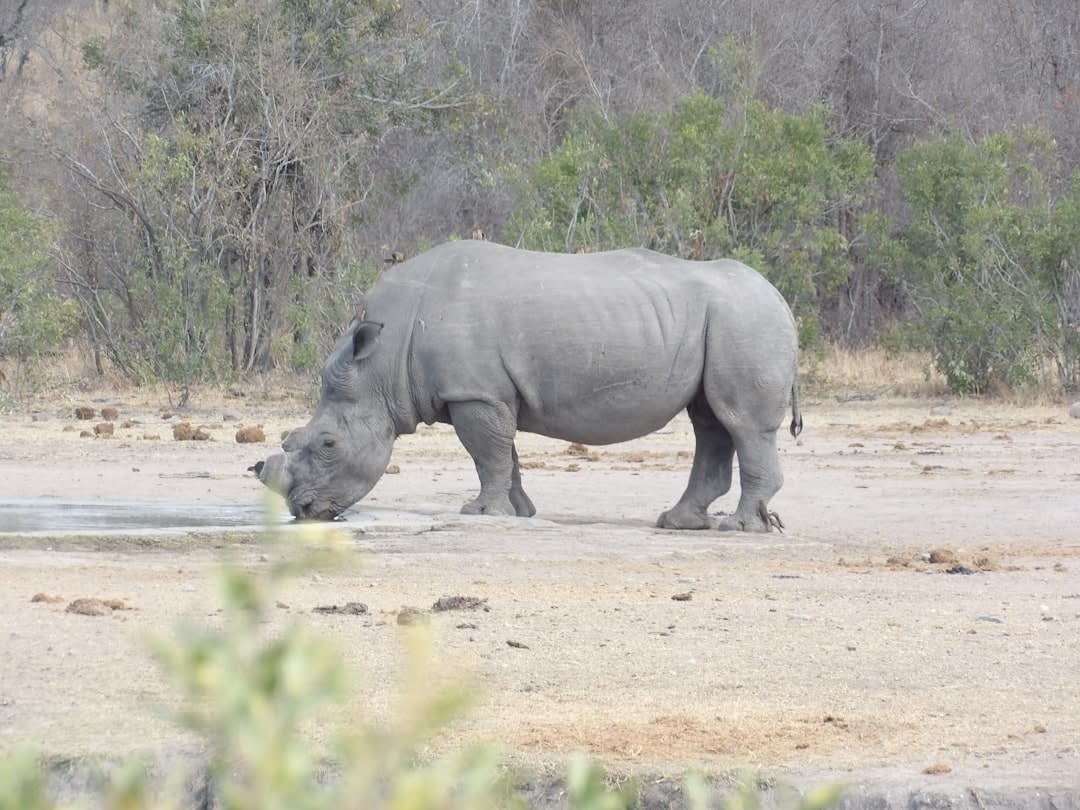
An ethical rhino viewing safari in South Africa typically costs around $4,000 per person for a ten-day package in 2026, including accommodations, guided tours, and hands-on conservation activities. Prices vary based on lodge quality, season, and the level of conservation involvement you choose. South Africa hosts the world's largest populations of both black and white rhinos, making it the premier destination for responsible wildlife viewing.
Understanding Ethical Rhino Viewing Safaris
An ethical rhino viewing safari in South Africa combines wildlife observation with genuine conservation support. Unlike traditional safaris, these experiences prioritize animal welfare and habitat protection. You don't just watch rhinos from a distance—you participate in conservation efforts that directly help protect these endangered animals.
South Africa has the largest populations of both black and southern white rhinos of any country and sees itself as the custodian of the animals' future [3]. This responsibility shapes how modern safari operators structure their tours. They invest your fees back into anti-poaching patrols, habitat restoration, and community education programs.
Conservation projects are gaining momentum as travelers request hands-on conservation activities, and lodges prioritize electric vehicles and solar power [2]. This shift reflects a growing demand for ethical tourism. You're not just a spectator—you become part of the solution to rhino conservation challenges.
Many travelers are drawn to safaris for their mix of education and exploration [4]. Packages often marketed as "learning tours" promise hands-on conservation experiences. These trips teach you about rhino behavior, poaching threats, and protection strategies while you experience African wildlife firsthand.
The typical ten-day safari package costs around $4,000 per person for ethical, conservation-focused experiences. This price point reflects the real costs of running sustainable operations. It includes quality accommodations, experienced guides, daily game drives, and active participation in conservation work.
What's Included in Your Rhino Safari Cost
Accommodations and Meals
Most ethical safari packages provide mid-range to luxury lodging. Your accommodation costs typically account for 40-50% of the total package price. This includes comfortable rooms, often with views of wildlife areas, and meals prepared from local ingredients.
Lodges like those in the Borana Conservancy demonstrate the quality you can expect. The Lengishu House sits on 32,000 acres of the Borana Conservancy, the country's most successful rhino sanctuary [1]. The property was built with locally-sourced materials, and conservation fees paid by guests are invested into sustainable protection efforts.
Full-board packages include breakfast, lunch, and dinner daily. Many lodges source food locally, supporting nearby communities. You'll taste authentic South African cuisine while knowing your meal costs support local farmers and businesses.
Expert Guides and Game Drives
Experienced guides are essential for ethical rhino viewing. They're trained to locate rhinos responsibly and educate visitors about conservation. Guide salaries and training represent a significant portion of your package cost.
Daily game drives typically last 4-6 hours, split between morning and afternoon sessions. This schedule respects both wildlife patterns and your comfort. Early morning drives often provide the best rhino sightings when animals are most active.
Your guides share real-time conservation stories. They explain anti-poaching strategies, habitat management, and breeding programs. This knowledge transforms your safari from simple wildlife viewing into meaningful education about rhino protection.
Conservation Participation
Hands-on conservation activities distinguish ethical safaris from standard tours. You might join anti-poaching patrols or participate in wildlife monitoring. These activities directly support rhino survival efforts.
Some operators, like those working with Black Mambas—the famous all-female anti-poaching squad that patrols Greater Kruger unarmed [6]—offer immersive experiences. You camp alongside rangers, learn patrol techniques, and understand the human side of rhino protection. This direct involvement justifies premium pricing.
Other conservation activities include habitat restoration, data collection for research, and community engagement projects. Each activity contributes meaningfully to rhino welfare and ecosystem health.
Park Fees and Transportation
National park entrance fees vary by location. Kruger National Park charges daily fees, while private reserves may include them in package prices. Budget roughly $50-100 per day for park access.
Airport transfers and inter-lodge transportation are usually included. Some packages cover internal flights between safari destinations. This convenience simplifies logistics and reduces stress during your trip.
Pricing Breakdown by Safari Type and Duration
Budget-Conscious Options
Five-day ethical safaris cost approximately $2,500-$3,000 per person. These shorter trips focus on specific experiences, often centered on one reserve. You get quality conservation participation without the premium price tag of longer journeys.
Budget options typically use simpler accommodations and shared transportation. You might stay in comfortable bungalows rather than luxury suites. This doesn't reduce conservation impact—it simply allocates more of your fees directly to protection work.
Standard Ten-Day Packages
The most popular option costs around $4,000 per person for ten days. This duration balances immersion depth with vacation feasibility. You have time to truly connect with guides, understand conservation challenges, and observe rhino behavior across different situations.
Ten-day packages typically include two or three different reserves or conservancies. This variety exposes you to different habitats and protection strategies. You might see black rhinos in one reserve and white rhinos in another, understanding how species-specific conservation differs.
Premium and Extended Experiences
Fourteen to twenty-one day safaris cost $6,000-$10,000 per person or more. These extended trips combine rhino viewing with broader African experiences. You might add Victoria Falls, cultural visits, or additional wildlife reserves.
Premium packages feature luxury lodges, private guides, and exclusive experiences. You get personalized itineraries and deeper conservation involvement. Some include scientific research participation or training from leading conservation biologists.
Seasonal Price Variations
Safari prices fluctuate throughout the year. Peak season (June-August) costs 20-30% more than off-season rates. Shoulder seasons (April-May and September-October) offer good value with reliable wildlife sightings.
Dry season (May-September) provides the best rhino viewing. Animals concentrate around water sources, making sightings more likely. This explains higher prices during these months—demand increases as conditions improve.
How to Find Ethical Safari Operators and Verify Quality
Identifying Genuine Conservation-Focused Operators
Not all safari operators prioritize ethics equally. Look for operators with transparent conservation reporting. They should publish annual impact reports showing exactly how guest fees support protection work.
Verify certifications from organizations like the Global Sustainable Tourism Council or similar bodies. These certifications require operators to meet strict environmental and ethical standards. Check whether lodges use renewable energy and minimize waste.
SafariFind connects travelers with verified tour operators offering authentic conservation experiences. Browse packages and compare operators based on real traveler reviews. You can request quotes from multiple verified operators to compare pricing and conservation commitments directly.
Reading Authentic Traveler Reviews
Past traveler experiences reveal operator quality better than marketing materials. Look for specific details in reviews—did guides truly support conservation? Were animals treated respectfully? Did the experience match the description?
Verified reviews on SafariFind show what travelers actually experienced. Many reviews mention conservation activities, guide expertise, and wildlife sighting quality. This authentic feedback helps you avoid operators with misleading marketing.
Pay attention to reviews mentioning specific conservation participation. Detailed accounts of anti-poaching work, habitat restoration, or research projects indicate genuine conservation involvement. Generic praise without specifics suggests less substantive conservation integration.
Comparing Package Details
Compare what's included in different packages before booking. Some operators include flights; others don't. Some cover all meals; others charge extra for certain dining experiences. These details significantly impact your actual cost.
Request detailed itineraries showing daily activities. Quality ethical safaris include specific conservation activities, not just game drives. Itineraries should list which reserves you'll visit, how many days you'll spend in each location, and what conservation work you'll perform.
Ask operators about their conservation partners. Do they work with established organizations like the Black Mambas or university research teams? Partnerships with credible conservation groups indicate genuine commitment beyond profit motives.
Additional Costs and Budget Considerations
Visa and Travel Insurance
South Africa requires visas for most international visitors. Visa costs vary by nationality, typically ranging from $50-$150. Process visas several weeks before your trip to avoid delays.
Travel insurance is essential for international safari trips. Quality coverage costs $100-$300 for two weeks. Insurance protects against trip cancellations, medical emergencies, and lost luggage—all important considerations for African travel.
Flights and Ground Transportation
International flights to South Africa typically cost $800-$2,000 from North America, depending on season and booking timing. Flying during shoulder season saves significantly on airfare.
Many packages include airport transfers, but check carefully. Some operators charge extra for flights to remote reserves. Budget for these costs separately if not included in your package price.
Gratuities and Personal Spending
Guides, drivers, and lodge staff appreciate tips for exceptional service. Budget 10-15% of package costs for gratuities. In South Africa, tipping isn't mandatory but is customary for good service.
Personal spending money covers souvenirs, extra activities, and incidentals. Budget $500-$1,000 for a ten-day trip. This allows flexibility for community crafts, local experiences, and unexpected opportunities.
Pre-Trip Preparations
Vaccinations may be required or recommended for South Africa. Consult your doctor 6-8 weeks before travel. Yellow fever and malaria prevention are common recommendations.
Quality safari gear improves your experience. Binoculars, camera equipment, and proper clothing aren't included in package costs. Budget $200-$500 for gear if you don't already have quality equipment.
Maximizing Value in Your Ethical Safari Investment
Booking Timing Strategies
Book 3-4 months in advance for better rates and availability. Early bookers often receive discounts. However, last-minute deals sometimes emerge when operators need to fill remaining spots.
Shoulder season travel offers excellent value. April-May and September-October provide good wildlife sightings at lower prices. You'll encounter fewer tourists while still enjoying reliable rhino viewing opportunities.
Group Discounts and Package Deals
Traveling with friends or family often qualifies you for group discounts. Some operators offer 10-15% discounts for groups of 4 or more. This significantly reduces per-person costs.
Multi-destination packages combining safaris with other African experiences sometimes cost less than booking separately. Adding a Botswana or Zimbabwe extension might increase your total cost minimally while dramatically expanding your experience.
Direct Operator Booking
Booking directly with operators sometimes offers better rates than travel agencies. However, agencies provide valuable planning assistance and booking protection. Compare both options before deciding.
Use SafariFind to compare packages from multiple verified operators. Request quotes directly from several operators to negotiate better rates. Competition often leads operators to offer improved pricing or added value for serious inquiries.
Leveraging Conservation Tax Benefits
Some safari packages qualify for tax deductions if they include substantial conservation work. Consult your tax advisor about whether your safari contributions qualify. This could effectively reduce your actual cost through tax savings.
Operators working with registered nonprofits may offer donation options. Portions of your fees might be tax-deductible charitable contributions. Ask operators about these possibilities when requesting quotes.
Key Takeaways
Budget $4,000 per person for a ten-day ethical rhino safari in South Africa during 2025, including accommodations, meals, guides, and conservation activities—this represents fair pricing for genuine conservation support.
Verify operator authenticity by checking for transparent conservation reporting, certified sustainability practices, and verified traveler reviews on SafariFind before committing to any package.
Shorter five-day safaris cost $2,500-$3,000 while premium fourteen-plus-day experiences reach $6,000-$10,000, so choose duration based on your budget and how deeply you want to engage with conservation work.
Book during shoulder season (April-May or September-October) to save 20-30% on package costs while still enjoying excellent rhino sightings and meaningful conservation participation opportunities.
Use SafariFind to compare verified operators, read authentic reviews, and request quotes from multiple providers—this comparison process helps you find the best value while supporting genuinely ethical conservation practices.
Frequently Asked Questions
What does "ethical rhino viewing" actually mean?
Ethical rhino viewing prioritizes animal welfare and genuine conservation. Operators maintain safe distances, minimize stress on animals, and invest guest fees directly into anti-poaching work, habitat protection, and research. You participate in real conservation activities, not just passive observation.
Is $4,000 for ten days expensive compared to other African safaris?
Mid-range African safaris typically cost $3,000-$5,000 for ten days. Ethical conservation-focused safaris fall within this range. Premium luxury safaris cost $8,000-$15,000+, while budget options run $2,000-$3,000. The $4,000 price represents quality accommodations with meaningful conservation participation.
What's included in the $4,000 package price?
Standard packages include accommodations, all meals, daily game drives, experienced guides, park fees, conservation activities, and ground transportation. Flights, visas, travel insurance, and gratuities are typically separate. Always confirm what's included before booking.
When is the best time to book for better prices?
Book 3-4 months ahead for better rates and availability. Travel during shoulder season (April-May or September-October) for 20-30% savings versus peak season. Last-minute bookings sometimes offer deals, but availability becomes limited.
How do I know if an operator is genuinely conservation-focused?
Check for published conservation reports, sustainability certifications, partnerships with established organizations, and detailed descriptions of conservation activities in itineraries. Read verified reviews on SafariFind mentioning specific conservation work. Ask operators directly about their conservation impact and how they measure success.
Can I see rhinos guaranteed on an ethical safari?
Rhino sightings aren't guaranteed, but South Africa's large populations make them likely. Dry season (May-September) offers the best odds. Ethical operators won't pursue animals excessively to guarantee sightings, so manage expectations while maintaining ethical standards.
Are there financing options for safari packages?
Many operators offer payment plans spreading costs over several months. Some accept credit cards with installment options. Travel agencies sometimes arrange financing. Check with individual operators about flexible payment arrangements for your chosen package.
Conclusion
An ethical rhino viewing safari in South Africa represents a meaningful investment in both your personal experience and global conservation. The $4,000 price tag for a ten-day package reflects the real costs of sustainable operations, expert guides, quality accommodations, and genuine conservation work. South Africa hosts the world's largest rhino populations, and your safari fees directly support the protection of these magnificent animals [3].
Choosing an ethical operator matters deeply. Look beyond flashy marketing to verify conservation commitments, read authentic traveler reviews, and compare offerings from multiple verified providers. SafariFind simplifies this process by connecting you with verified tour operators and providing authentic reviews from previous travelers. You can browse available packages, compare prices and conservation approaches, and request quotes to find the perfect safari matching your budget and values.
Whether you choose a budget-friendly five-day experience or a premium extended journey, your participation supports real conservation impact. You'll return home not just with incredible wildlife memories, but knowing you've directly contributed to rhino survival. Start exploring ethical safari packages on SafariFind today—your next transformative adventure awaits.
Plan Your Safari with SafariFind
These recommendations use real data from SafariFind, where you can compare operators, browse packages, and read verified traveler reviews before you book.
Recommended Safari Packages from SafariFind
References
Ready to start your safari adventure?
Explore curated safari packages and find your perfect African adventure with verified operators.