How to Earn Your First Travel Affiliate Commission in 2026
Learn how to earn your first affiliate commission travel creators can realistically target, from choosing high-intent offers to building content that converts. Includes a practical $1,000 plan using SafariFind's African safari Partner Program.
Earning your first affiliate commission in travel is less about having a huge audience and more about matching the right recommendation to the right buying moment. A creator with 2,000 engaged followers can outperform a creator with 200,000 passive followers if their content answers a specific question such as where to stay, which tour to book, or how to plan a safari.
In 2026, the most reliable approach is to build content around traveler intent, use several formats to support the same decision, and track what happens after the click. This guide shows how to work toward your first $1,000 in travel affiliate commissions without relying on inflated conversion claims or publishing a website full of unrelated links.
What travel affiliate commissions actually mean
Travel affiliate marketing is a referral arrangement. You publish a trackable link, widget, or booking tool; a reader clicks it and completes an eligible purchase; and the travel company pays you according to its commission terms.
The amount you earn can vary based on the booking value, commission structure, cancellation policy, attribution window, and whether the commission is calculated from the booking price or the company's own revenue. Always read the program terms before promising a particular payout to your audience.
For a first $1,000 target, think in terms of three numbers:
- Average commission: what one completed booking is likely to generate.
- Conversion rate: the percentage of qualified link clicks that become bookings.
- Qualified traffic: visitors who are actively comparing or planning, rather than casually browsing inspiration.
For example, if your average commission is $100, you need 10 completed bookings to reach $1,000. If the average is $250, you need four. The second route may require fewer sales, but high-value products usually involve a longer research and decision cycle.
Choose a travel niche with enough value per sale
Not every travel affiliate offer is equally suitable for a first commission. Budget products can convert more frequently, but a creator may need a large volume of transactions. Higher-ticket categories can produce meaningful commissions from fewer bookings, provided the content establishes trust.
Compare the basic economics before you apply:
- Flights: high demand, but often thin margins, price changes, and difficult attribution.
- Hotels: broad appeal and repeat booking opportunities, though competition is intense.
- Tours and activities: useful for destination content and often easier to demonstrate visually.
- Travel insurance and connectivity: practical, searchable needs that can convert close to departure.
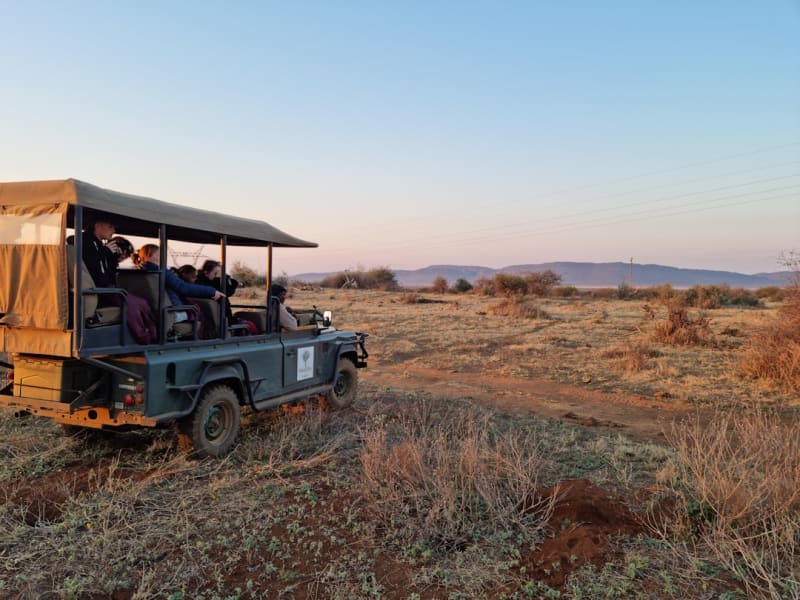
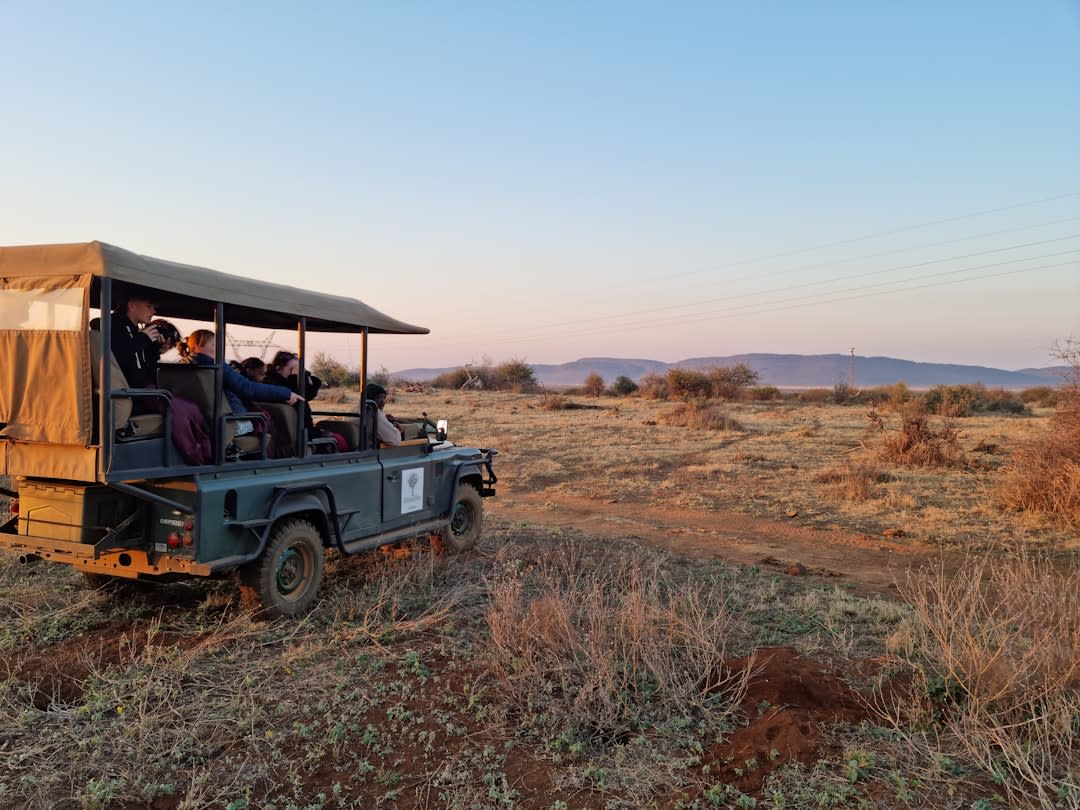
- African safaris: high-value bookings, a strong need for expert guidance, and a less crowded content opportunity than generic hotel content.
African safari bookings often cost $1,000 to $10,000 or more, depending on destination, duration, accommodation, season, and inclusions. That does not mean every creator will earn a large payout or that every visitor will book. It does mean one well-qualified referral can be worth more than dozens of low-value transactions.
Build the $1,000 target from realistic numbers
Start with a simple forecast rather than a vague income goal. Suppose you promote a safari program offering a 30% revenue share on the company's revenue from a referred booking. SafariFind gives an illustrative example: a $3,000 safari may pay the creator around $150. The 30% revenue share is not 30% of the booking price; it is a share of SafariFind's revenue on that booking.
Using that example, your target could look like this:
- $150 average commission: approximately seven completed bookings for about $1,050.
- $100 average commission: 10 completed bookings for $1,000.
- $250 average commission: four completed bookings for $1,000.
These are planning scenarios, not guarantees. Some bookings may cancel, take months to finalize, or generate a different commission. You should also allow for the fact that not every click becomes a booking.
To estimate the traffic needed, work backward. If 2% of qualified clicks become completed bookings and you need seven bookings, you need roughly 350 qualified clicks. If 5% convert, you need about 140. The quality of the page, the audience's travel timing, and the clarity of the booking process all affect this figure.
Find the buying questions your audience already asks
Affiliate content performs best when it helps someone make a decision. Broad posts such as 20 beautiful places in Africa can attract attention, but evaluation content usually has stronger commercial intent.
Useful high-intent travel content ideas
- How much does a seven-day Kenya safari cost?
- Kenya or Tanzania for a first safari?
- Best months for a Tanzania migration safari
- What is included in a private safari package?
- How to choose between a lodge and a tented camp
- Is a safari suitable for families with young children?
- What should you pack for a first safari?
- How far in advance should you book an African safari?
Notice that these topics combine education with a decision. They give you a natural reason to recommend a relevant booking option, but they also let you be honest about trade-offs, such as weather, road transfers, budget, accessibility, and conservation policies.
Create one content funnel instead of isolated links
Your first affiliate commission travel campaign does not need dozens of posts. It needs a connected path from discovery to action.
1. Publish an awareness piece
Use a short video, photo carousel, newsletter, or destination story to introduce a specific trip idea. Focus on an audience you understand, such as first-time safari travelers, couples planning a honeymoon, or families visiting East Africa.
2. Publish an evaluation guide
Direct interested viewers to a detailed article or video comparing destinations, seasons, budgets, and safari styles. Include practical information that helps readers decide whether the trip fits them.
3. Add a booking-focused resource
Create a page such as a sample itinerary, safari planning checklist, or comparison of safari packages. This is where a clear affiliate link or embedded booking tool belongs.
4. Follow up through email
Invite readers to receive a planning checklist or destination guide. Then send a short sequence covering timing, costs, packing, and common booking mistakes. Email gives you a way to reach people who are interested but not ready to purchase on their first visit.
One strong guide can support several short videos, a newsletter, Pinterest pins, and social posts. Repurposing is more efficient than creating unrelated content every day.
Use SafariFind as a focused high-ticket opportunity
For creators who regularly publish about Africa, wildlife, luxury travel, family travel, or adventure, SafariFind's Partner Program is a natural offer to evaluate. It is free to join, welcomes content creators, influencers, and affiliates, and applications are reviewed within 12 hours.
Partners receive trackable links, embeddable widgets that can match the style of their site, real-time analytics, and a low payout threshold. These tools matter because you need to know which page, video, or audience segment is producing clicks and bookings. A widget can also make the booking step more useful than sending every reader to a generic homepage.
The program pays a 30% revenue share on every safari booking you refer. This is a share of SafariFind's revenue from the booking, not 30% of the traveler's total booking price. As an illustration, a $3,000 safari may result in around $150 for the creator, depending on the booking economics and applicable terms.
If your audience is already asking about African safari planning, join the SafariFind Partner Program and build your first content funnel around a destination or traveler type you know well. Do not add the offer to unrelated posts simply because the commission is attractive; relevance is what protects audience trust.
Make your affiliate content trustworthy
Travel purchases involve substantial money and personal expectations. Your recommendation should help readers avoid a poor-fit booking, not merely push them toward a checkout page.
- Explain who the trip is and is not suitable for.
- Separate your personal experience from facts supplied by the operator.
- State what is included and what travelers may need to pay separately.
- Discuss seasonality, travel time, physical demands, and cancellation considerations.
- Use current information and add a date when pricing or availability may change.
- Disclose affiliate relationships clearly before or near the recommendation.
A simple disclosure can say: This article contains affiliate links. If you book through one, I may earn a commission at no additional cost to you. The disclosure should be easy to notice, not hidden in a footer or behind a vague phrase such as partner link.
Optimize for clicks without becoming spammy
A useful call to action describes the next step and its benefit. Compare Book now with See safari options for your dates and budget. The second gives the reader a reason to click while setting an accurate expectation.
Place the first relevant link after you have answered an important question. Add another call to action near the end of the guide for readers who have finished evaluating. On a long page, a table of contents, comparison table, and clearly labeled planning section can make the link easier to find without interrupting the reading experience.
For social content, avoid putting every message around a sale. Use a mix of itinerary tips, cost breakdowns, wildlife etiquette, packing advice, and behind-the-scenes explanations. Viewers are more likely to trust a booking recommendation when your earlier content has already demonstrated useful knowledge.
Track the metrics that lead to commissions
Follower count is a weak measure of affiliate potential. Track the full path:
- Views or search impressions
- Engaged viewers or page visits
- Affiliate link clicks
- Outbound click rate
- Booking inquiries or completed bookings
- Approved commission and cancellation rate
If a page gets traffic but few clicks, improve the relevance and placement of the recommendation. If it gets clicks but no bookings, check whether the audience is too early in the planning process, the destination is a poor fit, or the booking page lacks the information visitors need. If one article produces bookings, create related content around the same audience and decision.
SafariFind's real-time analytics can help you identify which links and placements are generating activity. Use that data to improve your content, not to flood every page with more links.
A practical 90-day plan for your first commission
Days 1–30: Choose and prepare
- Select one audience and one safari planning problem.
- Research the destination, season, budget, and traveler concerns.
- Apply to a relevant program and generate properly labeled tracking links.
- Publish one detailed guide and one downloadable checklist.
Days 31–60: Distribute and learn
- Create four to eight short posts from the guide.
- Share the guide with your email list and relevant communities where promotion is allowed.
- Test two calls to action and monitor clicks.
- Answer audience questions publicly and update the guide with useful clarifications.
Days 61–90: Improve the converting path
- Publish a comparison or sample itinerary based on the questions you received.
- Place a relevant widget or booking link where readers are ready to act.
- Review analytics and focus on the strongest topic, platform, and audience.
- Build a second piece for the same audience instead of switching niches too quickly.
Your first commission may arrive quickly, but high-value travel decisions can take weeks or months. Measure progress through qualified clicks, inquiries, and returning visitors as well as immediate sales.
Common mistakes that delay a first affiliate commission
- Choosing by commission rate alone: a high rate on an irrelevant product is still a poor fit.
- Relying only on inspiration: add comparison and planning content for people closer to booking.
- Publishing outdated prices: use ranges, dates, and links to current details.
- Hiding the disclosure: transparency supports compliance and trust.
- Sending all traffic to one generic page: link to the destination or itinerary that matches the reader's question.
- Quitting after a week: travel purchases often have a longer consideration period than everyday products.
Start with one useful recommendation
The fastest sustainable route to your first $1,000 is not publishing more links. It is becoming particularly useful to a defined group of travelers at the point where they are deciding what to book.
Choose a niche, model the required bookings, create a connected content funnel, disclose your relationship, and improve the path using real analytics. If African safari content fits your audience, join the SafariFind Partner Program to access trackable links, customizable widgets, and a 30% revenue share on referred safari bookings.
Your next step
Pick one safari question your audience asks, answer it thoroughly, and publish the first piece this week. Then give interested readers a clear, honest way to explore suitable trips through the SafariFind Partner Program.
Frequently Asked Questions
How much can travel creators earn with affiliate marketing?
It depends on the offer, booking value, commission structure, audience intent, and conversion rate. A creator might earn a few dollars from a small travel purchase or hundreds of dollars from a high-value booking. Model your target using expected commission per completed sale rather than follower count.
How do I earn my first affiliate commission in travel?
Choose one relevant travel offer, publish content that answers a specific booking question, add a disclosed tracking link, and distribute the content to an audience already planning that type of trip. Monitor clicks and improve the page instead of adding unrelated offers.
How many bookings do I need to make $1,000 in travel affiliate commissions?
The number depends on your average commission. At $100 per booking, you need about 10 completed bookings. At $150, you need approximately seven, while a $250 average requires about four. These are planning examples, not guaranteed payouts.
Is African safari affiliate marketing profitable for small creators?
It can be a good fit because safaris are high-value purchases and travelers often need detailed guidance before booking. Small creators should focus on a specific audience and destination, build trust, and set realistic expectations about the longer decision cycle.
What is SafariFind's affiliate commission?
SafariFind offers a 30% revenue share on every safari booking referred by a partner. This is 30% of SafariFind's revenue from the booking, not 30% of the traveler's total booking price. For illustration, a $3,000 safari may pay the creator around $150.
How long does it take to earn a first travel affiliate commission?
There is no fixed timeline. Low-cost products may convert quickly, while safari and other high-value bookings can take weeks or months. Publishing high-intent content, building an email list, and following up with practical planning information can improve your chances.
Do I need a blog to start travel affiliate marketing?
No. You can use YouTube, Instagram, TikTok, email, podcasts, or a website, depending on the program's terms. A blog is useful for searchable comparison and planning content, while social and video formats can create discovery and trust.
How should I disclose travel affiliate links?
Use clear language near the recommendation or link, such as: This article contains affiliate links. If you book through one, I may earn a commission at no additional cost to you. Follow the advertising and disclosure rules that apply to your location and platform.
Ready to start your safari adventure?
Explore curated safari packages and find your perfect African adventure with verified operators.