Human–Wildlife Conflict in Kenya 2026: Status & Solutions
Human–wildlife conflict threatens over 90,000 Kenyans across Amboseli and Tsavo landscapes. Community conservancies, acoustic deterrence, and grassland restoration are reducing incidents—but rapid population growth and climate change demand scaled solutions.
Quick Answer: Kenya's Human–Wildlife Conflict Status (2026)
Human–wildlife conflict (HWC) remains a critical conservation challenge in Kenya, affecting rural livelihoods, education, and wildlife survival. Yet recent innovations—including community-led conservancies protecting over 90,000 people, solar-powered acoustic deterrence reducing elephant damage by up to 80%, and a landmark government-backed insurance pilot—show that coexistence is achievable when communities lead solutions. The conflict is most severe in six counties accounting for 80% of Kenya's HWC incidents, with elephants, lions, hyenas, leopards, and snakes as primary conflict species.
What Is Human–Wildlife Conflict in Kenya?
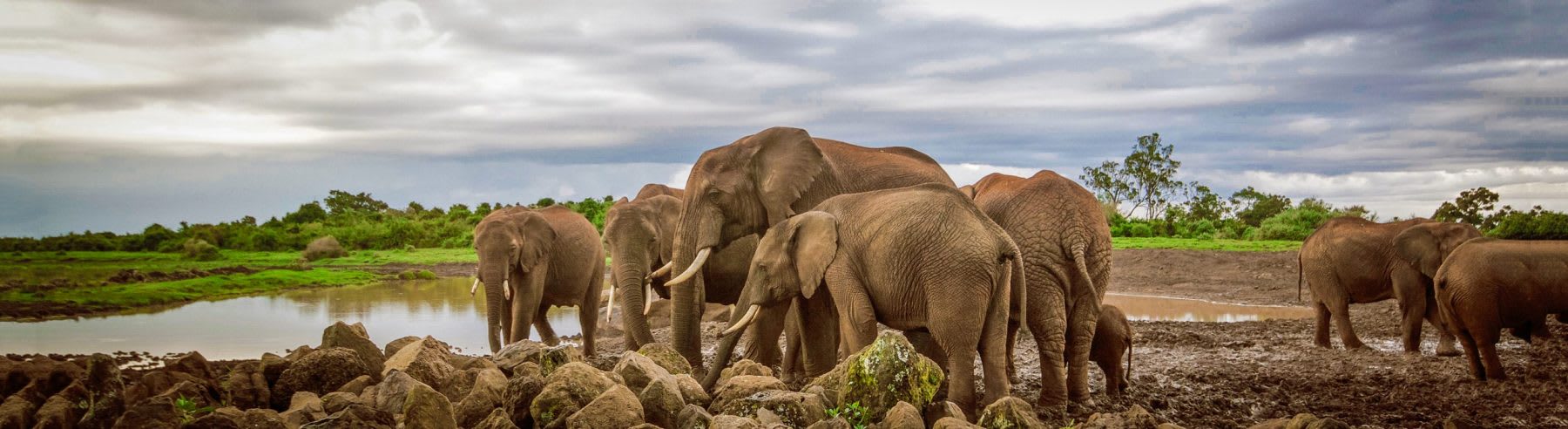
Human–wildlife conflict is defined as "the many ways in which humans and wild animals may compete for resources, such as food, water, and space, or experience violent or deadly clashes as a result of fear, retaliation, or direct attacks of animals on humans." In Kenya's context, this manifests as elephants raiding crops in a single night, lions and leopards preying on livestock, giraffes damaging property, and snakes entering settlements—each interaction creating economic shocks that rural communities struggle to absorb.
Unlike poaching (an intentional crime), HWC emerges from habitat overlap, resource scarcity, and the collision of human development with wildlife movement. As Alfred Mwanake, CEO of the Taita Taveta Wildlife Conservancies Association (TTWCA), notes: "Wildlife prey on people's livestock, eat their crops and trample their fields, threatening rural livelihoods. If conservation initiatives fail to involve local communities, feelings of resentment will escalate, leading to increased poaching and acts of retaliation."
Where Is HWC Worst in Kenya?
Human–wildlife conflict is geographically concentrated. As of December 2024, a pilot government-backed insurance scheme operated in six counties accounting for 80% of Kenya's HWC incidences. Key hotspots include:
- Taita Taveta County (near Tsavo National Park): Schools face learner absenteeism and teacher demoralization due to livestock and crop losses; academic performance has deteriorated in schools near protected areas.
- Amboseli-Tsavo-Kilimanjaro landscape: Home to iconic elephants and large carnivores; community conservancies now protect critical corridors.
- Eastern Kenya (Garissa region): Human–giraffe conflict is emerging as a distinct conservation concern, with local attitudes and risk perceptions shaping coexistence pathways.
- Laikipia County: Conservancies are testing comprehensive conflict-management strategies across shared-use rangelands.
- Chyulu Hills and Maasai Mara regions: Grassland restoration efforts show promise in reducing conflict trends.
The Scale of the Problem: Who Suffers?
Economic Impact on Livelihoods
Between 2007 and 2016, Kenya's National Compensation Scheme (KNCS) received 18,794 compensation claims related to human–wildlife conflict. These figures underestimate the true burden: many rural households lack awareness of compensation schemes, live outside formal protection zones, or cannot afford the administrative costs of filing claims. When elephants destroy a farmer's crops or lions kill livestock, the resulting income loss forces families into debt, food insecurity, and illegal livelihood strategies—including poaching and habitat degradation—that undermine conservation itself.
Education & Child Welfare
HWC cascades into social harm. Research in Taita-Taveta County near Tsavo National Park found that conflict-driven livestock and crop losses prevent parents from paying school fees, causing high learner absenteeism and delays. Teacher morale declines, and school performance suffers in national exams. This creates a vicious cycle: children without education have fewer livelihood alternatives and are more likely to resort to poaching or unsustainable resource use as adults.
Human Safety & Mortality
While precise fatality figures are not specified in recent data, the research confirms that HWC includes "loss of life" alongside property damage. Snakes, elephants, hyenas, lions, and leopards all contribute to human-wildlife conflict cases, with fatalities and injuries recorded under the KNCS compensation framework.
Why Is HWC Worsening? Key Drivers
Wildlife Population Recovery & Habitat Loss
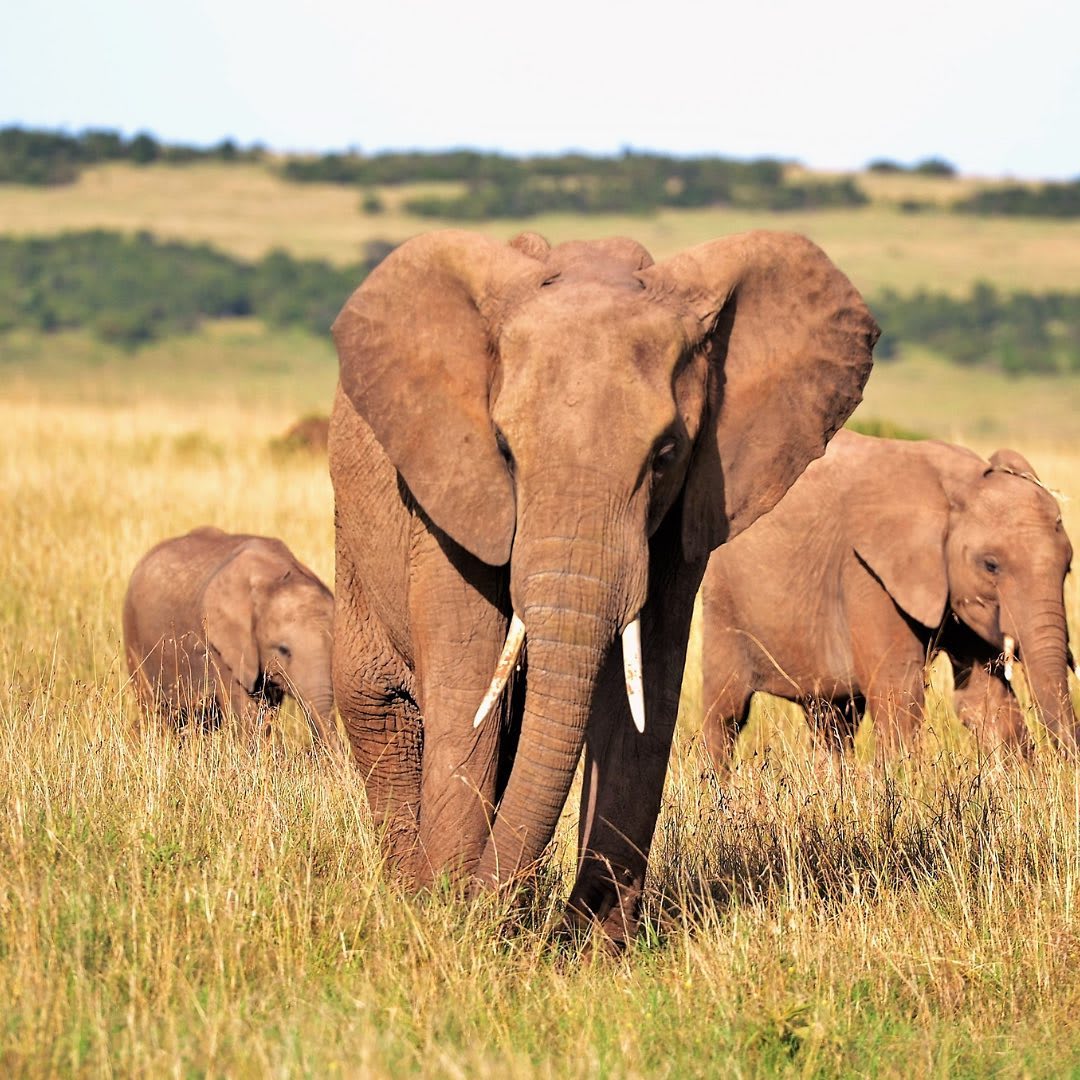
Kenya has made remarkable progress in protecting elephants and other species from poaching. However, as wildlife populations recover and human settlements expand into migration corridors, encounters intensify. The African savanna elephant remains endangered, yet habitat fragmentation means recovering populations now face human-dominated landscapes with few safe corridors. Kenya's protected areas cover approximately 12.34% of the nation's land mass, leaving 87.66% as shared-use zones where people, livestock, and wildlife compete.
Climate Change & Drought
Prolonged droughts force both wildlife and pastoralist herds to concentrate around remaining water and forage, intensifying competition and conflict. Climate variability also degrades grasslands, reducing wildlife habitat quality and pushing animals toward agricultural fields.
Population Growth & Land-Use Change
Kenya's human population continues to grow, and land-use conversion (agriculture, settlements, fencing) fragments wildlife habitat and eliminates traditional migration routes. Encroachment—where expanding human populations occupy areas historically inhabited by wildlife—elevates HWC risk significantly.
Loss of Biodiversity Context
Kenya has lost 68% of its wildlife population over recent decades due to a combination of climate change, heightened economic activities, and land-use changes. This decline reflects not only poaching but also habitat loss and HWC-driven lethal control of predators, creating a feedback loop of ecosystem degradation.
What's Being Done: Community Conservancies & Innovations
Community Conservancies: The Proven Model
The most successful HWC mitigation in Kenya centres on community-led conservancies. Kenya's conservation strategy increasingly recognizes that protecting wildlife outside formal protected areas is essential for species survival. Through partnerships with IFAW, USAID, Big Life Foundation, Amboseli Ecosystem Trust, Taita Taveta Wildlife Conservancies Association, and Tsavo Trust, 55 local wildlife conservancies have been established across Amboseli and Tsavo landscapes. These conservancies have directly protected the livelihoods of over 90,000 people while maintaining viable wildlife populations.
Key features include:
- Land-use planning: Separating areas for conservation, livestock, farming, and settlement reduces human–wildlife contact.
- Community rangers: Local teams like Team Lioness (composed of women from the communities they patrol) serve as first responders to conflict incidents, gathering intelligence and building social trust.
- Benefit-sharing: Tourism revenue and conservation payments incentivize communities to tolerate wildlife presence.
- Education & livelihoods: IFAW has provided scholarships to over 120 children, encouraging alternative careers in tourism and conservation rather than extractive resource use.
Acoustic Deterrence: The Ambiance Technology
A breakthrough pilot at Mpala Research Centre in Laikipia tested Ambiance, a solar-powered speaker system broadcasting human conversation or bird vocalizations to deter wildlife. Results were striking:
- Elephants reduced space use by 51% and activity by 66%
- Foraging behaviour declined by 80%
- Tree damage fell by 64%
- Effects persisted for weeks after broadcasts ceased
Mesocarnivores and rodents also altered foraging patterns, demonstrating that simulated human disturbance reshapes wildlife behaviour over extended periods. The Kenya Wildlife Service, Amboseli Trust for Elephants, and local community conservancies have expressed strong interest in scaling this technology.
Grassland Restoration: Nature-Based Climate Solutions
Conservation International, supported by Apple, has restored 11,000 hectares of degraded rangeland in the Chyulu Hills and Maasai Mara region, with a goal of 20,000 hectares by 2027. Research shows a clear correlation: as restored grassland area increased, reported human–wildlife conflicts decreased. Camila Donatti, lead researcher and senior director for climate change adaptation at Conservation International's Moore Center for Science, explains: "We know now that the number of reported human–wildlife conflicts decreased as the restored areas increased, showing that grassland restoration is likely to play some role in reducing human–wildlife conflicts."
This nature-based approach also strengthens community resilience to climate variability—a dual benefit for adaptation and conservation.
Deterrence Devices: Beehive & Hedgehog Fences
Simple, low-cost innovations have proven highly effective. Beehive fences leverage elephants' natural fear of bees while providing income for rural farmers through honey production. Hedgehog fences (named for their shape rather than function) have demonstrated 100% reduction in crop damage where implemented in Kamungi Conservancy.
Government-Backed Insurance Pilot (2024–2026)
In a landmark first, commercial insurance companies have entered HWC mitigation. The Government of Kenya, with support from Luxembourg's Ministry of Finance, launched a macro sovereign insurance scheme in December 2024, covering human death, injuries, animal predation, depredation, crop damage, and property damage. The government is the policyholder on behalf of all Kenyan residents affected by wildlife outside protected areas. The pilot operates in six counties and is scheduled to conclude in January 2026, with results informing potential national rollout. Early results have been positive and sparked interest from other African countries.
Integrated National Approach
The Global Environment Facility (GEF) is funding projects to advance human–wildlife conflict management effectiveness through integrated approaches, emphasizing fair and timely compensation, improved land-use planning, benefit-sharing, and modern conflict-prevention tools.
How Tourism & Safari Visitors Support HWC Solutions
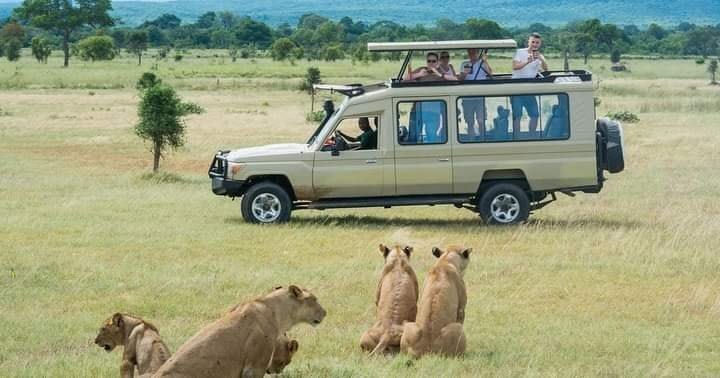
When you book a safari in Kenya, your fees directly fund conservation and community welfare. Revenue from luxury Kenya safaris and community-based tourism lodges supports ranger salaries, equipment, and community conservancy operations. Affordable safari packages managed by local operators also generate employment and incentives for wildlife protection.
Visitors can maximize their conservation impact by:
- Booking with operators who explicitly support community conservancies and ranger welfare
- Choosing lodges within or partnered with conservancies (e.g., in Amboseli, Tsavo, Laikipia, or Maasai Mara)
- Asking operators about their HWC mitigation programmes and community benefit-sharing
- Supporting conservation-focused organizations like IFAW, Tsavo Trust, and the Amboseli Trust for Elephants through donations or volunteer opportunities
SafariFind enables transparent booking of Kenya and Tanzania safari operators with clear conservation credentials, helping travellers align their spending with verified impact.
Successes, Challenges & What Remains
Progress Made
- 55 community conservancies protecting over 90,000 people and maintaining wildlife populations
- Acoustic deterrence reducing elephant crop damage by up to 80% in pilot areas
- 11,000 hectares of grassland restored with measurable conflict reduction
- Team Lioness and community ranger programmes expanding women's participation in wildlife security
- Government insurance pilot providing first-time financial protection for conflict-affected households
- Education scholarships reducing intergenerational poverty and poaching risk
Persistent Challenges
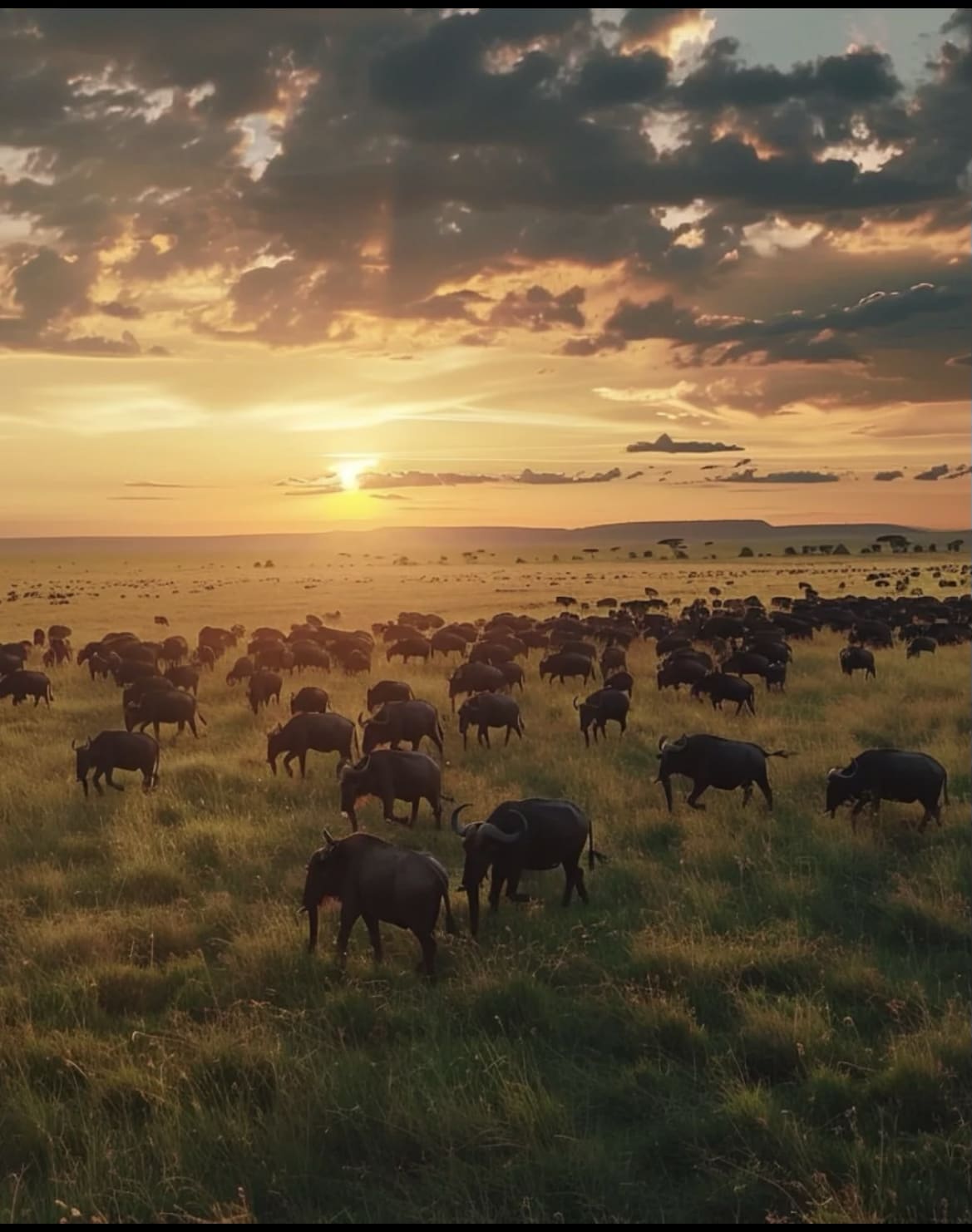
- Habitat fragmentation: Despite recovery efforts, wildlife corridors remain threatened by human settlement and fencing. Migratory routes—essential for elephant, zebra, wildebeest, and predator populations—are increasingly blocked.
- Rapid population growth: Kenya's human population continues expanding, intensifying land competition and HWC incidents in new areas.
- Funding constraints: While USAID, GEF, and private donors provide significant support, the scale of need exceeds available resources. Community conservancies depend on tourism revenue, which is vulnerable to global economic shocks and climate disruptions.
- Climate variability: Droughts force wildlife and livestock into shared water and forage zones, creating recurring conflict spikes.
- Compensation delays: Even with the KNCS and new insurance schemes, payment timelines and eligibility criteria often leave affected families waiting months for relief.
- Scaling acoustic & restoration technology: While Ambiance and grassland restoration show promise, deployment across all 80%-conflict counties requires significant investment and technical capacity.
- Balancing wildlife recovery with human needs: As elephant and other populations recover—a conservation success—managing human–wildlife coexistence becomes more complex, requiring sustained investment in deterrence, compensation, and livelihood alternatives.
Honest Assessment
Kenya's conservation leadership is genuine: the country has shifted focus from poaching toward sustainable coexistence. However, the underlying drivers—population growth, climate change, land scarcity, and poverty—require solutions beyond conservation alone. As one researcher notes, "the encounters between these returning creatures and the humans they meet won't always be easy to manage, but … when communities understand the changes and are involved in planning for them, they can prepare for the unexpected, with coexistence in mind."
How You Can Help Responsibly
Before & During Your Safari
- Research operator credentials: Ask about HWC mitigation programmes, ranger training, and community benefit-sharing. Reputable operators will provide transparent answers.
- Support community conservancies: Choose lodges within conservancies like those in Amboseli, Tsavo, or Laikipia. Your fees directly fund local rangers and conflict mitigation.
- Respect wildlife distance guidelines: Adhere to park regulations and guide instructions to minimize disturbance and reduce habituation (which can increase conflict).
- Learn about HWC: Guides and lodge staff can explain local conflict dynamics, deterrence methods, and community conservation efforts. Understanding the context deepens your appreciation of conservation work.
After Your Safari
- Donate to verified organizations: IFAW, Tsavo Trust, Amboseli Trust for Elephants, and the Taita Taveta Wildlife Conservancies Association all have transparent track records in HWC mitigation and community support.
- Advocate for protected corridors: Support policy efforts to establish wildlife migration corridors and transboundary conservation areas, which reduce long-term HWC risk.
- Share your story: Document and share responsible wildlife experiences. Positive narratives encourage other travellers to choose conservation-aligned operators.
The Path Forward: 2026 & Beyond
Kenya's human–wildlife conflict is not a problem to be "solved" but a dynamic challenge to be managed with wisdom, investment, and community leadership. The evidence is clear: when local people lead conservation, benefit from wildlife protection, and have access to deterrence tools and compensation, coexistence works. Grassland restoration, acoustic technology, and insurance mechanisms are expanding the toolkit.
However, scaling these solutions across all conflict-prone landscapes—and sustaining them through climate variability and population growth—requires sustained funding, political commitment, and global support. Travellers booking safaris on platforms like SafariFind play a direct role: your choice to visit Kenya responsibly funds the rangers, conservancies, and community programmes that make coexistence possible.
Last reviewed July 2026. Conservation data changes — see the cited sources for the latest figures.
 Ask Tembo about this guide
Frequently Asked Questions
What is human–wildlife conflict in Kenya?
Human–wildlife conflict (HWC) is when humans and wild animals compete for resources (food, water, space) or experience violent clashes. In Kenya, this includes elephants raiding crops, lions killing livestock, giraffes damaging property, and snakes entering settlements. It's a direct result of habitat overlap and resource scarcity, not intentional crime like poaching.
How many people are affected by human–wildlife conflict in Kenya?
Over 90,000 people across Amboseli and Tsavo landscapes are directly affected by HWC. Between 2007 and 2016, Kenya's National Compensation Scheme received 18,794 compensation claims, though many more incidents go unreported due to lack of awareness or administrative barriers.
Which animals cause the most conflict in Kenya?
Snakes, elephants, hyenas, lions, and leopards are the primary conflict species in Kenya. More recently, human–giraffe conflict has emerged as a distinct conservation concern in eastern Kenya. Conflict species vary by region: elephants dominate in Tsavo and Amboseli; lions and hyenas in pastoral areas; giraffes in arid regions.
What are community conservancies and how do they reduce conflict?
Community conservancies are land-management areas owned and operated by local communities with conservation partners. Kenya has established 55 conservancies across Amboseli and Tsavo landscapes, protecting over 90,000 people. They reduce conflict through land-use planning (separating wildlife, livestock, and farming areas), community ranger programmes, benefit-sharing from tourism, and livelihood alternatives like education scholarships.
How does the Ambiance acoustic deterrence system work?
Ambiance is a solar-powered speaker that broadcasts human conversation or bird vocalizations to deter wildlife. A pilot at Mpala Research Centre in Laikipia found that elephants reduced space use by 51%, activity by 66%, foraging by 80%, and tree damage by 64%. Effects persisted for weeks after broadcasts stopped, showing sustained behaviour change.
Can grassland restoration reduce human–wildlife conflict?
Yes. Conservation International restored 11,000 hectares of degraded rangeland in Chyulu Hills and Maasai Mara, with research showing that reported HWC incidents decreased as restored grassland area increased. Healthy grasslands provide wildlife forage, reducing pressure on agricultural areas and human settlements.
Is there government compensation for human–wildlife conflict losses in Kenya?
Yes. Kenya's National Compensation Scheme (KNCS) has processed thousands of claims since 2007. Additionally, a landmark government-backed insurance pilot (funded by Luxembourg and the Government of Kenya) launched in December 2024 across six counties accounting for 80% of HWC incidents, covering human death, injuries, animal predation, crop damage, and property damage. The pilot concludes January 2026, with results informing national rollout.
How do safari tourists help reduce human–wildlife conflict?
Safari fees fund community conservancies, ranger salaries, deterrence tools, and livelihood alternatives like education. By booking with operators that support community conservancies and asking about HWC mitigation programmes, tourists directly finance conflict reduction. Choosing lodges within conservancies in Amboseli, Tsavo, or Laikipia maximizes conservation impact.
What are beehive fences and hedgehog fences?
Beehive fences exploit elephants' natural fear of bees while providing honey income for farmers. Hedgehog fences (named for their shape) are physical barriers that have achieved 100% crop damage reduction in Kamungi Conservancy. Both are low-cost, nature-based deterrence devices that protect livelihoods without harming wildlife.
Why is HWC worsening in Kenya despite conservation success?
As wildlife populations recover (a conservation win), they encounter expanding human settlements and fragmented habitats. Climate variability intensifies competition for water and forage. Kenya's human population continues growing, occupying wildlife corridors. The result: more frequent encounters despite fewer poaching deaths—a success that paradoxically creates new coexistence challenges.
What organizations are leading HWC mitigation in Kenya?
Key organizations include IFAW (International Fund for Animal Welfare), Tsavo Trust, Amboseli Trust for Elephants, Taita Taveta Wildlife Conservancies Association (TTWCA), Conservation International, the Kenya Wildlife Service, and community ranger programmes like Team Lioness. They work with USAID, GEF, and local communities on integrated solutions.
How can I support HWC mitigation when booking a Kenya safari?
Choose operators and lodges within community conservancies; ask about HWC programmes and ranger support; donate to verified organizations like IFAW, Tsavo Trust, or Amboseli Trust for Elephants; and advocate for protected wildlife corridors. SafariFind helps you identify conservation-aligned operators with transparent impact credentials.
Sources
- Kenyan Communities Lead the Way: A Solution that Engages Communities
- A looming crisis: exploring how human-wildlife conflict affects provision of quality education in Kenya (Maghanga, R. M., 2024)
- Human–giraffe conflict in eastern Kenya: local interactions, attitudes, perceived risks, and pathways to coexistence (Ali et al., 2026)
- Human-wildlife conflict insurance: Early lessons from Kenya's tech-based pilot
- Human-Wildlife Conflict Management: Towards a Comprehensive Strategies for Sustainable Coexistence in Conservancies in Laikipia County
- Human-wildlife conflict in Kenya (IFAW)
- Restoring grasslands led to fewer human-wildlife conflicts in Kenya, research finds
- Ambiance: Solar-Powered Speaker for Human-Wildlife Conflict Mitigation
- Advancing human-wildlife conflict management effectiveness in Kenya through an integrated approach (GEF)
- Protecting Wildlife in Kenya (VOA)(official)
- Wildlife conservation in Kenya (IFAW)
- Human-wildlife conflict: definitions and how they relate to elephants (Tsavo Trust)
- Elephant conservation's successes: how do we handle population recovery (Tsavo Trust)
Related to
Ready to start your safari adventure?
Explore curated safari packages and find your perfect African adventure with verified operators.