Is a South Africa Safari Safe? 2026 First-Timer Guide
Discover Is a South Africa Safari Safe? 2026 First-Timer Guide - Expert guide to safari tourism and wildlife destinations.

Is a South Africa Safari Safe? First-Timer Guide 2026
Last updated: August 2026
Kruger is a malaria-risk zone from October to May, yet a South Africa safari is generally safe when you choose a well-run reserve, follow your guide, and plan health steps before travel.
Is a South Africa Safari Safe? 2026 First-Timer Guide gives a clear answer: South Africa safaris are generally safe in managed reserves with experienced guides. Kruger needs malaria planning, especially from October to May, while malaria-free reserves are an option for travelers who want to avoid antimalarial medication. Compare verified operators, inclusions, and reviews before you book.
At a Glance
- Safety: Safari reserves and lodges are generally safe and well managed when experienced guides handle wildlife risks.
- Malaria: Kruger is a malaria-risk zone, with higher concern during the warm, wet October-to-May period.
- Health planning: Visit a travel clinic for malaria advice and use high-DEET insect repellent in malaria-risk areas.
- Best for: Families, first-time safari travelers, and couples who choose the right reserve and follow park rules.
- Cost: No single verified price range applies to every South Africa safari; compare lodging, transfers, park fees, meals, and game drives.
- Getting there: Plan city transfers carefully, because normal urban safety precautions still apply in Johannesburg and other cities.
Introduction: Is a South Africa Safari Safe for First-Timers?
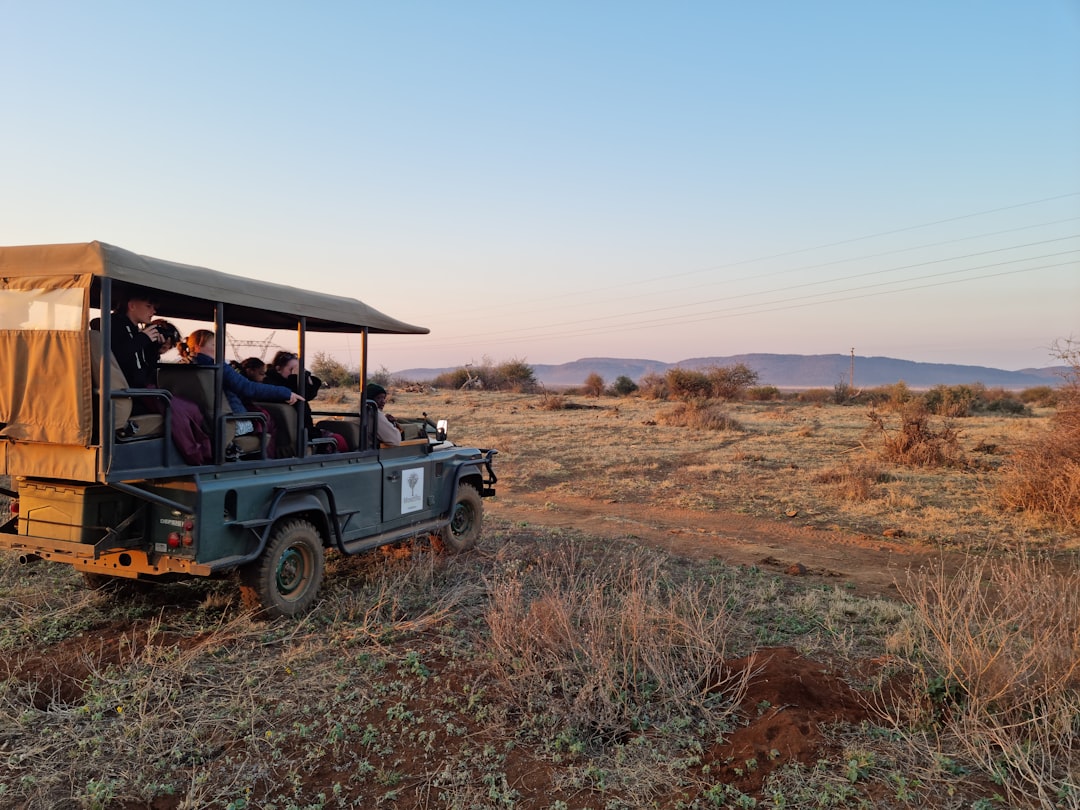
Is a South Africa Safari Safe? 2026 First-Timer Guide starts with a direct answer: a South Africa safari is generally safe when you stay in a managed reserve, travel with an established operator, and follow guide instructions. Most safari safety comes from good planning, not luck. Your guide sets the rules around animals, vehicles, walks, and lodge areas.
A South Africa safari is safest when you treat wildlife as wild, use the right health precautions, and separate reserve safety from city safety. Malaria-free reserves suit travelers who prefer not to take antimalarial medicine, while Kruger trips need a travel-clinic conversation before departure.
This guide explains what “safe” means on safari in 2026. You will learn how to pick a reserve, assess an operator, prepare for malaria, manage transfers, and travel with children. You will also find clear answers to the two key booking questions: which safari region fits you, and what costs you need to compare.
What Is a South Africa Safari Safe? 2026 First-Timer Guide?
A South Africa safari safety guide is a practical plan for reducing avoidable risks before and during your trip. It covers reserve choice, malaria precautions, wildlife rules, operator checks, lodging, and city transfers. In 2026, the safest first safari is one built around a reputable operator and clear daily guidance.
Compare South Africa safari packages with verified operators and clear trip details before you pay a deposit.
What safari safety means in South Africa
South Africa safari safety is not the same as being completely risk-free. You are visiting areas with wild animals, open landscapes, and changing weather. However, safari areas, reserves, and lodges are generally safe and well managed when experienced guides handle wildlife risks.
Safari guides control the key moments that worry first-timers. They explain when to remain in the vehicle, where to walk, how to move around camp after dark, and what to do during a close animal sighting. Following those instructions is the most important wildlife safety rule on any South Africa safari.
Known for: structured wildlife experiences
South Africa safari reserves are known for guided game drives, lodge-based stays, and organized wildlife viewing. This structure helps first-time visitors because a trained team manages the day’s route, animal encounters, and many practical details. SafariFind connects travelers with verified tour operators, making it easier to compare the planning standards behind each itinerary.
Kruger National Park is a key choice for many travelers, but it needs specific health planning. Kruger is a malaria-risk zone, particularly during the warm and wet months from October to May. That fact does not make a Kruger safari unsafe. It means you should make an informed health plan before you travel.
Why this matters for families and first-timers
Families need a safari plan that matches their children’s ages, comfort level, and health needs. A South Africa safari is generally safe for families when adults follow park rules and choose an appropriate setting. Malaria-free reserves can be a useful option for families who want to avoid antimalarial medication.
First-time travelers should also avoid treating every South Africa destination as identical. A city hotel, a road transfer, a self-drive route, and a guided private reserve each need different safety habits. Read this guide alongside SafariFind’s guide to the best parts of South Africa for safari beyond Kruger to match the region to your travel style.
What Makes a South Africa Safari Safe in 2026?
A South Africa safari is safe when an established operator manages wildlife viewing, guests respect reserve rules, and travelers plan health and transport details in advance. The strongest safety choices are simple: use accredited operators, listen to guides, secure city transfers, and seek medical advice for malaria-risk areas.
Choose an established operator and ask direct questions
Established, accredited operators are central to safe game drives and guided walks. Before booking, ask who leads your drives, what happens after dark at camp, whether children can join activities, and how airport transfers work. Clear answers show that the operator has a defined guest-safety process.
SafariFind helps you compare verified tour operators and authentic traveler reviews in one place. Focus on the details that affect your trip: group size, drive schedule, accommodation setting, transfers, and what the operator includes. A low headline price means little if it leaves major parts of your journey unclear.
Understand malaria without panic
Kruger National Park requires malaria awareness from travelers, especially from October through May. Speak to a travel clinic about prophylaxis if you are visiting a malaria-risk area. The same guidance advises travelers to pack insect repellent with a high DEET concentration.
Malaria-free reserves are an option for travelers who wish to safari without antimalarial medication. This can simplify planning for some families and first-time visitors. Still, “malaria-free” does not remove the need for normal travel health advice, travel insurance, hydration, sun care, and medicines you use at home.
Separate safari safety from city safety
Johannesburg and other urban stops require normal city safety precautions, even when your safari itinerary is organized and secure. Keep valuables out of sight, use planned transfers, know your hotel’s arrival process, and ask your operator for clear pick-up details. Do not assume reserve security applies once you leave the reserve.
South Africa safari travelers often pair a bush stay with Cape Town, coastal travel, or a city night before a flight. That can make a wonderful trip, but each added stop creates another transfer and booking decision. Keep your plan simple if this is your first safari.
How much does it cost for a safari in South Africa?
How much does it cost for a safari in South Africa? The honest answer is that there is no one verified 2026 price for every trip, because accommodation, transfers, meals, park access, game drives, and length all change the final cost. Compare the full inclusion list, not only the first advertised rate.
| Name | Price | Duration | Rating | Best For |
|---|---|---|---|---|
| Malaria-free reserve safari | Compare current operator quotes | Compare itinerary length | Check verified traveler reviews | Families avoiding antimalarial medication |
| Kruger safari | Compare current operator quotes | Compare itinerary length | Check verified traveler reviews | Travelers prepared for malaria planning |
| Safari plus city stay | Compare full transfer and hotel costs | Compare combined itinerary length | Check verified traveler reviews | First-timers combining bush and city |
Compare South Africa safari packages by inclusions, duration, and verified operator details so you can judge total value rather than a headline number.
Use SafariFind’s South Africa safari cost guide by trip length and its guide to nine hidden safari fees as a checklist before you request quotes.
How Do You Plan a Safe South Africa Safari?
You plan a safe South Africa safari by choosing the right reserve, confirming an operator’s process, speaking to a travel clinic when malaria applies, and following every guide instruction on arrival. Start planning several steps before your flight so you are not making health or transfer decisions under pressure.
Step 1: Pick the right safari setting
Malaria-free reserves are a strong starting point for travelers who do not want antimalarial medication. Kruger is a strong option for travelers who are willing to follow malaria guidance and prepare for a malaria-risk area. Your best choice depends on your health needs, travel party, and comfort with medication advice.
Which part of South Africa is best for safari? The best part is the reserve that matches your practical needs: choose a malaria-free reserve if avoiding antimalarials is your priority, or choose Kruger if you are prepared for malaria planning and want that type of safari experience. There is no single best area for every traveler.
Step 2: Prepare before you leave home
South Africa safari preparation should include a travel-clinic visit if your route includes a malaria-risk area. Ask about prophylaxis well before departure and pack high-DEET insect repellent as advised for malaria-risk travel. Keep your prescription medicines in hand luggage and bring copies of important health details.
- Confirm the reserve, lodge, flight times, and airport transfer contact.
- Ask your operator about game-drive rules and walking policies.
- Pack neutral clothing, a hat, sun protection, closed shoes, and repellent.
- Store passport copies, insurance details, and emergency contacts securely.
- Tell the operator about children’s ages, allergies, mobility needs, or dietary needs.
Step 3: Follow guides around wildlife
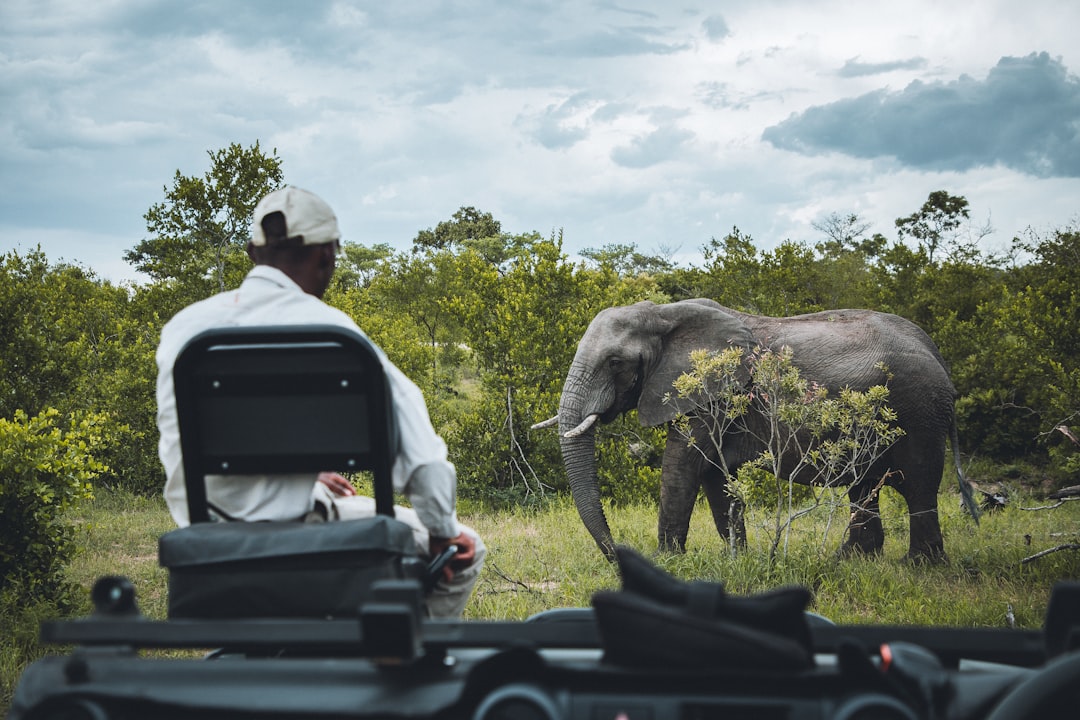
Safari guides are the safety authority during drives and walks. Stay seated unless they say otherwise, keep your voice low near animals, and never try to get closer for a photo. Most safari safety guidance comes down to respecting distance, following instructions, and remembering that animals are not performers.
Wildlife safety also continues at the lodge. Ask staff where you may walk after dark, use an escort when the property requires one, and keep food inside designated areas. Do not leave children unsupervised near open bush areas, even at a family-friendly property.
Step 4: Build safe transfers into the itinerary
South Africa city travel needs the same common-sense habits you would use in any major destination. Arrange transfers through your lodge or operator, keep arrival details saved offline, and avoid displaying passports, cash, or expensive devices. Urban precautions still matter even when the safari part of your trip is well planned.
Families can also compare facilities, child policies, and room layouts before booking. SafariFind’s guide to five family-friendly South Africa safari lodges can help you make those choices with more confidence.
Suggested image alt text
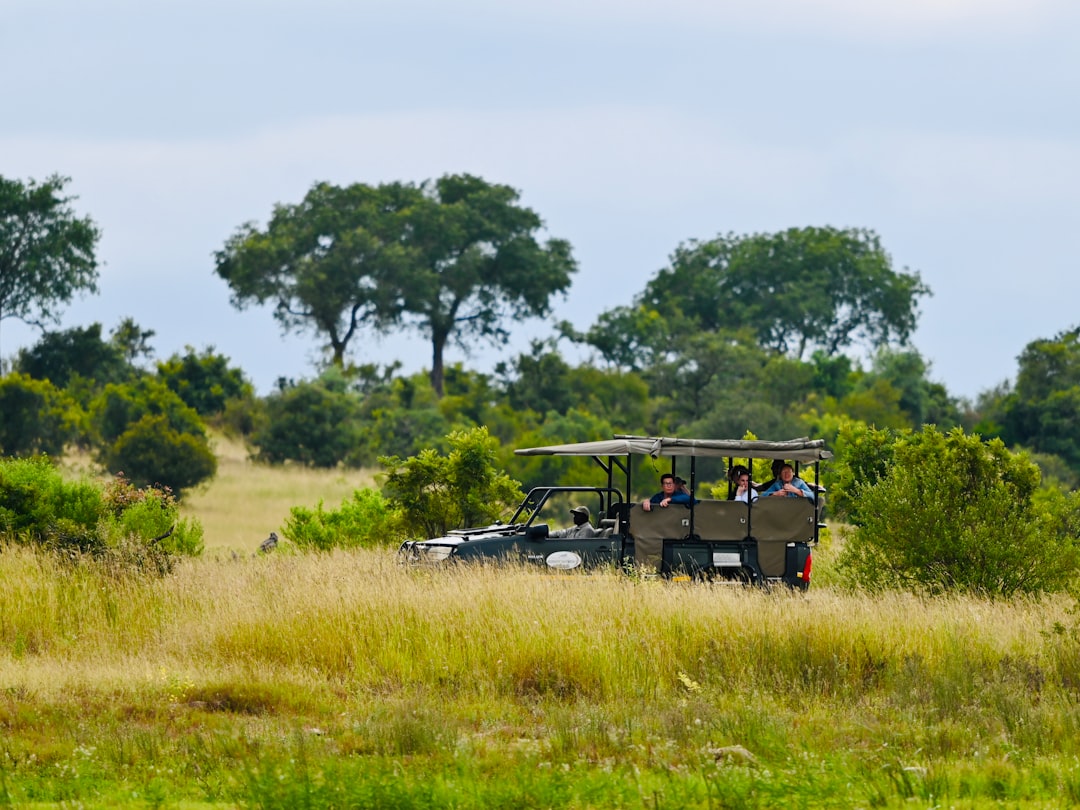
- Hero image: “Guide speaking to first-time visitors in an open safari vehicle in South Africa.”
- Health image: “Traveler applying insect repellent before an evening safari in a malaria-risk area.”
- Family image: “Family watching wildlife from a guided safari vehicle at a South African reserve.”
Key Takeaways
- Choose a managed reserve and established operator to ensure experienced guides lead wildlife activities and explain reserve rules.
- Speak to a travel clinic before a Kruger trip because Kruger is a malaria-risk zone, especially from October to May.
- Pack high-DEET insect repellent for malaria-risk areas as part of your pre-departure health plan.
- Consider a malaria-free reserve if your family prefers to avoid antimalarial medication.
- Arrange secure city transfers and use normal urban precautions because safari safety does not replace city safety in Johannesburg or other urban stops.
Frequently Asked Questions
Is a South Africa safari safe for first-time travelers?
A South Africa safari is generally safe for first-time travelers when they use an established operator, stay in a managed reserve, and follow guide instructions. Your guide manages wildlife encounters, but you must respect vehicle, walking, and lodge rules throughout the trip.
Is a South Africa safari safe for families?
A South Africa safari is generally safe for families when adults choose an appropriate setting and follow park rules. Families who want to avoid antimalarial medication can consider a malaria-free reserve, while Kruger visitors should seek travel-clinic advice.
Which part of South Africa is best for safari?
The best part of South Africa for safari is the region that fits your health needs and travel style. Malaria-free reserves suit travelers avoiding antimalarial medication, while Kruger suits travelers who are prepared for malaria planning, particularly during October to May.
How much does it cost for a safari in South Africa?
A South Africa safari cost depends on trip length, reserve, lodge level, transfers, meals, park access, and included game drives. Compare the total package inclusion list and verified operator details, because one headline price does not show the full cost of a safari holiday.
Do I need malaria tablets for a Kruger safari?
Kruger is a malaria-risk zone, so travelers should consult a travel clinic about prophylaxis before visiting. Risk is particularly noted during the warm and wet months from October to May, and high-DEET insect repellent is also advised.
How can I book a safe South Africa safari with SafariFind?
SafariFind helps you book with more confidence by connecting you with verified safari operators and authentic traveler reviews. Compare each itinerary’s reserve, transfers, inclusions, family suitability, and operator information before requesting a quote.
Conclusion: Travel Smart, Then Enjoy the Safari
A South Africa safari is generally safe in 2026 when you choose a well-managed reserve, follow trained guides, and plan for your specific route. Kruger travelers should make malaria planning a priority, especially from October to May, while malaria-free reserves offer another route for families and travelers who prefer to avoid antimalarial medication.
Start with your non-negotiables. If health simplicity matters most, ask operators about malaria-free reserve options. If you plan a Kruger trip, speak to a travel clinic and pack high-DEET repellent. If you add Johannesburg or another city stop, arrange reliable transfers and use normal urban caution.
Compare verified South Africa safari packages on SafariFind to review operators, compare itinerary details, read authentic traveler feedback, and request quotes that match your 2026 plans. A clear plan lets you focus on the right part of your first safari: the wildlife, the landscape, and the memories you will bring home.
Plan Your Safari with SafariFind
These recommendations use real data from SafariFind, where you can compare operators, browse packages, and read verified traveler reviews before you book.
Recommended Safari Operators from SafariFind
Recommended Safari Packages from SafariFind
What Travelers Say (SafariFind Reviews)
References
- Best First-Time Safari in Africa (2026 Guide)
- Best South Africa Safari Companies 2026: An Honest Guide
- Is South Africa Safari Safe? 2026 Family Planning Guide | SafariFind
- First-Time Safari? Your Complete 2026 Safari Planning Guide
- Africa Safari Safety 2026: Hidden Risks & Tips
- Safari Guide 2026 - The Real South Africa Travel and Tourism