Is Madagascar Good for Safari? A 2026 Wildlife Reality Check
Discover Is Madagascar Good for Safari? A 2026 Wildlife Reality Check - Expert guide to safari tourism and wildlife destinations.

Is Madagascar Good for Safari? 2026 Wildlife Reality
Last updated: August 2026
Madagascar contains 5% of the world’s species, yet 90% of its species live nowhere else.
Is Madagascar Good for Safari? A 2026 Wildlife Reality Check finds that Madagascar is excellent for rare wildlife, lemurs, baobabs, rainforest walks, and coastal nature trips. A Madagascar safari costs about $2,000-$4,500 per person in 2026. Visit from May to October for drier weather and easier wildlife viewing.
Madagascar Safari at a Glance
- Cost: $2,000-$4,500 per person in 2026
- Best time: May to October for drier travel conditions
- Duration: Allow several days to combine forests, wildlife areas, and coast
- Best for: Lemur lovers, birders, hikers, photographers, and repeat safari travelers
- Wildlife highlights: Lemurs, rare island species, baobabs, rainforest wildlife, and coastal animals
- Main limitation: Madagascar has no lions or elephants, and travel between regions can take a long time
What Makes Madagascar Good for Safari in 2026?
Madagascar is good for safari when you want rare island wildlife rather than Africa’s Big Five. The country offers lemur encounters, rainforest hikes, boat trips, baobab landscapes, and coastal activities. It suits travelers who value unusual species and varied habitats more than large herds or predator sightings.
Madagascar is home to 5% of all species on Earth, and 90% of its species occur nowhere else. This level of endemism gives the island a clear wildlife identity. A forest walk can feel very different from a classic vehicle safari in Kenya, Tanzania, or South Africa.
Known for: Lemurs and island wildlife
Madagascar is known for its lemurs, which are the country’s most famous wildlife attraction. Travelers can also look for unusual birds, reptiles, frogs, insects, and plant life. The island’s wildlife developed in isolation, so many sightings feel local and distinct.
Madagascar is also known for baobabs and changing landscapes. Rainforests, dry forests, wetlands, mangroves, and coastlines create different wildlife experiences. The country therefore works well for travelers who want one trip with walking, photography, water activities, and nature study.
Why the experience feels different
Madagascar safaris often use guided walks instead of long drives across open plains. Guides help visitors find small animals in trees, listen for calls, and notice tracks or movement. This slower style rewards patience and close attention.
Madagascar’s varied ecosystems support rainforest hikes, wildlife-viewing boat trips, and optional snorkeling experiences. Rainforest excursions can be hot and humid, so you should expect active days and changing conditions.
Madagascar’s conservation story also matters in 2026. On April 20, 2026, the government announced a commitment to an ambitious national wildlife-conservation plan. That announcement adds a current conservation context to visits and highlights the need for responsible tourism.
Read the guide to Madagascar safari animals to spot in 2026 before you choose parks or regions. It can help you match your trip with the species you most want to see.
Compare Madagascar safari packages for lemurs, forests, and baobabs to find a trip that matches your wildlife goals and travel style.
What Are the Main Strengths and Limits?
Madagascar’s main strength is its rare wildlife, while its main limits are travel time and the lack of lions and elephants. The destination is best for discovery, guided nature walks, and mixed habitats. It is less suitable for travelers who want classic Big Five viewing every day.
Key strengths of a Madagascar safari
- Rare species: Madagascar offers wildlife found nowhere else on Earth.
- Lemur viewing: Lemurs provide a clear focus for forest-based trips.
- Habitat variety: Rainforest, dry forest, coast, mangrove, and upland areas create varied days.
- Active exploration: Hiking and boat trips add movement beyond vehicle drives.
- Strong photography: Lemurs, baobabs, forest light, and coastal scenes create varied subjects.
Madagascar is especially strong for travelers who have already visited East or Southern Africa. A repeat safari visitor may find the island more surprising than another standard game-drive route. Families with older children, birders, hikers, and wildlife photographers can also enjoy the mix of activities.
Important limitations to understand
Madagascar has no lions or elephants, and long travel times separate many wildlife regions. You should not book this destination expecting the same open-grassland action found in the Serengeti or Maasai Mara.
Madagascar’s wildlife can also be harder to spot than large mammals. Forest animals move through dense vegetation, and sightings depend on light, guide skill, weather, and patience. A good itinerary leaves enough time in each area rather than rushing between several regions.
Madagascar’s accommodation standards may not match those found in some other safari destinations. Lodges and hotels vary by region, so travelers should check room types, bathrooms, power supply, meals, and road access before booking.
How conservation changes the travel choice
Madagascar’s conservation needs make local guiding and responsible operators important. Choose trips that respect wildlife space, use marked trails, limit waste, and support local communities. A verified operator can explain park rules and set realistic expectations about sightings.
Madagascar and Zanzibar announced new national protections for sharks and rays on June 17, 2026. This development shows that the island’s wildlife story extends beyond forests. Travelers can include coastal experiences while supporting wider interest in marine protection.
For a wider trip comparison, explore five Madagascar safari tours worth comparing in 2026. Compare the balance of forest time, road travel, coast visits, and guided activities.
How Much Does a Madagascar Safari Cost in 2026?
A Madagascar safari costs about $2,000-$4,500 per person in 2026, based on the current research summary. The final price depends on trip length, accommodation, transport, guide services, activities, and how many wildlife regions you visit.
Madagascar safari prices often reflect the island’s long overland routes. A lower-cost trip may use simpler lodging and fewer regions. A higher-cost trip may include better hotels, private transport, more guiding time, and coastal or specialist activities.
Price range: What your budget can cover
- About $2,000 per person: A lower-end starting point for a planned wildlife trip with simpler services.
- About $3,000 per person: A mid-range budget for a more balanced route and comfortable lodging.
- Up to $4,500 per person: A higher budget for added comfort, private travel, more regions, or extra activities.
These figures are planning ranges, not a guaranteed quote. Ask what the price includes. Confirm transport, park fees, meals, accommodation, guides, domestic flights, transfers, and optional activities before paying a deposit.
Madagascar’s activity mix can affect value. A rainforest hike, wildlife-viewing boat trip, or snorkeling option may add time and cost. Some activities remain optional, so you can shape the trip around fitness, age, and interest.
Use the detailed Madagascar safari cost guide for a seven-day trip to build a more exact budget. Then request clear inclusions from each operator.
Compare verified Madagascar tour operators and request quotes within your budget before choosing a package. SafariFind connects travelers with verified operators, package details, and authentic traveler reviews.
What a fair quote should explain
- State the number of travel days and nights.
- Name the wildlife areas and towns on the route.
- Explain whether transport is private, shared, or public.
- List accommodation standards for each overnight stop.
- Separate included activities from optional experiences.
- Show payment terms, cancellation rules, and travel insurance needs.
How Should You Plan a Madagascar Safari?
The best Madagascar safari plan uses May to October, allows extra travel time, and matches activities to your fitness. Start with your top wildlife goal, then select regions and transport. Build a flexible schedule because long road journeys can shape the whole trip.
Best time to visit: May to October
May to October is the best time to visit Madagascar for a safari in 2026. The period offers the clearest planning window in the supplied research, with generally drier conditions. Rainforest walks can still feel hot and humid, so light clothing, water, and insect protection remain useful.
Seasonal timing does not guarantee every sighting. Wildlife remains wild, and forest animals can stay hidden. Your guide, route, walking time, and patience matter as much as the calendar.
Getting there and moving around
Getting around Madagascar requires careful route planning because major wildlife areas can sit far apart. Long travel times are a main limitation identified in the 2026 SafariFind assessment. Ask for realistic drive times, road conditions, rest stops, and backup plans.
Madagascar trips can combine road transfers, guided forest walks, boat rides, and coastal stays. The right mix depends on your budget and interests. A traveler focused on lemurs may prefer more forest nights, while a photographer may add baobab landscapes and coastal light.
Best for: Which travelers?
- Best for wildlife specialists: You want endemic animals and unusual species.
- Best for hikers: You enjoy walking in warm, humid forest conditions.
- Best for photographers: You want lemurs, baobabs, forest scenes, and coastlines.
- Best for repeat safari travelers: You want a new wildlife style beyond Big Five viewing.
- Less suitable for: Travelers who need luxury standards or expect daily lion and elephant sightings.
Best practices before departure
Choose a package with enough time in each wildlife area. Avoid an itinerary that lists many regions but allows only one short night in each place. More time in fewer areas often creates better wildlife encounters and less road fatigue.
Pack breathable clothes, walking shoes, a rain layer, insect repellent, sunscreen, a refillable water bottle, and binoculars. Follow your guide’s instructions during walks and boat trips. Participation in physical activities is optional on the referenced wildlife tour, but you should still ask about effort levels before booking.
Health and entry rules depend on nationality and can change. Chinese travelers can review the current Madagascar visa requirements for Chinese citizens before departure. Other travelers should check their own government guidance and consult a qualified medical provider.
How to choose a trustworthy operator
Read recent reviews, check what the price includes, and ask who will guide the trip. A verified marketplace listing can make this process easier. SafariFind helps travelers compare operators, read authentic reviews, and request trip information before booking.
Also ask how the operator supports conservation and local communities. Responsible choices include following wildlife rules, avoiding animal handling, reducing plastic waste, and using local guides where possible.
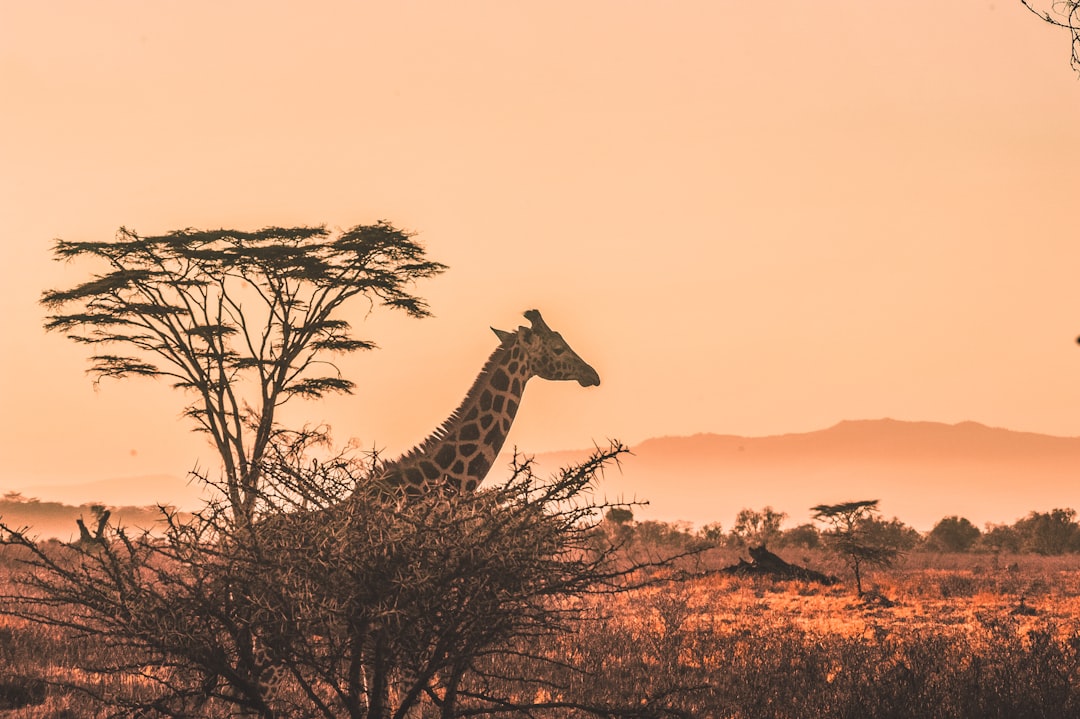
What Wildlife Reality Should You Expect?
Madagascar delivers a close-up wildlife experience, not a classic Big Five safari. Lemurs, endemic species, forest habitats, and baobabs are the main rewards. You should expect slower sightings, active walks, and a stronger focus on habitat than on large predators.
Madagascar’s forests reward travelers who look closely. A guide may point out movement in the canopy, a bird call, a reptile near a trail, or signs of nocturnal activity. These moments can feel personal because the wildlife often appears in smaller, less predictable ways.
Wildlife highlights
Lemurs: Lemurs are the central draw for many visitors. Different forest zones can offer different viewing chances, so your route should reflect the species and habitats you want to see.
Baobabs: Baobab landscapes offer some of Madagascar’s most recognizable scenery. They add a strong visual contrast to rainforest walks and make the island attractive for landscape photographers.
Rainforest species: Rainforests support guided walks and close observation. The conditions can be hot and humid, but the habitat offers a rich setting for wildlife and plant life.
Marine life: Madagascar’s coastal ecosystems add boat trips and possible snorkeling. New national protections for sharks and rays announced in June 2026 reinforce the importance of marine conservation.
What Madagascar does not offer
Madagascar does not offer lions or elephants, according to the 2026 SafariFind assessment. It also does not provide the same open savanna pattern as East Africa. Large herds and frequent predator action should not define your expectations.
That difference is not a weakness for every traveler. Madagascar is valuable because it offers a rare island wildlife story. The trip works best when you measure success by unique sightings, skilled guiding, landscape variety, and time spent outdoors.
How to improve your chances
- Choose a guide with strong local wildlife knowledge.
- Spend several nights in key forest areas.
- Plan some early morning or evening viewing when suitable.
- Carry binoculars and a small flashlight for guided walks.
- Stay quiet and follow distance rules around animals.
- Keep a flexible attitude when sightings change.
Madagascar is therefore a strong choice for curious travelers. It rewards preparation, patience, and a willingness to trade big mammals for rare species and close forest encounters.
Key Takeaways
- Choose Madagascar in 2026 for lemurs, endemic wildlife, rainforests, baobabs, and coastal nature.
- Travel from May to October for the strongest dry-season planning window.
- Budget $2,000-$4,500 per person for a Madagascar safari in 2026.
- Allow extra travel time because long journeys connect many wildlife regions.
- Set realistic expectations because Madagascar has no lions or elephants, but offers wildlife found nowhere else.
Frequently Asked Questions
Is Madagascar good for safari in 2026?
Madagascar is good for safari in 2026 if you want lemurs, endemic species, rainforest walks, baobabs, and coastal habitats. It is less suitable if you mainly want lions, elephants, large herds, or classic Big Five viewing.
How much does a Madagascar safari cost in 2026?
A Madagascar safari costs about $2,000-$4,500 per person in 2026. Your final price depends on trip length, lodging, transport, guides, wildlife regions, and optional activities.
What is the best time to visit Madagascar for wildlife?
The best time to visit Madagascar for wildlife is May to October. This period offers a generally drier travel window, although rainforest areas can still be hot and humid.
Does Madagascar have lions and elephants?
Madagascar does not have lions or elephants. Its safari appeal comes from lemurs, endemic wildlife, baobabs, rainforest habitats, and coastal nature experiences.
How many days do you need for a Madagascar safari?
You need several days for a Madagascar safari because wildlife regions are spread across the island. A longer itinerary gives you more forest time and reduces the pressure of long travel days.
Is a Madagascar safari physically difficult?
A Madagascar safari can include active forest walks in hot and humid conditions. Physical activities are often optional, but you should ask about walking distances, terrain, heat, and boat transfers before booking.
Where can I book a verified Madagascar safari?
You can book through SafariFind, which connects travelers with verified tour operators and authentic reviews. Compare package details, read traveler feedback, and request a quote before choosing your 2026 trip.
Conclusion: Is Madagascar Worth Your Safari Time?
Madagascar is worth your safari time in 2026 when unique wildlife matters more than Big Five viewing. The island offers lemurs, rare endemic species, rainforest hikes, baobab scenery, boat trips, and optional snorkeling. Its main trade-offs are long travel times, active conditions, and varied accommodation standards.
Plan for May to October and set a budget of $2,000-$4,500 per person. Choose fewer regions with more time in each area. That approach gives you better chances to enjoy guided walks without turning the trip into a rushed road journey.
Review the wildlife focus, transport plan, accommodation, and included activities before paying. Compare verified safari packages on SafariFind, read authentic reviews, and request a clear quote from a verified operator. SafariFind makes it easier to find your perfect safari and compare tour operators in one place.
Madagascar’s conservation commitments and new marine protections add fresh reasons to travel responsibly in 2026. With careful planning, the island can deliver one of Africa’s most distinctive wildlife journeys.
Image Alt Text Suggestions
- Madagascar lemur watching from a rainforest trail in 2026
- Baobab trees at sunset during a Madagascar safari
- Guided wildlife walk through humid Madagascar rainforest
- Wildlife-viewing boat trip along Madagascar’s coastal habitat
- Madagascar safari traveler using binoculars to spot endemic wildlife
Plan Your Safari with SafariFind
These recommendations use real data from SafariFind, where you can compare operators, browse packages, and read verified traveler reviews before you book.
Recommended Safari Operators from SafariFind
Recommended Safari Packages from SafariFind
What Travelers Say (SafariFind Reviews)
References
- Madagascar’s Prime Minister Announces Commitment to Protect the World’s Most Irreplaceable Wildlife — Campaign For Nature
- Madagascar Wildlife Adventure 2026 — San Diego Zoo Wildlife Alliance Adventures
- Madagascar: Glittering and Bright — WWF
- Wildlife Madagascar — Community Conservation and Wildlife Protection
- Madagascar and Zanzibar Announce New National Shark and Ray Protections — Wildlife Conservation Society
- Protecting a Wildlife Oasis in Madagascar — Rainforest Trust
- Is Madagascar Good for Safari? 2026 Wildlife Verdict — SafariFind
- Is Madagascar Safe for Safari Tours in 2026?