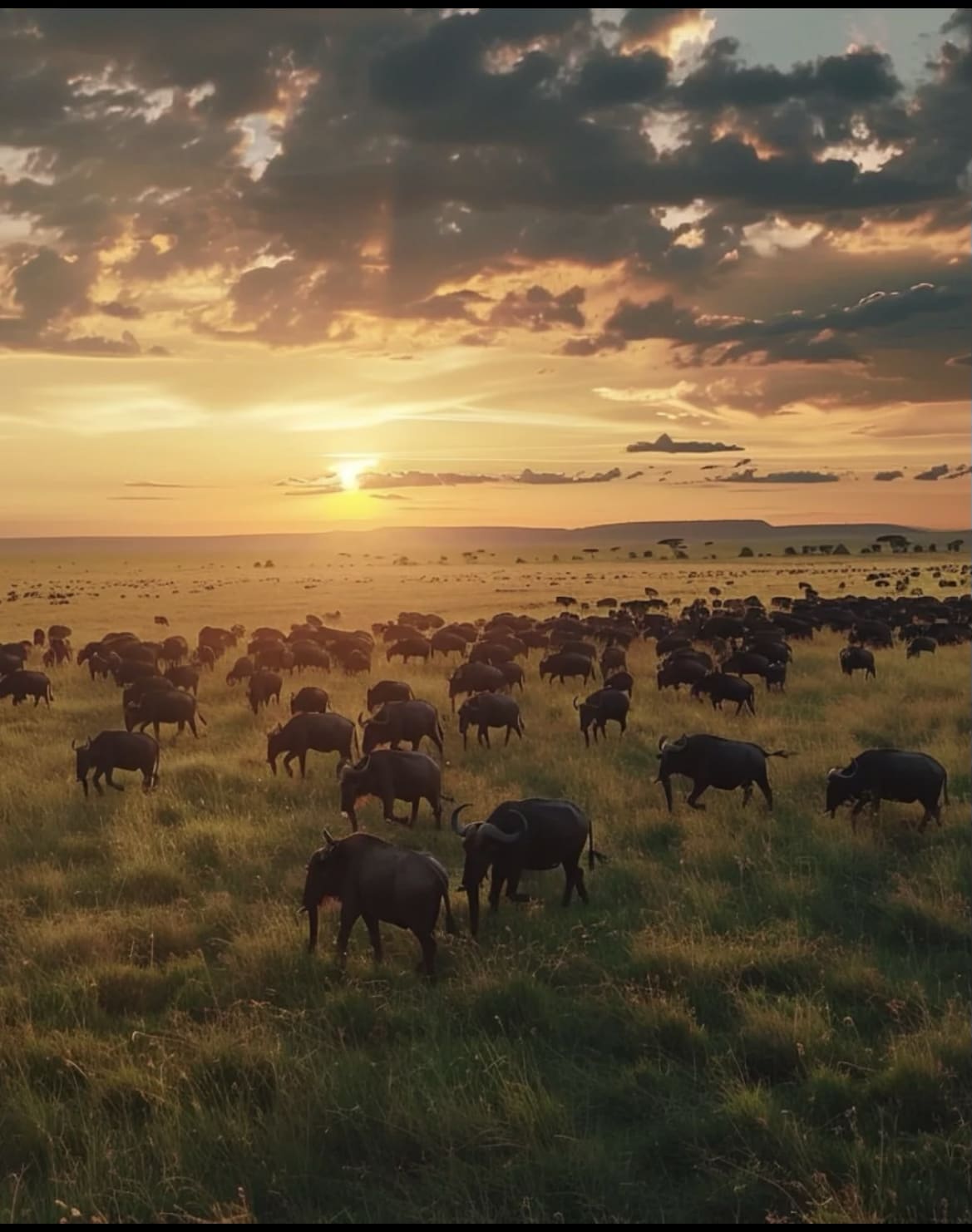
Is Malawi Safe for Safari in 2026? Health & Security
Discover Is Malawi Safe for Safari in 2026? Health & Security - Expert guide to safari tourism and wildlife destinations.
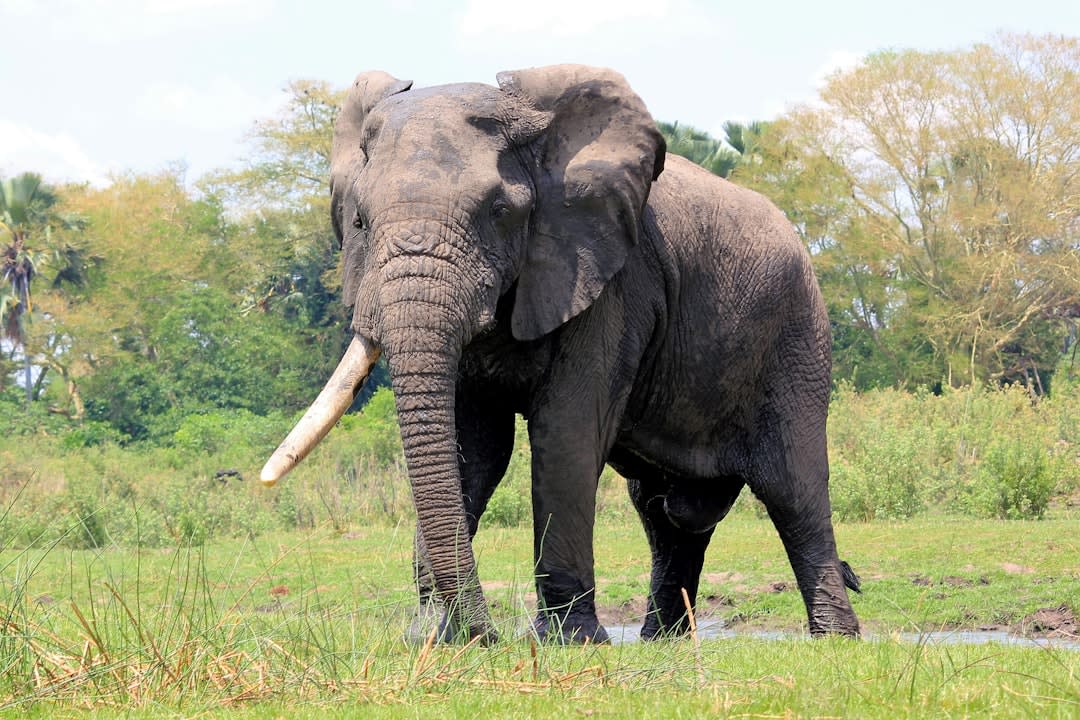
Is Malawi Safe for Safari in 2026? Health & Security
Last updated: July 2026
Is Malawi Safe for Safari in 2026? Health & Security is a practical question with a clear answer: Malawi is generally safe for safari when visitors follow health and travel advice. Malaria prevention and safe water habits matter most. Compare verified Malawi safari packages on SafariFind, then request a quote for your dates and route.
Malawi Safari Safety at a Glance
- Safety level: Exercise increased caution; the cited assessment gives Malawi a 6.0/10 safety score and U.S. advisory level 2.
- Main health concern: Malaria prevention is important, and schistosomiasis is found in Malawi.
- Water safety: Avoid swimming in fresh, unchlorinated water, including lakes, ponds, and rivers.
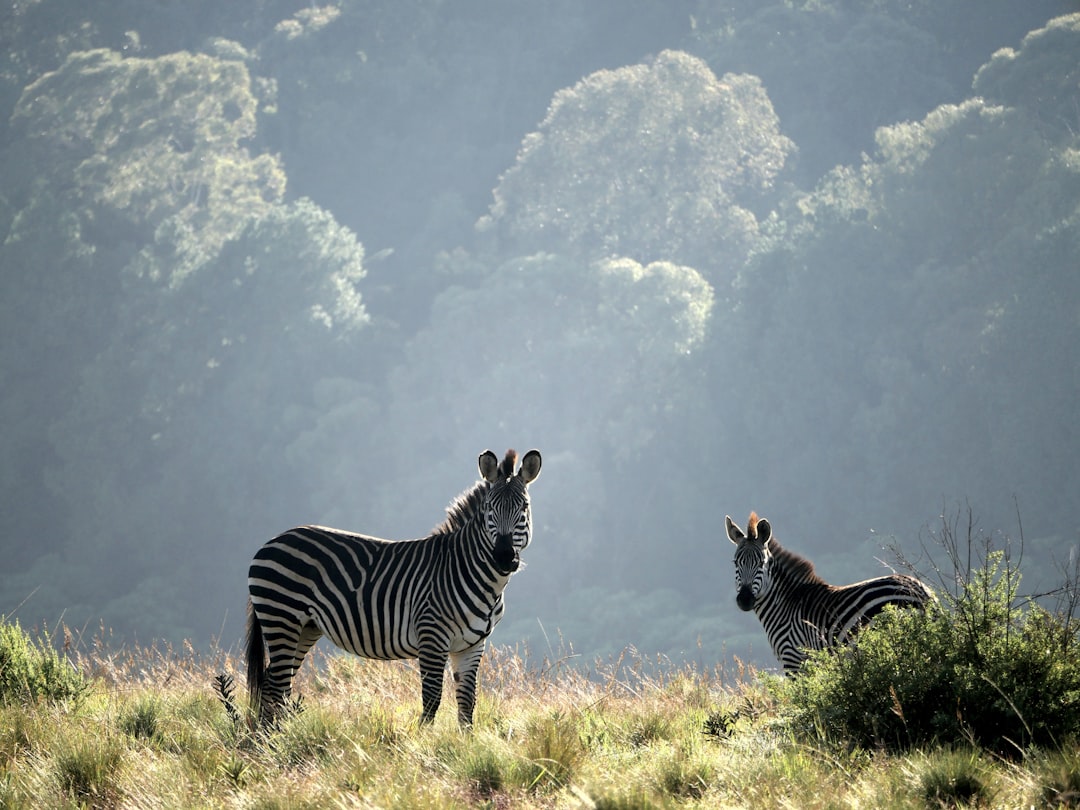
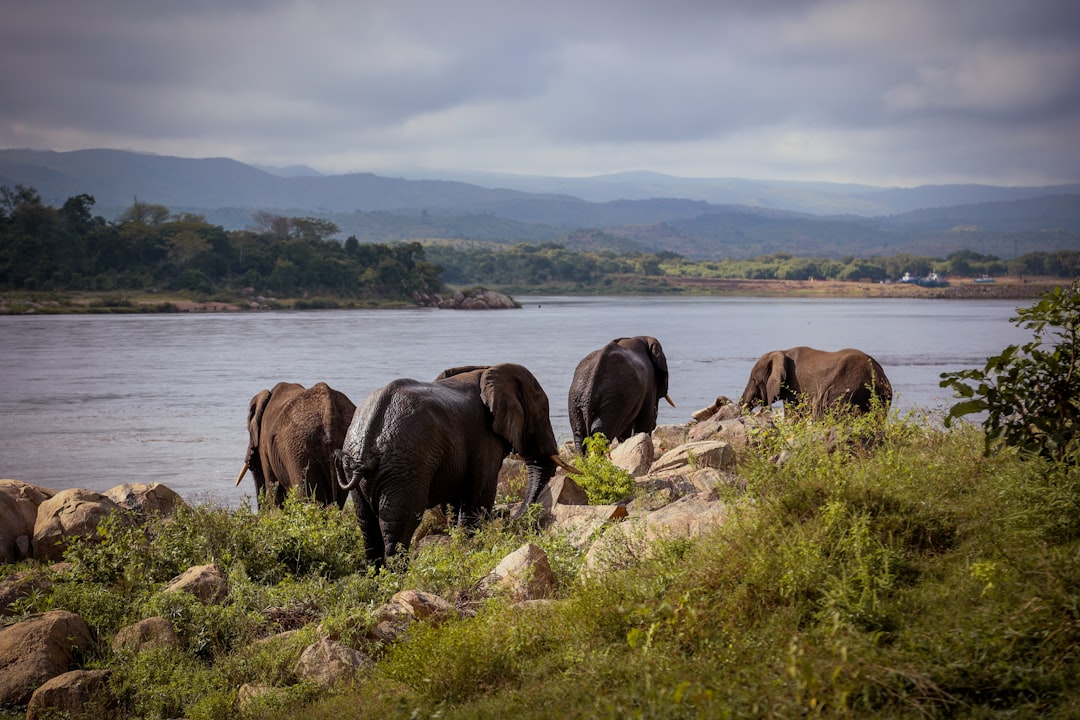
- Wildlife: Malawi hosts the Big Five, plus cheetah, giraffe, zebra, antelope, and many bird species.
- Visa cost: Visa fees for travelers who need one start at USD 50; visa-on-arrival and e-visa options are reported.
- Best for: First-time safari travelers, solo visitors, families, birders, and travelers seeking smaller crowds.
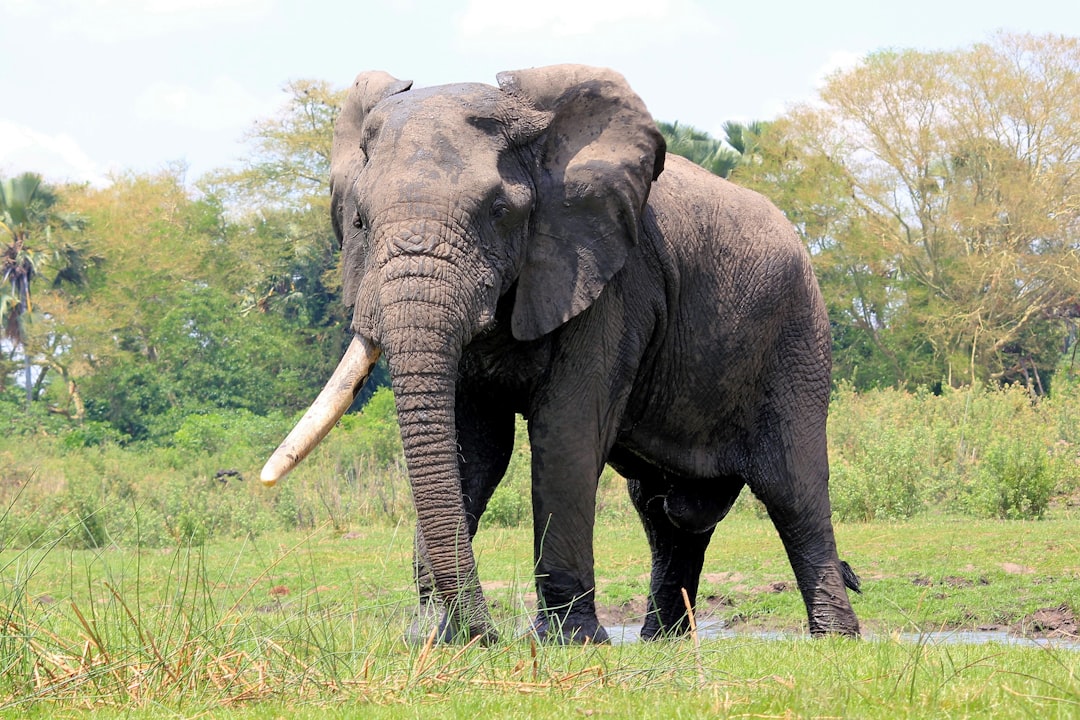
Malawi is home to the Big Five after major conservation and rewilding work in places such as Majete and Liwonde.
Is Malawi Safe for Safari in 2026? Health & Security is not a question with a simple yes or no. Malawi is generally safe for safari, but visitors need a careful health plan. You should also use a trusted operator, follow guide instructions, and check travel updates before departure.
Malawi is often called the “Warm Heart of Africa.” Tourism centers are welcoming, and the country is popular with solo travelers. Still, a friendly destination needs sensible habits. Health risks deserve more attention than serious crime in most safari settings.
Quick answer: Malawi is safe for safari in 2026 when you prevent malaria, avoid untreated freshwater, protect valuables, and travel with a reliable guide. The main health issues are mosquito-borne disease and schistosomiasis. Malawi also offers strong wildlife viewing in Majete and Liwonde, including restored Big Five populations.
This guide explains the main risks, practical steps, and booking questions to ask. It does not replace advice from a doctor, travel clinic, or government travel service. Health rules and entry requirements can change, so check them again before your trip.
What Is Malawi Safety Like for Safari in 2026?
Malawi is generally safe for safari in 2026, especially when visitors stay in established tourism areas and follow local guidance. The main concern is health, not wildlife crime. Travelers should plan malaria protection, avoid unsafe freshwater, secure valuables, and use registered safari operators with trained guides.
Overview
Malawi’s safari areas include protected parks, private concessions, camps, and lake-side communities. Majete and Liwonde are flagship conservation models in Malawi. Both parks regained Big Five wildlife through rewilding and conservation partnerships.
Known for: Malawi is known for recovering wildlife reserves, friendly hospitality, Lake Malawi, and varied safari landscapes. The country hosts lion, leopard, elephant, buffalo, and black rhino. Cheetah, giraffe, zebra, antelope, and diverse birdlife add more variety.
Malawi’s wildlife recovery makes guided travel especially important. Elephants, lions, buffalo, and rhinos remain wild animals. Keep a safe distance, stay inside the vehicle when guides advise it, and never walk outside camp alone at night unless staff escort you.
Key features
Tourist safety in Malawi depends on the setting. A staffed lodge with a trained guide offers more support than independent travel in an unfamiliar rural area. Safari camps also manage wildlife movement, transfers, meals, and emergency communication.
- Known for: Majete and Liwonde, Big Five recovery, lake scenery, and birdlife.
- Best for: Travelers who want a quieter safari and close contact with local guides.
- Health priority: Malaria prevention and medical advice before travel.
- Security priority: Use secure transport, avoid displaying valuables, and follow local advice.
Travelers planning a first visit can also read the Malawi safari first-timer’s guide for parks, costs, and safety. It helps you connect safety planning with park choice and trip length.
Compare verified Malawi safari packages and request a quote from trusted operators.
What Health Risks Should Safari Travelers Know?
Malaria prevention is the main health step for a Malawi safari, while freshwater exposure creates a separate schistosomiasis risk. Visit a travel clinic before departure, follow medical advice about prevention, and pack a basic health kit. The CDC also advises travelers to avoid swimming in fresh, unchlorinated water in Malawi.
Malaria prevention
Malaria is spread by mosquitoes. Your travel clinician can advise whether prescription prevention suits your health and route. Ask about timing, side effects, and what to do if you develop fever during or after travel.
- Use insect repellent on exposed skin.
- Wear long sleeves and long trousers at dawn and dusk.
- Sleep under a treated bed net when your camp provides one.
- Choose rooms with screens or other mosquito barriers.
- Seek medical care quickly for fever during or after the trip.
Malaria prevention does not stop with a tablet. Clothing, repellent, nets, and quick medical attention all matter. Ask your doctor about other routine vaccines and travel medicines before you leave.
Freshwater and schistosomiasis
Schistosomiasis is found in Malawi. Travelers should avoid swimming or wading in fresh, unchlorinated water, including lakes, ponds, and rivers. This advice matters because Lake Malawi and other waterways may look inviting during a safari or beach extension.
Lake Malawi is a major travel attraction, but attractive water is not automatically safe water. Use a lodge pool when it is properly maintained. Ask staff before entering any water, and follow current medical guidance rather than relying on stories from other visitors.
Food, water, and medicines
Use sealed bottled water or water treated by your camp. Be careful with ice, raw food, and food that has not been kept cold. Wash your hands often, especially before meals and after outdoor activities.
Pack prescription medicine in its original container. Carry extra supplies in case a transfer takes longer than planned. A small kit can include oral rehydration salts, sunscreen, insect repellent, personal medicine, and basic first-aid items.
Medical planning
Remote safari areas may sit far from large hospitals. Ask your operator how the route handles illness, injury, evacuation, and after-hours care. Travel insurance with medical evacuation cover is a sensible safeguard for remote wildlife trips.
Health advice should match your itinerary. A lodge near a city, a remote bush camp, and a lake-side stay can carry different needs. Share every destination with your clinician, including stopovers and side trips.
For a wider view of seasonal planning, read the guide to a Malawi safari in July 2026, including wildlife, weather, and prices. Then compare the health support offered by each operator.
How Can You Stay Secure During a Malawi Safari?
Use a trusted safari operator, follow guide instructions, and keep normal travel awareness. The cited safety assessment rates Malawi at 6.0/10 and lists a U.S. advisory level 2, which means travelers should exercise increased caution. This is a reason to prepare, not a reason to cancel every safari.
Personal security
Keep passports, cash, phones, and cameras secure. Do not display large amounts of money in busy places. Use hotel or camp safes when available, and carry only what you need during day trips.
Malawi’s tourist areas are generally calm, but no destination is risk-free. Avoid isolated walks after dark. Ask camp staff about safe routes, local transport, and places to avoid. Their advice reflects current local conditions.
Road and transfer safety
Road transfers can form a large part of a Malawi safari. Choose operators that explain transfer times, vehicle standards, driver experience, and rest stops. Wear a seat belt whenever one is available, and avoid pressuring drivers to travel too fast.
Share your route and lodge details with someone at home. Keep emergency contacts offline as well as online. A charged phone, power bank, and printed booking details can help when signal coverage changes.
Wildlife rules
Wildlife safety starts with listening. Do not call animals, feed them, or leave the vehicle without permission. Elephants, buffalo, lions, leopards, and rhinos can move quickly and behave differently from one sighting to the next.
- Stay seated when your guide tells you to remain inside.
- Keep hands and cameras inside the vehicle near animals.
- Keep voices low during sightings.
- Use a staff escort after dark.
- Tell guides about allergies, health needs, and mobility limits.
Choosing a reliable operator
A reliable operator gives clear prices, named accommodations, emergency contacts, and a written itinerary. Ask whether the package includes transfers, park fees, meals, guide services, and medical support. Request clear answers before paying a deposit.
SafariFind connects travelers with verified tour operators and authentic traveler reviews. Use the marketplace to compare inclusions, read feedback, and ask direct questions. A low price is less useful if the operator gives poor transfer details or weak support.
When comparing costs, use the current package details rather than old blog estimates. The Malawi safari packages guide for 2026 explains how three-, five-, and seven-day plans differ.
Compare Malawi tour operators with verified profiles and authentic reviews.
What Should You Check Before Booking?
Before booking, confirm your health plan, entry documents, transport, accommodation, and emergency support. A safe safari begins before the airport. Write down every promise that affects safety, then check it against the final itinerary and payment terms.
Entry and visa checks
Travelers who require a Malawi visa can reportedly use visa-on-arrival or e-visa options. Single-entry visa fees start at USD 50, and passports should remain valid for at least six months beyond travel. Check the latest official entry rules before departure.
Read the detailed guide to Malawi visa requirements for American citizens in 2026 if you hold a U.S. passport. Other nationalities should confirm rules for their own passport.
Questions for your operator
- Which parks and camps does the itinerary include?
- Who provides the road transfers?
- How does the operator respond to illness or injury?
- Does the camp provide mosquito nets and screened rooms?
- Are park fees, meals, transfers, and activities included?
- What happens if weather or road conditions change the plan?
- Can the guide support dietary, medical, or mobility needs?
Simple preparation checklist
Start with a travel clinic appointment. Bring repellent, light long clothing, a hat, sunscreen, a refillable bottle, and personal medicine. Store passport copies in secure cloud storage and carry one paper copy separately.
Tell your bank about travel dates. Keep a small amount of local cash for minor needs, but avoid carrying all funds in one place. Save your operator’s emergency number and lodge contacts before leaving home.
Who is Malawi best for?
Malawi is best for travelers who value conservation, smaller-scale safari experiences, and a mix of wildlife and lake landscapes. It suits solo visitors, couples, families with suitable planning, and birders. Travelers who want a fully independent trip should plan more carefully around transport and health support.
Malawi safari camps range from simple stays to higher-end lodges. Budget-conscious travelers can review six Malawi riverfront safari camps under $250. Confirm that the listed rate, dates, and inclusions remain current before booking.
Key Takeaways
- Visit a travel clinic before departure to build a malaria prevention plan for your Malawi itinerary.
- Avoid fresh, unchlorinated water in lakes, ponds, and rivers to reduce schistosomiasis risk.
- Choose a verified safari operator with clear emergency support, trained guides, and written transfer details.
- Exercise increased caution in 2026 because the cited assessment gives Malawi a 6.0/10 safety score and advisory level 2.
- Check passport validity and visa rules before travel; reported single-entry visa fees start at USD 50.
Frequently Asked Questions
Is Malawi safe for safari in 2026?
Malawi is generally safe for safari in 2026 when travelers use reliable operators and follow health and security advice. Exercise increased caution, protect yourself from mosquitoes, avoid unsafe freshwater, and follow guide instructions around wildlife.
What is the biggest health risk on a Malawi safari?
Malaria is the main health concern many safari travelers plan for in Malawi. A travel clinic can advise on prevention. Travelers should also avoid fresh, unchlorinated water because schistosomiasis is found in Malawi.
Can I swim in Lake Malawi during my safari?
Travelers should avoid swimming in fresh, unchlorinated water in Malawi, including lakes, ponds, and rivers. The CDC links this advice to schistosomiasis prevention. Ask your accommodation about safe, treated swimming areas.
Are Majete and Liwonde safe for wildlife viewing?
Majete and Liwonde are established conservation areas and flagship wildlife models in Malawi. They have regained Big Five wildlife through rewilding and partnerships. Visitors should still follow trained guides and remain inside vehicles when instructed.
Does Malawi have the Big Five?
Malawi hosts the Big Five: lion, leopard, elephant, buffalo, and black rhino. The country also supports cheetah, giraffe, zebra, antelope, and diverse birdlife. Wildlife sightings vary by park, season, and daily conditions.
Do I need a visa for a Malawi safari?
Travelers who require a visa may have visa-on-arrival and e-visa options. Reported single-entry fees start at USD 50, and passports should remain valid for at least six months beyond travel. Confirm current rules for your nationality before departure.
How can I book a safe Malawi safari?
Book through a marketplace that lists verified operators and authentic reviews. SafariFind lets travelers compare safari packages, review operator information, and request trip details before booking. Check health support, transport, accommodation, and emergency contacts.
Conclusion: Is Malawi Safe for Safari in 2026?
Malawi is a safe and rewarding safari destination for prepared travelers in 2026. The main risks involve malaria, unsafe freshwater, road transfers, and normal personal security. These risks are manageable when you plan with a travel clinic, choose a trained operator, and follow camp and guide instructions.
Majete and Liwonde offer strong conservation stories and Big Five wildlife. Malawi also suits travelers who want birdlife, lake landscapes, and a quieter safari setting. Review your visa needs early. Reported single-entry fees start at USD 50, and passports should remain valid six months beyond travel.
Compare verified safari packages on SafariFind and request a quote from an operator that matches your dates, budget, and health needs. Read authentic reviews before you commit. With careful planning, Malawi can deliver a safe, personal, and memorable safari experience throughout 2026.
Plan Your Safari with SafariFind
These recommendations use real data from SafariFind, where you can compare operators, browse packages, and read verified traveler reviews before you book.
What Travelers Say (SafariFind Reviews)
References
- CDC: Malawi — Traveler View, Travelers’ Health
- Conservation Travel Africa: Is It Safe to Travel to Africa in 2026?
- SafariFind: Is Malawi Safe for Safari in 2026? Health Guide
- Crafted Africa: The Ultimate Malawi Safari Travel Guide 2026
- TripBase: Is Malawi Safe to Visit in 2026?
- African Budget Safaris: Safest Countries in Africa to Visit
- Far and Wild Travel: Malawi Safari 2026/27
 Ask Tembo about this guide
Sources
- CDC: Malawi — Traveler View, Travelers’ Health(official)
- Conservation Travel Africa: Is It Safe to Travel to Africa in 2026?
- SafariFind: Is Malawi Safe for Safari in 2026? Health Guide
- Crafted Africa: The Ultimate Malawi Safari Travel Guide 2026
- TripBase: Is Malawi Safe to Visit in 2026?
- African Budget Safaris: Safest Countries in Africa to Visit
- Far and Wild Travel: Malawi Safari 2026/27
Related to
Ready to start your safari adventure?
Explore curated safari packages and find your perfect African adventure with verified operators.