Kenya Safari Jacket Guide: 7 Warm Layers for 2026
Discover Kenya Safari Jacket Guide: 7 Warm Layers for 2026 - Expert guide to safari tourism and wildlife destinations.

Kenya Safari Jacket Guide: 7 Warm Layers for 2026
Last updated: August 2026
The Kenya Safari Jacket Guide: 7 Warm Layers for 2026 helps you dress for cold dawn drives and hot afternoons. Early mornings in many Kenyan parks can reach 12–16°C, while midday temperatures may reach 28–34°C. Pack seven light layers, neutral colors, and a windproof outer jacket rather than one heavy coat.
At a Glance
- Cost: No fixed jacket price; choose seven lightweight layers that fit your budget.
- Best time: Any 2026 safari season; layers help during cool mornings and warm afternoons.
- Duration: A 7-day Kenya safari can use 25 well-chosen packing items.
- Best for: Families, first-time safari travelers, photographers, and backpackers.
- Temperature range: Many parks can move from 12–16°C at dawn to 28–34°C at midday.
- Luggage limit: Some light-aircraft transfers allow only 15 kg of combined luggage.
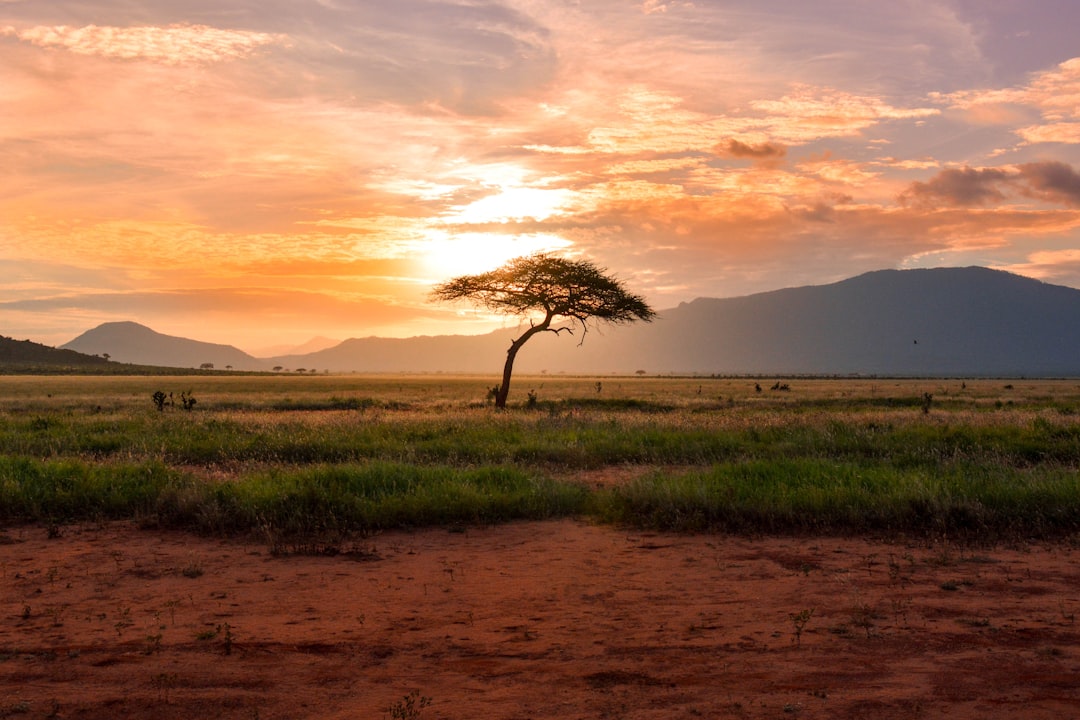
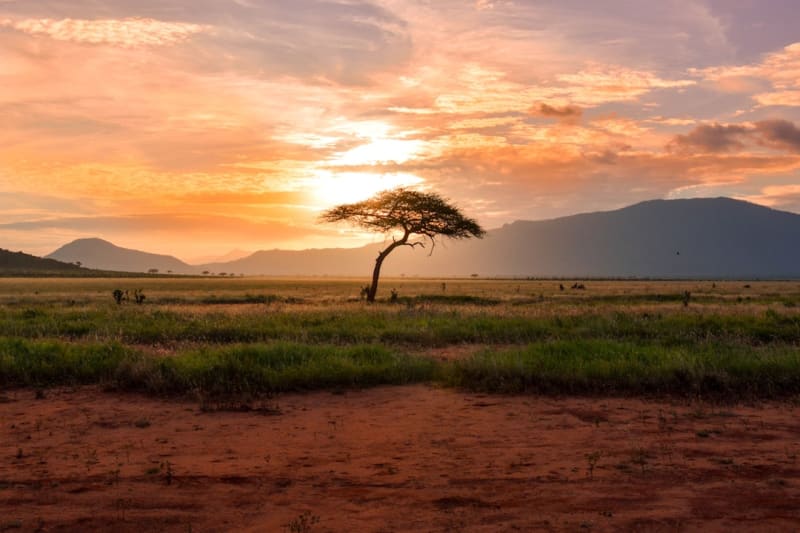
Kenya safari mornings can start near 45°F and finish near 90°F on the same day.
Kenya Safari Jacket Guide: 7 Warm Layers for 2026 is a practical plan for handling that sharp change. The right clothing keeps you warm during sunrise game drives. It also lets you remove layers before lunch.
Safari clothing does not need to look technical or bulky. You need breathable fabric, muted colors, and pieces that work together. A jacket should protect you from wind, while a fleece or softshell should add warmth.
SafariFind helps travelers compare verified tour operators, safari packages, and authentic reviews. This guide focuses on clothing first, then covers family travel, booking choices, costs, and transport questions that often shape a Kenya safari.
Quick answer: Pack a breathable base layer, a warm fleece, and a windproof jacket for Kenya game drives in 2026. Add a long-sleeve shirt, light overshirt, softshell, and rain layer. Neutral colors work best. The seven-layer system handles dawn temperatures near 12–16°C and midday heat near 28–34°C.
What Is the Kenya Safari Jacket Guide: 7 Warm Layers for 2026?
Kenya Safari Jacket Guide: 7 Warm Layers for 2026 is a simple clothing system for changing conditions. It uses several thin pieces instead of one thick coat. That approach suits open vehicles, dusty roads, cool air, and warm sun.
Overview of the seven layers
- Breathable base layer: Wear a lightweight long-sleeve shirt next to your skin.
- Moisture-wicking T-shirt: Use it alone when the day becomes hot.
- Safari overshirt: Choose a light, long-sleeve shirt with useful pockets.
- Light fleece: Add warmth before sunrise and after sunset.
- Softshell jacket: Use it for extra warmth without heavy bulk.
- Windproof outer jacket: Block wind during fast vehicle transfers.
- Light rain shell: Carry weather protection when rain is possible.
Layering works because each piece has a clear job. You can start with three layers at dawn. You can then remove the fleece and jacket as the sun rises. This system also saves luggage space.
Key features to look for
Merino wool is a useful base-layer material because it resists odor and helps regulate temperature. Synthetic shirts also work well when they dry quickly. Choose fabrics that feel comfortable after long hours in a vehicle.
- Neutral earth tones such as olive, tan, beige, and brown.
- Light fabric that folds into a small day bag.
- Long sleeves for sun, dust, and cool air.
- Secure pockets for tissues, a phone, or spare batteries.
- Strong zippers and seams for repeated outdoor use.
Why the system matters
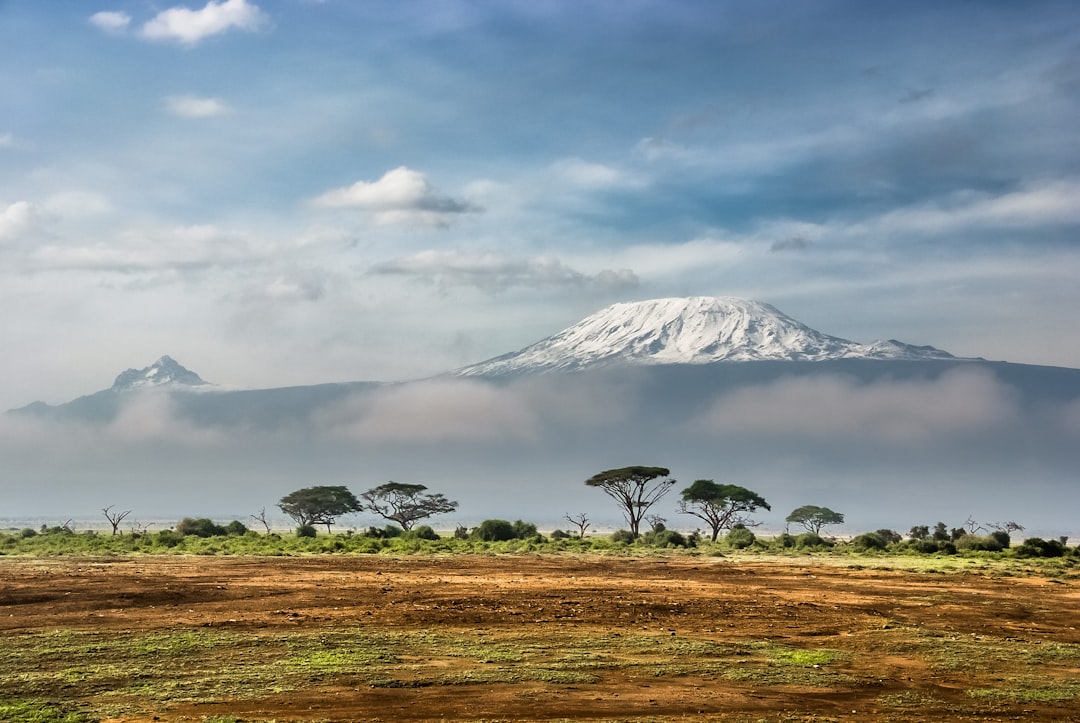
East African temperatures can change by about 20°C in one day. Some highland drives begin below 10°C around 6:00 AM, then reach 30°C or more by noon. A heavy jacket feels useful at sunrise but uncomfortable later.
Neutral clothing also helps you stay comfortable around wildlife. Avoid bright colors, which can stand out in open landscapes. Camouflage is best avoided because several African countries restrict it to military or law-enforcement personnel.
Explore Kenya safari packages for 2026 and compare routes, durations, and operator reviews before you choose your clothing plan.
Suggested image alt text: “Traveler wearing a fleece and windproof jacket during a cool morning Kenya game drive.”
Which Seven Warm Layers Should You Pack for Kenya?
The best Kenya safari jacket system uses light layers that you can add or remove quickly. Start with breathable clothing. Add insulation for dawn. Finish with wind and rain protection when conditions require it.
1. Breathable base layer
A base layer sits against your skin and controls comfort. Pick a lightweight merino or synthetic long-sleeve shirt. Merino helps resist odor during a multi-day trip, while synthetic fabric often dries fast after washing. Avoid thick cotton as your only warm layer.
2. Lightweight T-shirt
A T-shirt gives you a cool option for warm afternoons. Choose a neutral color and a close but comfortable fit. You can wear it under the overshirt in the morning, then remove the overshirt when temperatures rise.
3. Long-sleeve safari shirt
A long-sleeve safari shirt protects your arms from sun, dust, and cool wind. Look for breathable fabric and sleeves that roll up. A collar can protect your neck during long drives. Pockets also reduce the need for a large day bag.
4. Lightweight fleece
A fleece is often the most useful warm layer. It adds insulation without the weight of a winter coat. Wear it over your base layer at dawn. Tie it around your waist or store it in your vehicle once the day warms.
5. Softshell jacket
A softshell works between a fleece and a hard outer shell. It adds warmth and can block light wind. This layer suits travelers who feel cold in open vehicles. It also works well during evening lodge walks.
6. Windproof outer jacket
A windproof jacket is the core jacket in this Kenya safari jacket guide. Vehicle movement creates strong airflow before sunrise. A thin windproof shell blocks that chill without taking much space. Pick one with a hood if your route includes exposed viewpoints.
7. Light rain shell
A rain shell adds a final layer for showers. It should pack into a small pouch and fit over your fleece. Do not rely on it as your main warm layer. Its main role is to stop wind and rain from reaching your inner clothing.
What else belongs in your day bag?
- Closed-toe walking shoes with firm soles.
- A wide-brim hat or cap.
- Sunglasses and sunscreen.
- Light gloves for cold dawn drives.
- A scarf or buff for dust and wind.
- A reusable water bottle.
SafariFind’s packing guidance states that 25 well-chosen items can cover a full 7-day Kenya safari. Therefore, focus on pieces that serve more than one purpose.
For a complete clothing checklist, use the Kenya safari packing list by season. It helps you match clothing to the trip length and weather.
How Should You Use Safari Layers in 2026?
Use three layers before sunrise, two layers during cool drives, and one breathable layer at midday. Pack the fleece and jacket where you can reach them quickly. This routine keeps your clothing useful instead of buried inside a suitcase.
Getting started before the first game drive
Check the next morning’s route and departure time before bed. Highland areas can feel cold around 6:00 AM, especially in an open vehicle. Start with a base layer, long-sleeve shirt, fleece, and windproof shell when the forecast looks cool.
Keep your outer jacket loose enough for movement. You may need to raise binoculars, use a camera, or reach for water. Tight sleeves can make simple actions difficult during a long game drive.
Best practices for comfort
- Dress in thin layers: Thin pieces adjust better than one heavy coat.
- Use neutral colors: Olive, tan, and brown suit the safari setting.
- Keep one layer in the vehicle: A fleece is useful after sunset.
- Choose closed shoes: Firm, comfortable shoes protect your feet on walks.
- Test your clothing: Wear the full system during a long outdoor walk.
- Pack light: Some light aircraft transfers restrict combined luggage to 15 kg.
Can kids go on a safari in Kenya?
Kids can go on a safari in Kenya, but families should plan clothing, drive times, and park rules carefully. Children need warm layers for dawn, sun protection for midday, and comfortable shoes. A small fleece and windproof jacket often work better than one bulky coat.
Read the detailed Can Kids Go on a Safari in Kenya? 2026 Family Guide for age, safety, and planning details.
When should you book a Kenya safari?
Should I book safaris in advance or once I reach Kenya? Booking in advance gives you time to compare routes, vehicle types, lodge choices, and verified reviews. Last-minute booking can reduce choice, especially when you need family rooms, fixed dates, or a specific park.
Should You Book Your Kenya Safari Online or Enquire First? Use online research to compare packages. Then enquire with a verified operator about permits, transfers, meals, room types, and the exact clothing conditions on your route.
Request a quote from verified Kenya safari operators after checking inclusions, reviews, and luggage rules.
Suggested image alt text: “Family in neutral safari layers preparing for an early morning game drive in Kenya.”
How to Calculate Masai Mara Safari Cost in Kenya
Masai Mara safari cost in Kenya depends on duration, accommodation, transport, park fees, and travel dates. Clothing is a small planning cost compared with the full trip. Build your budget by separating the safari package from personal gear and optional extras.
Key cost factors to check
- Duration: More nights increase accommodation, meals, and guide costs.
- Accommodation: Camps, lodges, and room types create different price levels.
- Transport: Road transfers and light-aircraft flights have different costs and luggage rules.
- Park access: Confirm whether listed park fees are included.
- Group size: A private vehicle and a shared vehicle can price differently.
- Season: Ask how the 2026 travel dates affect the package quote.
The most useful comparison is the final price per person, not the headline rate. Ask whether the quote includes airport transfers, meals, game drives, driver-guide service, park fees, and drinking water.
The Masai Mara safari cost guide explains how to break down these parts before requesting quotes.
Compare clothing needs with transport needs
Road safaris often let you carry more personal gear than light-aircraft transfers. Some aircraft routes may limit combined luggage to 15 kg. That limit makes a compact fleece, packable shell, and quick-dry shirt more useful than heavy jackets.
For families, plan one warm layer per child plus a spare shirt. For photographers, choose quiet fabric and secure pockets. For backpackers, select garments that wash and dry quickly between camps.
Comparison checklist
| Name | Price | Duration | Rating | Best For |
|---|---|---|---|---|
| Safari package quote | Confirm with operator | Set by itinerary | Check verified reviews | Travelers comparing full inclusions |
| Road safari | Request current 2026 rate | Set by route | Compare operator ratings | Flexible luggage and overland routes |
| Light-aircraft safari | Request current 2026 rate | Set by route | Compare operator ratings | Fast transfers and lighter packing |
Compare Kenya safari budgets for 2026 before you set a clothing and transport budget. SafariFind lets you compare tour operators and read authentic traveler reviews in one place.
What Is the SGR Train from Nairobi to Voi Schedule and Booking?
The SGR Train from Nairobi to Voi Schedule and Booking question matters when your safari begins near Tsavo. Check the current Kenya Railways timetable and ticket availability before travel. Your safari operator can confirm how the train fits with transfers, lodge check-in, and game-drive times.
Plan the transfer around your safari
Do not assume a train arrival matches a lodge pickup. Share your train date, arrival time, passenger count, and luggage size with the operator. This step helps the driver plan the transfer from Voi to the park or camp.
Wear your lightest travel layers on the train. Keep your fleece and windproof jacket in your day bag. That setup helps if you leave Nairobi in mild weather and reach a cooler viewing area later.
What to confirm before booking
- Confirm the current departure and arrival times.
- Check whether tickets require advance booking.
- Ask where your driver will meet you.
- Confirm the transfer price and what it includes.
- Share your luggage count and any large equipment.
- Build time for delays before a fixed game drive.
Transport planning also affects your jacket choice. A road transfer gives you easier access to luggage. A light-aircraft transfer requires compact packing and may apply a 15 kg combined limit.
For lodge planning, read seven Kenya safari lodge picks for 2026. Then compare the property location with your train or airport transfer.
Small details that improve the first day
Keep a scarf, water bottle, phone charger, and fleece close. Avoid packing every warm item in checked luggage. A simple day bag can hold the pieces you need during travel and the first evening.
Ask your operator about tipping customs, too. The Kenya safari tipping guide for drivers and guides can help you plan that separate expense.
How Do You Choose the Best Kenya Safari Jacket?
The best Kenya safari jacket is light, windproof, breathable, and easy to pack. Choose a jacket that fits over a fleece without restricting your arms. A neutral color, secure pockets, and a compact design add practical value during game drives.
Use this simple buying test
- Can you wear it over two thin layers?
- Can you fold it into your day bag?
- Does it block wind without trapping too much heat?
- Does it have a hood or a high collar?
- Can you clean it easily during a 7-day trip?
- Does the color avoid bright tones and camouflage patterns?
Comfort matters more than fashion during a long game drive. You may sit for several hours, move between shaded and sunny areas, and enter dusty roads. Soft fabric and quiet zippers make the experience easier.
What should you avoid?
Avoid heavy winter coats, bright neon colors, and camouflage clothing. Heavy coats take space and become uncomfortable by midday. Camouflage is discouraged because several African countries restrict it to military and law-enforcement personnel.
Also avoid wearing only one warm layer. One thick item cannot adjust as well as a base layer, fleece, and shell. East African temperatures can shift by about 20°C in a single day.
Match the jacket to your traveler type
| Traveler | Best Layer | Why It Helps |
|---|---|---|
| Family | Fleece and windproof shell | Simple warmth for children at dawn |
| Photographer | Quiet softshell with pockets | Easy camera access and low fabric noise |
| Backpacker | Packable synthetic layers | Lower bulk and faster drying |
| Luxury traveler | Merino base and refined shell | Comfort across drives and lodge evenings |
Use the Kenya safari package comparison guide to check the route, accommodation, and inclusions before buying specialist clothing.
Key Takeaways
- Pack seven thin layers to handle dawn temperatures of 12–16°C and midday heat of 28–34°C.
- Choose a packable fleece and windproof shell to stay warm during open-vehicle game drives.
- Keep luggage near 15 kg when your itinerary includes light-aircraft transfers.
- Wear neutral civilian colors and avoid camouflage because restrictions apply in several African countries.
- Compare safari inclusions before booking so transport, park fees, meals, and transfers fit your 2026 budget.
Frequently Asked Questions
What jacket should I wear on a Kenya safari in 2026?
A lightweight windproof jacket is the best main jacket for a Kenya safari in 2026. Wear it over a breathable shirt and fleece during cool dawn drives. Remove layers as temperatures rise. A packable rain shell adds protection during wet weather.
Can kids go on a safari in Kenya?
Kids can go on a safari in Kenya with suitable planning and clothing. Pack a fleece, windproof jacket, long-sleeve shirt, sun hat, and closed shoes for each child. Families should also check age rules, drive lengths, and safety guidance before booking.
Should I book safaris in advance or once I reach Kenya?
Book a Kenya safari in advance when you need fixed dates, family rooms, a private vehicle, or a specific park. Advance planning gives you time to compare verified operators and reviews. Last-minute booking can reduce your choice of routes and accommodation.
Should You Book Your Kenya Safari Online or Enquire First?
Research and compare a Kenya safari online, then enquire with the operator before paying. Ask about park fees, transport, meals, lodge rooms, luggage limits, and cancellation terms. This process combines online price research with direct confirmation of important details.
How to Calculate Masai Mara Safari Cost in Kenya?
Calculate Masai Mara safari cost in Kenya by adding accommodation, transport, park fees, meals, guide service, and trip length. Confirm which items the package includes. Compare the final per-person total instead of relying on a low headline price.
What is the SGR Train from Nairobi to Voi Schedule and Booking process?
The SGR Train from Nairobi to Voi Schedule and Booking process requires checking the current timetable, ticket availability, luggage rules, and pickup plan. Confirm your arrival time with the safari operator. Leave extra time before a fixed game drive or lodge check-in.
Where can I book a verified Kenya safari?
You can book a verified Kenya safari through SafariFind. Compare packages, review operator information, request a quote, and read authentic traveler reviews before choosing your 2026 itinerary.
Conclusion
The best Kenya safari jacket system uses seven light layers, not one heavy coat. Start with a breathable base layer. Add a long-sleeve shirt, fleece, and windproof shell for cool dawn drives. Remove layers as temperatures move toward 28–34°C during the day.
Families should pack simple fleece and shell combinations for children. Backpackers should focus on compact, quick-dry clothing. Travelers using light aircraft should plan around a possible 15 kg combined luggage limit.
Check your route, transfer plan, and lodge before you buy new gear. Then compare verified safari packages on SafariFind. You can review tour operators, compare inclusions, and request a quote for your dates.
In 2026, smart layering makes Kenya travel easier from Nairobi to the Masai Mara and Tsavo. Prepare well, pack light, and choose a safari that matches your pace.
Plan Your Safari with SafariFind
These recommendations use real data from SafariFind, where you can compare operators, browse packages, and read verified traveler reviews before you book.
Recommended Safari Operators from SafariFind
Recommended Safari Packages from SafariFind
What Travelers Say (SafariFind Reviews)
References
- What to Pack for Safari, According to the Experts, Condé Nast Traveler
- What to Wear on Safari in Kenya: 2026 Season Guide
- What to Wear on Safari: Complete Packing List for Africa, 2026
- Kenya Safari Packing List: 25 Essentials for 7 Days 2026, SafariFind
- Kenya Safari Packing List 2026, Marvels of Africa
- What To Wear On Safari: Essential Clothing and Packing Tips, 2026
- East Africa Packing List: 2026 Guide to Rules and Gear