Lion Conservation in Botswana 2026: Status, Threats & Solutions
Botswana's lion population has grown approximately 11% in well-managed protected areas since 1993, and recent herding innovations have reduced retaliatory killings by 50% in the Okavango Delta. Yet fewer than 1,200 lions remain in Botswana, facing poaching for illegal trade and human-wildlife conflict.

Lion Conservation Status in Botswana: Quick Answer
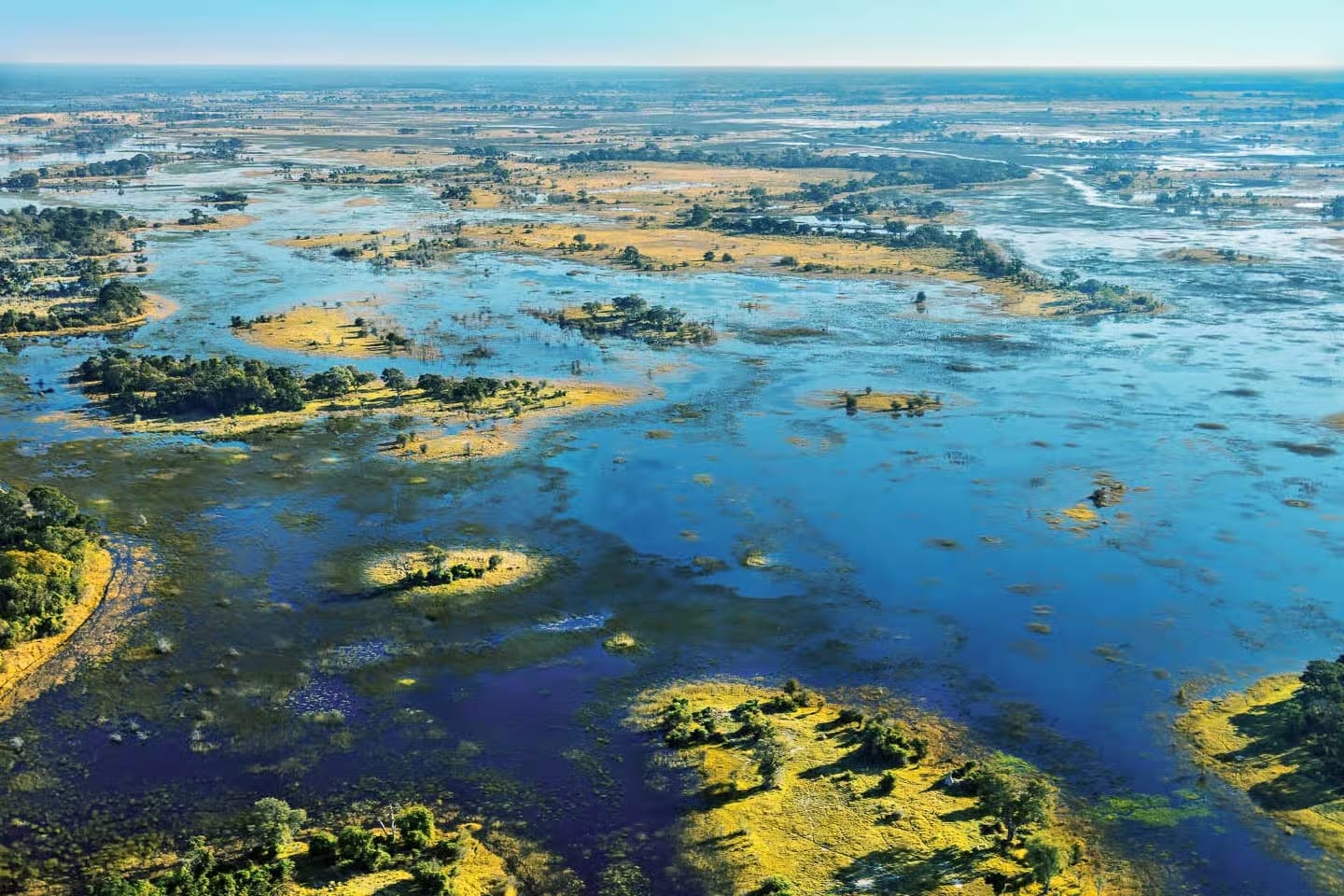
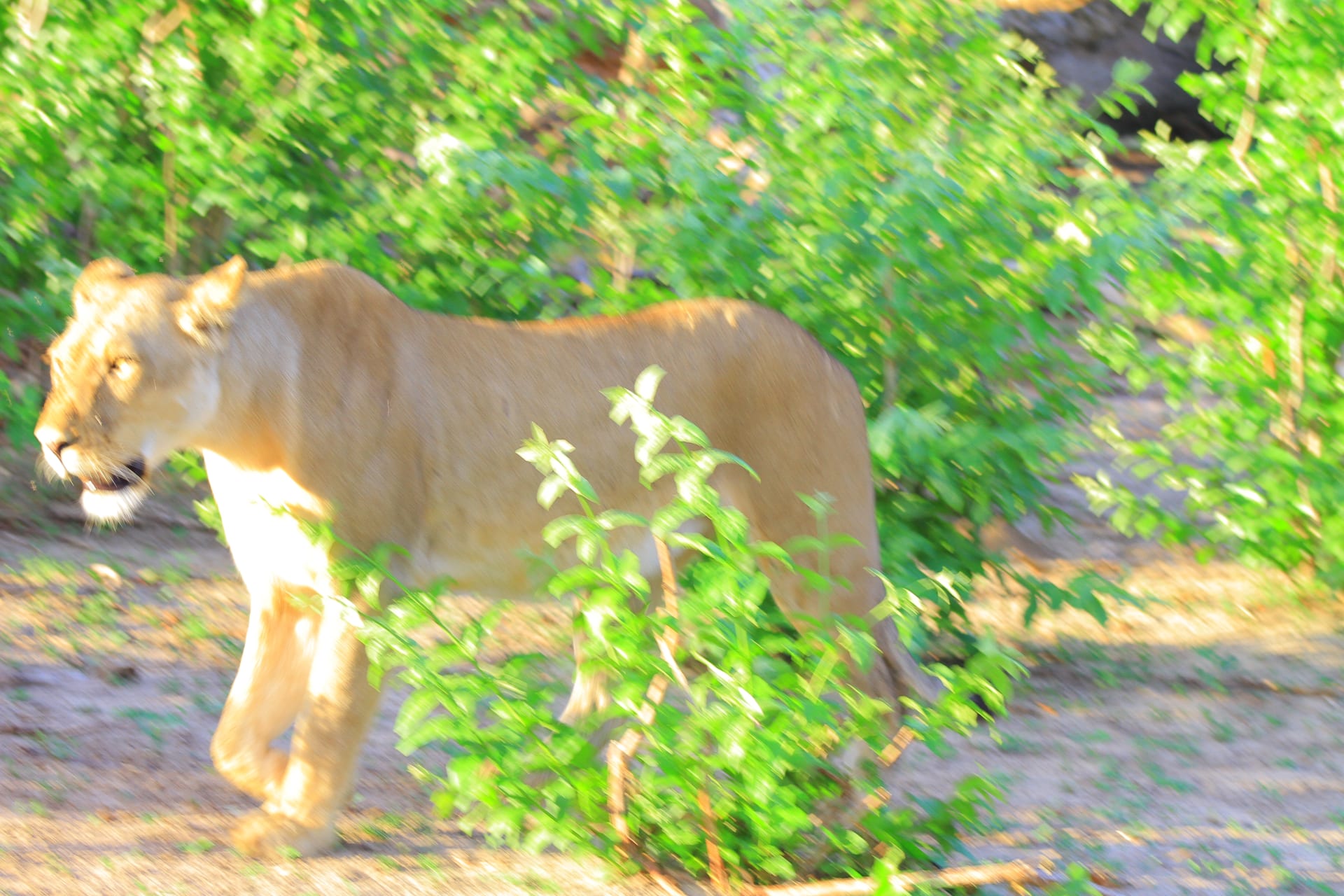
Botswana is home to approximately 1,200 lions, primarily in the Okavango Delta—one of Africa's most significant lion populations . Since 1993, Botswana's lion population has grown approximately 11% in protected areas with adequate funding and management, bucking the continental trend of decline . However, lions face an escalating threat from targeted poaching for illegal trade in body parts, alongside traditional drivers like habitat loss, prey depletion, and retaliatory killing by livestock herders . Recent innovations in traditional herding practices have reduced cattle predation and poisonings by 50% over four years, offering a scalable model for human-lion coexistence .
Why Lion Conservation Matters in Botswana
Lions are apex predators essential to ecosystem health across Botswana's savannas and wetlands. The Okavango Delta, where most of Botswana's lions live, is a UNESCO World Heritage Site and one of Africa's most biodiverse regions. Lions regulate herbivore populations, maintain vegetation structure, and support tourism—a cornerstone of Botswana's economy. Yet the species faces a precarious future: across Africa, fewer than 20,000 lions survive, down from historical populations of hundreds of thousands .
Botswana's lions are part of the broader Kavango-Zambezi Transfrontier Conservation Area (KAZA), which spans Botswana, Zimbabwe, Zambia, Angola, and Namibia . This transboundary landscape is critical for lion migration and genetic diversity, making regional cooperation essential.
The Threats: Poaching, Conflict & Habitat Loss
Targeted Poaching for Illegal Trade
A new and growing threat to Botswana's lions is targeted poaching for body parts—driven by demand in African and Asian markets . This is distinct from traditional hunting and persecution, and is often linked to organised transnational crime. Unlike historical declines caused mainly by habitat loss and prey depletion, this trade-driven poaching is poorly understood and rapidly escalating. In northern Kruger National Park (South Africa), lion numbers fell by up to 63% in 18 years, largely attributed to targeted poaching for body parts —a warning signal for Botswana.
Retaliatory Killing from Human-Livestock Conflict
In rural farming areas of northern Botswana, lions kill cattle and occasionally people, triggering retaliatory poisoning and shooting. Historically, this has been the most significant direct threat to lions. In 2013, poison traps killed approximately half of the regional lion population in North Botswana . These poisoned baits also kill hyenas, jackals, wild dogs, and vultures, cascading through the ecosystem.
Remote villages often cannot access government compensation schemes for livestock losses, so herders resort to lethal control. This creates a cycle: lions lose prey animals to human hunting, forcing them to hunt livestock; communities lose income and kill lions; lions decline; and ecosystem function deteriorates.
Habitat Loss & Wildlife Corridor Fragmentation
Human development—farming, urban expansion, veterinary fences—fragments lion habitat and blocks ancient wildlife migration routes. The Zambezi veterinary cordon fence, for example, has separated lion populations and prey species for decades . A January 2026 study found that removal of the eastern 35-km section of this fence, combined with strategic herding, would not increase disease risk and could restore wildlife movement .
Prey Depletion
Lions depend on wild prey like wildebeest, zebra, and antelope. Human hunting and habitat degradation reduce prey availability, forcing lions toward livestock. This pressure is expected to intensify as human populations grow in and around protected areas .
Conservation Programmes & Protected Areas in Botswana
Key Protected Areas & Reintroduction Efforts
Botswana's protected areas are managed primarily by the Department of Wildlife and National Parks (DWNP). The Okavango Delta is the cornerstone of lion conservation in the country. In recent years, African Parks has led reintroduction programmes across southern Africa. While no lion reintroductions have occurred in Botswana itself (unlike Liuwa Plain in Zambia, Majete in Malawi, or Akagera in Rwanda), Botswana's focus has been on protecting and growing existing populations .
The Botswana Coexistence Programme (WildCRU)
The University of Oxford's Wildlife Conservation Research Unit (WildCRU) operates the Botswana Coexistence Programme, which tackles the underlying causes of human-predator conflict through community-led solutions . This programme combines research on lion population dynamics, movement ecology, and human attitudes with practical interventions in rural farming areas of northern Botswana.
WildCRU has trained hundreds of conservation researchers from lion range countries and helped inform national and regional conservation policies . Their work in the KAZA transfrontier area includes monitoring carnivore populations and assessing the impacts of human development on wildlife corridors .
SAVE Wildlife's "Next Generation" Project
SAVE Wildlife, in partnership with the Löwenbräu brand, launched the "Next Generation" lion conservation programme in October 2021 . Based in the Okavango Delta, the project focuses on:
- Livestock protection training: Teaching herders improved boma (livestock enclosure) design and herding practices to reduce predation.
- Early warning systems: Technology-enabled alerts to prevent lions and people from encountering each other unexpectedly.
- Community education: Building understanding of lions' ecological role and changing attitudes toward coexistence.
- Alternative livelihoods: Creating income opportunities so communities benefit from lion conservation.
As of 2026, the programme has achieved a livestock loss reduction (specific percentage not disclosed in available data), engaged farmers in educational workshops, and built lion camps for monitoring and community engagement .
Communities Living Among Wildlife Sustainably (CLAWS)
CLAWS Conservancy operates in northern Botswana within the KAZA transfrontier area, which historically had high lion persecution levels . Their "Pride in Our Prides" programme combines traditional knowledge with modern technology to reduce human-lion conflict. CLAWS partners with local communities to deploy innovative strategies that incorporate historically proven traditions (such as herding practices and community vigilance) with contemporary tools (camera traps, GPS collars, early warning systems).
Herding Innovation: A Breakthrough in Coexistence
In February 2026, research published by Mongabay revealed a transformative finding: restoring traditional herding practices in northern Botswana has reduced cattle predation and retaliatory lion poisonings by 50% over four years . This innovation is reshaping conservation strategy in the region.
Historically, Botswana's rural communities practiced strategic herding—moving cattle during times and in patterns that minimized encounters with lions. Over recent decades, this knowledge was lost as communities adopted fixed pastoralism. By reviving and formalizing these practices, lions have more predictable access to wild prey, cattle losses drop, and communities are less motivated to poison. Crucially, this approach also reopens ancient wildlife corridors, allowing wildebeest, zebra, and other species to migrate naturally .
If the government removes key veterinary cordon fences (as proposed for the Zambezi fence) and herding expands, wildlife connectivity across the KAZA transfrontier could be substantially restored within five years .
Lion Recovery Fund Support
The Lion Recovery Fund (LRF), launched in 2017, is the world's largest funder of lion-specific conservation. By August 2020, the LRF had supported over 100 lion conservation projects across Africa, investing $11 million since inception . While specific Botswana project allocations are not detailed in available sources, the LRF works with African Parks and other partners active in the region, providing grants up to $150,000 for NGOs and community organisations.
The Role of Tourism & Community Conservancies
Wildlife tourism is central to Botswana's conservation economy and lion protection. Safari lodges and guides depend on healthy lion populations for guest experiences, creating financial incentives for protection. Community conservancies in Botswana lease land to tourism operators, generating revenue that can fund ranger salaries, anti-poaching patrols, and community compensation schemes.
When communities benefit directly from lion presence—through tourism lease payments, employment, and compensation for livestock losses—they are more likely to tolerate lions and participate in conservation. Conversely, where tourism revenue is absent or captured by outsiders, local support erodes and poaching intensifies.
SafariFind partners with lodges and conservancies across Botswana that prioritize wildlife protection and community benefit. Booking conservation-supporting safaris directly supports ranger employment, habitat management, and community education programmes.
Research & Monitoring: Understanding Botswana's Lions
Genetic Diversity in KAZA
A 2020 study by researchers from the Zoological Society of London (ZSL) and Imperial College London analysed genetic diversity across 149 lions in the KAZA transfrontier area (northern Botswana) between 2010–2013 . The study found that genetic diversity loss was driven primarily by ecological rather than human factors—specifically, lions' adaptation to different habitats within the transfrontier landscape. This finding is important because it suggests that habitat connectivity and prey availability, rather than population size alone, are critical to maintaining healthy genetics. Restoring wildlife corridors and prey populations will support genetic resilience.
Spatial Ecology & Water Sources
WildCRU researchers, including diploma student Patricia Kayula, have studied how lions respond to water sources and protection effort in the region . In Botswana's semi-arid landscape, water availability shapes lion movement and pride stability. This research informs management decisions about water point placement, seasonal mobility, and protected area design.
Human Development & Wildlife Corridors
A 2026 study published in Integrative Conservation examined how human activities (farming, urban expansion) change wildlife use of corridors in Botswana's Chobe District . Using camera traps, researchers monitored when and where lions, hyenas, baboons, and antelope shared space with people. The study found that different species respond differently to human presence depending on landscape type—critical data for designing coexistence strategies.
Challenges & Setbacks
Ongoing Poaching & Trade Threats
Despite progress, targeted poaching for illegal trade remains poorly monitored and likely underreported in Botswana . Unlike trophy hunting (which is regulated and generates revenue for conservation), trade-driven poaching is clandestine and often linked to organised crime. Without robust monitoring and enforcement, this threat could rapidly overwhelm conservation gains.
Population Projections & Long-Term Decline Risk
A 2015 analysis by Bauer et al. projected that if regional trends remain unchanged, the Okavango lion population (Botswana) would decline by one-third within 20 years . This projection was made before the herding breakthrough and emerging poaching threat, so its accuracy is uncertain—but it underscores the fragility of current gains.
Funding Volatility & COVID-19 Legacy
The Lion Recovery Fund's August 2020 report noted that the COVID-19 pandemic caused severe funding crashes due to stock market volatility, zoo closures, and near-total cessation of tourism . While tourism has largely recovered by 2026, conservation funding remains vulnerable to economic shocks. Many programmes depend on annual grants rather than endowed funding, creating uncertainty.
Ranger Safety & Capacity**
Wildlife rangers across Botswana face dangers from poachers, wildlife encounters, and poor working conditions. Professionalising ranger recruitment, training, and welfare is essential to sustaining anti-poaching efforts and community engagement programmes. Organisations like Tusk and the Lion Recovery Fund now prioritise ranger support, but gaps remain .
Measurable Progress: What's Working
Population growth in protected areas: Lion populations in well-managed protected areas of southern Africa (including Botswana) have grown approximately 11% since 1993, contrasting sharply with 60% declines in North and West Africa .
Reduced retaliatory killing: The herding innovation has cut livestock predation and poisoning by 50% over four years in pilot areas , demonstrating that coexistence is achievable at scale.
Habitat restoration potential: A January 2026 scientific assessment found that removal of key veterinary fences, combined with herding, would restore wildlife corridors without increasing disease risk, potentially unlocking vast areas for lion movement .
Community engagement: Programmes like SAVE Wildlife's "Next Generation" and CLAWS's "Pride in Our Prides" are shifting attitudes in communities historically hostile to lions, creating local champions for coexistence.
How Travellers Can Support Lion Conservation
Book with conservation-certified lodges: Choose safari operators that employ local guides, pay community fees, and fund anti-poaching work. SafariFind's listings include conservation credentials and community benefit models.
Support community conservancies: Many Botswana lodges operate within community-managed conservancies. Your safari fees directly fund ranger salaries and community compensation schemes.
Respect wildlife viewing protocols: Follow guide instructions, maintain safe distances, and avoid night driving in unfenced areas. Responsible tourism reduces human-wildlife conflict.
Donate to research & monitoring: Organisations like WildCRU, SAVE Wildlife, and CLAWS rely on donations to fund field research, early warning systems, and community education. Even small contributions support lion protection.
Advocate for fence removal & corridor restoration: Support policy changes that restore wildlife connectivity. The science is clear: removing the Zambezi fence would benefit lions and other species at minimal disease risk .
Learn & share: Understanding lion ecology, conservation challenges, and coexistence strategies helps you become an informed advocate. Share what you learn on social media to raise awareness.
The Future: Key Questions for 2026–2027
Will herding scale? The 50% reduction in conflict is promising, but scaling requires government support, farmer training infrastructure, and sustained funding. Expansion will be key to protecting lions across northern Botswana.
Can poaching for trade be monitored & stopped? Without better surveillance and enforcement capacity, targeted poaching could undermine population gains. International cooperation on trade routes and demand reduction is essential.
Will the Zambezi fence come down? The 2026 study supports removal, but political and disease-control concerns remain. If removed, wildlife corridors could expand dramatically.
How will climate change affect lions? Drought, prey migration shifts, and human competition for water will reshape lion habitat. Adaptive management and corridor connectivity will be critical.
Last reviewed July 2026. Conservation data changes rapidly—see the cited sources for the latest figures and updates.
 Ask Tembo about this guide
Frequently Asked Questions
How many lions are left in Botswana?
Approximately 1,200 lions remain in Botswana, primarily in the Okavango Delta . This represents one of Africa's most significant remaining populations, though it is vulnerable to poaching, habitat loss, and human-wildlife conflict.
What are the main threats to lions in Botswana?
The primary threats are: (1) targeted poaching for illegal trade in body parts, driven by demand in African and Asian markets ; (2) retaliatory killing by livestock herders, which killed approximately half the regional lion population in North Botswana in 2013 ; (3) habitat fragmentation and loss of wildlife corridors due to fencing and human development ; and (4) prey depletion from human hunting and habitat degradation.
Has Botswana's lion population grown or declined?
Botswana's lion population has grown approximately 11% in protected areas since 1993, bucking the continental trend . However, growth is fragile and depends on continued funding, management, and coexistence efforts. Long-term projections suggest the Okavango population could decline by one-third within 20 years if current trends continue .
What is the herding innovation in Botswana?
In February 2026, research showed that restoring traditional herding practices—where communities move cattle in patterns that minimize lion encounters—has reduced cattle predation and retaliatory poisoning by 50% over four years . This approach also reopens wildlife corridors, allowing natural migration of wildebeest and zebra.
Which organisations work on lion conservation in Botswana?
Key organisations include: WildCRU's Botswana Coexistence Programme ; SAVE Wildlife's "Next Generation" project ; CLAWS Conservancy's "Pride in Our Prides" ; African Parks (which has led reintroductions elsewhere in southern Africa) ; and the Lion Recovery Fund, which supports projects across the region .
Is it safe to see lions on safari in Botswana?
Yes. Botswana's safari lodges operate with experienced guides who follow strict wildlife viewing protocols, including safe distances and appropriate timing. Human-lion conflict is rare in tourist areas. Your visit supports conservation by funding ranger employment and community protection programmes.
How do my safari fees help protect lions?
Safari fees paid to lodges in community conservancies directly fund: ranger salaries and anti-poaching patrols; livestock compensation schemes that reduce retaliatory killing; community education programmes; and habitat management. When communities benefit financially from live lions (through tourism), they are more likely to coexist with them.
What is the Lion Recovery Fund?
The Lion Recovery Fund (LRF), launched in 2017, is the world's largest funder of lion-specific conservation work. By August 2020, it had invested $11 million across over 100 projects in Africa, supporting research, community programmes, and ranger operations .
Will Botswana remove its veterinary fences?
A January 2026 study found that removing the eastern 35-km section of the Zambezi veterinary cordon fence, combined with strategic herding, would not increase disease risk and could restore wildlife migration . Under a best-case scenario, fences could come down within five years, but this requires government approval and proof that communities can sustain herding practices.
Are lions hunted in Botswana?
Botswana allows regulated trophy hunting of lions under DWNP management, though specific recent quotas are not detailed in available conservation sources. Trophy hunting revenue can fund conservation if managed sustainably, but targeted poaching for trade is a distinct and growing threat that is not regulated .
What is KAZA and why does it matter for lions?
KAZA (Kavango-Zambezi Transfrontier Conservation Area) is a five-country protected landscape spanning Botswana, Zimbabwe, Zambia, Angola, and Namibia . It is critical for lion conservation because it allows natural migration and maintains genetic diversity across populations. Restoring wildlife corridors within KAZA is a regional priority.
What can I do to help lion conservation as a visitor?
Book with conservation-certified lodges; choose operators in community conservancies; follow wildlife viewing protocols; donate to research organisations like WildCRU or SAVE Wildlife; advocate for corridor restoration (especially fence removal); and share conservation information to raise awareness , , .
Sources
- Save the Lions | African Parks(official)
- Scientific Publications - Elephants Without Borders (Lindsey et al. 2026, Adams et al. 2026)
- Botswana shows how smarter cattle herding can save lions, reopen ancient wildlife pathways (Mongabay, Feb 2026)
- African Lion Conservation: Saving the King of Beasts | Sacramento Zoo
- Kruger National Park lions | Endangered Wildlife Trust
- Lions - WildCRU
- Lion Protection - SAVE Wildlife
- Lion Recovery Fund Progress Report (August 2020)
- All Categories - African Lion Working Group (ZSL genetic diversity study, 2020)
- Federal Register: Endangered and Threatened Wildlife and Plants; Listing Two Lion Subspecies (Bauer et al. 2015)(official)
- Threats & Solutions - Tusk
Related to
Ready to start your safari adventure?
Explore curated safari packages and find your perfect African adventure with verified operators.