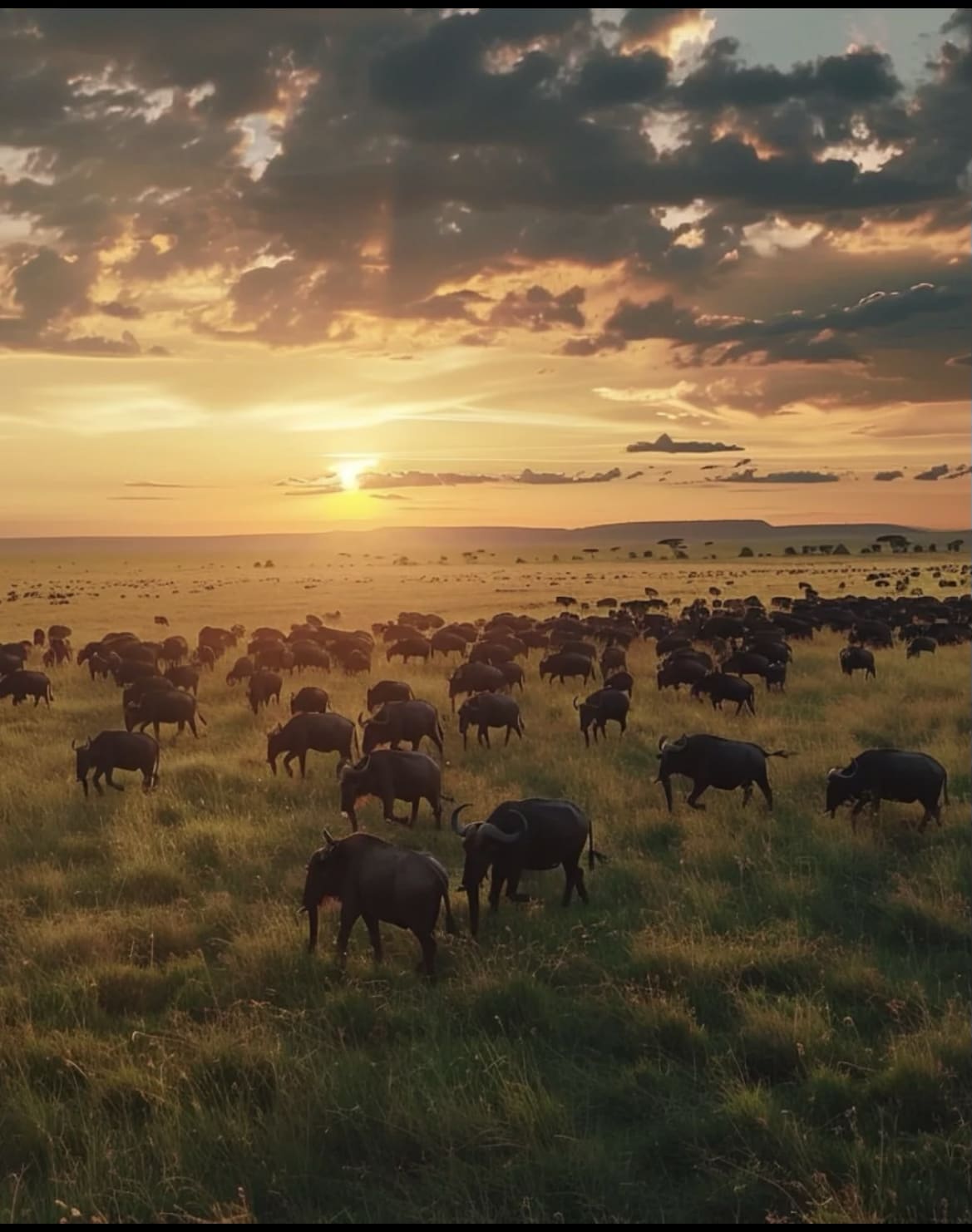
Madagascar Safari Animals: 47 Species & Where to Find Them
Discover 47 endemic Madagascar safari animals including lemurs, fossas, and tenrecs. Learn where to find them, best viewing seasons, and how to book verified operators.
Madagascar Safari Animals: 47 Species
Last updated: July 2026
Madagascar is home to 47 unique mammal species found nowhere else on Earth, including lemurs, fossas, and tenrecs. The best time to see these animals is May to September when weather is coolest. Book through verified SafariFind operators to explore national parks like Ranomafana and Isalo with expert guides who know where to find rare endemic wildlife.
At a Glance
- Total endemic mammals: 47 species found only in Madagascar
- Best time to visit: May to September (dry season, cooler weather)
- Top parks: Ranomafana, Isalo, Andasibe-Mantadia, Tsingy Rouge
- Most famous animals: Ring-tailed lemurs, aye-ayes, red ruffed lemurs, fossas
- Wildlife diversity: Over 300 bird species, 260+ reptile species, 11,000+ endemic plants
- Safari duration: 7-10 days recommended to see multiple habitats and species
What Are Madagascar Safari Animals and Why They Matter
Madagascar safari animals represent one of Earth's most unique wildlife collections. The island's 47 endemic mammal species evolved in isolation for 88 million years, creating animals found nowhere else on the planet . This makes Madagascar a living laboratory of evolution and a critical destination for wildlife enthusiasts.
The island's isolation created extraordinary biodiversity. More than 11,000 endemic plant species share the landscape with lemurs, fossas, tenrecs, and chameleons . Over 300 bird species nest here, with more than 60% found only in Madagascar . This concentration of unique wildlife means every safari reveals animals you cannot see anywhere else.
Madagascar's habitats range dramatically across the island. Lush rainforests in the east support different species than dry deserts in the south and grassy plains in the west . Coral reefs and mangrove forests line the coasts, adding marine biodiversity to the mix. This habitat diversity means one safari trip can expose you to multiple ecosystems and hundreds of animal species.
Conservation urgency makes Madagascar safaris important now. Deforestation and poaching threaten many endemic species. Wildlife tourism funding helps protect these animals and their habitats. When you book a Madagascar safari through verified operators on SafariFind, your trip directly supports conservation efforts that keep these species alive.
The 47 Endemic Mammals: Species Breakdown by Category
Lemurs: Madagascar's Most Famous Animals
Lemurs are Madagascar's signature animals and the largest group of primates on the island. Ring-tailed lemurs are the most recognizable, with their distinctive black and white striped tails and social troops of 6 to 30 individuals . You'll see them in Isalo National Park where they forage on the ground and leap through trees with acrobatic grace.
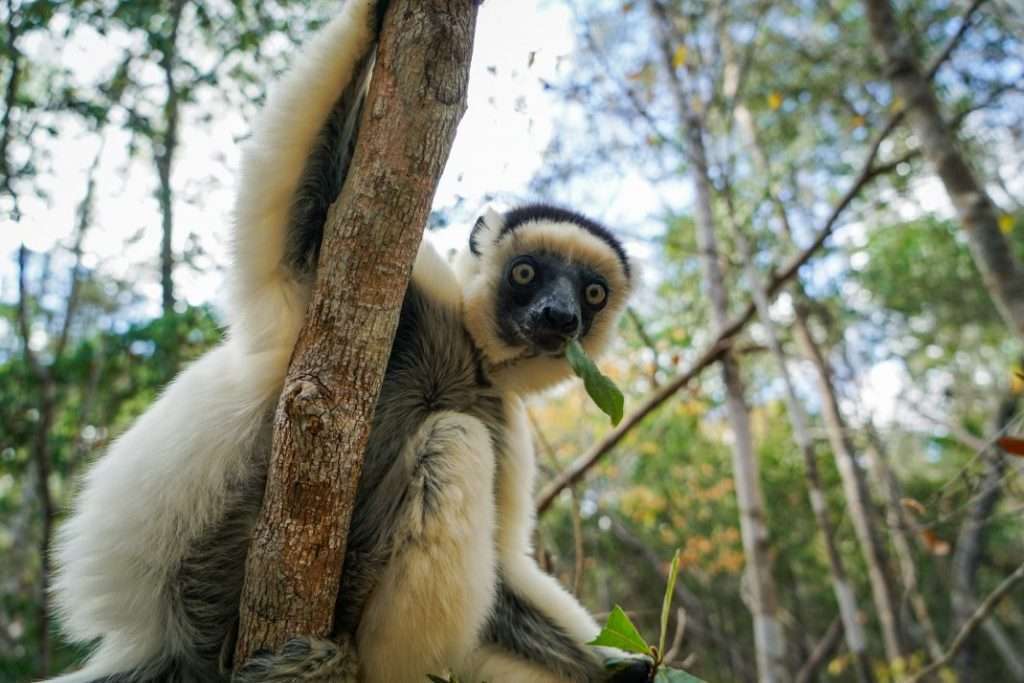
Red ruffed lemurs live in the rainforests of eastern Madagascar, particularly in Ranomafana National Park. These crimson and black primates are vocal and active, making them exciting to spot . Crowned sifakas inhabit the dry forests of Madagascar's northwest, performing their signature "dancing" sideways movement across the ground, a behavior tourists find captivating.
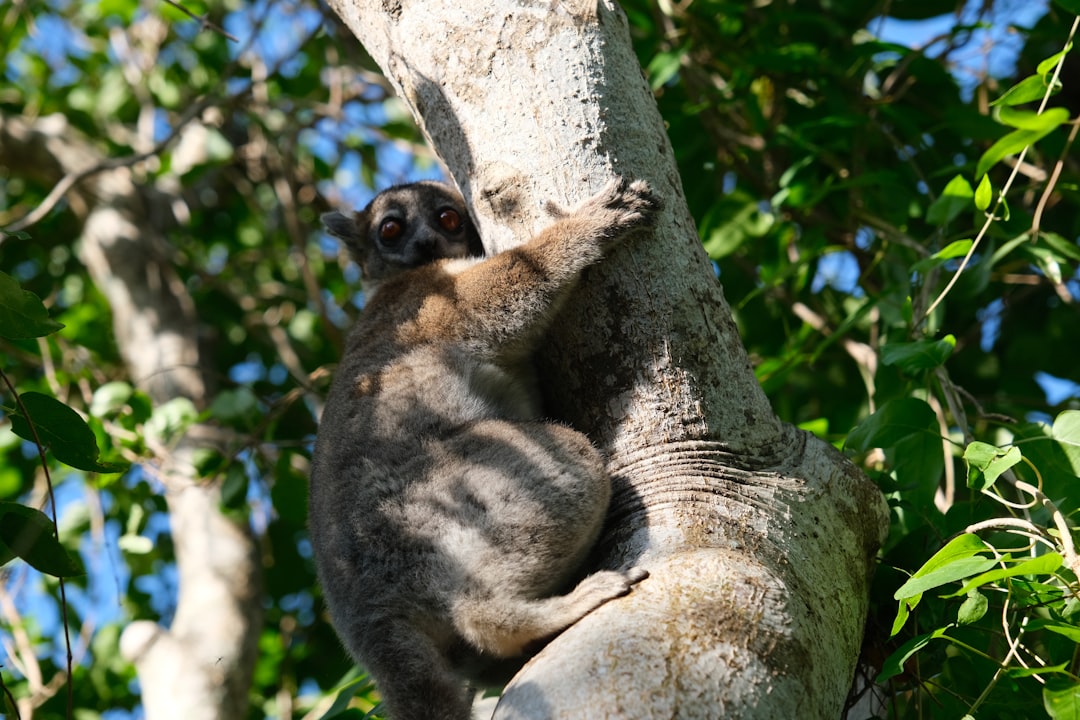
The aye-aye is perhaps Madagascar's most unusual lemur. This nocturnal primate has an elongated middle finger it uses to extract insects from tree bark. Aye-ayes are difficult to spot because they're nocturnal and solitary, but guides in Andasibe-Mantadia National Park know where to find them on night walks.
Fossas and Carnivores
The fossa is Madagascar's largest carnivore and the apex predator of the island . This catlike creature hunts lemurs, rodents, and birds through the forests. Fossas are elusive and rarely seen, making a sighting a memorable safari highlight. They're most active at dawn and dusk, when guides know to search the forest canopy.
Tenrecs and Small Mammals
Tenrecs are small, spiky mammals unique to Madagascar and Africa. The giant jumping rat is an unusual rodent that bounds like a kangaroo. These creatures are nocturnal, so night safaris in parks like Ranomafana offer the best chance to see them .
Chameleons and Reptiles
Jackson's chameleons are among Madagascar's most colorful reptiles. They move slowly with a swaying walk that betrays their presence. Search tree branches at eye level during warm mornings and watch for their color shifts as sunlight touches their scales . Madagascar is home to numerous chameleon species found nowhere else, making reptile spotting a major safari activity.
Where to Find Madagascar Safari Animals: Top National Parks
Ranomafana National Park: Rainforest Wildlife Hub
Ranomafana National Park protects eastern Madagascar's lush rainforests and is one of the best parks for seeing lemurs and endemic mammals. The park's name means "warm water" in Malagasy, referring to hot springs in the area. Red ruffed lemurs, crowned sifakas, and various tenrec species thrive in these dense forests.
Guided walks through Ranomafana reveal wildlife at every turn. Your guide will point out chameleons camouflaged on branches, identify bird calls echoing through the canopy, and track lemur troops through the understory. Night walks offer chances to see nocturnal aye-ayes and other creatures active after dark.
Isalo National Park: Desert and Plateau Landscapes
Isalo National Park showcases Madagascar's dramatic dry forest and sandstone plateau landscapes. Ring-tailed lemurs are abundant here, living in troops that tourists can observe from close distances. The park's scenic canyons and natural pools add adventure to wildlife viewing.
Isalo offers a different ecosystem than rainforest parks, so you see different species adapted to drier conditions. Lemurs here have adapted to arid environments, and the park's unique geology creates stunning safari photography opportunities alongside wildlife encounters.
Andasibe-Mantadia National Park: Rainforest and Indri Habitat
Andasibe-Mantadia is Madagascar's most accessible rainforest park and home to the indri, the largest living lemur. Indris are vocal and can be heard calling through the forest from great distances. This park is excellent for first-time Madagascar visitors because wildlife is abundant and relatively easy to spot.
The park's proximity to the capital, Antananarivo, makes it a popular first stop on Madagascar safaris. Night walks here offer excellent chances to see aye-ayes, mouse lemurs, and nocturnal reptiles.
Tsingy Rouge and Other Unique Parks
Tsingy Rouge features striking red limestone formations and dry deciduous forest. The landscape looks like an alien planet, and the wildlife is equally unique. This park is less crowded than Ranomafana or Isalo, offering more intimate wildlife encounters.
Madagascar has numerous other parks worth exploring. Each protects different habitats and species combinations, so a comprehensive Madagascar safari itinerary includes multiple parks. Compare 7-day Madagascar safari packages on SafariFind to find operators offering multi-park itineraries that maximize your wildlife viewing.
When to See Madagascar Safari Animals: Seasonal Guide
Dry Season (May to September): Peak Wildlife Viewing
The dry season is the best time to see Madagascar safari animals. Weather is coolest and most comfortable, with less rain and better visibility. Animals congregate around water sources, making them easier to spot. Temperatures range from 60°F to 75°F, ideal for hiking and exploring national parks.
May and June offer the clearest skies and most pleasant conditions. July and August are slightly cooler but still excellent. September marks the end of the dry season but still provides good wildlife viewing before the rains return.
Wet Season (November to March): Challenges and Opportunities
The wet season brings heavy rains, lush vegetation, and breeding activity. Wildlife viewing is more difficult because animals disperse throughout dense, green vegetation. However, birds are more active and colorful during breeding season, and some travelers prefer the lower prices and fewer crowds.
October and April are transition months with mixed conditions. Some parks become inaccessible due to muddy roads during peak rains. Plan Madagascar safaris during May to September for the most reliable wildlife encounters and comfortable travel conditions.
Planning Your Madagascar Safari: Practical Essentials
What to Bring for Madagascar Wildlife Viewing
Pack binoculars for spotting animals in trees and at distances. A good camera with a telephoto lens captures wildlife details. Neutral-colored clothing helps you blend into natural environments, and sturdy hiking boots are essential for forest trails and rocky terrain.
Bring sun protection including sunscreen, hat, and sunglasses. Insect repellent prevents mosquito bites and other insect issues. A lightweight rain jacket works for sudden tropical showers even in the dry season.
Health and Safety Considerations
Before traveling to Madagascar, check vaccination requirements and health recommendations. Review vaccinations and health rules for Madagascar to ensure you're properly protected. US citizens need to understand visa requirements before booking.
Visit a travel medicine clinic 4 to 6 weeks before your trip. Madagascar requires certain vaccinations and antimalarial medication depending on which parks you'll visit. Your doctor can recommend specific preventative measures based on your itinerary.
Booking with Verified Operators
Madagascar safaris require experienced guides who know where animals live and how to find them. Guides make the difference between seeing a few animals and experiencing extraordinary wildlife encounters. SafariFind lists verified tour operators with authentic reviews from previous travelers.
When selecting an operator, check their experience in Madagascar, guide qualifications, and traveler reviews. Ask about their conservation practices and how they minimize environmental impact. The best operators support local communities and contribute to wildlife protection.
Review Madagascar safari costs and 7-day budgets to understand pricing across different travel styles. Budget safaris run $1,500 to $2,500 per person, while mid-range packages cost $2,500 to $4,000, and luxury safaris exceed $4,000 daily.
Madagascar's Broader Biodiversity: Beyond Mammals
Birds: Over 300 Species and Counting
Madagascar hosts more than 300 bird species, with over 60% found nowhere else on Earth . Birdwatchers travel to Madagascar specifically to spot endemic species like the Madagascar kestrel, Madagascar fish eagle, and various sunbirds. The island's diverse habitats support different bird communities, from rainforest canopy species to desert dwellers.
Reptiles: Chameleons and Beyond
Madagascar's reptile diversity is astounding. Over 260 reptile species live on the island, including numerous chameleon species found only here. Some chameleons are smaller than your fingernail, while others reach impressive sizes. Snakes, geckos, and iguanas add to the reptile variety.
Plants: 11,000+ Endemic Species
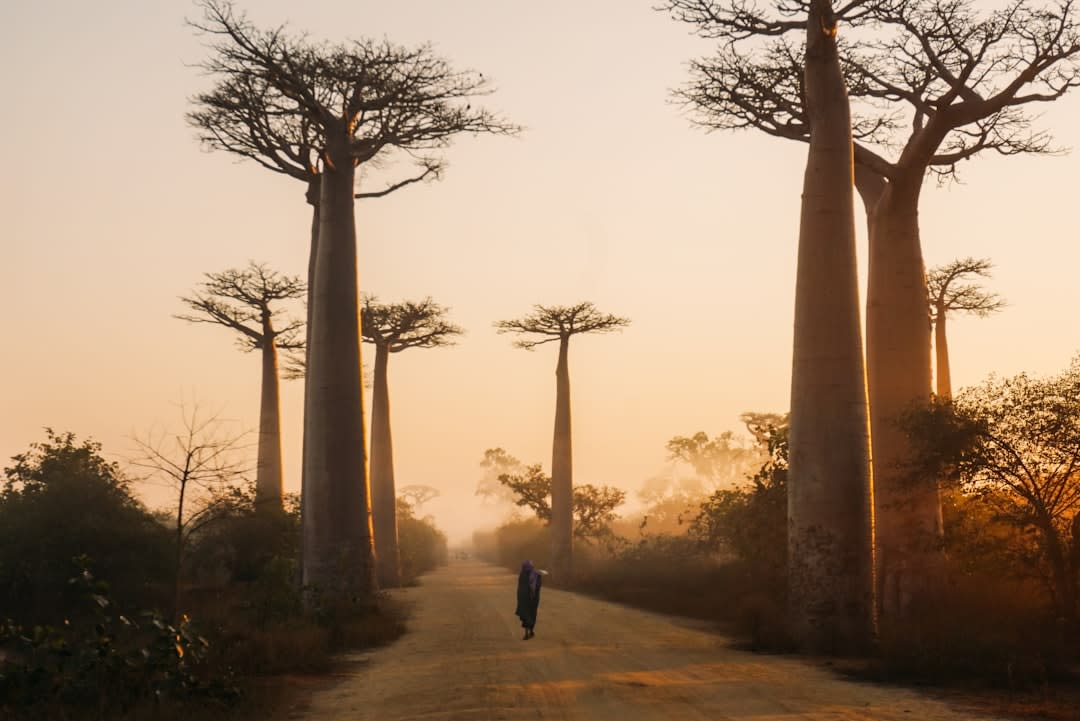
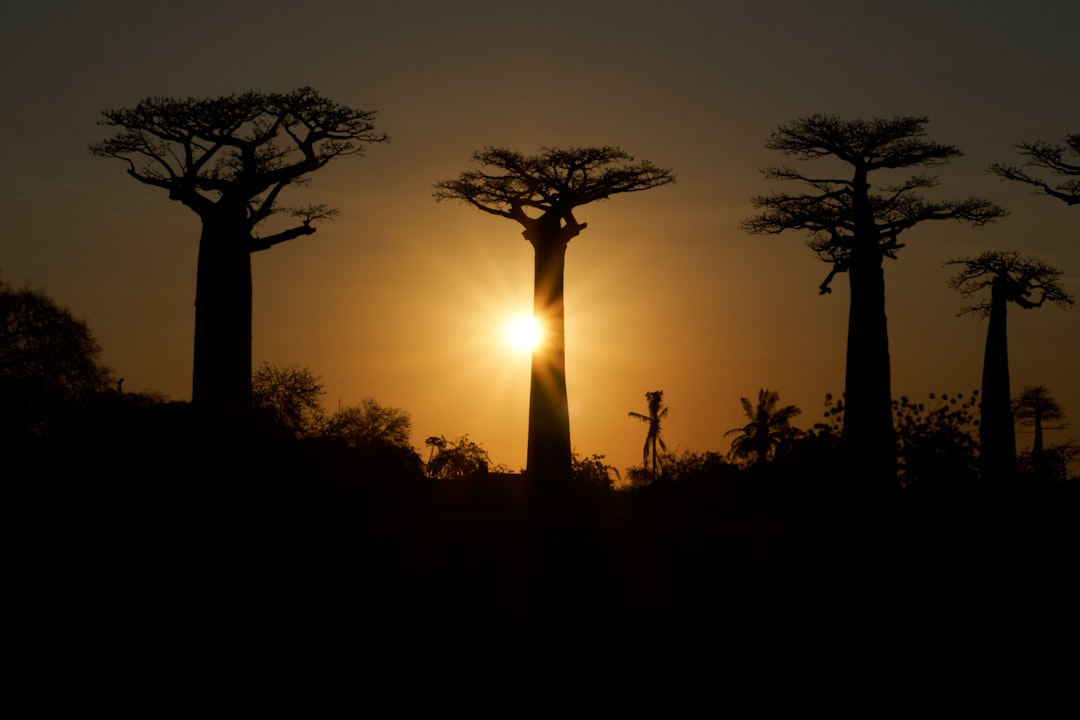
Madagascar's 11,000 endemic plant species include seven baobab varieties found nowhere else . These massive trees are iconic symbols of Madagascar's landscape. Orchids, succulents, and medicinal plants grow throughout the island, creating stunning scenery alongside wildlife viewing.
Travel Planning Resources and Next Steps
Planning a Madagascar safari requires coordination across multiple elements: visa requirements, vaccinations, park bookings, guide selection, and itinerary planning. SafariFind's comprehensive resources simplify this process.
Check Madagascar visa requirements for American citizens to understand entry documentation. US citizens can obtain visas on arrival, but understanding the process prevents delays.
Follow the 9-step Madagascar safari trip planner to organize your preparation systematically. This guide walks you through budgeting, park selection, accommodation booking, and other essential planning steps.
Explore Madagascar safari lodges for every budget to find accommodations matching your travel style. From basic guesthouses to luxury resorts, Madagascar offers options across all price ranges.
For travelers interested in combining wildlife with beach relaxation, explore the 10-day Madagascar safari and beach holiday route that combines national parks with coastal destinations.
Key Takeaways
- Book your Madagascar safari for May to September to see 47 endemic mammals in ideal dry season conditions with comfortable temperatures between 60°F and 75°F.
- Visit multiple national parks including Ranomafana, Isalo, and Andasibe-Mantadia to experience different habitats and see lemurs, fossas, tenrecs, and chameleons unique to Madagascar.
- Hire experienced local guides through verified SafariFind operators who know exactly where animals live, significantly increasing your chances of memorable wildlife encounters.
- Plan your trip 3 to 6 months in advance and complete vaccinations 4 to 6 weeks before departure to ensure proper health protection and adequate time for bookings.
- Combine wildlife viewing with Madagascar's other attractions like beaches and cultural experiences using comprehensive 7 to 10-day safari itineraries that maximize your time and value.
Frequently Asked Questions
How many endemic mammal species live in Madagascar?
Madagascar is home to 47 endemic mammal species found nowhere else on Earth . These include lemurs, fossas, tenrecs, and other unique animals that evolved in isolation for 88 million years. This extraordinary concentration of endemic wildlife makes Madagascar one of the world's most important biodiversity hotspots.
What is the best time to see Madagascar safari animals?
The dry season from May to September is the best time to see Madagascar safari animals. Weather is coolest and driest, animals congregate around water sources, and visibility is excellent for wildlife viewing. Temperatures range from 60°F to 75°F, making hiking and park exploration comfortable. Book your safari during these months for the highest success rate seeing rare endemic species.
Which national parks have the most Madagascar wildlife?
Ranomafana National Park offers the most diverse rainforest wildlife including red ruffed lemurs and tenrecs. Isalo National Park features ring-tailed lemurs and dramatic desert landscapes. Andasibe-Mantadia is best for indris and is most accessible to visitors. Each park protects different habitats and species, so visiting multiple parks maximizes your wildlife encounters during a Madagascar safari.
What wildlife can I see besides mammals in Madagascar?
Madagascar hosts over 300 bird species with more than 60% endemic to the island . Over 260 reptile species including numerous chameleons live here. The island also features 11,000 endemic plant species including seven baobab varieties . This incredible biodiversity means your Madagascar safari reveals wildlife across multiple animal groups and plant species.
How long should a Madagascar safari be to see multiple animal species?
A 7 to 10-day safari is ideal for seeing multiple Madagascar animal species and habitats. This duration allows visits to at least two major national parks and includes time for both day walks and night safaris to see nocturnal species. Shorter safaris work for budget travelers, but 7 to 10 days significantly increases the variety and number of animals you'll encounter. Use SafariFind to compare multi-park packages that maximize wildlife viewing within your timeframe.
How do I book a Madagascar safari with reliable operators?
SafariFind connects you with verified tour operators who specialize in Madagascar wildlife viewing. Compare operator ratings, read authentic traveler reviews, and request quotes directly through the platform. Look for operators with experienced guides, positive conservation records, and packages matching your budget and interests. Booking through SafariFind ensures you work with established professionals who know Madagascar's parks and animals intimately.
Conclusion: Plan Your Madagascar Wildlife Adventure in 2026
Madagascar safari animals represent Earth's most unique wildlife collection. The island's 47 endemic mammals, 300+ bird species, and thousands of endemic plants create unmatched biodiversity . Whether you're drawn to lemurs, fossas, chameleons, or the island's stunning landscapes, Madagascar delivers unforgettable safari experiences.
Plan your trip for May to September when weather is ideal and wildlife viewing is most successful. Book through verified SafariFind operators who understand Madagascar's parks, species, and conservation needs. A 7 to 10-day safari exploring multiple parks like Ranomafana and Isalo costs between $2,500 and $4,000 per person, depending on your travel style and accommodation preferences.
Start your planning today by reviewing the 9-step Madagascar safari trip planner and comparing verified operators on SafariFind. Your Madagascar safari adventure awaits, and 2026 is the perfect year to experience these extraordinary animals in their natural habitat.
Plan Your Safari with SafariFind
These recommendations use real data from SafariFind, where you can compare operators, browse packages, and read verified traveler reviews before you book.
Recommended Safari Operators from SafariFind
Recommended Safari Packages from SafariFind
What Travelers Say (SafariFind Reviews)
References
- Madagascar Country Profile — BBC News
- Madagascar Country Profile — National Geographic Kids
- 100 Must See African Safari Animals, Wildlife Explored
- Madagascar's Animals & People — WWF
- Madagascar — Wikipedia
- Enjoy a Madagascar Safari with Us — Africa Geographic
- Madagascar — Mammal Watching
- Madagascar Safaris & Customized Tours — Explorations Africa
 Ask Tembo about this guide
Sources
- Madagascar Country Profile — BBC News
- Madagascar Country Profile — National Geographic Kids
- 100 Must See African Safari Animals, Wildlife Explored
- Madagascar's Animals & People — WWF
- Madagascar — Wikipedia
- Enjoy a Madagascar Safari with Us — Africa Geographic
- Madagascar — Mammal Watching
- Madagascar Safaris & Customized Tours — Explorations Africa
Related to
Ready to start your safari adventure?
Explore curated safari packages and find your perfect African adventure with verified operators.