Madagascar Safari Animals: Complete 2026 Wildlife Checklist
Discover 90% of Earth's endemic wildlife on a Madagascar safari. Complete 2026 checklist of lemurs, fossas, chameleons, and birds. Plan your trip with SafariFind.

Madagascar Safari Animals: 2026 Wildlife
Last updated: July 2026
Madagascar is home to 90% of the world's lemur species and countless endemic animals found nowhere else on Earth. The best time to visit is April to October when wildlife is most active. Plan 10-14 days to see lemurs, fossas, chameleons, and unique birds. Browse verified Madagascar safari packages on SafariFind to find tours that match your budget and interests.
At a Glance
- Primary wildlife: Lemurs, fossas, chameleons, endemic birds, geckos
- Best time to visit: April to October (dry season, peak wildlife)
- Recommended duration: 10-14 days minimum
- Best for: Wildlife lovers, birdwatchers, nature photographers
- Endemic species: 90% of lemurs exist only in Madagascar
- Top regions: Kirindy Forest, Andasibe-Mantadia, Berenty Reserve
Introduction: Madagascar's Extraordinary Wildlife
Madagascar safari animals represent one of Earth's most unique wildlife collections. The island is home to animals found nowhere else on the planet, making it a bucket-list destination for nature lovers. Madagascar separated from Africa 88 million years ago, which allowed species to evolve in complete isolation.
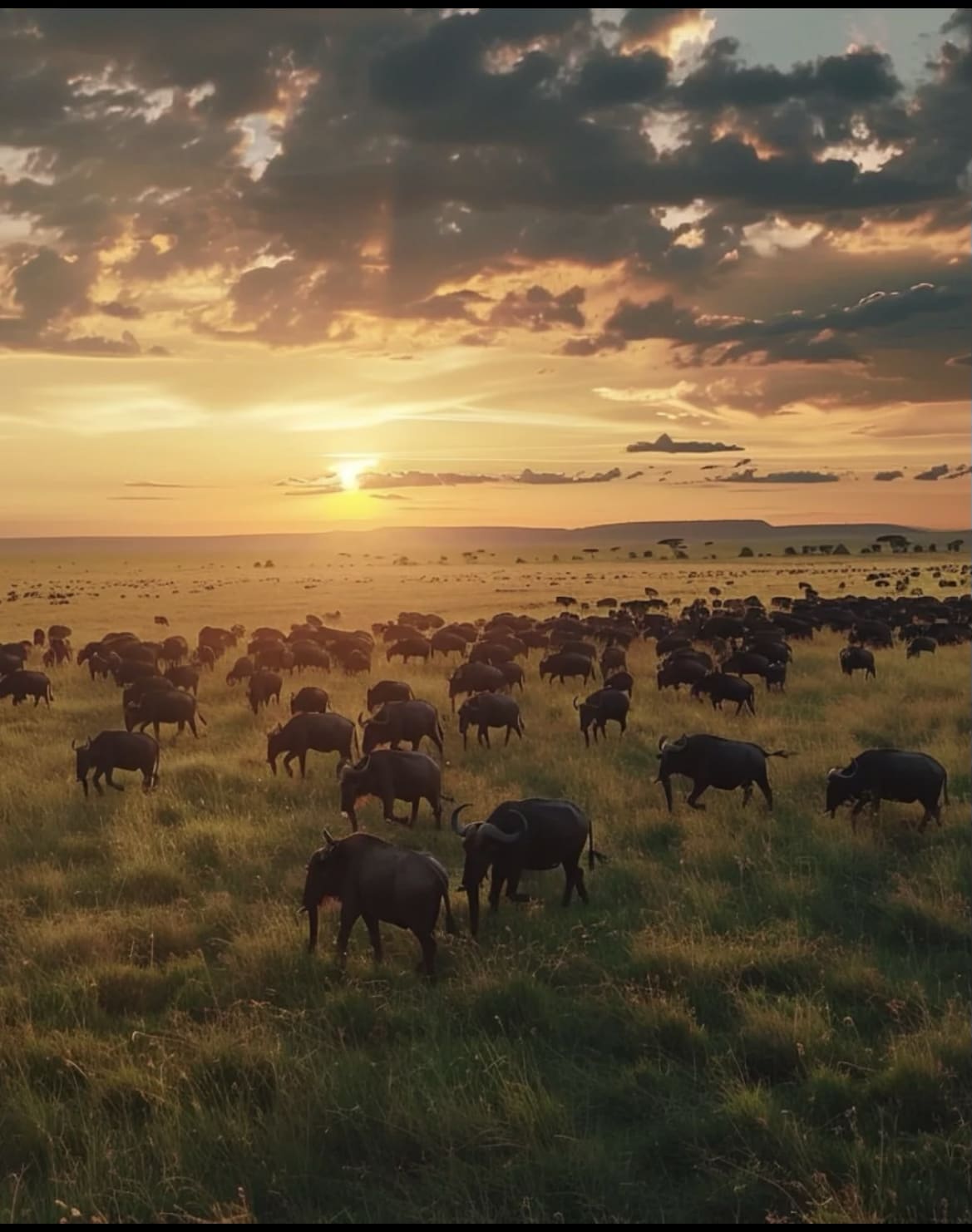
This isolation created something magical. Over 90% of Madagascar's mammals are endemic, meaning they live only here. The island's wildlife includes 100+ lemur species, the famous fossa predator, and hundreds of bird and reptile species. You won't see lions, elephants, or giraffes here—instead, you'll encounter animals that seem almost alien in their uniqueness.
Planning a Madagascar safari requires understanding what animals live where. Different regions host different species. Kirindy Forest is famous for fossas and ring-tailed lemurs. Andasibe-Mantadia National Park offers rainforest species and the rare aye-aye. Berenty Reserve showcases dry forest animals adapted to harsh conditions. This guide covers the complete wildlife checklist you should expect to see during your 2026 Madagascar safari adventure.
What Are Madagascar Safari Animals?
Understanding Madagascar's Unique Wildlife
Madagascar safari animals are species that evolved separately from African wildlife for millions of years. This isolation created biodiversity found nowhere else on Earth. The island acts as a living laboratory of evolution, where animals adapted to specific habitats without competition from African predators.
Lemurs are the most iconic Madagascar safari animals. These primates range from the tiny mouse lemur (weighing just 30 grams) to the indri lemur (up to 7 kilograms). Ring-tailed lemurs with their distinctive black-and-white striped tails are the most recognizable. However, lemurs represent only one piece of Madagascar's wildlife puzzle.
The fossa is Madagascar's top predator and one of the most dramatic animals you can encounter on safari. This cat-like carnivore hunts lemurs and other small animals. Seeing a fossa in the wild is a highlight for most visitors because they're elusive and rarely spotted in other African destinations.
Chameleons add another layer of Madagascar's wildlife diversity. The island hosts more chameleon species than anywhere else on Earth. Some are tiny enough to fit on your finger, while others reach impressive sizes. Their color-changing abilities make them fascinating subjects for photographers and wildlife enthusiasts.
Endemic Species: Animals Found Only Here
Endemic means an animal lives only in one specific place. Madagascar is the global leader in endemic species. Almost every animal you see on a Madagascar safari exists nowhere else in the wild. This makes even common sightings feel extraordinary and irreplaceable.
The aye-aye is one of Madagascar's most unusual endemic animals. This nocturnal lemur has an elongated middle finger it uses to tap trees and extract insects. Many locals consider aye-ayes bad luck, but they're actually harmless and fascinating. Seeing an aye-aye requires night safaris in specific reserves.
Fossas, indris, and ring-tailed lemurs are endemic to Madagascar. So are most of the island's 300+ bird species and hundreds of reptile and amphibian species. This extraordinary concentration of endemic wildlife makes Madagascar irreplaceable for conservation and tourism.
Complete Madagascar Safari Animals Checklist
Lemur Species: The Stars of Madagascar Safaris
Lemurs are the primary reason most people visit Madagascar on safari. The island hosts more lemur species than any other location globally. Each species has adapted to different habitats, from rainforests to dry spiny forests to bamboo forests.
Ring-tailed lemurs are the most commonly seen lemur species. Their distinctive black-and-white striped tails are unmistakable. These social animals live in groups of up to 30 individuals and are active during the day, making them easy to observe. Berenty Reserve is famous for its ring-tailed lemur populations.
Red ruffed lemurs inhabit the rainforests of northeastern Madagascar. These large, colorful lemurs have distinctive red and black fur. They're louder than ring-tailed lemurs, making their presence known with loud calls that echo through the forest. Andasibe-Mantadia National Park is the best place to see red ruffed lemurs.
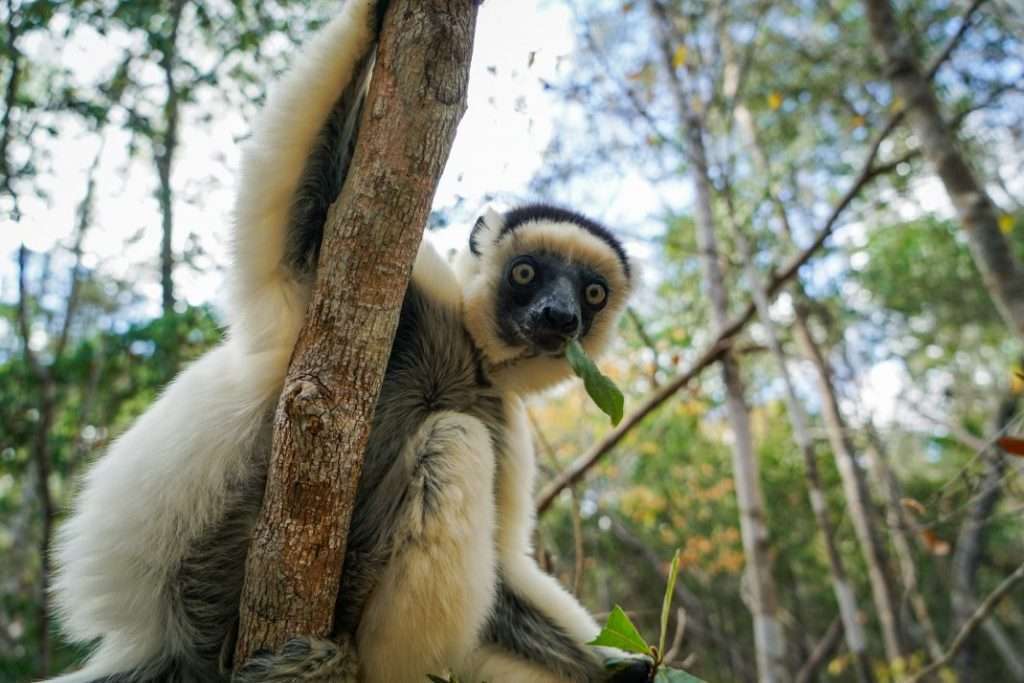
Indri lemurs are the largest living lemurs, weighing up to 7 kilograms. They're primarily black and white with a distinctive upright posture. Their haunting, musical calls are iconic Madagascar forest sounds. Indris are found only in the rainforests of eastern Madagascar and are best seen in Andasibe-Mantadia.
Mouse lemurs are tiny nocturnal lemurs weighing just 30-60 grams. These cute creatures are rarely seen during day safaris but emerge on night walks. Their large eyes and big ears make them irresistible to wildlife photographers. Multiple mouse lemur species exist throughout Madagascar's forests.
Sifakas are medium-sized lemurs known for their distinctive hopping movement. They leap sideways across the ground using their powerful hind legs, a behavior unique among primates. Coquerel's sifakas are the most commonly seen species on Madagascar safaris.
Bamboo lemurs live exclusively in bamboo forests of southeastern Madagascar. These specialized lemurs eat bamboo shoots and leaves. They're found in limited areas, making them a special sighting for dedicated safari-goers. Ranomafana National Park is their primary habitat.
Predators and Carnivores
The fossa is Madagascar's apex predator and the animal most visitors want to see. This cat-like carnivore measures up to 2 meters in length and weighs 4-8 kilograms. Fossas hunt lemurs and other small mammals with incredible agility and speed. Kirindy Forest offers the best chances for fossa sightings, though they remain elusive.
Ring-tailed cats (not actually cats) are smaller carnivores found in dry forests. These animals have long striped tails and reddish fur. They're nocturnal and often seen on night safaris. Berenty Reserve frequently offers ring-tailed cat sightings.
Reptiles: Chameleons, Geckos, and Snakes
Madagascar hosts more chameleon species than any country on Earth. The parson's chameleon is the largest, reaching 68 centimeters in length. Panther chameleons display brilliant colors including blues, greens, and reds. Carpet chameleons are tiny species found in leaf litter.
Geckos are equally diverse and abundant. Madagascar has unique gecko species adapted to every habitat imaginable. Leaf-tailed geckos perfectly mimic dead leaves, making them nearly invisible. Day geckos display bright green coloring and are active during daylight hours.
Madagascar's snakes are non-venomous except for two species. The island's serpents include boas, grass snakes, and egg-eating snakes. Most are shy and rarely encountered during safaris, but night walks increase your chances of seeing them.
Birds: Madagascar's Flying Jewels
Madagascar hosts over 300 bird species, with approximately 60% found nowhere else on Earth. The hoopoe is easily recognizable with its distinctive crest. Couas are medium-sized birds unique to Madagascar. Vangas are small colorful birds that flit through the forests.
The kestrel is Madagascar's only common raptor. These small falcons hunt from open perches. Sunbirds display brilliant metallic plumage and feed on nectar. Bee-eaters are elegant birds often seen hawking insects in flight.
Other Mammals and Amphibians
Tenrecs are spiky insectivores found throughout Madagascar. These creatures resemble hedgehogs but are actually closer to shrews. Some species are nocturnal while others are active during the day. Tenrecs are common but often overlooked by safari visitors.
Frogs and toads are incredibly diverse in Madagascar. The island hosts hundreds of amphibian species. Tomato frogs are bright red and found in wetlands. Painted reed frogs display brilliant colors. Most frogs are small and require careful searching, but night walks reward patient observers.
Where to See Madagascar Safari Animals in 2026
Kirindy Forest: Fossa Country
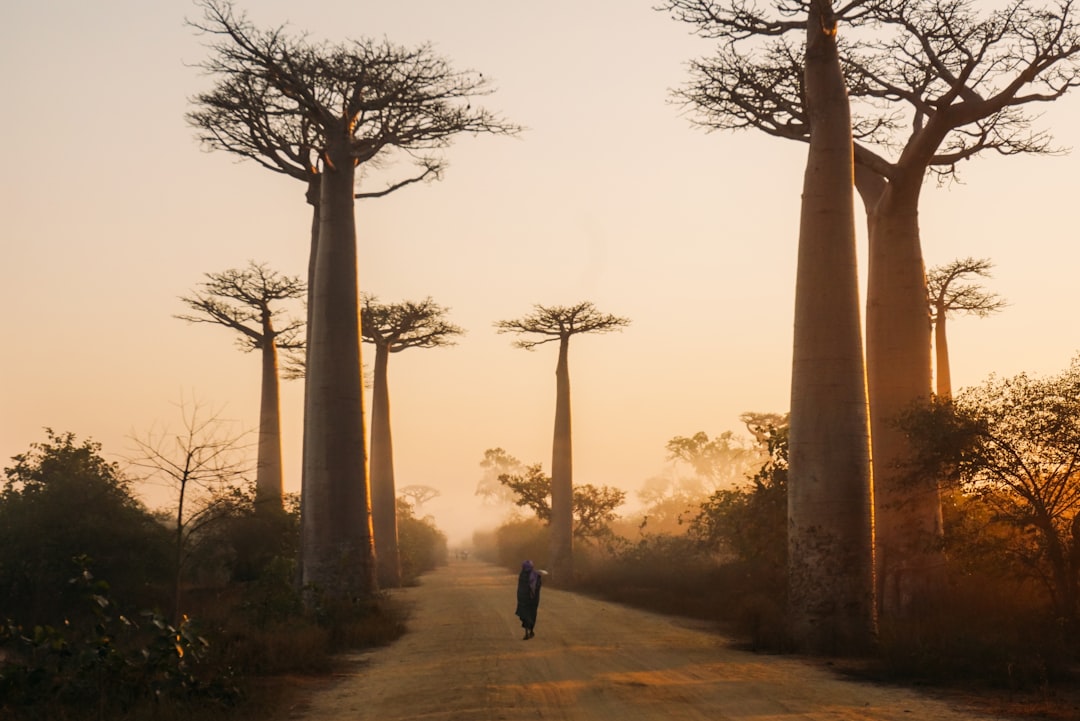
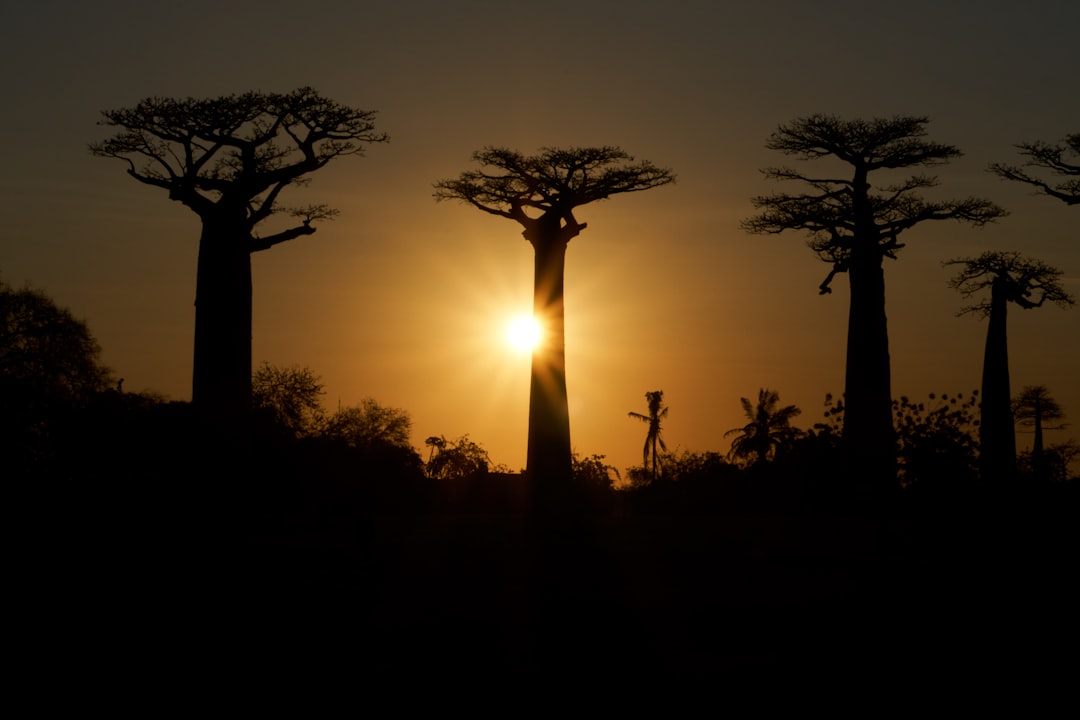
Kirindy Forest is Madagascar's premier destination for seeing fossas and dry forest wildlife. This reserve covers approximately 60 square kilometers of dry deciduous forest. The baobab trees here are iconic, creating an otherworldly landscape. Kirindy is located in western Madagascar, approximately 60 kilometers from Menabe.
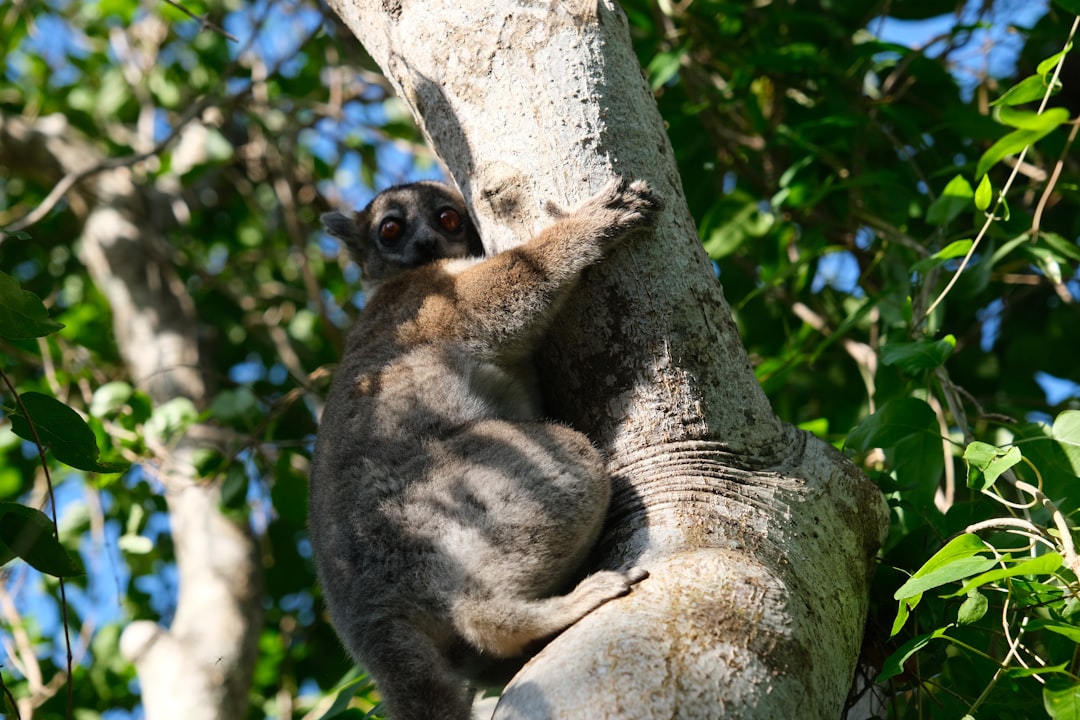
You'll see ring-tailed lemurs, red-fronted brown lemurs, and white-tailed sportive lemurs here. Night walks reveal mouse lemurs, fossas, and nocturnal insects. The forest's dry conditions make wildlife viewing easier than in dense rainforests. Plan 2-3 days in Kirindy for optimal wildlife encounters.
Andasibe-Mantadia National Park: Rainforest Paradise
Andasibe-Mantadia is Madagascar's most accessible rainforest reserve and offers incredible biodiversity. The park protects over 1,000 square kilometers of rainforest habitat. Indri lemurs are the park's signature species, and their haunting calls are unforgettable. The park is located in eastern Madagascar, just 140 kilometers from the capital Antananarivo.
Red ruffed lemurs, eastern woolly lemurs, and diademed sifakas inhabit this reserve. The rare aye-aye can be seen on specialized night tours. Over 100 bird species live here, making it excellent for birdwatchers. A 3-4 day stay allows thorough exploration of different habitats within the park.
Berenty Reserve: Dry Forest Wildlife
Berenty Reserve is Madagascar's most visited wildlife destination and for good reason. This private reserve protects unique dry spiny forest habitat. Ring-tailed lemurs are incredibly abundant here and habituated to human presence. The reserve's gallery forest along the Mandrare River provides additional wildlife viewing opportunities.
Berenty also protects Verreaux's sifakas, white-tailed sportive lemurs, and ring-tailed cats. Nocturnal species emerge on night safaris. Over 60 bird species have been recorded here. The reserve's accessibility and wildlife abundance make it perfect for first-time safari visitors.
Other Important Reserves
Ranomafana National Park protects rainforest habitat in southeastern Madagascar. This reserve is famous for bamboo lemurs and red-bellied lemurs. The park's mountainous terrain offers challenging but rewarding hiking.
Isalo National Park showcases different Madagascar ecosystems including canyon forests and grasslands. The park hosts ring-tailed lemurs, Verreaux's sifakas, and numerous bird species. Isalo's dramatic landscapes combine wildlife viewing with adventure activities.
Tsingy de Bemaraha is a UNESCO World Heritage Site featuring unusual limestone formations called tsingy. This unique landscape hosts lemurs, chameleons, and birds adapted to karst terrain. The reserve's otherworldly geology makes it unforgettable.
Best Time to See Madagascar Safari Animals
Seasonal Wildlife Patterns
The dry season from April to October is the best time to visit Madagascar for wildlife viewing. During these months, vegetation is sparse, making animals easier to spot. Temperatures are comfortable for hiking and safari activities. This is peak tourism season, so book accommodations and tours in advance.
May to August offers the coolest temperatures and clearest skies. Rainfall is minimal, making roads passable and wildlife concentrated around water sources. This is the optimal window for Madagascar safaris. July specifically is excellent for whale watching if you combine your safari with coastal experiences, as humpback whales migrate to Madagascar's waters during this period.
September and October see increasing temperatures but still offer good wildlife viewing. Lemurs become more active as breeding season approaches. Migratory birds return to the island. Prices are slightly lower than peak season, making this a budget-friendly option.
Rainy Season Considerations
November to March is the rainy season in Madagascar. Tropical rains make roads muddy and sometimes impassable. Vegetation becomes lush and dense, making wildlife harder to spot. Humidity increases significantly, making outdoor activities uncomfortable.
However, the rainy season has advantages for dedicated wildlife enthusiasts. Fewer tourists visit, so accommodations and tours cost less. Certain species are more active during this period. Breeding birds are easier to find during nesting season. If you visit during rainy season, expect longer waits between wildlife sightings and be prepared for weather challenges.
Planning Your Madagascar Safari Wildlife Adventure
Recommended Safari Duration
Plan a minimum of 10-14 days for a comprehensive Madagascar safari. This duration allows visits to multiple reserves and different habitat types. A 10-day itinerary typically includes 2-3 days in Kirindy, 3-4 days in Andasibe-Mantadia, and 2-3 days in Berenty, plus travel days.
Longer safaris of 14-21 days allow exploration of additional reserves like Ranomafana, Isalo, or Tsingy de Bemaraha. These extended trips maximize wildlife encounters and reduce travel fatigue. They're ideal for serious birders and photographers who want comprehensive coverage.
Shorter safaris of 5-7 days are possible but limit you to one or two reserves. Focus on Andasibe-Mantadia or Berenty for best results with limited time. You'll see excellent wildlife but miss Madagascar's habitat diversity.
What to Bring for Madagascar Safaris
Binoculars are essential for wildlife viewing and bird identification. Bring 10x42 or 8x42 magnification for optimal performance. A camera with a good zoom lens captures wildlife details. Macro lenses are perfect for photographing chameleons and other small animals.
Lightweight, neutral-colored clothing blends into natural environments and doesn't disturb wildlife. Long pants and long-sleeved shirts protect against insects and sun. Sturdy hiking boots are necessary for forest trails. Bring a light rain jacket even during the dry season.
A good flashlight or headlamp is crucial for night safaris. Red-light filters reduce impact on nocturnal animals. Sunscreen and insect repellent are essential. Binoculars for night viewing help with nocturnal species observation.
Booking Your Madagascar Safari
Compare verified Madagascar safari packages on SafariFind to find tours matching your budget and interests. SafariFind connects you with established tour operators who have excellent track records. Read authentic reviews from previous travelers to understand what to expect.
Most Madagascar safaris include accommodation, meals, transportation, and experienced guides. Budget safaris range from $1,500-$2,500 for 10 days. Mid-range options cost $2,500-$4,000. Luxury safaris exceed $4,000 per person. Prices vary based on accommodation quality, group size, and included activities. Request quotes from multiple operators to compare value and service quality.
Guides are critical to safari success. Experienced guides know where to find elusive species and can identify animals you might miss. Ask about guide qualifications and language capabilities when booking. Most guides speak English, French, and Malagasy.
Madagascar Safari Animals vs Reality: What You'll Actually See
Common Sightings vs Rare Encounters
Ring-tailed lemurs are virtually guaranteed sightings in most reserves. You'll see them multiple times during your safari. However, fossas are rare and elusive despite living in your destination reserve. Seeing a fossa in the wild is a genuine achievement and something to celebrate.
Indri lemurs are reliably seen in Andasibe-Mantadia, especially early morning when they're most vocal. Chameleons are common but require careful searching. Geckos are abundant but mostly nocturnal. Night walks significantly increase your sighting diversity.
Movies and wildlife documentaries often show dramatic predator-prey interactions or rare animal behavior. Real safaris involve more waiting, searching, and patience. Most wildlife encounters last minutes rather than hours. However, the genuine connection with animals in their natural habitat exceeds any filmed experience.
Photography and Observation Tips
Early morning walks offer the best wildlife activity and lighting for photography. Lemurs are most vocal and active from sunrise to mid-morning. Birds are also most active during these hours. Afternoon walks see reduced wildlife activity but can still produce sightings.
Move slowly and quietly to avoid disturbing animals. Sudden movements or loud noises send wildlife fleeing. Let animals come to you rather than pursuing them aggressively. Patience is the most important tool for successful wildlife observation.
Binoculars reveal details invisible to the naked eye. Use them to scan canopies for hidden lemurs and birds. Listen for animal calls and use them to locate species. Many guide services allow you to listen through their binoculars or spotting scopes for enhanced viewing.
Conservation and Responsible Wildlife Viewing
Why Madagascar's Wildlife Matters
Madagascar's unique species exist nowhere else on Earth. Losing them means losing irreplaceable biodiversity. The island's wildlife represents millions of years of evolution in isolation. Protecting Madagascar's animals protects evolutionary history itself.
Habitat loss is the primary threat to Madagascar's wildlife. Deforestation for agriculture and logging destroys animal homes. Climate change alters rainfall patterns and temperatures. Tourism can help fund conservation but must be done responsibly.
Responsible Safari Practices
Choose tour operators committed to conservation and community benefit. Ask about their conservation initiatives and community partnerships. Responsible operators support local employment and environmental protection.
Follow guide instructions regarding wildlife interaction distances. Stay on designated trails to protect vegetation. Don't touch animals or attempt to feed them. Photography should never involve disturbing animals or their habitat.
Support protected areas by paying entrance fees. These funds directly support conservation efforts. Consider additional donations to research and protection programs. Your tourism dollars can make real conservation differences when spent responsibly.
Key Takeaways
- Book your Madagascar safari 3-6 months in advance during the dry season (April-October) to secure the best accommodation and guide availability at competitive rates.
- Plan a minimum 10-14 day safari to visit multiple reserves including Kirindy Forest, Andasibe-Mantadia, and Berenty Reserve for comprehensive wildlife encounters.
- Expect to see ring-tailed lemurs reliably, but rare species like fossas require patience, early morning hikes, and night safaris to maximize sighting chances.
- Bring binoculars, zoom lenses, lightweight neutral clothing, and a flashlight for night safaris to enhance wildlife observation and photography success.
- Compare verified Madagascar safari packages on SafariFind starting at $1,500-$5,000 per person to find operators matching your budget, timeline, and wildlife interests.
Frequently Asked Questions
What is the most common Madagascar safari animal I'll see?
Ring-tailed lemurs are the most commonly seen Madagascar safari animals. These distinctive black-and-white striped lemurs are abundant in reserves like Berenty and are habituated to human presence. You'll encounter them multiple times during your safari, making them nearly guaranteed sightings regardless of which reserve you visit.
How many lemur species live in Madagascar?
Madagascar is home to over 100 lemur species, representing approximately 90% of the world's lemur population. Each species has adapted to different habitats from rainforests to dry forests to bamboo forests. The variety ensures different lemur encounters depending on which reserves you visit during your safari adventure.
Can I see a fossa on a Madagascar safari?
Yes, but fossas are elusive and seeing one requires luck and persistence. Kirindy Forest offers the best chances for fossa sightings. These rare encounters are thrilling because fossas are Madagascar's apex predator and rarely seen in other safari destinations. Night safaris increase your probability of observing this magnificent carnivore.
What is the best time to visit Madagascar for wildlife viewing?
The dry season from April to October is the best time to visit Madagascar for wildlife viewing. Vegetation is sparse, making animals easier to spot. Rainfall is minimal, keeping roads passable. May to August offers the coolest temperatures and clearest skies, making it the optimal window for Madagascar safaris in 2026.
How much does a Madagascar safari cost in 2026?
Madagascar safaris range from $1,500-$5,000 per person for 10-14 days depending on accommodation quality and included services. Budget safaris cost $1,500-$2,500. Mid-range options range $2,500-$4,000. Luxury safaris exceed $4,000 per person. Compare verified packages on SafariFind to find the best value and read authentic reviews from previous travelers.
What wildlife can I see on a night safari in Madagascar?
Night safaris reveal nocturnal species invisible during day hikes. Mouse lemurs, aye-ayes, ring-tailed cats, and numerous insect species emerge after dark. Nocturnal geckos and frogs are easier to spot with flashlights. Night safaris significantly increase your wildlife diversity and should be included in any Madagascar safari itinerary.
Where can I book a Madagascar safari with verified operators?
SafariFind connects travelers with verified Madagascar safari operators offering authentic reviews and transparent pricing. Browse packages, compare tour operators, and request quotes from companies matching your budget and interests. SafariFind's marketplace makes it easy to find reputable operators offering excellent Madagascar wildlife experiences in 2026.
Conclusion: Plan Your Madagascar Safari in 2026
Madagascar safari animals represent Earth's most unique wildlife collection. The island's 90% endemic species exist nowhere else on the planet, making Madagascar irreplaceable for wildlife lovers. From lemurs to fossas to chameleons, every encounter reveals millions of years of isolated evolution.
The best time to visit is April to October when wildlife is active and accessible. Plan 10-14 days to explore multiple reserves and different habitat types. Kirindy Forest offers dry forest and fossa opportunities. Andasibe-Mantadia provides rainforest experiences and indri lemurs. Berenty showcases dry spiny forest with abundant ring-tailed lemurs.
Budget $1,500-$5,000 per person for a comprehensive Madagascar safari in 2026. This investment includes accommodation, meals, transportation, and experienced guides. Guides are essential for finding elusive species and understanding Madagascar's ecosystems.
Start planning your Madagascar safari today by browsing verified packages on SafariFind. Compare tour operators, read authentic reviews from previous travelers, and request quotes matching your budget and timeline. SafariFind's marketplace connects you with established operators committed to excellent service and responsible wildlife viewing. Your Madagascar safari adventure awaits, where you'll encounter animals found nowhere else on Earth.
Plan Your Safari with SafariFind
These recommendations use real data from SafariFind, where you can compare operators, browse packages, and read verified traveler reviews before you book.
Recommended Safari Operators from SafariFind
Recommended Safari Packages from SafariFind
What Travelers Say (SafariFind Reviews)
References
- Madagascar Animals – Wildlife in Madagascar - SafariBookings
- Madagascar Safari Animals: What You'll See | SafariFind
- Madagascar Wildlife Safari - Bucket List Destination - Nature Travel Africa
- Madagascar Wildlife Tour July 2026: Kirindy, Andasibe, Aye-Aye and Whales - HT Agency Tours
- 2026 Madagascar Birding Tour | Wildlife Lemur Tour in Madagascar - Naturalist Journeys
- Madagascar – Mammal Watching
- Wildlife Archive - Safari West
Sources
- Madagascar Animals – Wildlife in Madagascar
- Madagascar Safari Animals: What You'll See | SafariFind
- Madagascar Wildlife Safari - Bucket List Destination
- Madagascar Wildlife Tour July 2026: Kirindy, Andasibe, Aye-Aye and Whales
- 2026 Madagascar Birding Tour | Wildlife Lemur Tour in Madagascar
- Madagascar – Mammal Watching
- Wildlife Archive - Safari West
Related to
Ready to start your safari adventure?
Explore curated safari packages and find your perfect African adventure with verified operators.