Zimbabwe Safari First-Timer's Guide: 7 Days Under $2,500
Plan your first Zimbabwe safari in 7 days for under $2,500. Visit Victoria Falls, Hwange, and Mana Pools. See elephants and Big 5 wildlife. Book with SafariFind.

Zimbabwe Safari First-Timer's Guide: 7 Days Under $2,500
Last updated: July 2026
A 7-day Zimbabwe safari costs $1,500–$2,000 per person, excluding flights. First-timers should visit Victoria Falls, Hwange National Park, and Mana Pools to see elephants and the Big 5. The best time to visit is July to October for dry season wildlife viewing. Compare verified packages on SafariFind to find the perfect operator for your budget.
At a Glance
- Cost: $1,500–$2,000 per person (7 days, excluding flights)
- Best time: July to October (dry season, best wildlife viewing)
- Duration: 7 days minimum for first-timers
- Best for: Budget-conscious travelers, wildlife enthusiasts, first-time safari-goers
- Getting there: Fly to Victoria Falls, then overland to Hwange and Mana Pools
- Wildlife highlights: African elephants, lions, leopards, buffalo, zebras, giraffes
What Is a Zimbabwe Safari First-Timer's Guide: 7 Days Under $2,500?
A Zimbabwe safari first-timer's guide is a budget-friendly itinerary combining three iconic destinations: Victoria Falls, Hwange National Park, and Mana Pools. This 7-day journey costs $1,500–$2,000 per person and lets you see the Big 5 wildlife without breaking the bank. First-timers get the perfect balance of adventure, wildlife, and affordability.
Zimbabwe is a huge country, but first-timers generally visit Victoria Falls, Hwange, and Mana Pools as these have the best infrastructure and are easiest to reach. A classic Zimbabwe itinerary often includes two nights at Victoria Falls, three to four nights in Hwange, and three to four nights in Mana Pools or Lake Kariba. This route gives you waterfalls, elephants, and river wildlife in one trip.
Why choose Zimbabwe over other African safari destinations? The answer is simple: value. Zimbabwe offers world-class wildlife viewing at lower prices than Tanzania or Kenya. You get fewer crowds than peak destinations, authentic experiences, and excellent guides. Plus, the local currency makes accommodations and meals incredibly affordable for foreign visitors.
First-timers booking 3 days or fewer often miss key wildlife behaviors and leave feeling they barely scratched the surface. Seven days is the sweet spot. It gives you enough time to see animals in their natural patterns without rushing between parks. You'll experience sunrise game drives, walking safaris, and river cruises—all within a reasonable budget.
Why Zimbabwe Is Perfect for Your First Safari
Affordable Wildlife Viewing
Zimbabwe safari packages under $2,000 give you incredible value. Compare this to Tanzania's $2,500–$4,000 price tag for similar experiences. You save money without sacrificing quality wildlife viewing or accommodation comfort. Budget accommodations in Zimbabwe range from $50–$150 per night, while mid-range lodges cost $150–$300.
Meals and activities cost less here too. A game drive costs $30–$50 per person. Walking safaris run $25–$40. Victoria Falls entry is about $30. These prices add up slowly compared to other African countries, stretching your budget further.
Incredible Wildlife Diversity
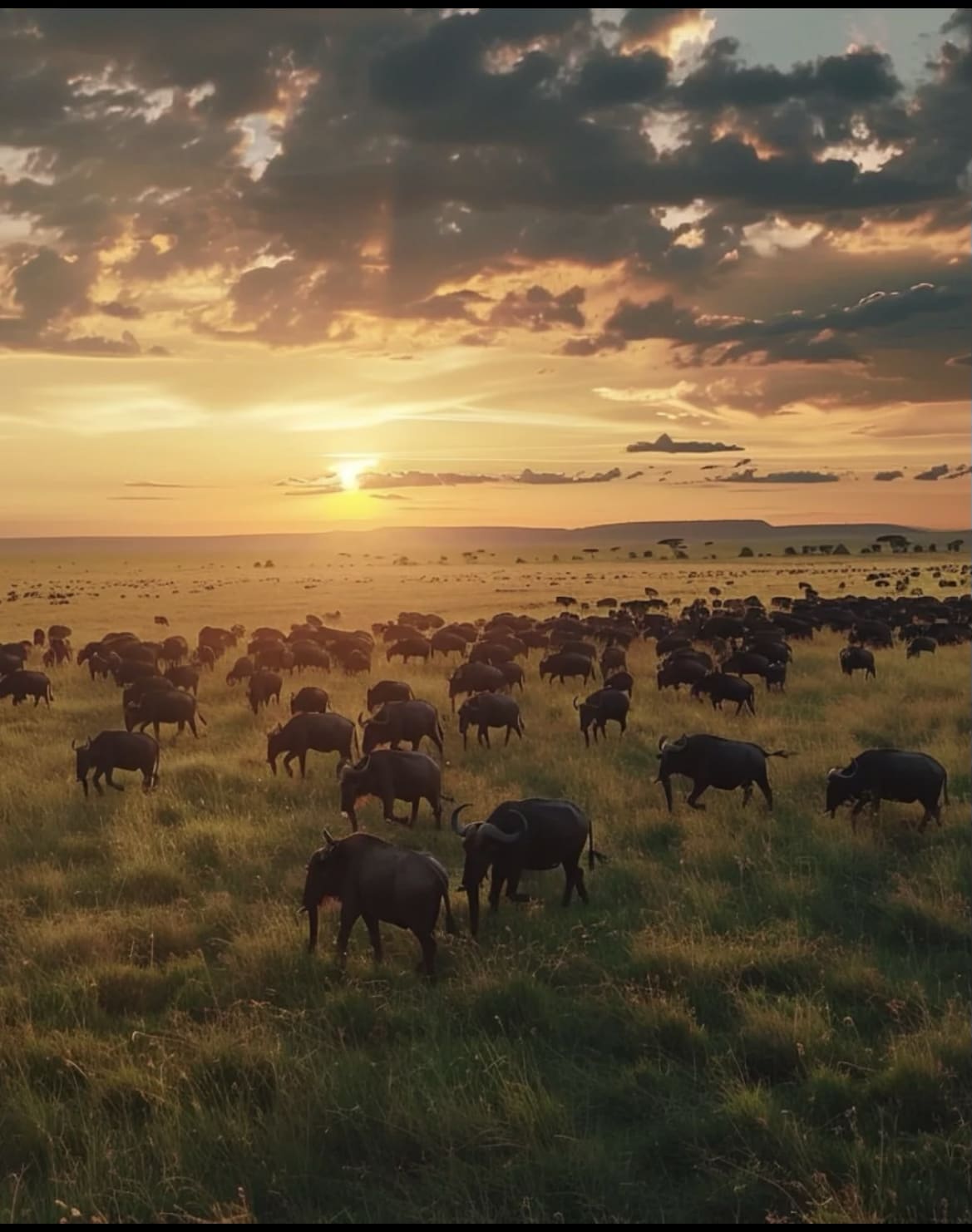
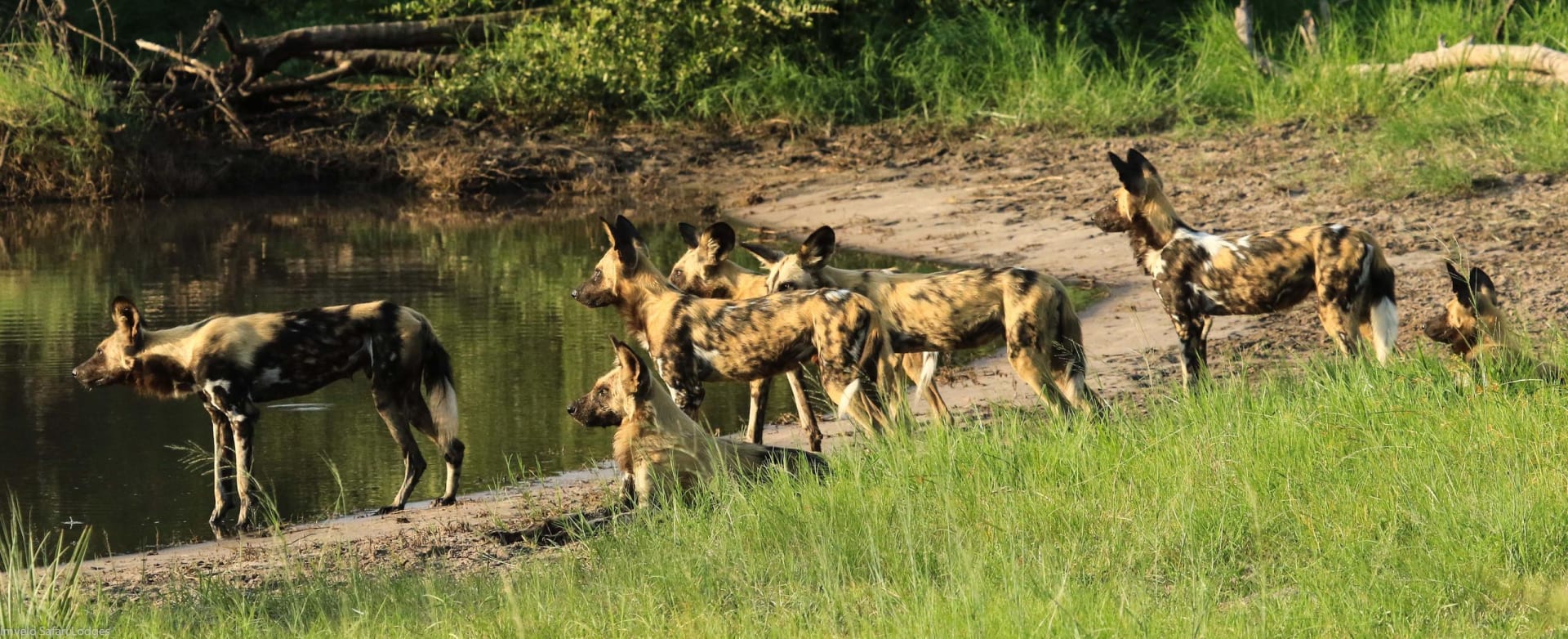
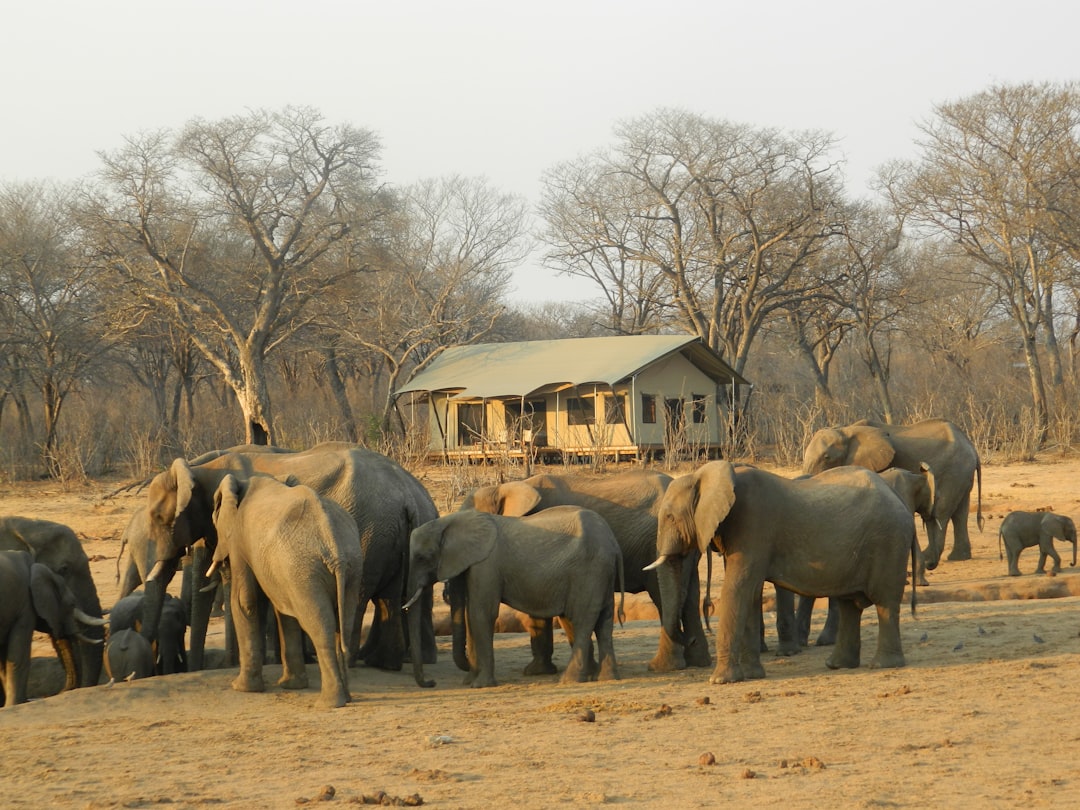
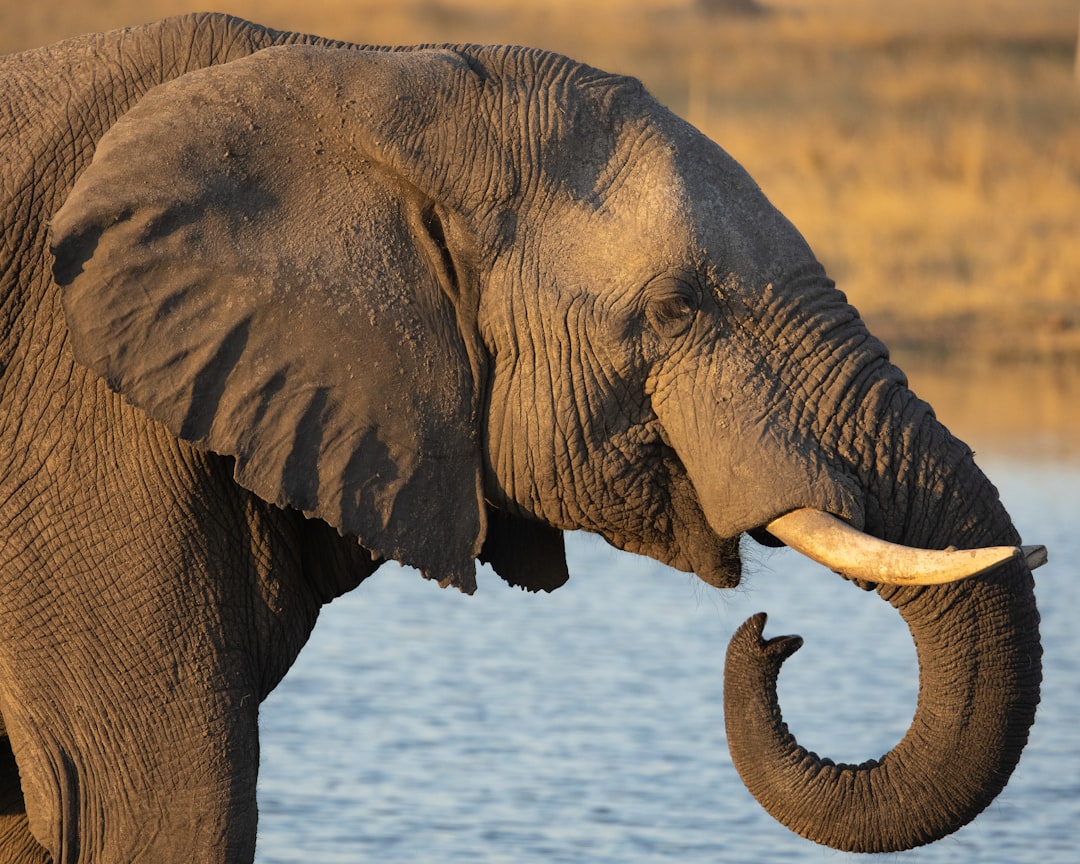
Hwange National Park is home to over 40,000 African elephants—the largest elephant population in Africa. You'll see them at waterholes, in herds, and sometimes with calves. Beyond elephants, Hwange hosts lions, leopards, buffalo, zebras, wild dogs, and giraffes. The park covers vast areas, so wildlife encounters feel authentic and thrilling.
Mana Pools offers a different experience. This UNESCO World Heritage Site sits on the Zambezi River and attracts hippos, crocodiles, and water birds. You can walk among elephants here—a unique privilege few African parks allow. Lake Kariba, an alternative to Mana Pools, offers fishing, birdwatching, and peaceful river scenery.
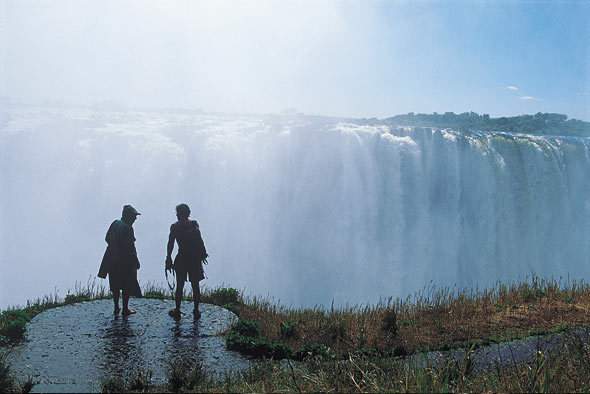
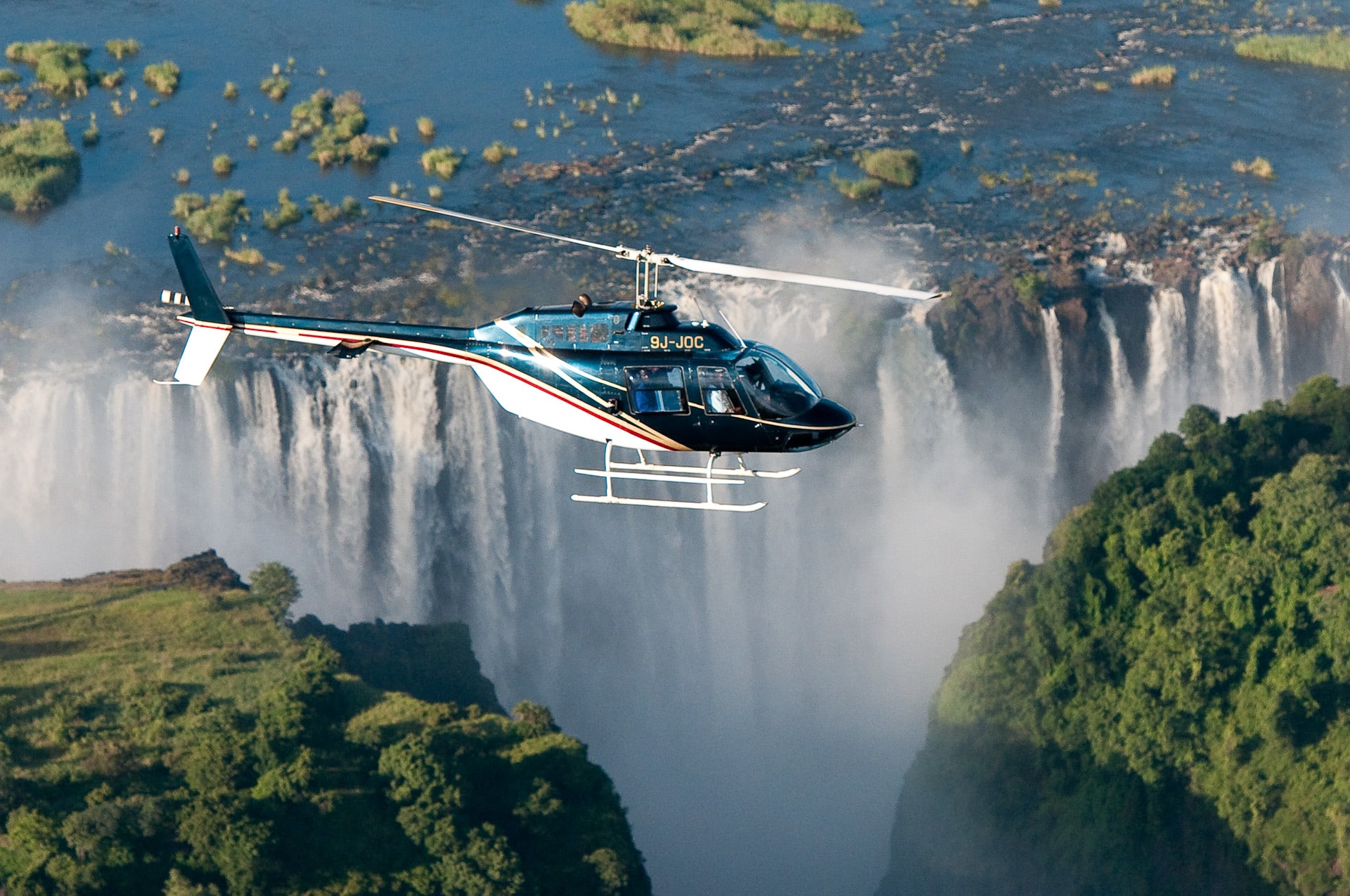
Victoria Falls rounds out the experience. This natural wonder straddles the Zimbabwe-Zambia border and ranks among the world's largest waterfalls. Beyond sightseeing, you can bungee jump, white-water raft, or take scenic helicopter tours for extra thrills.
Fewer Crowds, Authentic Experiences
Zimbabwe sees moderate peak-season crowds compared to Tanzania or Kenya. This means more intimate wildlife encounters and quieter lodge experiences. You'll share game drives with fewer vehicles, increasing your chances of spotting shy animals like leopards and wild dogs.
The guides here are knowledgeable and passionate. Many grew up in rural Zimbabwe and know animal behavior intimately. They'll teach you to read tracks, identify birds, and understand ecosystem dynamics. This education transforms a vacation into a learning experience.
Your 7-Day Zimbabwe Safari Itinerary Under $2,500
Days 1–2: Victoria Falls
Start your journey at Victoria Falls, the natural gateway to Zimbabwe safaris. Fly into Victoria Falls airport and check into your lodge. Spend your first afternoon exploring the falls on foot. The spray, thunder, and scale will astound you. A guided walk takes 1–2 hours and costs about $30.
On day two, choose your adventure. Bungee jumping, white-water rafting, or scenic helicopter tours are available. Alternatively, visit the Victoria Falls National Park for bird spotting and photography. This day builds excitement before heading to wildlife parks. Evening meals at lodge restaurants feature local cuisine—sadza (maize porridge), nyama (meat), and fresh vegetables.
Days 3–5: Hwange National Park
Drive or fly to Hwange National Park on day three. Most lodges arrange transfers. Hwange is Zimbabwe's largest national park and home to massive elephant herds. Check into your lodge by afternoon, then join an evening game drive. As the sun sets, animals come to waterholes to drink. You'll likely see elephants, zebras, and maybe lions on your first drive.
Days four and five mean full-day safari experiences. Wake before dawn for morning game drives when animals are most active. After breakfast, rest at your lodge during the hot midday hours. Afternoon drives (3–6 p.m.) offer another prime viewing window. Your guide will radio other vehicles when rare animals are spotted, increasing your chances of seeing leopards, wild dogs, or cape buffalo.
Some lodges offer walking safaris with armed guides. Walking among elephants and other wildlife creates memories that vehicle safaris cannot match. These walks last 2–3 hours and cost $25–$40 per person.
Days 6–7: Mana Pools or Lake Kariba
Drive to Mana Pools or Lake Kariba on day six. Mana Pools is UNESCO-listed and famous for walking safaris among elephants. Lake Kariba offers a more relaxed pace with fishing, birdwatching, and river cruises. Both destinations showcase Zimbabwe's river ecosystems and bird diversity.
Mana Pools lets you wade in the Zambezi River and walk directly among elephants grazing on the riverbank. This privilege exists nowhere else in Africa. Hippos and crocodiles share the river, but guides know safe routes. The experience is humbling and unforgettable.
On day seven, enjoy one final morning activity before driving back to Victoria Falls or flying out. Many travelers extend their stay here because Mana Pools is so peaceful. If you're leaving, pack memories of three distinct ecosystems and hundreds of wildlife encounters.
Budget Breakdown for 7 Days
Here's how a $1,500–$2,000 budget breaks down:
- Accommodation: $700–$1,050 (7 nights at $100–$150 per night)
- Park entry fees: $150–$200 (Victoria Falls, Hwange, Mana Pools)
- Game drives: $200–$300 (included at most lodges or $30–$50 per drive)
- Meals: $300–$400 (breakfast and dinner included; lunch varies)
- Activities: $100–$200 (walking safaris, bungee jumping, boat tours)
- Ground transfers: $100–$150 (lodge pickups and park transfers)
This leaves $50–$300 for souvenirs, tips, and unexpected costs. Flights are extra and vary by origin city ($500–$1,500 round-trip from the U.S.).
Want expert help planning your budget? Explore verified 7-day Zimbabwe packages under $2,500 on SafariFind to compare lodges, activities, and operators side-by-side.
Best Time to Visit Zimbabwe for First-Timers
Dry Season (July–October): Peak Wildlife Viewing
The dry season is the best time for first-timers to visit Zimbabwe. Animals gather at remaining waterholes, making them easier to spot. Vegetation thins, improving visibility during game drives. Temperatures are cool (60–75°F in mornings, 75–85°F afternoons), perfect for outdoor activities.
July is the coolest month and attracts moderate crowds. August and September are busier but still less crowded than Tanzania. October offers warm days and excellent wildlife viewing before the rains return. During these months, peak dry season packages offer predictable wildlife encounters and comfortable conditions.
Green Season (December–March): Fewer Crowds, Lush Landscape
The green season brings rain, transforming Zimbabwe's landscape into a lush paradise. Animals spread out across wider areas, making sightings less predictable. However, birdwatching is exceptional—over 600 bird species live in Zimbabwe, and many breed during this season. Prices drop significantly, making green season safaris a budget option for experienced travelers.
First-timers should avoid green season unless you're flexible with wildlife viewing. Rain can make roads muddy and game drives uncomfortable. But if budget is your priority and you don't mind fewer animal sightings, this season offers incredible value.
Shoulder Seasons (November, April–June)
November and April–June are transition months with moderate prices and decent wildlife viewing. November offers good wildlife viewing with fewer crowds than August–October. These months suit flexible travelers who want to balance cost and wildlife encounters.
July offers hidden-season pricing benefits with excellent dry season conditions, making it ideal for budget-conscious first-timers seeking wildlife reliability.
How to Book Your Zimbabwe Safari Under $2,500
Choose Your Operator Carefully
Your operator makes or breaks your safari experience. Look for companies with positive reviews from first-time safari-goers. Read what past travelers say about guide quality, lodge comfort, and wildlife encounters. SafariFind lists verified operators with authentic reviews, so you can compare before booking.
Ask potential operators these questions:
- What's included in the quoted price (meals, park fees, activities)?
- What's the guide-to-guest ratio on game drives?
- What's the lodge standard (basic, comfortable, luxury)?
- Can you customize the itinerary for your interests?
- What happens if flights are delayed or wildlife viewing is poor?
Book 3–6 Months in Advance
Booking early saves money. Peak season (August–September) fills quickly, and last-minute deals disappear. Booking 3–6 months ahead gives you better lodge selection and potential discounts. Some operators offer early-bird rates of 10–15% off.
For July and September travel, book by April–June. For November travel, book by August–September. Flexible travelers who book 1–2 weeks ahead sometimes find last-minute deals, but availability is limited.
Use SafariFind to Compare Packages
Compare verified 7-day Zimbabwe safari packages on SafariFind to see pricing, inclusions, and operator ratings side-by-side. Request quotes from multiple operators and ask about customization options. SafariFind's verified reviews help you avoid overpaying and choosing unreliable operators.
What's Included vs. Extra
Budget packages typically include lodging, meals, and park entry fees. Game drives are often included at mid-range and higher lodges. Activities like walking safaris, bungee jumping, or helicopter tours usually cost extra ($25–$200 per activity).
Always confirm what's included before booking. Some operators quote low prices but add surprise fees for activities, drinks, or park entry. Transparent operators list everything upfront. This transparency is a sign of trustworthiness.
Essential Tips for Zimbabwe Safari First-Timers
What to Pack
Pack neutral-colored clothing for game drives—greens, tans, and browns blend into the landscape. Avoid bright colors that scare animals. Bring long sleeves and pants for sun protection and insect defense. A hat, sunglasses, and high-SPF sunscreen are essential.
Pack binoculars for spotting distant animals. A good camera with a zoom lens captures incredible photos. Quick-dry clothing works well since mornings are dewy. Bring a light jacket for cool early mornings and evenings. Comfortable walking shoes are crucial for lodge exploration and optional walking safaris.
Don't forget malaria medication. Consult your doctor before traveling. Bring antimalarial pills and take them as prescribed. Zimbabwe has malaria in some regions, especially during green season. Mosquito repellent with 20–30% DEET provides extra protection.
Health and Safety Considerations
Zimbabwe is generally safe for tourists in safari areas. Stick to organized activities and avoid wandering alone at night. Your lodge provides security. Guides are trained in wildlife safety and carry radios for emergencies.
Drink bottled water only. Tap water in major towns is treated, but safari lodges use bottled water for safety. Eat hot, freshly cooked food. Avoid raw vegetables unless you've verified they're cleaned with bottled water. Travel insurance is highly recommended to cover medical emergencies and trip cancellations.
Respect Wildlife and Local Culture
Follow your guide's instructions during game drives. Stay in the vehicle unless told otherwise. Never feed animals or attempt to touch them. Elephants and buffalo are dangerous if provoked. Respect local communities by asking permission before photographing people. Small gifts like pens or school supplies are appreciated but not expected.
Leave no trace. Don't litter or remove plants and rocks. Wildlife and ecosystems depend on your respect. Your responsible behavior protects Zimbabwe's safari industry for future visitors.
Key Takeaways
- Book your Zimbabwe safari 3–6 months in advance to secure better lodges and potentially save 10–15% on peak season rates.
- Plan for 7 days minimum to experience Victoria Falls, Hwange's elephants, and Mana Pools' walking safaris without feeling rushed.
- Visit July to October for reliable dry season wildlife viewing and cooler temperatures perfect for game drives.
- Budget $1,500–$2,000 per person for lodging, meals, park fees, and activities (flights are extra at $500–$1,500).
- Compare verified operators on SafariFind to avoid overpaying and ensure your guide is experienced with first-time safari-goers.
Frequently Asked Questions
How much does a 7-day Zimbabwe safari cost in 2026?
A 7-day Zimbabwe safari costs $1,500–$2,000 per person, excluding international flights. This covers lodging at mid-range properties ($100–$150 per night), meals, park entry fees ($150–$200), and game drives. Flights from the U.S. typically cost $500–$1,500 round-trip, depending on your origin city and booking timing.
What's the best time for a first-timer to visit Zimbabwe?
July to October is the best time for first-timers visiting Zimbabwe. The dry season concentrates wildlife at waterholes, making animals easier to spot. Vegetation thins for better visibility. Temperatures are cool and comfortable (60–85°F). Wildlife encounters are predictable, which suits first-time safari-goers who want guaranteed sightings.
Is Zimbabwe safe for safari tourism?
Yes, Zimbabwe is safe for safari tourism in established national parks and lodges. Victoria Falls, Hwange, and Mana Pools have excellent security and professional guides trained in wildlife safety. Stick to organized activities and avoid wandering alone at night. Travel insurance is recommended to cover medical emergencies and trip cancellations.
What wildlife will I see on a Zimbabwe safari?
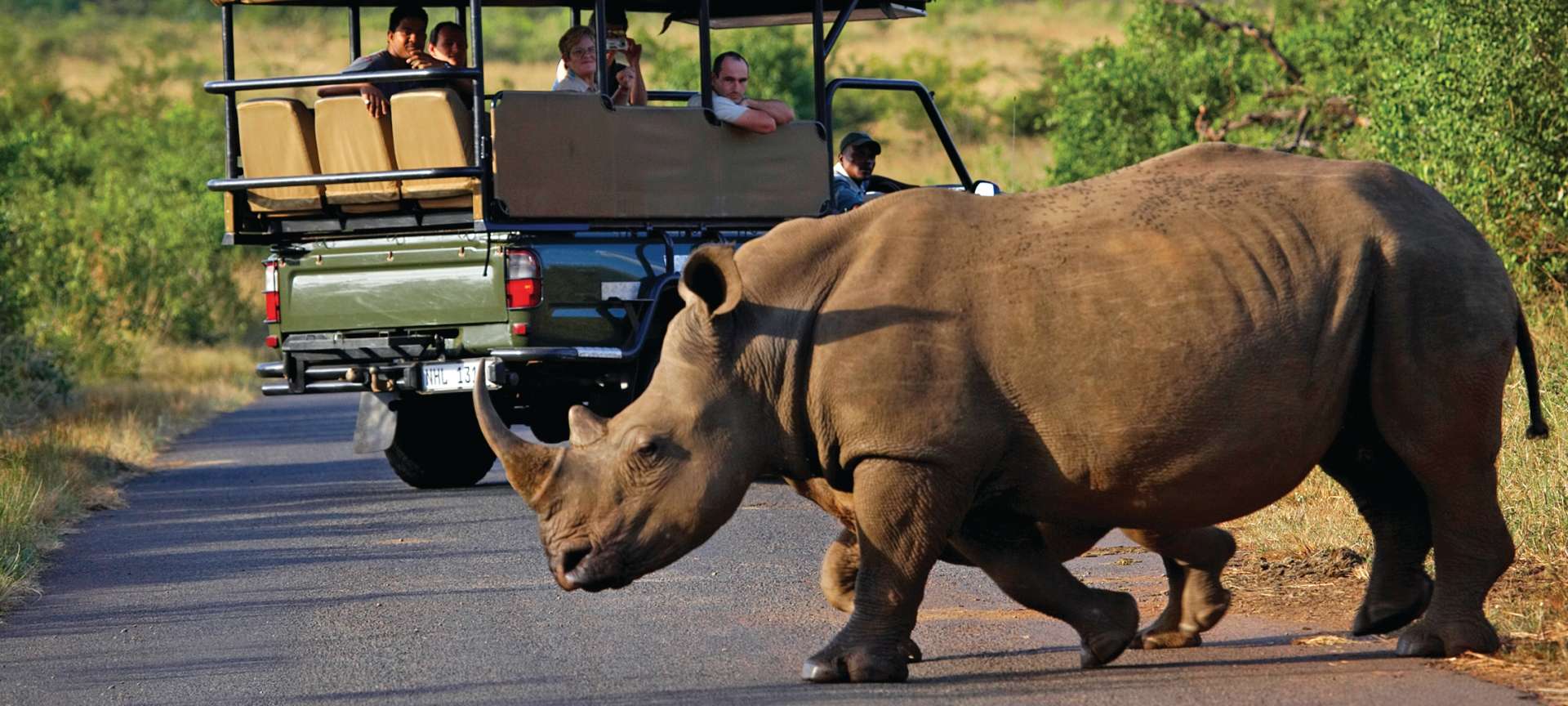
Zimbabwe safaris offer Big 5 wildlife: lions, leopards, buffalo, elephants, and rhinos. Hwange National Park hosts over 40,000 African elephants—the largest population in Africa. You'll also see zebras, giraffes, wild dogs, hippos, crocodiles, and over 600 bird species. Mana Pools lets you walk among elephants, a unique privilege few African parks allow.
How long should my first Zimbabwe safari be?
Seven days is ideal for first-timers. This duration lets you experience three distinct destinations—Victoria Falls, Hwange, and Mana Pools—without rushing. Shorter trips (3 days or fewer) often leave visitors feeling they barely scratched the surface. Ten days exceeds most travelers' annual leave and costs exceed $10,000 per person.
What should I pack for a Zimbabwe safari?
Pack neutral-colored clothing (greens, tans, browns) for game drives. Bring long sleeves, pants, a hat, sunglasses, and high-SPF sunscreen. Pack binoculars and a good camera with zoom capability. Comfortable walking shoes are essential. Bring a light jacket for cool mornings and evenings. Don't forget malaria medication, insect repellent, and travel insurance documents.
How do I find a trustworthy Zimbabwe safari operator?
Read reviews from past travelers on SafariFind and other platforms. Look for operators with ratings above 4.5 stars and positive feedback from first-time safari-goers. Ask about guide qualifications, lodge standards, and what's included in quoted prices. Request quotes from multiple operators and compare. Transparent pricing and clear communication are signs of trustworthiness. Browse verified Zimbabwe safari operators on SafariFind to find highly-rated companies.
Conclusion
A 7-day Zimbabwe safari under $2,500 is achievable and unforgettable for first-timers. Zimbabwe offers world-class wildlife viewing, iconic destinations, and incredible value compared to Tanzania or Kenya. You'll see African elephants in Hwange, walk among wildlife in Mana Pools, and witness the majesty of Victoria Falls—all without excessive costs.
The key to success is planning ahead. Book 3–6 months in advance, choose July to October for reliable wildlife viewing, and use SafariFind to compare verified operators. Read authentic reviews from past travelers and ask operators detailed questions about inclusions, guide quality, and customization options.
Zimbabwe in 2026 remains one of Africa's best safari values. First-timers who invest time in planning and operator selection will return home with memories that last a lifetime. Don't delay—start comparing verified 7-day Zimbabwe safari packages under $2,500 on SafariFind today to find your perfect operator and secure your spot before peak season fills up.
Plan Your Safari with SafariFind
These recommendations use real data from SafariFind, where you can compare operators, browse packages, and read verified traveler reviews before you book.
Recommended Safari Operators from SafariFind
What Travelers Say (SafariFind Reviews)
References
- Zimbabwe Safari Tours – Africa Tour Operators
- Zimbabwe Safari Packages Under $2,000: 7-Day Itineraries 2026 – SafariFind
- 49 Zimbabwe Budget Safaris Offered by Top Rated Operators – Safari Bookings
- Zimbabwe Travel Guide – Responsible Vacation
- The Ultimate Guide to a Zimbabwe Safari – Go2Africa
- Zimbabwe Safari Trips & Tours – Timbuktu Travel
- How Long Should a First African Safari Be? – African Safari Home
- Best of Zimbabwe (Comfort) 6 Days 5 Nights – TourRadar
Sources
- Zimbabwe Safari Tours – Africa Tour Operators
- Zimbabwe Safari Packages Under $2,000: 7-Day Itineraries 2026 – SafariFind
- 49 Zimbabwe Budget Safaris Offered by Top Rated Operators – Safari Bookings
- Zimbabwe Travel Guide – Responsible Vacation
- The Ultimate Guide to a Zimbabwe Safari – Go2Africa
- Zimbabwe Safari Trips & Tours – Timbuktu Travel
- How Long Should a First African Safari Be? – African Safari Home
Related to
Ready to start your safari adventure?
Explore curated safari packages and find your perfect African adventure with verified operators.